
Tel/WhatsAapp:+86 13366396425
E-mail: chloe_xia@vleap.com.cn

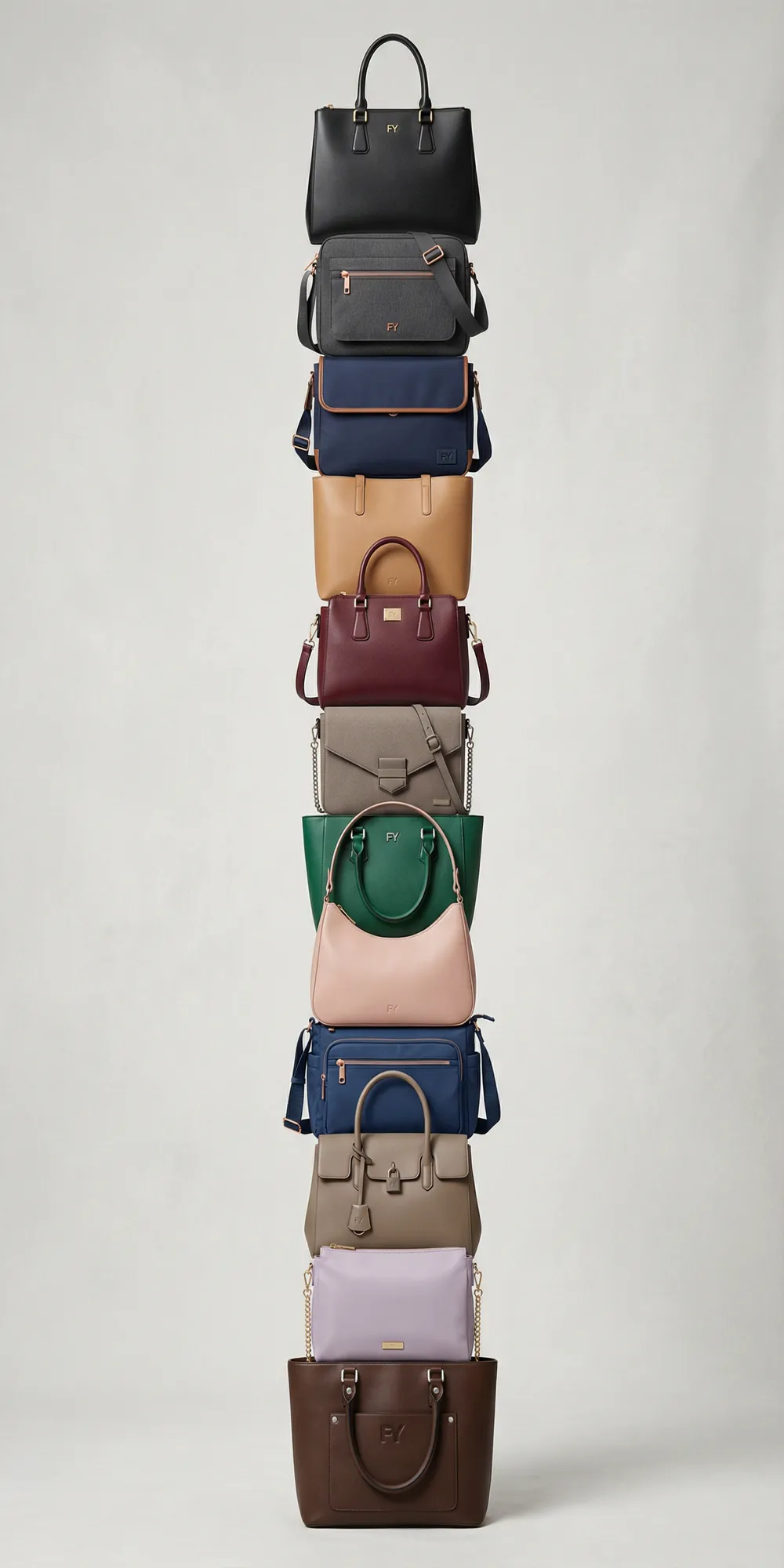
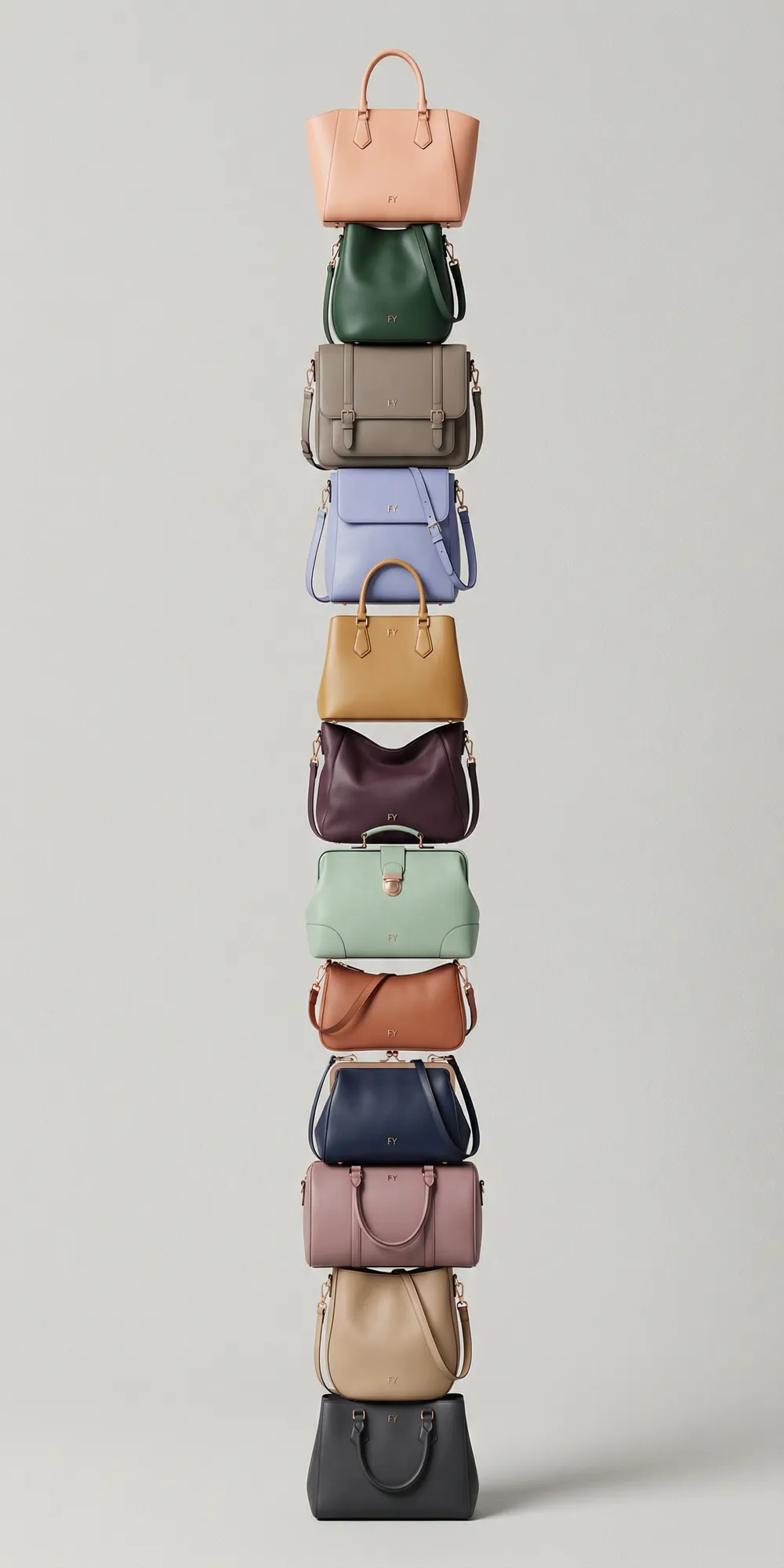
When you design a commuting & work bag program, you’re rarely choosing just one product. In most cases, you are planning a family of bags that covers different roles, departments, and lifestyles — all under one brand story. Below are the core categories we usually recommend as the “backbone” of any daily commuting & work collection, and how they fit into real user needs.
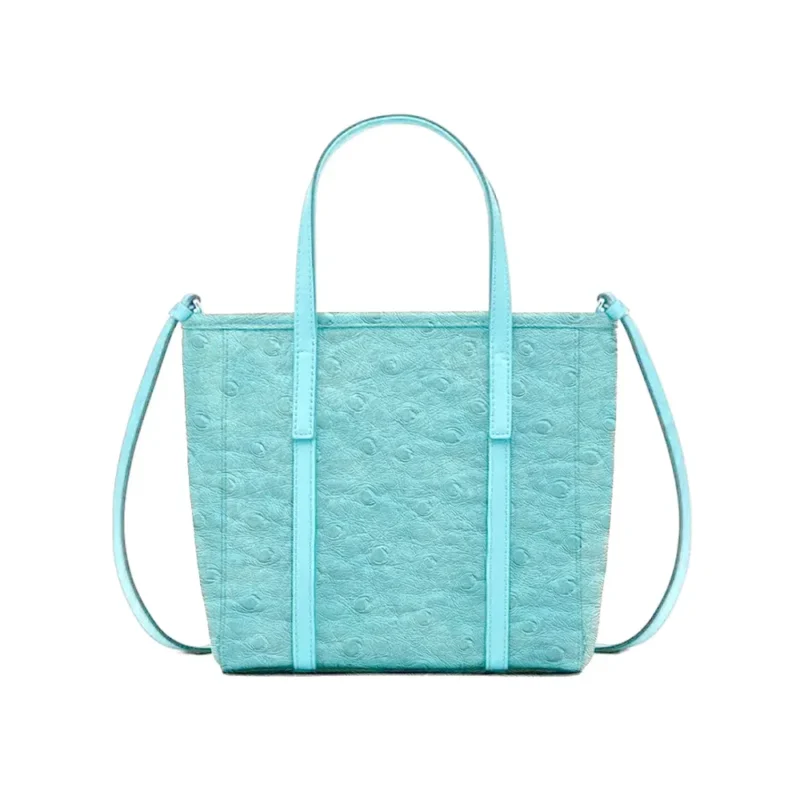
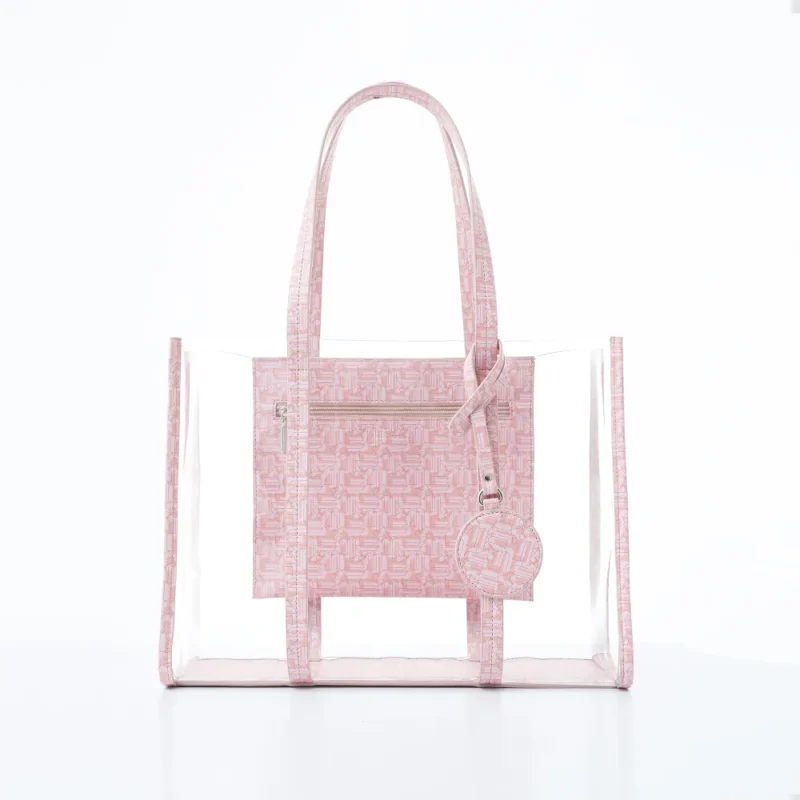
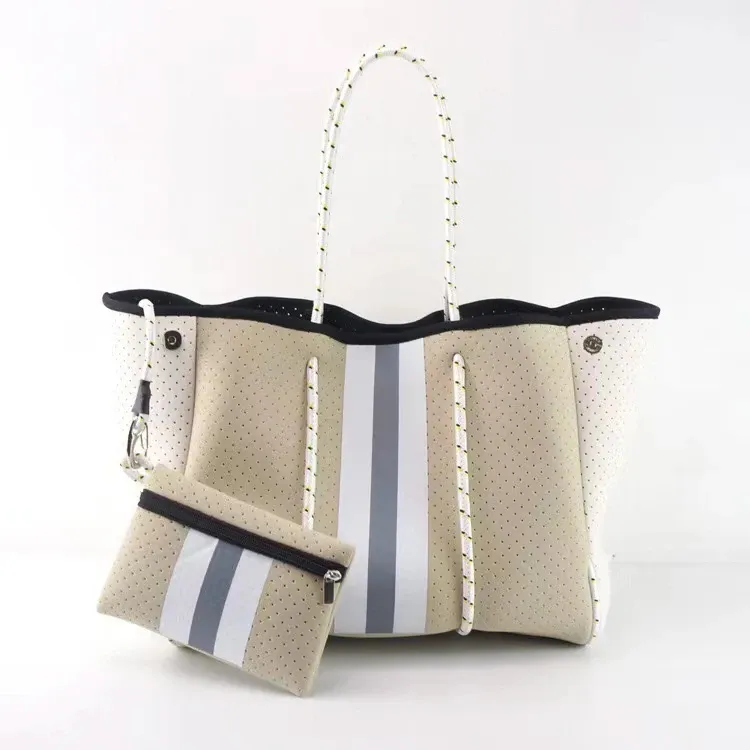
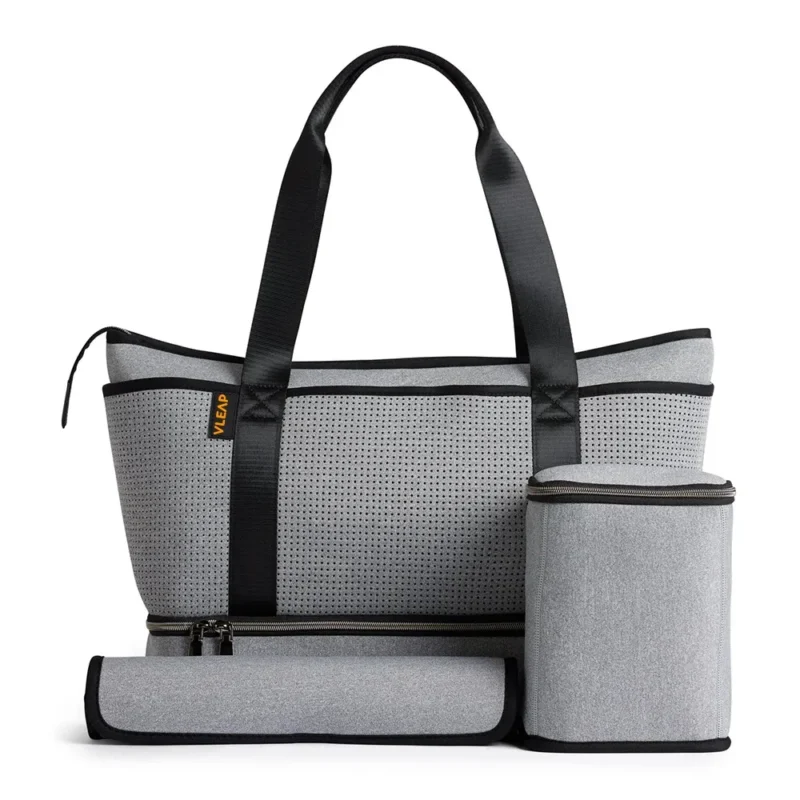
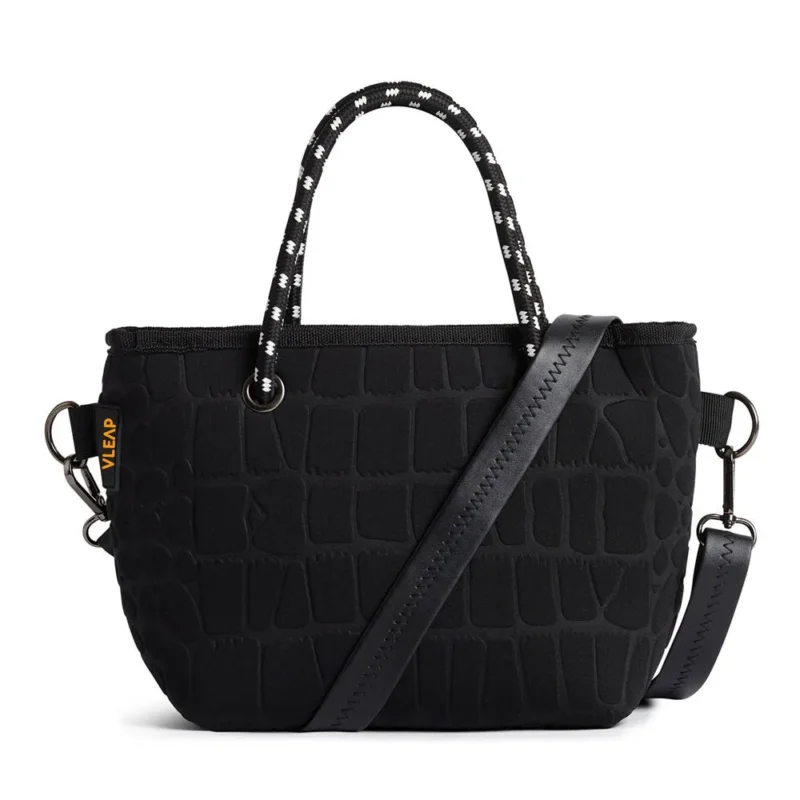
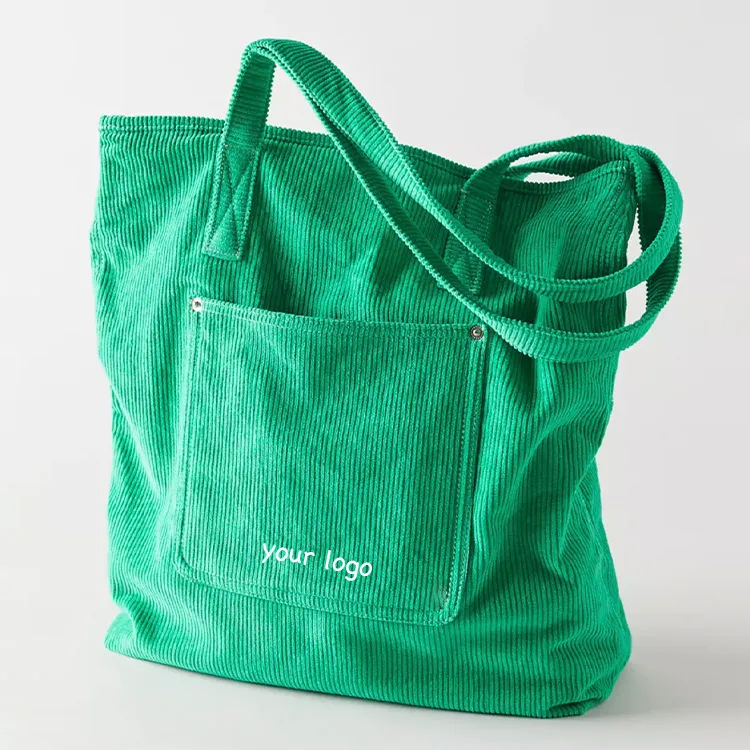
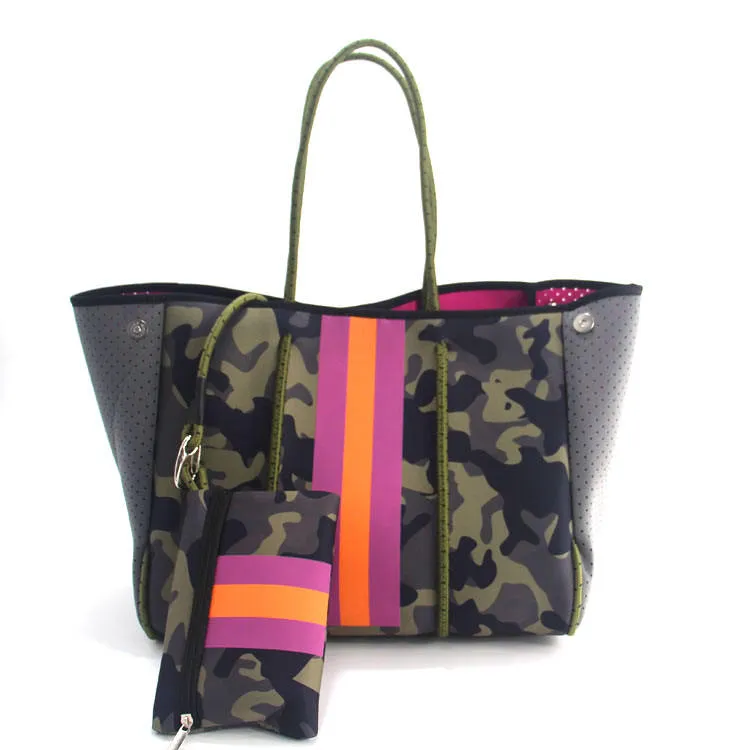
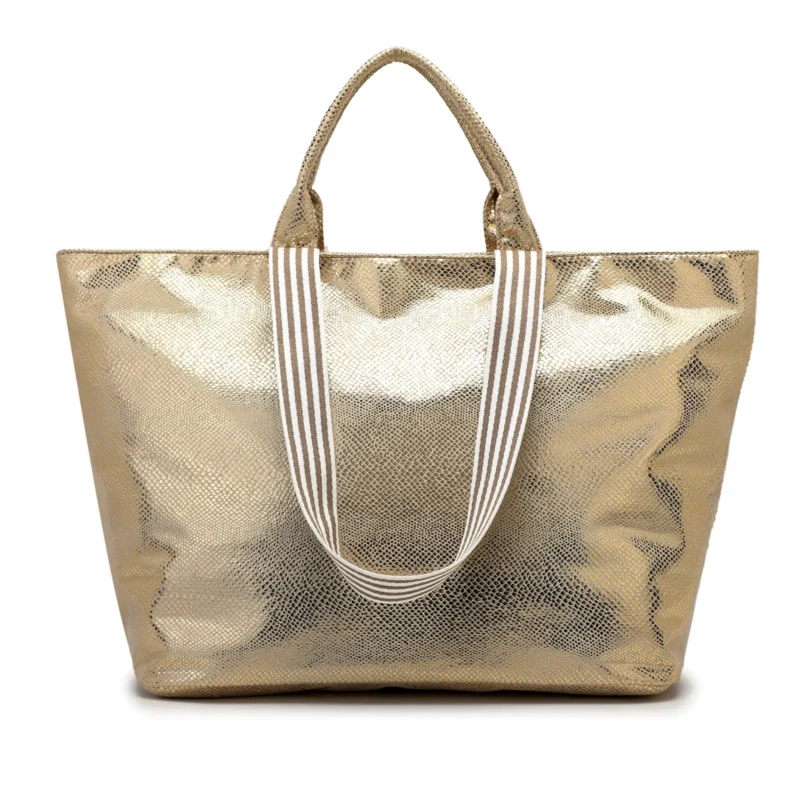
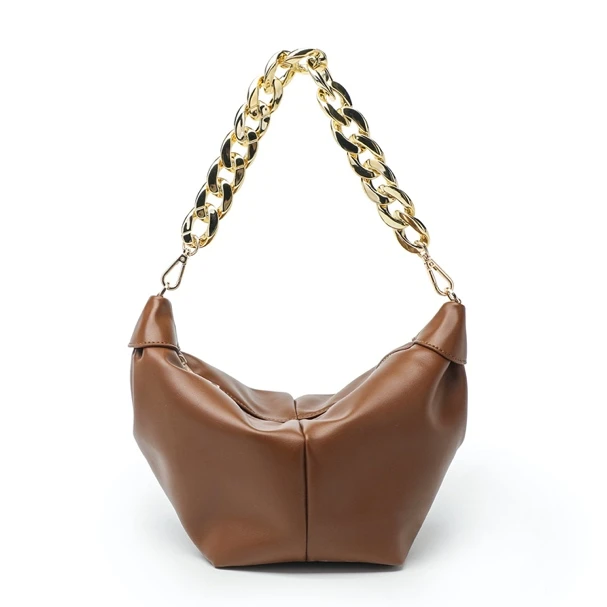
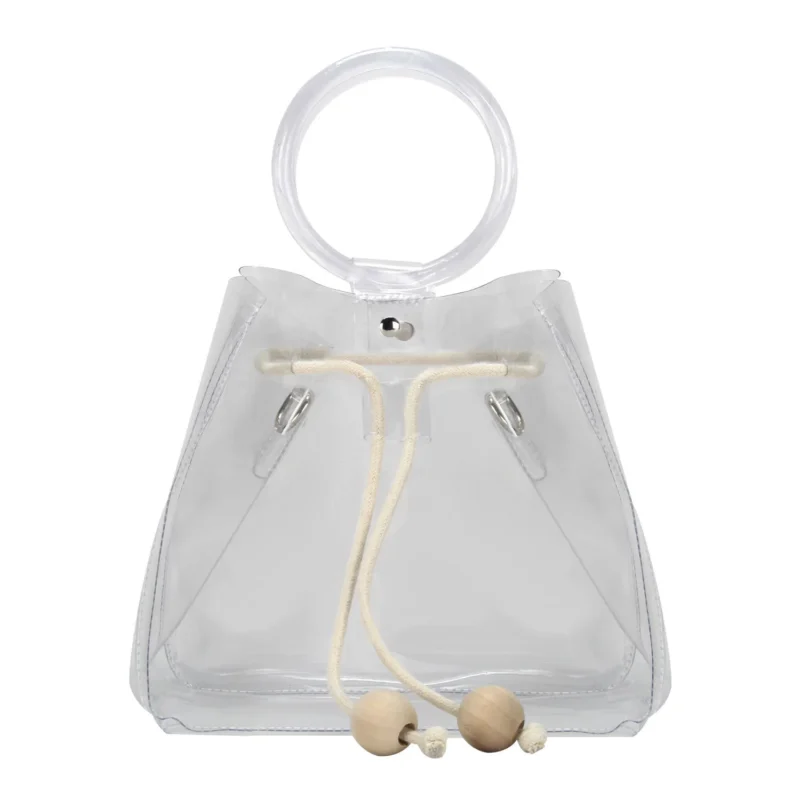
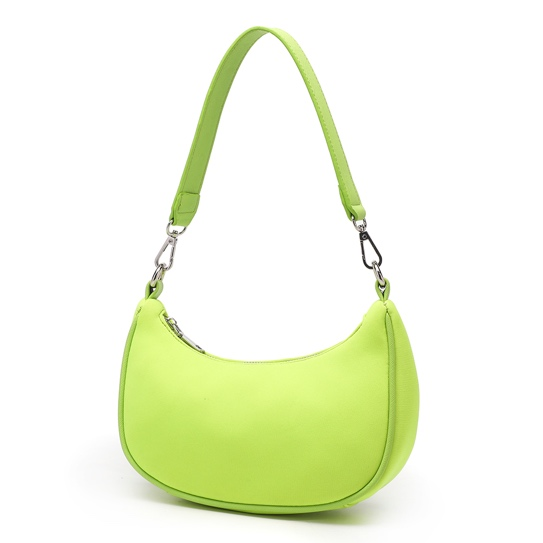
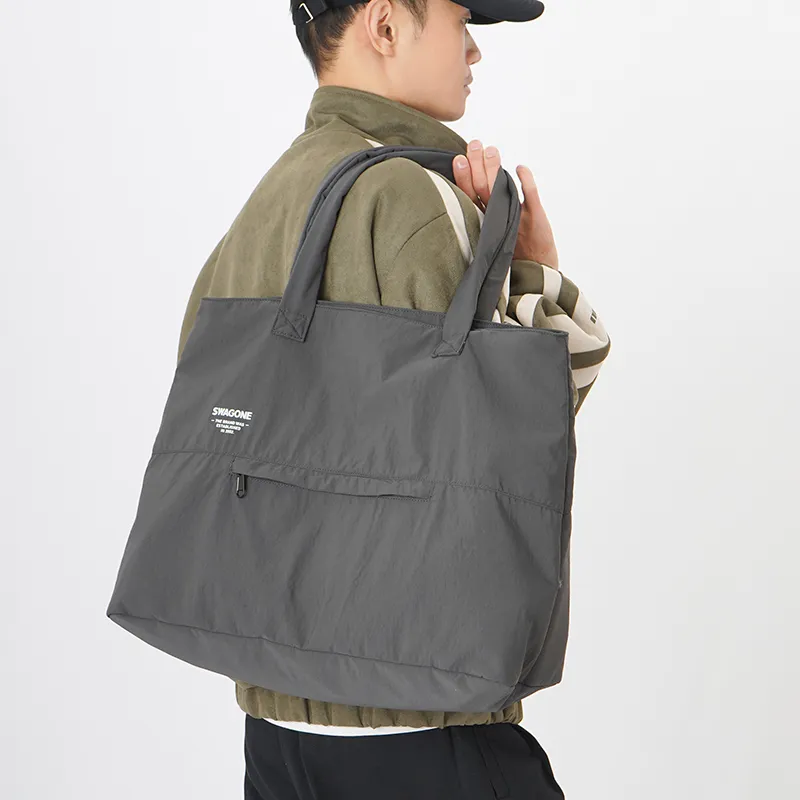
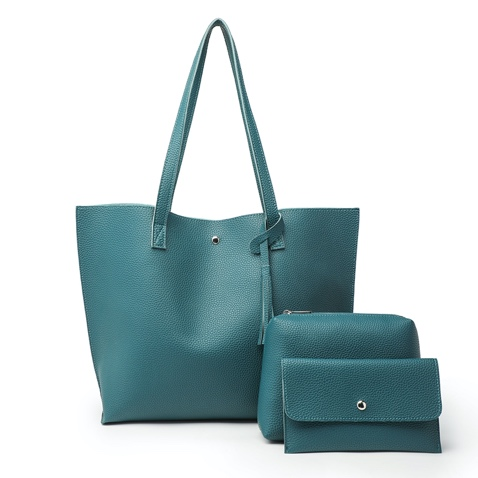
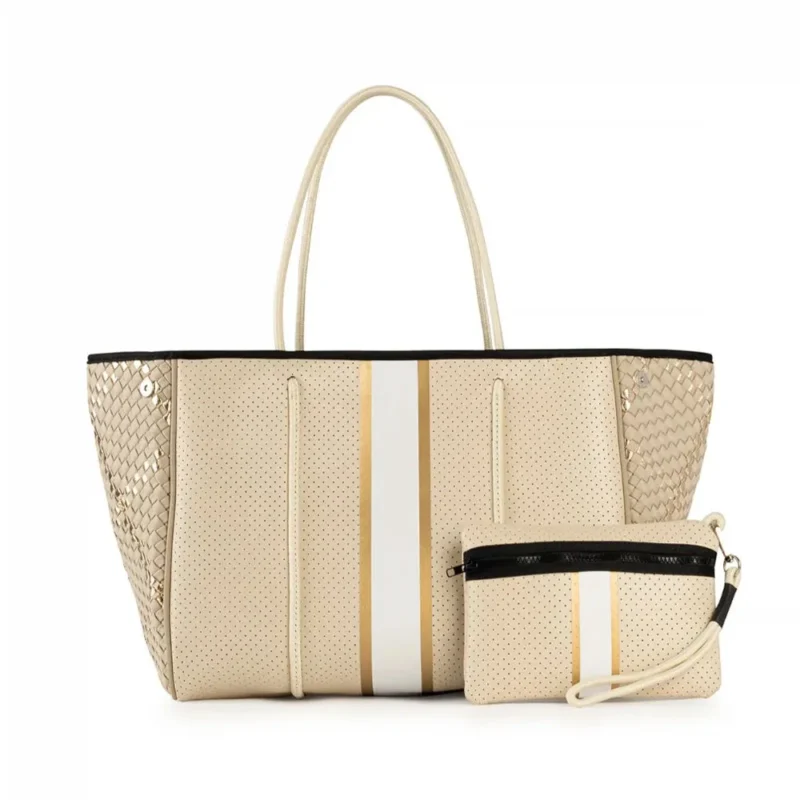
For many professionals, especially in creative, fashion, media, marketing, and office-based roles, the work tote bag or office handbag is the most visible commuting companion. It is the piece they carry into meetings, place on the table during presentations, and feature in everyday social media moments.
How users actually use them
This is where design has to balance style, structure, and practicality:
From a B2B angle, work tote and handbag programs can be positioned as:
We can help you convert your brand’s styling codes (logo, typography, color palette) into a tote & handbag line that feels both “on-brand” and “office-ready”, rather than just another generic tote.
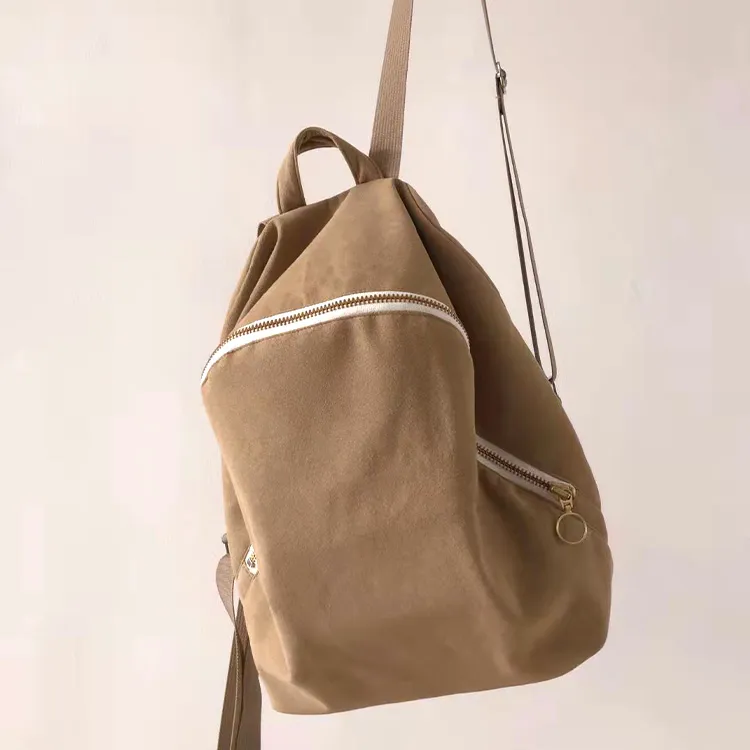
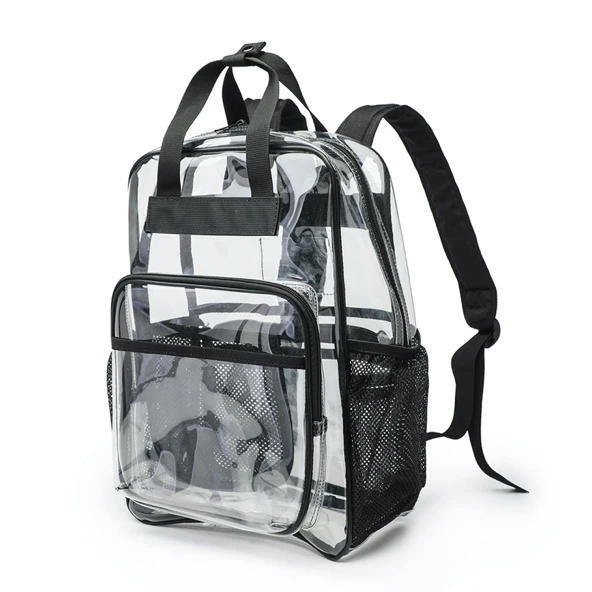
For dense urban environments and long commutes, the laptop backpack is often the most rational choice. It distributes weight better, keeps hands free, and feels natural for people who walk, cycle, or ride public transit.
Core functional expectations
We usually structure commuter backpacks around several design layers:
For brand, laptop & commuter backpacks are ideal for:
We can develop lines ranging from minimal, almost “suit-like” business backpacks to more relaxed, “work & weekend” hybrid designs, including options like a backpack with a shoe compartment for those who go straight to the gym after work.
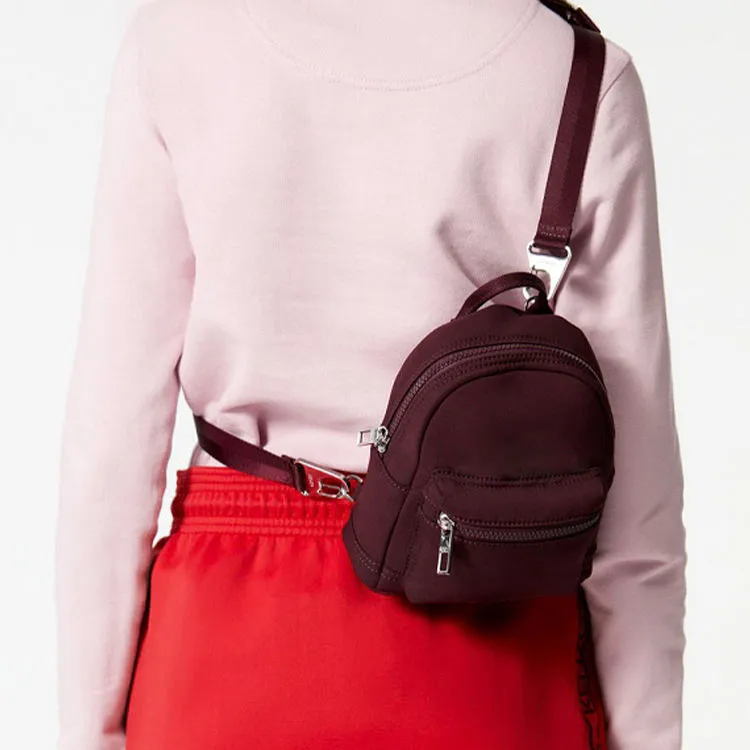
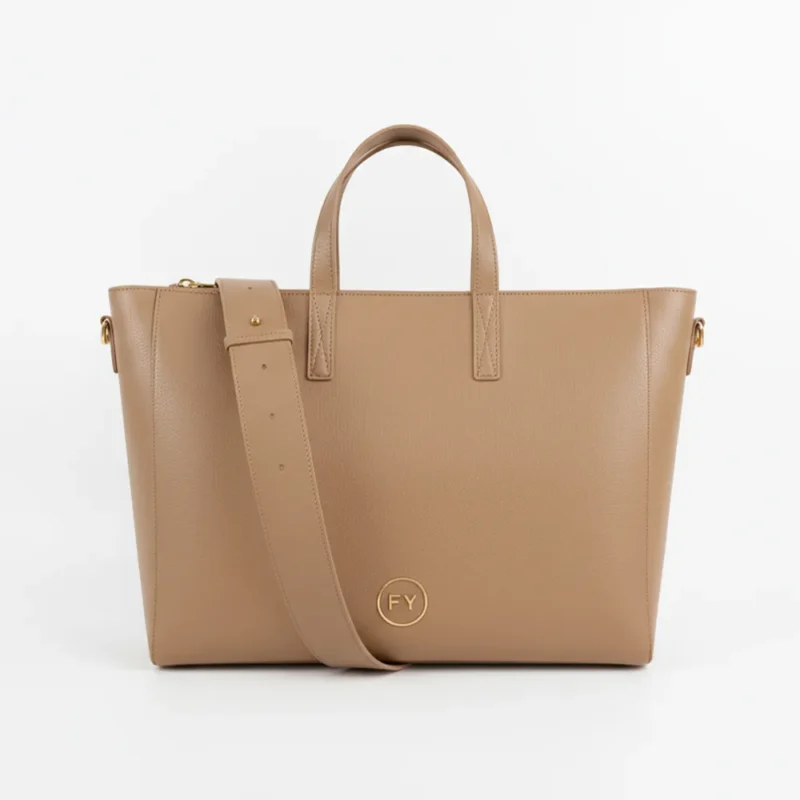
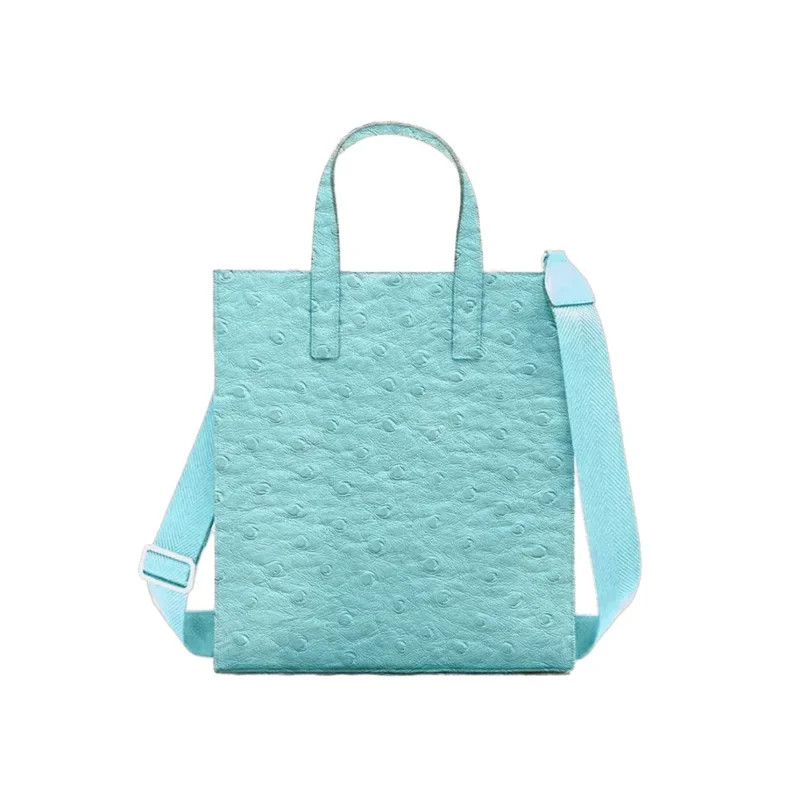
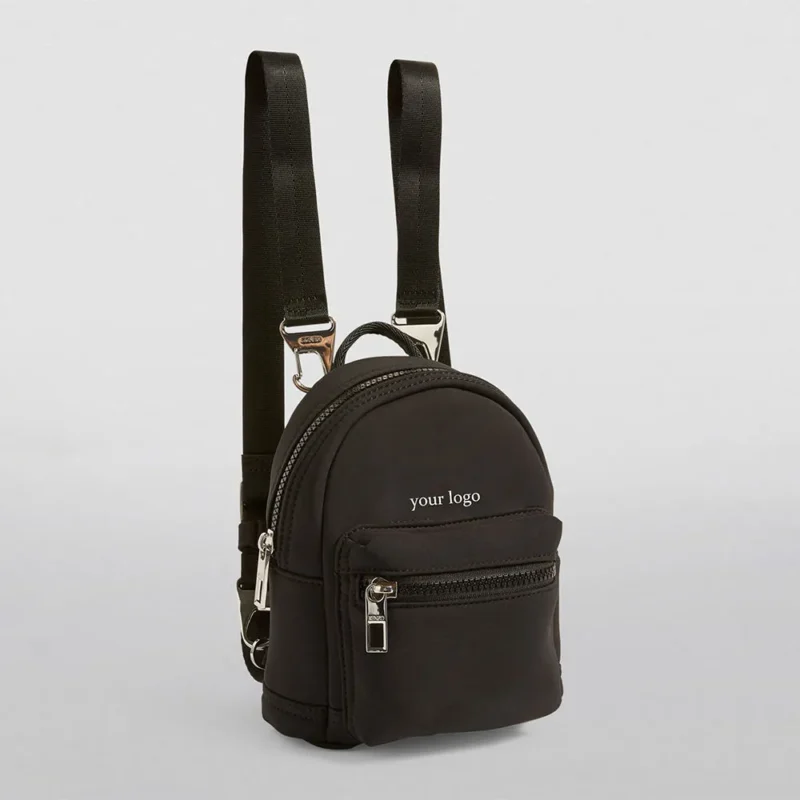
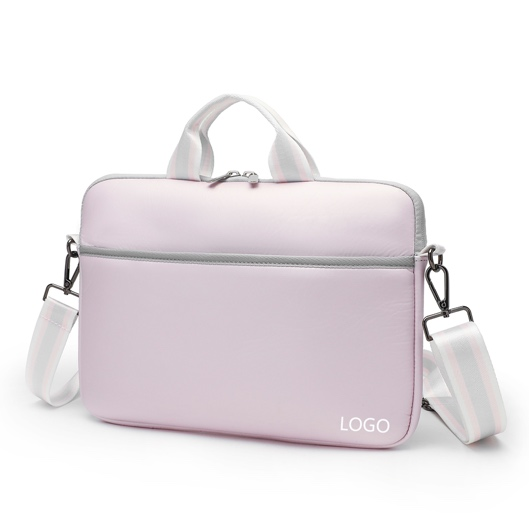
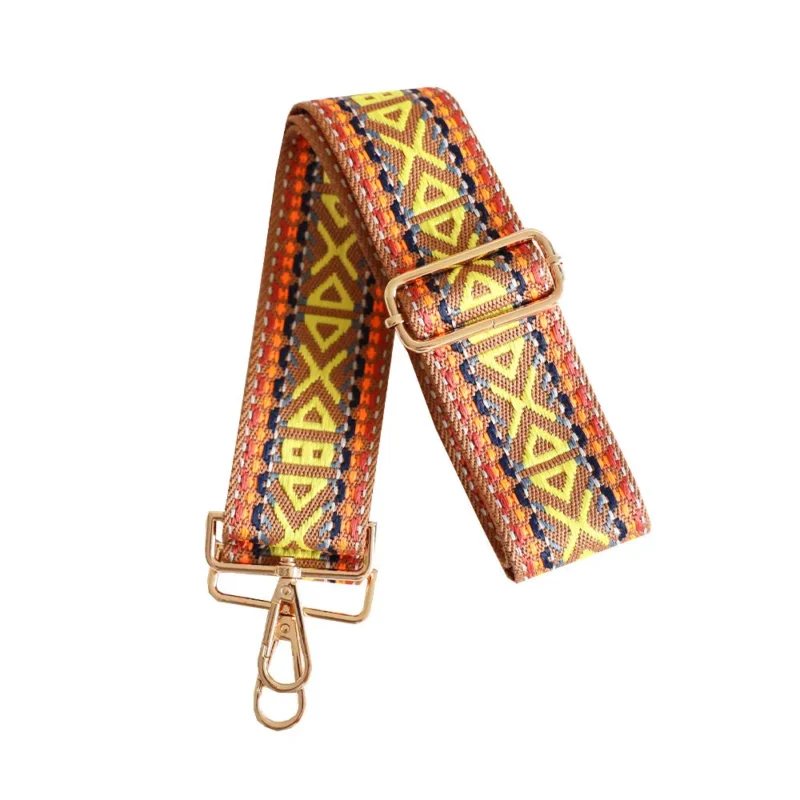
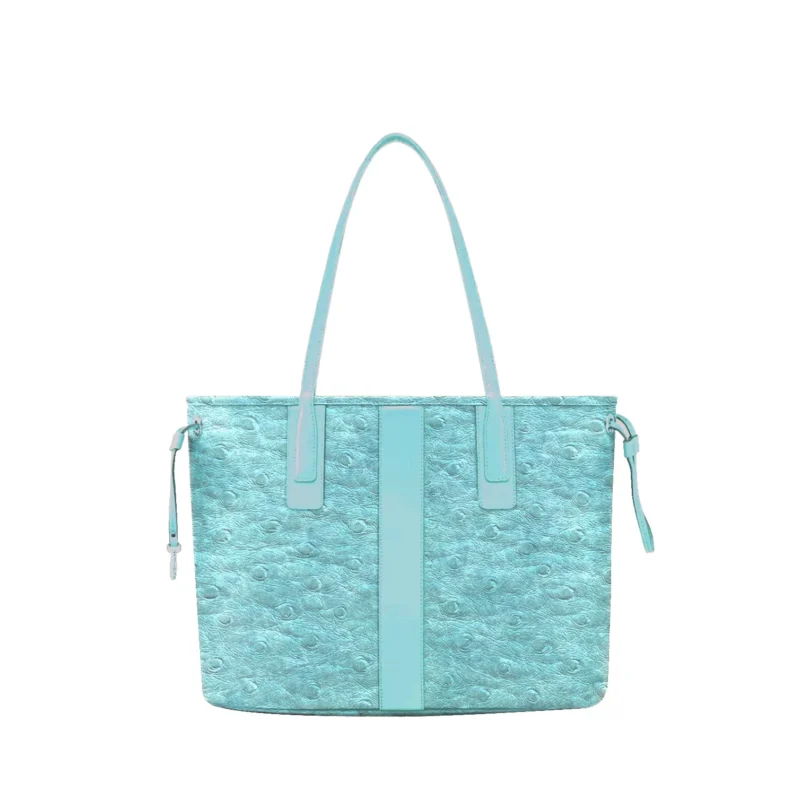
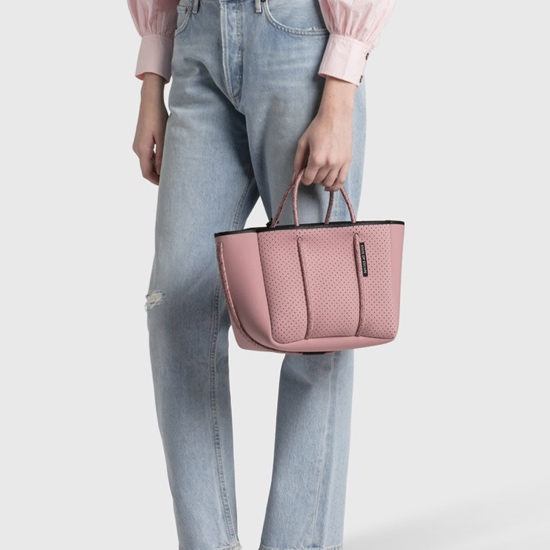

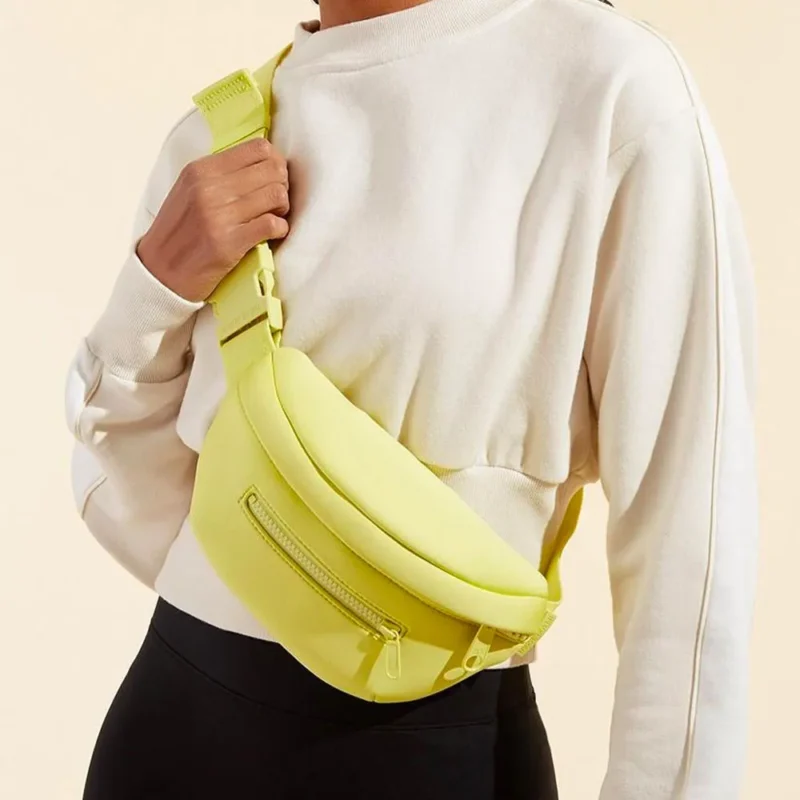
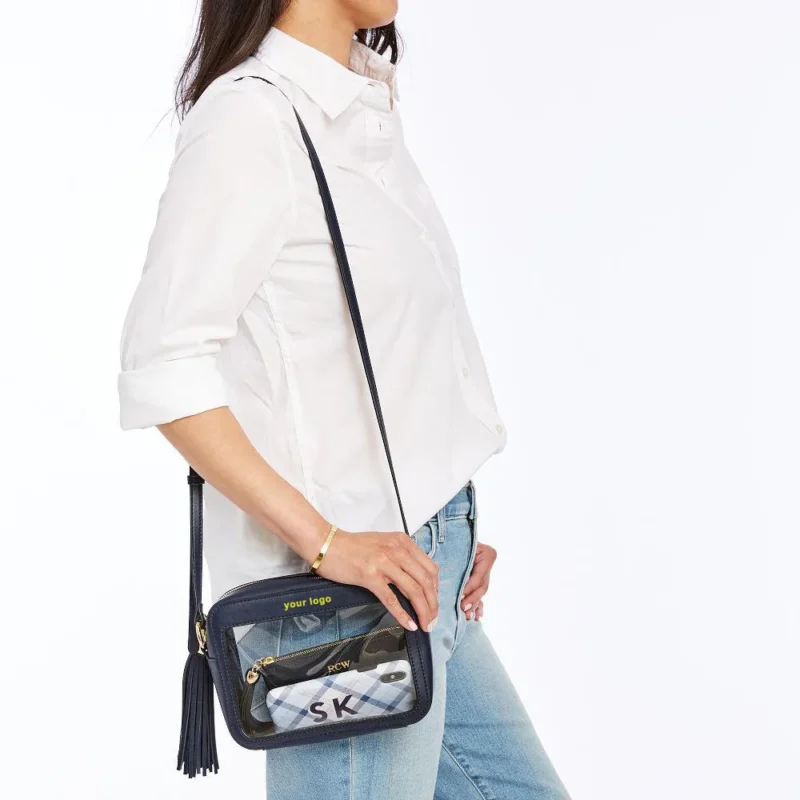
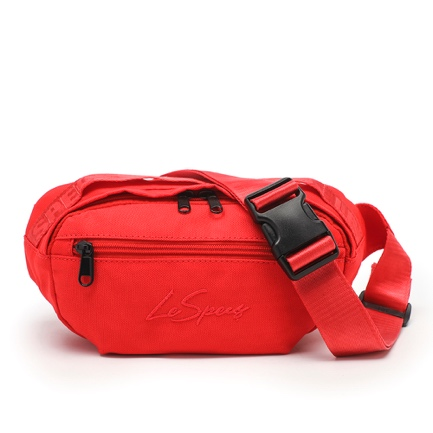
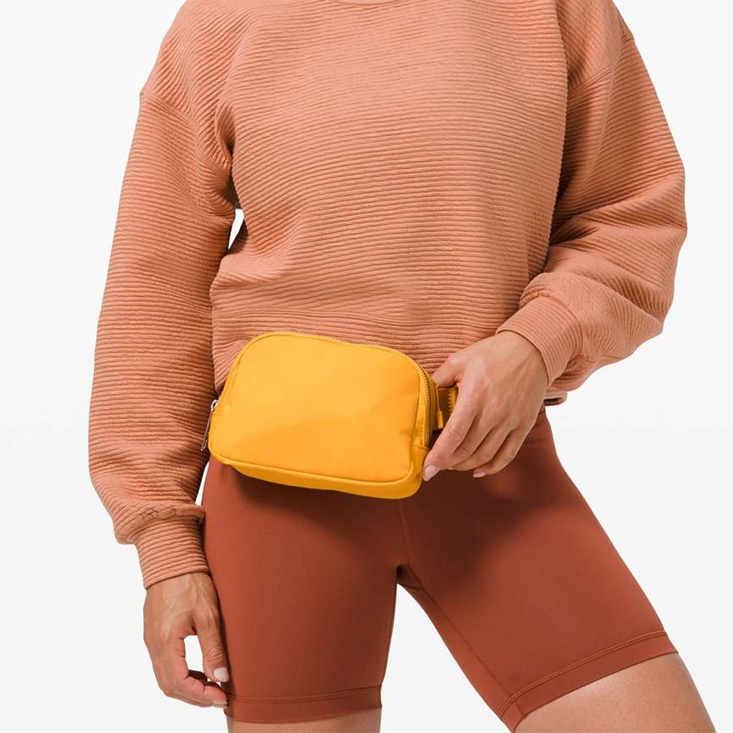
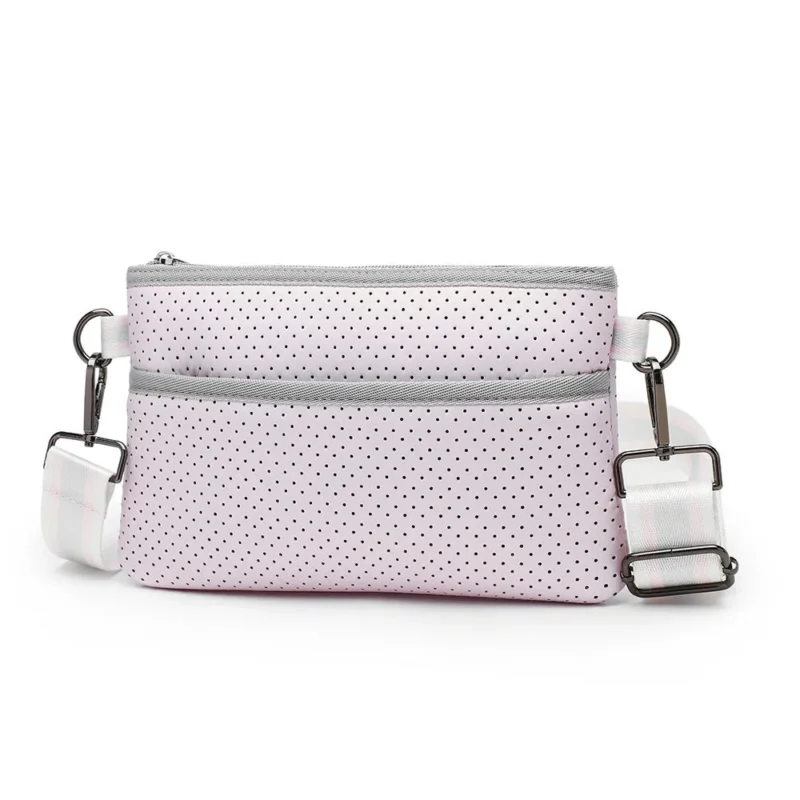
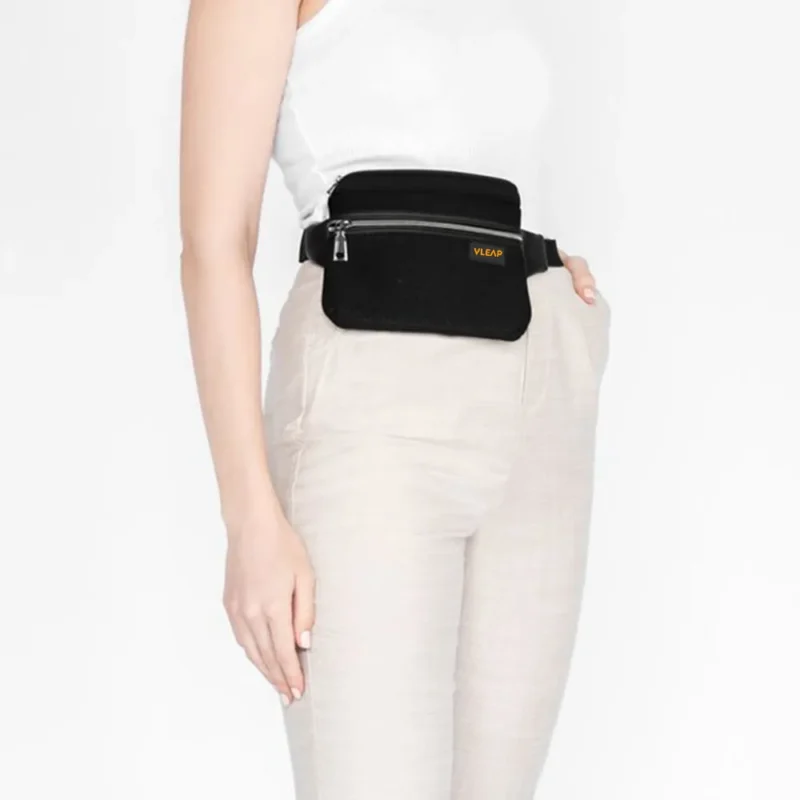
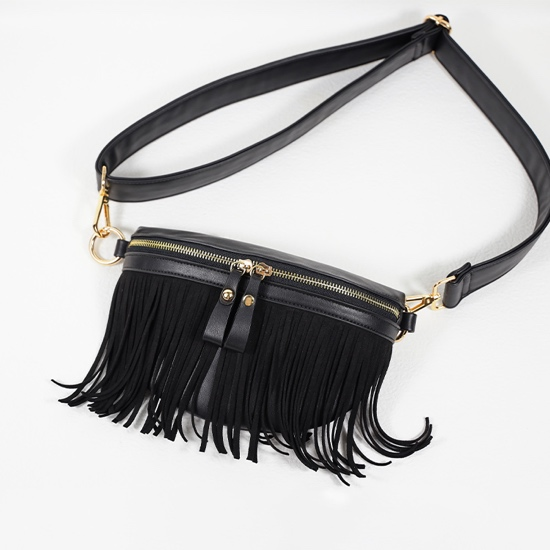
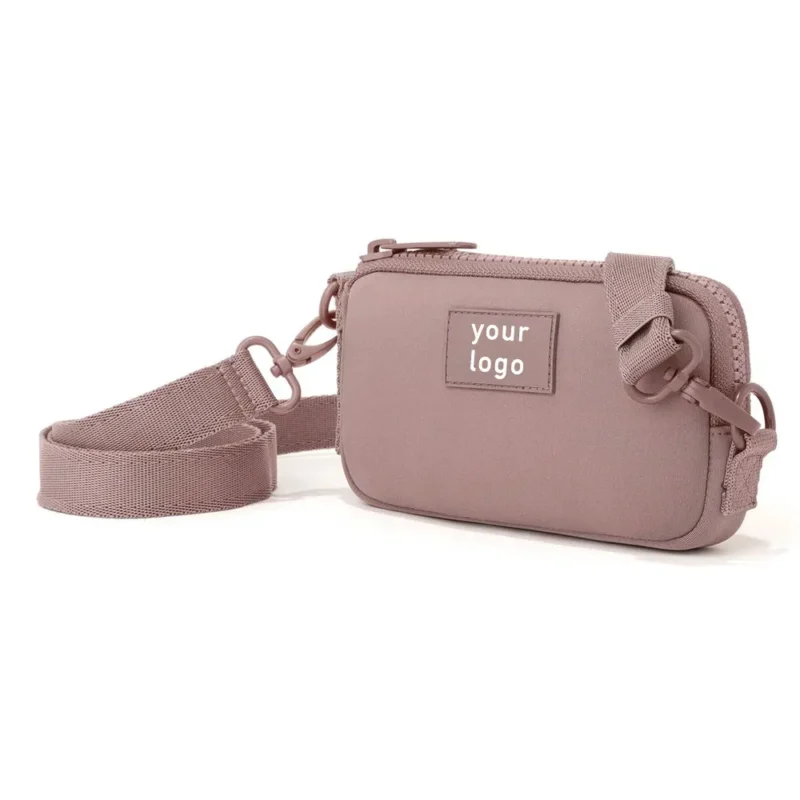
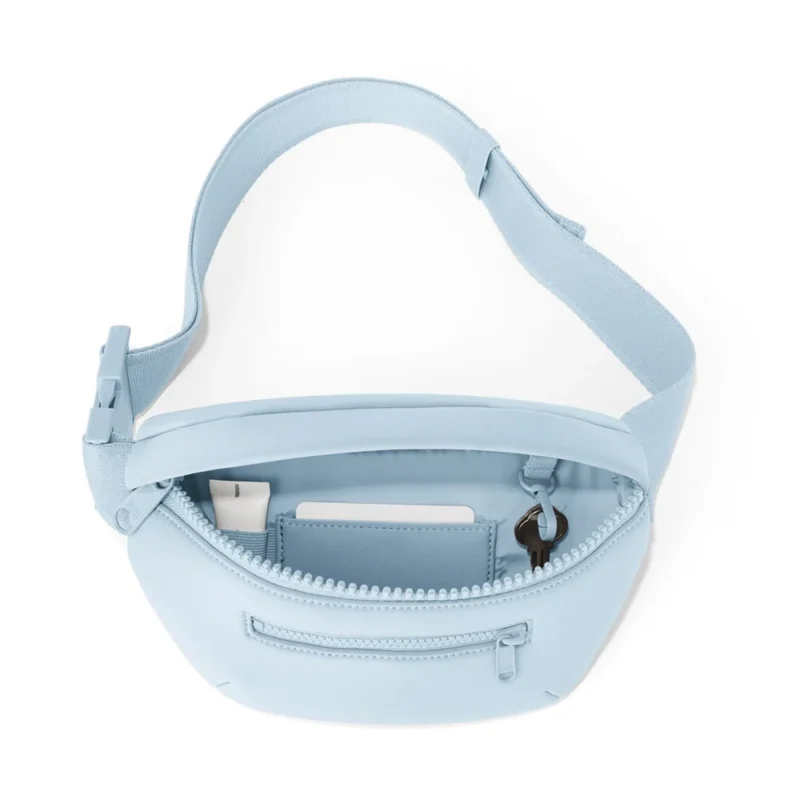
Not every commute requires a full-sized bag. Many users work mainly on a desktop at the office and only need to carry small, essential items on the way: phone, wallet, card holder, keys, a small notebook, or a tablet. For them, a crossbody bag or sling bag is the perfect answer.
Why crossbody works so well for commuting
From a design standpoint, we focus on:
For your product strategy, crossbody and sling bags can:
We tailor the style language from minimal and formal to sporty and urban, depending on your target audience and positioning.
Daily commuting is not only about laptops and documents. Many users also carry lunch boxes, snacks, personal care items, and micro-essentials that don’t fit well in the main work bag. This is where lunch bags, makeup/cosmetic bags, and small organizers become crucial parts of a complete commuting ecosystem.
In many markets, bringing lunch to work is part of a healthy, economical, or cultural routine. A dedicated lunch bag solves several problems:
We design lunch bags that:
For brand you can offer:
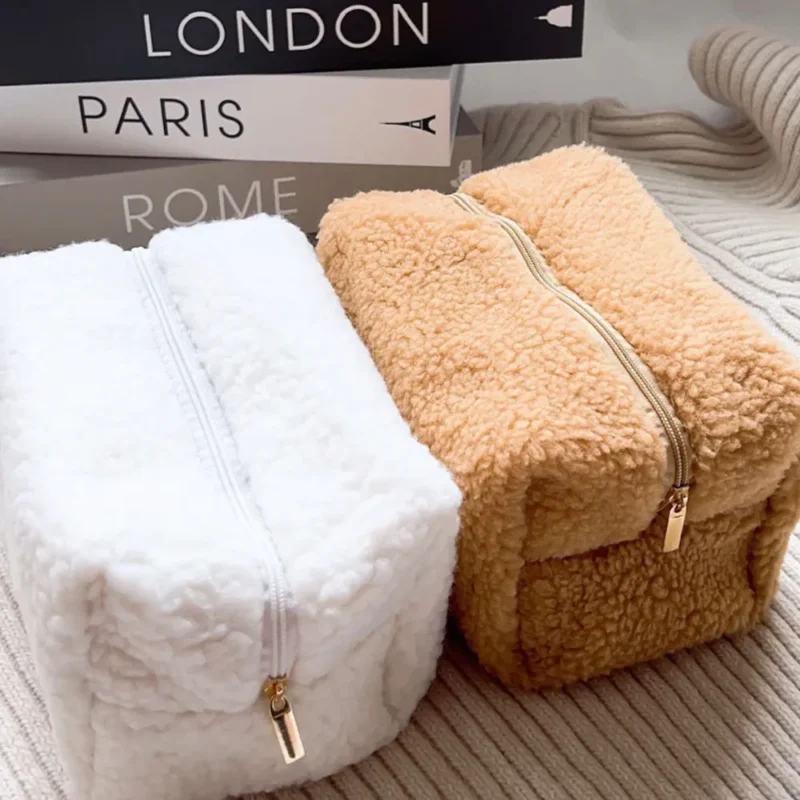
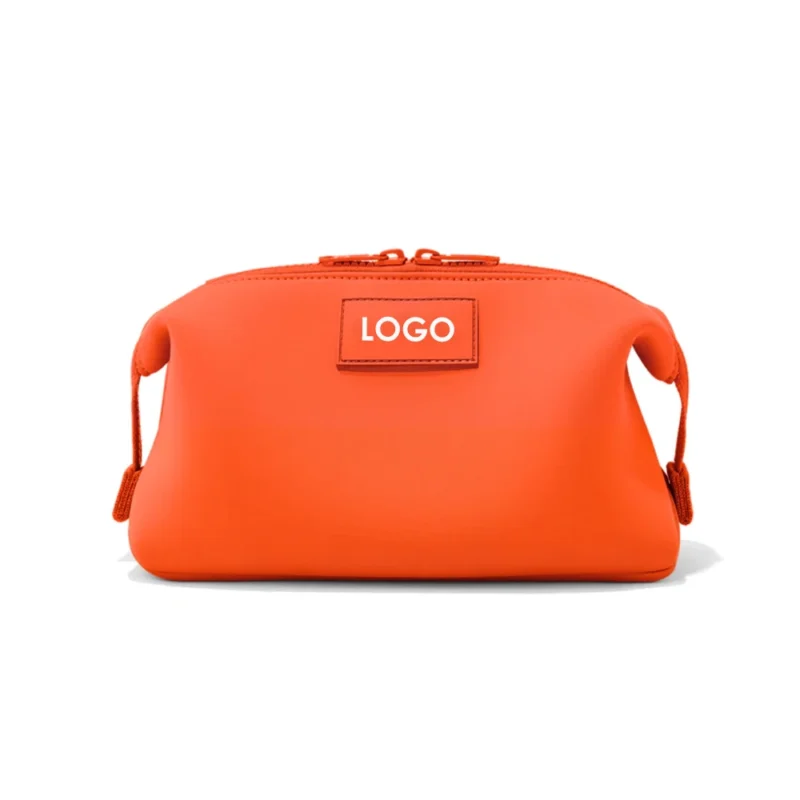
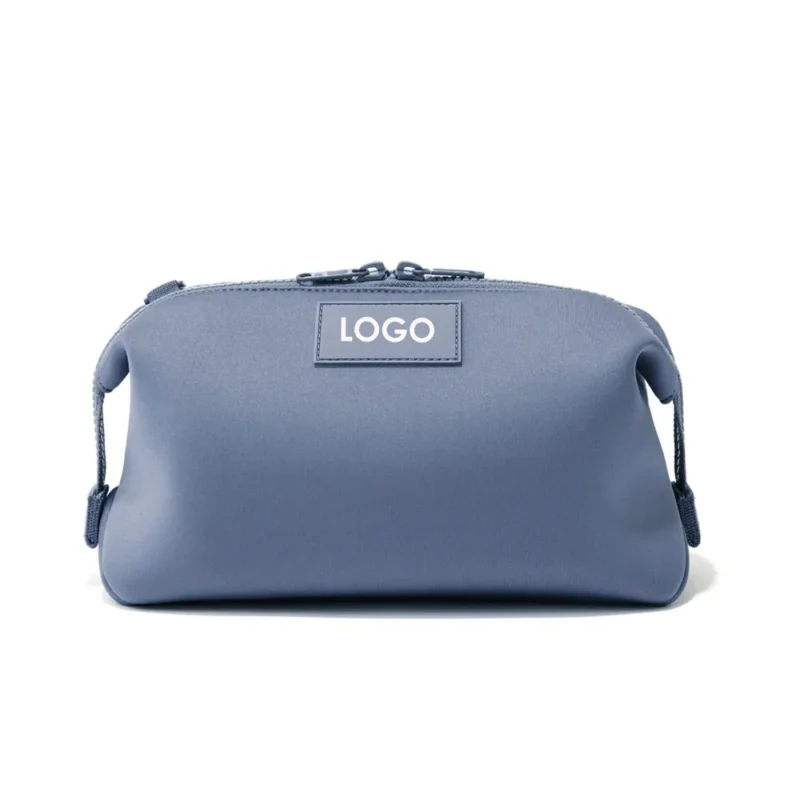
For many commuting women (and increasingly men), a makeup bag or cosmetic pouch is essential for refreshing their look between meetings, before events, or after gym sessions.
We typically design:
These can be sold as:
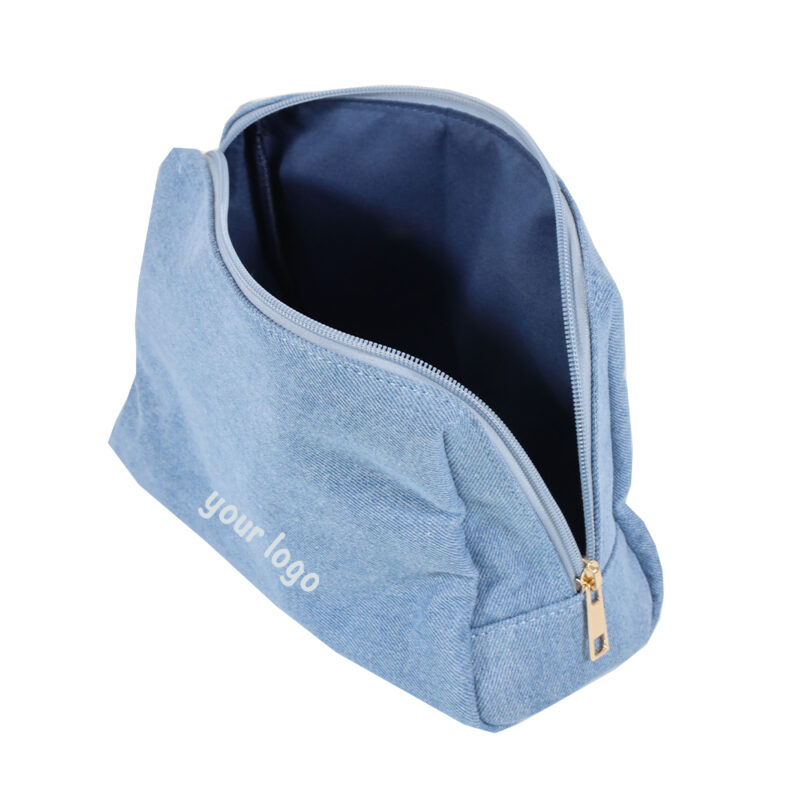
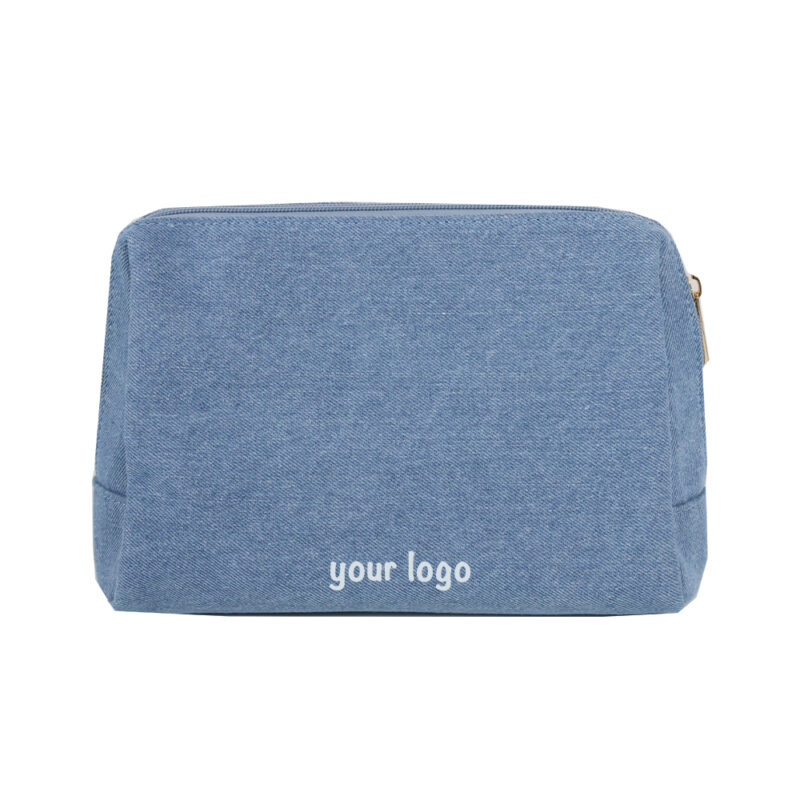
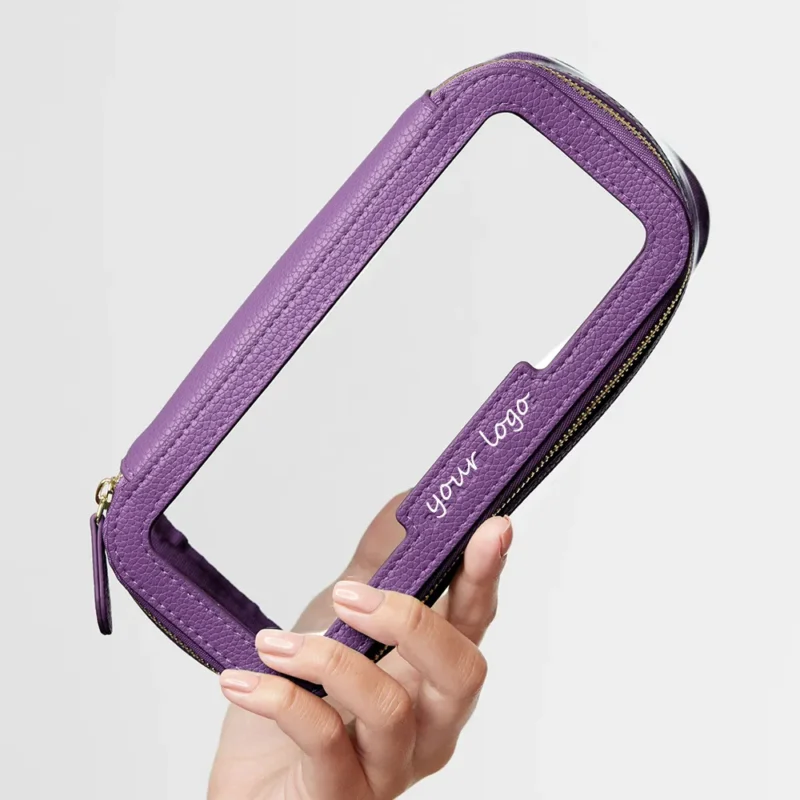
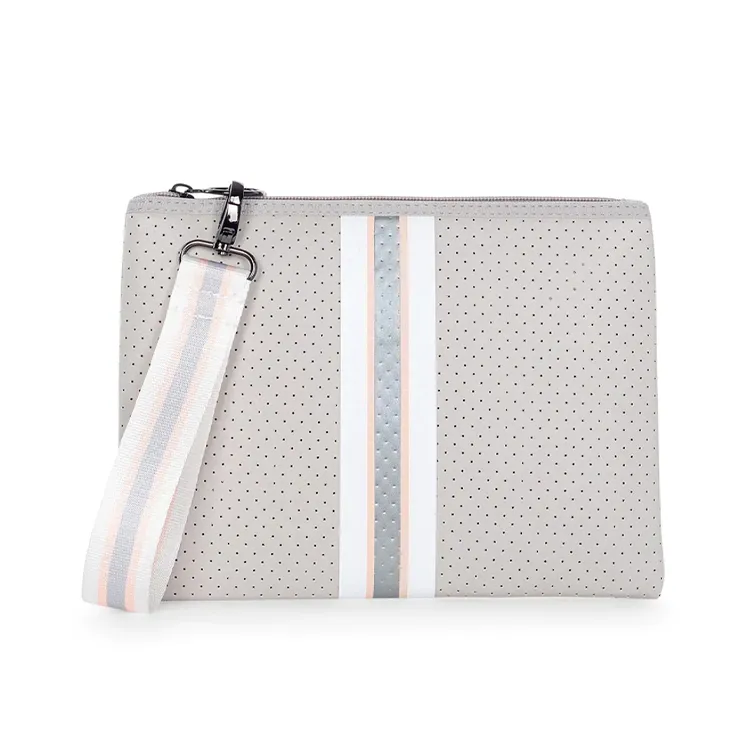

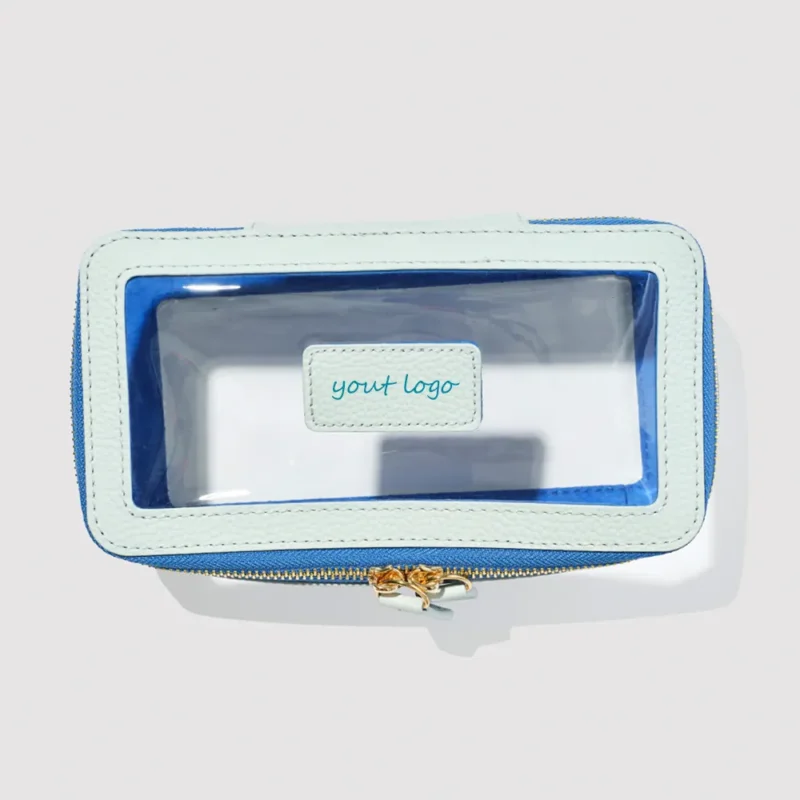

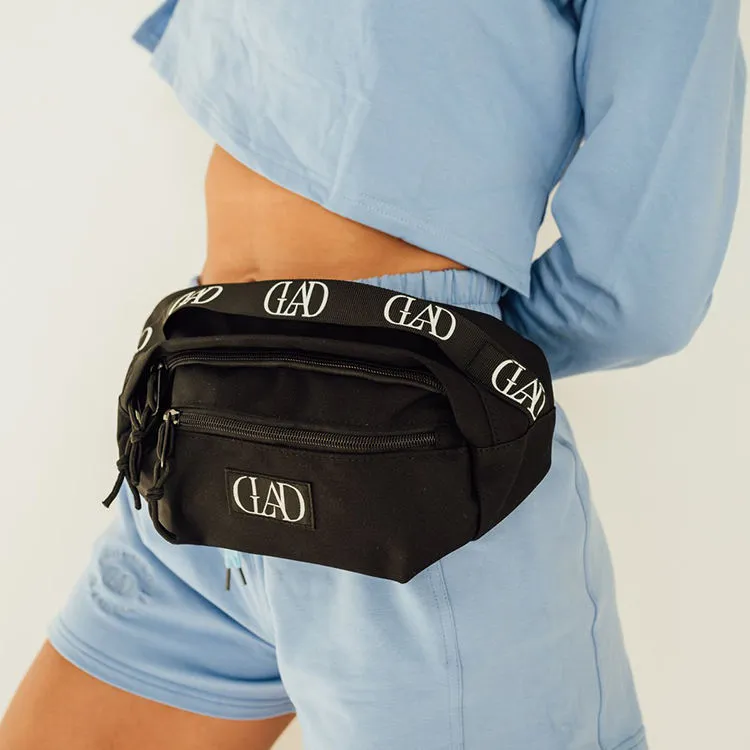
Modern commuting often merges into short business trips and after-work activities. Many professionals go straight from the office to the gym, a short overnight trip, or a weekend getaway. A well-designed duffle bag becomes the bridge between work life and personal life.
Use cases
Key design features we consider:
For your product portfolio, duffle bags can:
For brand, “commuting & work bags” are rarely off-the-shelf products. You are usually building something more strategic:
A full commuting collection for your brand;
A staff kit for employees or franchisees;
A gift or loyalty program for key customers.
To support that, we treat every project as a toolkit of options. You decide the direction; we help you combine the right bag type, structure, fabrics, colors, branding, and functional add-ons into a coherent solution.
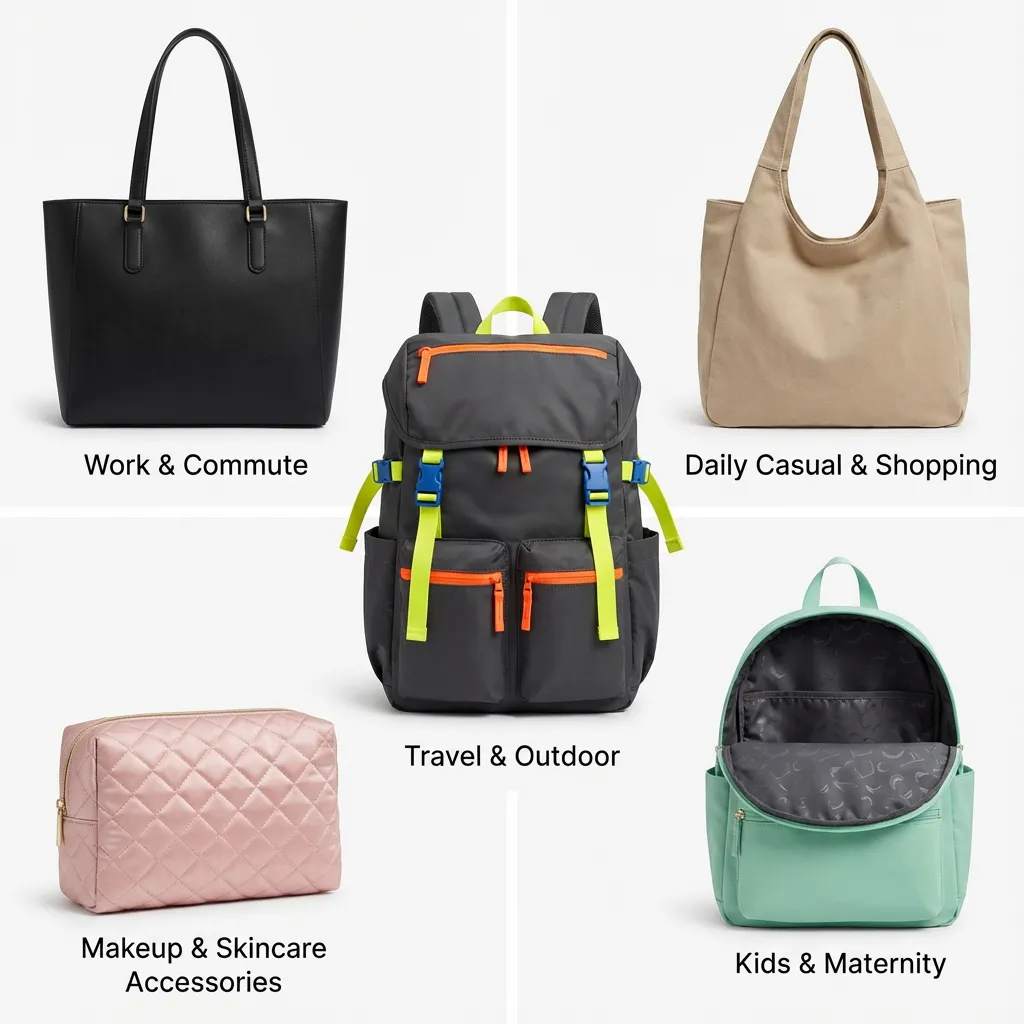
The first decision is not color or logo — it’s structure. How will your users actually carry and interact with the bag every day?
We usually start with a simple decision tree:
Based on this, we help you pick the core bag types for your program:
Once types are chosen, we refine structure:
Our goal is to help you build a range, not just individual SKUs: each structure has a clear role in the user’s workday.
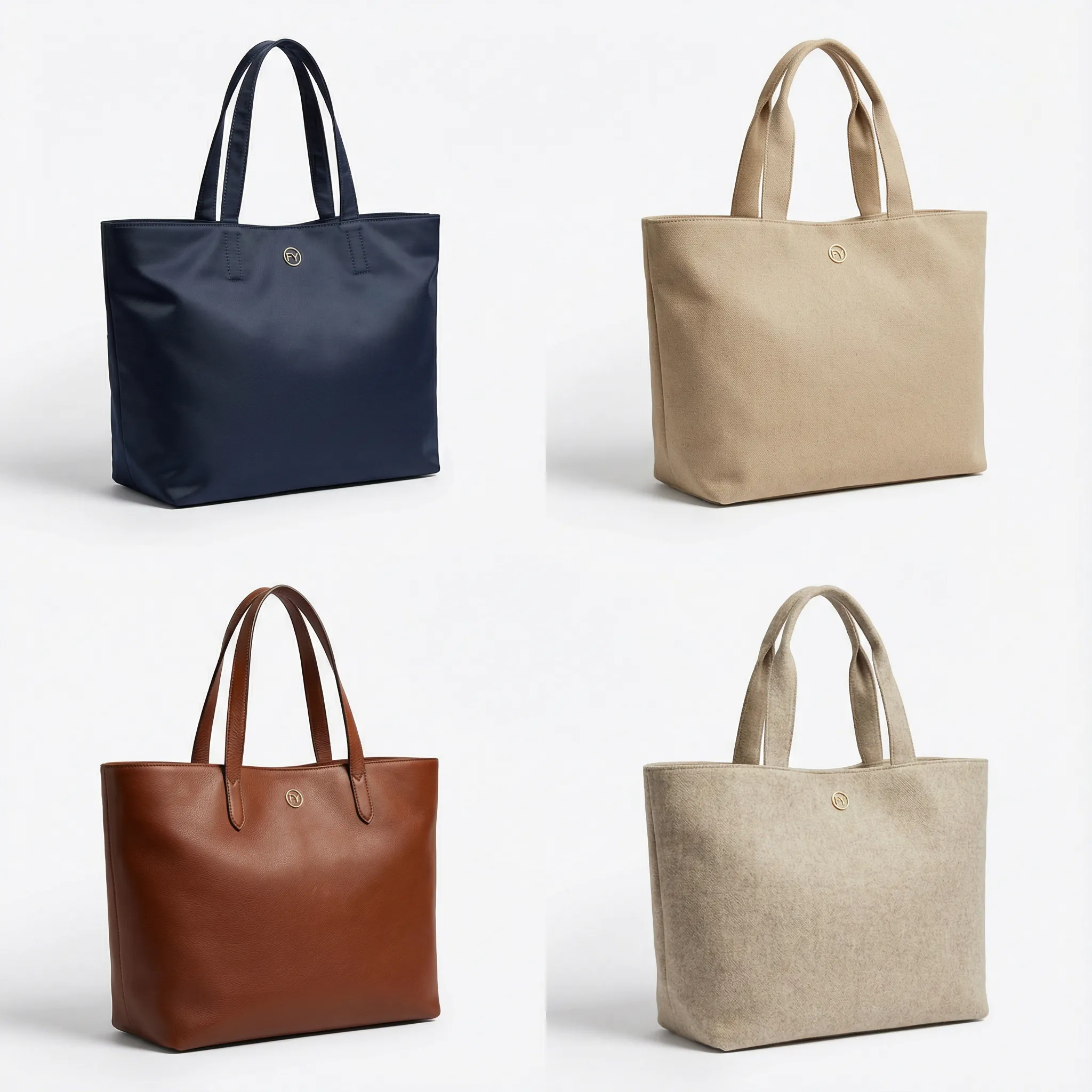
Commuting bags are used in real life, not only in catalogs. That means fabric and hardware choices directly affect lifespan, comfort, and perceived quality.
We recommend different materials depending on your positioning and industry:
We balance tactile feel, weight, durability, and cleaning ease. For corporate or institutional clients, we can lock in a material standard so future reorders match existing bags.
Hardware is where many bags fail first. For commuting projects we focus on:
In your tech pack or spec sheet, we will define specific fabric and hardware combinations for each model, so quality and visual language stay consistent across the entire commuting line.
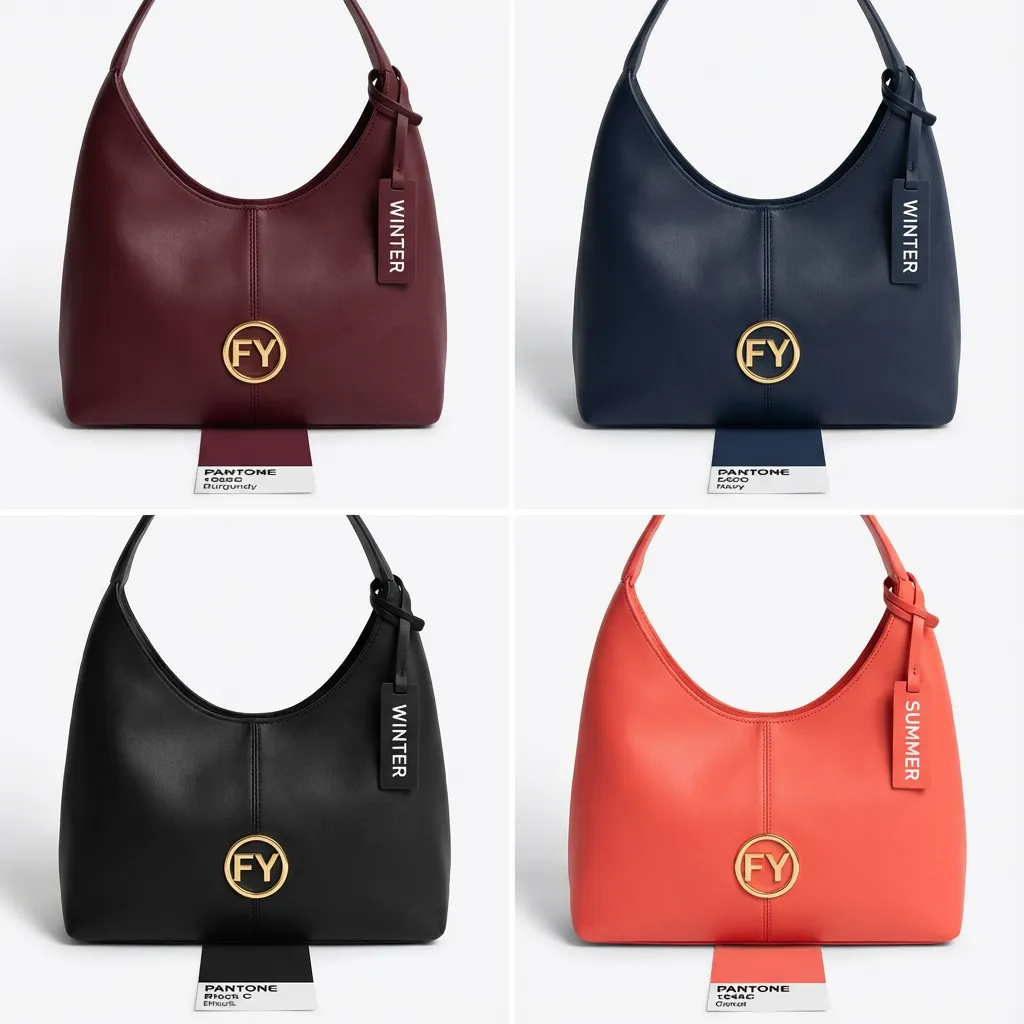
Once function and materials are defined, the next layer is how the bag carries your brand. For commuting & work bags, we aim for professional visibility, not loud advertising.
Good color strategy for commuting bags balances three goals:
We can help you define a color hierarchy for your commuting program:
The right branding method depends on your industry, target user, and risk of heavy wear:
For corporate clients, we often build a brand application map:
The result: a bag that clearly belongs to your brand or organization — but still looks appropriate in any meeting room or office lobby.
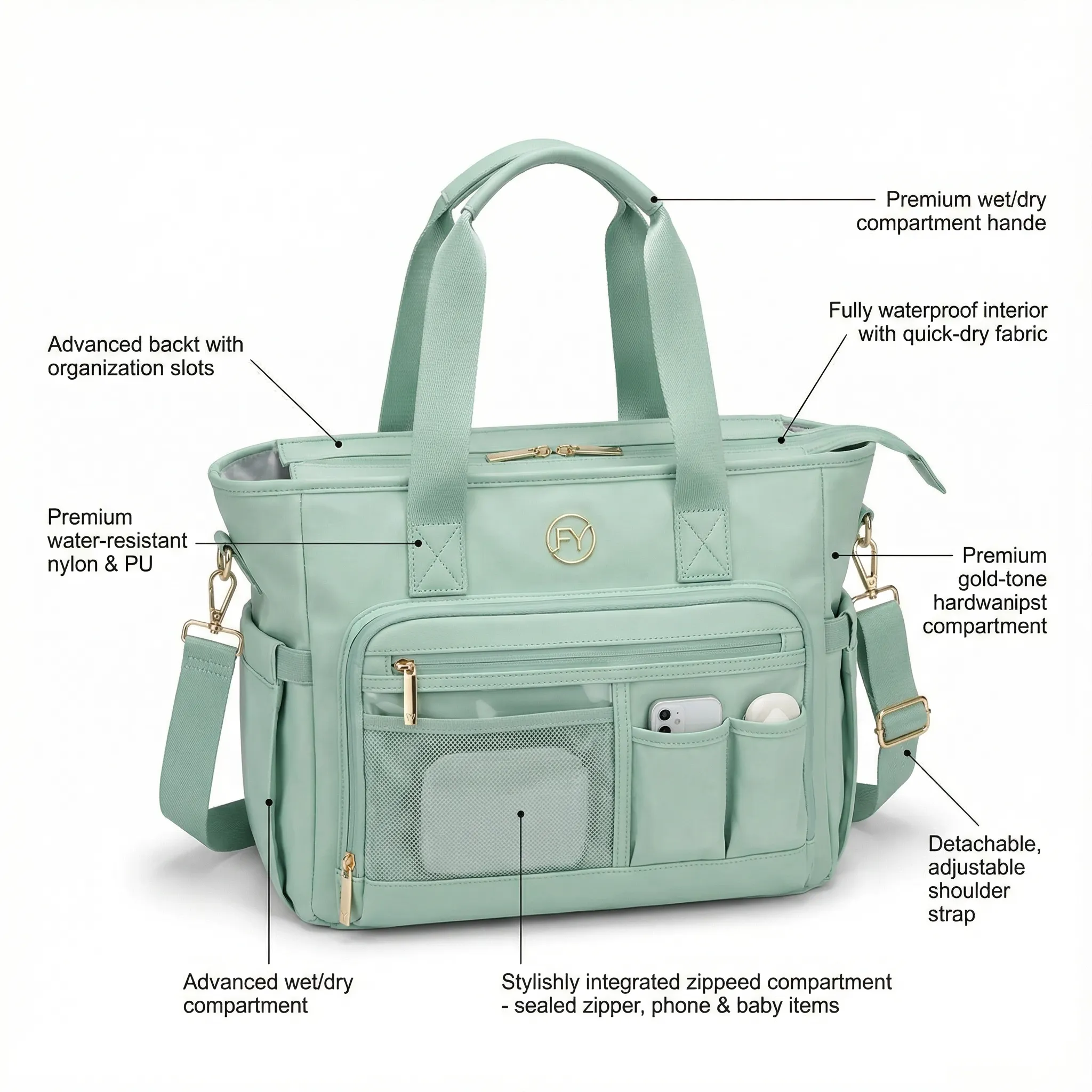
Small functional details can transform a good bag into a true commuting tool. We offer a range of optional features and add-ons that you can mix and match for your program.
Commuters in big cities are sensitive to safety. We can integrate:
For some markets, we can also explore cut-resistant materials and reinforced straps, depending on your budget and security requirements.
To build a complete commuting system, you can offer:
These optional pieces:
Not all commuting is the same. A fashion brand’s customer, a bank employee, a university lecturer, and a hospital nurse may all “go to work” — but what they carry, how they move, and how they want to be seen is completely different.
For brand, this means there is no single “best commuting bag”. Instead, each industry needs a tailored solution that matches its workflows, dress codes, budget levels, and brand image. Below are some of the key sectors we serve, and how we typically design commuting & work programs for each of them.
Description for this block. Use this space for describing your block. Any text will do. Description for this block. You can use this space for describing your block.
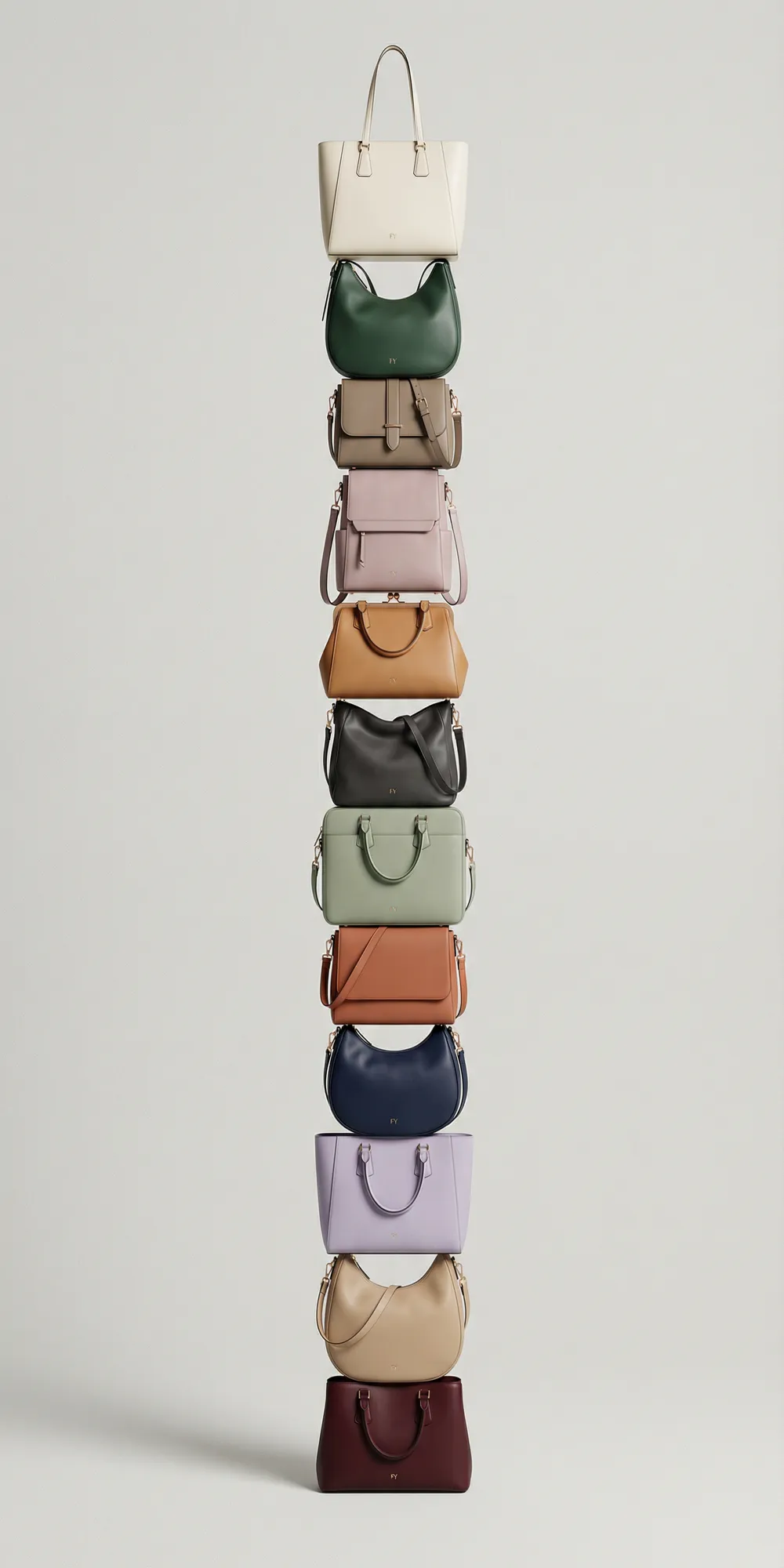
For fashion, lifestyle, and contemporary brands, commuting & work bags are not just functional items; they are storytelling tools. Your customers expect:
Typical goals for this segment
Our approach
For fashion & lifestyle partners, we often design tiered commuting families:
This allows your retail or DTC strategy to serve different budgets and use cases, while keeping a consistent style narrative across the line.
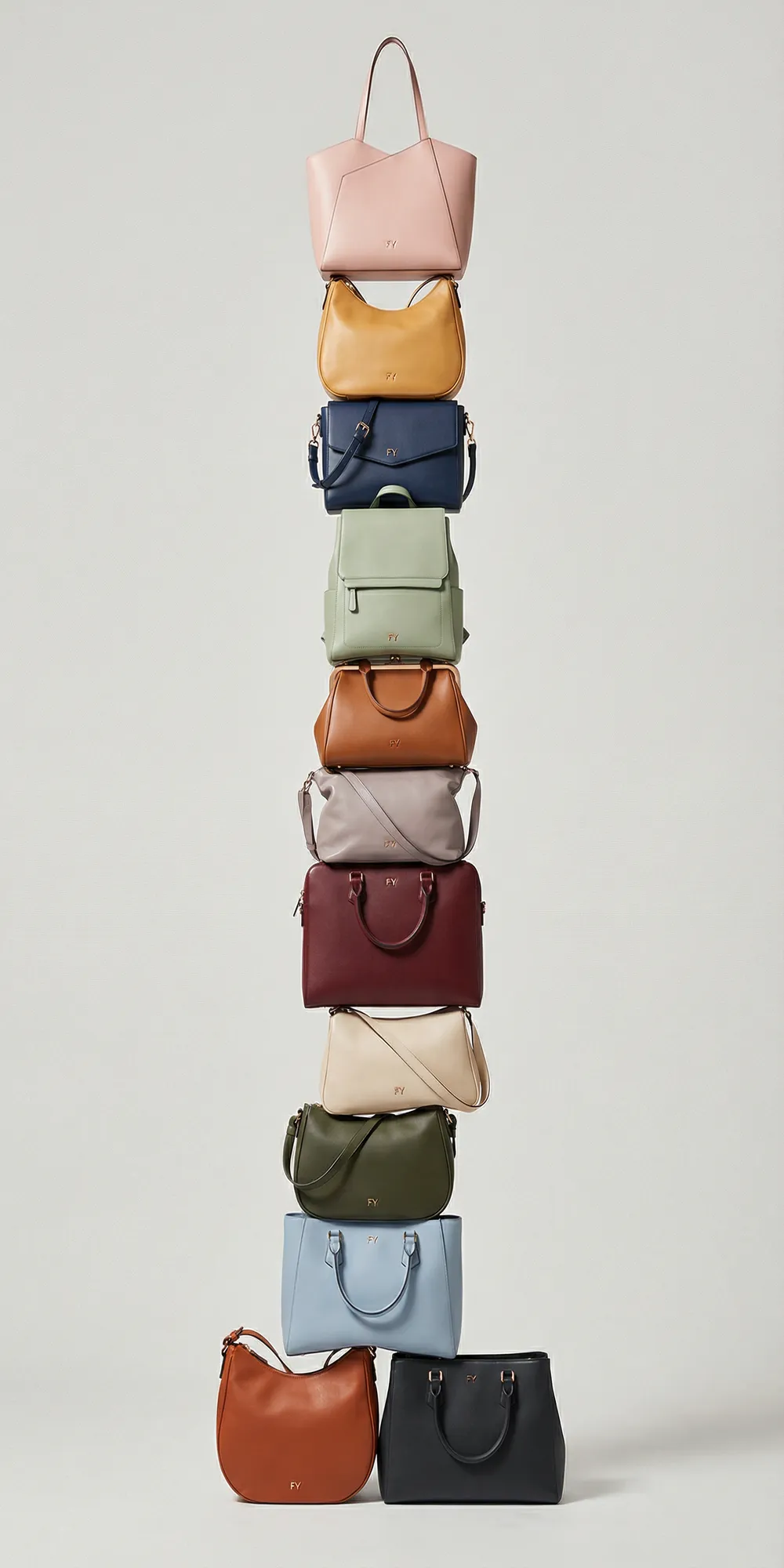
For corporate and tech companies, commuting & work bags are part of the employee experience and employer branding. The goal is not to sell products to end consumers, but to:
Typical deliverables
Our approach
For HR and procurement teams, we also design modular bundles, such as:
This lets you tailor different kit levels to job roles, seniority, or country offices while still maintaining one unified visual system.
Educational environments have their own commuting patterns: moving between classrooms, offices, labs, studios, libraries, and sometimes between different campuses. Bags must be robust, comfortable, and able to carry a mix of academic and personal items.
User groups
Typical requirements
Our approach
We can support tiered product levels:
By designing a consistent “campus commuting” line, educational institutions can reinforce their identity and give staff a daily tool that feels both practical and proud to carry.
In healthcare, hospitality, and service industries, commuting and working often blur into one continuous movement. Staff are frequently on their feet, moving between rooms, floors, or departments rather than traveling long distances.
User scenarios
Key priorities
Our approach
For these sectors, branding must be discreet and respectful of uniform guidelines:
We can build industry-specific spec sheets that define material, cleaning instructions, and durability standards, which is helpful for hospitals, hotel chains, or franchise networks that need consistent equipment across multiple locations.
Behind every successful commuting & work bag program, there is a clear, controlled development process. Our goal is not only to deliver a beautiful product, but to give you a predictable path from first idea to final shipment — whether you’re building a new retail collection or rolling out a global staff program.
We structure our OEM & ODM cooperation into four main phases.Each phase is transparent, documented, and tuned for B2B decision-making.

Every strong bag line starts with a strong brief. For commuting & work projects, we go beyond “we need a backpack” and ask:
What we collect from you
What we give back
This phase ensures that everyone is aligned on who we are designing for and why before a single line is drawn.

Once the brief is clear, we translate it into tangible designs step by step.
Concept & structure design
Material & color proposals
Sample development
During this phase you can:
The result of this phase is a validated sample set that is ready for testing and fine-tuning.

Before mass production, we make sure the commuting & work bags can survive real-world conditions and represent your brand correctly.
Functional and durability checks
We run structured checks on:
Depending on project scale and requirements, we can also support lab testing for specific standards (e.g. color fastness, abrasion, seam strength), or help you arrange it via third-party labs.
Branding & identity refinement
This is where we finalize all the visible brand elements:
We may create pre-production branded samples with final logos and colors so you can:
Only when product performance and brand expression are both approved do we move to full production.

With final samples confirmed, we translate your commuting & work bag line from prototype to production.
Production planning
Quality control at each stage
QC is embedded, not only at the end:
If your project requires compliance with specific market regulations (e.g. certain labelling standards), we will integrate those requirements into the packaging and documentation.
We coordinate with you or your freight partners for:
Throughout production and shipping, we maintain clear communication so you always know:
Client type
Mid-sized European fashion & lifestyle brand, strong in handbags and accessories, but with limited experience in tech-friendly work bags.
Challenge
The brand noticed a growing demand from its customers for bags that could handle laptops, tablets, and commuting routines, without losing the brand’s feminine, fashion-forward image.
Their existing collection included small handbags and casual totes. They wanted to:
Solution – Office-ready, brand-consistent commuting set
We worked with their design team to create a 3-piece commuting capsule:
We built a color story aligned with their seasonal palette:
Branding was applied with metal logos and tone-on-tone embossing, to keep the bags office-appropriate and visually linked to their existing bestsellers.
Results
The brand gained a repeatable structure: each new season, they refresh colors and small details while keeping the same proven shapes and internal architecture.
The Workday Capsule launched as a dedicated story online and in stores, connecting fashion styling with real commuting scenarios.
Retail partners highlighted the collection as a bridge between “fashion bag” and “functional commuter bag”, helping to open a new product segment.
Client type
International technology company with offices in multiple regions, hiring hundreds of new employees per year.
Challenge
The company was using mixed, ad-hoc bags from different suppliers as employee gifts. This created several issues:
They wanted a global standard commuting kit that would:
Solution – Global-standard commuter backpack & accessory set
We designed a standard employee commuting kit built around:
Brand identity was controlled via a global application guide:
We also developed QC checklists and packaging standards so all regions could trust that each batch matched the approved sample, whether delivered to the US, Europe, or Asia.
Results
Procurement gained a single, scalable solution with standardized pricing, QC, and reordering, instead of managing multiple fragmented vendors.
The kit became part of the official onboarding package, making new hires feel welcomed and equipped from day one.
Internal photos, corporate events, and social posts naturally showcased employees carrying the same bag line—strengthening employer branding.
Who We Work With – Custom Bag Solutions for Every Business


There is no single “best” commuting bag, but certain structures consistently perform well in dense, fast-paced cities:
Most successful brands and corporate programs use a combination of these types, not just one. We normally design a small “ecosystem” where each bag has a clear role in the user’s weekly routine—so you cover different commute styles without creating redundant SKUs.
The key is to define a collection language first, then apply it to all pieces. We typically align:
Once this language is set, we design each piece—backpack, work tote, lunch bag, makeup/tech pouch, small organizers—so they feel like parts of one system, not random add-ons. This makes your collection much stronger in retail displays and creates a “collectable” effect for end users.
Exact numbers depend on bag complexity, materials, and how many colorways or sizes you need, but as a general guide:
For multi-piece commuting programs (e.g. backpack + tote + lunch bag + pouch), we often synchronize production so everything ships together. Once we know your target launch date, we build a backward timeline covering brief, sampling, testing, and final production to keep your project on track.
Yes. Most of our B2B customers are not bag engineers—that’s our job. You can describe your market and positioning in simple terms (e.g. “modern business casual”, “tech company staff”, “creative office brand”), and we translate that into fabric and construction choices.
For commuting & work bags, we usually:
Our goal is to help you choose materials that:
We combine practical user testing with structured QC checks. Before you commit to a large order, we look at:
For larger or higher-spec projects, we can support or coordinate lab-based tests (e.g. abrasion resistance, color fastness, seam strength) according to your requirements or local regulations.
This step ensures that the final product is not only visually approved but also field-ready for years of workday use.
Yes. Many commuting & work bag projects serve regional offices, franchises, or international partners, so logistics planning is part of the project. Depending on your setup, we can:
If you work with your own freight forwarders or 3PLs, we collaborate with them on packing specifications, carton sizes, and labeling so the bags integrate smoothly into your existing supply chain.
Controlling cost is often about smart structure and option choices, not just cheaper materials. Some practical strategies we use with B2B clients:
This way you can cover different price levels, markets, or roles without fragmenting your brand identity.
Absolutely. Many clients come with:
We can translate your input into professional tech drawings, material proposals, and working samples, then iterate from there. Even if your initial idea is very simple, we will still apply all the commuting-specific thinking (organization, ergonomics, durability, branding) to make sure the final product works in real daily use.
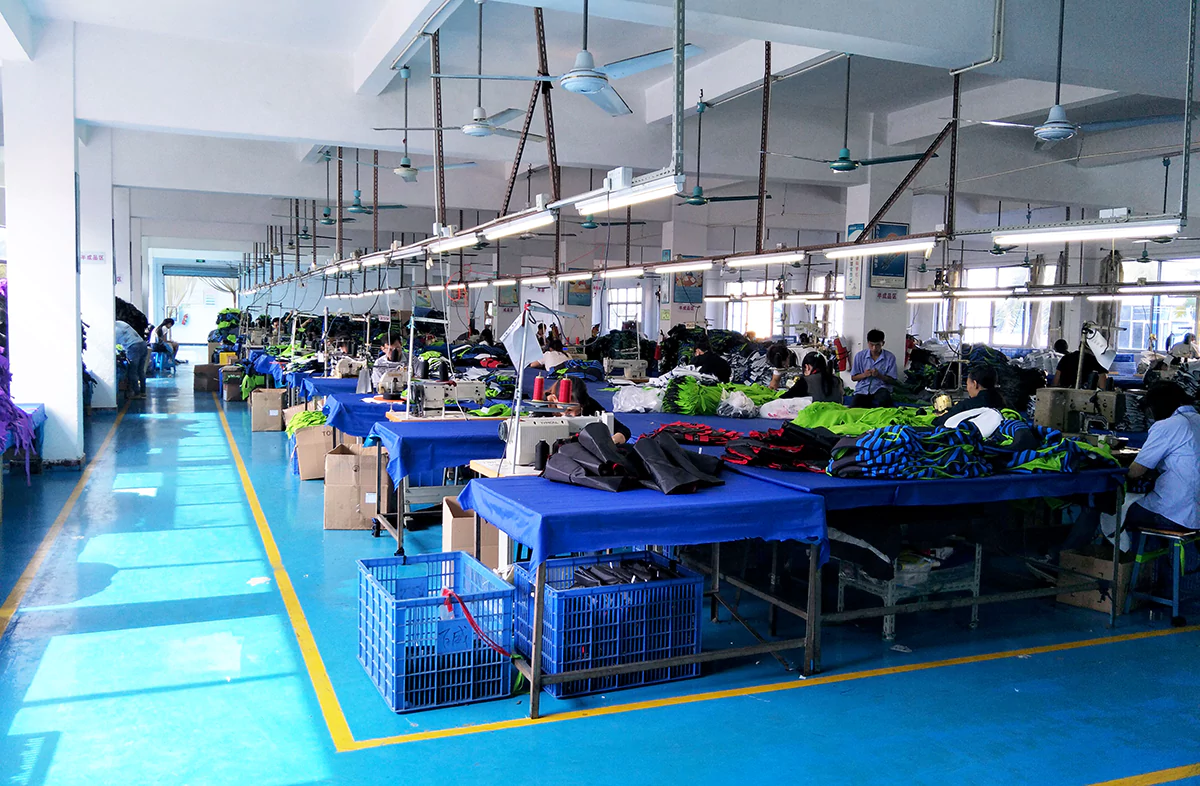
FY Bag Factory can help you turn a simple idea like “we need a new work bag” into a coherent, tested, and scalable commuting solution.
When you’re ready, you can share:
From there, we’ll work with you step by step—from scenario briefing and design, through sampling and testing, all the way to mass production and global shipment—to build a daily commuting & work bag program that your users actually want to carry, every single day.