Tel/WhatsAapp:+86 18011919834
E-mail: chloe.x@fybagcustom.com

Tel/WhatsAapp:+86 18011919834
E-mail: chloe.x@fybagcustom.com
Send Your Inquiry Today

Eco Material Options
Certifiable Suppliers
Cutting Waste Reduction
Packaging Available
We don’t claim to be a “green factory” — we’re a bag factory that offers verifiable sustainability options at every decision point. You choose the level of eco-commitment that fits your brand and budget. We provide the materials, practices, and documentation to back it up.
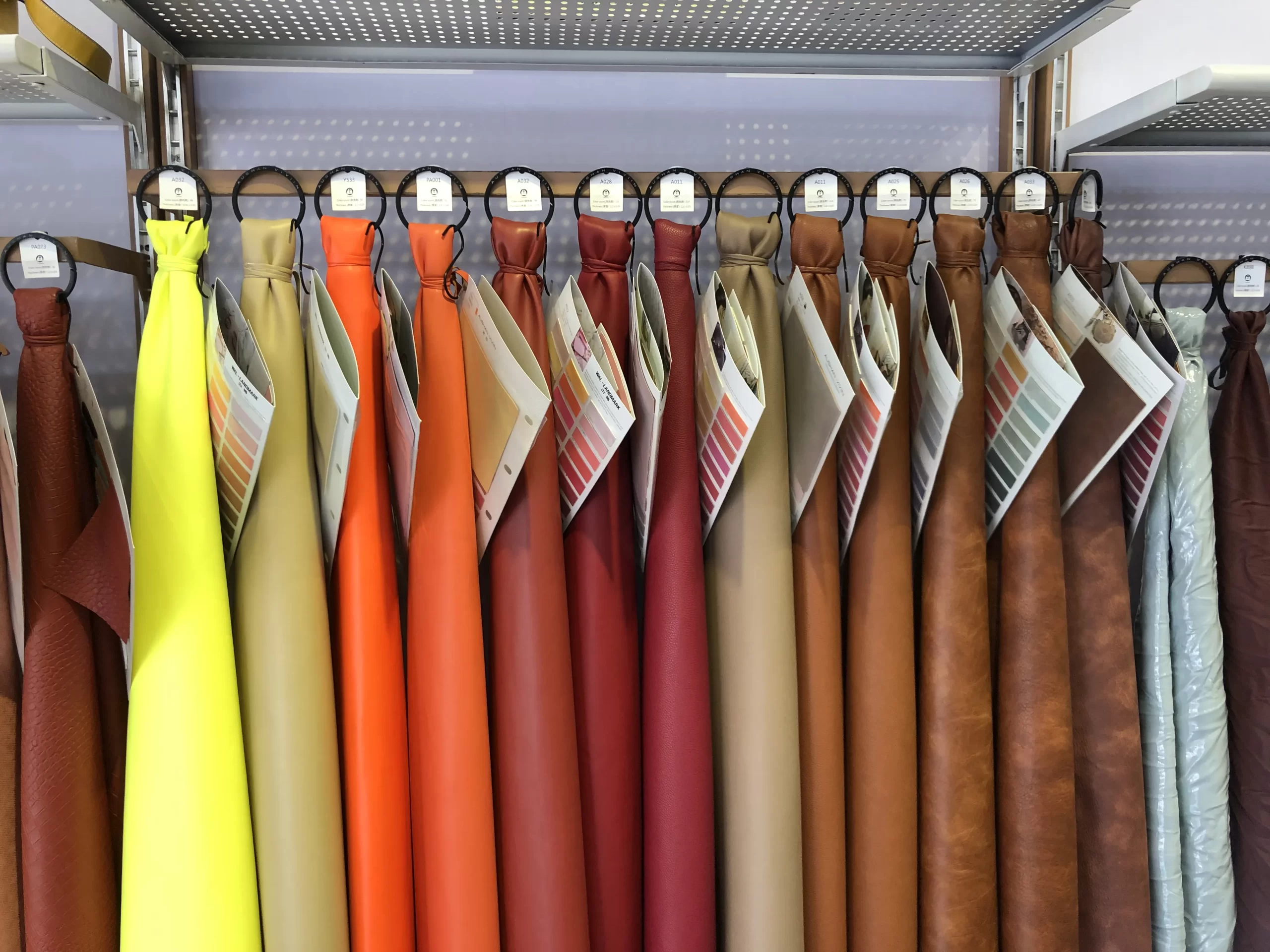
Prioritizing sustainable fabric choices: rPET recycled polyester, GOTS-certifiable organic cotton, natural jute and hemp, unbleached canvas, recyclable Tyvek, and recycled non-woven PP. Each with supplier certificates and composition documentation.
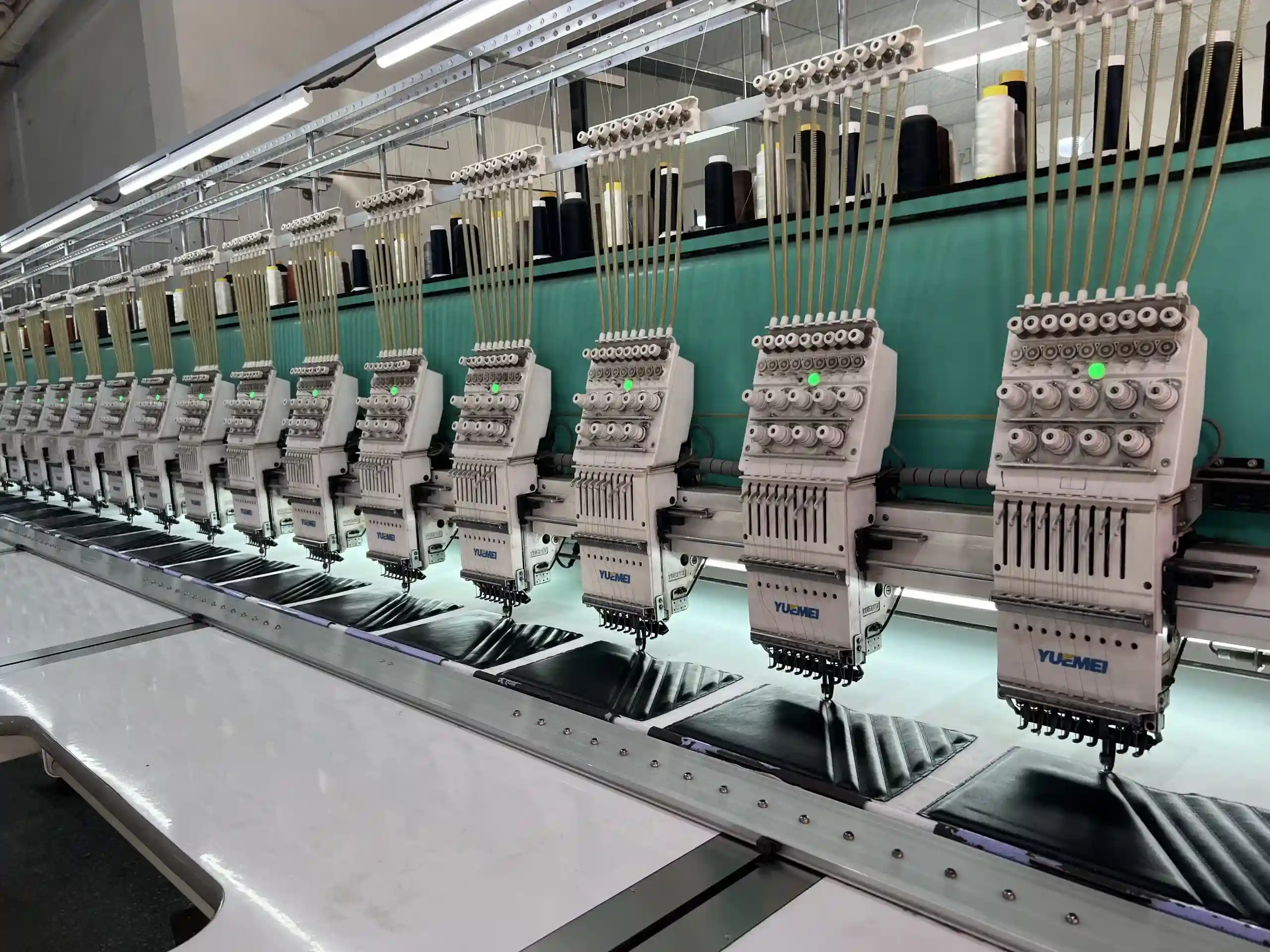
CAD marker planning for fabric yield optimization (reducing cutting waste). Water-based screen print inks (low VOC, no PVC plasticizers). Scrap fabric collected and recycled through textile recycling partners. Energy-efficient lighting across the production floor.
Sustainability isn’t binary — it’s a ladder. Each step up reduces environmental impact AND adds cost. We help you choose the right level for your brand positioning and price tier.
| Eco Level | Materials | Printing | Packaging | Certification | Cost Impact |
|---|---|---|---|---|---|
| Standard | Polyester, nylon, PU leather | Plastisol screen, PVC transfer | Standard polybag + carton | REACH/RoHS | Baseline |
| Entry Eco | Recycled non-woven PP, unbleached canvas | Water-based screen ink | Recycled polybag | OEKO-TEX | +5–10% |
| Mid Eco | rPET polyester, organic cotton, jute | Water-based ink, sublimation | Kraft paper, cotton dust bag | GRS (rPET), GOTS (cotton) | +15–25% |
| Deep Green | GOTS organic cotton, hemp, undyed jute | Embroidery (no ink), water-based only | Compostable mailer, FSC box, soy ink | GOTS + FSC + compostable cert | +25–40% |
Sustainability claims need evidence. We source from suppliers who can provide third-party certifications for their materials — so your brand’s eco claims are backed by documentation, not just marketing copy.
Global Organic Textile Standard — certifies organic cotton content and processing. Covers farming, spinning, weaving, dyeing, and finishing.
We can offer textiles that do not contain any harmful substances such as azo dyes, heavy metals, formaldehyde, etc. We test finished products, not just raw materials.
Forest Stewardship Council — certifies paper and cardboard packaging (hang tags, boxes, insert cards) from responsibly managed forests.
Important: We source from GRS/GOTS/OEKO-TEX certified suppliers — meaning the certificates belong to the SUPPLIER, and we can provide their documentation to you. We help you build the certification chain for your product, but the final product certification is your responsibility to apply for based on your brand’s claims. We provide all supplier documentation needed for your application.
Material choice is the most visible sustainability decision — but production practices matter too. Here’s what happens inside our Guangzhou facility to reduce waste and environmental impact.
Your bag is eco-friendly — but if it arrives in a PVC polybag inside a bleached-white box, your customer sees a contradiction. We offer a full plastic-free packaging path.
Eco-positioning sounds simple but gets complicated fast. Here are the issues our clients encounter most often when building a sustainable bag brand.
“I want to claim ‘recycled material’ but I’m not sure what certification I need.”
Our approach: If you use rPET polyester, the supplier provides a GRS (Global Recycled Standard) certificate documenting the recycled content percentage and chain of custody. We pass the supplier’s certificate to you. You can then reference it in your product listing and on your hang tag. For organic cotton, the equivalent is GOTS. We never recommend making eco claims without a corresponding certificate — greenwashing hurts your brand more than no claim at all.
“My organic cotton bag feels flimsy — customers expect eco AND premium.”
Our approach: Lightweight organic cotton (4–6 oz) does feel thin. For a premium eco bag, we recommend 8–12 oz organic canvas (heavier, structured, feels substantial) or organic cotton with an unbleached canvas lining (adds body without adding chemical processing). The key is choosing the right GSM for the bag type — not defaulting to the thinnest organic option available.
“The eco materials cost 25% more — my customers won’t pay the premium.”
Our approach: Use the eco material ladder. Not every component needs to be “deep green.” A practical approach: eco fabric shell (visible, marketable — GRS rPET or organic cotton, +15–25%) + standard lining (invisible to customer, no eco cost) + eco packaging (visible, low additional cost — kraft paper wrap, FSC hang tag, soy ink). This delivers a genuine eco story at a 10–15% total premium instead of 25–40%, keeping the bag price-competitive while supporting credible eco claims.
We source from GRS-certified rPET polyester suppliers and GOTS-certified organic cotton suppliers. The supplier provides the material certificate, which we pass to you. You can use this documentation for your product’s eco claims. The final product certification (if needed for your market) is applied for by your brand using the supplier documentation we provide.
Recycled non-woven PP and unbleached canvas are the most affordable eco options (+5–10% over standard). rPET polyester and standard organic cotton are mid-range (+15–25%). GOTS-certified organic cotton and hemp are premium (+25–40%). See the eco material ladder on this page for a full breakdown.
Yes — and we recommend this as the most cost-effective eco strategy. The customer sees and feels the eco shell fabric (rPET, organic cotton, jute); the lining is standard polyester (invisible). Pair with eco packaging (kraft paper, soy ink hang tag) for a complete eco story at a manageable cost premium.
Yes. We offer compostable mailer bags, recycled kraft paper wraps, cotton dust bags, FSC-certified cardboard boxes, soy-ink hang tags, seed-paper tags, water-activated kraft tape, and recycled paper void fill. A fully plastic-free packaging path is available — tell us your requirements and we’ll spec the complete package.
Water-based screen print ink (low VOC, OEKO-TEX certifiable). Sublimation on polyester (water-based dyes, no film). Embroidery with cotton or recycled thread (no ink, no chemical adhesion). Avoid PVC-based heat-transfer films if eco-positioning is important.
Yes. We welcome visits Monday through Saturday. You can see the material library (eco swatches), the cutting floor (CAD marker optimization), the scrap collection system, and the eco packaging options in person. Video tours also available via WeChat/WhatsApp.
It affects production. Eco fabrics often have different sewing properties (organic cotton frays more, rPET polyester has different hand-feel). Eco inks cure differently. Eco packaging materials are less durable (compostable mailers are thinner than plastic polybags). Our production team adjusts technique and QC standards for each eco material — it’s not just a label swap.
Tell us your sustainability goals — eco materials, certifications needed, plastic-free packaging, or a complete green product spec. We’ll recommend the right eco level, provide cost impact, and source certified materials for your project.
