Tel/WhatsAapp:+86 18011919834
E-mail: chloe.x@fybagcustom.com

Tel/WhatsAapp:+86 18011919834
E-mail: chloe.x@fybagcustom.com
Send Your Inquiry Today

Years Manufacturing
Factory Area
Professional Staff
Inspection Rate
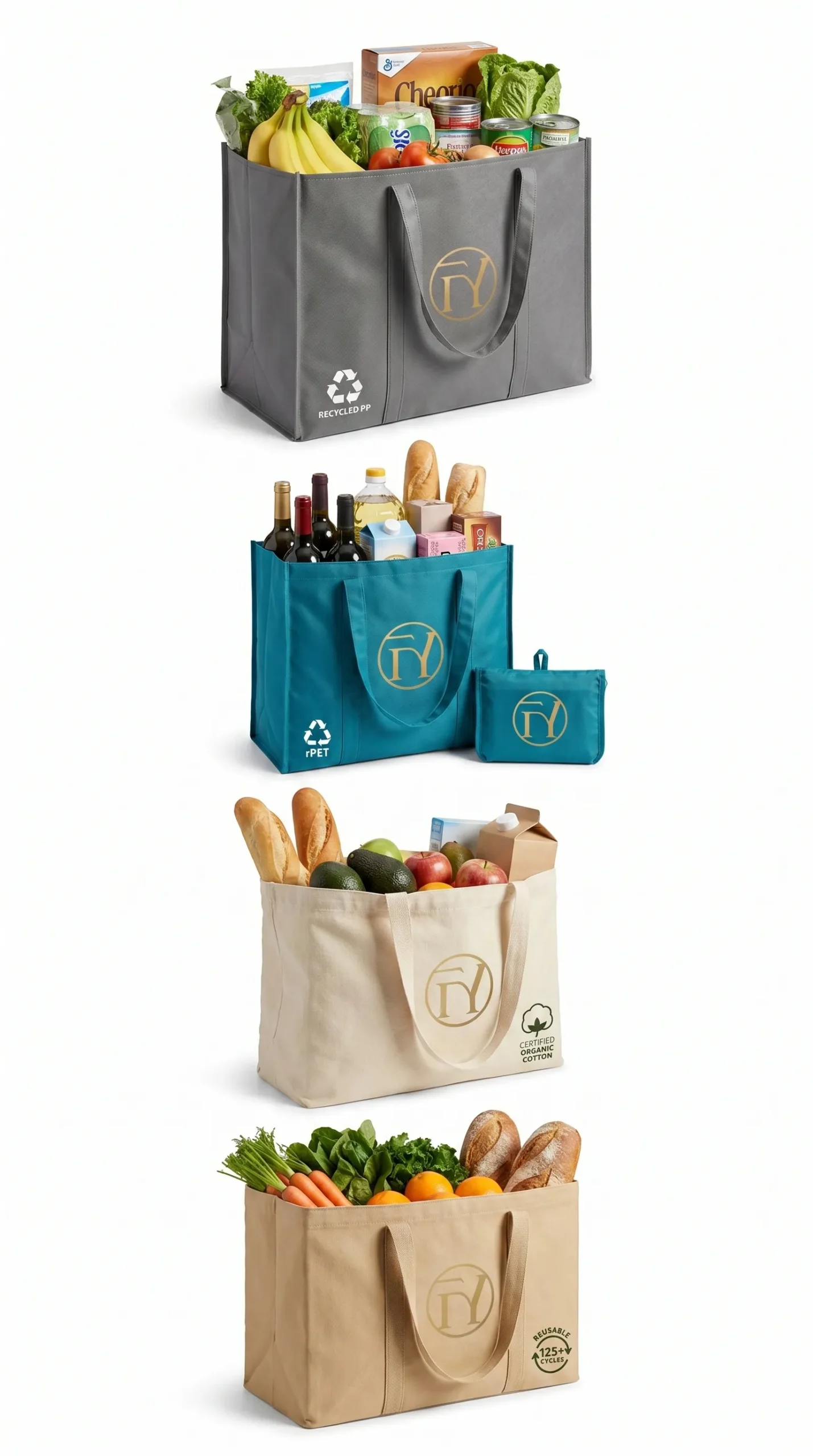
130+ countries and thousands of cities have enacted single-use plastic bag bans, levies, or restrictions. The EU’s Single-Use Plastics Directive, California’s SB 270, the UK’s plastic bag charge, India’s SUP ban, and Australia’s state-level bans have collectively eliminated billions of single-use bags from checkout lanes — and created a permanent, regulation-guaranteed market for reusable alternatives.
What this means for buyers
Key bag requirements
Recommended formats
Recycled non-woven PP tote (lowest cost, highest volume). rPET polyester foldable bag (compact, durable). Organic cotton or unbleached canvas tote (premium eco positioning). All with reusability and material-composition labeling. Overlaps heavily with shopping & grocery application.
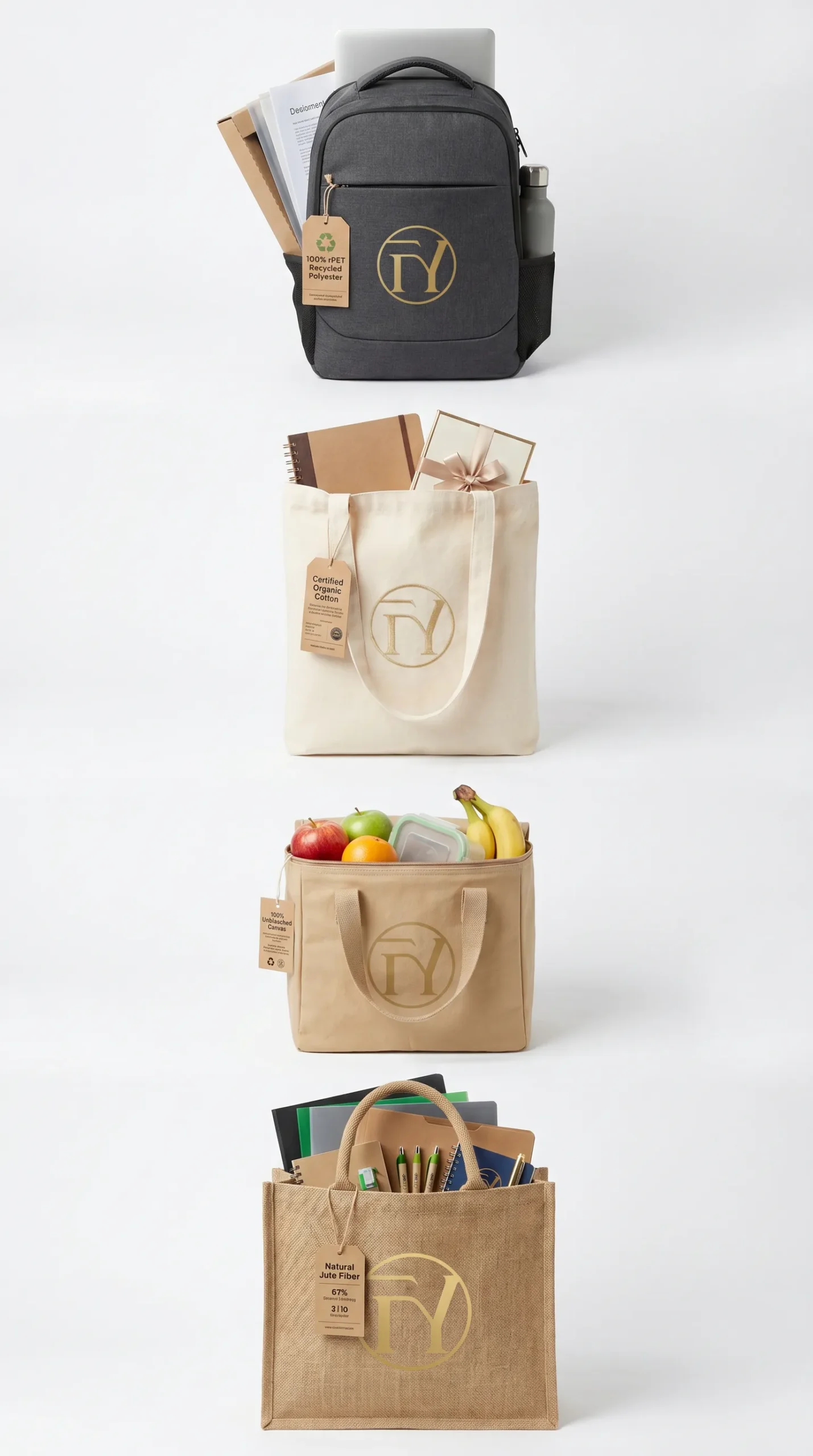
Corporations under ESG (Environmental, Social, Governance) reporting obligations need branded merchandise — including bags — that align with published sustainability commitments. Using virgin synthetic bags while claiming carbon-reduction targets creates reputational risk. Eco-friendly branded bags contribute to measurable sustainability metrics: recycled-content usage, single-use plastic reduction, and supply-chain carbon footprint.
What corporate buyers need
Key bag requirements
Recommended formats
rPET backpack or tote for employee onboarding. Organic cotton tote for client gifts. Unbleached canvas lunch bag for wellness programs. All with kraft packaging and material-composition hang tags.
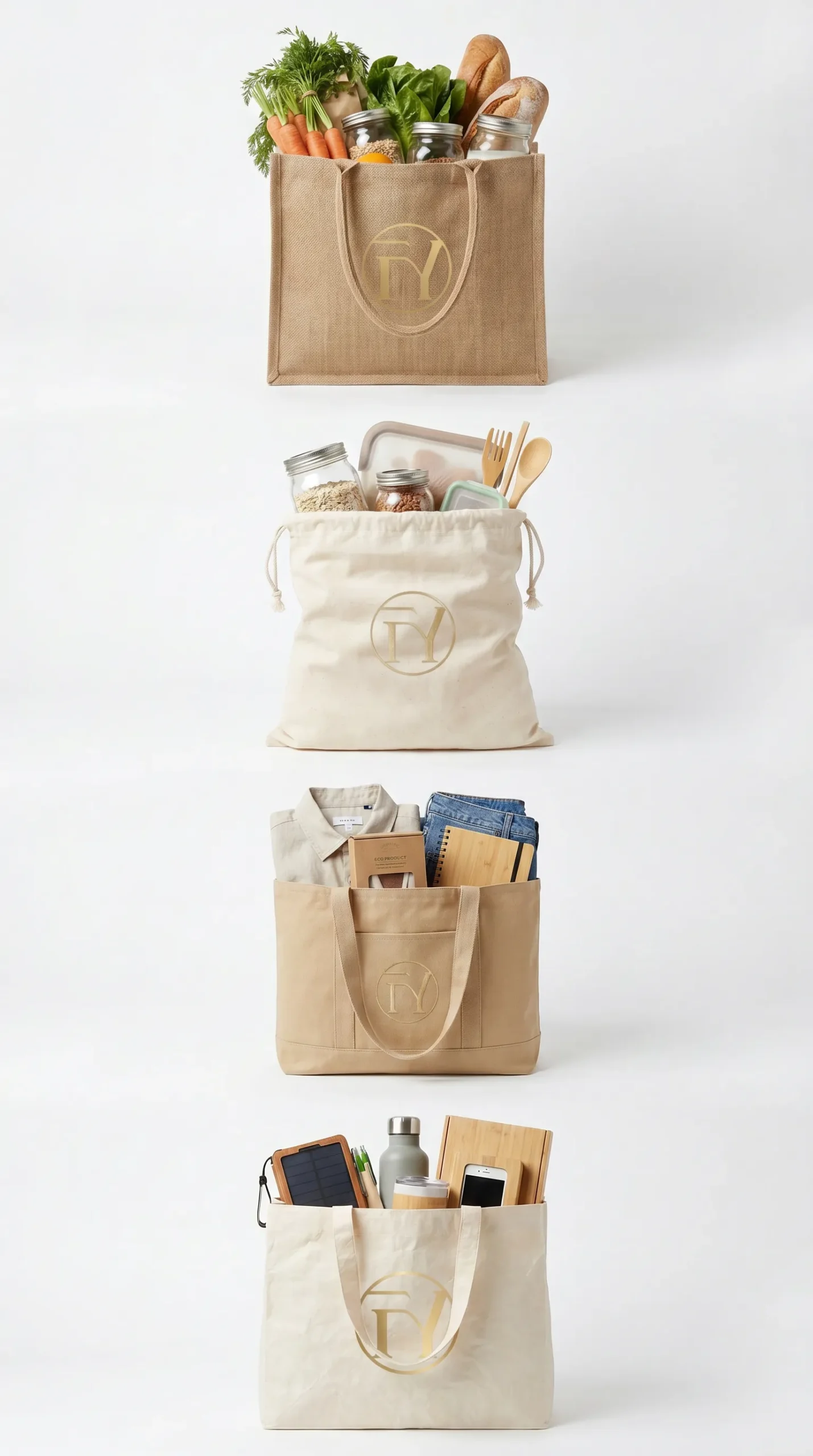
For eco-lifestyle brands, zero-waste shops, organic grocery stores, and sustainable fashion labels, the bag isn’t just packaging — it’s a physical expression of brand values. Consumers who shop these brands expect the bag to be as sustainable as the products inside it. The material, dye, ink, hardware, and packaging must all align with a coherent sustainability story.
What these buyers need
Key bag requirements
Recommended formats
Jute market tote for organic grocery. Organic cotton drawstring bag for zero-waste shops. Unbleached canvas tote for sustainable fashion retail. Tyvek bags for modern-eco positioning.
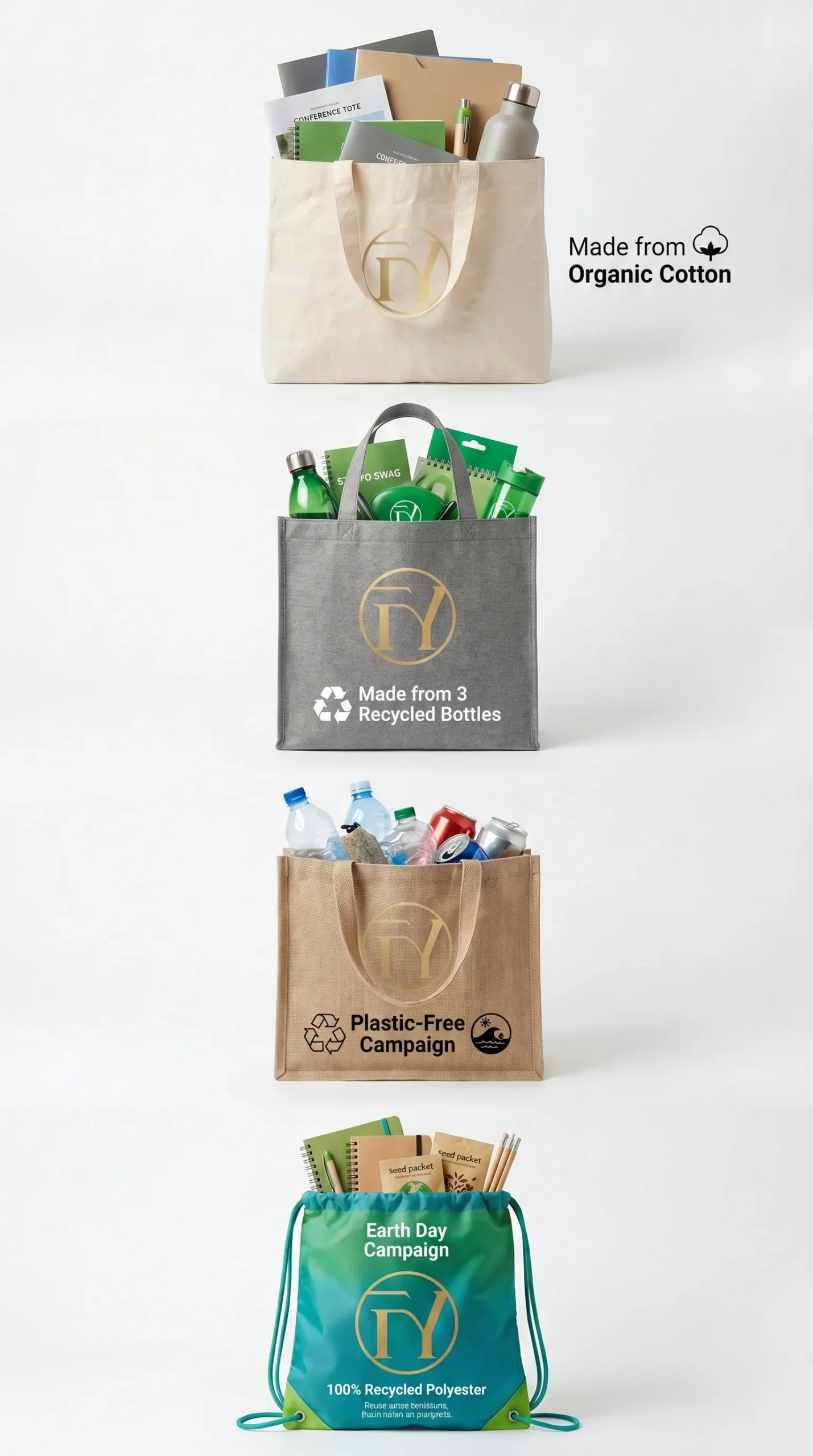
Earth Day activations, beach clean-ups, plastic-free campaigns, sustainability summits, and green expos all need bags that practice what the event preaches. Using a virgin-plastic giveaway bag at an anti-plastic conference creates an immediate credibility problem. The bag must be the message.
Typical event contexts
Key bag requirements
Recommended formats
Cotton or recycled non-woven tote for conference giveaways. Jute or canvas tote for market/retail events. Drawstring bag in rPET for youth-oriented events. All with sustainability messaging as part of the print design. Overlaps with gift & promotional application.
This section organizes bags by MATERIAL, not by bag type — because in the eco-friendly application, the material IS the product differentiator. The same tote bag can be eco or not depending entirely on what it’s made from.

rPET fabric is made from recycled plastic bottles — each bag carries a calculable “X bottles recycled” claim. The most commercially compelling eco material because it combines sustainability messaging with performance: rPET is durable, water-resistant, dyeable, and printable — functionally identical to virgin polyester.
What You Can Claim
B2B positioning
rPET is the best eco material for backpacks, duffles, lunch bags, foldable bags, and drawstring bags — any format that requires technical performance + sustainability credentials. The “recycled bottles” story is easy for consumers and procurement teams to understand. Strongest in corporate ESG programs and DTC brands.

Organic cotton is grown without synthetic pesticides, herbicides, or GMO seeds. The material feels natural, washes well, and communicates “clean” sustainability to touch-sensitive consumers. Available as certified organic (GOTS) or conventional (non-organic) cotton.
What You Can Claim
B2B positioning
The default eco material for tote bags, drawstring bags, pouches, and shopping bags. Strongest in organic food retail, beauty brands, zero-waste shops, and premium promotional programs. Higher per-unit cost than non-woven or polyester, offset by premium retail pricing and sustainability messaging.

Jute is one of the most sustainable natural fibers — it grows fast (4–6 months), requires minimal irrigation and pesticides, absorbs CO₂ during growth, and biodegrades completely. The textured, rustic look communicates “authentically sustainable” more visibly than any other material.
What You Can Claim
B2B positioning
The “looks eco” champion — the most visually recognizable sustainable bag material. Ideal for farmers market totes, organic-store bags, boho-style fashion bags, wine/gift carriers, and eco-campaign giveaways. Limited printability (best with screen print or heat transfer) but the texture itself IS the branding.

Unbleached canvas (natural ecru/off-white cotton or cotton-poly blend) skips the bleaching and dyeing process — reducing chemical use and water consumption. The natural color communicates “less processed” and aligns with minimalist and artisanal brand aesthetics.
What You Can Claim
B2B positioning
The premium daily-carry eco tote. Best for sustainable fashion brands, minimalist lifestyle brands, bookshops, museums, and artisan retail. The “canvas tote” is a cultural icon of sustainability — inherent brand equity.

Non-woven polypropylene is the world’s highest-volume reusable bag material. The recycled version uses post-industrial or post-consumer PP waste. While less “premium” than cotton or jute, recycled non-woven is the most practical material for replacing single-use plastic at scale.
What You Can Claim
B2B positioning
The scale eco material: supermarket checkout bags, conference giveaways, mass-event bags. Available laminated for premium look at mid-range cost. The material that makes eco accessible to price-sensitive buyers. Highest volume per container of any eco material.

Tyvek (HDPE fiber by DuPont) is tear-proof, water-resistant, recyclable, and has a distinctive paper-like crinkle texture. Other alternatives include woven straw/raffia and recycled denim — materials that tell unique sustainability stories.
Design Priorities
B2B positioning
Specialty and differentiation materials for brands that want to stand out from the cotton/jute/non-woven mainstream. Tyvek for tech and design brands. Recycled denim for fashion sustainability. Straw for resort and lifestyle brands.
Eco-bag sets amplify the sustainability message — every piece in the set reinforces the same material story and multiplies branded touchpoints.
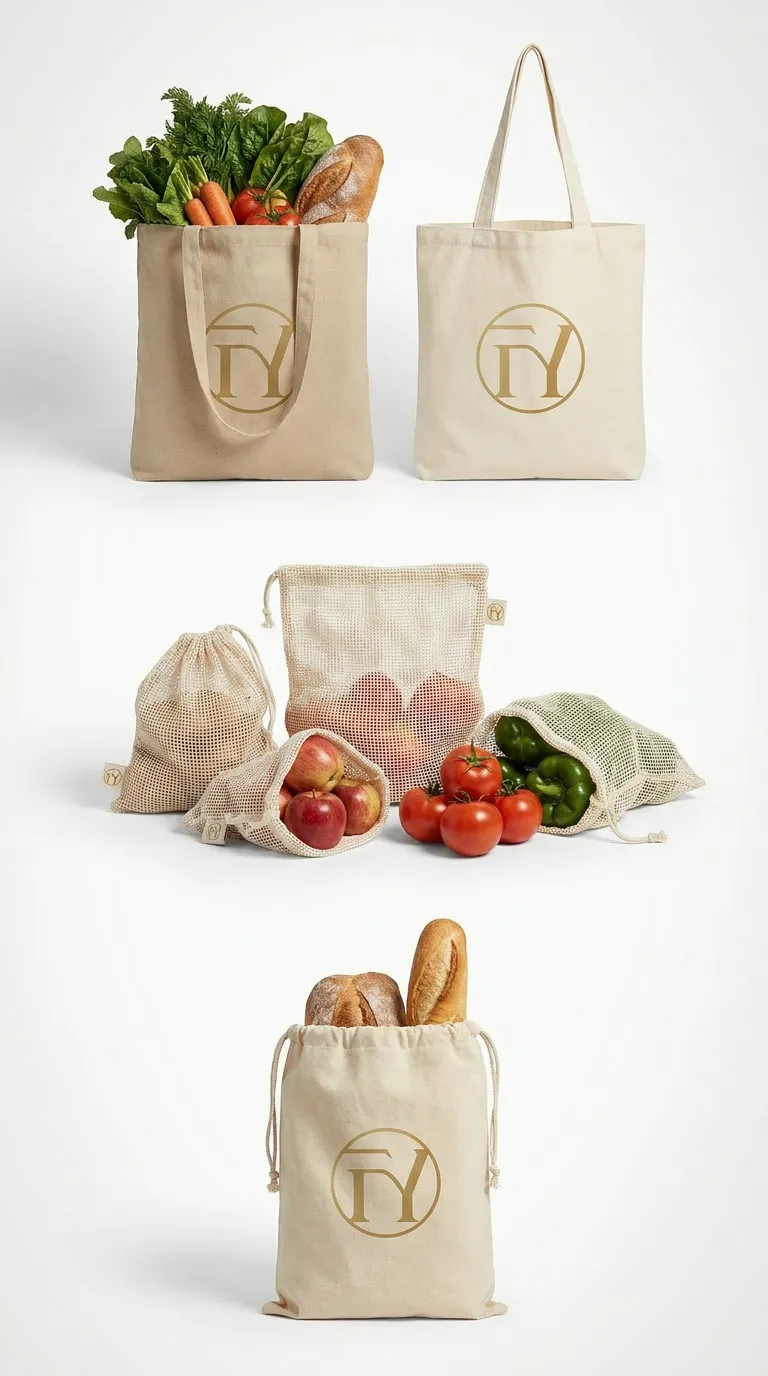
→ Organic grocers, zero-waste shops, eco-lifestyle Amazon FBA bundles.
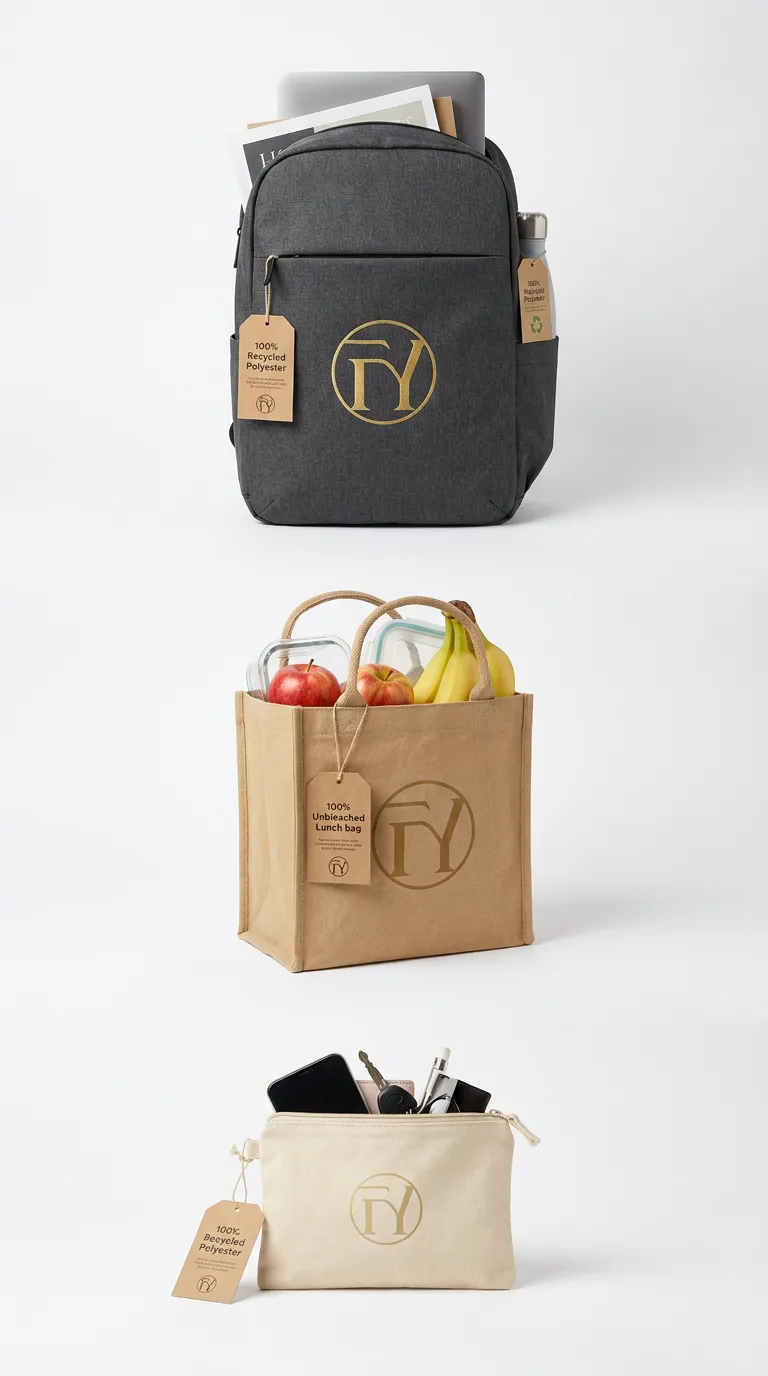
→ Employee onboarding, ESG reporting merch, sustainability team gifts.
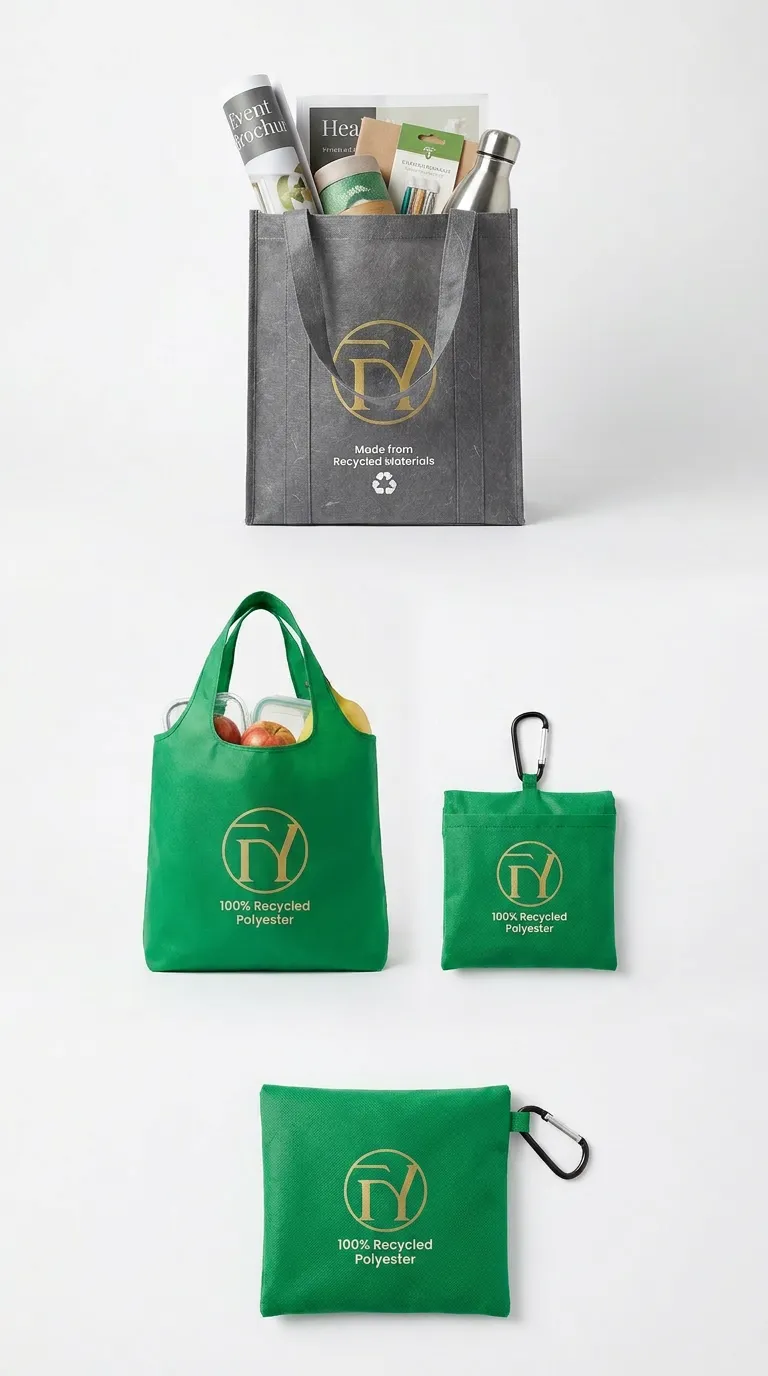
→ Earth Day activations, sustainability summits, clean-up events, NGO fundraising.
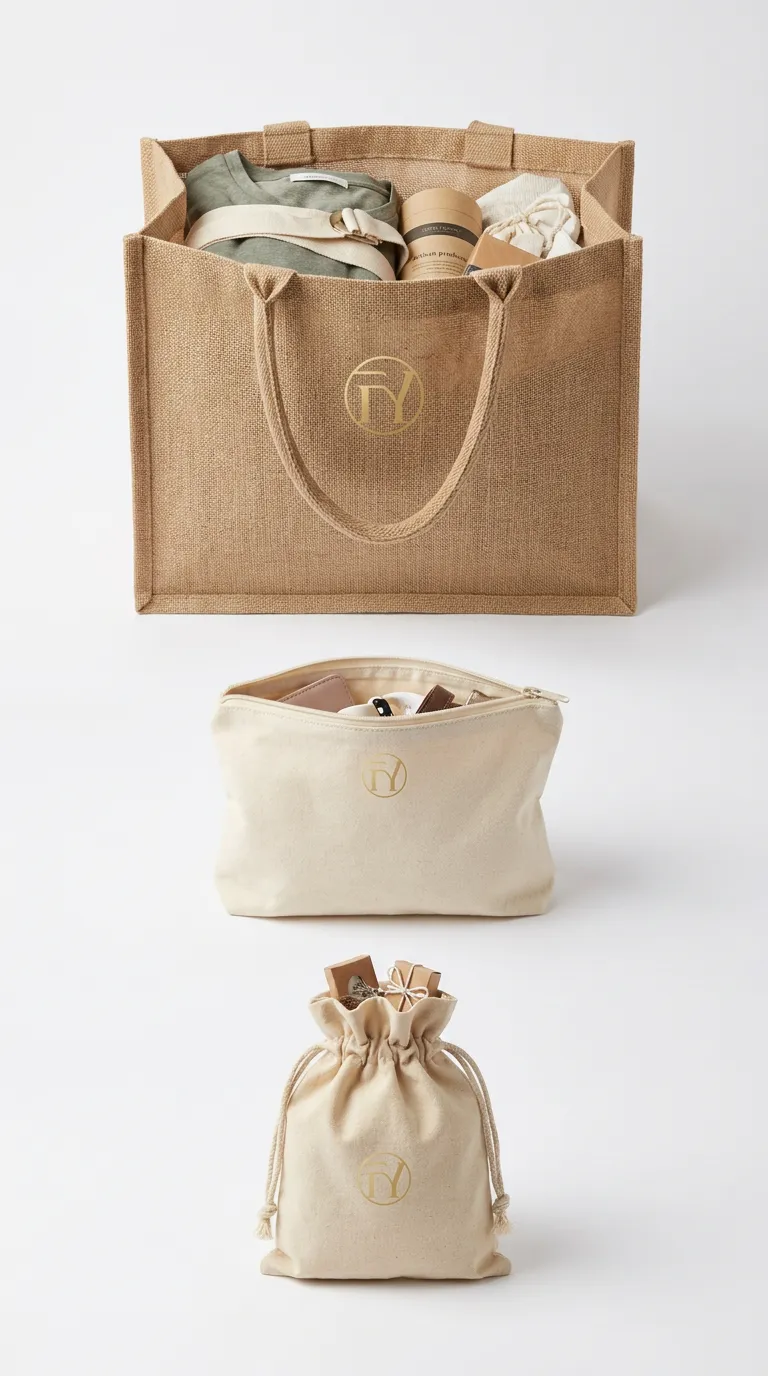
→ Eco-lifestyle brands, sustainable fashion retail, artisan shop merchandise.
Sustainability claims require consistency across EVERY element — not just the main fabric, but also the thread, ink, hardware, lining, and packaging. A cotton tote with PVC lining and plastic polybag packaging undermines the eco message.
Tell us your target look, material, quantity, and deadline. We’ll propose the right logo method, make a working sample, and ship retail- or FBA-ready products.
Eco-friendly bags serve two buyer profiles with very different motivations — compliance/reporting vs brand identity/values.
The eco bag as a compliance and ESG-reporting tool — measured by recycled-content percentages and single-use plastic reduction metrics.
Our Approach
The eco bag as a brand values statement — measured by customer perception, social media resonance, and reuse longevity.
Our Approach
Free Add-on: Professional Product Photography Included
Free white-background product photos for your online shop, Amazon listings, and wholesale catalogs — no additional charge on production orders.
Eco-bag production adds one critical step that standard bag production doesn’t: material verification and documentation BEFORE sampling begins.
We start with your sustainability requirements — not your bag design. The material choice drives everything that follows.
Before we cut a single sample, we verify the material.
Standard bag sampling with eco-specific checkpoints.
Packaging and shipping aligned with the eco-material story.
Client: European organic grocery chain with 40 stores, committed to eliminating all single-use plastic bags and packaging from checkout.
Goal: Replace disposable checkout bags, produce bags, and bread bags with reusable alternatives that align with the chain’s organic-certification standards and customer expectations. All materials must be natural or certified organic.
Solution: We produced: GOTS organic cotton tote bags (10 oz, water-based screen print, 3 earth-tone colors) for checkout. Jute market totes with wide straps for heavy-load shoppers. Cotton mesh produce bags in S/M/L sets. Cotton bread bags with drawstring. All with kraft hang tags showing material composition and reuse instructions. Zero plastic in packaging.
Result
The chain achieved 100% single-use-plastic-free checkout within 6 months. The organic cotton tote became a visible brand symbol — customers carry it to competing stores, creating organic brand awareness. Quarterly reorder program established.
Client: North American tech corporation issuing sustainability-aligned onboarding kits to all new hires as part of its published ESG commitment to reduce single-use plastics and increase recycled-content usage in corporate merchandise.
Goal: A branded commuter backpack that new employees actually use daily — made from recycled materials — with documentation that procurement can file for ESG reporting. Budget: $8–$12 per backpack.
Solution: We produced an rPET polyester commuter backpack (recycled from 15 plastic bottles per bag) with padded laptop sleeve, water-bottle pocket, and subtle embroidered company logo. GRS-certified fabric sourced from a verified supplier. Material-composition label sewn inside: “This backpack is made from 15 recycled plastic bottles.” Kraft packaging with recycled-content sticker. 5,000 pcs initial order with quarterly reorder as headcount grows.
Result
The backpack became the most visibly carried company item across all offices. The procurement team filed GRS certificates and recycled-content data in the annual ESG report. Employee survey showed 89% daily-use rate after 6 months — making it the highest-ROI branded item in the company’s merchandise program.
Client: DTC eco-lifestyle brand targeting the “reusable bags” and “zero-waste” keyword clusters on Amazon with a comprehensive starter kit.
Goal: A bundled 8-piece reusable bag set in 6 color themes that positions as the “one purchase to replace all disposable bags.” Must communicate eco credentials visually and through product messaging. FOB under $5.00/set.
Solution: 8-piece set: 2 × organic cotton grocery totes, 4 × mesh produce bags (S/M/L/XL), 1 × cotton bread bag, 1 × rPET foldable shopping bag. 6 earth-tone color themes. “Replaces 1,000+ single-use bags” messaging on kraft insert card. FNSKU per color. Amazon FBA packaging. DDP to US warehouse.
Result
The listing achieved Amazon’s Choice badge for “reusable bags” within 5 months. Average rating 4.7 stars. The eco messaging and comprehensive set size drove a 60% lower return rate than single-bag competitors. Monthly reorder at 4,000+ sets.
Global Shipping Options
•Sea Freight
•Air Freight
•Express (DHL, FedEx, UPS)
•Rail Freight
•Door-to-Door
•Direct-to-Amazon FBA
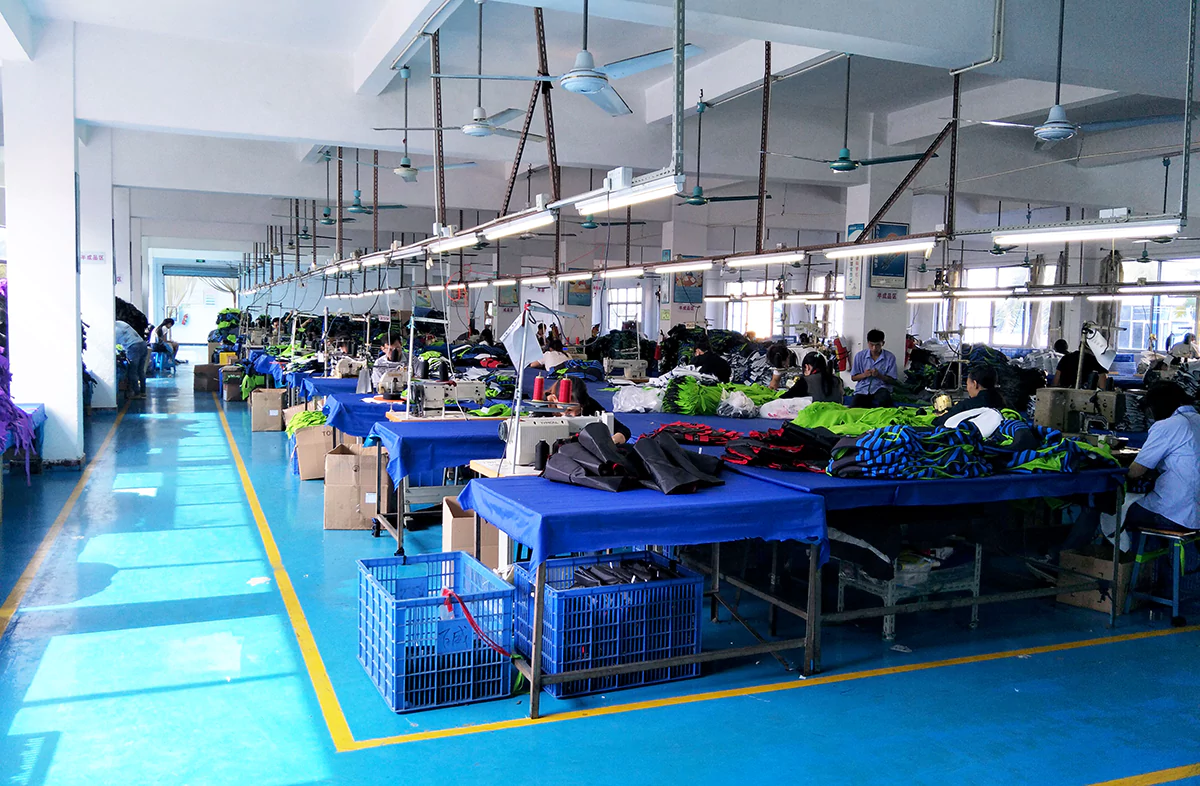
FY Bag Custom operates its own vertically integrated factory in Guangzhou, Guangdong — fabric sourcing, printing, cutting, sewing, and QC all under one roof. For all type of bags, our fabric-sourcing team works with verified weaving mills across Guangdong and Zhejiang to source fabrics at production scale. For printed bags, our in-house print department applies stripes via screen, sublimation, or heat transfer.
Years in Manufacturing
Factory Floor Area
Professional Staff
Production Lines
Monthly Capacity
Pre-Shipment Inspection
We tell you exactly what each material is, where it’s sourced, and what claims you can make. No vague “eco” labels. Documentation available for procurement and ESG reporting.
Eco fabric + eco thread + water-based ink + kraft packaging — we align every element so the sustainability story holds up under scrutiny. No PVC ink on an organic cotton bag.
rPET polyester, organic cotton, jute, unbleached canvas, recycled non-woven, and Tyvek — all from one factory. Match material to your sustainability claims and budget.
A bag used 200 times is more sustainable than an “eco” bag that falls apart in 3 months. We build for reuse longevity — because the most eco-friendly bag is the one that doesn’t need replacing.
Sample Lead Time
5–7 Days
Mass Production
25–35 Days
Payment Terms
30% T/T · 70% Before Shipment
Shipping Terms
FOB · CIF · DDP · Amazon FBA
There’s no single “most eco” material — it depends on what you’re optimizing for. Organic cotton and jute are natural and biodegradable but require agricultural land and water. rPET polyester diverts plastic from landfill but isn’t biodegradable. Recycled non-woven PP is the lowest-cost option but has limited recyclability in practice. We help you match the material to your specific sustainability claims and audience expectations.
We source GRS-certifiable rPET fabric and GOTS-certifiable organic cotton from verified suppliers. Supplier certificates and test reports are available. If your program requires end-product certification, we can coordinate the documentation process. Note: certification scope and costs vary by standard and should be discussed early in the project.
It depends on bag size and fabric weight. A standard tote bag uses approximately 3–5 recycled bottles. A backpack uses 12–18. A duffle bag uses 20–30. We calculate the bottle count per SKU and can print the specific number on hang tags: “This bag is made from X recycled plastic bottles.”
Yes. We offer kraft paper wrap, recycled-content cardboard boxes, paper tape, and cotton dust bags as alternatives to plastic polybags. For Amazon FBA, we can use paper mailers or recyclable poly mailers (recycled LDPE) that meet Amazon’s packaging requirements while minimizing plastic use.
Non-woven PP is a petroleum-derived plastic — calling it “eco-friendly” is misleading in absolute terms. However, recycled non-woven PP diverts waste, and a reusable non-woven bag that replaces 100+ single-use plastic bags has a net-positive environmental impact. We recommend being specific in your messaging: “reusable” and “made from recycled polypropylene” are accurate claims; “eco-friendly” without qualification is vague.
Recycled non-woven: from 1,000 pcs. Organic cotton: from 300–500 pcs. Jute: from 500 pcs. rPET polyester: from 500 pcs. Unbleached canvas: from 300 pcs. Tyvek: from 500 pcs. Eco material sourcing may add 3–5 days to standard lead time for supplier verification.
Yes. Every bag type we produce — totes, backpacks, duffles, crossbodies, lunch bags, pouches, drawstring bags — can be produced in eco-friendly materials. The material choice affects the bag’s performance profile (rPET is water-resistant; organic cotton is not), but there are eco options for every format and application.
Yes. European Industrial Park, Shiling Town, Huadu District, Guangzhou. Monday–Saturday. Video tours available for remote buyers.
Tell us your sustainability goals, your target claims (recycled content, organic, natural, biodegradable), your bag types, and your volume. We’ll recommend the right eco-material tier, verify sourcing, align branding and packaging with the sustainability story, and deliver documented, traceable eco bags.