Tel/WhatsAapp:+86 18011919834
E-mail: chloe.x@fybagcustom.com

Tel/WhatsAapp:+86 18011919834
E-mail: chloe.x@fybagcustom.com
Send Your Inquiry Today

Years Manufacturing
Factory Area
Professional Staff
Inspection Rate
Heat-transfer printing serves any buyer who needs full-color artwork on non-polyester fabrics, multi-design collections at low-to-mid volumes, or photographic graphics that screen printing cannot reproduce.



Screen printing is spot-color only — no photos, no gradients. Sublimation works only on polyester. Lamination is limited to non-woven PP. Heat transfer fills every gap: full-color CMYK on cotton, canvas, nylon, Oxford, denim, and leather. Five advantages make it the most versatile print method in the bag industry.

Photographic images, color gradients, unlimited colors — on cotton, canvas, nylon, Oxford, denim, and PU leather. No other print method delivers full-color CMYK on non-polyester fabrics. Heat transfer is the ONLY option for photo-quality designs on natural fibers.

Screen printing charges per color (each color = one screen + one print pass). Heat transfer has a flat cost per transfer regardless of color count. 1-color and full-color CMYK cost the same per unit. For artwork with 4+ colors, heat transfer is cheaper than screen printing at low-to-mid volumes.

No screens to create. No cylinders to engrave. No plates to produce. Heat-transfer artwork is printed digitally — change the design between units with zero setup cost. For multi-design collections, event-specific runs, and prototype testing, heat transfer is the fastest path from artwork to finished bag.

DTF (Direct-to-Film) prints white ink under the CMYK layers — enabling vivid full-color graphics on black, navy, and dark fabrics. Screen printing can print white, but not full-color CMYK. Sublimation cannot print on dark fabrics at all. DTF heat transfer is the only full-color dark-fabric solution.

Digital heat transfer and DTF reproduce finer detail than screen printing — hairline text, fine gradients, and photographic resolution. Minimum detail: 0.3mm positive lines (vs. 0.5mm for screen print). For intricate logos, small text, and photographic artwork, heat transfer produces the sharpest results.
Heat-transfer printing applies to every bag type and fabric in our catalog. The eight most-ordered formats span canvas totes to nylon backpacks — all featuring full-color CMYK artwork that screen printing cannot achieve.
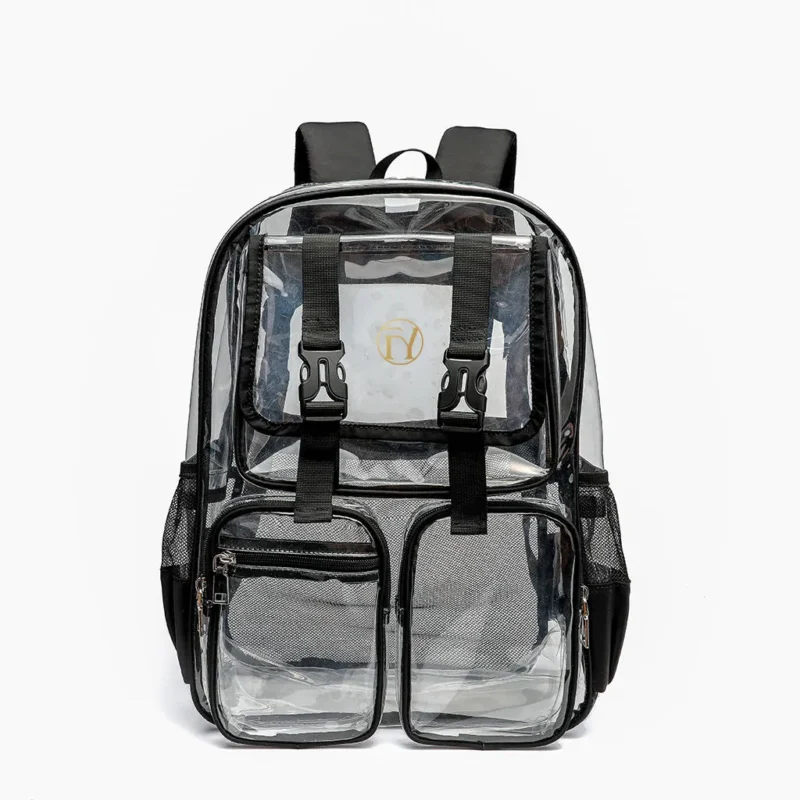
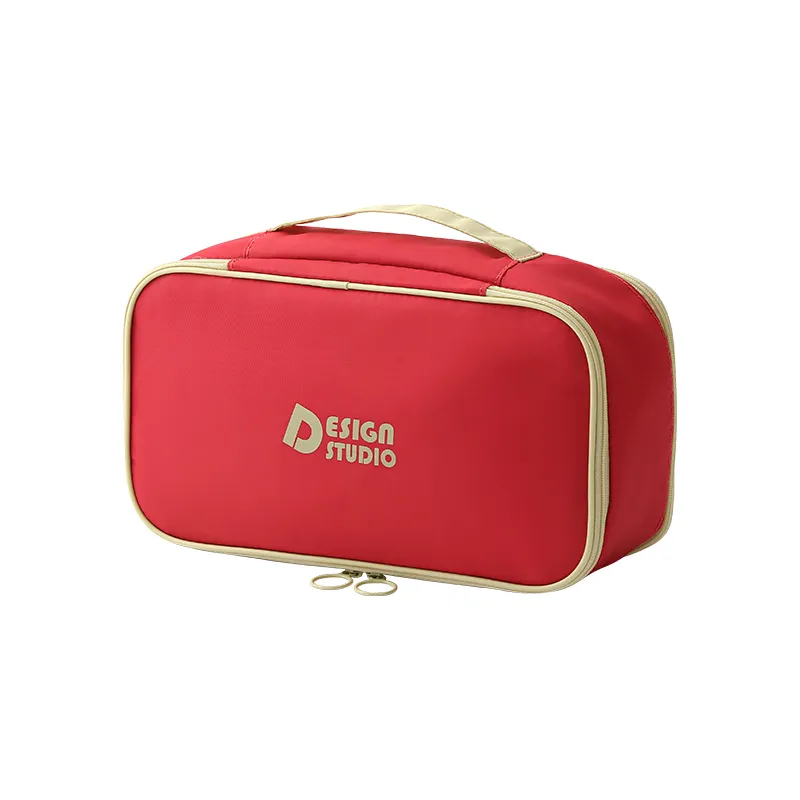
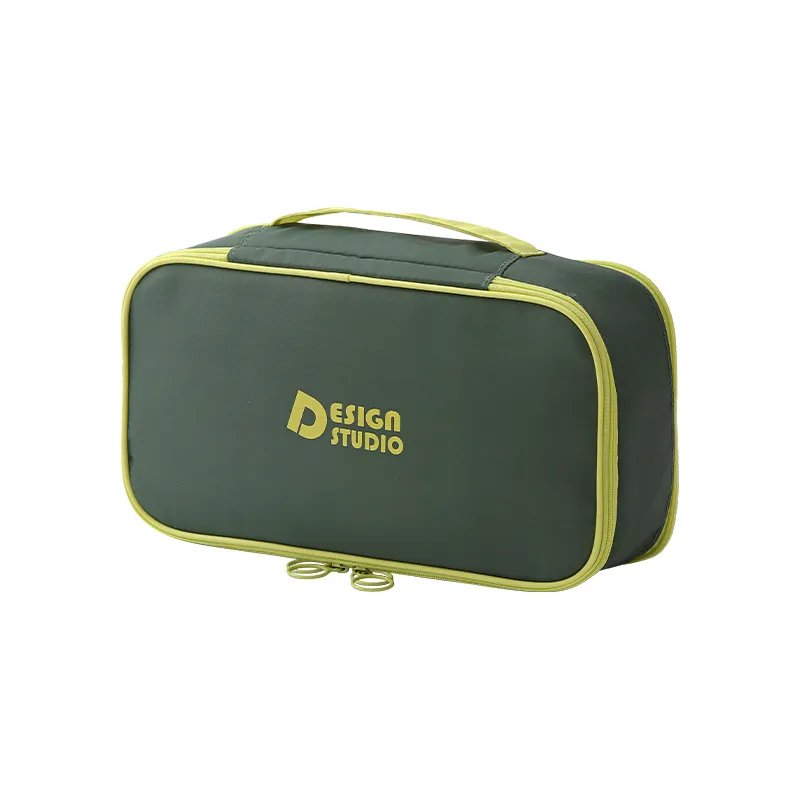
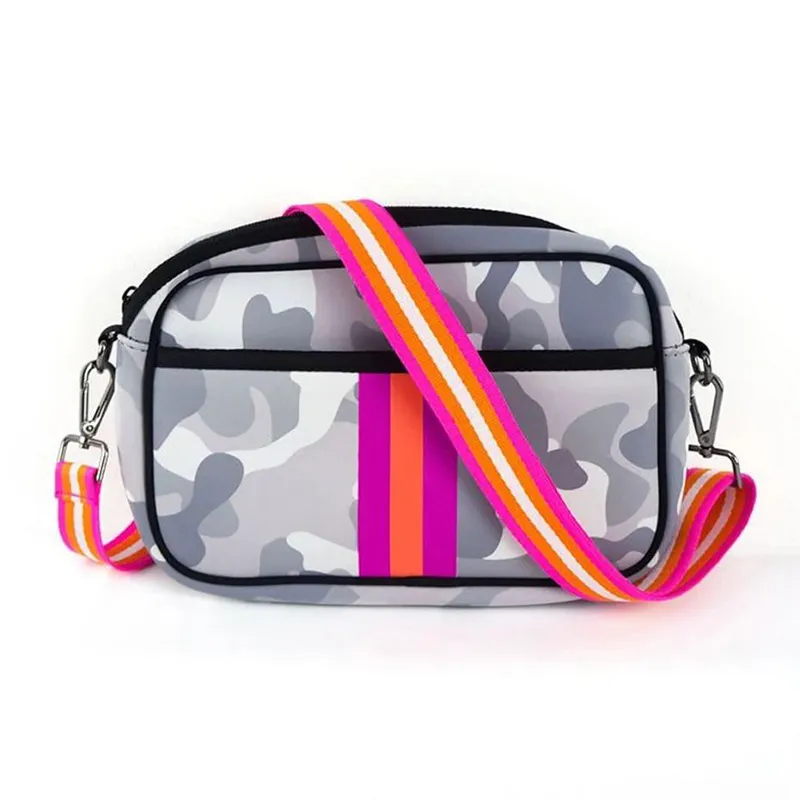
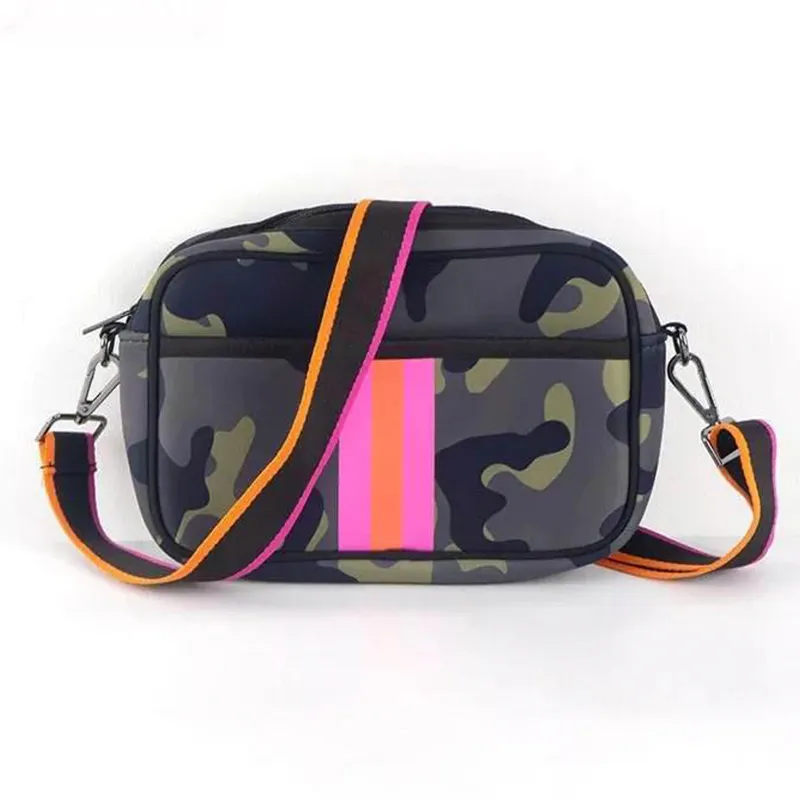
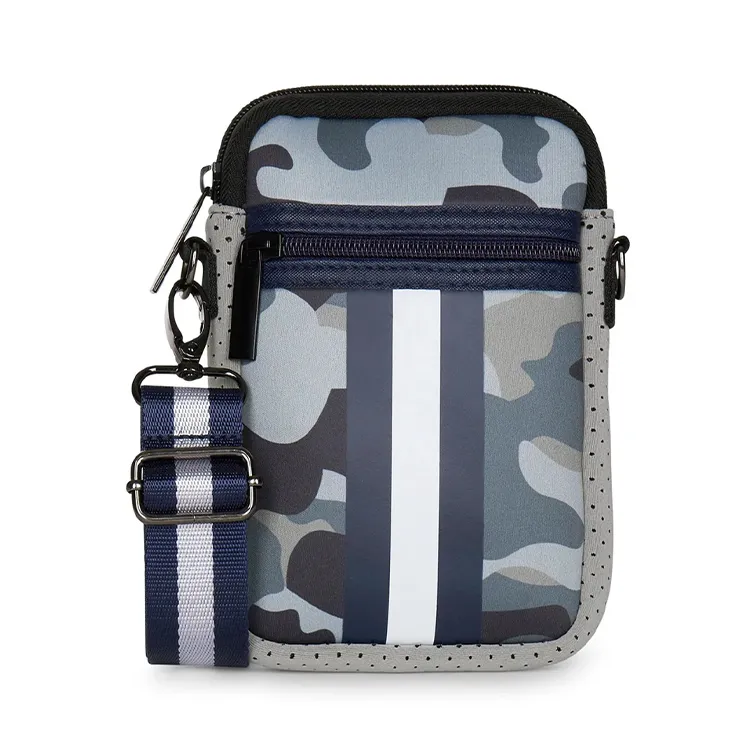
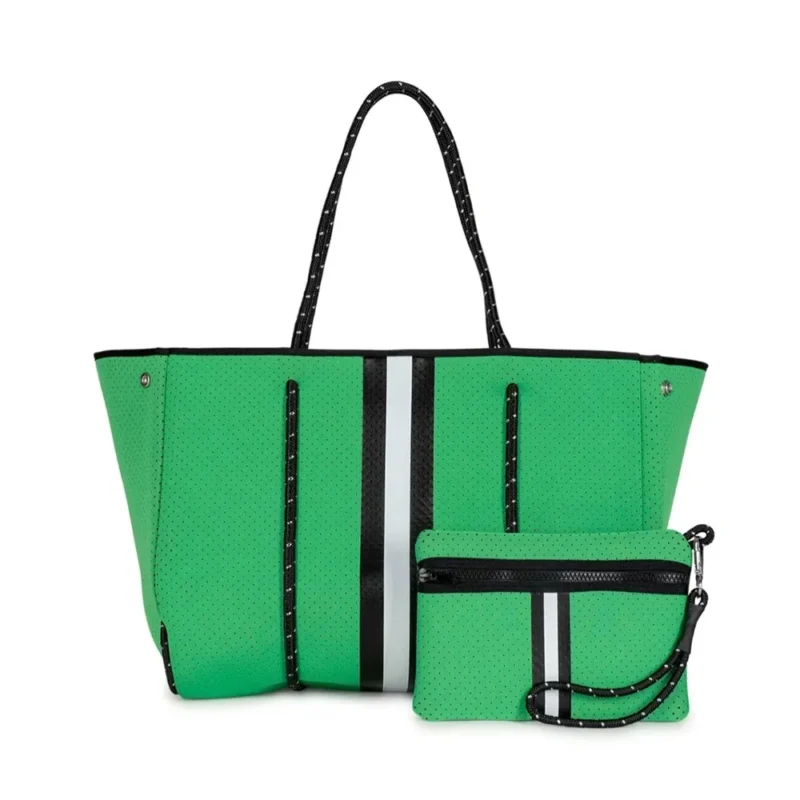
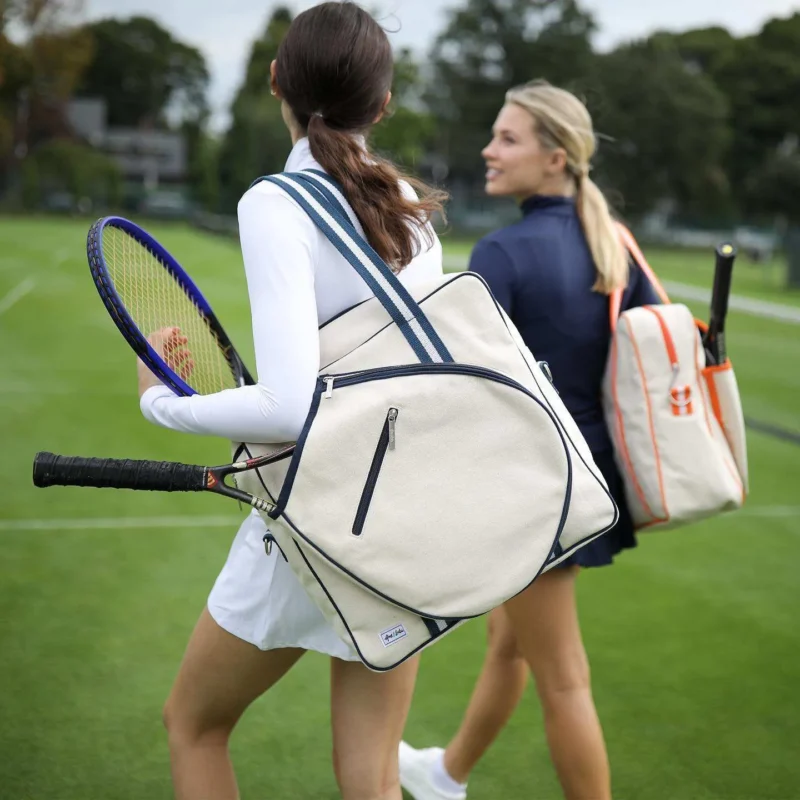
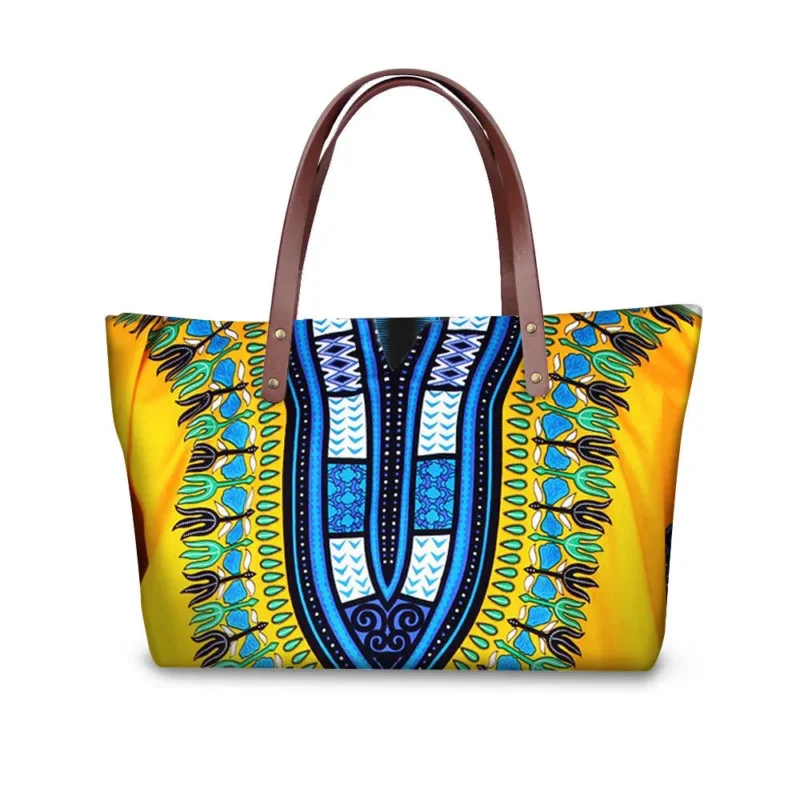
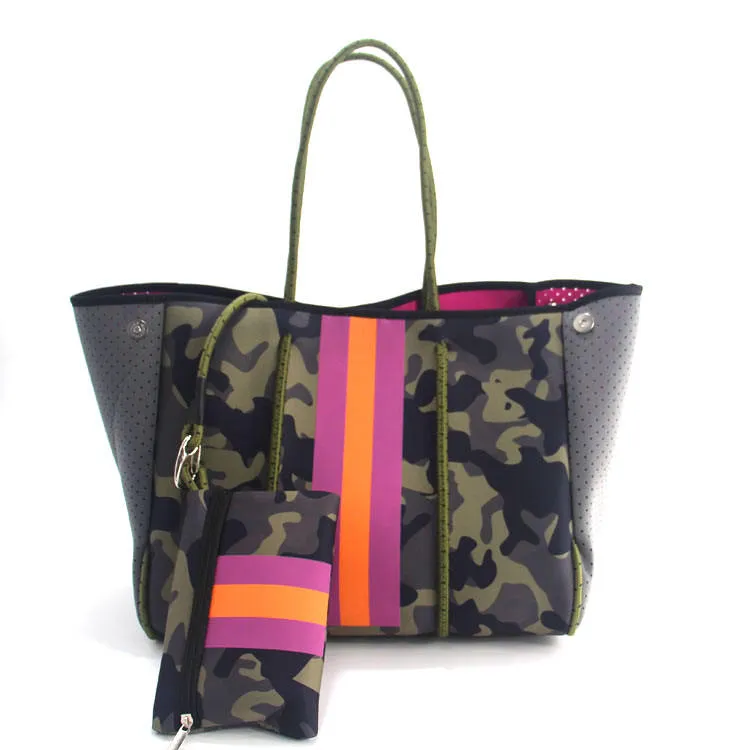
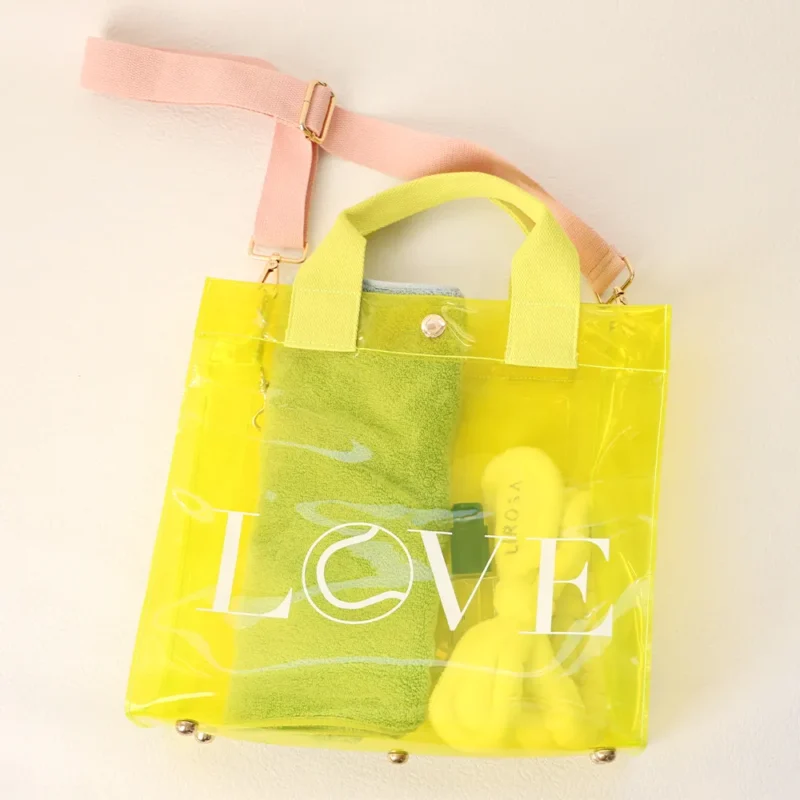
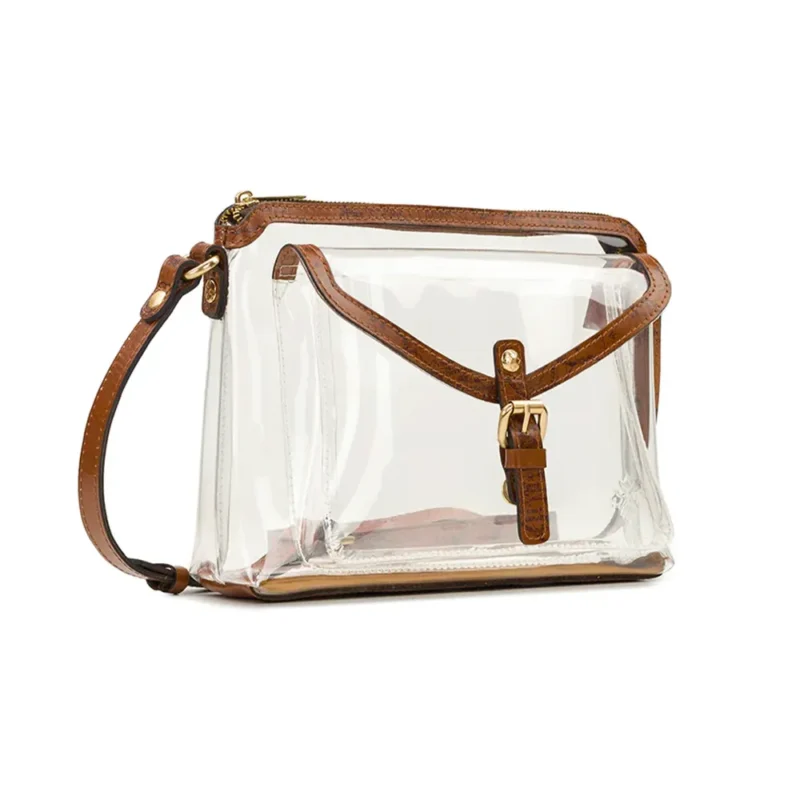
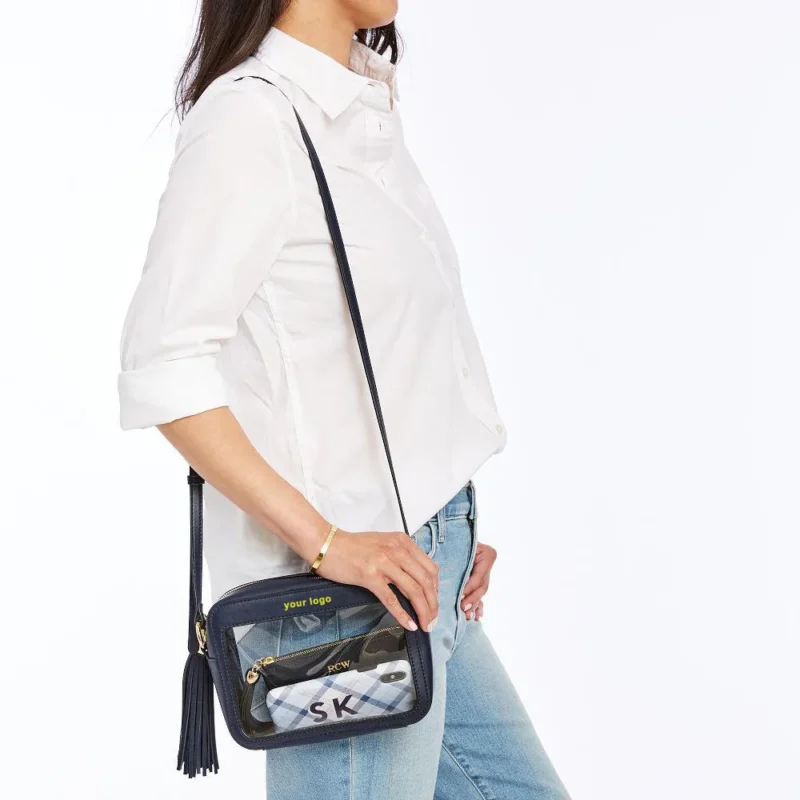
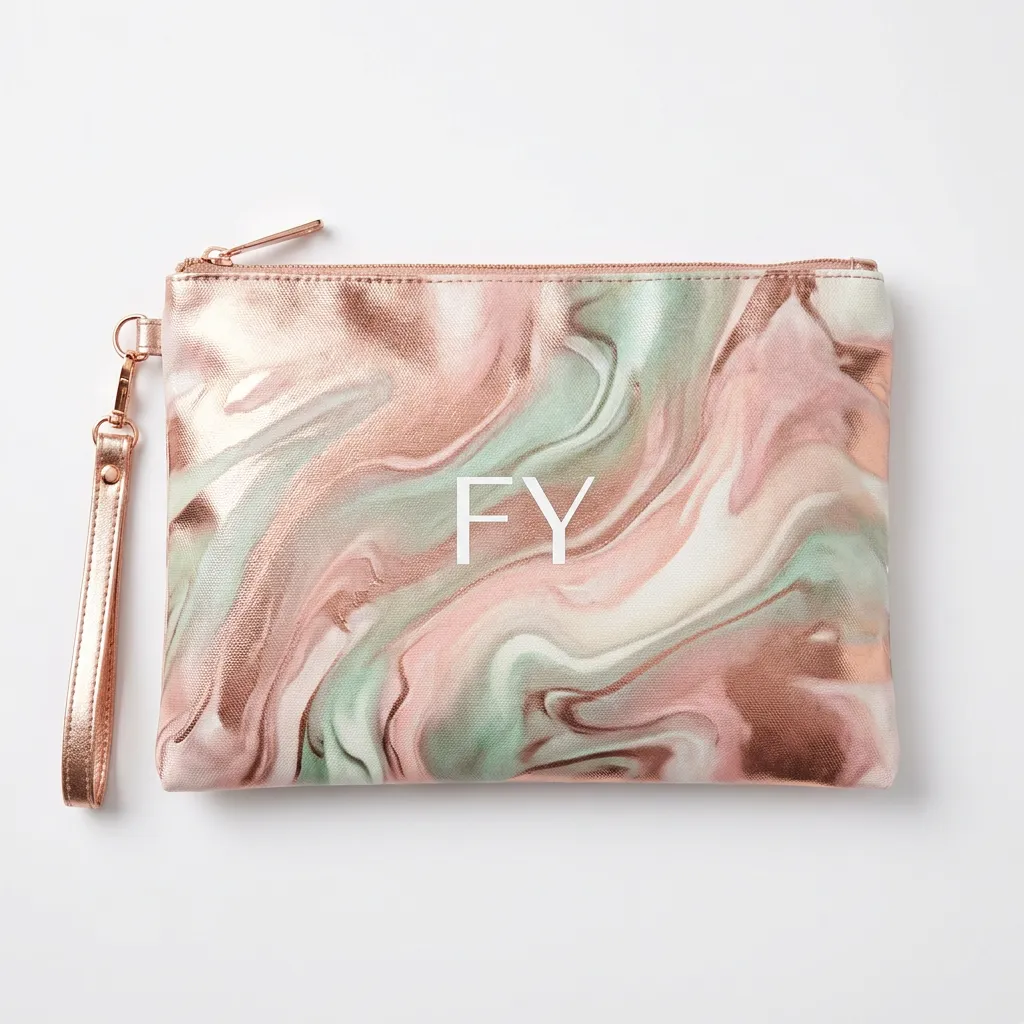
Full-color DTF print on cosmetic pouch — canvas, cotton, polyester, or PU leather. For beauty brands, gift sets, and subscription boxes. Multi-design sets with zero per-design setup cost.
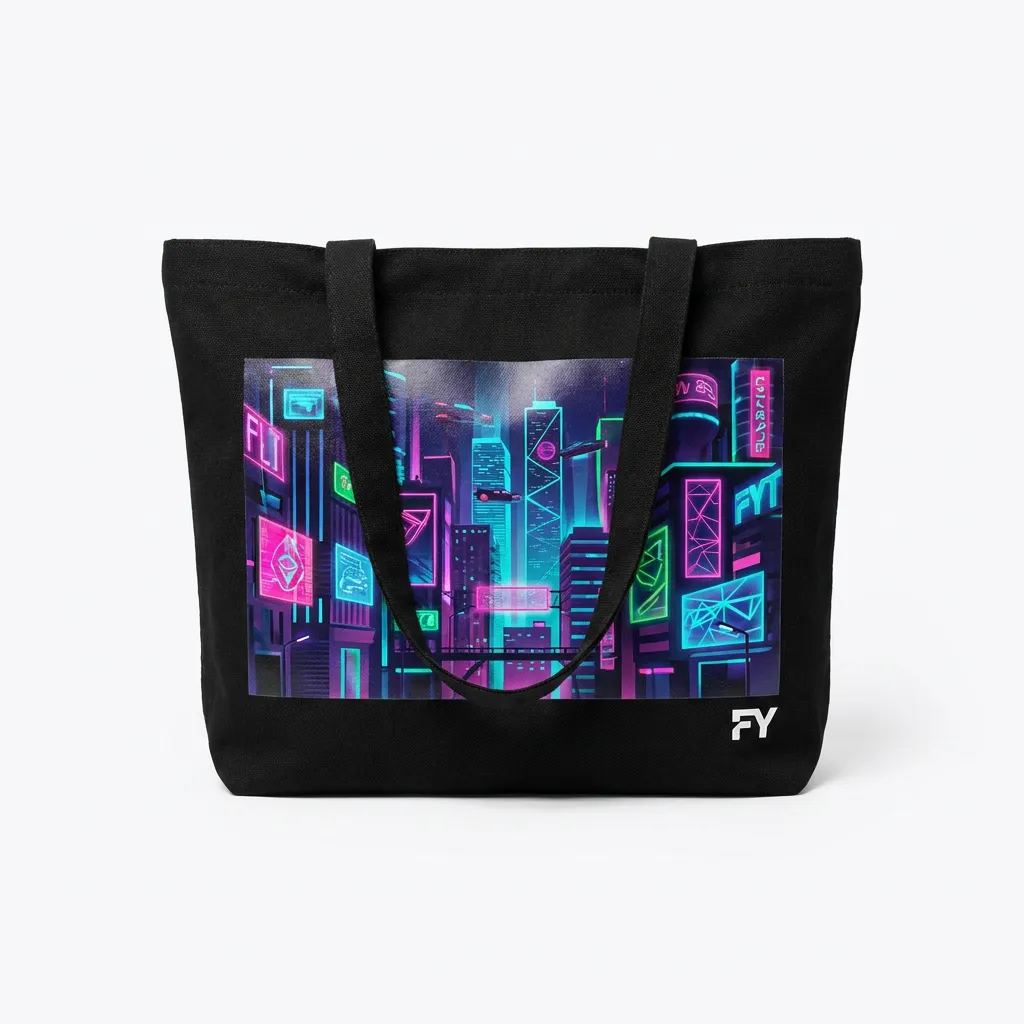
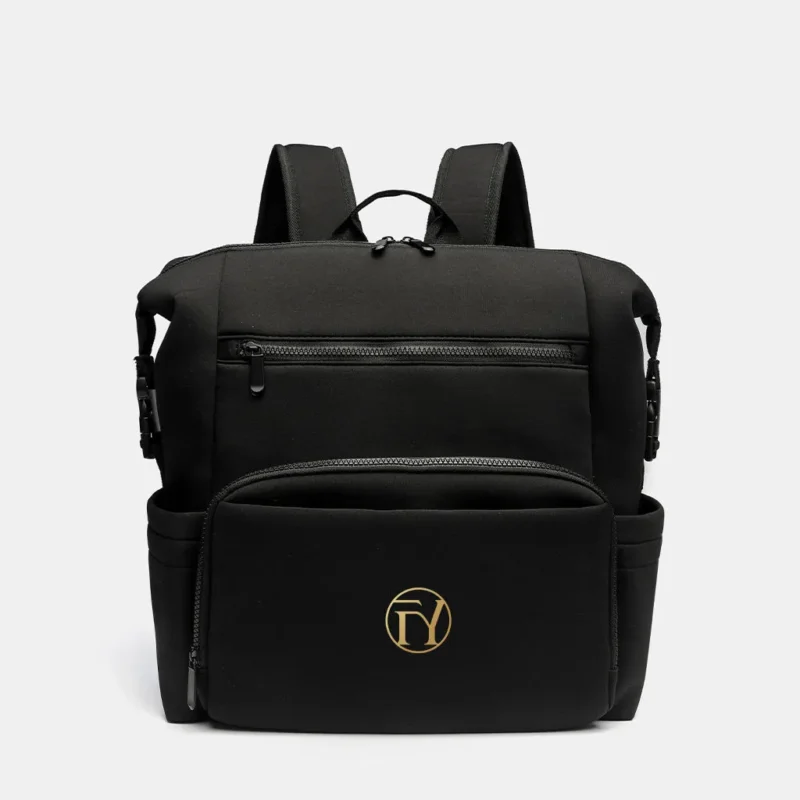
Full-color DTF print with white underbase on black, navy, or dark-colored bags. Any fabric, any bag type. Vivid CMYK graphics on dark substrates — something screen printing and sublimation cannot achieve in full color.
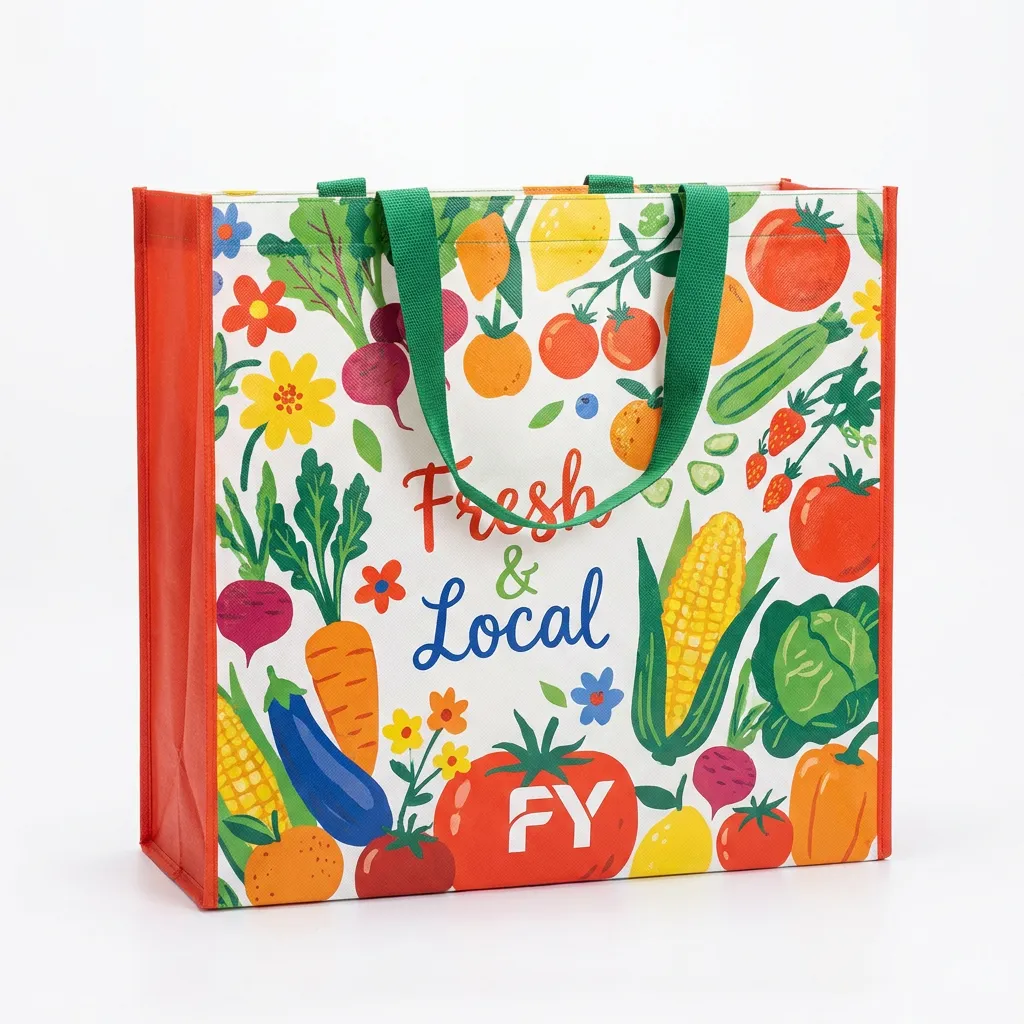
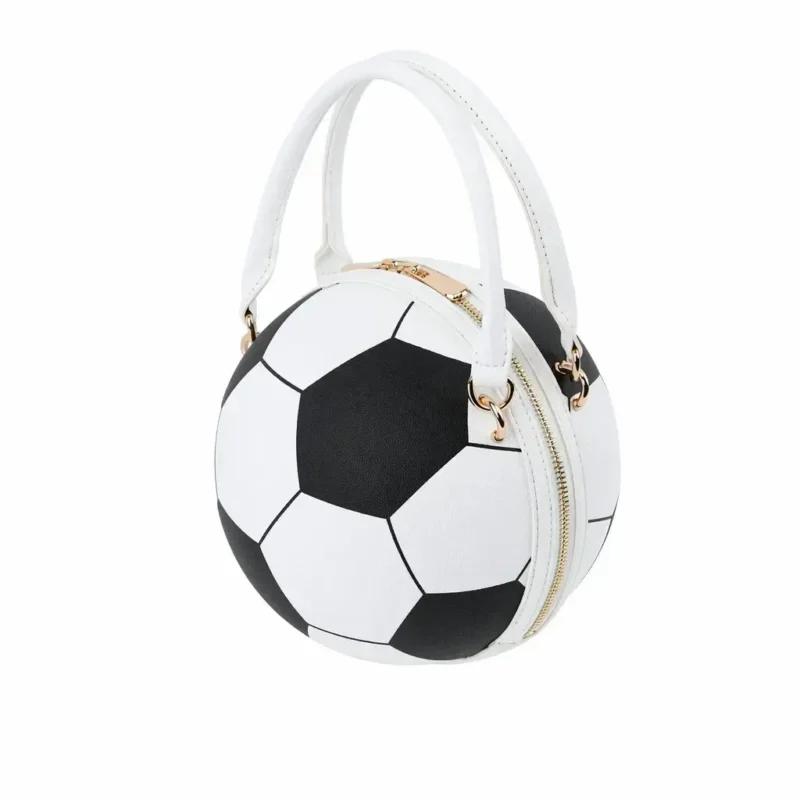
Small-area full-color print on non-woven bag — alternative to full lamination when only a logo or accent graphic needs CMYK. Lower cost than full lamination for partial-color applications.
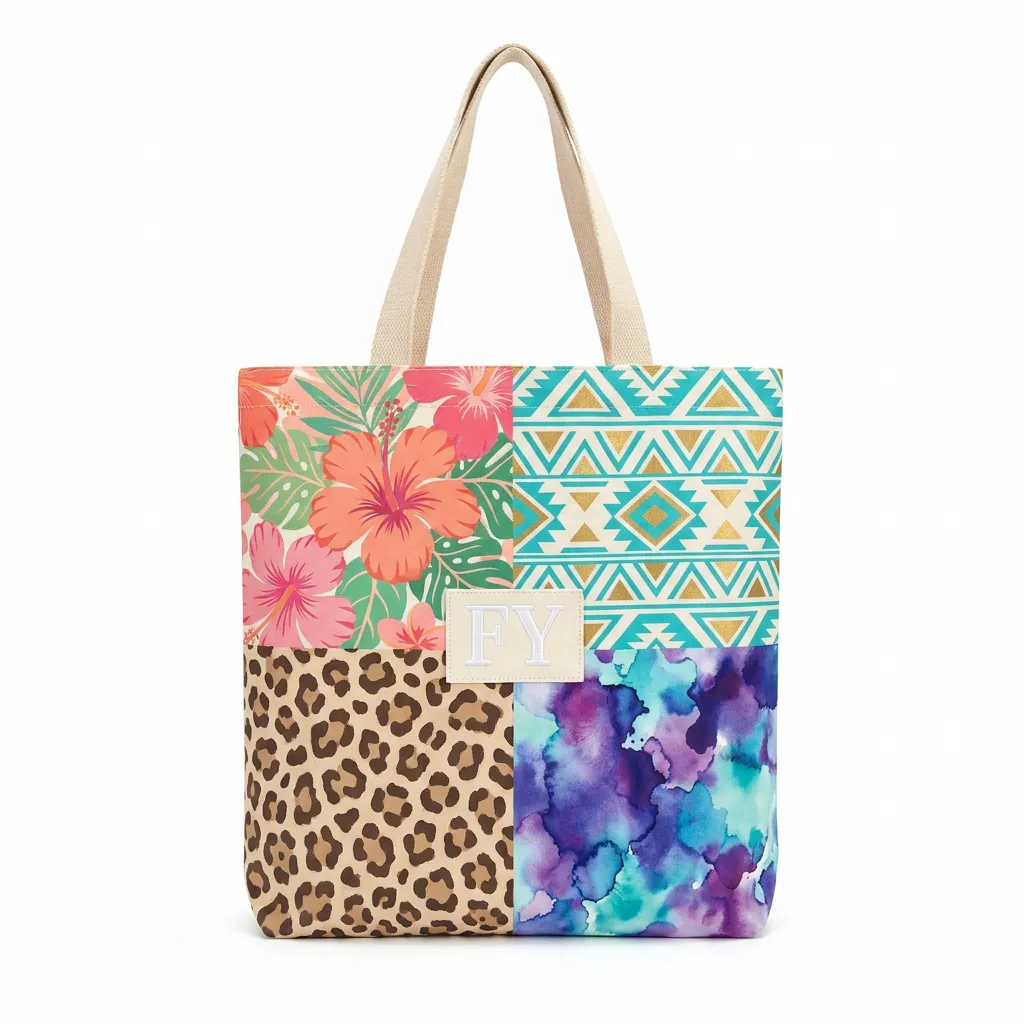
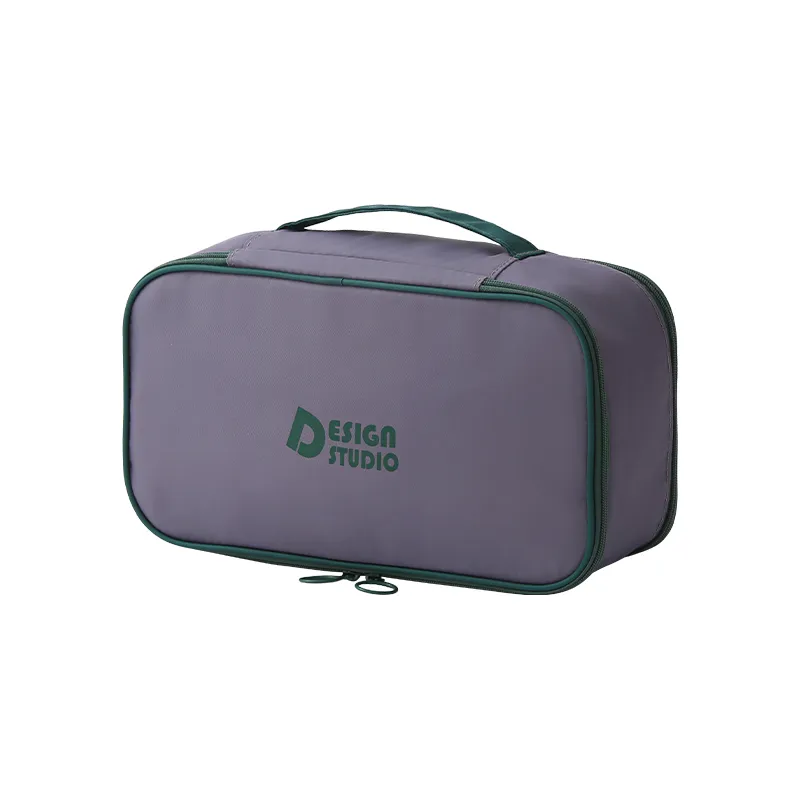
10+ artwork variants produced in the same production run with zero per-design changeover cost. DTF transfers are printed digitally — switch artwork between bags instantly. For Amazon multi-listing strategies, gift collections, and seasonal design rotations.
“Heat transfer” is a category, not a single method. Three transfer technologies deliver different quality, hand feel, durability, and cost profiles. The right choice depends on your artwork complexity, fabric, volume, and quality expectations.
Traditional
Plastisol Transfer
Artwork is screen-printed in plastisol ink onto special release paper, then heat-pressed onto the bag fabric. Best for 1–4 color spot designs at mid-to-high volume. Thicker hand feel (ink layer sits on surface). Most affordable for simple designs at 2,000+ pcs. Limited to the color count printed on the transfer sheet. The original heat-transfer method — proven, reliable, widest availability.
DTF
Direct-to-Film
Full-color CMYK + white ink printed digitally onto PET release film, then hot-melt powder adhesive applied, and heat-pressed onto fabric. The current-generation standard. Finer detail than traditional. Softer hand feel (thinner ink layer). White underbase enables vivid prints on dark fabrics. No per-design setup cost. The fastest-growing print method in the bag industry. Best for 500–10,000 pcs.
Digital
Laser / Inkjet Transfer
Artwork printed via laser printer or inkjet onto coated transfer paper, then heat-pressed. Lowest setup cost — print directly from a file, no film preparation. Best for prototypes, samples, and ultra-short runs (under 200 pcs). Thinnest hand feel of any transfer type. Lower wash resistance than DTF or traditional. Not recommended for production volumes — cost per unit doesn’t scale.
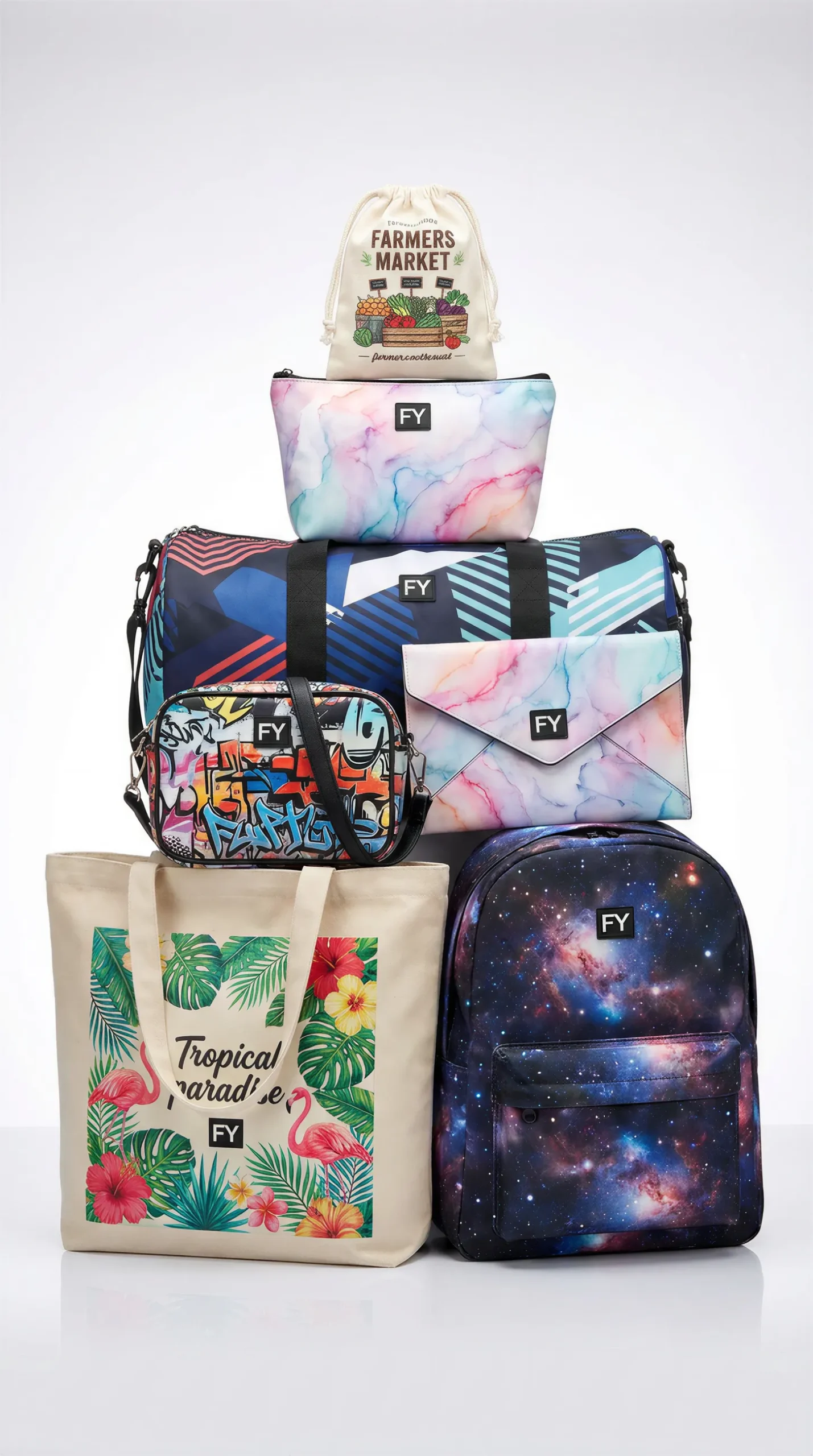
Every bag printing project starts with the same question: which method? The answer depends on artwork type, fabric, volume, and budget. No single method is best for everything — each has a clear sweet spot. Here’s an honest, side-by-side comparison to help you choose.
Color Capability
Heat transfer: full-color CMYK, unlimited colors, photographic capability, gradients. Screen print: 1–6 spot colors only, no photos/gradients. Sublimation: full-color CMYK, photographic, all-over edge-to-edge. For full-color on non-polyester → heat transfer is the only option.
Fabric Range
Heat transfer: any fabric — cotton, canvas, polyester, nylon, Oxford, non-woven, denim, PU leather. Screen print: any woven fabric. Sublimation: polyester only (minimum 65% polyester content). Heat transfer and screen print tie on fabric range; sublimation is most limited.
Durability
Screen print: best durability — ink bonds to fiber, 50+ washes. DTF heat transfer: good — 30–40 washes with proper cure. Traditional transfer: moderate — 20–30 washes. Sublimation: excellent — ink is IN the fiber (permanent, no peeling). Screen print wins on cotton; sublimation wins on polyester; heat transfer is the middle ground on all fabrics.
Hand Feel
Sublimation: no hand feel — ink is absorbed into fiber (zero surface texture). Screen print (water-based): soft — slight texture. DTF heat transfer: thin film layer — noticeable but not heavy. Traditional transfer: thicker film — the most tactile. Hand feel is the #1 trade-off of heat transfer vs. screen print and sublimation.
Cost at Volume
Under 500 pcs, multi-color: heat transfer cheapest (no setup). 500–2,000 pcs: heat transfer and screen print are comparable. 2,000+ pcs, 1–2 colors: screen print cheapest. 2,000+ pcs, full-color: lamination cheapest on non-woven; heat transfer cheapest on other fabrics. Sublimation: competitive at all volumes on polyester only.
Best For
Heat transfer: full-color artwork on non-polyester fabrics, multi-design collections, low-to-mid volume (500–5,000 pcs), photographic prints on cotton/canvas, dark-fabric full-color (DTF). Screen print: 1–3 color logos at 2,000+ pcs, highest durability needed. Sublimation: all-over full-color on polyester at any volume. We advise on the best method at quoting.
In-house DTF printing, traditional transfer application, and heat-press curing. We produce transfers and apply them to bag panels on-site — no outsourced printing for DTF and traditional methods. 10+ production lines. Sample turnaround in 5–7 days.
Free Add-on: Professional Product Photography Included
Free white-background product photos for your online shop, Amazon listings, and wholesale catalogs — no additional charge on production orders.
Heat-transfer printing requires precise control of three variables: transfer quality (film print resolution + ink type), heat-press settings (temperature, pressure, dwell time), and fabric preparation. Here are the three specification categories.
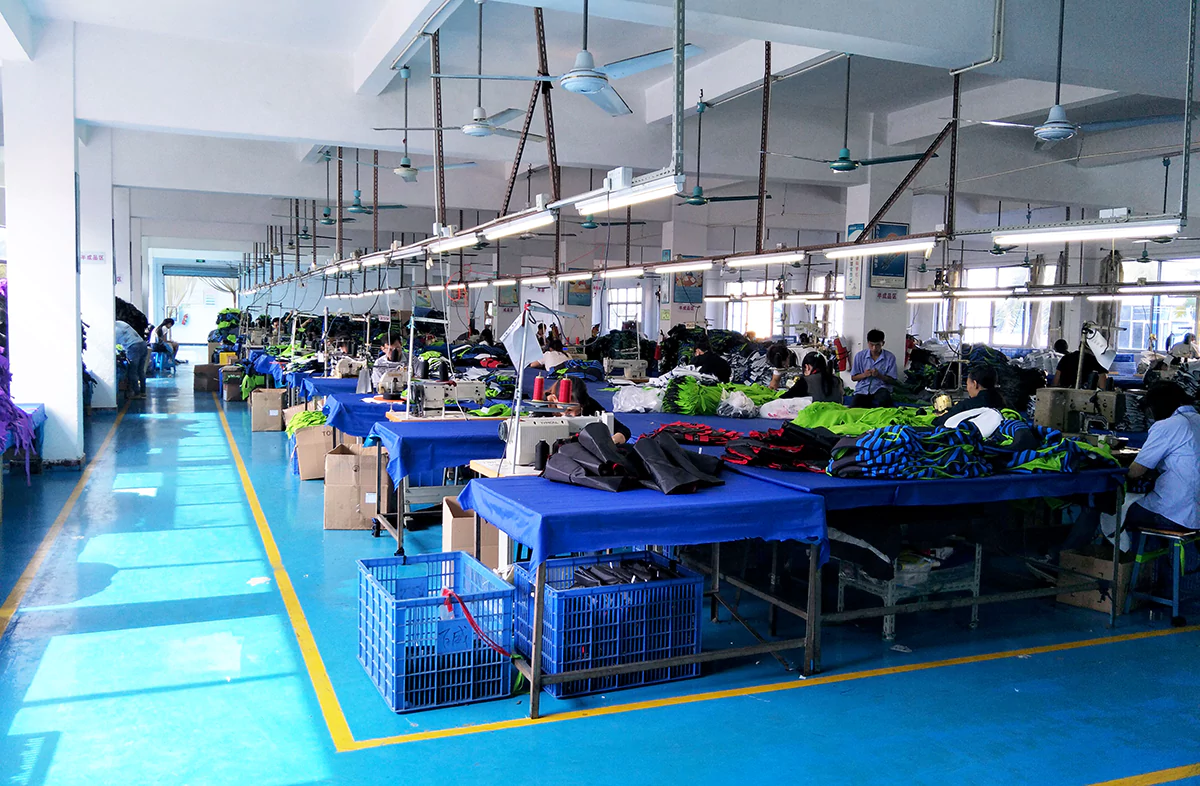
FY Bag Custom operates its own vertically integrated factory in Guangzhou, Guangdong — DTF printing, transfer production, heat-press application, sewing, assembly, and QC all under one roof. Our heat-transfer department works alongside our screen-printing department — both methods apply prints to flat fabric panels before bag assembly, using the same pre-assembly workflow.
In-house DTF printing means we control transfer quality, color accuracy, and adhesion directly. We print DTF transfers on our own equipment, apply them with pneumatic heat presses, and verify adhesion on the production line. No outsourced transfer printing for DTF orders.
Years in Manufacturing
Factory Floor Area
Professional Staff
Production Lines
Monthly Capacity
Pre-Shipment Inspection
Heat-transfer prints face method-specific QC risks — transfer peeling (under-press or wrong temperature), color shift (ICC profile drift), edge lifting (adhesive failure), and hand-feel variation (inconsistent pressure). Our 6-stage QC targets each one. Third-party inspections (SGS, BV, TUV) welcome.
Physical heat-pressed proof produced on actual production fabric. Color accuracy verified against artwork file and ICC profile. Hand feel assessed. Adhesion tape-tested. You approve in writing before production printing begins.
DTF film rolls or traditional transfer sheets inspected for print resolution, color density, white underbase coverage (DTF), and adhesive powder distribution. Defective transfers isolated before heat-press application.
Temperature, pressure, and dwell time verified at the start of every production run and monitored throughout. Temperature variance >±3°C = press recalibration. Consistent press parameters are the single biggest quality variable in heat-transfer printing.
Tape-test and cross-hatch adhesion test performed on first 20 units and then every 100 units throughout the run. Any edge lifting or peeling = press-parameter adjustment before continuing. Adhesion failure is the #1 heat-transfer defect — caught here, not after assembly.
Every heat-transfer-printed panel inspected for: color accuracy, print position, edge definition, adhesion (visual check for lifting), and surface quality (no wrinkles, bubbles, or scorching). Rejected panels are not assembled into bags.

Sample prints from every batch wash-tested (40°C, 30 min) — no peeling, cracking, or significant fading after 30+ cycles (DTF) or 20+ cycles (traditional). Rub-tested dry and wet. Durability test results documented per batch.
Heat-transfer bags follow standard production timelines — DTF transfer printing is fast and adds minimal time to the overall schedule. No screen creation delay. Sample in 5–7 days, bulk in 20–30 days.
Day 1–2
Send artwork + bag spec; FOB quote in 24 hours.
Day 3–12
Heat-pressed proof on fabric + bag prototype in 5–7 days.
Day 13–15
30% T/T deposit; balance before shipment.
Day 16–42
Transfer printing → heat-press → assembly → QC. Daily WIP photos.
Day 43–48
100% print inspection + adhesion + wash testing.
Day 46–55
Sea, air, express, or direct-to-FBA.
Sample Lead Time
5–7 Days
Mass Production
25–35 Days
Payment Terms
30% T/T · 70% Before Shipment
Shipping Terms
FOB · CIF · DDP · Amazon FBA
Heat-transfer printing is our fastest-growing print method. Over the past 15+ years, FY has applied heat-transfer prints to bags for fashion brands, Amazon FBA sellers, promotional companies, and corporate buyers worldwide.
DTF full-color prints on 12oz natural canvas tote — 12 different graphic designs produced in the same run with zero per-design changeover cost. CMYK + white underbase for vivid color. Soft DTF hand feel. Retail-ready packaging. FOB to US. Retail $16–22. Seasonal design rotation every quarter — new artwork, same tote base.
ODM partnership on DTF-printed cotton cosmetic pouches — S/M/L set with photographic botanical artwork. Full CMYK on natural cotton. 8 artwork variants for multi-listing strategy. FNSKU labeling, Amazon packaging, free photography. Air-shipped to FBA. Strong sell-through on artwork variety — DTF’s zero-changeover enables rapid design testing.
Heat-transfer printed full-color product photography on 600D Oxford backpack front panel. 2,000-piece short run for product-launch event. Photographic branding impossible via screen printing — heat transfer was the only method that could reproduce the product imagery. CIF delivery in 25 days.
Global Shipping Options
•Sea Freight
•Air Freight
•Express (DHL, FedEx, UPS)
•Rail Freight
•Door-to-Door
•Direct-to-Amazon FBA
Straight answers to the questions bulk-order buyers ask most often about heat-transfer printing on bags.
DTF (Direct-to-Film) is digitally printed — full CMYK + white ink on PET film with hot-melt adhesive. Finer detail, softer hand feel, better wash resistance, and zero per-design setup cost. Traditional heat transfer is screen-printed plastisol on release paper — simpler, cheaper for high-volume 1–4 color designs, but thicker hand feel and limited to spot colors. We recommend DTF for most orders; traditional for simple logos at 5,000+ pcs.
DTF transfers with proper heat-press parameters (correct temperature, pressure, and dwell time) resist 30–40 wash cycles without peeling. Traditional plastisol transfers resist 20–30 washes. Peeling is caused by under-pressing (insufficient temperature or time) or fabric moisture — both of which we control and verify at the production line. Heat transfer is less durable than screen printing on woven fabrics but adequate for most commercial bag applications.
Yes — with DTF. DTF prints a white underbase layer beneath the CMYK colors, enabling vivid full-color graphics on black, navy, and any dark fabric. Screen printing can print white on dark, but not full-color CMYK. Sublimation cannot print on dark fabrics at all. DTF heat transfer is the only full-color dark-fabric printing solution available for bags.
Yes — all heat transfers leave some tactile film on the fabric surface. DTF produces a thinner, softer film than traditional plastisol. The hand feel is the #1 trade-off of heat transfer vs. screen printing (which bonds into the fiber) and sublimation (which has zero hand feel on polyester). For bags — which are handled less than garments — the DTF hand feel is commercially acceptable and rarely causes complaints.
Choose heat transfer when: your artwork has 4+ colors, gradients, or photographic elements; you need full-color on cotton, canvas, or denim (where sublimation can’t work); your order is under 2,000 pcs with multi-color artwork; or you need multiple design variants with zero changeover cost. Choose screen printing when: your artwork is 1–3 spot colors, your volume is 2,000+ pcs, and maximum durability is priority.
Heat transfer accepts the widest range of artwork formats: vector (AI, EPS, PDF) for logos and graphics; raster (TIFF, PNG, JPG at 300 DPI minimum) for photographs. CMYK color mode. DTF does not require color separation — the digital printer handles CMYK separation automatically. This is simpler than screen printing, which requires manual spot-color separation.
Yes. FNSKU labeling, Amazon-compliant packaging, and carton labeling handled at our Guangzhou factory. Free product photography of printed bags included on production orders.
Yes. European Industrial Park, Shiling Town, Huadu District, Guangzhou. Monday–Saturday. Video tours available for remote buyers.
Send us your artwork (any format, 300 DPI for photos), bag type, fabric, and quantity — we’ll come back within 24 hours with a detailed FOB quotation covering transfer type (DTF/traditional), print area, bag construction, and packaging. Heat-pressed proof on actual fabric included before production. No templates, no copy-paste pricing.


