Tel/WhatsAapp:+86 18011919834
E-mail: chloe.x@fybagcustom.com

Tel/WhatsAapp:+86 18011919834
E-mail: chloe.x@fybagcustom.com
Send Your Inquiry Today

Years Manufacturing
Factory Area
Professional Staff
Inspection Rate
Screen printing is our most-used bag printing method — applied across every buyer segment, every bag type, and every fabric. Promotional distributors, fashion brands, corporate buyers, Amazon FBA sellers, and retail chains all order screen-printed bags as their primary branded product.


Heat transfer sits on the surface and peels. Sublimation only works on polyester. Digital print lacks ink density. Screen printing physically bonds ink to fabric through pressure and heat curing — creating the most durable, most vibrant, most rub-resistant print available on woven bag materials. Five characteristics make it the industry default.

Screen printing works on virtually every bag fabric: cotton, canvas, polyester, nylon, Oxford, non-woven, denim, jute, and even PU leather. No other print method has this breadth. Sublimation only works on polyester. Heat transfer struggles on rough or textured surfaces. Screen printing is the universal method.

Screen-print ink sits ON the fabric surface — it doesn’t absorb into the fibers like dye-based methods. This creates opaque, vibrant colors that pop even on dark fabrics. White ink on black canvas is crisp and fully opaque. No other method matches this color density on dark substrates.

Screen printing has the lowest per-unit cost of any print method at 5,000+ pcs. The cost curve is front-loaded (screen setup) and back-loaded cheap (ink application is fast). At high volume, screen printing beats heat transfer, sublimation, and digital print on per-unit cost. Volume buyers default to screen print for exactly this reason.

Heat-cured plastisol and water-based screen-print inks resist 50+ wash cycles and pass standard rub tests (dry and wet). Heat-transfer prints peel and crack after 20–30 washes. Screen print remains intact through the useful life of the bag. For promotional, corporate, and retail bags that see daily use, durability matters.
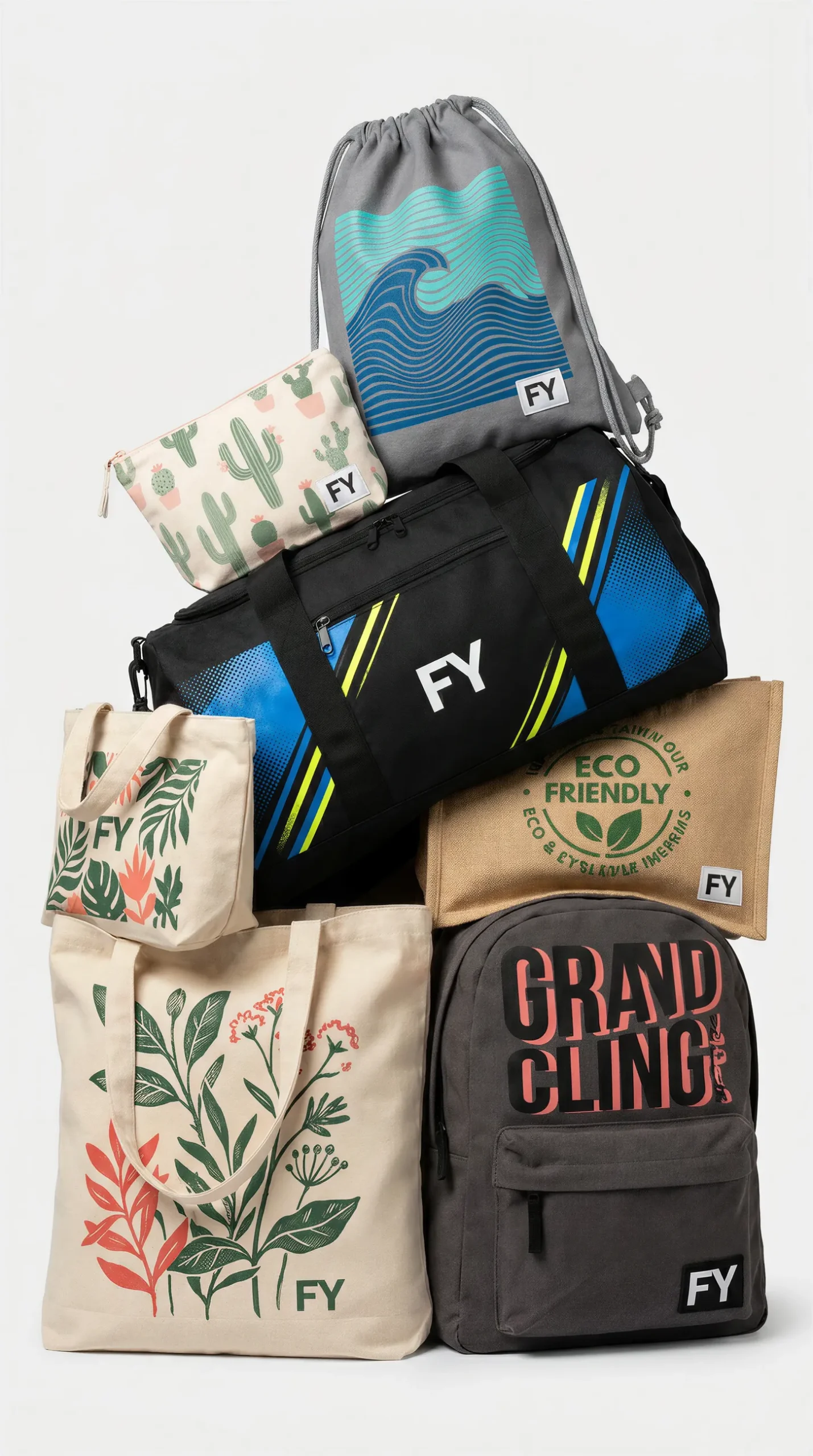
Screen printing applies to every bag type in our catalog. The eight most-ordered screen-printed formats span promotional totes to branded backpacks — all using in-house screen creation, Pantone-matched inks, and heat-cured application.
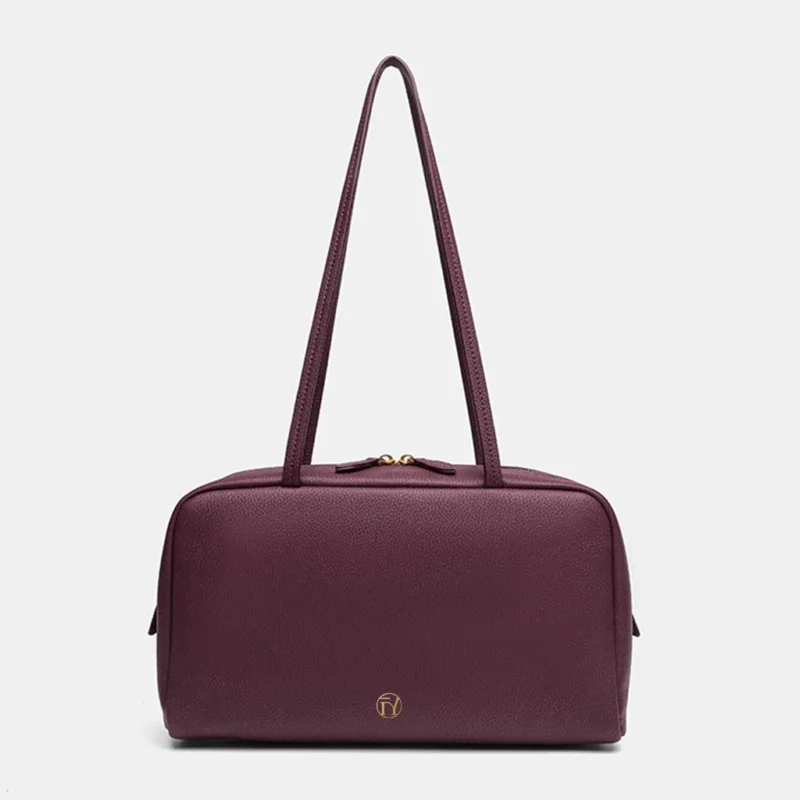
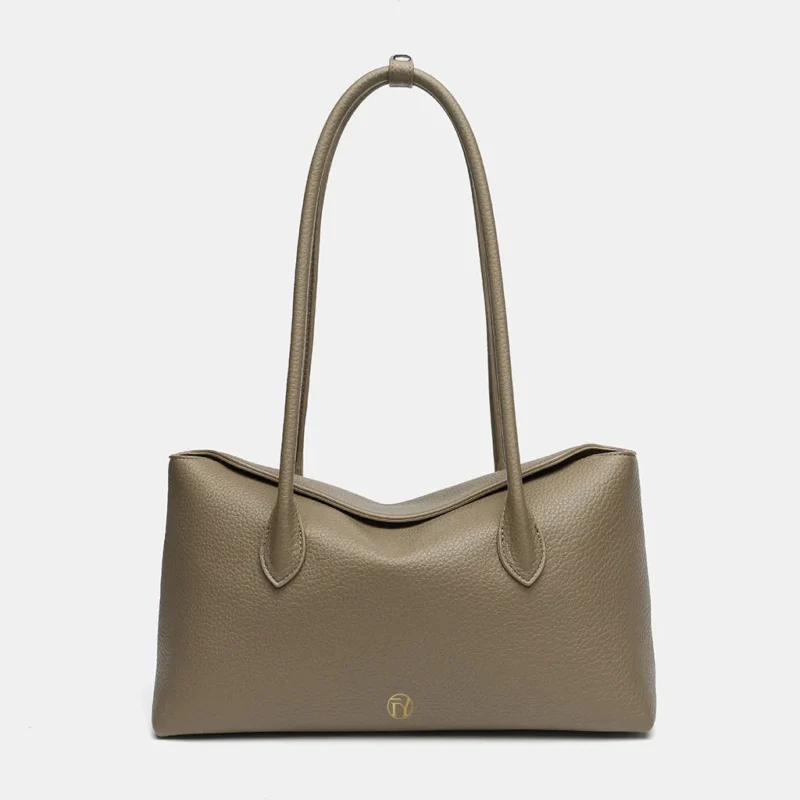
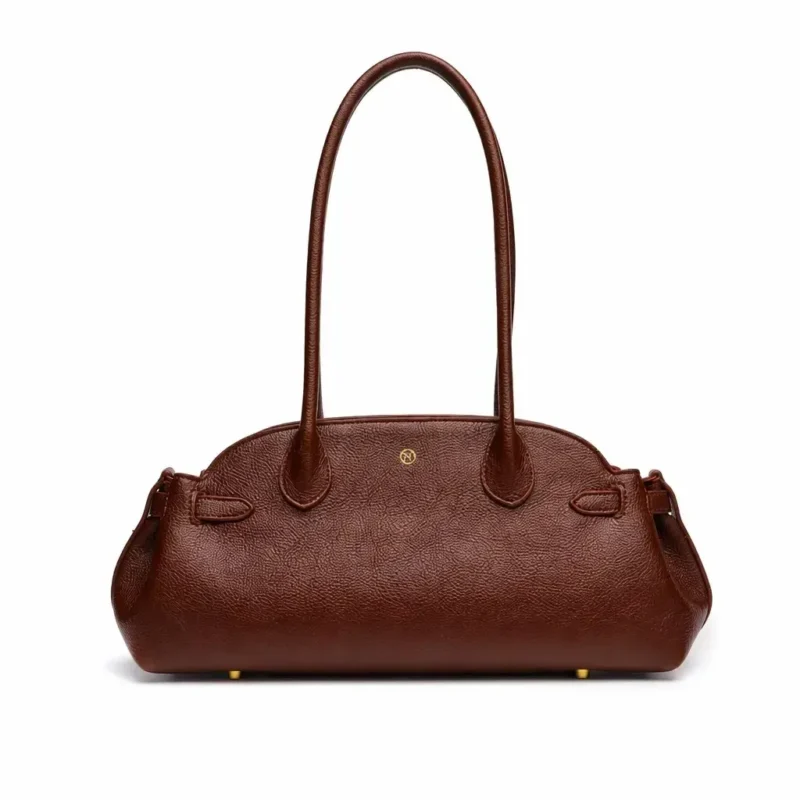
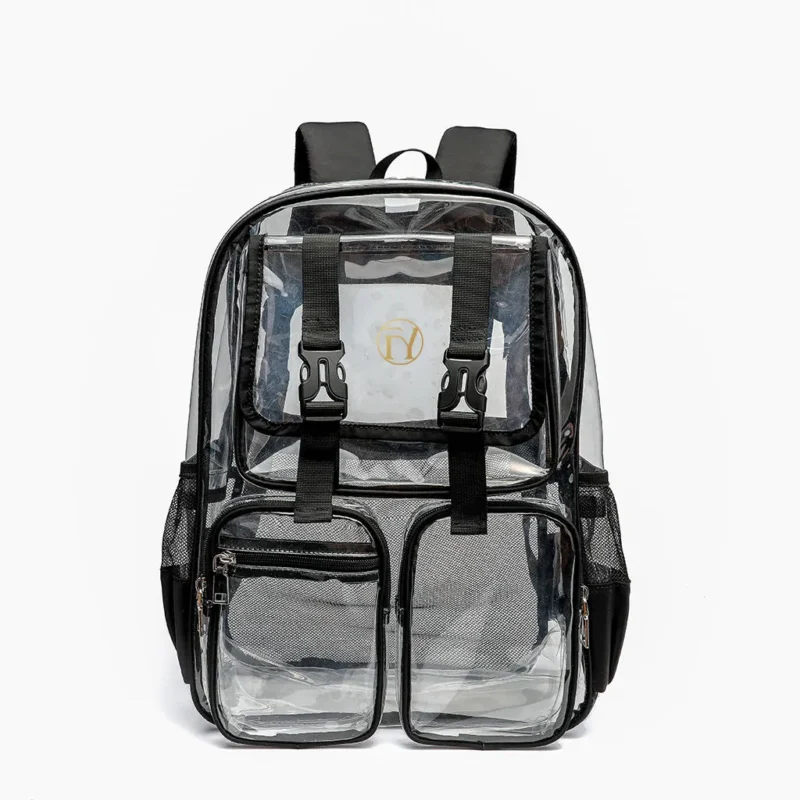
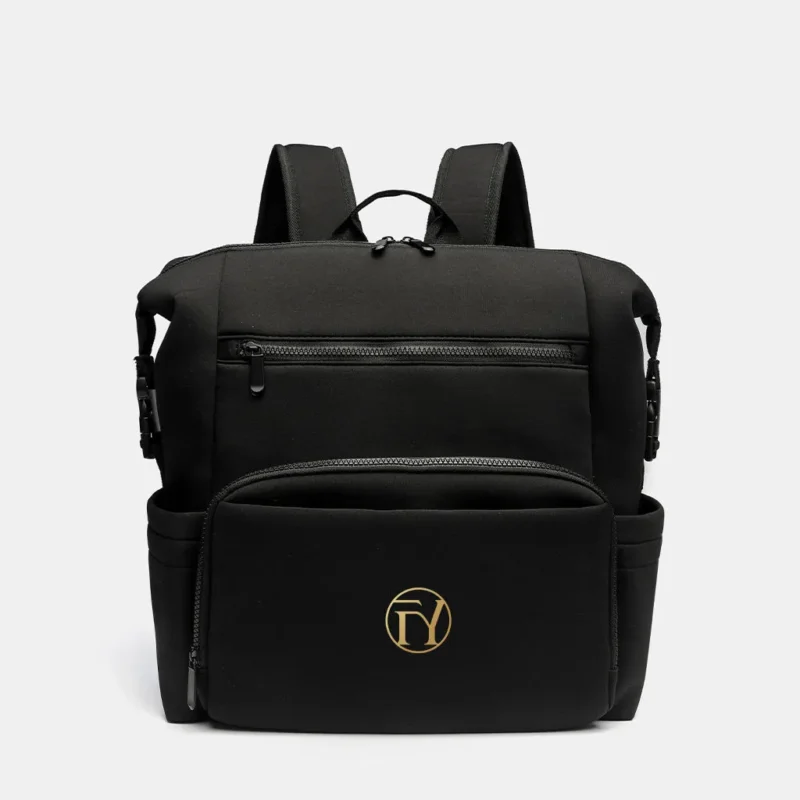
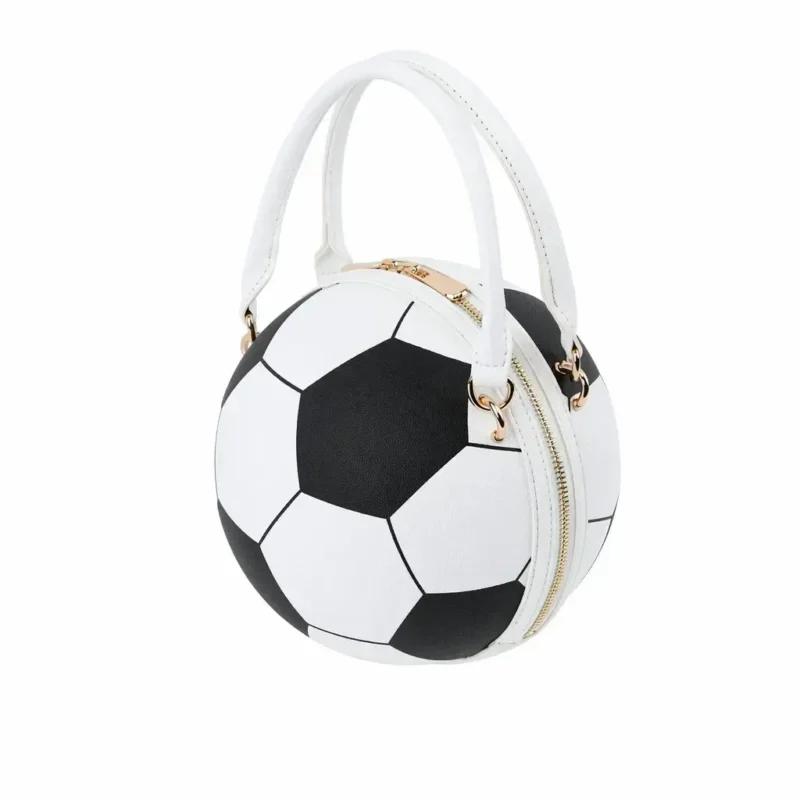
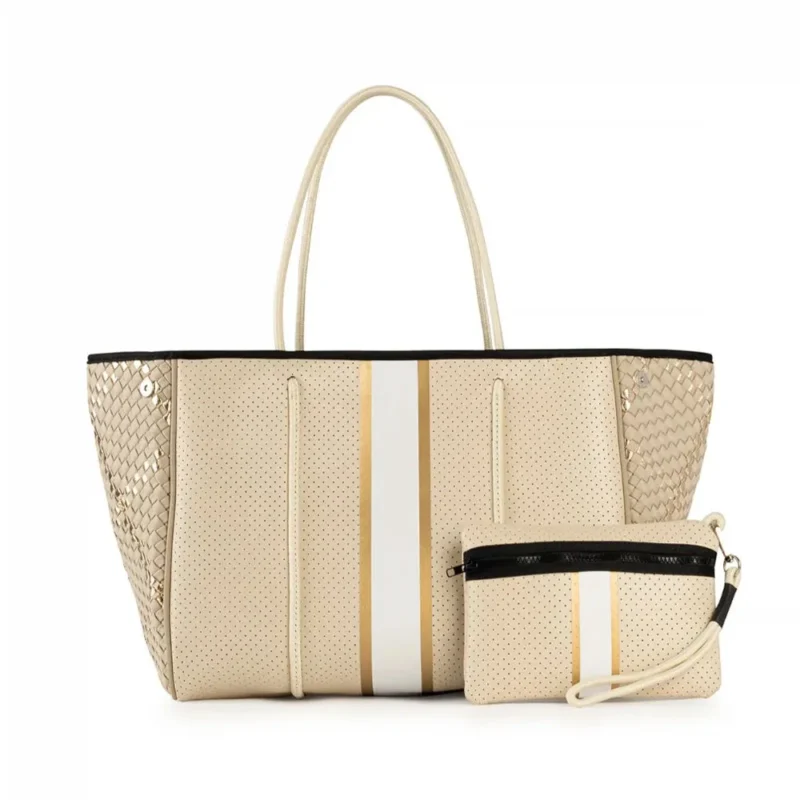
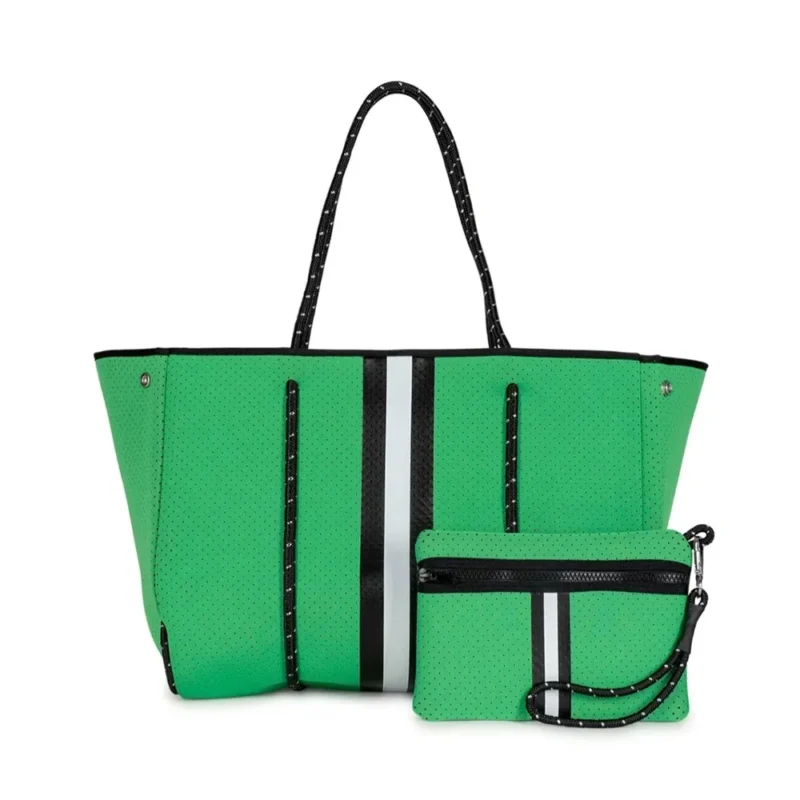
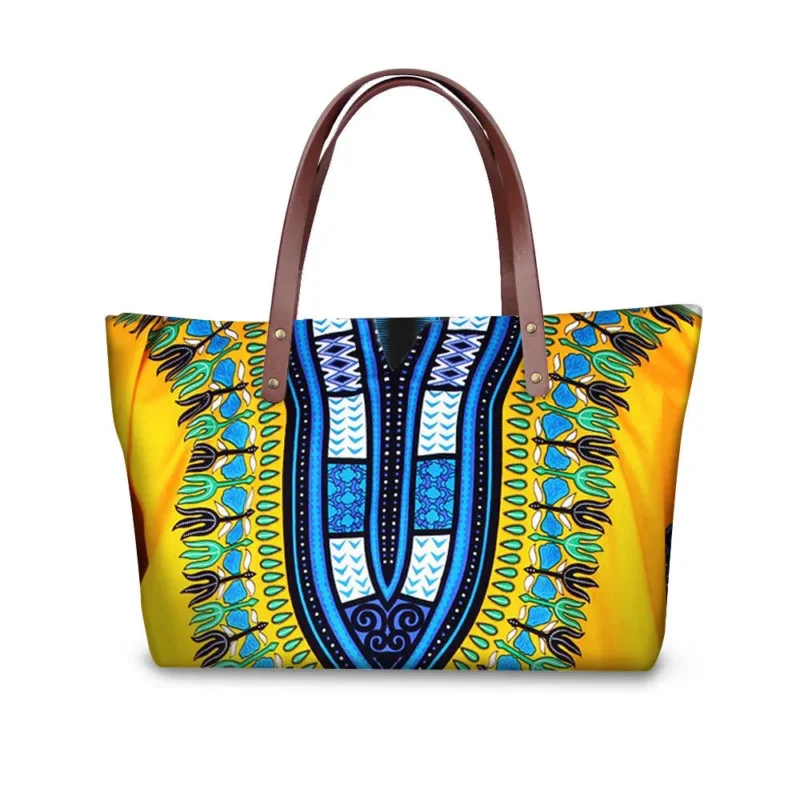
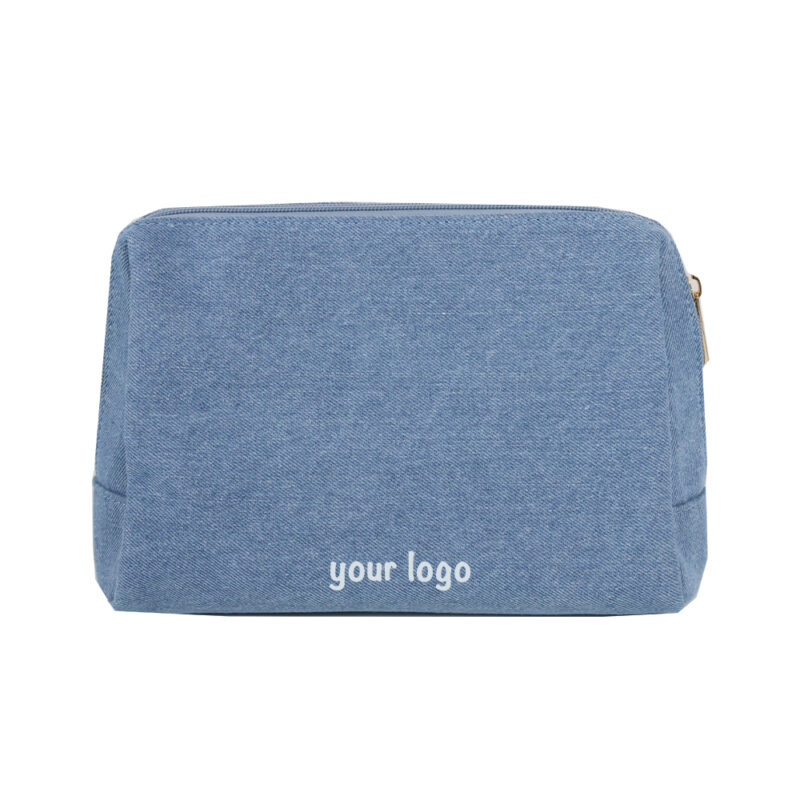
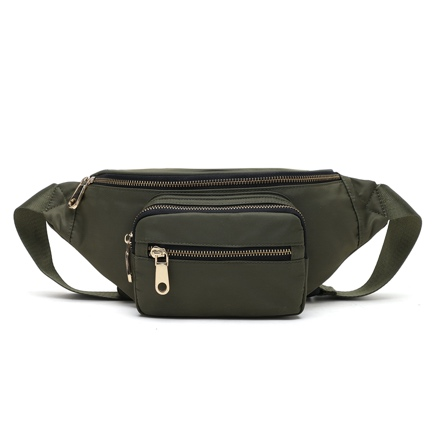
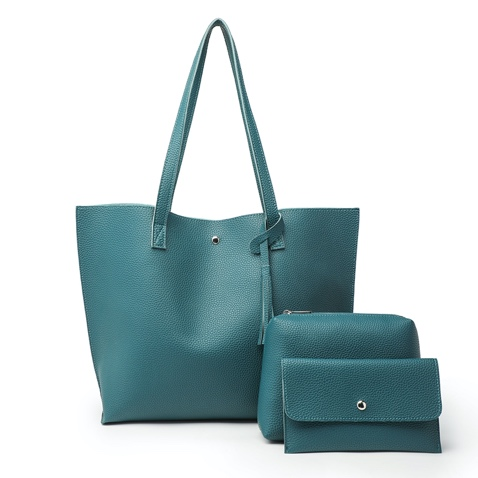
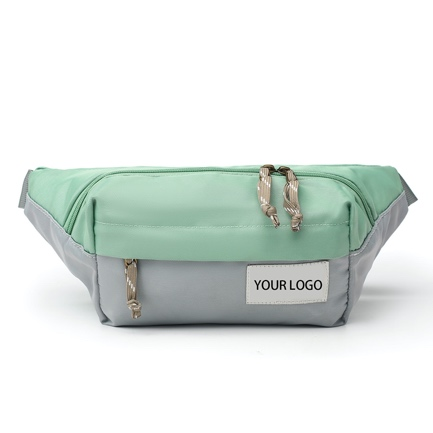
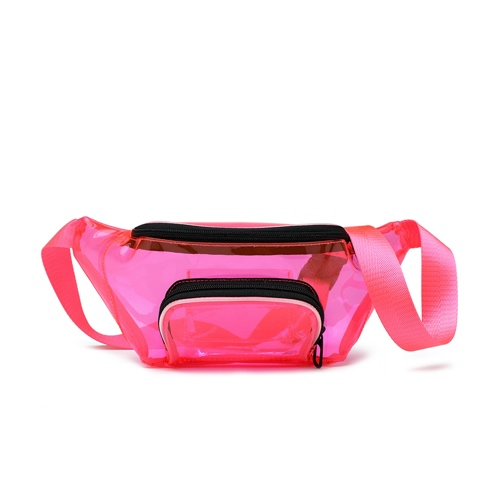
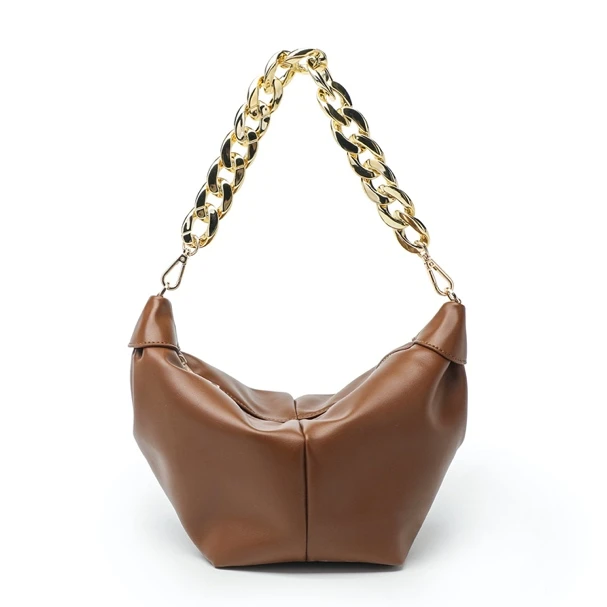
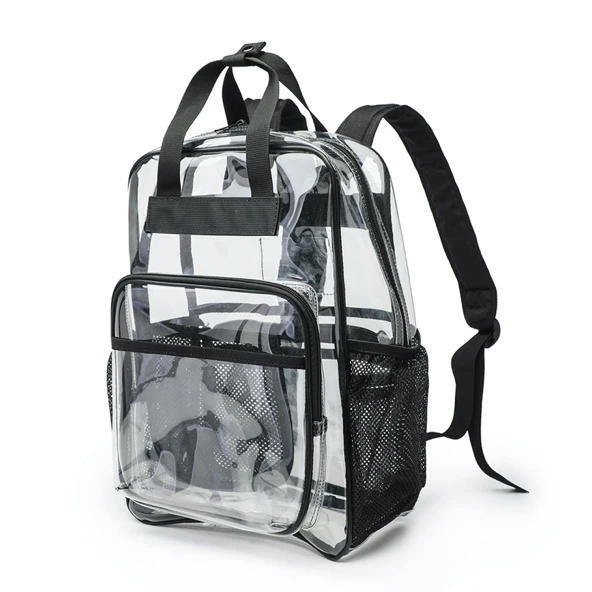
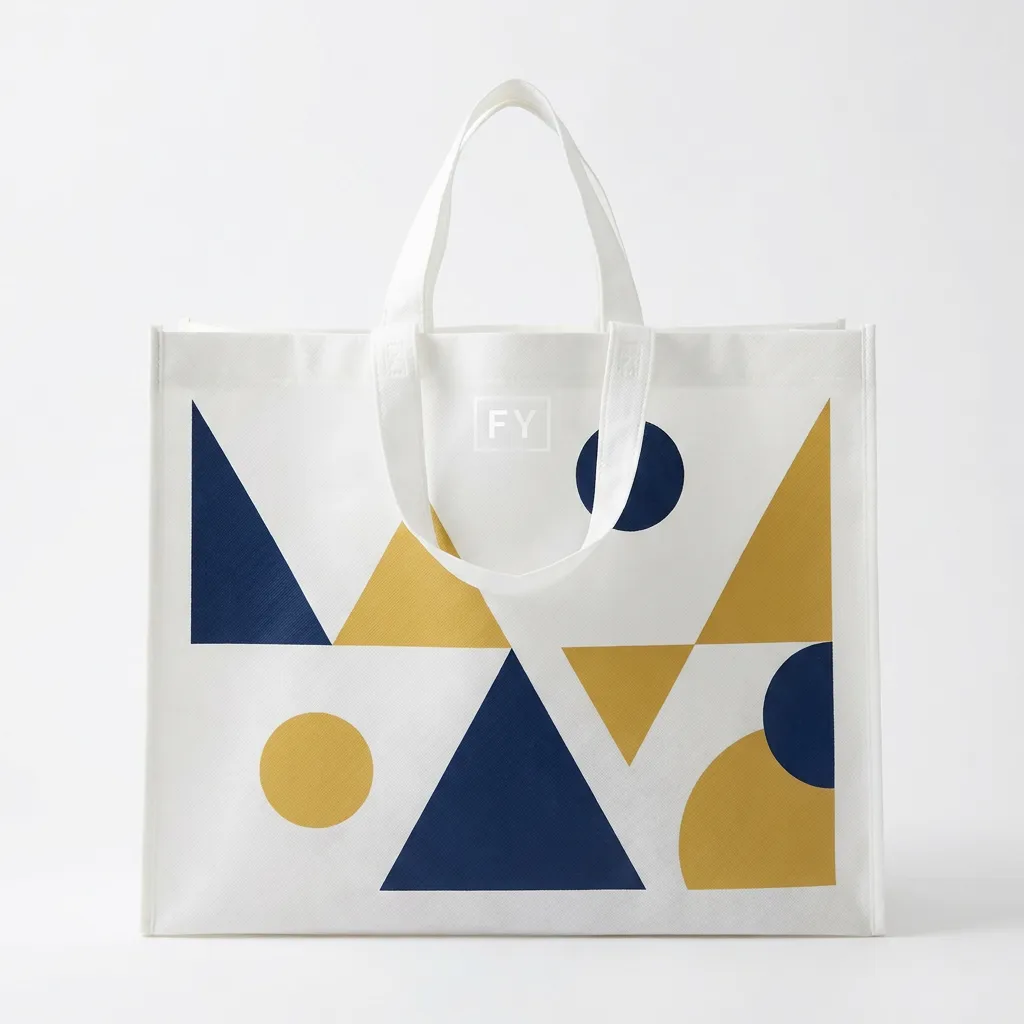
Non-woven reusable bag with 1–2 color silk screen. The highest-volume, lowest-cost printed bag format. For grocery chains, promotional giveaways, and plastic-bag-replacement programs. 80–120 GSM. Die-cut or sewn handles.
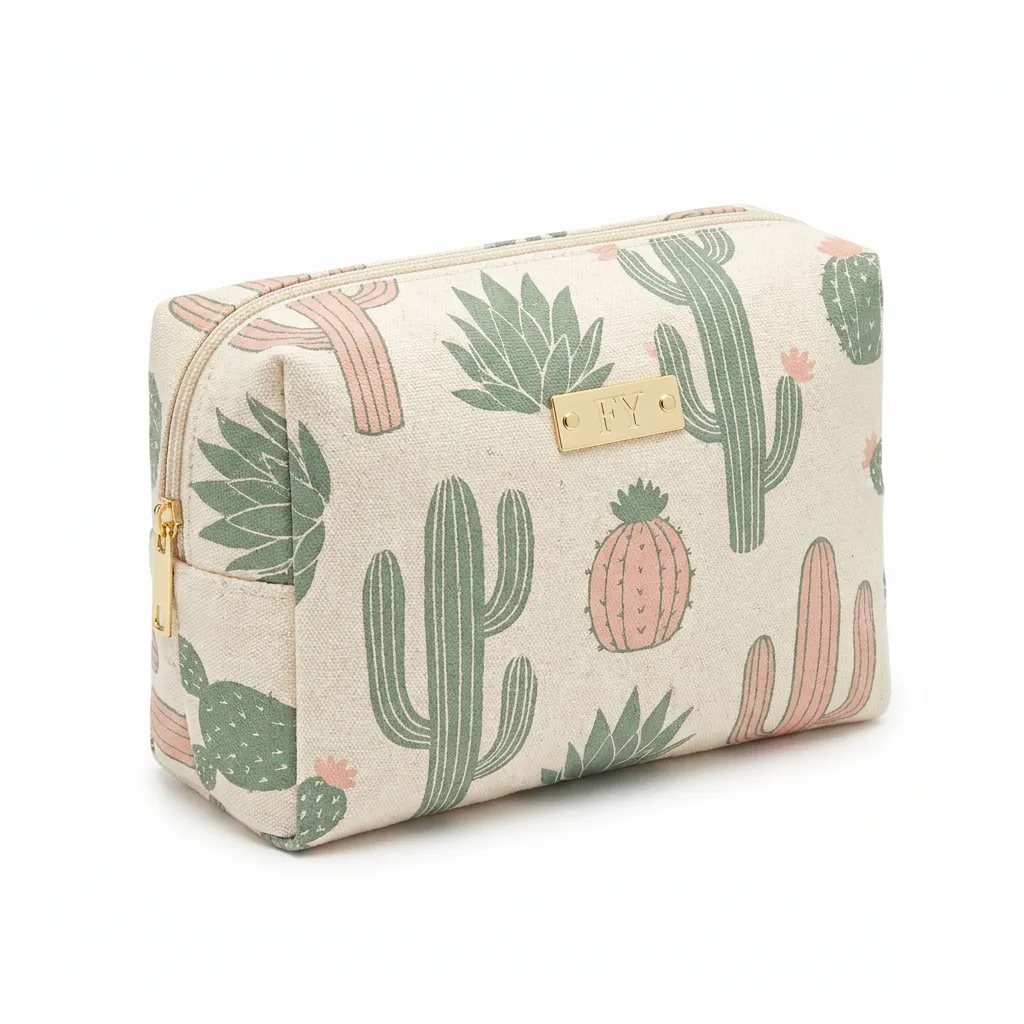
1–2 color print on cosmetic pouch or zip pouch. Canvas, cotton, or polyester. For beauty brands, subscription boxes, and branded gift sets. Small print area requires fine-mesh screens for detail. Multi-pack sets with coordinated prints.
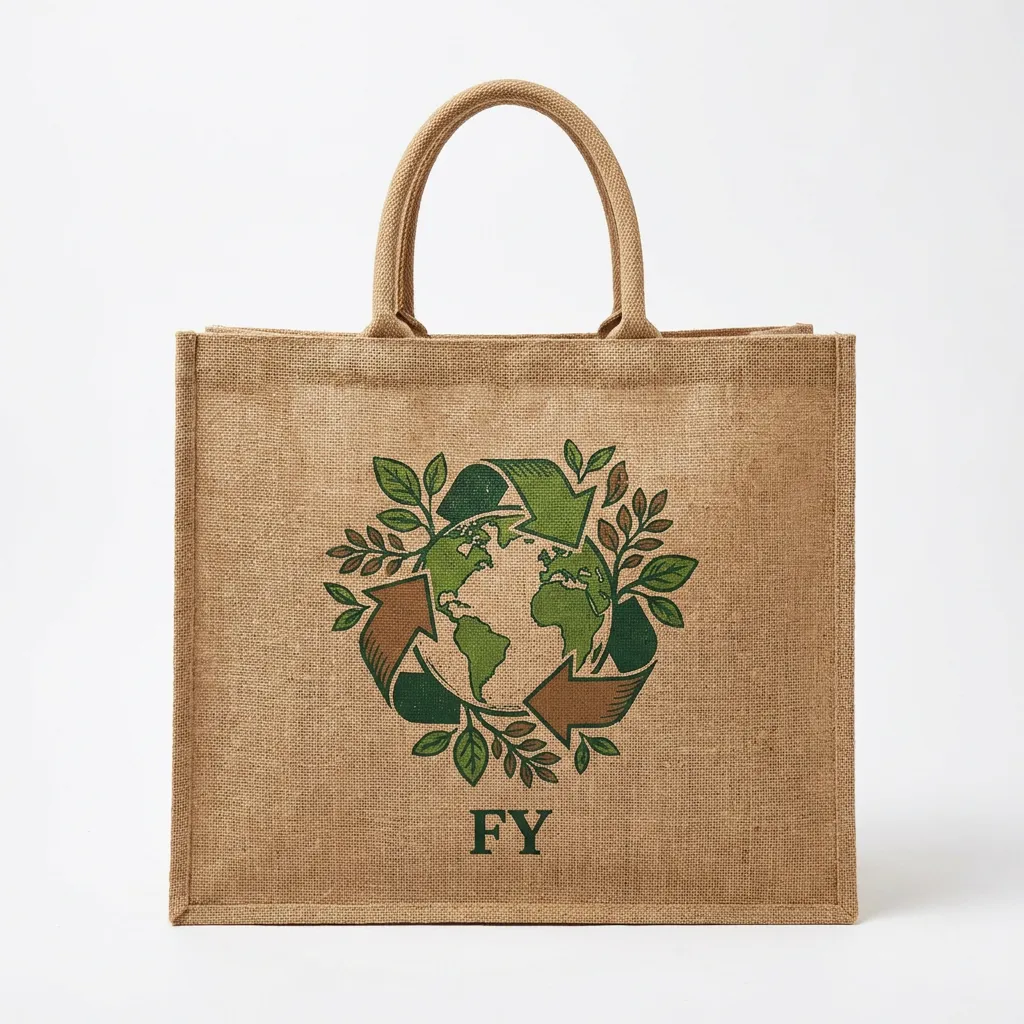
1–2 color screen print on jute or burlap. Rough texture requires thicker ink deposit and wider mesh count. For eco-positioned brands, wine bags, and natural-fiber promotional totes. The eco-friendly printed bag standard.
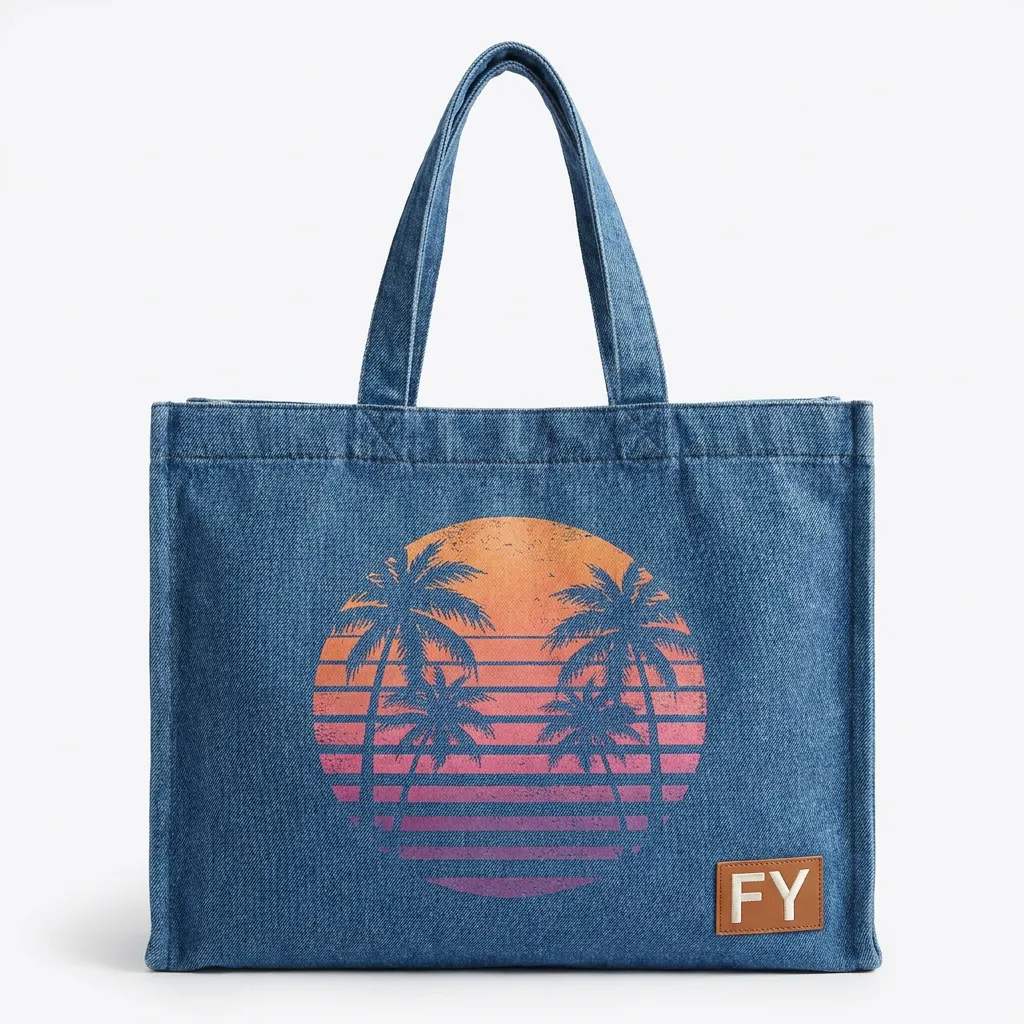
1–3 color screen print on denim totes, crossbodies, and backpacks. White or light-color ink on indigo denim creates high-contrast graphic statements. For streetwear, casual fashion, and brand collaborations.
Screen printing works on every woven bag fabric — but results vary by fiber type, surface texture, and weave tightness. Some fabrics absorb ink (soft prints on cotton); others hold ink on the surface (crisp prints on non-woven). Matching ink type to fabric is the key to print quality.
Natural Fibers
Cotton · Canvas · Jute
Cotton, canvas, and jute are the ideal screen-print substrates. Natural fibers absorb water-based ink for a soft hand-feel print, or hold plastisol ink on the surface for vibrant opacity. Fine detail possible on tight-weave cotton; coarser results on open-weave jute (wider mesh screen required). The #1 fabric group for screen-printed bags.
Synthetics
Polyester · Nylon · Oxford
Polyester, nylon, and Oxford require plastisol or synthetic-compatible ink — water-based ink beads on non-absorbent surfaces. Excellent print crispness on smooth synthetics. Lower temperature curing required on nylon (nylon scorches at high heat). On coated Oxford, ink adhesion depends on coating type — we test at sampling.
Non-Woven PP
Spunbond Polypropylene
Non-woven PP is the single highest-volume screen-print substrate in the bag industry. Flat, smooth surface produces clean, crisp prints. 1–2 color logos at maximum speed. Ink sits on the non-absorbent PP surface for high opacity. The grocery-bag and promotional-giveaway standard worldwide.
Specialty
Denim · Leather · Coated
Denim: excellent results with plastisol — white-on-indigo is a classic. PU leather: screen printing possible with specialty leather ink, but heat transfer or embossing often preferred. Coated/laminated fabrics: ink adhesion must be tested — some coatings repel screen-print ink. We always test specialty fabrics at sampling before committing to production.
Screen printing has a unique cost structure: a fixed setup cost per color (screen creation, ink mixing, press setup) plus a very low per-unit application cost. This creates a volume-dependent cost curve that makes screen printing either the cheapest or the most expensive option — depending on your order quantity.
Understanding this curve is the key to choosing the right print method. We advise on the optimal method at the quoting stage based on your artwork, color count, fabric, and quantity.
Setup Cost
Each color requires a separate screen — mesh stencil stretched on a frame, coated with emulsion, and exposed with your artwork. Typical screen cost depending on size. A 1-color print has 1 screen; a 4-color print has 4 screens. Setup cost is fixed regardless of order quantity — at 100 pcs it’s expensive per unit; at 10,000 pcs it’s negligible.
Per-Unit Cost
Once screens are made, per-unit print cost is the lowest of any method. Each additional color adds one print pass (one more ink application cycle per bag). 1-color print: fastest, cheapest per unit. 4-color: 4× the print passes, approximately 2–3× the per-unit cost of 1-color. At 5,000+ pcs, screen printing per-unit cost drops below heat transfer and digital print.
Volume Breakpoint
Under 500 pcs: screen printing per-unit cost is relatively high because setup cost is amortized across few units — heat transfer or digital print may be cheaper. 500–2,000 pcs: screen printing becomes competitive. 2,000+ pcs: screen printing is definitively the cheapest. 5,000+ pcs: screen printing cost advantage is decisive. We recommend screen printing for all orders above 1,000 pcs with 1–3 colors.
Color Count Impact
Each additional color = additional screen + additional print pass. 1-color: baseline cost. 2-color: +40–60% over 1-color. 3-color: +80–100%. 4-color: +120–140%. At 4+ colors, screen printing’s cost advantage over heat transfer narrows significantly. For 5+ color artwork or full-color photographic designs, heat transfer or sublimation is often more cost-effective.
Reorder Savings
We store your screens for repeat orders. On reorders, the setup cost drops to near zero — only ink and application cost apply. This makes screen printing even cheaper on second, third, and fourth production runs. Buyers who reorder quarterly see the most favorable per-unit economics of any print method. Screen storage included for 12 months after last order.
When NOT to Screen Print
Photographic images or gradients — screen printing is spot-color only, no continuous tones. Use heat transfer or sublimation instead. Under 500 pcs with 3+ colors — setup cost makes it expensive; use heat transfer. Full-wrap or all-over prints — screen printing works on flat panels only; sublimation handles all-over prints on polyester. We advise on the right method at quoting.
In-house screen creation, Pantone ink mixing, multi-color registration, and heat curing. We produce screens, print, and cure on-site — no outsourced printing, no quality drift between print batches. 10+ production lines. Sample turnaround in 5–7 days.
Free Add-on: Professional Product Photography Included
Free white-background product photos for your online shop, Amazon listings, and wholesale catalogs — no additional charge on production orders.
Screen printing is a technical process with specific ink, mesh, and curing parameters for each fabric type. Here are the three specification categories that define every screen-printed bag order.

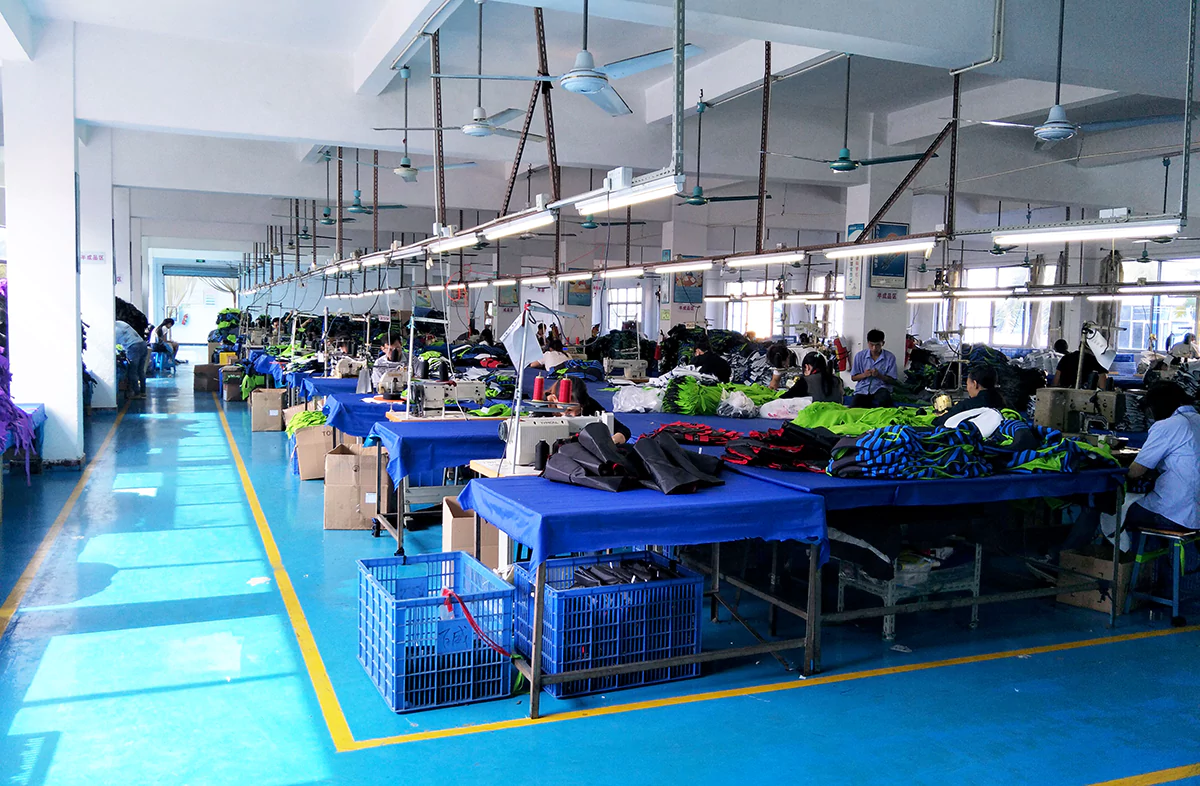
FY Bag Custom operates its own vertically integrated factory in Guangzhou, Guangdong — screen creation, ink mixing, printing, heat curing, sewing, assembly, and QC all under one roof. Our screen-printing department handles every bag fabric we manufacture — from 6oz cotton to 1680D Oxford, from 70 GSM non-woven to 18oz canvas.
In-house printing means we control color accuracy, ink adhesion, cure quality, and registration directly — no outsourced print shops, no color drift between batches. Prints are applied to flat fabric panels before bag assembly, which produces the best registration and ink coverage. This pre-assembly printing approach is the industry standard for quality-driven manufacturers.
Years in Manufacturing
Factory Floor Area
Professional Staff
Production Lines
Monthly Capacity
Pre-Shipment Inspection
Screen-printed bags face print-specific QC risks — ink under-cure (cracks and peels), color drift (Pantone mismatch across production run), registration misalignment (multi-color), smudging, and inconsistent ink deposit. Our 6-stage QC targets each one. Third-party inspections (SGS, BV, TUV) welcome.
Physical print proof produced on actual production fabric — not a digital mockup. Color matched against Pantone swatch under D65 daylight. Print position verified on placement template. You approve in writing before any production printing begins. No production without approved proof.
Pantone-mixed inks verified against approved proof before each print run. Screens inspected for mesh tension, emulsion integrity, and stencil sharpness. Registration marks aligned on press. First 10 prints inspected before continuous run begins.
Pantone color checked every 100–200 prints throughout the production run. Ink viscosity monitored — thickening ink shifts color density. Screen cleaned and re-inked at regular intervals. Any color drift beyond acceptable tolerance = press stop and correction before continuing.
Cure temperature verified by cure strip or thermocouple on every batch. Under-cured ink cracks, peels, and fails wash tests. Over-cured ink discolors or scorches fabric (especially nylon). Cure strips document that the correct temperature was maintained throughout the run.
Every printed bag inspected for: print position (±3mm from target), ink coverage (no gaps, no pinholes), color accuracy (visual match to proof), registration (multi-color alignment), smudging, and surface defects. Rejected prints are not sewn into bags.

Sample prints from every batch tape-tested (adhesion) and rub-tested (dry and wet). Wash-test on sample unit (40°C, 30 min cycle) — no cracking, peeling, or significant fading. Test results documented per batch. Durability testing is the final gate before packing.
Screen-printed bags follow standard production timelines — screen creation adds 1–2 days to the sampling phase. Printing is fast (especially 1–2 color) and does not significantly extend bulk production time. Sample in 5–7 days, bulk in 20–30 days.
Day 1–2
Send artwork (vector, Pantone) + bag spec; FOB quote in 24 hrs.
Day 3–12
Screen created, print proof on fabric, bag prototype in 5–7 days.
Day 13–15
30% T/T deposit; balance before shipment.
Day 16–42
Printing → assembly → QC. Daily WIP photos.
Day 43–48
100% print inspection + adhesion/durability testing.
Day 46–55
Sea, air, express, or direct-to-FBA.
Sample Lead Time
5–7 Days
Mass Production
25–35 Days
Payment Terms
30% T/T · 70% Before Shipment
Shipping Terms
FOB · CIF · DDP · Amazon FBA
Screen printing is our most-used print method — applied across every buyer segment. Over the past 15+ years, FY has screen-printed bags for promotional companies, fashion brands, grocery chains, and Amazon sellers worldwide.
1-color screen-printed logo on 80 GSM non-woven tote. Pantone-matched brand color. Die-cut handles. Flat-packed 500/carton. Sea freight FOB. Under $0.45/pc at volume (bag + print). Reordered for 8 consecutive events across 3 years. Screens stored — reorder setup cost: zero.
ODM partnership on 2-color screen-printed cotton cosmetic pouches — S/M/L set. Water-based ink on 6oz cotton. 8 design variants. FNSKU labeling, Amazon polybag, free photography. Air-shipped to FBA. Ranked top 30 in “cotton pouch set” with strong review rate on print quality.
3-color screen print (Pantone) on 12oz natural canvas tote. Bold graphic design across full front panel. Water-based ink for soft hand-feel. 6 design variants sharing same screen base with color swaps. Retail-ready packaging. FOB to US and EU. Retail $18–24.
Global Shipping Options
•Sea Freight
•Air Freight
•Express (DHL, FedEx, UPS)
•Rail Freight
•Door-to-Door
•Direct-to-Amazon FBA
Straight answers to the questions bulk-order buyers ask most often about silk-screen printing on bags.
We print 1 to 6 spot colors per design. Each color requires a separate screen and print pass. 1–2 colors is the most cost-effective range. 3–4 colors is common for branded graphics. At 5–6 colors, heat transfer may become more cost-effective depending on volume. For full-color CMYK artwork (photographic images, gradients), we recommend heat transfer or sublimation instead of screen printing.
Yes. We mix inks to match any Pantone PMS color reference. Provide your PMS number (Pantone Uncoated recommended for fabric) and we match it at the ink-mixing stage. Color accuracy is verified on physical print proof (on actual production fabric) before mass production. Pantone matching is standard — no additional charge.
Vector files: AI (Adobe Illustrator), EPS, or PDF with fonts outlined and colors separated by Pantone. No JPG, PNG, or raster files for production — these cannot be separated into spot-color screens. If you only have raster artwork, we can vectorize simple logos for a small design fee. Complex photographic artwork cannot be screen-printed — use heat transfer instead.
Water-based screen-print inks are significantly more eco-friendly than plastisol (which is PVC-based). Water-based ink produces soft hand-feel prints, uses no PVC, and generates less waste. For eco-positioned brands using organic cotton, canvas, or jute bags, we recommend water-based ink as the standard. Discharge printing (dye-removal) is another eco-friendly option on dark cotton fabrics.
Not if properly cured. Heat-cured plastisol and water-based screen-print inks resist 50+ wash cycles and pass standard rub tests. Cracking and peeling are symptoms of under-curing (ink didn’t reach the required temperature). We verify cure temperature on every batch using cure strips or thermocouples and adhesion-test sample prints. Screen-print durability is superior to heat transfer on most woven fabrics.
If your artwork contains photographic images, color gradients, or more than 6 colors — screen printing cannot produce these. Use heat transfer (small-area CMYK on any fabric) or sublimation (full-CMYK on polyester only). If your order is under 500 pcs with 3+ colors, heat transfer may be cheaper because it has no screen-setup cost. We advise on the best method at the quoting stage.
Yes. FNSKU labeling, Amazon-compliant packaging, and carton labeling handled at our Guangzhou factory. Free product photography of printed bags included on production orders.
Yes. European Industrial Park, Shiling Town, Huadu District, Guangzhou. Monday–Saturday. Video tours available for remote buyers.
Send us your artwork (vector, Pantone), bag type, and quantity — we’ll come back within 24 hours with a detailed FOB quotation covering screen setup, ink type, color count, bag construction, and packaging. Physical print proof on actual fabric included before production. No templates, no copy-paste pricing.


