Tel/WhatsAapp:+86 18011919834
E-mail: chloe.x@fybagcustom.com

Tel/WhatsAapp:+86 18011919834
E-mail: chloe.x@fybagcustom.com
Send Your Inquiry Today

Years Manufacturing
Factory Area
Professional Staff
Inspection Rate
Our mini and small bag production serves fashion brands, accessories companies, Amazon FBA sellers, gift-set companies, boutique retailers, and bridal/event brands — any buyer sourcing compact-format bags where fashion value exceeds functional capacity.



Every other bag category adds capacity, compartments, and features to justify pricing. Mini bags subtract — and the subtraction IS the value. Five market dynamics make small bags the highest-margin segment in the bag industry.

A mini crossbody uses $0.30–0.80 of PU leather and retails at $15–35. Material cost as a percentage of retail price is lower than any other bag category. Mini bags are the only format where the buyer pays MORE per square centimeter than for a full-size version of the same design.

Mini bags are bought as fashion accessories — not to carry things. The smaller the bag, the stronger the fashion statement. A micro bag that holds only a phone, card, and lip gloss says “I don’t need to carry anything” — and that signals lifestyle status. Constraint is the design principle.

Mini bags are the #1 bag format for gift sets, subscription boxes, beauty bundles, and branded giveaways. Small size = low shipping cost, compact packaging, impulse-purchase pricing. Sold as singles, 3-packs, and bundled with cosmetics, jewelry, or accessories. Strong Q4 holiday demand.

Hundreds of mini bags fit in a single carton. Container-load density is 3–5× higher than full-size bags. For Amazon FBA sellers, lower per-unit shipping cost means lower landed cost and higher margin — even at the same retail price as a full-size competitor. Volumetric weight is the hidden advantage.

Mini bags sell in multi-packs (2-pack, 3-pack, 5-pack) — a sales format that doesn’t work for full-size bags. Multi-packs increase average order value, reduce per-unit marketing cost, and are a dominant Amazon listing strategy for small fashion accessories. “Set of 3 mini bags” outperforms individual listings.
“Mini” is not a silhouette — it’s a size modifier that applies to every bag type we manufacture. Here are the eight most-ordered mini formats, each a scaled-down version of a full-size parent silhouette.
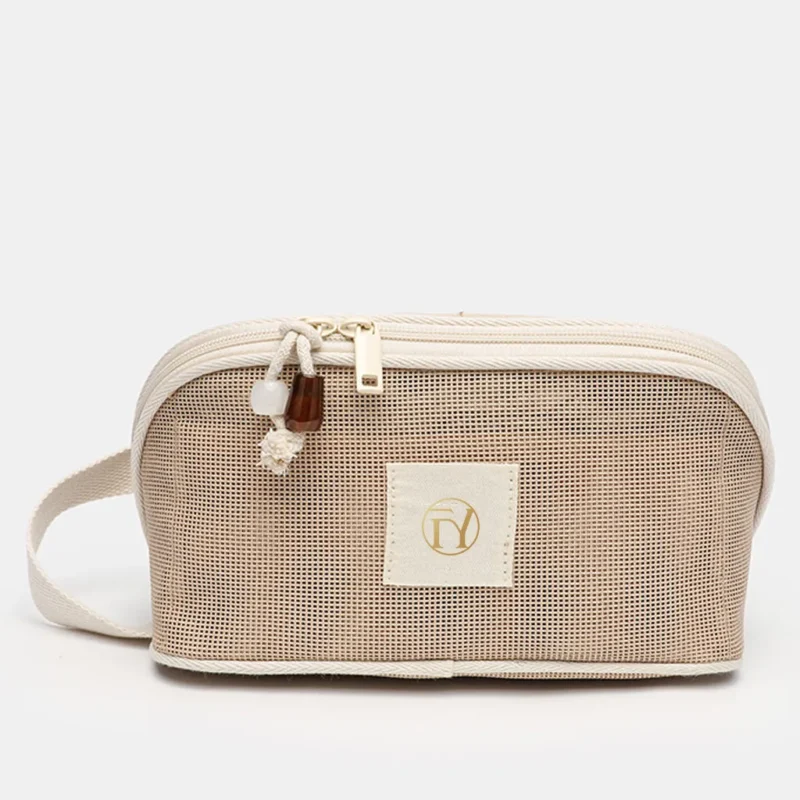
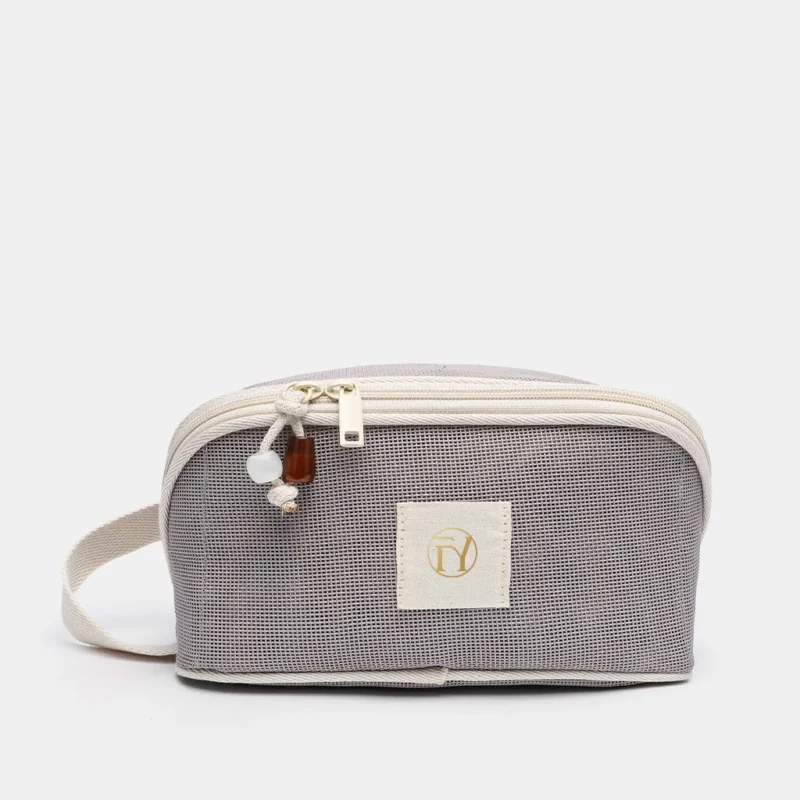
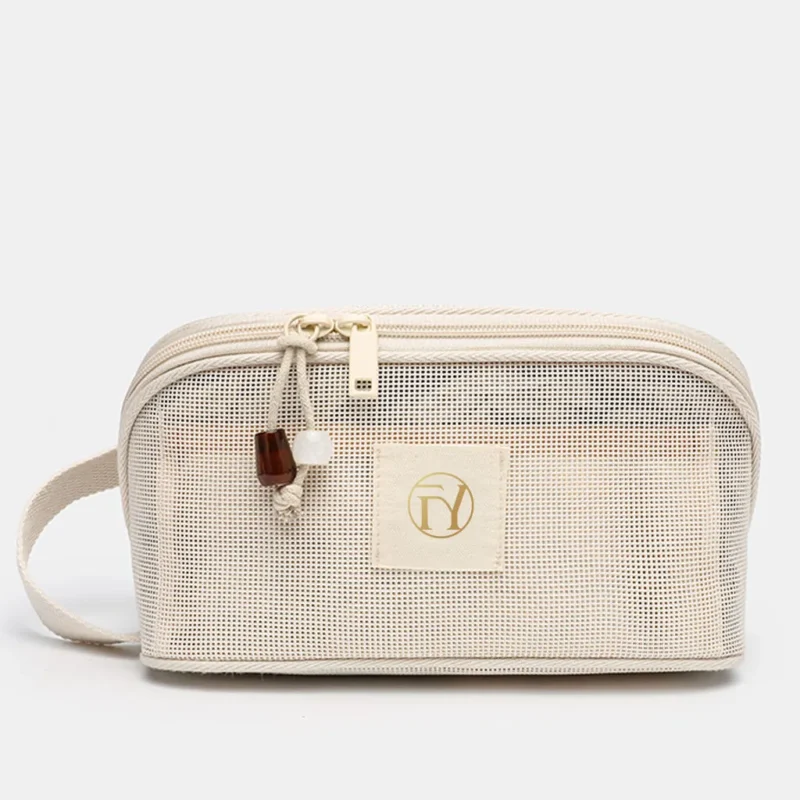
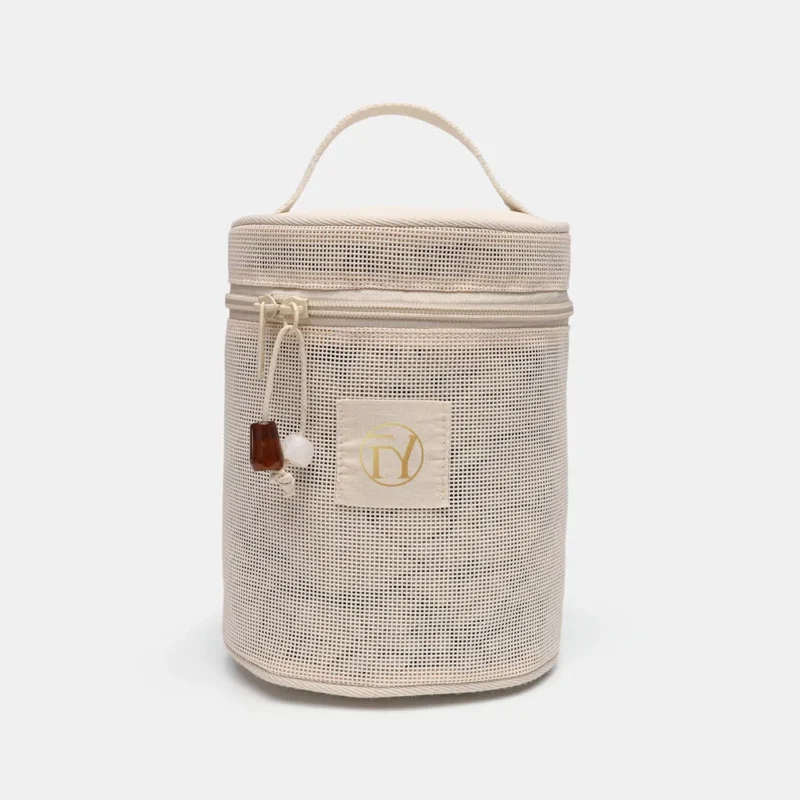
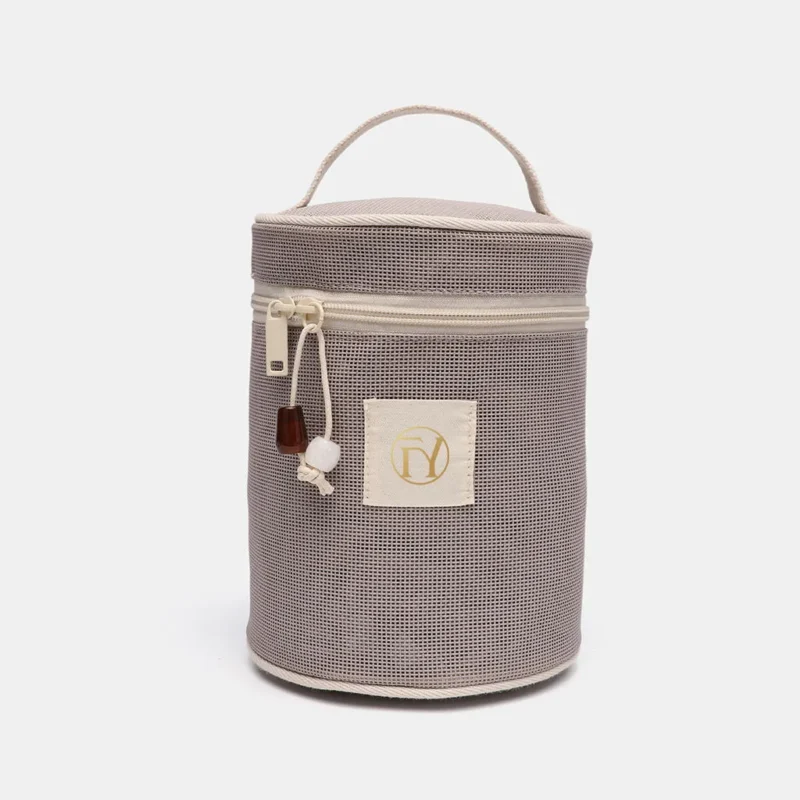
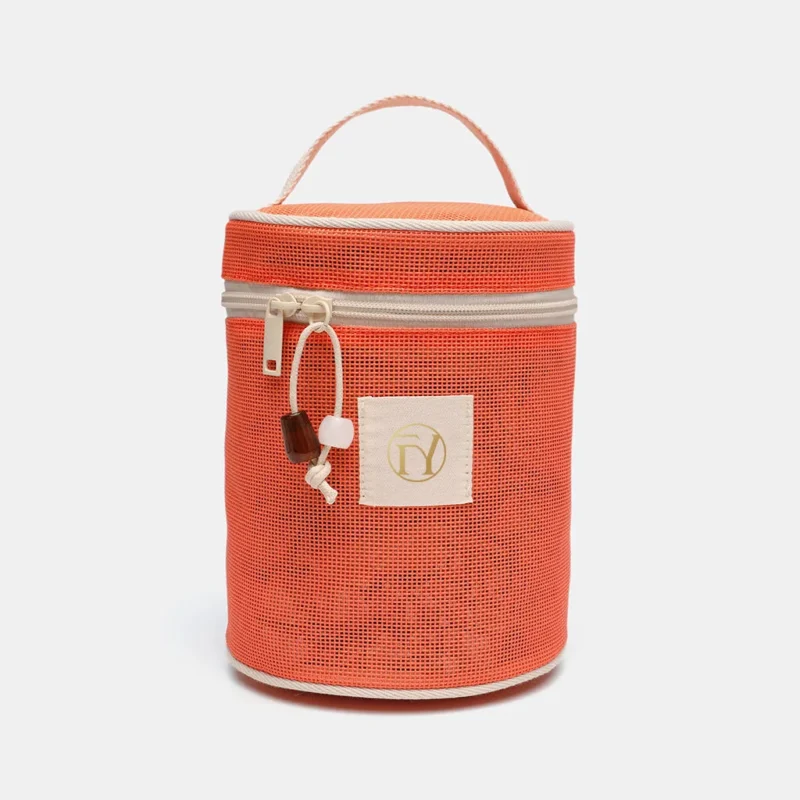
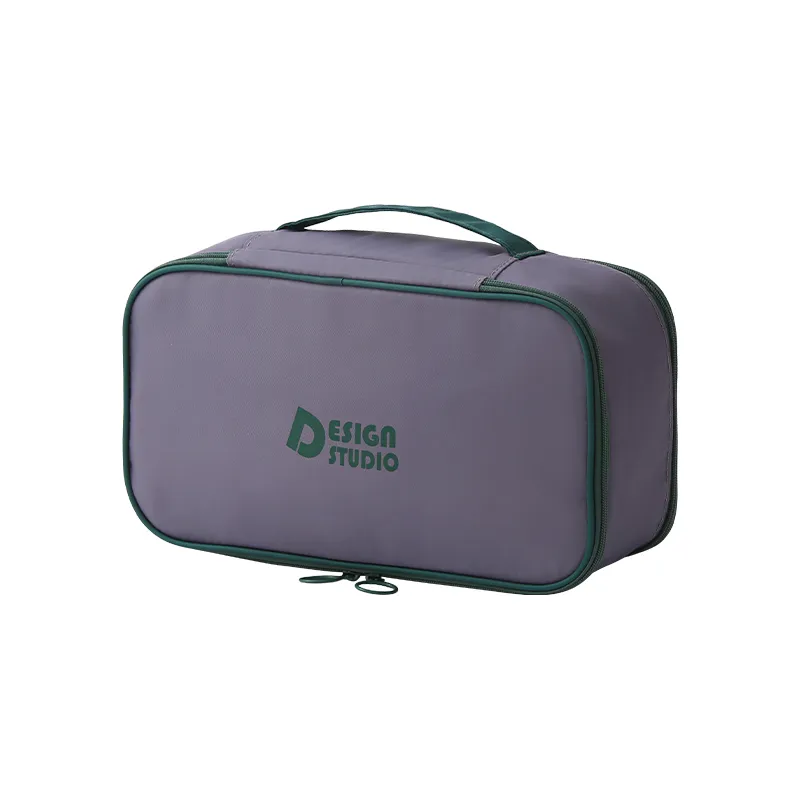
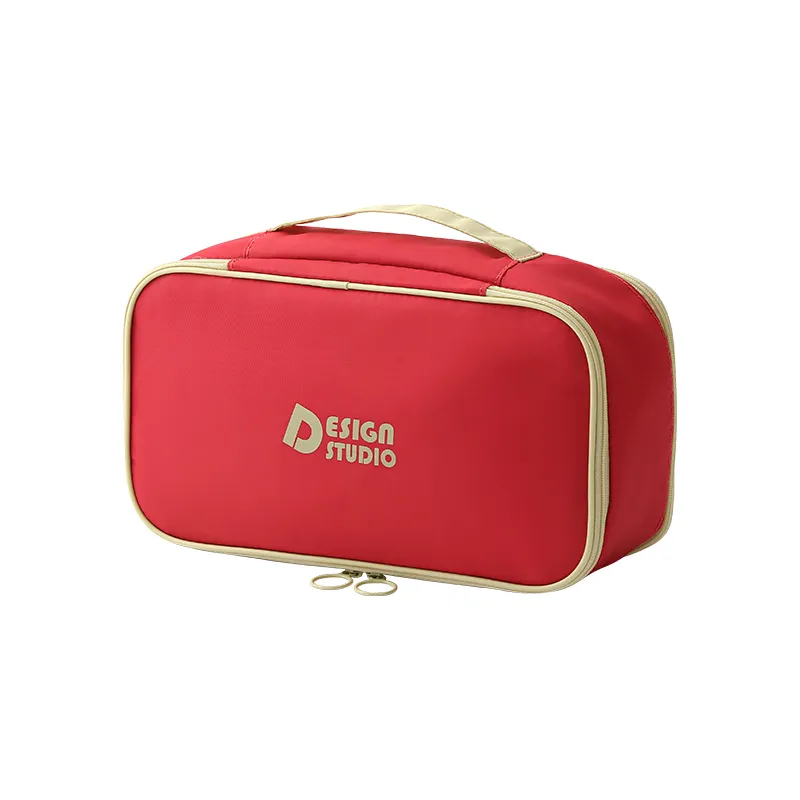
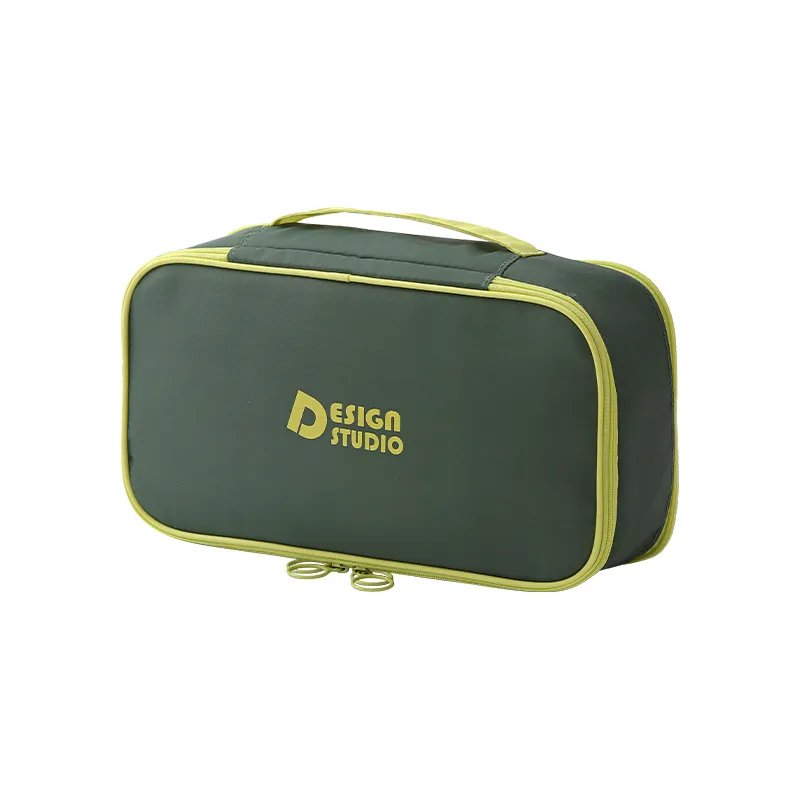
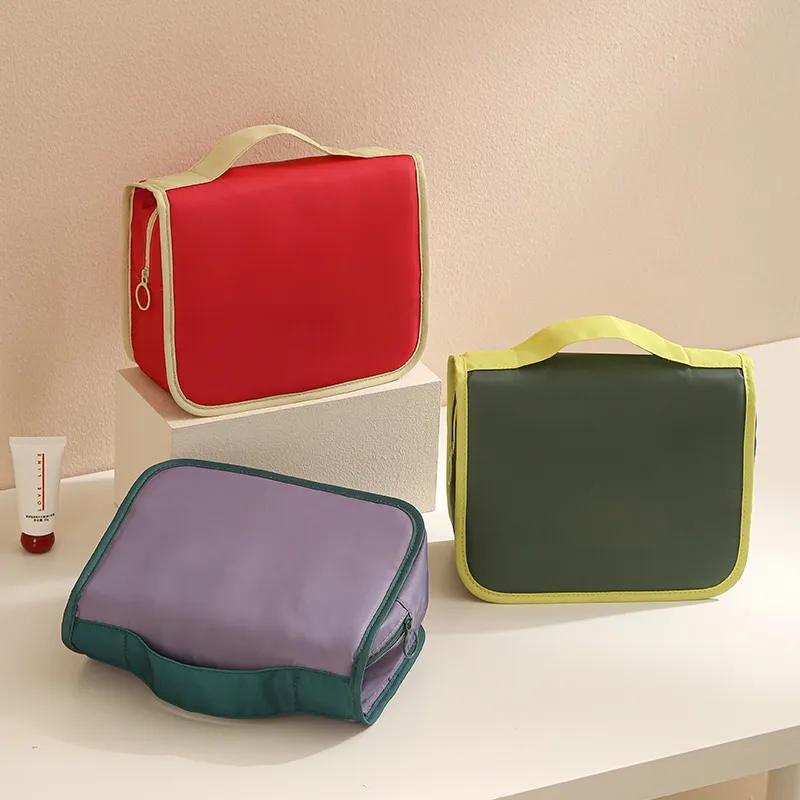
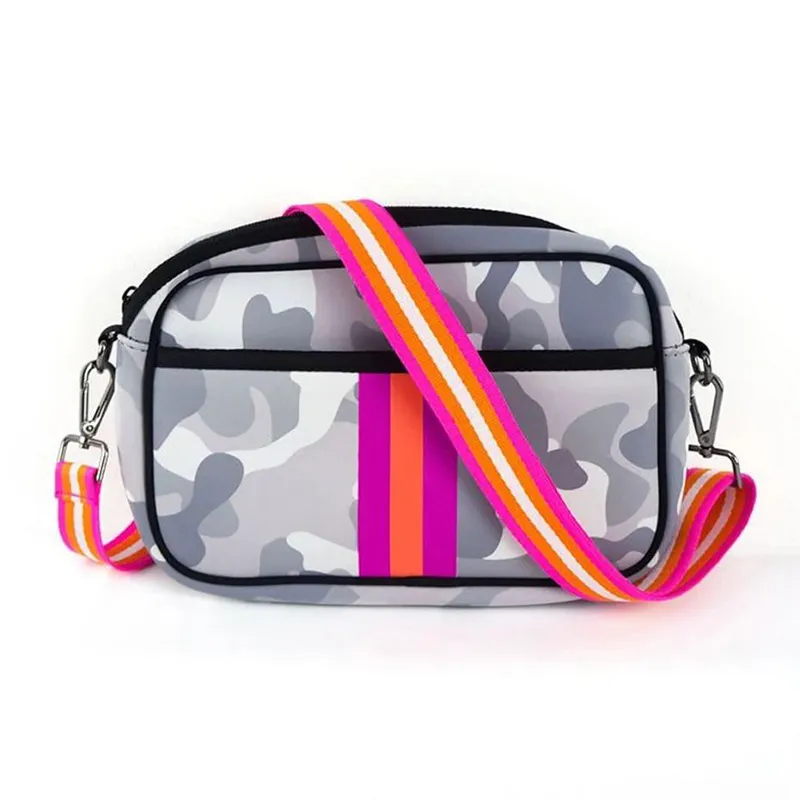
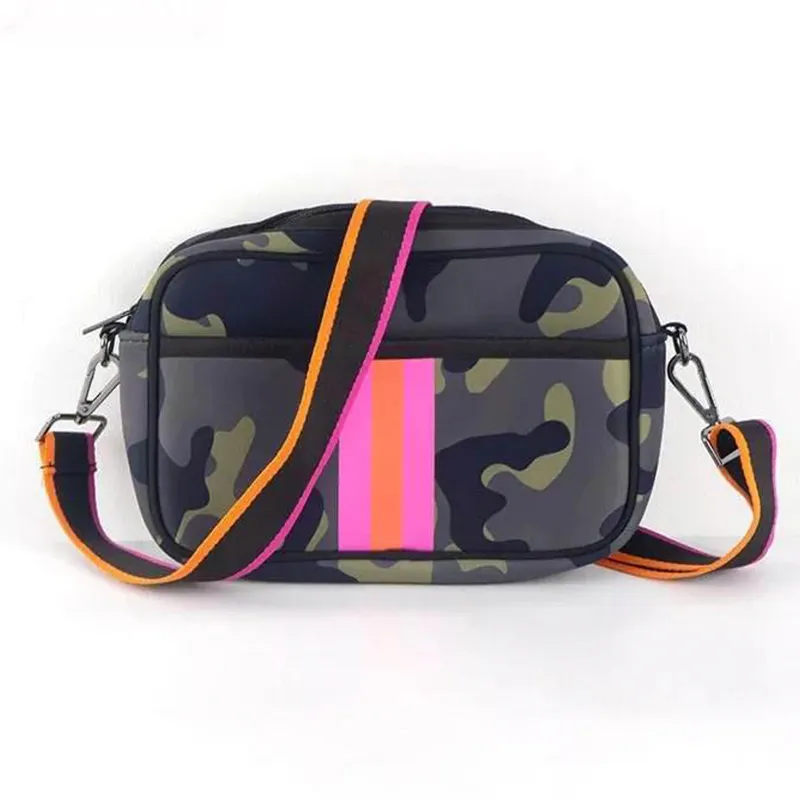
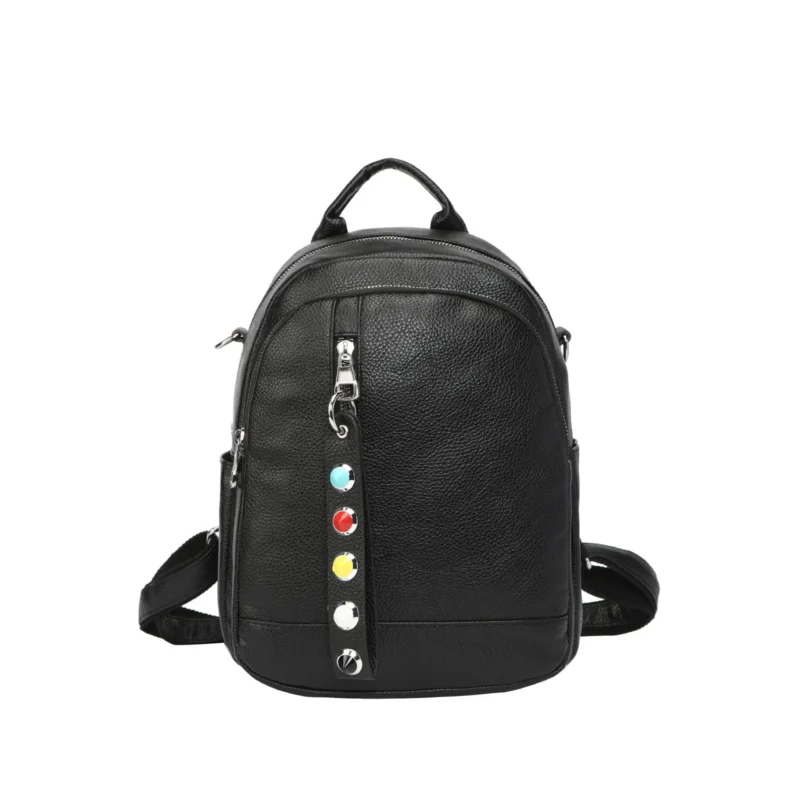
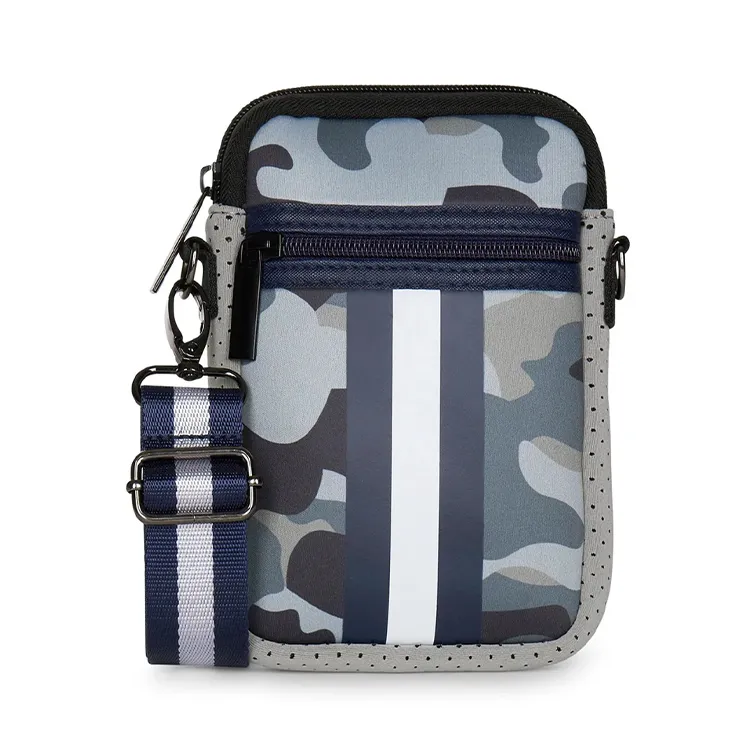
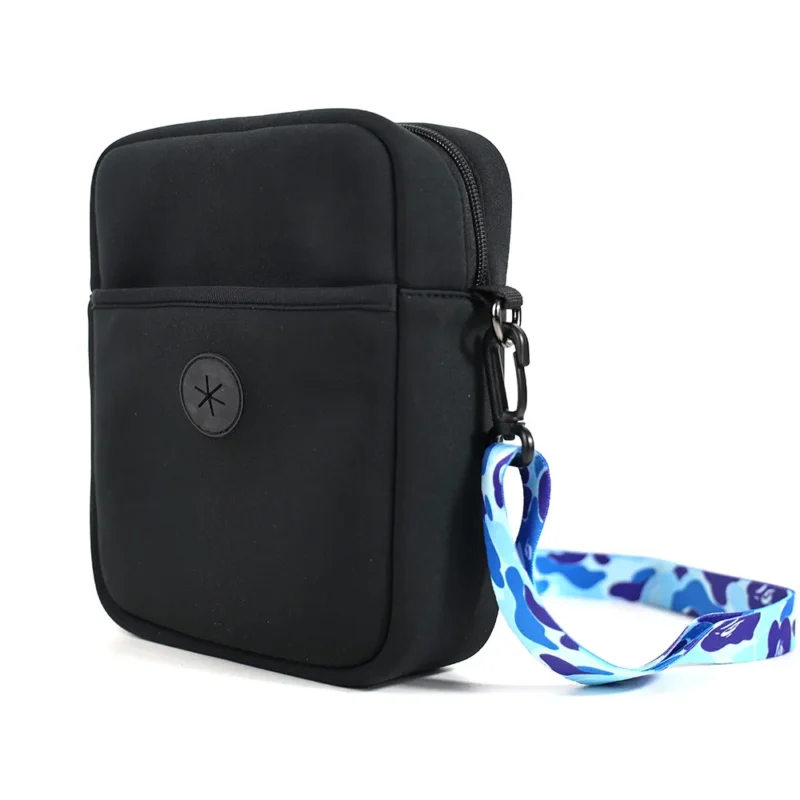
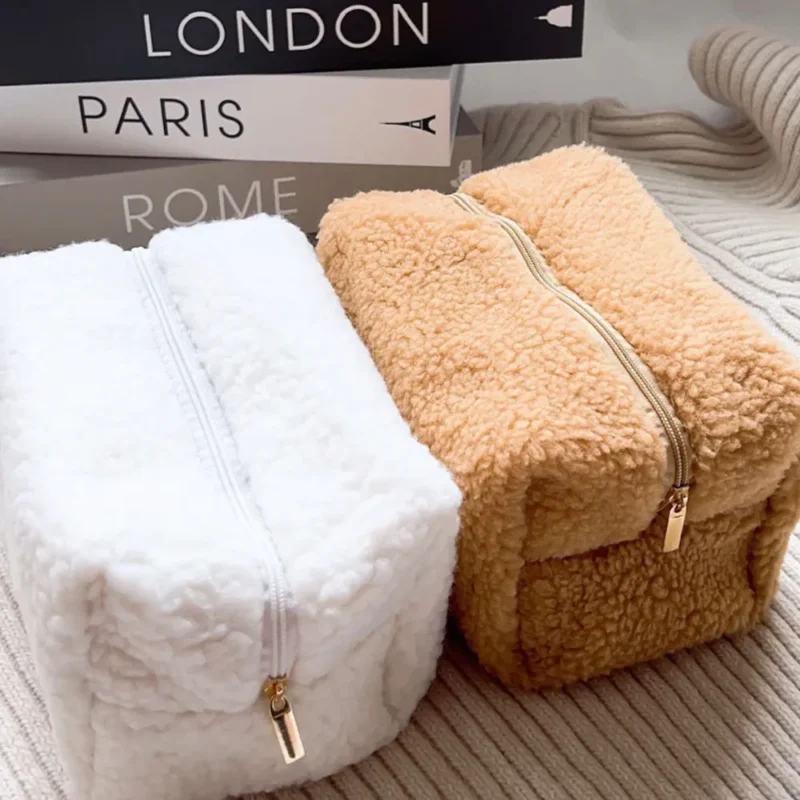
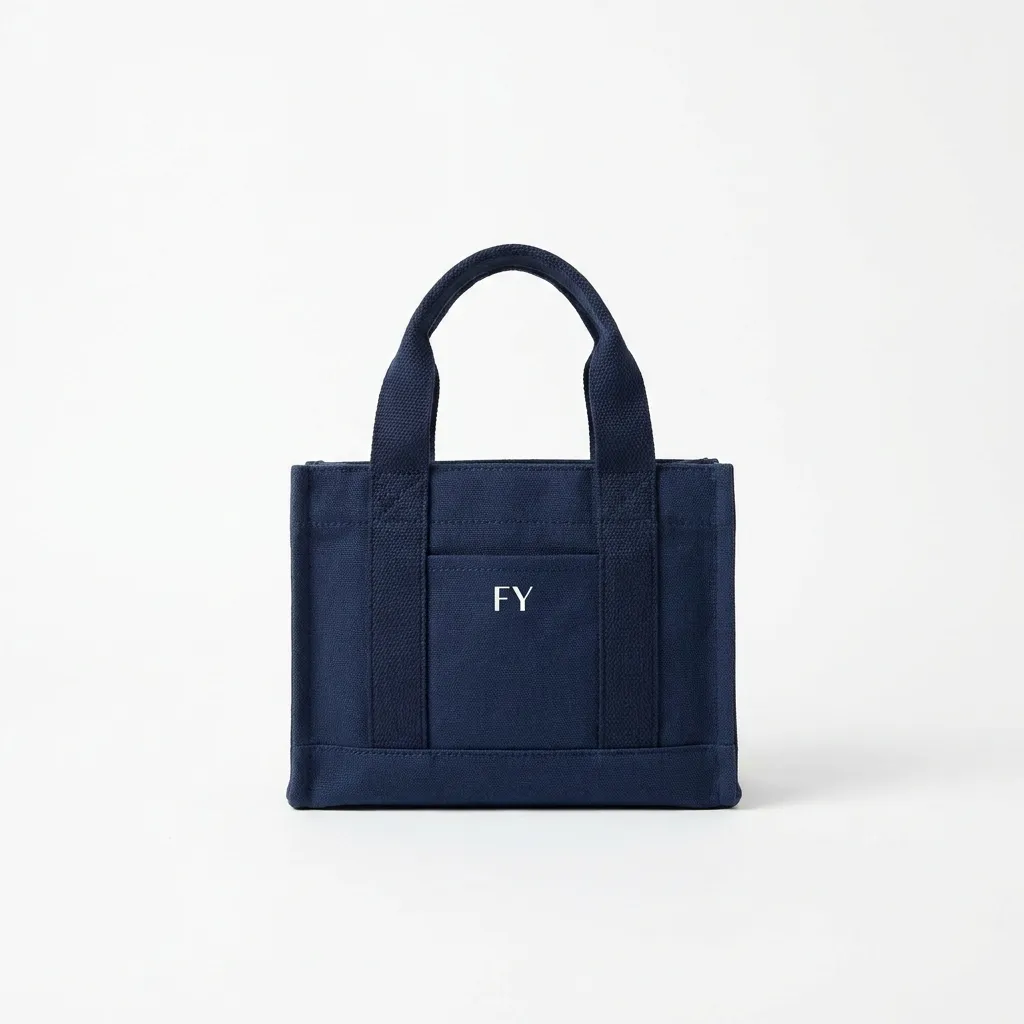
Scaled-down tote under 25cm. Open-top or snap closure. For fashion, lunch carry, and branded giveaways. Canvas, non-woven, or PU leather. The cutest version of the most universal bag type — strong gift and promotional appeal.
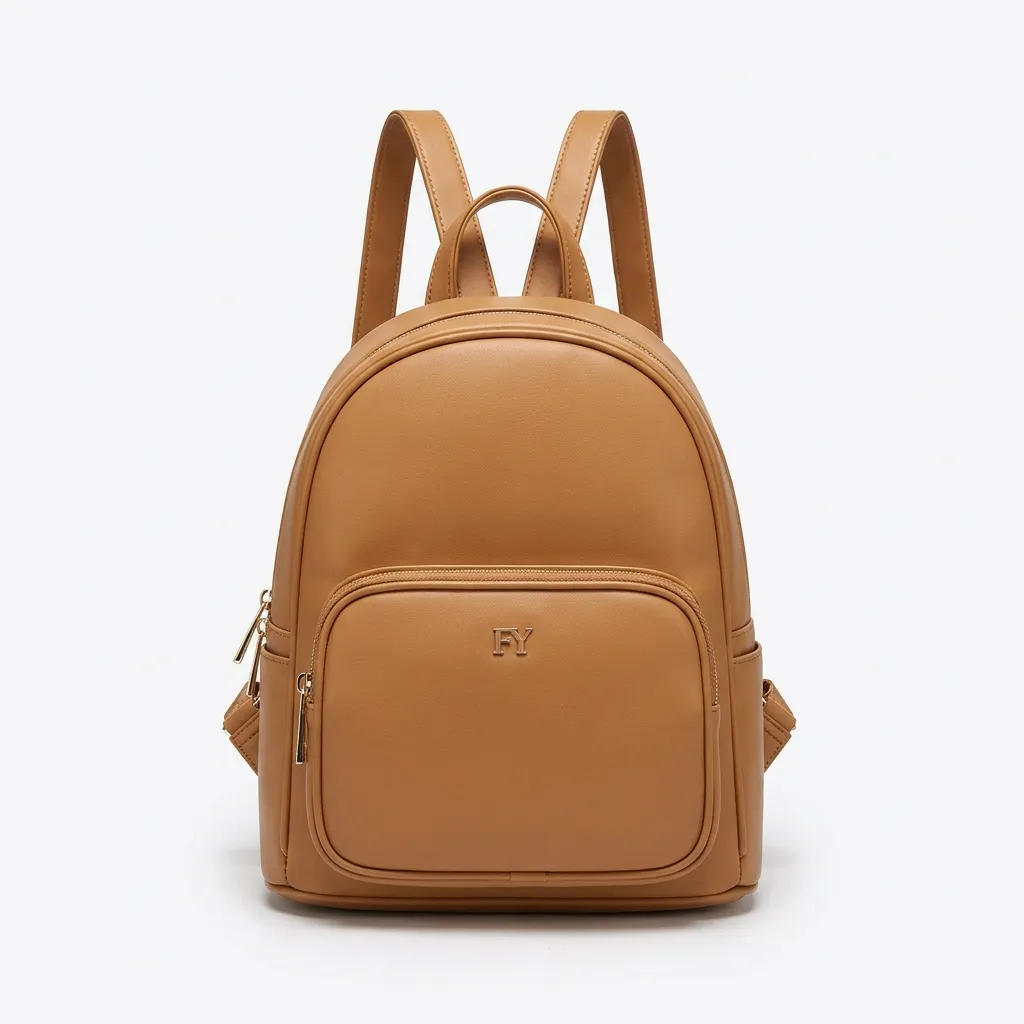
Fashion-scale backpack under 25cm tall. Not for utility — for fashion carry at events, travel, and evening. PU leather or nylon. Trending strongly among Gen Z and millennials. Multi-colorway collections dominate Amazon and TikTok Shop.
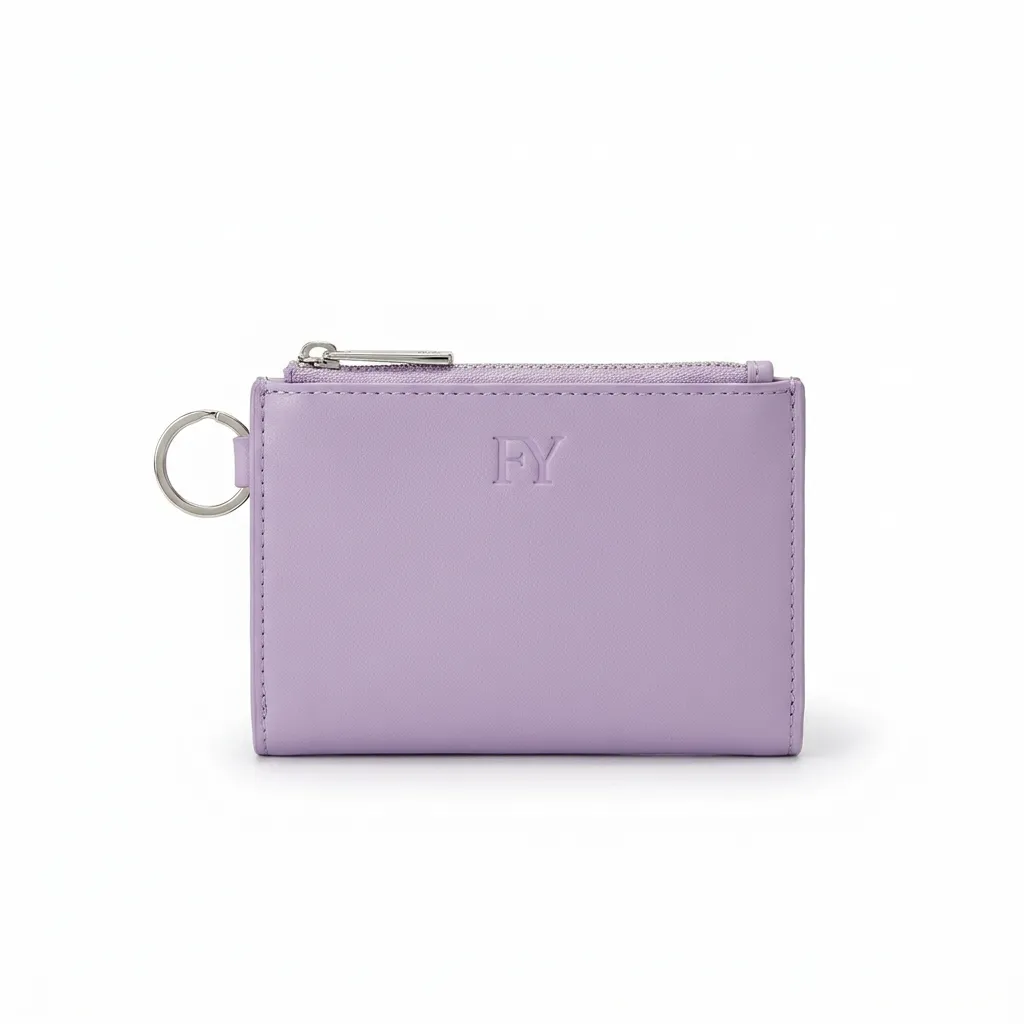
Ultra-compact purse under 12cm. Zip, snap, or kiss-lock closure. For gift sets, bundled accessories, and keychain attachment. The smallest “bag” format we produce. Often sold in 3-pack or 5-pack sets. Lowest per-unit cost, highest per-unit margin.
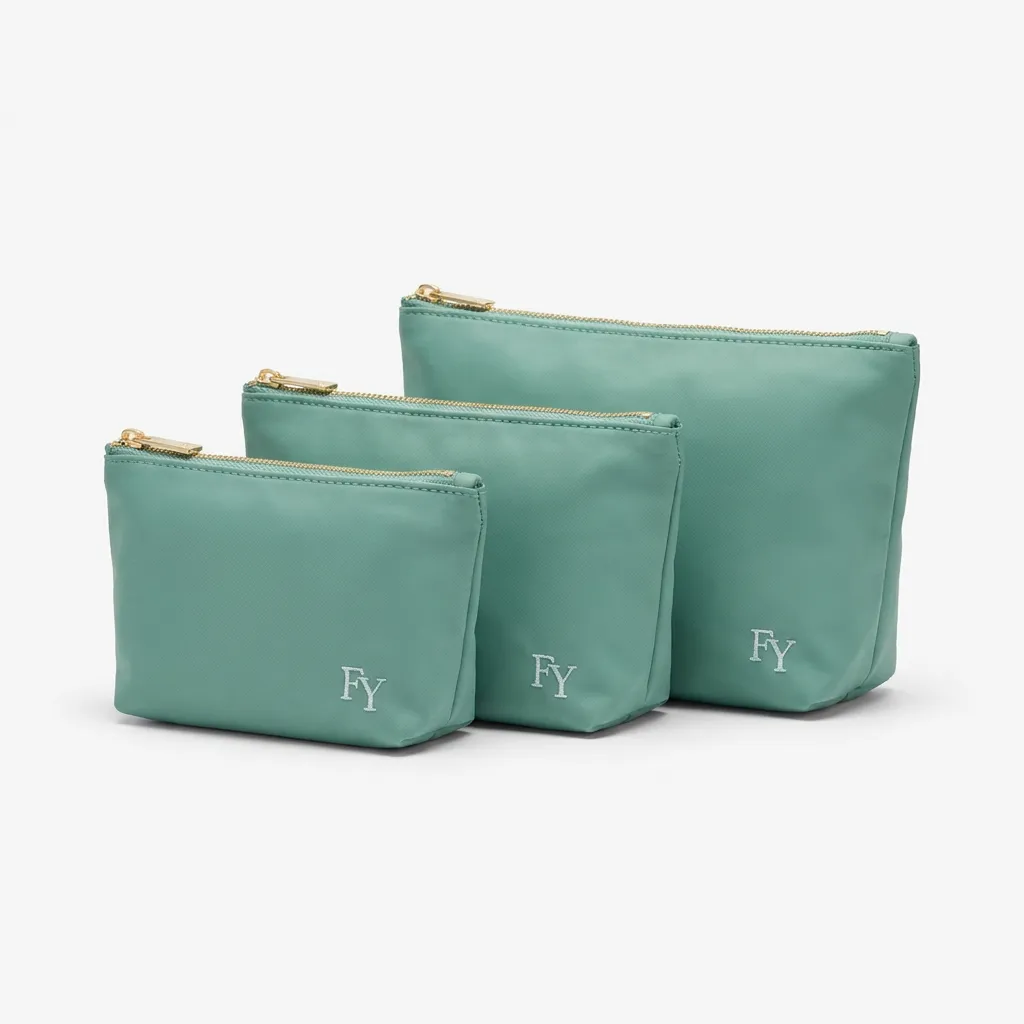
Compact cosmetic pouch under 15cm. Zip closure. For gift sets, travel kits, and subscription boxes. Often nested S/M sizes. Textured, sequin, or printed PU leather. Year-round demand with Q4 spike.
Not all “mini” is the same. The size range spans from novelty-scale micro bags to genuinely functional compact bags. Each size tier has different buyer appeal, production requirements, and commercial applications. Understanding where your product sits on this spectrum determines your target market.
Under 10 cm
Micro / Novelty
Under 10cm in the longest dimension. Holds almost nothing — a few coins, a folded bill, a single key. Primarily ornamental: bag charms, keychain pouches, doll accessories, and novelty gift items. The smallest production format — requires the tightest cutting precision (±1mm). Highest per-unit margin but smallest absolute revenue per piece.
10–15 cm
Mini / Coin Purse
Coin purses, card cases, lipstick cases, and AirPods pouches. Holds 3–5 cards, coins, and one small cosmetic item. The core “mini bag” format for gift sets and subscription boxes. Zip or snap closure. Most often sold in multi-packs (3-pack, 5-pack). Strong on Amazon and in gift-retail channels.
15–20 cm
Small / Evening
Mini crossbodies, mini clutches, and mini handbags. Holds a phone, 3–5 cards, keys, and one cosmetic item. The sweet spot for fashion mini bags — small enough to be a statement, large enough to be functional for an evening out. The highest-volume mini bag size tier. PU leather, embellished, or textured.
20–25 cm
Compact / Day
Compact crossbodies, mini backpacks, and small totes. Holds a phone, slim wallet, sunglasses, and a few cosmetic items. Functional for daily carry while still reading as “small.” The most commercially versatile mini size — appeals to both fashion buyers and practical buyers. Broadest market of any mini tier.
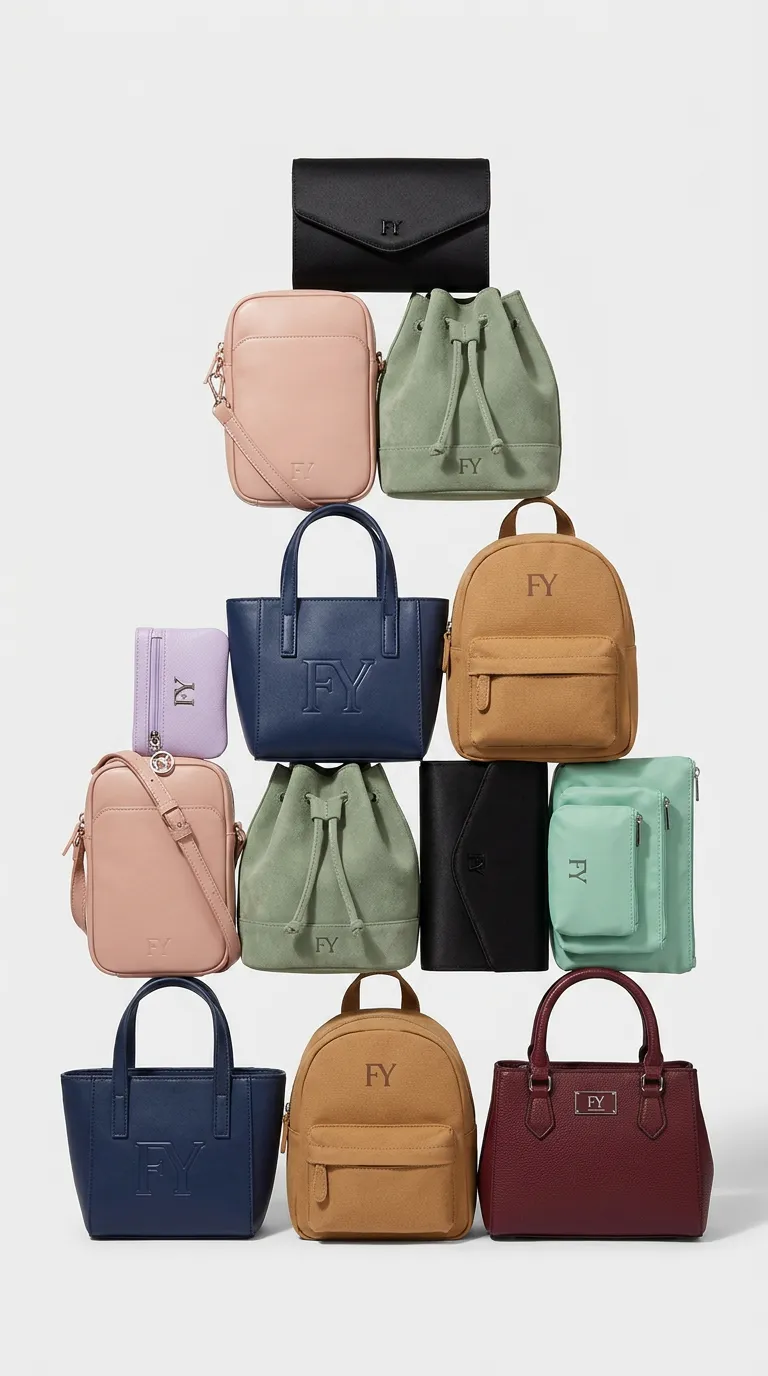
A 2mm stitching misalignment on a 40cm tote is invisible. The same 2mm misalignment on a 12cm coin purse is immediately visible and structurally significant. Mini bags amplify every production imperfection — cutting drift, stitch irregularity, hardware proportion, and seam width all become more critical as the bag gets smaller. Precision that’s adequate for full-size bags is insufficient for mini bags.
We apply tighter tolerances, scaled-down hardware, and specialized QC protocols to all mini and small bag production. Here’s how each production dimension changes at mini scale.
Cutting Tolerance
Full-size bags: ±3–5mm. Mini bags: ±1–2mm. On a 12cm panel, 5mm cutting drift represents 4% of the total dimension — visible and structurally noticeable. We use precision die-cutting (not freehand rotary cutting) for all mini bag panels under 20cm. Die-cut patterns are verified against dimensional templates per batch.
Stitch Precision
Seam width must be proportionally scaled. A 10mm seam allowance is standard on full-size bags but consumes 20% of a 5cm panel on a micro bag. Mini bags use 3–5mm seam allowances with close-edge stitching. Stitch density increases — 5–6 stitches per cm vs. standard 3–4. Visible topstitching must be perfectly straight; waviness is amplified at small scale.
Hardware Scaling
Standard hardware looks oversized on mini bags. A #5 zipper on a 10cm pouch is visually dominant and awkward to operate. Mini bags require scaled-down hardware: #3 zippers, 10mm D-rings, 15mm buckles, micro swivel hooks, and small-gauge chains. Hardware suppliers must stock miniature components — not all do. We source from suppliers with dedicated small-hardware inventory.
Structure
Mini bags need proportional stiffening. Full-size bags use 1–2mm base boards and heavy interfacing. Mini bags need thin interfacing (0.3–0.5mm) and micro-gauge base inserts that maintain shape without adding visible bulk. Over-stiffening makes a mini bag look rigid and toy-like; under-stiffening makes it floppy. The balance is harder to achieve at small scale.
Branding Scale
Full-size logos don’t scale down. A 40mm logo tag is proportional on a handbag but dominates a 12cm coin purse. Mini bags need custom-scaled branding: 15–20mm woven labels, 10mm metal tags, small-format embossing. Branding must be redesigned for mini proportions — not just shrunk. We advise on branding placement and scale during sampling.
QC Magnification
Mini bag QC requires closer inspection distance. Defects invisible on full-size bags at arm’s length — thread tails, glue residue, stitch waviness, hardware scratches — are clearly visible on mini bags held in the palm. We inspect mini bags at 15–20cm distance (vs. 40cm for full-size). Thread tails are trimmed to <2mm. Glue residue is zero-tolerance.
Every mini bag leaves our Guangzhou factory with precision-grade cutting, proportionally scaled hardware, and close-inspection QC. In-house design, die-cutting, sewing, hardware installation, and QC. 10+ production lines. Sample turnaround in 5–7 days.
Free Add-on: Professional Product Photography Included
Free product photos showing mini bags in hand, next to phone/coins for size context, and in multi-pack display — essential for online listings where buyers can’t judge size from a standalone image.
Mini bags use the same material palette as full-size bags but with proportionally scaled hardware, thinner interfacing, and precision-grade construction. The material choice determines the price tier; the hardware and construction quality determine whether it looks like fashion or like a toy.
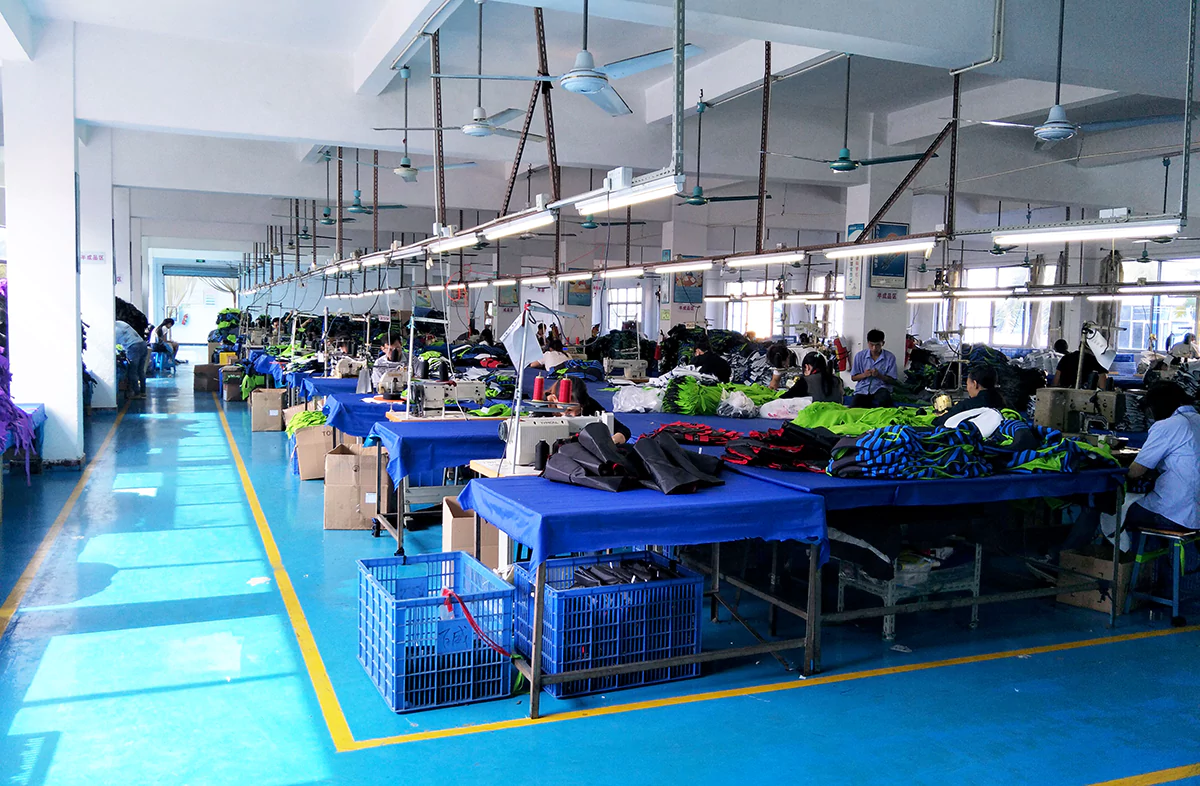
FY Bag Custom operates its own vertically integrated factory in Guangzhou, Guangdong — design, die-cutting, sewing, hardware installation, and QC all under one roof. Mini bag production draws on the same cutting, sewing, and hardware lines as our full-size handbag, crossbody, and clutch production — the same skilled operators work at both scales.
The difference is precision protocol: mini bags use dedicated die-cut templates (not freehand cutting), tighter stitch-density settings, scaled-down hardware sourced from our miniature-component inventory, and close-distance inspection at 15–20cm. We produce mini bags as precision fashion products, not as scaled-down commodity items.
Years in Manufacturing
Factory Floor Area
Professional Staff
Production Lines
Monthly Capacity
Pre-Shipment Inspection
Mini bags amplify every defect. Thread tails, stitch waviness, glue residue, and hardware scratches that would be invisible on a full-size bag are clearly visible on a 12cm product held in the palm. Our 6-stage QC applies close-distance inspection and zero-tolerance finishing standards. Third-party inspections (SGS, BV, TUV) welcome.
PU leather or fabric surface inspected for flaws — scratches, marks, and color inconsistency that would be invisible on full-size panels are visible on mini panels. Hardware components inspected for plating quality, spring tension, and dimensional accuracy at miniature scale. Undersized or oversized components rejected.
PPS delivered in 5–7 days, precision-inspected at close distance. Dimensional accuracy verified at ±1–2mm. Hardware proportion assessed — must look natural, not oversized. Stitch quality inspected for waviness and consistency. Mass production starts after your written sign-off.
Every cutting batch verified against dimensional template — ±1–2mm tolerance enforced. Panel symmetry checked: left and right panels must match within 1mm. Die-cut edge quality inspected — no fraying, no rough edges, no stretch distortion. Precision die-cutting is mandatory for all panels under 20cm.
Stitch straightness verified at close range — no waviness in topstitching. Thread tails trimmed to under 2mm. Glue residue is zero-tolerance. Hardware installation tested: zipper slides smoothly, magnetic snaps align, chain hangs correctly. Every seam on every mini bag is visually inspected at 15–20cm distance.
Every finished mini bag inspected one by one at close distance — surface quality, stitch precision, hardware function, lining cleanliness, branding placement (proportional to bag size), and overall proportion. Mini bags have the highest reject-and-rework rate of any bag category because small defects that pass on full-size bags fail on mini.

Mini bags individually tissue-wrapped or placed in satin pouches. Stuffed with acid-free tissue to maintain shape. Multi-pack sets assembled and quality-checked as a set. Gift boxes sealed and inspected. Container loading photos and videos sent within 24 hours.
Mini bags have similar production cycles to full-size bags — the precision requirements offset the smaller physical size. Sample in 5–7 days, bulk in 20–35 days depending on complexity and embellishment.
Day 1–2
Send tech pack + target size; FOB quote in 24 hours.
Day 3–10
Precision-inspected prototype in 5–7 days via DHL.
Day 11–13
30% T/T deposit; balance before shipment.
Day 14–40
Daily WIP photos including precision-check documentation.
Day 41–45
100% close-distance inspection.
Day 46–55
Sea, air, express, or direct-to-FBA.
Sample Lead Time
5–7 Days
Mass Production
25–35 Days
Payment Terms
30% T/T · 70% Before Shipment
Shipping Terms
FOB · CIF · DDP · Amazon FBA
Over the past 15+ years, FY has manufactured mini and small bags for fashion brands, gift companies, Amazon FBA sellers, and boutique retailers worldwide.
OEM production of mini PU leather crossbodies (17cm wide) in 4 textures × 3 colorways = 12 SKUs. Saffiano, croc, pebbled, and smooth. #3 zipper, 12mm D-rings, fine-gauge gold chain strap. Retail-ready packaging. FOB to US and EU. Retail $18–28. Quarterly color refresh.
ODM partnership on 3-piece mini PU leather cosmetic pouch set — S (10cm), M (13cm), L (16cm) nested. Metallic gold, rose gold, and silver. #3 zipper. Multi-pack listing with scale-comparison photography. FNSKU, Amazon packaging. Ranked top 20 in “mini bag set” within 30 days.
Crystal-embellished mini satin clutch (15cm) with kiss-lock closure and fine chain. Bridesmaid gift-set packaging: rigid box + satin pouch + personalized card. 3 colorways (blush, champagne, ivory). 2,000-piece MOQ per event season. FOB to US bridal distributor. Retail $25–40.
Global Shipping Options
•Sea Freight
•Air Freight
•Express (DHL, FedEx, UPS)
•Rail Freight
•Door-to-Door
•Direct-to-Amazon FBA
Straight answers to the questions bulk-order buyers ask most often about custom mini bag production.
We define mini as any bag under 25cm in its longest dimension. Within that range: micro (under 10cm — charm/novelty scale), mini (10–15cm — coin purse/card case scale), small (15–20cm — phone + card evening carry), and compact (20–25cm — everyday-compact carry). Each size tier has different production requirements and buyer appeal. Most buyers order in the 15–20cm range — the sweet spot for fashion mini bags.
Mini bags often have comparable MOQs to full-size bags per SKU because the precision requirements offset the smaller material usage. However, the lower per-unit material cost makes mini bags more accessible for test runs. Multi-color/multi-texture collections with shared hardware can reduce effective MOQs. Contact us with your size, material, and quantity for a specific confirmation.
Not if the hardware is proportionally scaled. We use #3 zippers (vs. standard #5), 10–15mm D-rings (vs. 20–32mm), micro swivel hooks, and fine-gauge chains for all mini bags. Hardware proportion is assessed at the sampling stage — if a component looks oversized, we swap to a smaller alternative before production. We maintain dedicated miniature-hardware inventory for this purpose.
Yes. We can scale down any existing bag silhouette — send us your full-size reference or tech pack and your target mini dimensions. We redesign the pattern, scale hardware proportionally, adjust interfacing thickness, and produce a mini prototype in 5–7 days. This is one of the fastest ways to expand a product line — the design work is already done at full scale.
Yes. Multi-pack listings (2-pack, 3-pack, 5-pack) are the dominant selling format for mini bags on Amazon. They increase average order value, reduce per-unit marketing cost, and create bundle differentiation that single-unit competitors can’t match. We produce coordinated multi-pack sets with shared packaging and provide multi-item photography for your listings.
Yes. FNSKU labeling, Amazon-compliant packaging, and carton labeling handled at our Guangzhou factory. Scale-comparison photography (mini bag in hand, next to phone/coins) included free — essential for online listings where buyers can’t judge physical size from a standalone product image.
Yes. European Industrial Park, Shiling Town, Huadu District, Guangzhou. Monday–Saturday. Video tours available for remote buyers.
Send us your target size, silhouette, and material — we’ll come back within 24 hours with a detailed FOB quotation covering fabric, proportionally scaled hardware, construction, and packaging. Scale-comparison photography included free. No templates, no copy-paste pricing.


