Tel/WhatsAapp:+86 18011919834
E-mail: chloe.x@fybagcustom.com

Tel/WhatsAapp:+86 18011919834
E-mail: chloe.x@fybagcustom.com
Send Your Inquiry Today

Branding Methods
Logo Positions per Bag
Logo QC Inspection
Logo Proof Before Production
Each method uses different equipment, produces a different look and feel, and has different fabric compatibility, durability, and cost profiles. Understanding the mechanics helps you choose confidently.
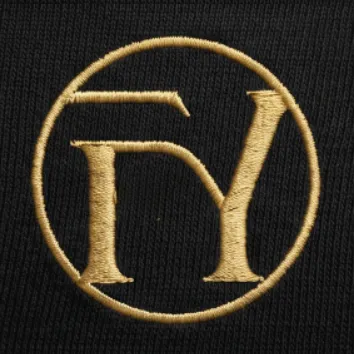
Thread-stitched logo using multi-head computerized embroidery machines. Your vector artwork is converted to a stitch file (DST format — “digitizing”). The machine stitches the design directly into the fabric at 800–1,200 stitches per minute. Premium perception, wash-durable, tactile texture. Works on canvas, nylon, cotton, polyester, PU leather. Tone-on-tone for subtle luxury; contrast thread for visibility. Min text height: 8mm.
Ink pushed through a mesh screen stencil onto the fabric. One screen per color (1–4 colors typical). Lowest cost per impression at volume. The standard for promotional and shopping bags. Large-format logos (up to full-panel). Pantone-matched ink. Water-based or plastisol ink options. Works on most flat-surface fabrics; not recommended on heavy-texture jute or deeply textured surfaces. Min text height: 5mm.
Design printed on transfer paper or film, then heat-pressed onto the fabric at 150–200°C. Multi-color, photographic, gradient-capable — no screen setup needed. Ideal for complex artwork and short runs (200–1,000 pcs). Reflective heat transfer available for sports and outdoor bags (logo + reflective function in one). Works on nylon, polyester, canvas, cotton.
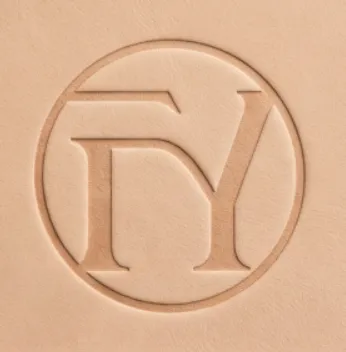
A heated metal die pressed into the fabric surface at high pressure, creating an indented impression. No ink, no thread — just texture. Blind deboss (no color fill) is the luxury standard on PU leather. With color fill (paint or foil in the recess) for visibility on lighter materials. Also works on heavy canvas. Min line width: 3mm. Best for minimalist and premium brands.
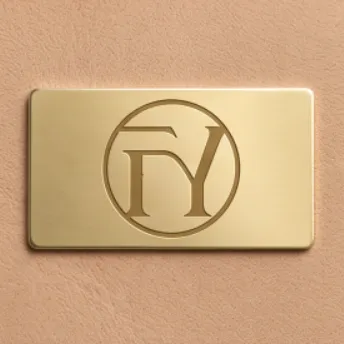
Custom-molded zinc alloy or stainless-steel plate with your logo. Electroplated in brushed, polished, or matte finish (gold, silver, gunmetal, matte black, rose gold). Attached by rivets, screws, or sew-on backing. The highest perceived value of any branding method. For handbags, clutches, occasion bags, and executive gifts. Custom mold required (15–25 day lead time; mold is yours).
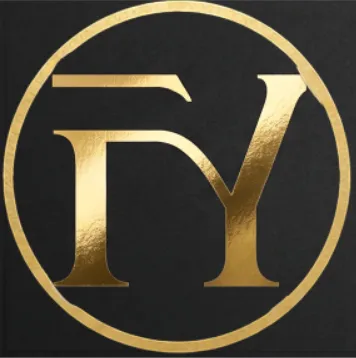
Metallic foil (gold, silver, rose gold, colored) transferred onto the fabric surface using a heated die. Produces a mirror-shine metallic logo without adding metal hardware weight. Premium perception on PU leather, paper packaging, and coated surfaces. Common on gift-box lids, event bags, and hang tags. Die required (one-time fee).
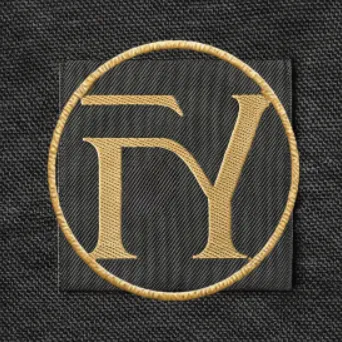
Jacquard-woven fabric label with your logo woven into the textile (not printed on). Sewn onto or into the bag — externally (visible) or internally (inside pocket/seam). Multiple colors via jacquard weave. Extremely durable, wash-resistant, no fading. The most versatile SECONDARY branding element — works on every fabric type. Also used for care/composition labels. Min text height: 6mm.
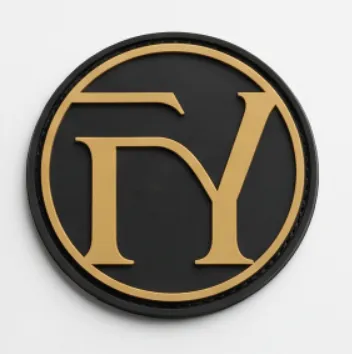
3D molded rubber (silicone) or soft PVC patch. Your logo in raised relief with custom shape, colors, and texture. Waterproof, flexible, durable. Sewn on, heat-sealed, or Velcro-attached. Modern sport-brand aesthetic. For sports, outdoor, tactical, and youth brands. Custom mold required (one-time fee). Min detail: 5mm.
Embroidery Station
Screen Print Station
Heat Transfer & Foil Station
Deboss, Patch & Label Station
Why in-house matters for YOUR timeline: All branding runs on the same production floor as cutting and sewing. There’s no shipping cut panels to an external print shop and waiting for them to come back (which adds 3–5 days and a quality-control gap). Branding is a STATION on the production line — the panel goes from cutting → branding → sewing in one continuous flow. If a logo issue is spotted, we catch it in real time and fix it before the panel reaches the sewing machine.
Not every branding method works on every fabric. Choosing the wrong combination results in poor adhesion, blurred detail, or premature peeling. This matrix shows the recommended pairings.
| Fabric | Embroidery | Screen | Heat Transfer | Deboss | Metal Plate | Foil Stamp | Woven Label | Rubber Patch |
|---|---|---|---|---|---|---|---|---|
| Nylon | ✓ | ✓ | ✓ | — | ✓ | △ | ✓ | ✓ |
| Polyester | ✓ | ✓ | ✓ | — | ✓ | △ | ✓ | ✓ |
| Canvas | ✓ | ✓ | ✓ | △ | ✓ | △ | ✓ | ✓ |
| Cotton | ✓ | ✓ | ✓ | — | ✓ | △ | ✓ | ✓ |
| PU Leather | ✓ | △ | ✓ | ✓ | ✓ | ✓ | ✓ | ✓ |
| Non-Woven | — | ✓ | ✓ | — | △ | — | △ | △ |
| Jute | △ | ✓ | ✓ | — | ✓ | — | ✓ | ✓ |
| Tyvek | — | ✓ | ✓ | — | △ | △ | ✓ | △ |
✓ = Recommended · △ = Possible with care · — = Not recommended. See also: Custom Fabrics for material details.
Most bags support 4–6 branding positions. The right COMBINATION creates a brand system — not just a logo stamp. Commercial products (sold to consumers) typically use subtle, well-placed branding. Corporate/promotional bags and team sports bags maximize logo visibility and size. Your positioning strategy should match your market.

The PRIMARY logo position — maximum visibility. Seen when the bag is carried, placed on a desk, or photographed. Embroidery, screen print, deboss, or metal plate. Typical size: 5–15 cm wide. For fashion brands: smaller, centered, or off-center. For promo: larger, bold contrast colors.

Visible DURING CARRY — the logo moves through public space on the wearer’s shoulder. Jacquard-woven strap with repeating logo pattern (like luxury fashion brands), or small embroidered/printed logo on the strap pad. Highest continuous visibility position. For fashion and commuter brands.

“Surprise and delight” branding. Logo all-over printed on the lining fabric — visible every time the bag is opened. Or a single centered logo on the interior back panel. Premium perception without exterior loudness. For DTC brands building an unboxing/discovery experience.

Custom-molded or engraved zipper pulls with your logo or brand name. Tactile branding — the user touches the logo every time they open the bag. Metal (zinc alloy) or rubber (silicone). Low additional cost, high brand-detail perception. Custom mold required.

Secondary positions for multi-sponsor bags (team sports: crest + sponsor + league + player name = 4 positions), regulatory labels (composition, origin, care), and subtle repeat branding. Lower visibility but essential for complete brand coverage across the bag.
The right branding approach depends on WHO you are and WHO your customer is. A luxury handbag brand and a corporate HR department placing a promotional order need completely different logo strategies — even if they’re buying the same bag type.
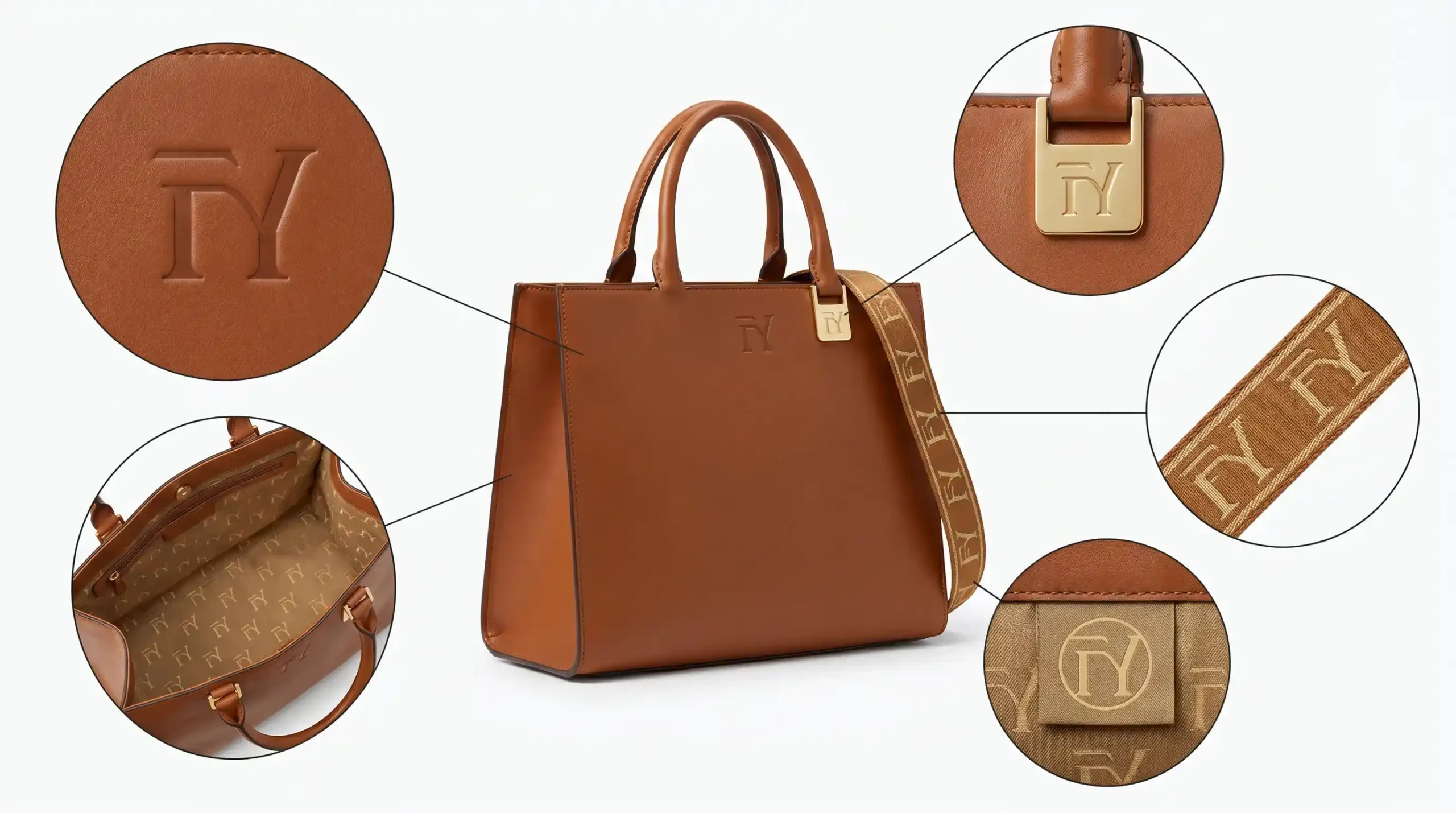
Strategy: Subtle, tactile, design-integrated. The logo should feel like part of the bag’s design — not a sticker placed on top. Tone-on-tone embroidery, blind deboss on leather, or a metal logo plate in matching hardware finish. Interior lining with brand pattern for discovery. Jacquard strap for carry-time visibility.
Recommended: Deboss / embroidery (front) + metal plate (secondary) + branded lining + jacquard strap + woven label (interior)
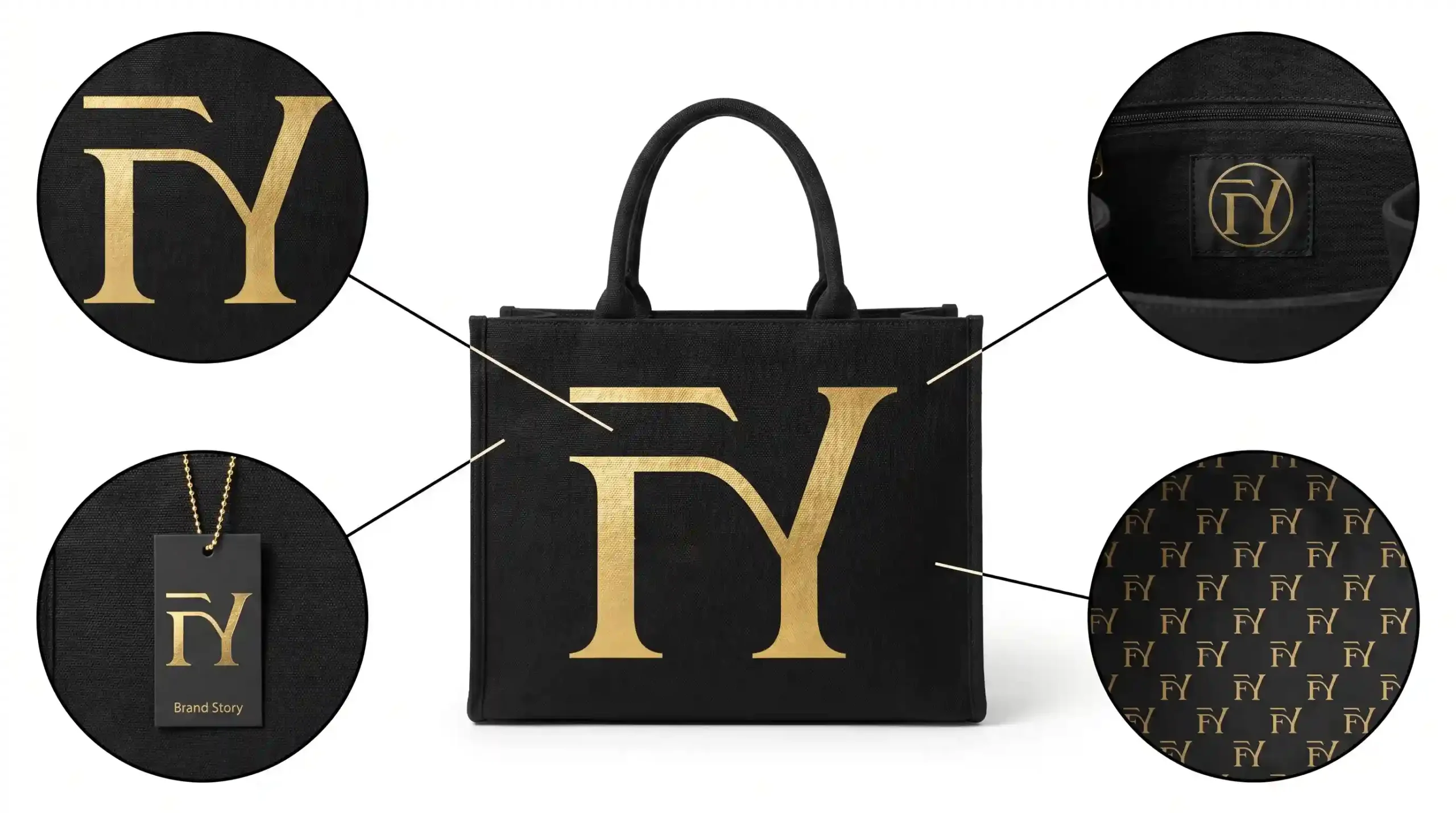
Strategy: Visible, readable, high-contrast. The logo must be identifiable from 3+ meters across a conference hall, on a desk, or in a team photo. Screen print (large format, Pantone-matched) or heat transfer (multi-color, photographic). Front panel, maximum size. May include secondary sponsor logos.
Recommended: Screen print (front, large) + woven label (interior) + hang tag (brand story). For employee kits: all-over brand pattern on lining as premium detail.
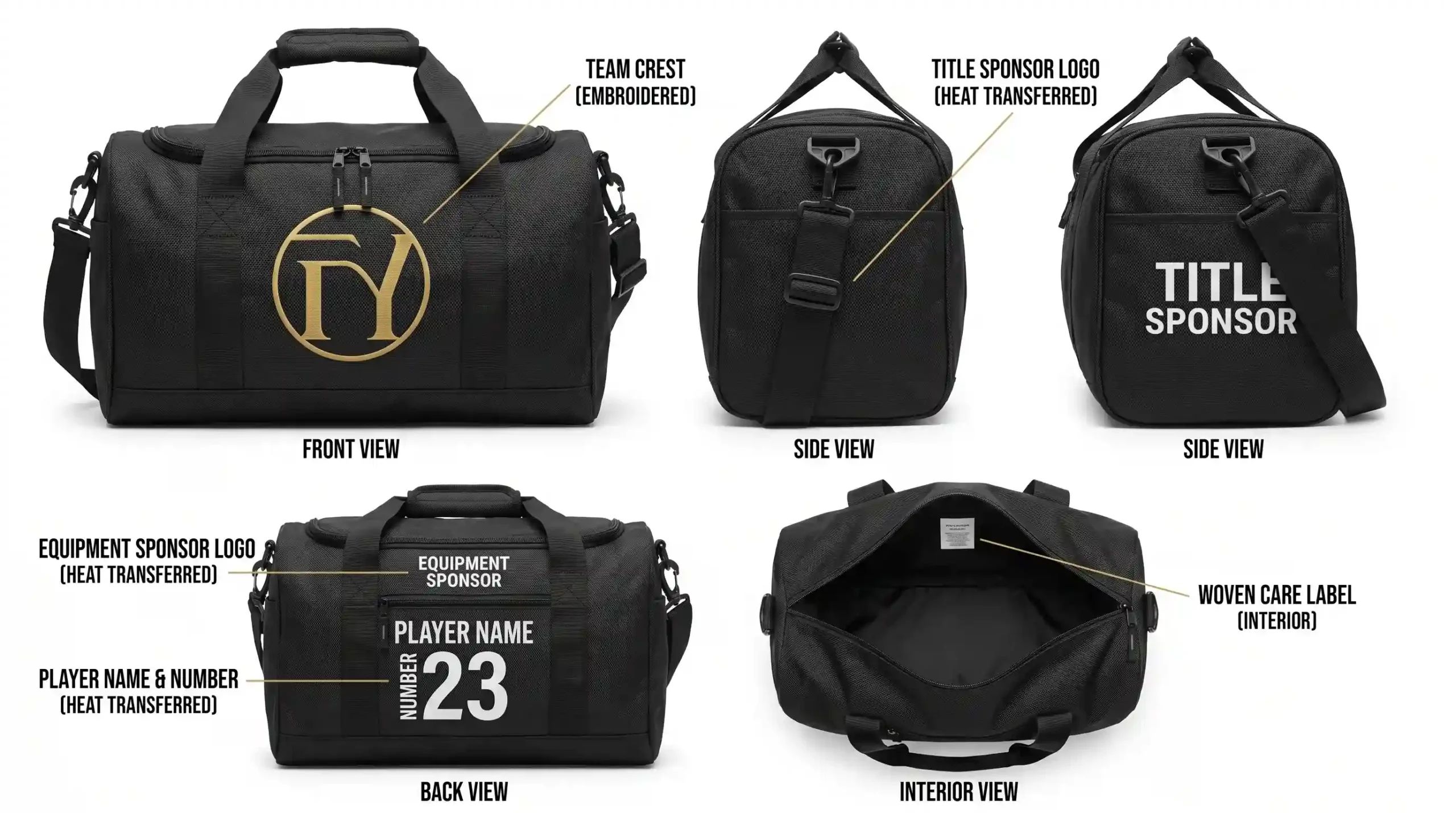
Strategy: Multi-position, multi-logo, uniform appearance. Team bags carry 3–4 logos: team crest, title sponsor, equipment sponsor, league/competition badge. Each needs its own position, size hierarchy, and application method. Embroidery for crests and sponsor logos (durable, wash-resistant). Heat transfer for player names/numbers.
Recommended: Embroidery (crest, front) + heat transfer (sponsor, side) + heat transfer (player name, back) + woven label (interior care/composition). All 20–50 bags identical in logo placement.
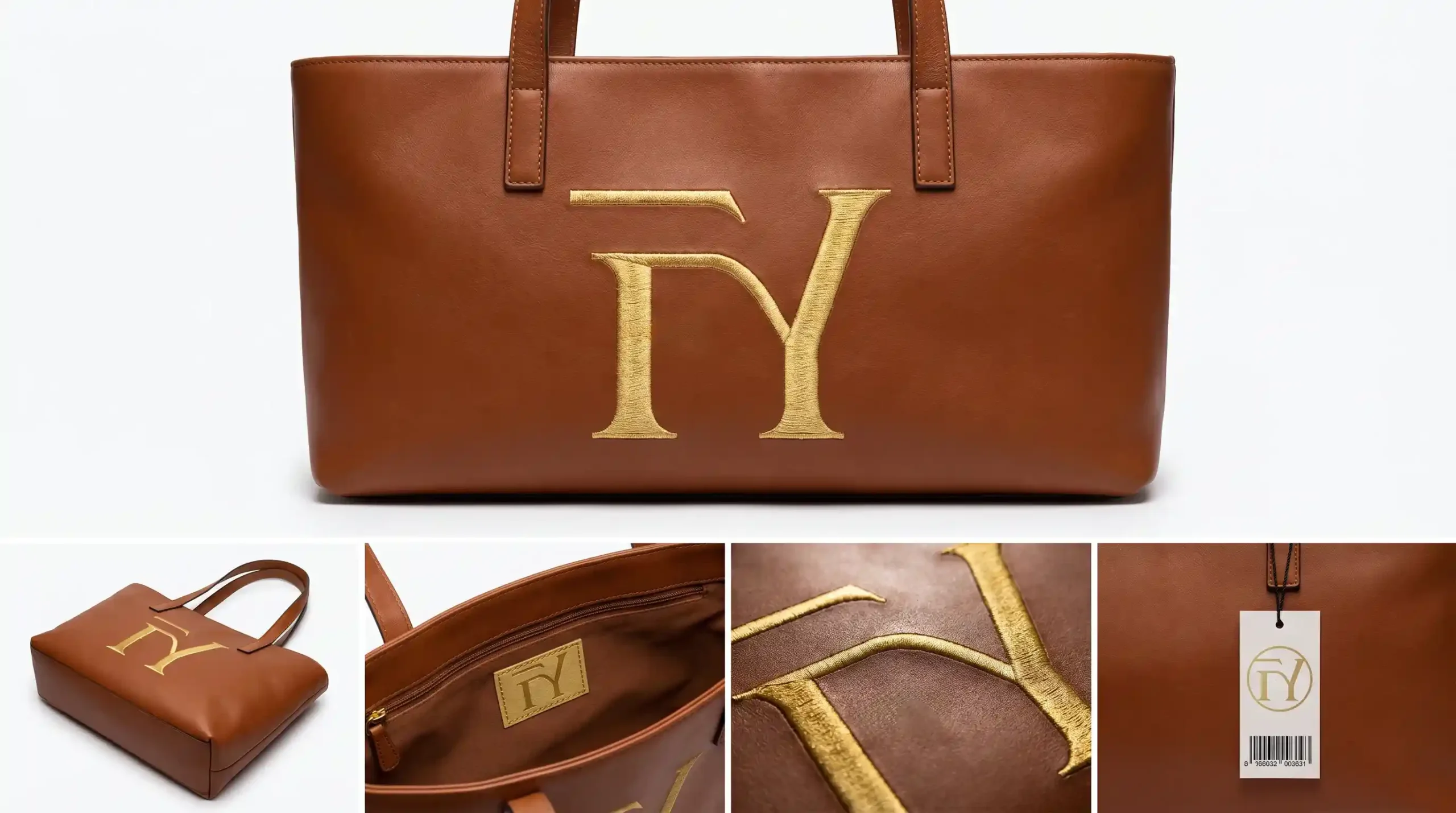
Strategy: Camera-ready, differentiation-focused. The logo must photograph clearly for product listings — legible in thumbnail images on Amazon, Shopify, and social media. Contrast between logo and bag color is critical. The logo also differentiates your private-label bag from identical-looking competitors. Embroidery or rubber patch photographs better than flat screen print.
Recommended: Embroidery or rubber patch (front, high-contrast) + woven label (interior) + hang tag with barcode. Every compartment photo in the listing should show branding somewhere.
Branding cost per bag varies significantly by method. This table shows the per-unit cost, setup cost, and best-fit channel for each method — helping you choose the right one for your budget and positioning.
| Method | Cost / Bag | Setup Cost | Min Detail | Best For |
|---|---|---|---|---|
| Screen Print | $0.10–$0.50 | Screen fee / color | 5mm text | Mass promo, shopping, conference |
| Heat Transfer | $0.15–$0.60 | Low (digital) | Full CMYK | Multi-color, short runs, reflective |
| Embroidery | $0.30–$1.50 | Digitizing fee | 8mm text | Premium, corporate, fashion |
| Woven Label | $0.05–$0.20 | Loom setup | 6mm text | Universal secondary branding |
| Rubber / PVC Patch | $0.20–$0.80 | Mold fee | 5mm detail | Sports, outdoor, youth |
| Deboss | $0.15–$0.40 | Die fee | 3mm line | Leather, minimalist |
| Metal Plate | $0.50–$2.00 | Mold fee | 15mm | Luxury, handbags, executive |
| Foil Stamp | $0.20–$0.60 | Die fee | Smooth only | Packaging, leather, events |
Setup cost note: Screen fees, digitizing fees, die fees, and mold fees are one-time charges for the first order. Reorders using the same logo don’t pay setup again — only the per-unit application cost. If your logo doesn’t change between orders, your branding cost drops on every reorder.
(1) Logo file — AI/vector preferred, or 300+ DPI PNG. (2) Bag type and fabric. (3) Preferred method — or “recommend.” (4) Desired position(s). (5) Brand color Pantone references. (6) Quantity and timeline. We’ll provide a digital mock-up and physical logo proof before production begins.
Three projects showing how logo method, position, and strategy created different commercial outcomes.
Brief: “Our logo must read ‘luxury’ without being loud. Tone-on-tone. Customers should discover it, not be hit by it.”
Solution: Blind deboss on PU leather front panel (tactile, no color). Brushed gold metal logo plate (15mm) on the strap connector. All-over brand monogram printed on the interior lining (visible when opened). Woven brand label sewn inside the main pocket.
Result
The “discover the brand” strategy drove social media content — customers posted “inside the bag” photos showing the monogram lining. The debossed + metal plate combination became the brand’s visual signature across all bag types in the collection.
Brief: “200 team duffles with club crest, title sponsor, kit manufacturer, and player name/number. All identical except the names. Must survive weekly washing.”
Solution: Club crest: multi-color embroidery (7 cm, front center). Title sponsor: heat transfer (15 cm, side panel). Kit manufacturer: woven label (interior). Player name + squad number: heat transfer (back panel, variable data from spreadsheet). All on 600D polyester in Pantone-matched club navy.
Result
All 200 bags identical in crest/sponsor placement, each personalized with the player’s name. The embroidered crest survived a full season of weekly washing without degradation. Club reorders annually with updated sponsor logos — only the heat-transfer film changes; embroidery digitizing is reused.
Brief: “My bag looks identical to 50 other listings on Amazon. The only differentiator is my brand. The logo MUST be visible in thumbnail product photos.”
Solution: High-contrast embroidered logo on charcoal nylon (white thread, 8 cm wide — large enough to read in Amazon’s 100×100 pixel thumbnail). Custom-molded rubber zipper pull with brand initial. Woven label inside main compartment. Product photography included: hero shot with logo prominent, lifestyle shots with logo in context, every-compartment shots with interior label visible.
Result
The high-contrast embroidered logo became the #1 visual differentiator vs competitors in the listing. The rubber zipper pull appeared in “detail shots” — creating a premium perception that justified a $5 higher price than generic alternatives. The seller reported that return rate dropped after adding the branded zipper pull — customers perceived the bag as “branded” rather than “generic.”
Tell us your target look, material, quantity, and deadline. We’ll propose the right logo method, make a working sample, and ship retail- or FBA-ready products.
AI (Adobe Illustrator) vector is preferred — scales to any size without quality loss. Also accepted: CDR, EPS, PDF (vector), or high-resolution PNG (300+ DPI minimum at print size). For embroidery, we convert your vector to a stitch file (DST) — digitizing fee applies for first-time setup. JPG files from websites (72 DPI) are NOT suitable for production — we’ll ask for a higher-resolution source.
Yes. Most bags support 4–6 branding positions. Common multi-logo setups: brand logo on front + care label inside + hang tag. For team/sponsor bags: up to 4 separate logos (team crest, title sponsor, kit sponsor, league badge) each in its designated position. We mock up all logos together on the bag template for proportion and placement approval.
Embroidery: premium feel, tactile texture, durable through washing, works in small sizes (min 8mm text). Screen print: large logos, vivid flat colors, lowest cost at volume, fine detail possible (min 5mm text). If your logo has gradients, photographic elements, or fine serif text: screen print or heat transfer. If your logo is bold, simple, and needs to feel premium: embroidery.
Yes. Screen print: Pantone-matched ink (exact). Embroidery: thread matched to closest available from the supplier’s palette (hundreds of colors; usually within ΔE 1.0 of Pantone). Metal plates: plating finish (gold, silver, gunmetal, matte black, rose gold) selected to complement your brand palette. We provide a color proof for your approval before production.
Screen print: 5mm text height. Embroidery: 8mm text height. Heat transfer: full CMYK, no minimum (limited by print resolution). Deboss: 3mm line width. Metal plate: 15mm smallest dimension. Woven label: 6mm text height. Rubber patch: 5mm detail. We check your artwork against the method’s limits and flag any elements that won’t reproduce cleanly.
Nylon accepts most methods well. Embroidery: excellent on nylon — clean stitching, professional finish. Screen print: good for large logos. Heat transfer: best for multi-color or photographic logos on nylon (strong adhesion, smooth surface). Metal plate: works with rivet or screw attachment. Deboss: not recommended — nylon doesn’t hold a pressed impression. Rubber patch: excellent — sewn or heat-sealed onto nylon.
First-time digitizing (converting your vector artwork to a stitch file): 1–2 days. The digitized file is stored permanently — all future orders using the same logo reuse the file with zero setup time. Complex logos with many colors or fine detail may require a test stitch on fabric before approval, adding 1 day.
Yes. Reflective heat-transfer film produces a logo that is normal-colored in daylight and reflective when hit by headlights or flashlights at night. Combines branding + safety visibility in one application. Used on running waist belts, cycling backpacks, and outdoor sports bags.
No. Screen fees, digitizing fees, die fees, and mold fees are one-time charges for the first order only. If your logo doesn’t change between reorders, you pay only the per-unit application cost. This means your effective branding cost per bag DROPS on every subsequent order. We store your screens, stitch files, dies, and molds at our factory.
You do. Custom molds (for metal plates, rubber patches, zipper pulls) and dies (for deboss, foil stamp) belong to you. We store them at our factory for production convenience, but they’re your property. If you move production to another factory, we ship the molds/dies to you on request.
Send your logo file (AI preferred), tell us the bag type, fabric, preferred branding method, and desired positions. We’ll provide a digital mock-up showing the logo on YOUR bag, plus a physical proof on actual fabric — all before production begins. Your brand, applied exactly right, on every bag.
