Send Your Inquiry Today

You Trust Custom Bag Fabric Manufacturer in China – Material Engineering for B2B Bag Brands

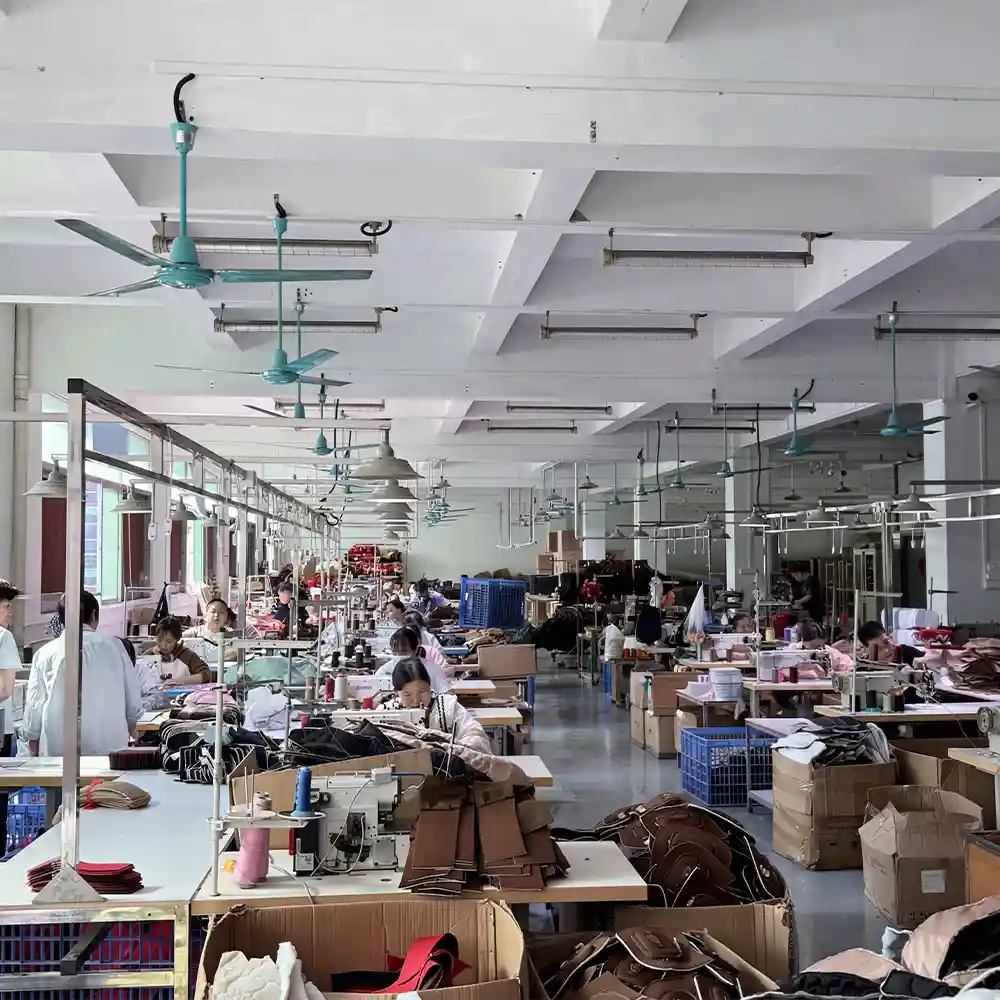
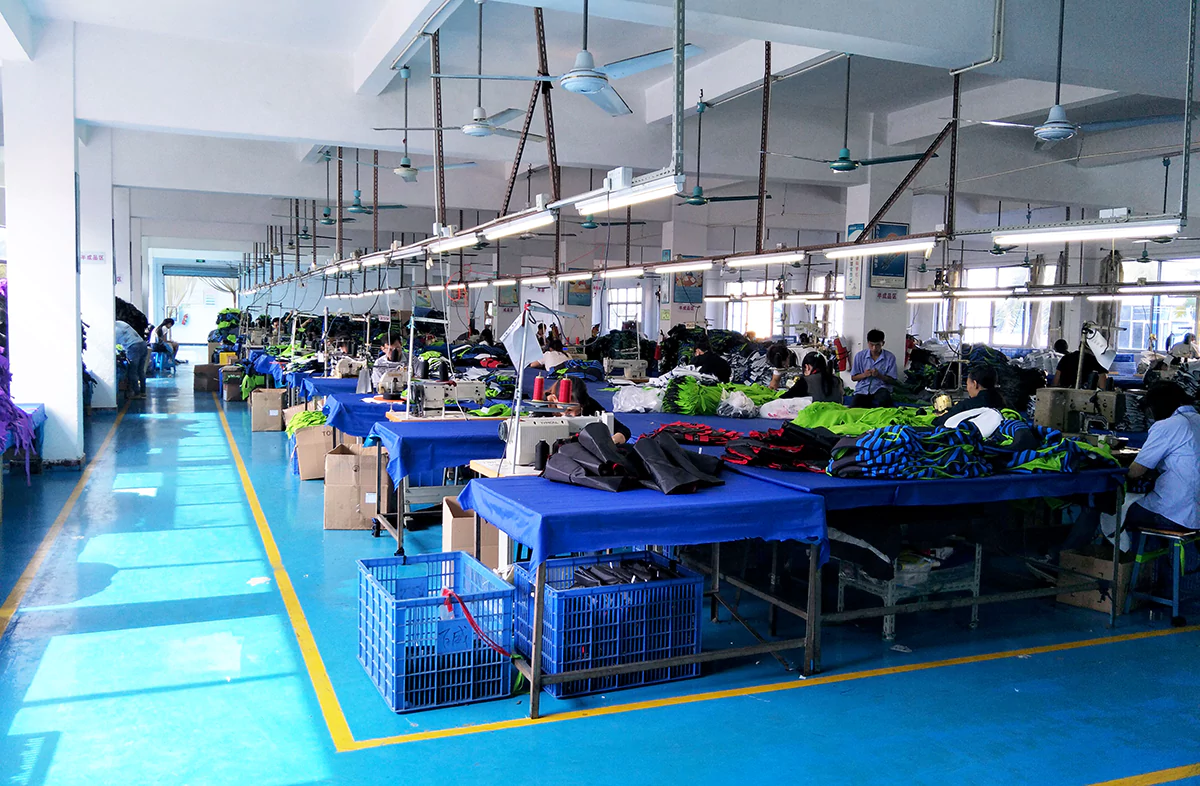
Eco-Friendly Manufacturing at FY Bag Factory

Material choice defines both the performance and personality of a bag.
At FY Custom Bag Factory, we maintain a curated library of tested textiles and leathers, allowing brands to match texture, durability, and story to their target market.
Every batch is inspected for strength, color stability, and compliance with international environmental standards.

FY Bag Factory — Engineering Material Excellence for Every Design

 - Custom Bag Fabrics-FY Custom Bag Manufacturer

Every bag starts as a fabric decision.
Before you choose size, style or printing, you’re really deciding:

  • How strong does this bag need to be?
  • How should it feel in hand and on the body?
  • How will it behave in rain, sun, daily wear, washing and transport?
  • What story do we want to tell: luxury, outdoor, eco, everyday basic?

The Custom Bag Fabric system at FYBagCustom is designed to answer those questions from a B2B, engineering-first perspective.

As a custom bag manufacturer in China, we don’t only ask “nylon or canvas?”

We ask what your customer needs, then match that with:

  • Nylon & polyester technical fabrics
  • Canvas & cotton for structure and natural feel
  • Leather & PU for fashion, luxury and structure
  • Straw, raffia & woven fibres for summer and lifestyle stories
  • Specialty & recycled fabrics for performance and sustainability

These fabrics become the foundation for all your other customizations: bag type, size, style, pattern, printing method, design features and special craftsmanship.
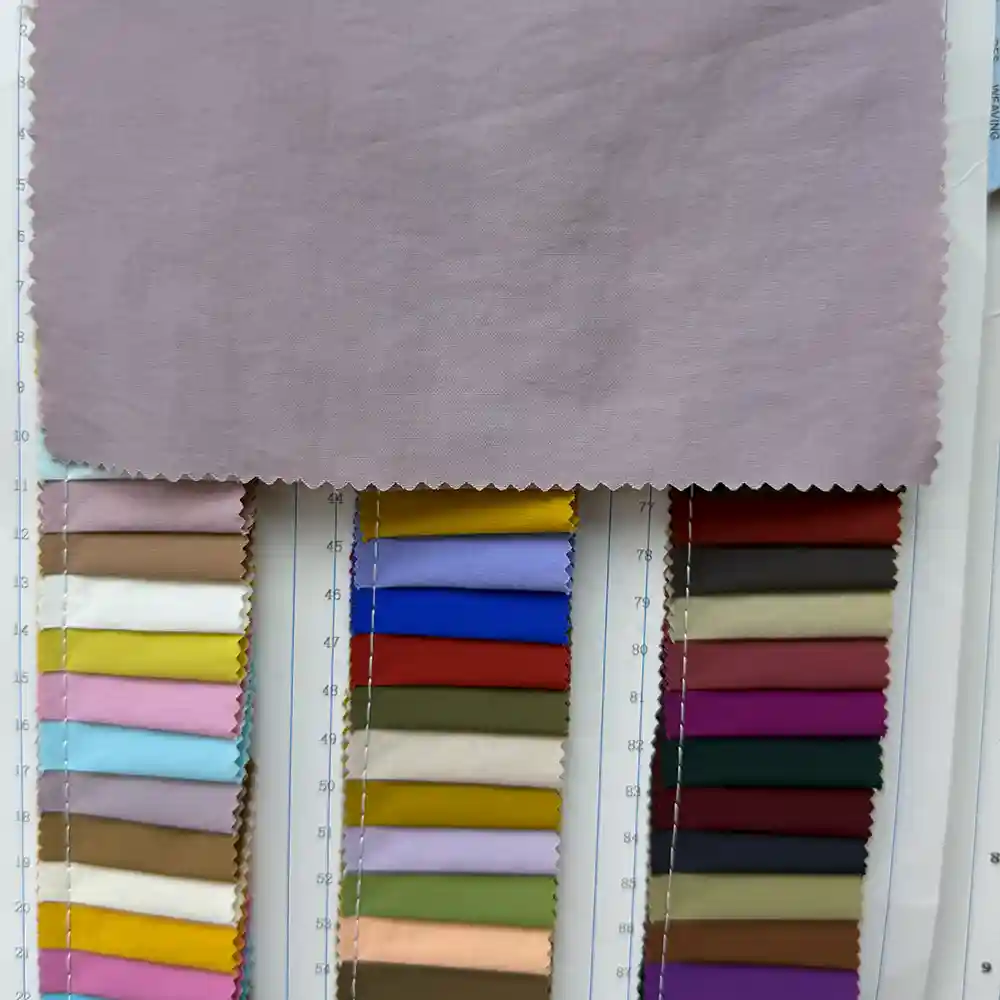
Why Fabric Choice Matters So Much in B2B Bag Projects

 - Custom Bag Fabrics-FY Custom Bag Manufacturer

1. Fabric Sets the Realistic Performance Ceiling

You can engineer straps and seams perfectly, but if the base fabric is weak, the bag will still fail early.
Fabric directly determines:

  • Tensile and tear strength
  • Abrasion resistance (how fast corners wear out)
  • Water behaviour (absorption vs. repellency vs. full waterproof with coatings)
  • Colorfastness to washing, rubbing and light (critical for keeping bags looking new)

For example, densely woven nylon and polyester fabrics are widely used in backpacks and travel bags because they combine good strength with relatively low weight and can be coated for water resistance.
 - Custom Bag Fabrics-FY Custom Bag Manufacturer

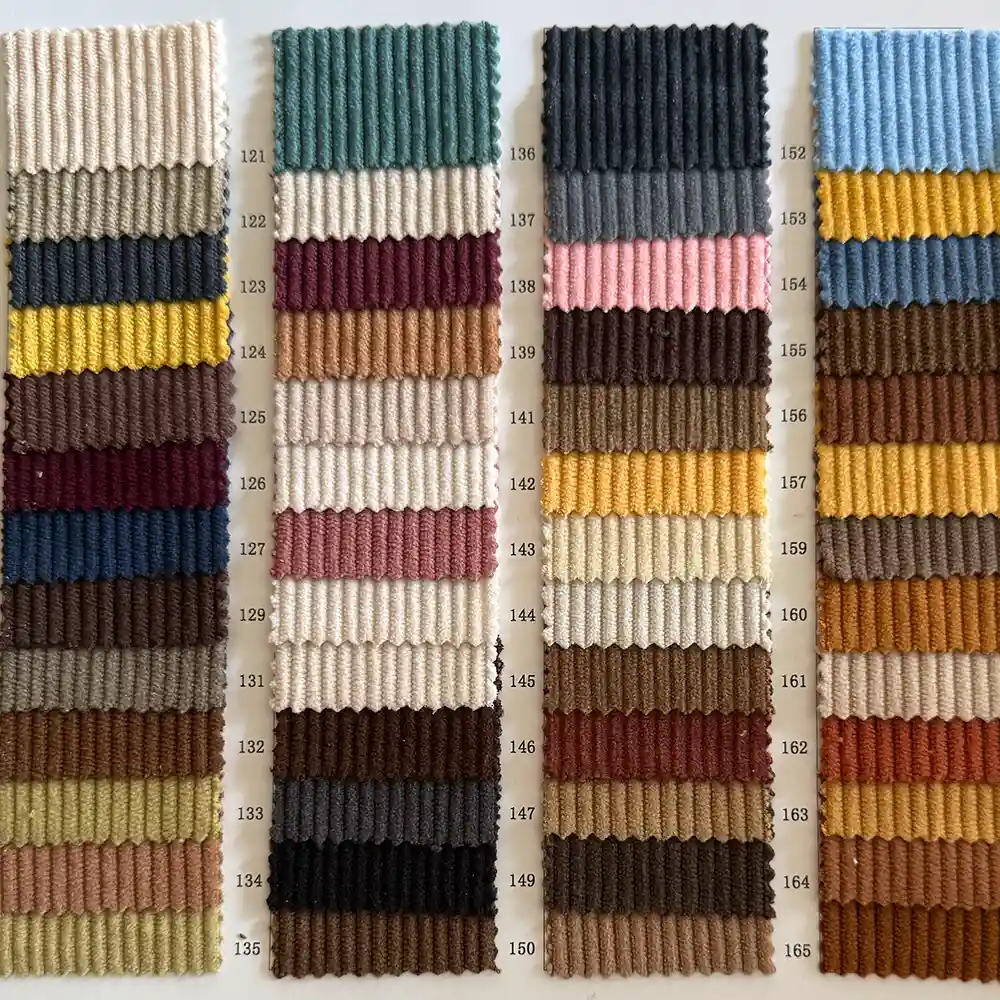
2. Fabric Drives Brand Positioning and Handfeel

The same silhouette in different fabrics can look like:

  • A premium product (leather, textured PU, heavy canvas)
  • A sport/outdoor piece (technical nylon, ripstop, coated polyester)
  • A casual everyday bag (washed cotton canvas, soft polyester blends)
  • A summer lifestyle piece (straw, raffia, woven textiles)

Your fabric system needs to match your Custom Bag Style: minimalist, functional, fashion, boho, handmade, etc.
 - Custom Bag Fabrics-FY Custom Bag Manufacturer

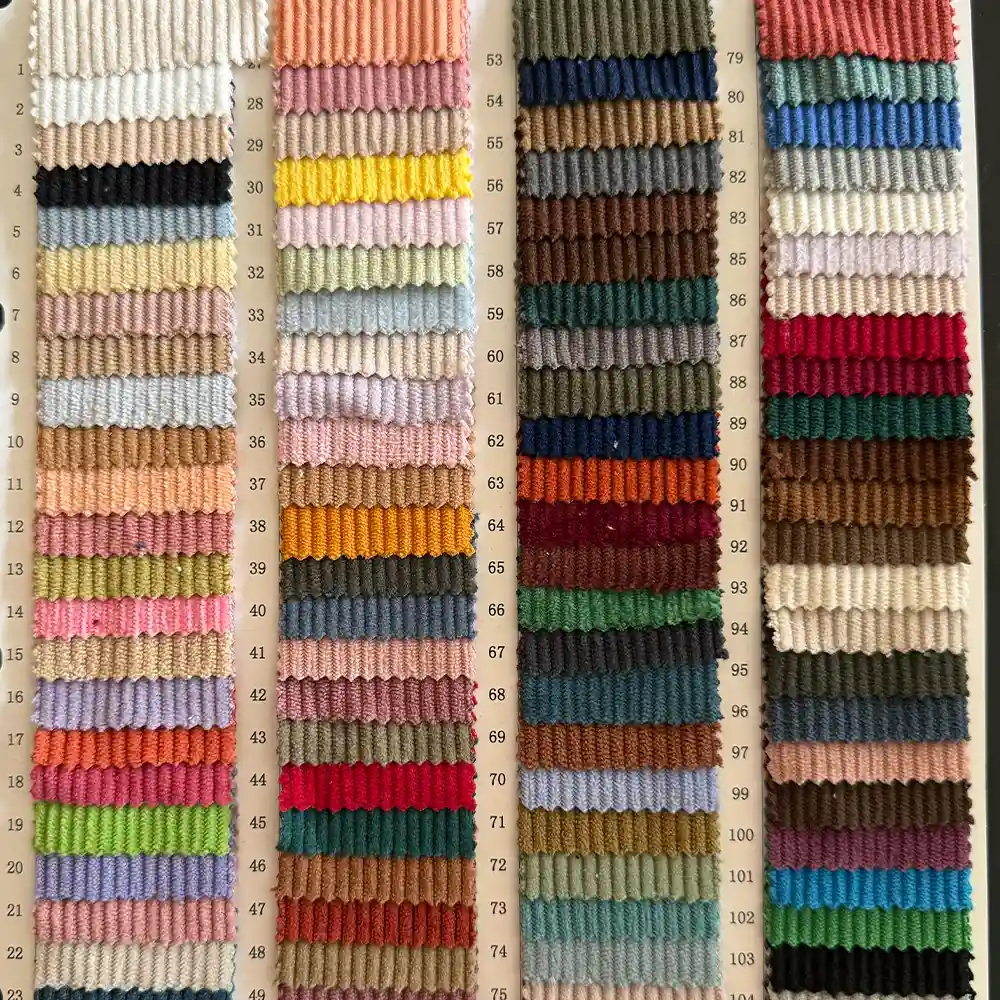
3. Fabric Controls Cost Structure and MOQs

Fabric choices define:

  • Base material cost per meter
  • Efficiency in cutting (waste rate, usable width)
  • MOQ from mills (especially for custom colors or performance finishes)

For B2B brands, the right custom bag fabric strategy balances:
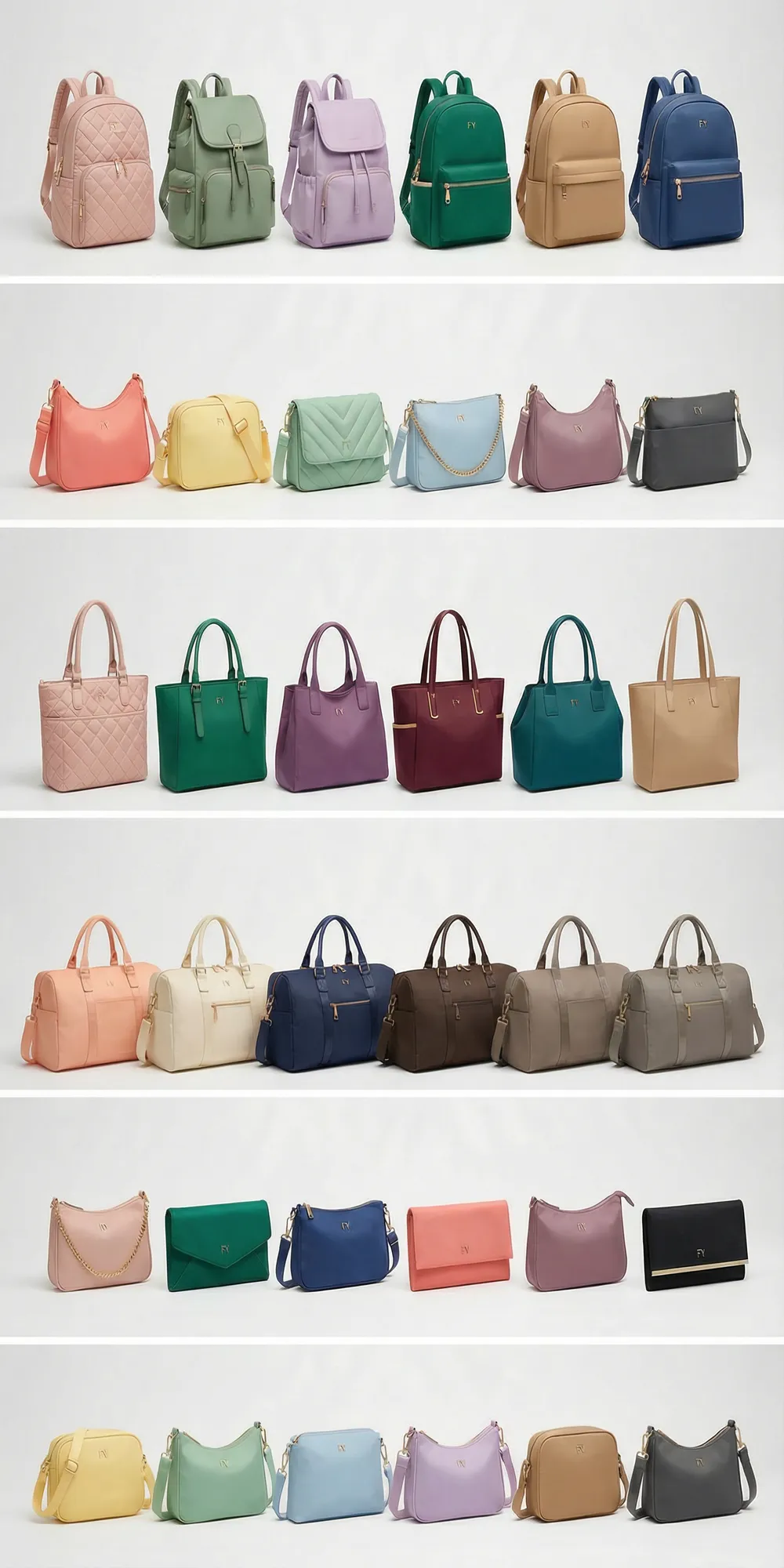
  • Hero SKUs with richer materials
  • Core styles with more cost-efficient fabrics
  • Future flexibility to recolor, re-pattern and extend lines without redoing everything from zero

FY Bag Factory Custom Bag Fabric Map

Nylon Bag Fabrics – Technical Backbone for Travel & Outdoor - Custom Bag Fabrics-FY Custom Bag Manufacturer

Nylon Bag Fabrics – Technical Backbone for Travel & Outdoor

Design Role & Use Scenarios

Nylon fabrics are common in:

  • Backpacks and travel daypacks
  • Duffle bags, weekender and sports bags
  • Technical crossbody and work bags
  • Some diaper bags and multi-function organizers

Why B2B brands choose nylon:

  • Good strength-to-weight ratio
  • Can be woven in many structures (plain, twill, ripstop) and deniers (thickness levels)
  • Accepts coatings and laminations for water resistance and durability

Structural & Material Logic

We typically define nylon by:

  • Denier (D) – higher denier = thicker, heavier yarns, more robust feel
  • Weave – plain, twill, or ripstop (reinforcement grid to improve tear resistance)
  • Finishes – PU/TPU coatings, DWR, sometimes laminated membranes

For a custom nylon bag, we match:

  • Lightweight nylon (e.g. 210D–300D) → packing cubes, cosmetic bags, inner linings
  • Mid-weight (e.g. 420D–600D) → city backpacks, tote backs, duffles
  • Heavy nylon (e.g. 840D+ or ballistic) → rugged travel, outdoor, gear bags

Process & Quality Standards

  • Strength tests: tensile, tear and abrasion appropriate to bag type
  • Coating/lamination checks for adhesion and flexibility
  • Colorfastness tests for light, rubbing and water
  • If combined with special craftsmanship (waterproof, insulation, etc.), we integrate nylon performance into the whole structure.

Polyester Bag Fabrics – Versatile, Printable and Cost-Effective

Design Role & Use Scenarios

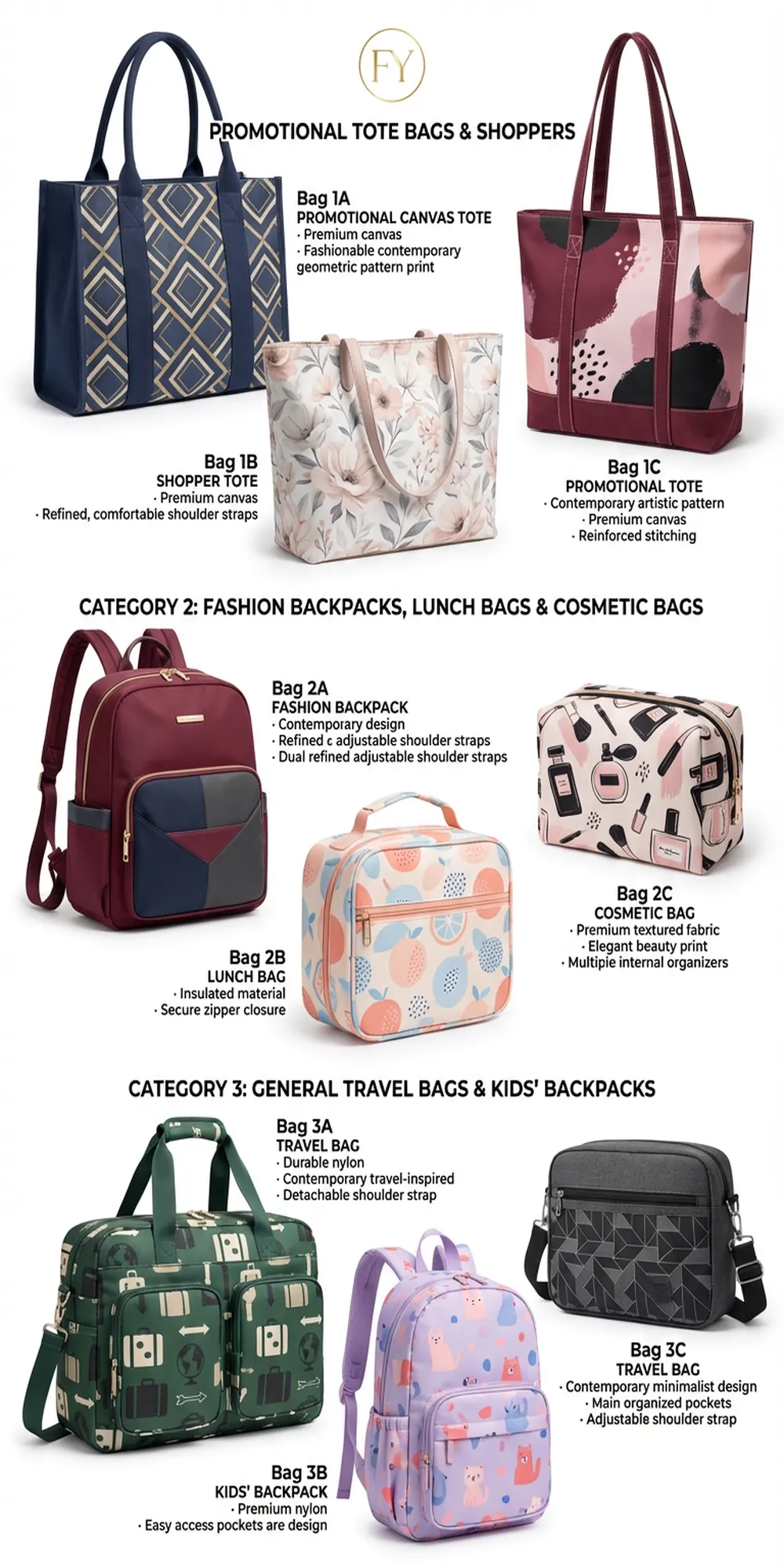
Polyester is widely used in:

  • Promotional tote bags and shoppers
  • Fashion backpacks, lunch bags, cosmetic bags
  • General travel bags and kids’ backpacks
  • Pattern-rich collections needing vivid prints

Why B2B brands choose polyester:

  • Broad price and quality range, often more cost-efficient than nylon
  • Good dimensional stability and wrinkle resistance
  • Compatible with many printing methods and sublimation for full-color patterns

Structural & Material Logic

For ​custom polyester bags​, we adjust:

  • Fabric weight & denier → from lightweight lining to heavy shell
  • Weave density and surface finish → matte, semi-matte, shiny, textured
  • Coatings and DWR → adjust water repellency, stiffness and handfeel

Polyester is often the base for:

Process & Quality Standards

  • Print optimization (color vibrancy, registration, pattern scale)
  • Strength, abrasion and pilling checks by category
  • Colorfastness to washing and rubbing, especially for kids and family segments
  • Combined evaluation with Custom Bag Pattern and Printing Method decisions
Polyester Bag Fabrics – Versatile, Printable and Cost-Effective - Custom Bag Fabrics-FY Custom Bag Manufacturer
Canvas Bag Fabrics – Structured, Honest & Brandable - Custom Bag Fabrics-FY Custom Bag Manufacturer

Canvas Bag Fabrics – Structured, Honest & Brandable

Design Role & Use Scenarios

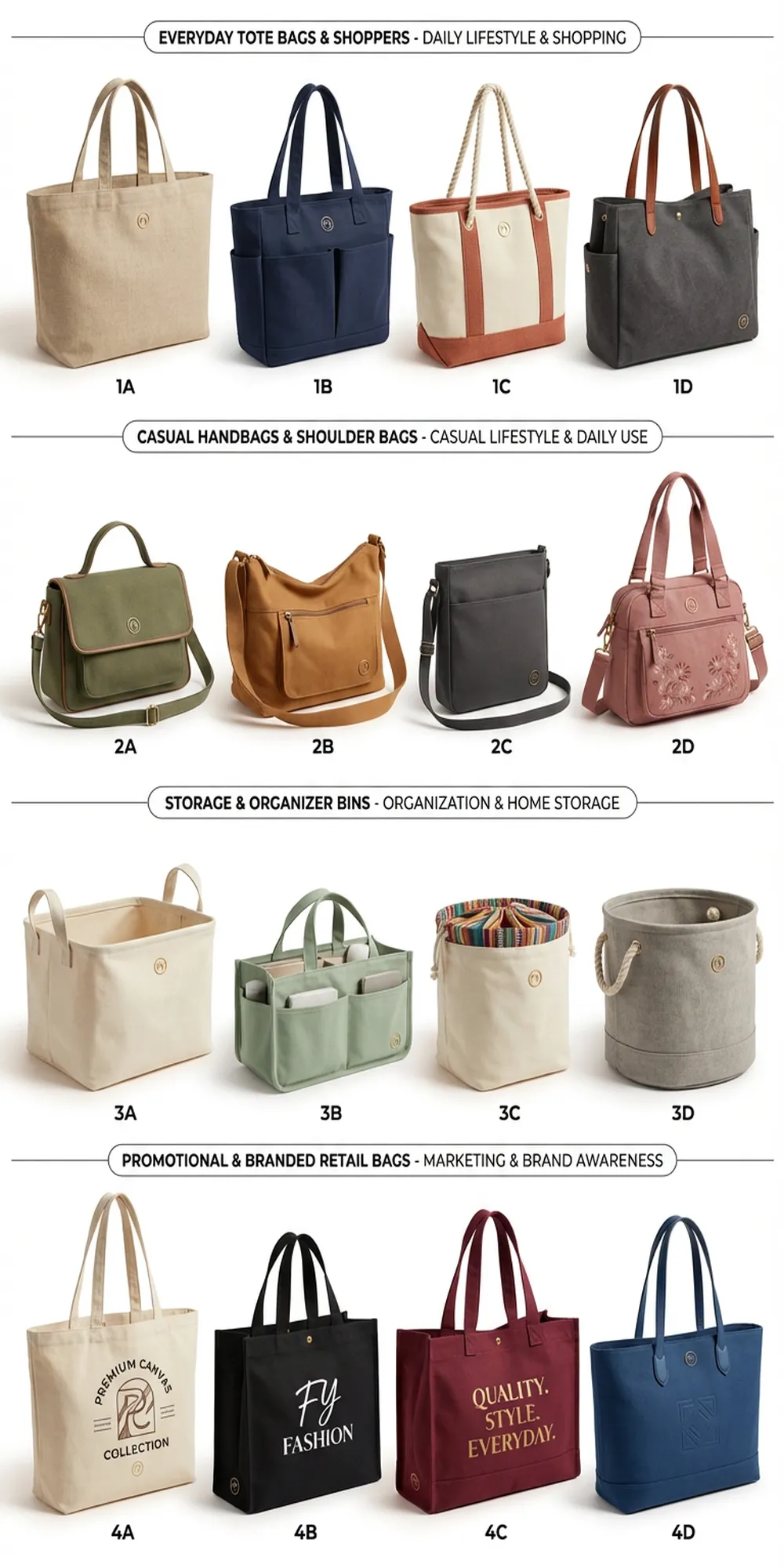
Canvas fabrics are common in:

  • Everyday tote bags and shoppers
  • Casual handbags and shoulder bags
  • Storage and organizer bins
  • Promotional and branded retail bags

Why B2B brands choose canvas:

  • Naturally structured handfeel that holds simple shapes well
  • An “honest, real material” look fitting lifestyle, eco and casual brands
  • Ideal base for screen printing, embroidery and badges—great for logos and bold graphics

Structural & Material Logic

We typically define canvas by:

  • Weight (oz / gsm) – higher weight = thicker, more rigid, more durable
  • Fiber content – 100% cotton, cotton/poly blends or cotton with recycled content
  • Finishes – garment-washed (softened), enzyme-washed, stone-washed, plus optional DWR or stain-resistant finishes

For a custom canvas bag, we match:

  • Light–mid weight canvas → casual shoppers, folding totes, dust bags and packing cubes
  • Mid–heavy canvas → structured tote bags, storage boxes, casual fashion handbags
  • Blended or recycled canvas → eco-positioned yet performance-conscious products

Process & Quality Standards

  • Shrinkage control – pre-treatment or wash protocols so finished bags keep their size and shape
  • Seam and handle engineering – stitch density, seam type and reinforcement patches tuned to fabric weight and load case
  • Colorfastness tests for washing, rubbing and light, especially n dark or vivid colors
  • When combined with printing or eco-treatments, we verify ink adhesion and finish compatibility on real bulk fabric.

Cotton Bag Fabrics – Soft-Handle, Natural & Close-to-Skin

Design Role & Use Scenarios

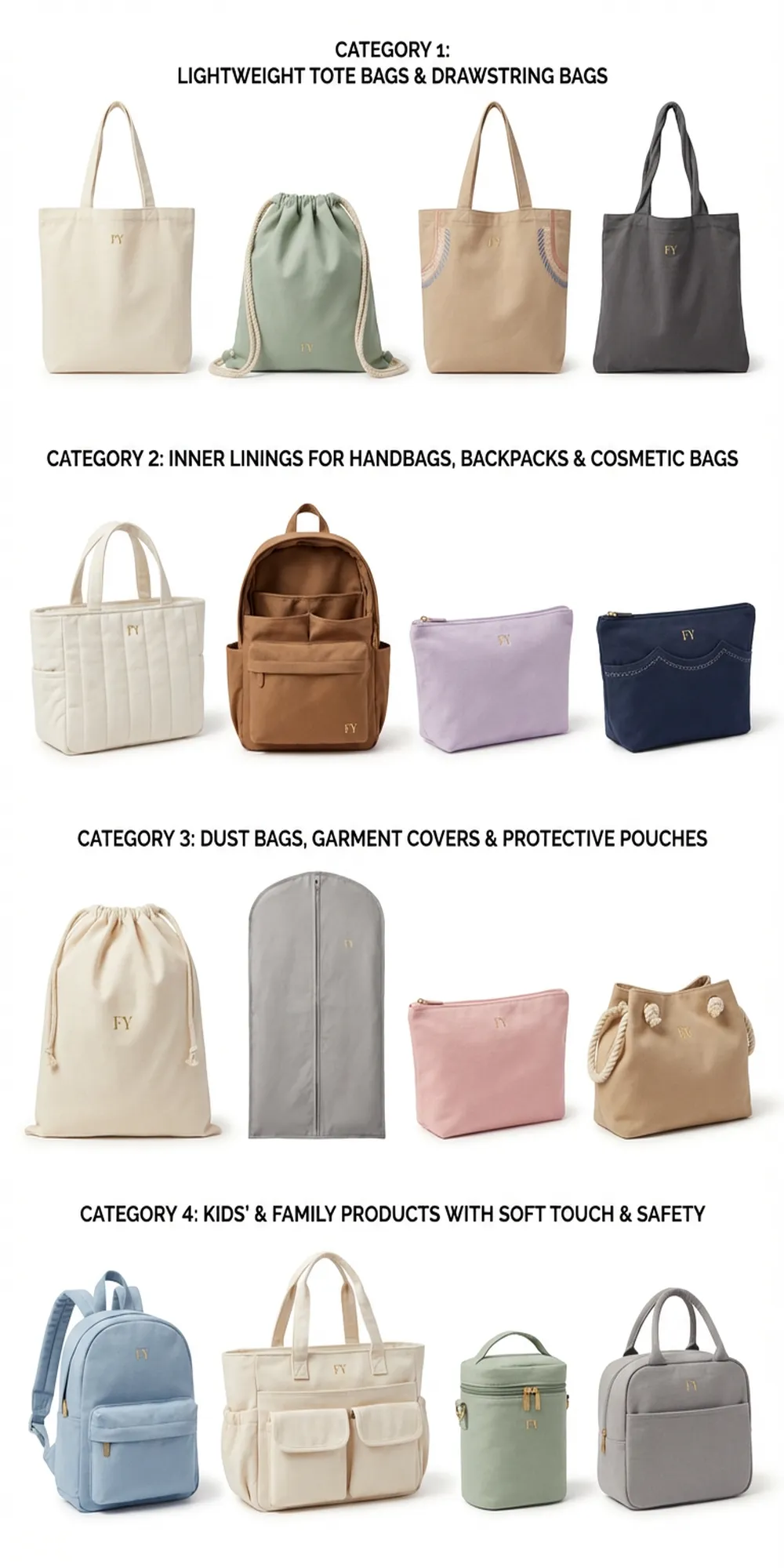
Cotton fabrics are common in:

  • Lightweight tote bags and drawstring bags
  • Inner linings for handbags, backpacks and cosmetic bags
  • Dust bags, garment covers and protective pouches
  • Kids’ and family products where soft touch and safety are key

Why B2B brands choose cotton:

  • Warm, natural handfeel that communicates comfort and simplicity
  • Breathable and pleasant against skin
  • Works well with prints, yarn-dyes and embroidery, supporting rich visual identity

Structural & Material Logic

We define cotton by:

  • Construction – plain weave, twill, poplin, sateen, or brushed/flannel-like surfaces
  • Thread count and weight – lighter for linings, mid-weight for drawstring and totes, heavier for outer shells
  • Blends – pure cotton vs. cotton/poly for reduced wrinkling and improved stability

For a custom cotton bag, we match:

  • Lightweight cotton → linings, drawstring pouches, dust bags, simple shoe bags
  • Medium cotton → everyday totes, kids backpacks, cosmetic pouches
  • Brushed or peached cotton → products where coziness and touch are central to the story

Process & Quality Standards

  • Shrinkage and twist tests, especially for washed or garment-dyed cotton
  • Seam and edge engineering to avoid fraying after repeated washing or use
  • Colorfastness to wash, rub and sweat—critical for light garments and kids segments
  • Interaction with outer fabrics and foams checked to avoid bulk, distortion or see-through issues.
Cotton Bag Fabrics – Soft-Handle, Natural & Close-to-Skin - Custom Bag Fabrics-FY Custom Bag Manufacturer
Leather & PU Bag Fabrics – Structure, Luxury & Fashion - Custom Bag Fabrics-FY Custom Bag Manufacturer

Leather & PU Bag Fabrics – Structure, Luxury & Fashion

Design Role & Use Scenarios

Leather and PU (synthetic leather) are key in:

  • Handbags, shoulder bags and crossbody bags
  • Wallets, card holders and small leather goods
  • Clutch and evening bags
  • Fashion-forward backpacks and mini bags

Why B2B brands choose leather/PU:

  • Strong fashion and luxury signal
  • Ability to hold sculpted shapes and clean edge lines
  • Compatible with emboss/deboss, foil stamping and other special craftsmanship

Structural & Material Logic

For a custom leather bag, we consider:

  • Type – full-grain, top-grain, split, corrected, nubuck, suede
  • Thickness & temper – stiffer for structured handbags, softer for slouchy or hobo styles
  • Surface finish – aniline, semi-aniline, pigmented, special textures

For PU (synthetic leather):

  • Base – woven or non-woven backing and PU layer thickness
  • Texture – smooth, pebble, saffiano, croc, lizard and more
  • Flex performance – resistance to cracking and creasing over time

We engineer linings, reinforcements and edge structures to support:
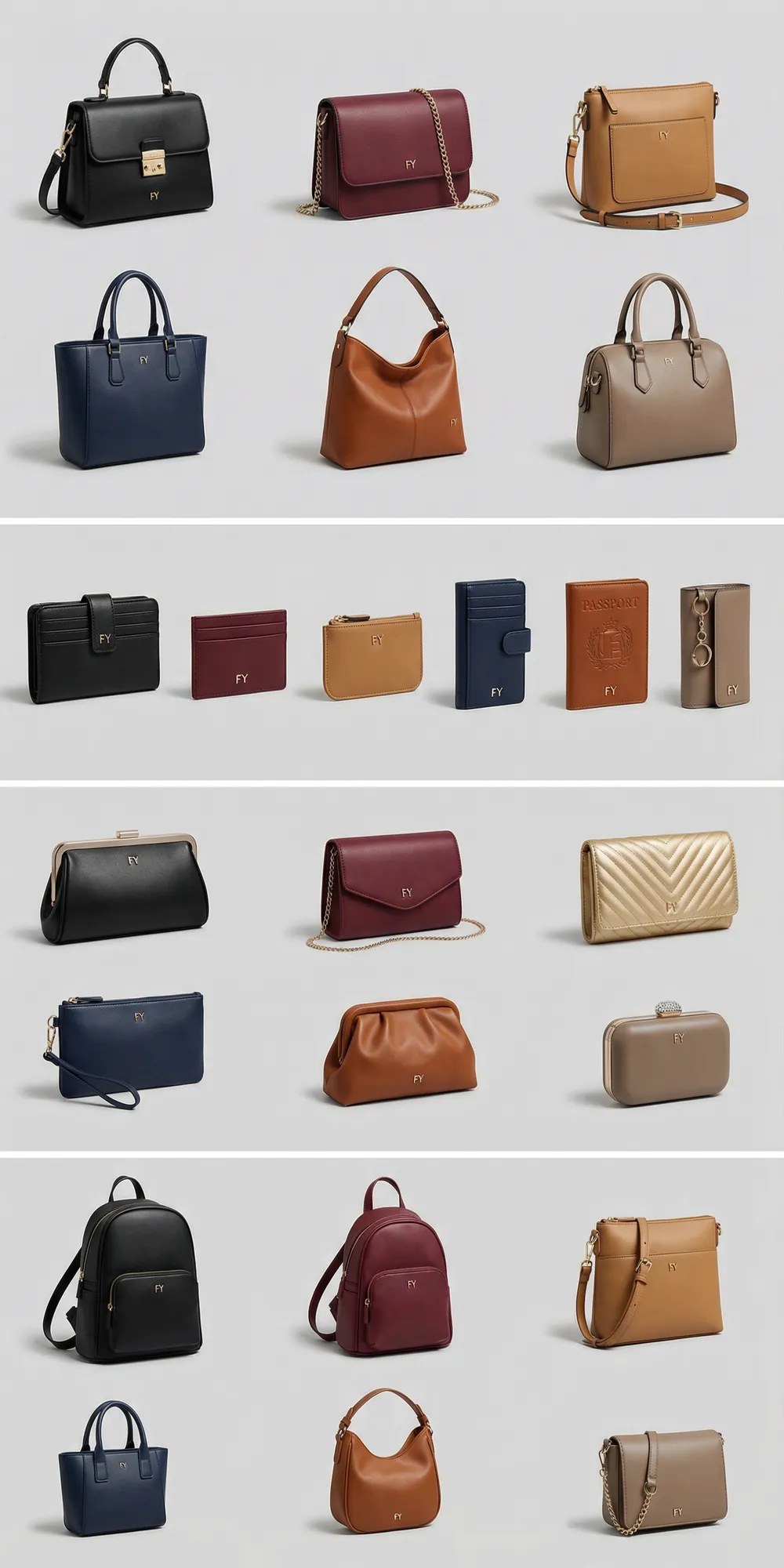
  • Stiffer materials → boxy handbags, structured totes, small square crossbody bags
  • Softer materials → slouchy shoppers, casual handbags, soft backpacks
  • High-texture or specialty finishes → hero SKUs and statement pieces

Process & Quality Standards

  • Edge paint adhesion and crack tests under bending and impact
  • Stitch density and thread choice tuned to thickness and type of leather/PU
  • Pull tests on handle and strap attachments, especially where materials interface with hardware
  • Surface inspection for wrinkles, scars (on leather), grain consistency and gloss across production batches.

Neoprene Bag Fabrics – Cushioned, Sporty & Modern

Design Role & Use Scenarios

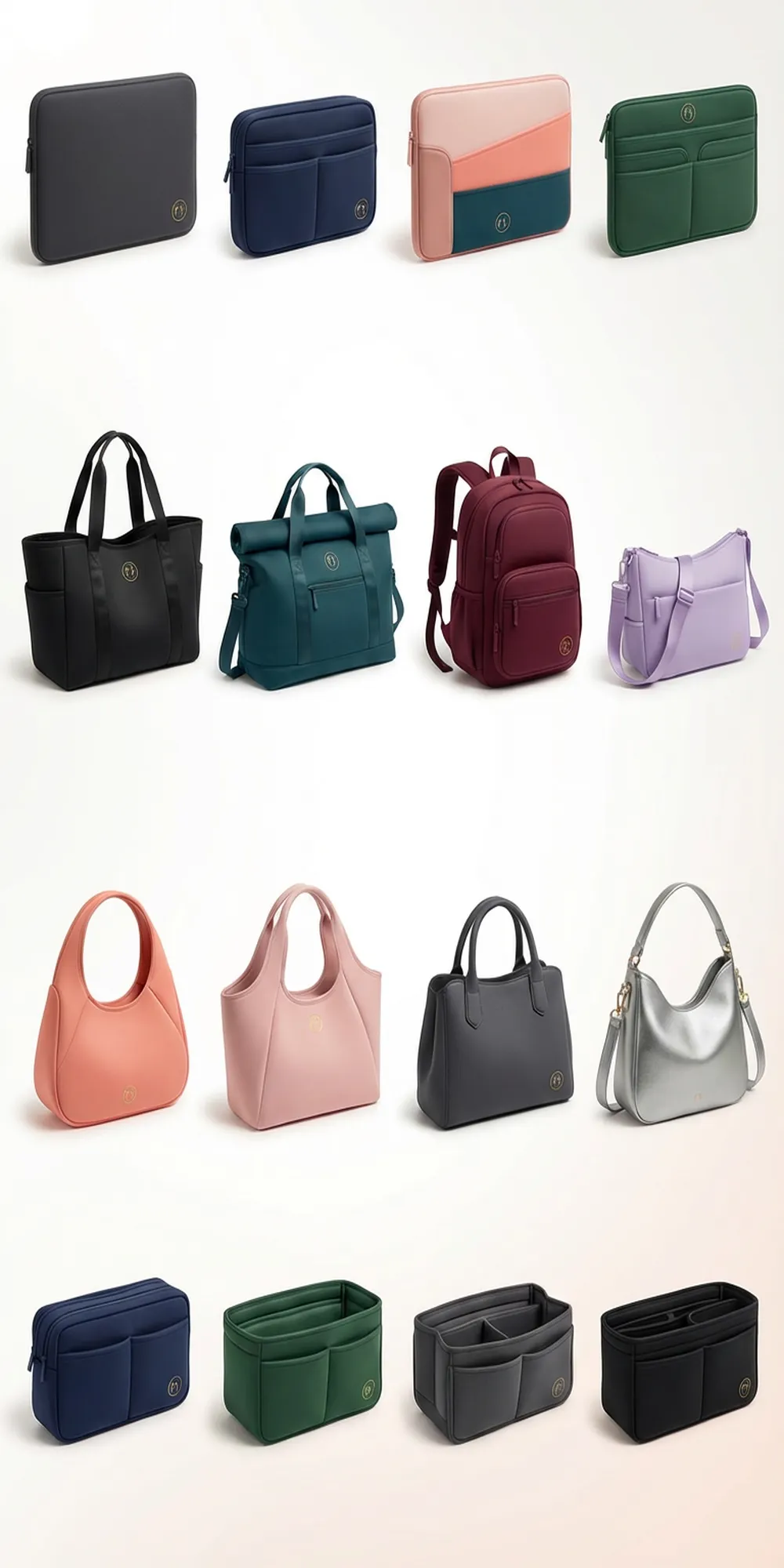
Neoprene (or neoprene-style) fabrics are common in:

  • Laptop sleeves and tech pouches
  • Gym totes, swim bags and sports backpacks
  • Fashion-forward handbags with soft, sculpted silhouettes
  • Protective organizer inserts

Why B2B brands choose neoprene:

  • Naturally cushioned and shock-absorbing structure
  • Clean, sculptural look that fits sporty, tech and minimalist aesthetics
  • Good stretch and recovery in many constructions, allowing close-fitting covers and sleeves

Structural & Material Logic

We define neoprene systems by:

  • Thickness – thicker for more impact absorption and sculpted shapes, thinner for flexible pouches
  • Face fabrics – knit polyester, nylon or blends laminated onto foam core
  • Foam density – balancing shock absorption with weight and flexibility

For a ​custom neoprene bag​, we match:

  • Thin neoprene → laptop sleeves, tablet covers, small pouches
  • Medium neoprene → gym totes, daypacks and fashion bags with soft structure
  • Hybrid structures (neoprene panels + woven fabrics) → where weight, breathability or aesthetics need fine-tuning

Process & Quality Standards

  • Lamination quality checks – no delamination, bubbles or early peeling between foam and face fabric
  • Compression and recovery tests—bags should regain shape after being squeezed or packed
  • Stitch design (flatlock, binding, zig-zag) optimized to prevent cracking at seams under stretch
  • For tech sleeves, we test real devices for fit, protection and heat behaviour, not just “theoretical” measurements.
Neoprene Bag Fabrics – Cushioned, Sporty & Modern - Custom Bag Fabrics-FY Custom Bag Manufacturer
Straw, Raffia & Woven Fibre Fabrics – Seasonal & Lifestyle Story - Custom Bag Fabrics-FY Custom Bag Manufacturer

Straw, Raffia & Woven Fibre Fabrics – Seasonal Texture & Vacation Story

Design Role & Use Scenarios

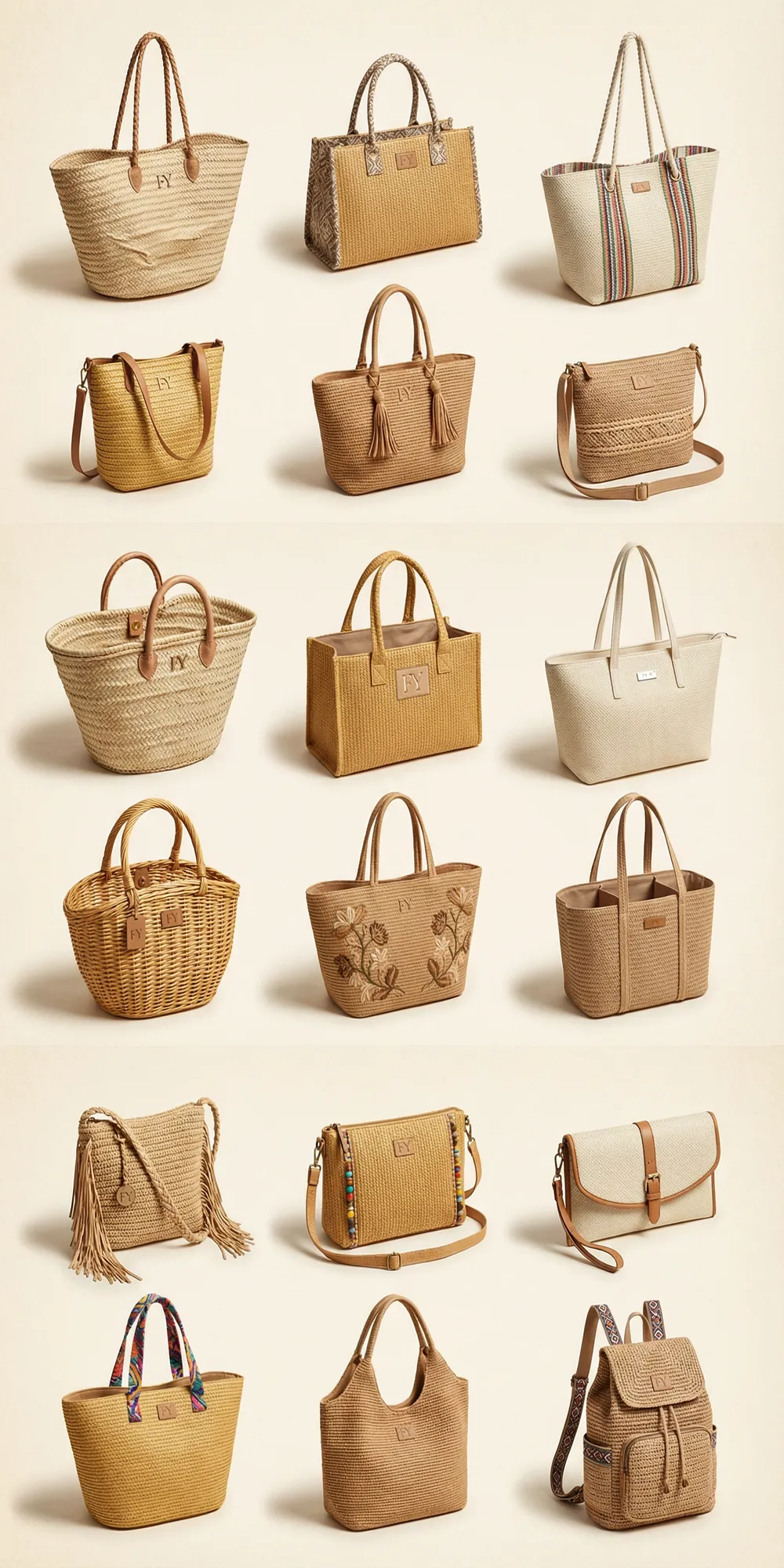
Straw, raffia and similar woven fibres are perfect for:

  • Beach totes and resort handbags
  • Market baskets and picnic bags
  • Boho and summer capsule collections

Why B2B brands choose these:

  • Instantly communicates summer, vacation and relaxed lifestyle
  • Rich, tactile texture that photographs well for campaigns and social media
  • Works beautifully as contrast against smooth leather/PU or fabrics

Structural & Material Logic

We consider straw systems in terms of:

  • Material type – natural straw, paper yarn, synthetic straw, raffia-style fibres
  • Weave structure – simple plain weave, braided, crochet, plaited panels, etc.
  • Substructures – internal frames, linings or base fabrics to support the woven shell

For a custom straw bag, we match:

  • Lightweight woven shells + canvas/linen lining → beach totes, relaxed shoppers
  • Denser weaves + PU trims and reinforcements → structured summer handbags and baskets
  • Straw panels + other fabrics → hybrid fashion bags with seasonal accents

Process & Quality Standards

  • Shape stability tests under real loads—straw shells should not deform excessively
  • Edge finishing and handle junctions to avoid prickly edges or fibre breakage
  • Moisture and humidity behaviour checks (especially for natural straw and paper yarns)
  • Colour stability to sunlight for dyed or tinted straw materials.

Non-Woven Bag Fabrics – Lightweight, Efficient & Promotional

Specialty Technical Fabrics

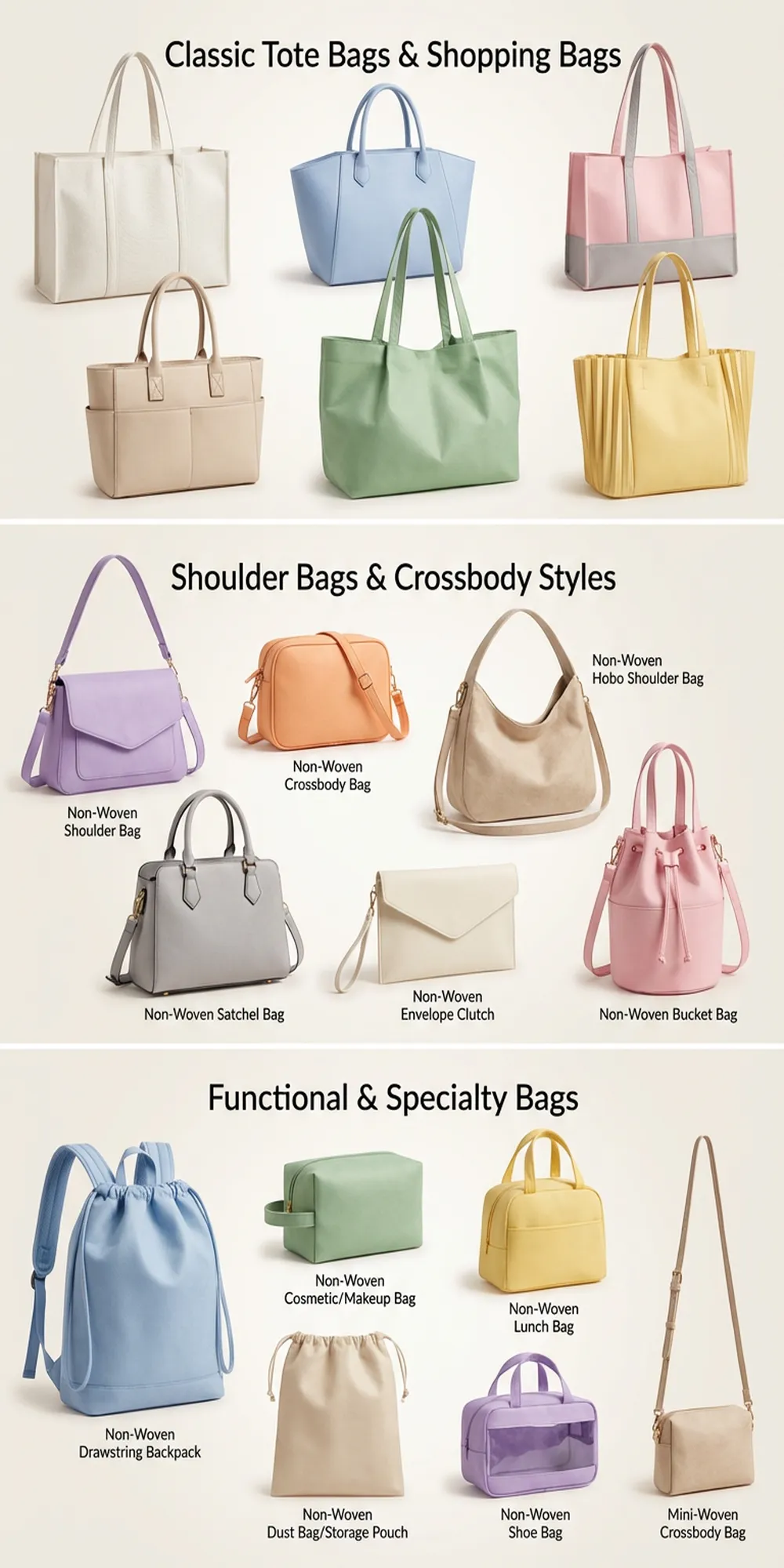
Non-woven fabrics are common in:

  • Promotional tote bags and event giveaways
  • Retail shopping bags for campaigns and store programs
  • Simple storage covers, dust bags and shoe bags

Why B2B brands choose non-woven:

  • Very cost-effective for large volume orders
  • Light, easily foldable and simple to produce in many colors
  • Compatible with basic printing, ideal for logo-centric projects

Structural & Material Logic

We categorize non-wovens by:

  • Weight (gsm) – higher gsm = thicker, stronger, more opaque
  • Fiber type – often polypropylene (PP) or similar synthetic fibres
  • Bonding method – spunbond, meltblown, etc., influencing strength and surface texture

For a ​custom non-woven bag​, we match:

  • Light non-woven (e.g. 60–80 gsm) → simple giveaway totes, dust covers
  • Mid-weight (e.g. 80–100 gsm) → retail shoppers and repeat-use shopping bags
  • Higher gsm or reinforced structures → storage organizers and slightly heavier loads

Process & Quality Standards

  • Handle and seam strength tests matching expected load, even on low-cost bags
  • Printability checks for your chosen logo method (screen, flexo, heat transfer)
  • Edge finishing (binding, ultrasonic welding) to prevent easy tearing
  • For retail or long-running programs, we consider reusability and brand image, not just unit cost.
Non-Woven Bag Fabrics – Lightweight, Efficient & Promotional - Custom Bag Fabrics-FY Custom Bag Manufacturer
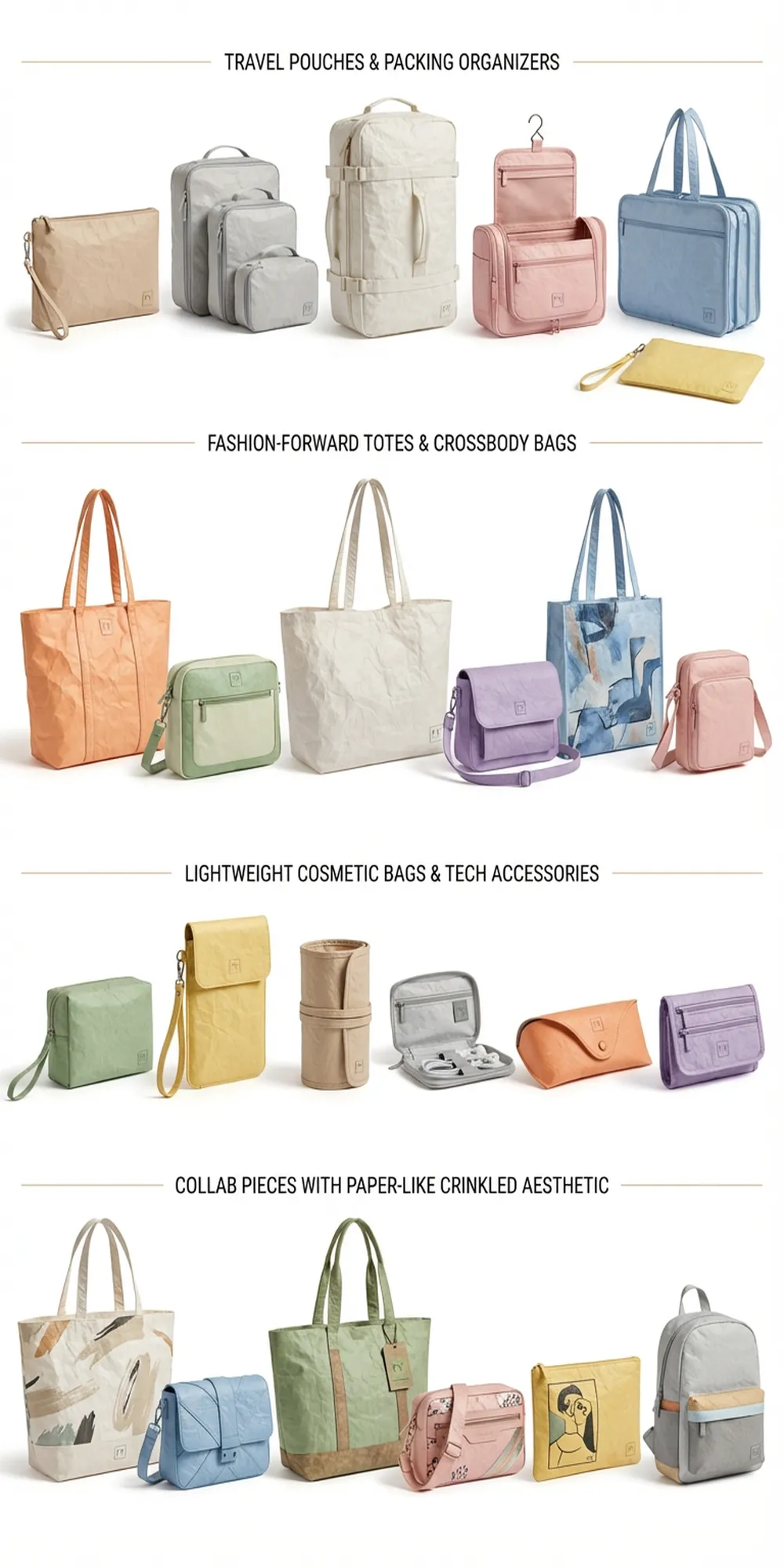
Tyvek® / Tyvek-Like Bag Fabrics – Ultra-Light, Technical & Design-Forward - Custom Bag Fabrics-FY Custom Bag Manufacturer

Tyvek® / Tyvek-Like Bag Fabrics – Ultra-Light, Technical & Design-Forward

Specialty Technical Fabrics

Tyvek-type materials are common in:

  • Travel pouches and packing organizers
  • Fashion-forward totes and crossbody bags
  • Lightweight cosmetic bags and tech accessories
  • Collab pieces where a paper-like, crinkled aesthetic is part of the design

Why B2B brands choose Tyvek-style fabrics:

  • Unique paper-meets-technical look that stands out online and in-store
  • Very light weight with surprising tear-resistance relative to appearance
  • Strong storytelling value for urban, experimental and eco-inspired lines

Structural & Material Logic

We look at Tyvek-like materials in terms of:

  • Basis weight – determining stiffness, opacity and perceived quality
  • Surface finish – smoother vs. heavily crinkled, matte vs. semi-gloss
  • Lamination or backing – sometimes bonded to fabrics for more structure and comfort

For a custom Tyvek bag, we match:

  • Single-layer Tyvek-style → ultra-light travel organizers and branded pouches
  • Laminated Tyvek/fabric composites → tote and backpack shells with more body
  • Tyvek accents (pockets, panels, branding zones) → design details on other base fabrics

Process & Quality Standards

  • Folding and crease behaviour tests – ensuring crinkles look intentional, not like damage
  • Tear-resistance tests along seams and stress points
  • Print tests (screen, digital, transfer) to confirm adhesion and crack resistance
  • If used in eco storytelling, we align material specs and marketing claims.

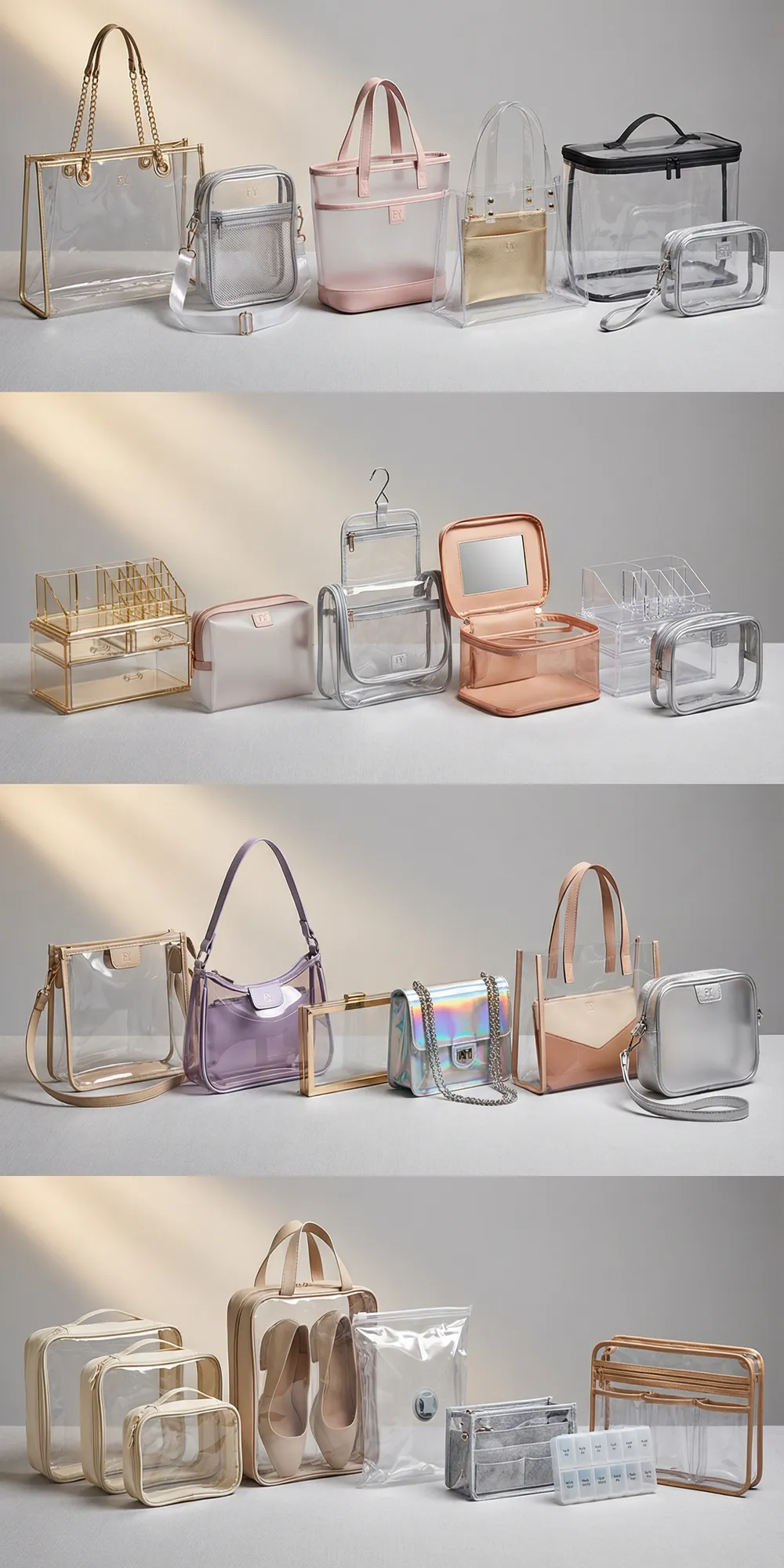
PVC & Clear PVC Bag Fabrics – Smooth, Wipe-Clean & Transparent

Specialty Technical Fabrics

PVC and clear PVC are common in:

Why B2B brands choose PVC / clear PVC:

  • Fully wipe-clean surface, perfect for cosmetics, liquids and events
  • Transparency supports security checks and product visibility
  • Strong visual presence for fashion statements and promotional items

Structural & Material Logic

We define PVC systems by:

  • Thickness (mm or gauge) – thinner for small pouches, thicker for structural bags
  • Softness (flexibility) – softer for folding and comfort, stiffer for defined shapes
  • Transparency & tint – crystal clear, frosted, tinted or fully opaque PVC

For a custom PVC bag, we match:

  • Thin, soft clear PVC → cosmetic pouches, inner organizers, travel sets
  • Medium clear PVC → stadium totes, clear backpacks, worksite security bags
  • Opaque or semi-opaque PVC → fashion bags with glossy, smooth panels or full shells

Process & Quality Standards

  • Heat welding and sewing parameter control to avoid burn marks, brittleness or weak welds
  • Cold-crack and yellowing tests over time, especially for clear bags stored or used in varying climates
  • Visual QC for bubbles, scratches and haze in transparent panels
  • For stadium/security use, we align dimensions, transparency level and hardware choices with typical venue expectations.
PVC & Clear PVC Bag Fabrics – Smooth, Wipe-Clean & Transparent - Custom Bag Fabrics-FY Custom Bag Manufacturer
Jute / Burlap Bag Fabrics – Rustic, Textural & Earthy - Custom Bag Fabrics-FY Custom Bag Manufacturer

Jute / Burlap Bag Fabrics – Rustic, Textural & Earthy

Specialty Technical Fabrics

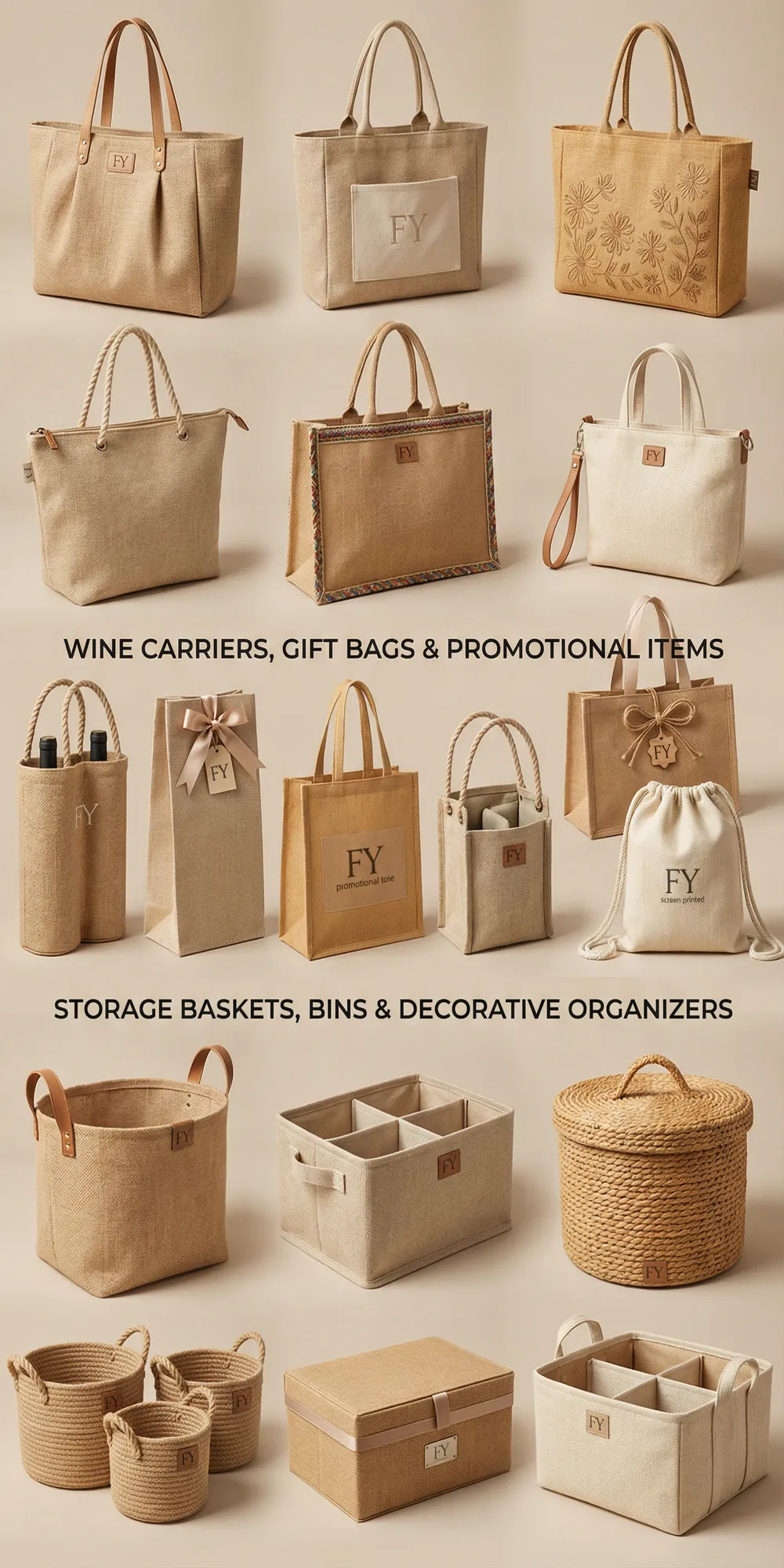
Jute and burlap are common in:

  • Rustic tote bags and shoppers
  • Wine carriers, gift bags and promotional items
  • Storage baskets, bins and decorative organizers

Why B2B brands choose jute/burlap:

  • Strong texture and natural story that signals earthiness and craft
  • Visually stands out among smooth synthetic surfaces
  • Works well in eco, organic, farm-to-table and artisanal narratives

Structural & Material Logic

We approach jute/burlap by:

  • Weave density and yarn thickness – open weaves feel raw; tighter weaves feel more refined and durable
  • Blend or layering – pure jute vs. jute/cotton or jute/poly, or jute outer with canvas/PP linings
  • Backings and coatings – optional lamination for shape retention and reduced fibre shedding

For a custom jute bag, we match:

  • Raw jute outer + inner lining → shoppers and wine/gift bags
  • Jute + laminated backing → storage bins and structured organizers
  • Jute accents (pockets, trims) → lifestyle bags with mixed-material storytelling

Process & Quality Standards

  • Fibre shedding and dust checks—important for retail and home environments
  • Handle/junction reinforcement where stiff fibres meet softer materials
  • Odour evaluation and airing protocols, especially for natural jute in closed packaging
  • Print tests (screen, transfer) to ensure logos remain legible on the rough surface.

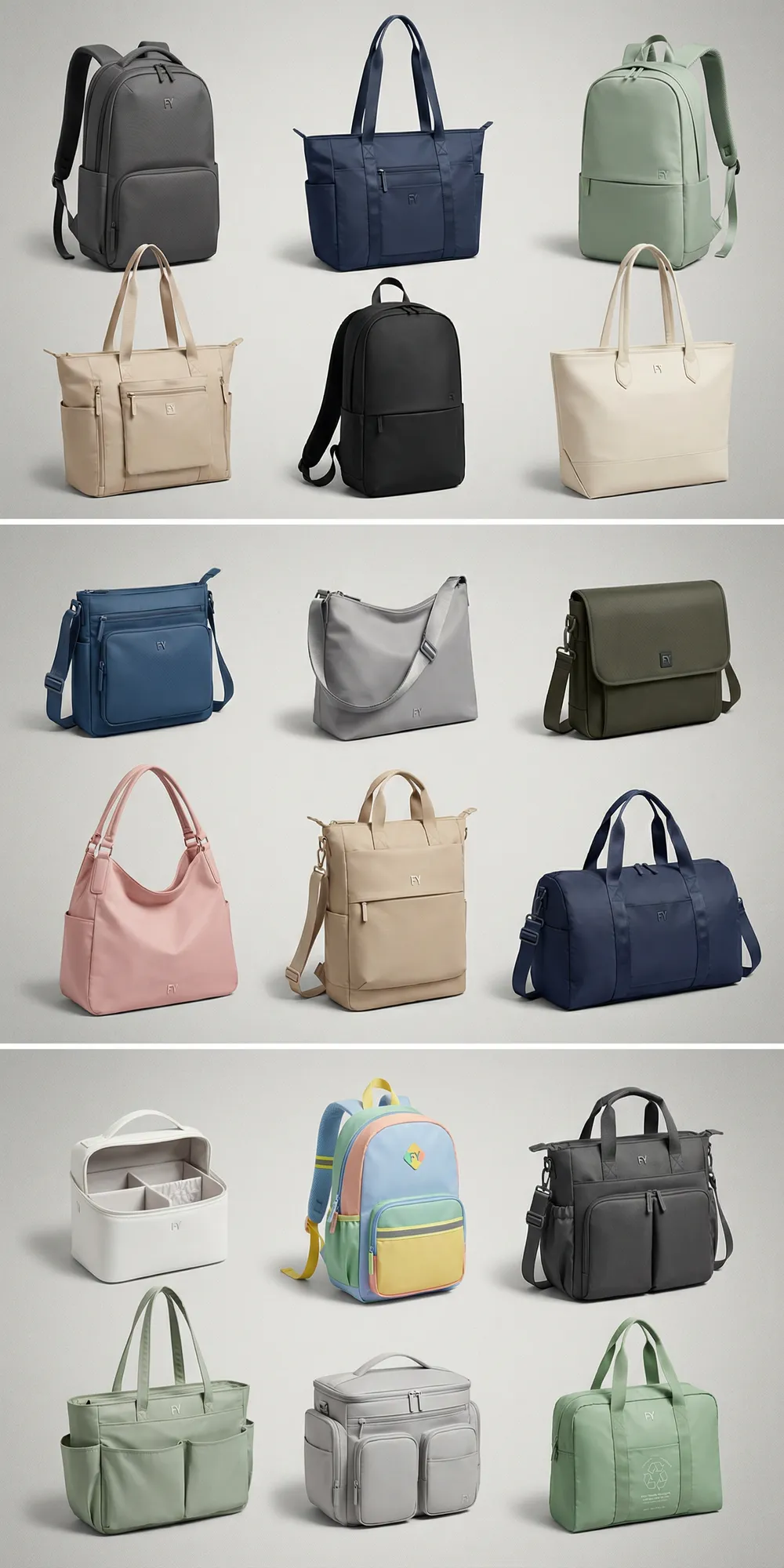
Eco-Friendly & Recycled Bag Fabrics – Sustainability with Real-World Performance

Specialty Technical Fabrics

Eco-friendly and recycled fabrics are increasingly used in:

  • Everyday backpacks and totes for eco-conscious brands
  • Lifestyle and commuter bags marketed as “responsible choices”
  • Beauty, kids and family products where health and environment messaging matter
  • Corporate and promotional projects with sustainability targets

Why B2B brands choose eco fabrics:

  • Enable credible sustainability stories (recycled content, reduced chemicals, eco finishes)
  • Differentiate in crowded categories without relying only on print or shape
  • Align with retailer and corporate ESG requirements

Structural & Material Logic

We work with:

  • Recycled base fabrics – rPET (recycled polyester), recycled nylon, sometimes recycled PU systems
  • Eco finishes – PFC-free DWR, anti-odor, anti-bacterial, stain-release, easy-clean coatings
  • Natural or organic options – organic cotton canvas, blends with recycled content where feasible

For a ​custom eco-friendly bag​, we match:

Process & Quality Standards

  • Verify strength, abrasion and colorfastness to ensure eco materials still meet bag performance requirements
  • Check compatibility of printing, lamination and heat processes with eco finishes and recycled fibres
  • Support documentation (where available): recycled content declarations, certificates, eco-finish specs
  • Balance story and reality: we help you avoid over-claiming and design specs that your supply chain can consistently meet.
Eco-Friendly & Recycled Bag Fabrics – Sustainability with Real-World Performance - Custom Bag Fabrics-FY Custom Bag Manufacturer

Start Your Custom Bag Fabric Project with FYBagCustom

Tell us your bag types, target customers and desired brand image.

We’ll build a custom bag fabric roadmap and material system that supports your current collection—and your future growth.

How We Help You Choose the Right Bag Fabric

 - Custom Bag Fabrics-FY Custom Bag Manufacturer

Step 1 – Use Scenario & Brand Brief

You tell us:

  • Who will use the bag (office worker, student, parent, traveler, outdoor enthusiast, beauty customer…)
  • In what conditions (rainy city, hot & humid, indoor, industrial, beach…)
  • What your brand image is (luxury, minimalist, eco, sporty, casual, playful…)
 - Custom Bag Fabrics-FY Custom Bag Manufacturer

Step 2 – Fabric Shortlist

We propose:

  • 2–4 suitable fabric options per bag type (e.g. canvas vs. polyester vs. nylon)
  • Pros and cons for each in terms of look, performance, cost and MOQ
  • Suggestions for combining fabrics (e.g. nylon shell + PU trim, straw body + canvas lining)
 - Custom Bag Fabrics-FY Custom Bag Manufacturer

Step 3 – Swatches, Samples & Testing

We:

  • Provide fabric swatches for touch and visual review
  • Build material-first prototypes by fabric to see drape, shape and color
  • Perform initial tests and adjust weight/finish if needed
 - Custom Bag Fabrics-FY Custom Bag Manufacturer

Step 4 – Locking the Fabric System

When final fabrics are chosen:

  • We record specs in tech packs (supplier, construction, weight, finishes)
  • Integrate them with color, pattern, printing, design features and special craftsmanship
  • Use the same fabric system across multiple SKUs and seasons for consistency and cost efficiency

Fabric Selection Matrix — Function vs Performance

FabricWater ResistanceWeightTexturePrintabilitySustainabilityTypical Bags
Nylon★★★★☆LightSmoothModerate★★☆☆☆Backpack / Duffle
Polyester★★★★☆LightSemi-smooth★★★★★★★★☆☆Tote / Storage
Canvas★★★☆☆MediumTextured★★★★☆★★★★☆Tote / Storage
Cotton★★☆☆☆MediumSoft★★★☆☆★★★★★Makeup / Lunch
Leather★★★★★HeavyLuxuriousLaser / Emboss★★☆☆☆Handbag / Wallet
Neoprene★★★★☆MediumElastic★★★☆☆★★★☆☆Laptop / Sports
Tyvek★★★★☆Ultra LightPaper-like★★★★☆★★★★★Eco Tote / Travel
PVC★★★★★MediumGlossy★★★★☆★★☆☆☆Cosmetic / Clear
Jute★★☆☆☆MediumCoarse★★☆☆☆★★★★★Beach / Gift
Straw★★☆☆☆LightBraidedLimited★★★★☆Resort / Boho
Non-Woven★★☆☆☆Ultra LightFlat★★★☆☆★★★★☆Promo / Packaging
RPET / Eco★★★★☆LightVariable★★★★☆★★★★★Sustainable Lines

FY Custom Bag Factory Fabric List

MaterialKey AdvantagesBest-Fit Bag TypesSustainability & Compliance Notes
Cotton Canvas (10–20 oz)Breathable, sturdy, natural texture, supports detailed screen-printing.Tote Bag / Shopping Bag / Beach Bag / Storage Bag100% cotton, biodegradable; OEKO-TEX certified available.
Organic Cotton CanvasGOTS-certified fiber, low-impact dyeing, premium eco appeal.Sustainable Totes / Gift BagsCertified organic; fully compostable.
Denim CanvasDistinct weave, abrasion-resistant, fashion-forward.Tote Bag / Backpack / Bucket BagCotton-based, long-life cycle reduces waste.
Oxford Nylon (300D–600D)Lightweight, waterproof, color-rich; resists tearing.Travel Tote / Backpack / Duffel BagRPET versions available from recycled bottles.
Ripstop Nylon / PolyesterGrid-reinforced weave prevents tearing; strong yet soft.Outdoor Tote / Crossbody Bag / BackpackAvailable in recycled filament; fluorine-free coatings optional.
RPET (Recycled Polyester)Made from post-consumer PET; strong, smooth, waterproof.Eco Tote / Travel Bag / Storage BagGRS certified; reduces CO₂ and plastic waste.
Polyester Twill / OxfordAffordable, wrinkle-resistant, holds color well.Promotional Tote / Storage BagREACH compliant; recyclable fibers.
Tyvek® / Paper-like FabricFeather-light, tear-resistant, water-resistant with unique crinkle look.Eco Tote / Gift Bag / Makeup Bag100% recyclable HDPE; PVC-free.
PU (Vegan Leather)Looks and feels like leather, consistent grain, low cost.Tote Bag / Handbag / Work BagSolvent-free / water-based PU available.
Microfiber PU LeatherHigher density, fine grain, soft handfeel, easy maintenance.Premium Tote / HandbagLong lifespan reduces replacement waste.
Genuine Leather (Cow / Goat / Sheepskin)Natural grain, strength, luxury feel; develops patina.Leather Tote / Satchel / Handbag / WalletSourced from audited tanneries; vegetable-tanned options.
Split Leather / Bonded LeatherEconomical leather option with uniform surface.Work Tote / Corporate Gift BagReuses leather fibers; low waste production.
Suede / NubuckVelvety touch, premium aesthetic.Luxury Tote / Clutch BagChrome-free tanning available.
PVC / TPU FilmGlossy, waterproof, ideal for clear or fashion totes.Beach Bag / Travel Tote / Storage BagBPA-free PVC and recyclable TPU options.
Neoprene / SBR RubberSoft, flexible, shock-absorbing; sporty look.Gym Tote / Laptop Bag / Beach BagDurable synthetic; recyclable SBR formulations.
Polyurethane Foam LaminatesAdds body and insulation; keeps shape.Structured Tote / Lunch BagNon-toxic, CFC-free.
Jute / Hemp / LinenRustic texture, strong natural fibers, biodegradable.Eco Tote / Beach Bag / Shopping BagRenewable crops; minimal water usage.
Raffia / Straw / WickerLightweight, breathable, perfect for summer.Beach Bag / Resort Bag / Clutch BagPlant-based; compostable.
Velvet / Corduroy / ChenilleSoft, tactile, luxurious appearance.Evening Bag / Mini Tote / ClutchCotton or recycled-poly blend options.
Felt (Recycled PET or Wool)Cushioned, structured, eco texture.Laptop Tote / Storage BagMade from recycled fiber or wool offcuts.
Mesh / Net FabricBreathable, see-through, sporty aesthetic.Beach Tote / Laundry BagRPET mesh available.
Quilted Fabric (PU or Nylon)Padded 3-D texture, trendy design.Fashion Tote / Shoulder BagCan use recycled filler; enhances insulation.
Waxed Canvas / OilskinWater-resistant, vintage appearance, long-lasting.Outdoor Tote / Travel BagRe-waxable; plastic-free waterproofing.
Faux Fur / SherpaWarm, plush surface for seasonal capsules.Winter Tote / Clutch BagVegan; recyclable poly pile.
Knitted / Crochet CottonArtisanal aesthetic, flexible form.Summer Tote / Beach Bag / Hobo Bag100% cotton; hand-made sustainable craft.
 - Custom Bag Fabrics-FY Custom Bag Manufacturer

Why Chose FY Custom Bag Factory

1.FY Custom Bag Factory Fabric standards


We audit all fabrics to ensure transparent pricing and traceable quality.
Each batch of products is accompanied by material data sheets, MSDS safety data sheets, and colorfastness test reports, meeting compliance requirements for diverse clients and regions (EU REACH, US CPSIA, CA Prop 65).

2.Custom Bag Design Integration

Our sampling room keeps over 500 material swatches in stock, enabling immediate prototyping.

Designers can mix materials—e.g., canvas body with leather handles, or raffia panels framed in PU—to achieve hybrid aesthetics without losing structural integrity.

3.Fabric Customization Capabilities

  • Surface Coatings: PU, EVA, acrylic, nano-hydrophobic
  • Weight Range: 60 gsm – 22 oz canvas
  • Color Accuracy: Digital PANTONE matching ΔE ≤ 1.5
  • Functional Add-ons: flame retardant, anti-bacterial, anti-UV, scratch resistant
  • Testing & Compliance: SGS / REACH / OEKO-TEX / GRS certified

FAQ

Which fabrics can your factory actually work with?

We regularly work with:

  • Nylon and polyester in different deniers and weaves
  • Canvas and cotton (pure or blended)
  • PU and leather for bags and small accessories
  • Straw, raffia and woven fibre shells combined with linings
  • Specialty technical and recycled fabrics for functional and eco lines

If you have a specific fabric in mind, we can evaluate it or source similar alternatives.

I don’t know which fabric to choose – nylon, polyester or canvas?

We usually suggest:

  • Nylon → performance-oriented bags (travel, outdoor, technical)
  • Polyester → versatile, cost-effective everyday and printed bags
  • Canvas → natural, structured totes and casual fashion bags

We’ll match fabrics to your use scenario, price range and brand positioning instead of forcing one default.

How does fabric choice affect cost and MOQ?

Fabric affects:

  • Material price per meter
  • MOQ from mills, especially for custom colors and special finishes
  • Cutting efficiency and waste

We’ll provide cost and MOQ ranges per fabric family and suggest where to use premium fabrics (hero SKUs) and where to use more economical options (core SKUs).

Can I use the same fabric across multiple bag types?

Yes—and it’s often a smart B2B strategy. With one fabric system you can build:

  • Tote + backpack + crossbody + cosmetic pouch + storage bag
  • One consistent color and texture story across many SKUs
  • Better efficiency in sourcing and production

We’ll advise which fabrics can flex across types without performance issues.

Can you support eco and recycled fabric projects?

Yes. We can:

  • Source rPET, recycled nylon and other eco-positioned fabrics (subject to availability and MOQ)
  • Work with eco finishes like PFC-free DWR and anti-odor treatments
  • Support documentation if you need to communicate recycled content or specific finishes to your buyers

We’ll help you find a balance between sustainability, performance and price.

How do you control fabric quality in production?

We use fabric-specific QC, including:

  • Incoming fabric checks (weight, construction, color, visible defects)
  • Strength and abrasion testing suitable for the bag category
  • Colorfastness and shrinkage checks when relevant
  • Ongoing evaluation of how fabric behaves in cutting, sewing, turning and use

This keeps your custom bag fabric performance stable across seasons and reorders.

Design Starts with Material Understanding

Whether you need ​technical nylon backpacks​, ​canvas shopper bags​, ​PU fashion handbags​, ​straw totes​, or ​recycled-fabric eco lines​, FYBagCustom helps you:

  • Translate your brand and use scenarios into clear fabric choices
  • Engineer those fabrics into durable, comfortable, visually strong bags
  • Deliver consistent OEM/ODM production from our factory in China for your B2B projects