Tel/WhatsAapp:+86 18011919834
E-mail: chloe.x@fybagcustom.com

Tel/WhatsAapp:+86 18011919834
E-mail: chloe.x@fybagcustom.com
Send Your Inquiry Today

Who this guide is for: brand owners, sourcing managers, wholesale buyers, Amazon FBA sellers, DTC founders, baby-product retailers, and maternal health brands who are developing breast pump bags and nursing work bags for the 2026 market. If you want to understand how to combine insulated cooler compartments, shock-absorbing pump protection, and fashion-grade leather finishes into a single bag that new mothers will carry proudly — not hide — this guide is your product development playbook.
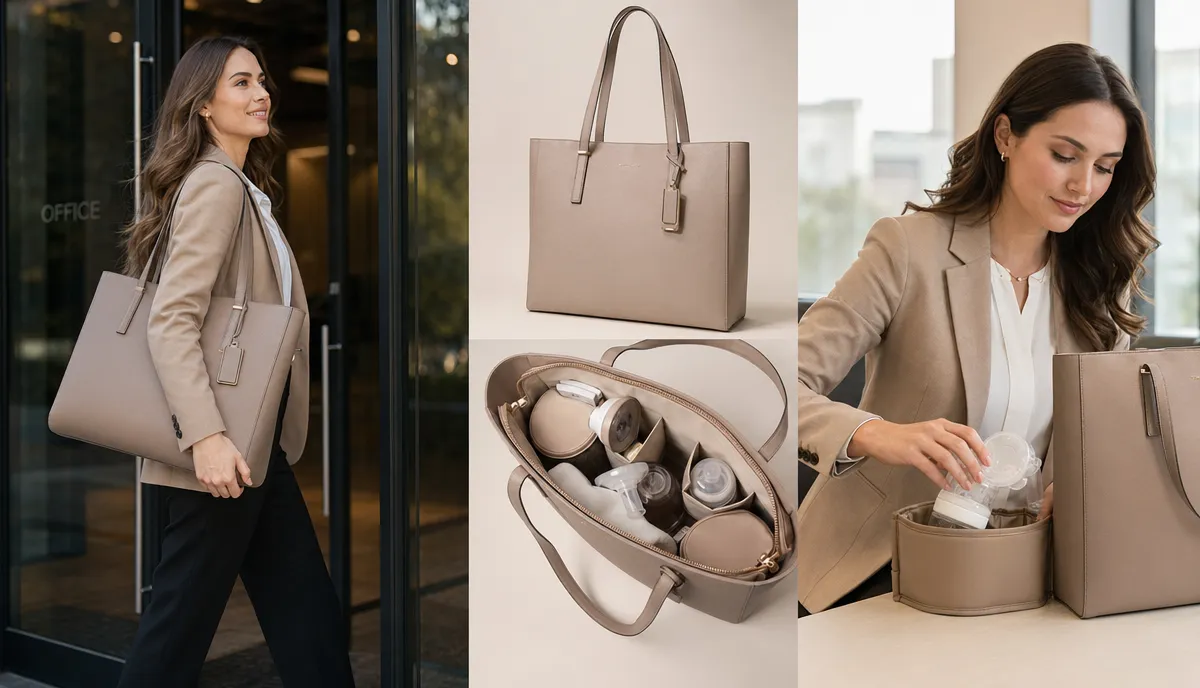
Something has shifted in the way new mothers shop for breast pump bags. For years, the market offered two inadequate options: clinical-looking medical pouches that screamed “I am pumping at work,” or oversized, shapeless diaper bags stuffed with ice packs. In 2026, a growing cohort of working mothers is rejecting both. They want a bag that carries a breast pump, stores expressed milk at temperature, holds a laptop and daily essentials, and — critically — looks like a fashion tote that belongs in a boardroom, not a nursery.
The search data confirms the shift. “Custom breast pump bags” and “stylish personalized cooler bags for breast milk” are surging as search terms, driven by working mothers who refuse to compromise between professional appearance and maternal function. The demand is not for a medical device accessory with a prettier print — it is for a genuinely well-designed fashion bag that happens to contain hidden insulated compartments and shock-absorbing pump storage.
For B2B buyers, this is one of the most precise and underserved niche markets in the bag industry. The target consumer is identifiable (working mothers who pump, ages 25–42), her pain points are concrete and well-documented, her willingness to pay is high (250 retail for a bag that solves the problem elegantly), and the competitive landscape is still dominated by products that look medical rather than fashionable. This guide covers the functional engineering, material selection, thermal technology, shock protection, fashion finishing, and personalization options required to build a breast pump bag that mothers will carry with confidence.
Understanding why existing products fail helps buyers design better ones. The traditional breast pump bag fails on three dimensions simultaneously:
1. Visual stigma. Most pump bags are made from quilted nylon in pastel colors with visible insulation panels, medical-device logos, or baby-themed prints. They are immediately identifiable as breast pump bags — which many working mothers find embarrassing in professional settings. The visual language says “patient” rather than “professional.”
2. Single-function trap. Traditional pump bags carry the pump and bottles — and nothing else. The working mother must carry a second bag (a handbag or work tote) for her laptop, wallet, phone, and personal items. Carrying two bags into an office every morning is cumbersome, conspicuous, and unnecessary.
3. Disposable quality perception. Because breast pumping is a temporary phase (typically 6–18 months), most pump bags are built to a disposable price point with cheap materials and minimal construction quality. Mothers discard them after weaning, generating waste and leaving no brand loyalty. A fashion-grade pump bag that converts to a regular work tote after the pumping phase solves this — it is an investment, not a disposable.
| Dimension | Traditional Pump Bag | The 2026 Opportunity |
|---|---|---|
| Visual identity | Looks like a medical accessory | Looks like a designer work tote |
| Functionality | Pump + bottles only | Pump + bottles + laptop + daily essentials |
| Lifespan | Discarded after weaning (6–18 months) | Converts to regular work tote (years of use) |
| Materials | Quilted nylon, polyester, medical-grade PVC | PU leather, genuine leather, premium nylon, microfiber |
| Personalization | None or baby-themed | Initials, monogram, professional aesthetic |
| Price tolerance | 60 | 250 (justified by fashion + function + lifespan) |
| Emotional response | Embarrassment, “I have to carry this” | Confidence, “I chose this” |
The emotional shift from “I have to” to “I chose” is the entire commercial thesis of this category. Every design decision should be evaluated against that standard.
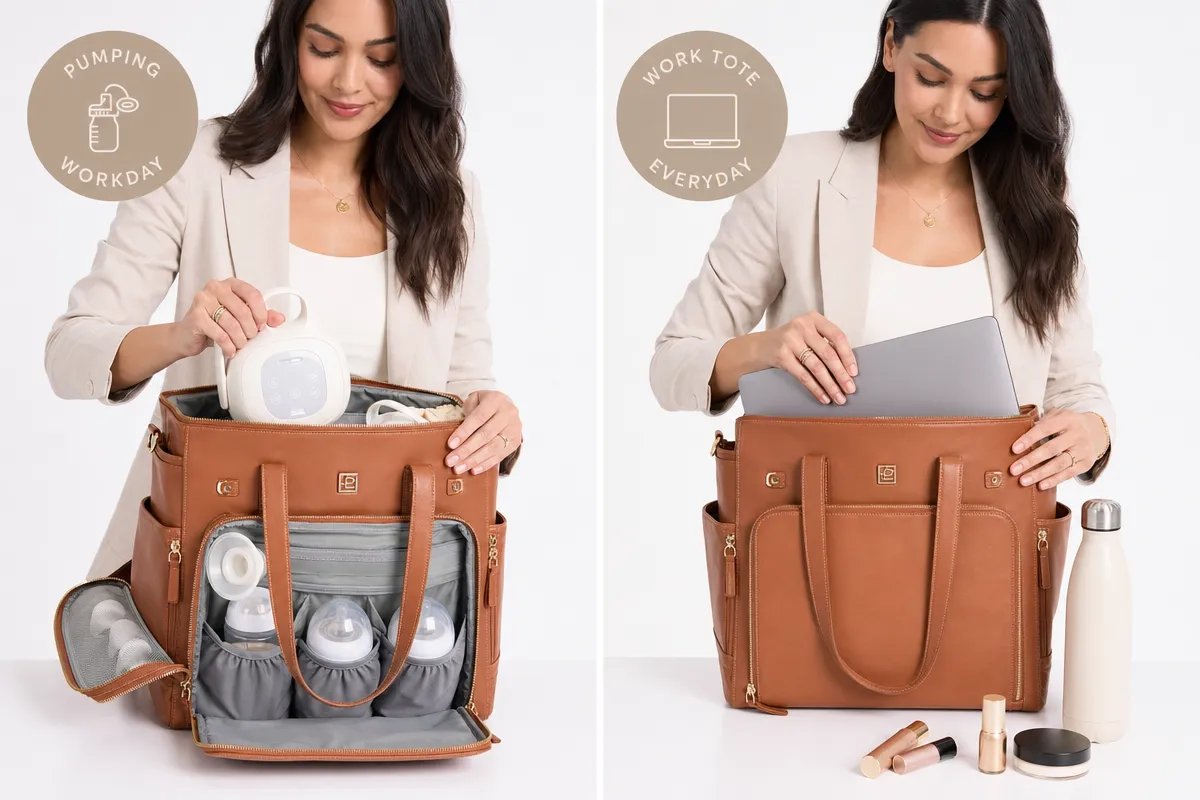
A bag that successfully disguises breast pump functionality inside a fashion tote requires careful compartment engineering. The challenge is fitting insulation, shock absorption, and medical-device storage into a silhouette that reads as a normal structured work tote from the outside.
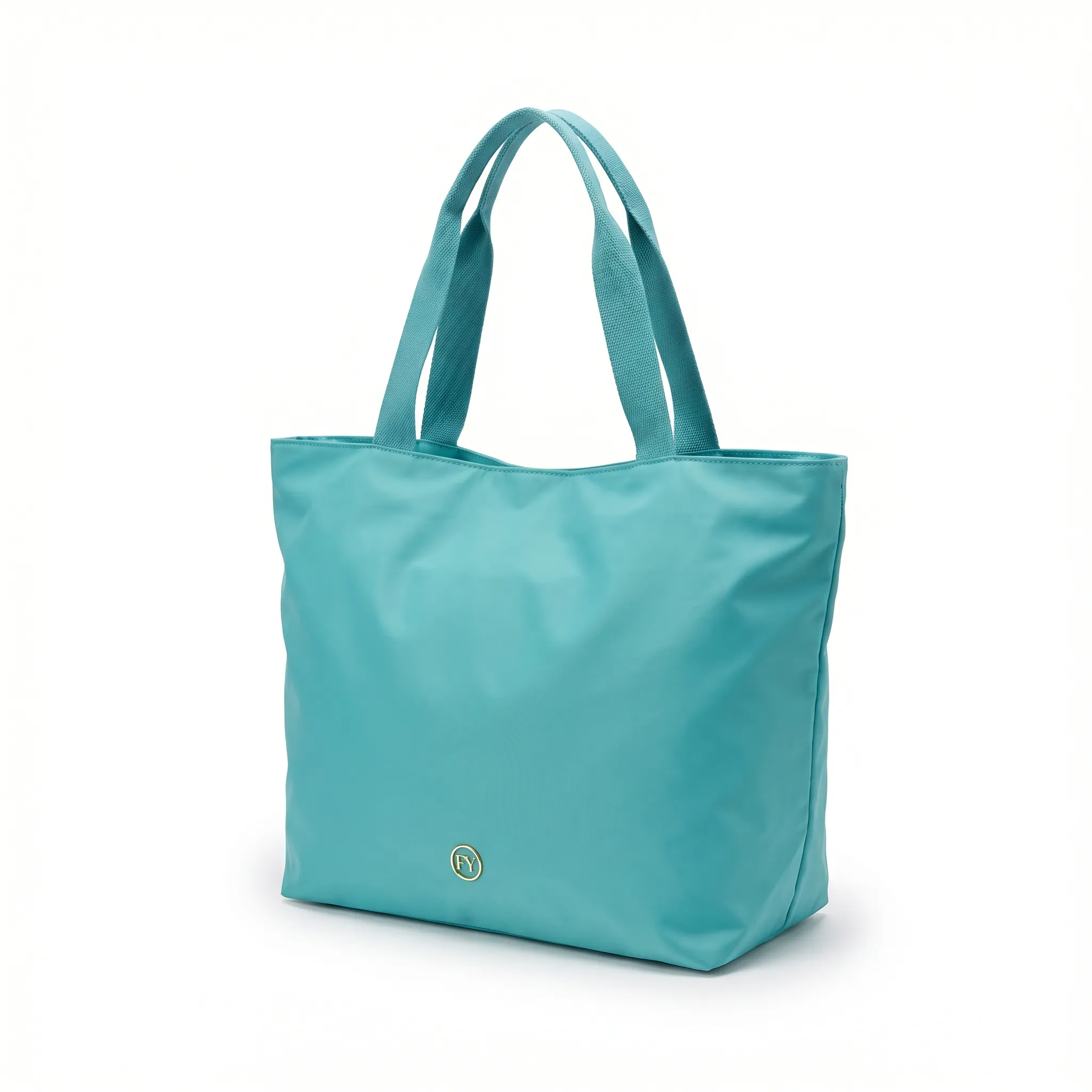
| Compartment | Location | Size | Lining / Treatment | Purpose |
|---|---|---|---|---|
| Insulated cooler section | Bottom or side panel, separate zip access | 25 × 15 × 12 cm (fits 4–6 bottles + ice pack) | PEVA or aluminum foil insulation + TPU waterproof lining | Breast milk storage at temperature |
| Padded pump compartment | Center-rear, behind cooler section | 20 × 18 × 15 cm (fits standard pump body) | 10–15 mm foam padding on all sides | Shock-absorbing pump protection |
| Laptop sleeve | Back panel, against wearer’s body | Fits up to 14″ laptop | 8–10 mm foam padding | Work laptop — maintains professional function |
| Main open compartment | Center-top, above cooler | Remaining volume | Standard fabric lining | Wallet, keys, phone, planner, personal items |
| Quick-access exterior pocket | Front panel, zip or magnetic closure | 22 × 16 cm | Standard lining | Phone, badge, transit card — one-hand access |
| Interior mesh pockets (2–3) | Side walls of main compartment | Variable | Mesh or elastic | Pump accessories, charger cords, hand sanitizer |
The cooler section must be completely invisible from the outside. This means:
When the bag is closed and carried, nothing about its exterior should indicate that it contains insulated storage. This is the design standard that separates a fashion pump bag from a decorated medical pouch.
The cooler section is the most technically demanding component. It must keep expressed breast milk at safe temperatures (below 4°C / 39°F) for 4–8 hours using ice packs — long enough for a full workday.
| Insulation Type | Thermal Performance | Thickness | Weight Impact | Cost Impact | Best For |
|---|---|---|---|---|---|
| PEVA lining (standard) | Moderate — maintains cold 3–5 hours with ice pack | 0.5–1 mm | Minimal | Baseline | Budget and mid-market positioning |
| Aluminum foil composite | Good — maintains cold 4–6 hours with ice pack | 1–2 mm | Minimal | +0.80 | Most common OEM specification |
| EPE foam + aluminum foil | Very good — maintains cold 5–8 hours with ice pack | 3–5 mm | Moderate | +1.50 | Premium positioning, all-day temperature hold |
| EVA foam + aluminum foil | Very good — adds structural rigidity to cooler shape | 3–8 mm | Moderate | +2.00 | Premium — cooler holds its shape independently |
| Vacuum-insulated panel (VIP) | Exceptional — maintains cold 8–12 hours | 5–10 mm | Moderate–Heavy | +8.00 | Ultra-premium, marketing differentiator |
For the majority of B2B programs, EPE foam + aluminum foil insulation is the recommended specification. It maintains safe milk temperature for a full workday (5–8 hours with a quality ice pack), adds minimal bulk, and costs significantly less than vacuum-insulated options. The EVA foam variant adds structural rigidity that helps the cooler section maintain its shape when the bag is set down — a quality signal during unboxing and daily use.
The inner surface of the cooler compartment must be fully waterproof. Condensation from ice packs and potential bottle leaks will destroy the bag’s structure and create hygiene issues if moisture reaches the foam or exterior material. Specify one of:
Breast pumps are precision medical devices with motors, valves, and electronic components that are vulnerable to impact damage. A bag that will be placed on office floors, car seats, and public transit racks needs genuine shock protection — not just a thin pocket.
| Foam Type | Thickness | Shock Absorption | Recovery | Weight | Best For |
|---|---|---|---|---|---|
| PE foam (polyethylene) | 8–10 mm | Moderate | Good — retains shape | Light | Budget and mid-market |
| EVA foam (ethylene-vinyl acetate) | 10–15 mm | Good — absorbs impact effectively | Excellent — rebounds quickly | Light–Medium | Recommended standard |
| Memory foam | 10–15 mm | Excellent — conforms to pump shape | Moderate — slower rebound | Medium | Premium positioning |
| Multi-density foam (soft outer + firm core) | 12–18 mm total | Excellent — graded absorption | Good | Medium | Best protection, highest cost |
EVA foam at 10–15 mm on all six sides (top, bottom, left, right, front, back) of the pump compartment is the recommended specification for most programs. It provides meaningful impact protection while keeping the compartment lightweight and quick-recovering. For brands positioning at the premium end ($150+), multi-density foam offers a genuinely superior protection story that justifies the retail price.
Also specify an internal elastic strap or adjustable divider inside the pump compartment to prevent the pump from shifting during transit. The most common breast pumps (Spectra, Medela, Willow, Elvie) have different body dimensions, so the compartment should accommodate multiple pump brands without being so oversized that the pump rattles inside.
| Pump Brand | Approximate Dimensions (W × H × D) | Weight | Compartment Minimum |
|---|---|---|---|
| Spectra S1/S2 | 14 × 17 × 12 cm | 1.5 kg | 18 × 20 × 15 cm |
| Medela Pump In Style | 18 × 12 × 20 cm | 1.8 kg | 22 × 16 × 24 cm |
| Willow Go | 11 × 9 × 6 cm (per cup) | 0.5 kg (pair) | 15 × 12 × 10 cm |
| Elvie Stride | 15 × 10 × 6 cm | 0.6 kg | 18 × 13 × 10 cm |
| Baby Buddha | 7 × 6 × 3 cm | 0.15 kg | Fits in any pocket — minimal |
For the broadest market compatibility, size the pump compartment to accommodate the Medela Pump In Style (the largest common unit). Smaller pumps will fit comfortably with the adjustable divider cinched, while the Medela fits snugly with full padding protection.
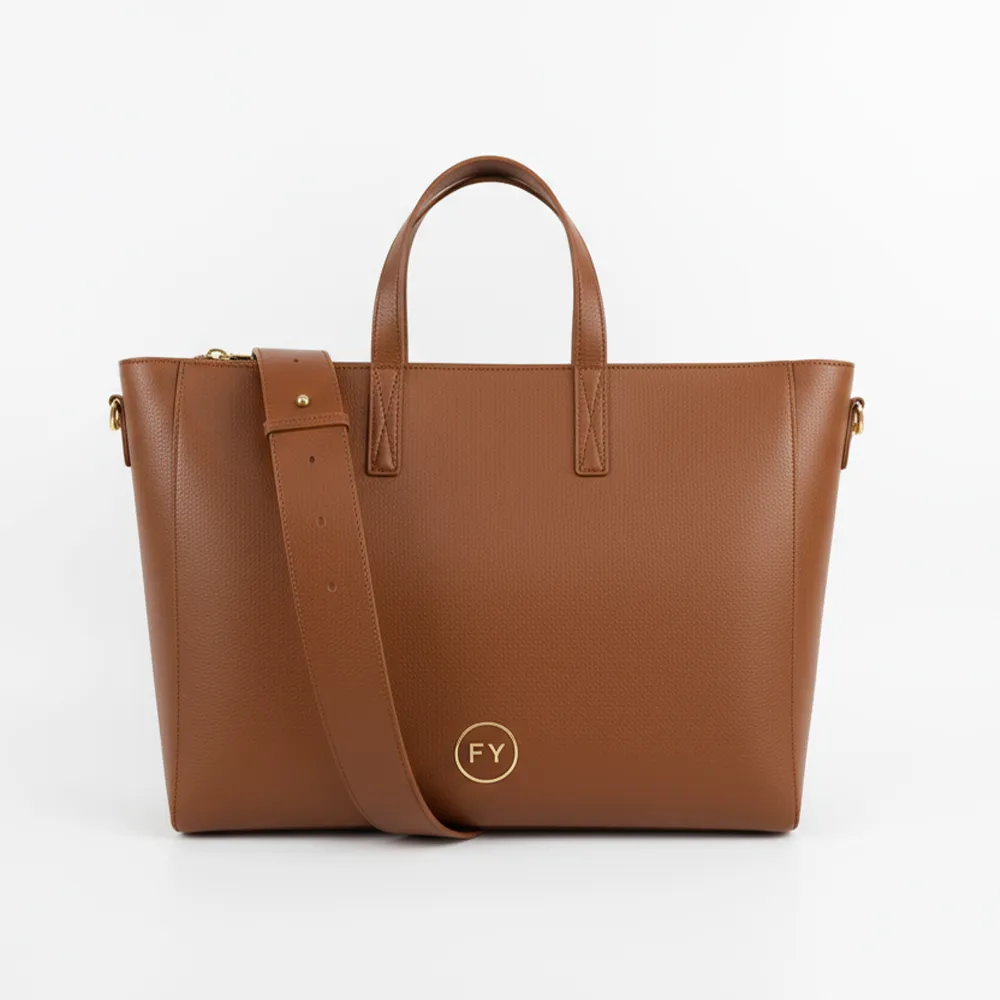
The exterior material is what makes the difference between “pump bag with a leather print” and “fashion tote with hidden pump storage.” The material must look, feel, and photograph like a bag the consumer would choose even without the pump functionality — because after weaning, that is exactly how she will use it.
| Material | Fashion Perception | Durability | Weight | Wipe-Clean Ability | Price Tier |
|---|---|---|---|---|---|
| Pebbled PU leather | High — closest to genuine leather | Good (3–5 years daily use) | Medium | Excellent — surface wipes clean | 130 retail |
| Smooth PU leather | High — polished, editorial | Good | Medium | Excellent | 130 retail |
| Microfiber leather | Very high — closest hand-feel to genuine | Excellent (5–8 years) | Medium | Very good | 170 retail |
| Genuine split leather | Premium — real leather credibility | Very good | Heavy | Moderate — needs treatment | 250 retail |
| Full-grain genuine leather | Luxury — ages beautifully | Exceptional | Heavy | Low — absorbent unless treated | 350+ retail |
| High-denier nylon (fashion-grade, 900D+) | Medium–High — modern, technical | Excellent | Light | Excellent | 120 retail |
| Neoprene | Medium — sporty, modern | Good | Light | Excellent — inherently water-resistant | 130 retail |
For the target demographic (professional working mothers, 25–42, willing to pay 200), pebbled PU leather and microfiber leather are the optimal choices. Both photograph like genuine leather, wipe clean easily (important when handling breast milk and pump components), and maintain structure under the weight of a pump + bottles + laptop without sagging.
The strongest commercial proposition for a fashion pump bag is that it converts seamlessly into a regular bag after the pumping phase ends. This transforms a 12–18 month product into a multi-year purchase, justifies the premium price, and eliminates the “disposable pump bag” waste cycle.
| Feature | During Pumping Phase | After Weaning | Design Implication |
|---|---|---|---|
| Cooler compartment | Stores bottles + ice packs | Becomes a separate zip-access pocket for shoes, gym clothes, or a lunch container | Size the cooler to double as a general storage zone |
| Pump compartment | Houses breast pump | Becomes a padded electronics or camera compartment, or an organized cosmetic section | Use removable foam inserts — consumer can pull them out |
| Elastic bottle holders | Secure milk bottles upright | Hold water bottles, thermos, or travel mugs | Standard utility — works in any lifecycle phase |
| Quick-access pocket | Pump controls, breast pads | Phone, wallet, transit card | No change needed — universal utility |
| Laptop sleeve | Laptop (if present) | Laptop | No change needed |
The key design decision is removable foam inserts in the pump compartment. A padded EVA insert that slides out via a zip or Velcro panel converts the pump zone into an open compartment for any purpose. Include this feature in every tech pack — it is the detail that makes the bag a genuine multi-year product.
Personalization for breast pump bags follows different aesthetic rules than baby products. The target consumer wants monogramming that reads as professional and personal, not as nursery decor. No baby footprints, no “mama” script, no pastel motifs.
| Technique | Aesthetic | Best Surface | Placement | Cost Impact |
|---|---|---|---|---|
| Tonal debossed initials | Luxury, subtle, office-appropriate | PU leather, microfiber, genuine leather | Front lower corner or end panel | 2.50 |
| Hot foil monogram (gold/silver) | Elegant, visible, classic | PU leather, genuine leather | Front center or custom leather patch | 3.50 |
| Embroidered initials (tonal thread) | Textured, refined | Nylon, canvas, structured fabrics | Front panel or strap | 4.00 |
| Engraved metal nameplate | Hardware-grade, very premium | Attaches to any material | Front panel or handle base | 6.00 |
| Custom leather luggage tag | Detachable, giftable | Leather tag on handle ring | Handle or D-ring | 5.00 |
The safest personalization choice: tonal debossed initials (2–3 letters, 20–30 mm tall) on the front lower corner. It is visible up close, invisible at distance, reads as luxury, and works in any professional environment.
The bag must be large enough to carry a pump, bottles, ice pack, laptop, and daily essentials — but not so large that it reads as luggage. Finding the balance is critical.
| Configuration | Width | Height | Depth | Approximate Volume | Weight Limit (loaded) |
|---|---|---|---|---|---|
| Standard (most common) | 38 cm | 30 cm | 16 cm | 18–20 L | 7–9 kg |
| Compact (smaller pumps, no laptop) | 33 cm | 27 cm | 14 cm | 12–14 L | 5–7 kg |
| Full-capacity (laptop + full pump kit) | 42 cm | 32 cm | 18 cm | 22–25 L | 9–12 kg |
The standard configuration (38 × 30 × 16 cm) fits the Spectra, Medela, Willow, and Elvie pumps, a 14″ laptop, 4–6 bottles with an ice pack, and daily essentials. It is the dimension we recommend as the default for most programs.
As with women’s laptop bags, weight matters. A pump bag loaded with a pump (1–2 kg), bottles + ice (1–1.5 kg), laptop (1.5–2 kg), and personal items (1–2 kg) totals 5–7.5 kg. The bag itself should contribute no more than 1.0–1.3 kg to avoid shoulder and back strain during daily commuting.
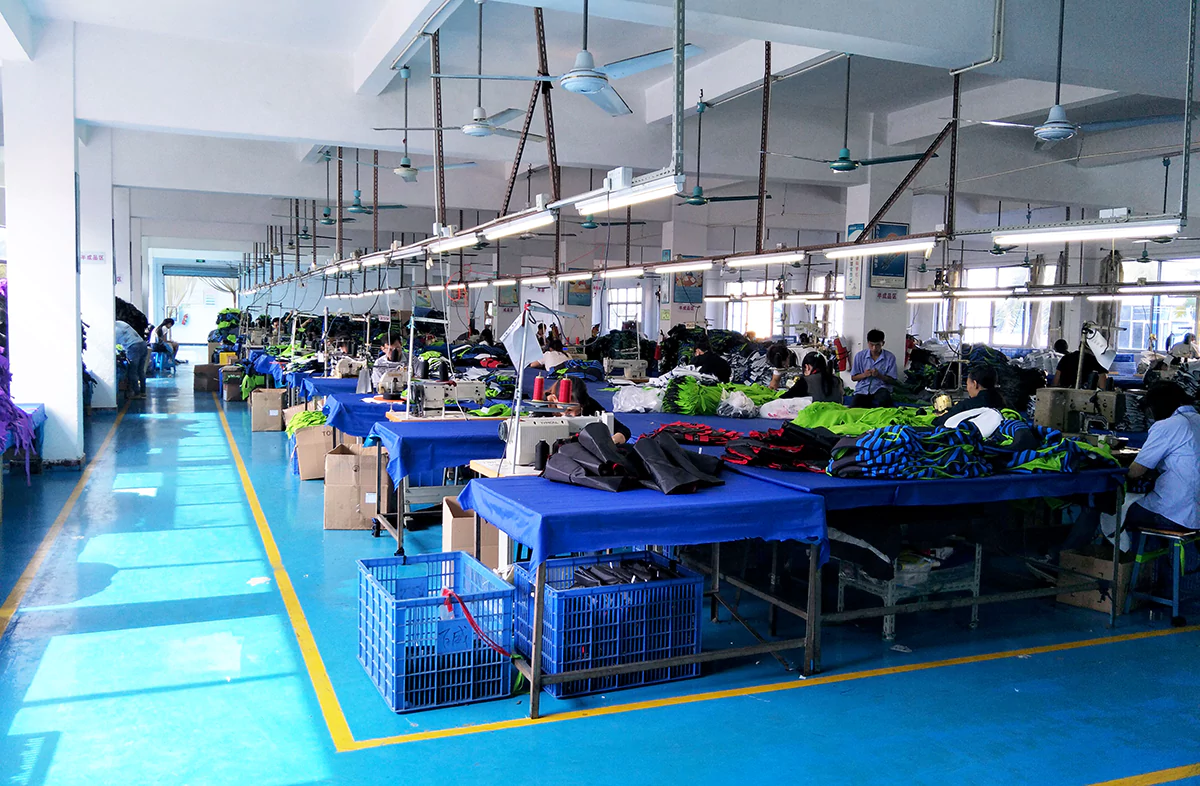
FYBagCustom is Your Trusted Custom Bag Manufacturer in China, with 15+ years of manufacturing experience producing multi-function bags, insulated bags, and diaper bags for brands worldwide. For buyers developing fashion-grade breast pump bags, our capabilities include:
Our 50,000 m² factory in Guangzhou with 10+ production lines produces insulated, multi-function, and convertible bag programs for DTC brands, Amazon FBA sellers, maternal health brands, baby product retailers, corporate gifting companies, and lifestyle brands across international markets.
The fashion-grade breast pump bag is not a cosmetic upgrade to a medical accessory — it is a fundamentally different product category built on the insight that working mothers should not have to choose between professional appearance and maternal function. For B2B buyers developing breast pump bags in 2026, three core takeaways:
If your 2026 product line targets working mothers who deserve better than the current market offers, now is the time to finalize compartment architecture, select materials, and begin sampling. Contact FYBagCustom to discuss insulation options, foam padding, fashion finishing, and personalization — and receive physical samples and transparent quotations, typically within 48 hours.
FYBagCustom’s OEM and ODM team works with maternal health brands, DTC founders, Amazon sellers, and baby product retailers to produce fashion-grade breast pump bags with insulated cooler sections, shock-absorbing compartments, leather finishes, and professional personalization — with low MOQ, 5–7 day sampling, and full in-house thermal engineering.
Start Your Custom Bag Project →