Tel/WhatsAapp:+86 18011919834
E-mail: chloe.x@fybagcustom.com

Tel/WhatsAapp:+86 18011919834
E-mail: chloe.x@fybagcustom.com
Send Your Inquiry Today

Who this guide is for: brand owners, sourcing managers, wholesale buyers, Amazon FBA sellers, DTC founders, athleisure labels, and sport-lifestyle retailers who are developing custom tennis and pickleball bags and want to use 2026’s trending colors as a competitive advantage. If you need to understand which colors are driving search volume, how to create body-handle-trim contrast combinations that photograph beautifully, and how to build a seasonal color architecture that maximizes sell-through — this guide treats color as the primary product design decision.
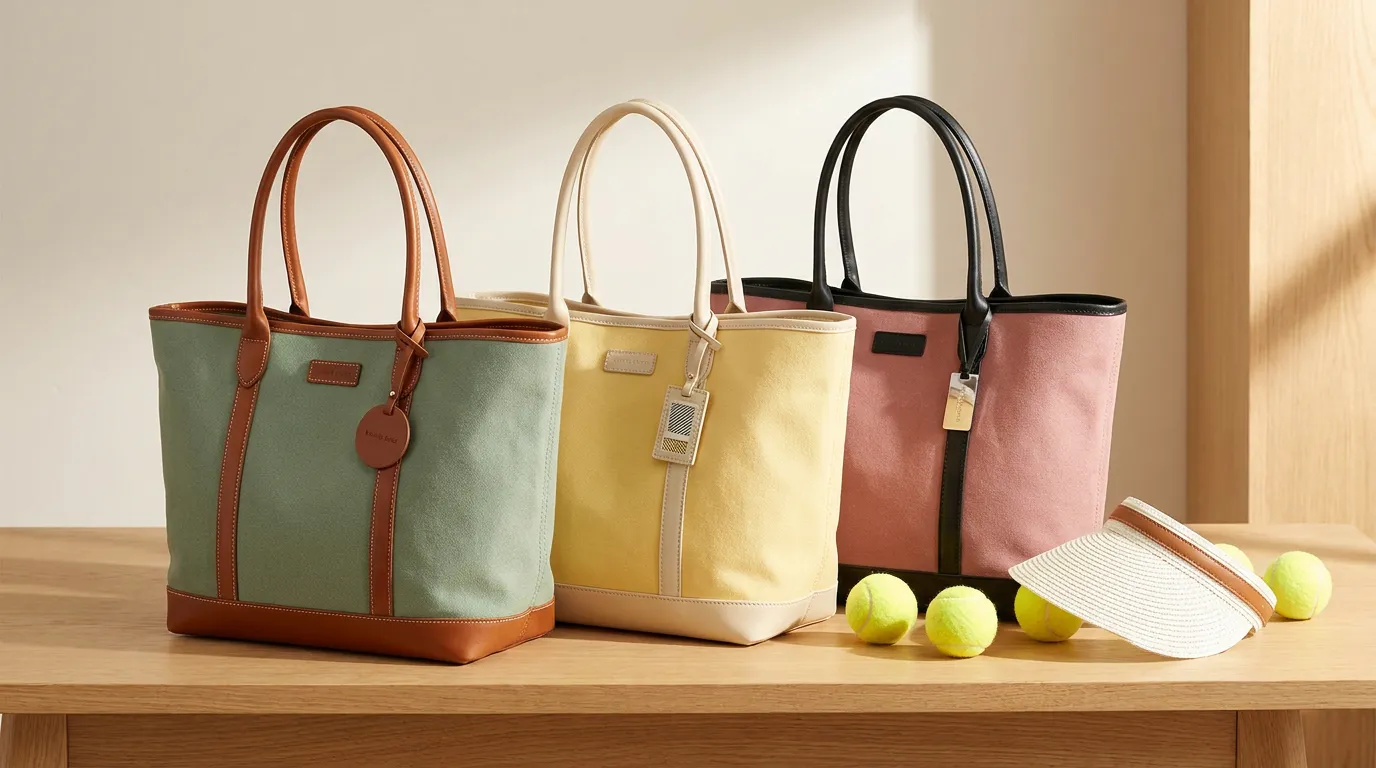
In a market where most tennis bags come in black, navy, or bright athletic neon, color is the single fastest way to differentiate. A sage green tennis tote with cognac leather handles does not need to explain why it is different from the competition — the consumer sees the difference from across the room, from across the court, from a thumbnail on her phone screen. Color is the first signal processed by the human eye, before shape, before logo, before price. In a scroll-driven marketplace, it is the signal that stops the thumb.
The 2026 racket sport accessories market confirms this: the fastest-growing tennis and pickleball bag search queries are not feature-driven (“bag with shoe compartment”) or brand-driven (“luxury tennis bag brands”) — they are color-driven. “Sage green custom tennis bag,” “butter yellow leather tennis tote,” “blush pink pickleball bag.” Consumers are shopping by color first and evaluating features second. For B2B buyers, this means color strategy is not a late-stage design decision applied after the bag is engineered — it is the lead creative decision that shapes the entire product identity.
This guide is a pure color-strategy resource. It covers the 2026 palette, the psychology behind each color’s appeal, the art of body-handle-trim contrast combinations, how to photograph color effectively for e-commerce, and how to structure a seasonal color architecture that keeps your product line fresh without overcommitting to inventory.
These ten colors represent the strongest commercial opportunities for tennis and pickleball bags in 2026, ranked by a combination of search momentum, on-court photography performance, post-game versatility, and seasonal range.
| Rank | Color | Hex Reference | Search Momentum | On-Court Visual | Post-Game Versatility | Seasonal Range | Category |
|---|---|---|---|---|---|---|---|
| 1 | Sage green | #9CAF88 | Very high — fastest-growing sport-bag color | Excellent — pops against blue/green courts | Very high — coordinates with neutral wardrobes | Year-round | Trend hero |
| 2 | Butter yellow | #F5D76E | Very high — 2026’s breakout fashion shade | Excellent — warm, eye-catching on any court surface | High — fashion-forward, conversation-starting | Spring–Fall | Trend hero |
| 3 | Cream / off-white | #FAF0E6 | High — steady, perennial demand | Very good — clean, premium, classic tennis | Very high — matches everything | Year-round | Perennial |
| 4 | Dusty rose / blush | #DCAE96 | High — strong in women’s sport accessories | Very good — soft, warm, Instagram-friendly | High — feminine, polished | Spring–Fall | Trend complement |
| 5 | Navy | #1B2A4A | Stable — consistent baseline demand | Good — rich, versatile | Very high — universal neutral | Year-round | Core neutral |
| 6 | Cognac / tan | #A0522D | Stable — strong as trim/handle color | Good — warm, heritage | Very high — timeless | Year-round | Core neutral (often trim) |
| 7 | Terracotta | #C8724A | Growing — Mediterranean/earthy trend | Very good — warm, distinctive | High — unusual, memorable | Spring–Fall | Trend accent |
| 8 | Powder blue | #B0C4DE | Moderate — seasonal appeal | Good — fresh, serene | Moderate — seasonal | Spring–Summer | Seasonal |
| 9 | Olive | #556B2F | Growing — nature-connected, outdoor crossover | Good — harmonizes with court greens | High — versatile, modern | Year-round | Trend complement |
| 10 | Black | #000000 | Stable — highest volume, lowest differentiation | Moderate — safe but generic | Very high — universal | Year-round | Core neutral |
Sage green and butter yellow are the 2026 launch colors. They carry the strongest search momentum, the highest “stop the scroll” power, and the greatest differentiation from the existing market (which is overwhelmingly black, navy, and neon). A brand launching a tennis bag collection in 2026 that does not include at least one of these colors is leaving significant organic traffic on the table.
Cream and dusty rose are the versatile complements. They photograph beautifully alongside sage and butter yellow in product-line imagery, and they serve consumers who want a trend-aware color without the boldness of green or yellow.
Navy, cognac, and black are the anchors. Every collection needs at least one neutral that serves the conservative buyer. Navy outsells black in the women’s tennis market because it has more visual warmth and photographs with more depth. Cognac is listed here because it functions primarily as a trim and handle color — it elevates almost any body color.
Color in a bag is not a single-surface decision. A tennis tote has at minimum three distinct color zones — body (the main panels), handles (the most-touched and most-visible structural element), and trim (edges, zipper tape, patches, piping) — each of which can be a different color. The relationship between these three zones creates the bag’s visual personality.
| Philosophy | Body : Handle : Trim | Visual Effect | Example | Who It Serves |
|---|---|---|---|---|
| Tonal (monochrome) | Same color, same or similar shade across all zones | Unified, calm, “quiet luxury” | Sage green body + sage green handles + sage green trim | Premium/minimalist brands; quiet luxury consumers |
| Two-tone contrast | One color for body, a contrasting color for handles + trim | Structured, polished, the commercial sweet spot | Butter yellow body + cognac handles + cognac trim | Most consumers; strongest e-commerce photography |
| Three-color block | Different colors for body, handles, and trim | Bold, editorial, statement piece | Cream body + sage green handles + butter yellow trim accent | Fashion-forward brands; limited editions |
The two-tone contrast philosophy is the strongest commercial default. It creates visual structure that reads clearly at thumbnail size, directs the eye to the handle zone (which is often where the brand mark sits), and provides the “designed, not default” perception that justifies premium pricing. A sage green bag with sage green handles looks intentional but understated; a sage green bag with cognac handles looks designed — and that distinction drives purchase decisions.
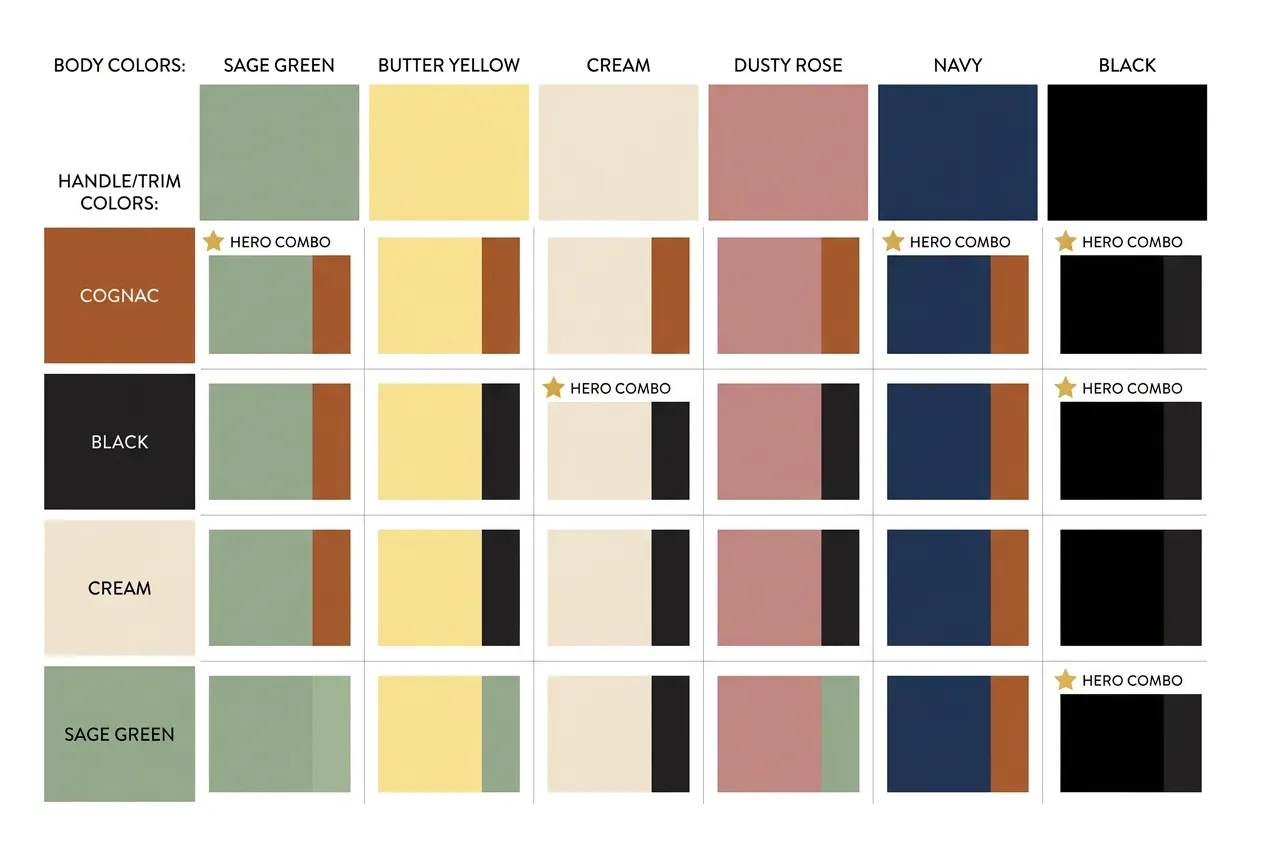
This matrix maps the strongest two-tone body-handle pairings for the 2026 palette. Each combination has been evaluated for visual harmony, on-court distinctiveness, and post-game fashion compatibility.
| Body Color | Handle/Trim: Cognac | Handle/Trim: Black | Handle/Trim: Cream | Handle/Trim: Sage Green |
|---|---|---|---|---|
| Sage green | ★ Hero combo — warm, earthy, editorial | Strong — modern, clean contrast | Good — soft, airy | Tonal — minimalist, luxury read |
| Butter yellow | ★ Hero combo — golden warmth, heritage-modern | Good — bold graphic contrast | ★ Very strong — fresh, bright, premium | Good — unexpected, fashion-forward |
| Cream | ★ Very strong — classic, timeless, country-club | Good — sharp, high-contrast | Tonal — quiet, clean | Good — subtle, nature-connected |
| Dusty rose | Good — warm, feminine, rich | Good — structured, evening-ready | ★ Very strong — soft, romantic, premium | Unexpected — editorial, distinctive |
| Navy | ★ Strong — heritage, nautical, polished | Tonal-adjacent — safe, professional | Strong — crisp, preppy | Good — modern, nature-palette |
| Olive | ★ Very strong — military-heritage, earthy | Strong — tactical, modern | Good — natural contrast | Tonal-adjacent — harmonious greens |
| Black | Good — classic, safe | Tonal — universal, invisible differentiation | ★ Strong — high contrast, editorial | Good — unexpected accent |
Based on search data, photography performance, and commercial sell-through patterns, the three strongest body-handle combinations for 2026 are:
Beyond the body and handles, several smaller trim elements offer opportunities to introduce accent color — creating visual interest without requiring additional body panels or material waste.
| Trim Element | Color Opportunity | Visual Impact | Cost to Add Color | Production Note |
|---|---|---|---|---|
| Zipper tape | Contrast or matching color | Medium — a clean line of color along the top | 0.15 per zip (colored tape vs. standard) | Order custom-color zipper tape; standard colors in stock |
| Edge piping | Contrast accent along seam edges | Medium — defines the bag’s silhouette | 0.50 per meter | Piping in accent color creates a “frame” effect |
| Interior lining | Contrast or brand-signature color | High — the “reveal moment” when bag opens | 0.80 per bag | Use branded or contrast lining to extend the color story inside |
| Leather patch / label | Contrast material for brand mark | Medium–High — focal point for logo | 1.50 per patch | Cognac or cream leather patch on sage/butter yellow body is the standard play |
| Strap webbing | Brand color or accent | High — most visible element when worn | 0.60 for custom-dyed webbing | Jacquard-woven straps can combine body color + accent |
| Base tape / binding | Matching or contrast | Low–Medium — only visible at angles | 0.30 | Darker binding on base protects the most scuffed edge |
The minimum accent strategy: if budget or MOQ constrains the number of custom-color components, add color to exactly three elements — handles, zipper tape, and interior lining. These three create the strongest perception of “designed with intention” at the lowest additional cost. A sage green bag with standard black handles and a generic gray lining looks like a bag that happens to be green; the same bag with cognac handles, sage green zipper tape, and a cream lining looks like a product a designer spent time creating.
Color-driven products live or die by their photography. A bag that looks stunning in person but appears dull, yellow-cast, or inaccurate on a product listing will underperform a less attractive bag with better photos. For B2B buyers, this means color accuracy in product photography is a specification, not an afterthought.
| Guideline | Why It Matters | Specification |
|---|---|---|
| Shoot on pure white (RGB 255,255,255) background | Standard for Amazon and most marketplaces; allows color to read true | White seamless or white-balanced lightbox |
| Use daylight-balanced lighting (5500K) | Prevents yellow/orange color cast that distorts sage, butter yellow, and blush | Calibrated studio strobes or continuous LED at 5500K |
| Include a color reference card in test shots | Allows post-production color correction to verified accuracy | X-Rite ColorChecker or Pantone swatch visible in at least one reference shot |
| Show handle/body contrast in first hero image | The contrast is the design story — it must be visible at thumbnail | Angle the bag at 30° so both body and handle colors are visible in the first image |
| Include a lifestyle shot on a court | Demonstrates how the color performs in the sport context | Natural light, green or blue court background, styled with racket and outfit |
| Show the interior lining color | The “reveal” shot — opens the bag to show the contrast lining | Shoot from above, bag open, lining visible, contents lightly styled |
Before finalizing a product listing, apply the thumbnail test: shrink the hero image to 150 × 150 pixels (the approximate size of a mobile search result thumbnail). If the body color and the handle color are both distinguishable at this size, the design communicates at scale. If the colors merge into an indistinct blob, the contrast is insufficient for e-commerce.
Sage green + cognac passes this test easily — the warm brown handles against the muted green body create a clear two-tone signal even at tiny sizes. Sage green + cream is more subtle and may require stronger lighting contrast. Black + black fails entirely — there is no visual differentiation at thumbnail scale, which is why black bags historically underperform trend colors in click-through rate despite having the highest overall search volume.
A single color launch generates a one-time spike. A seasonal color architecture generates sustained interest across multiple buying cycles, encourages repeat purchases, and gives the brand’s social media and email marketing a perpetual content engine.
| Season | Core Colors (always available) | Trend Colors (seasonal rotation) | Limited Edition (scarcity play) |
|---|---|---|---|
| Spring 2026 | Navy, cream, black | Butter yellow, powder blue | Lavender (spring exclusive) |
| Summer 2026 | Navy, cream, black | Sage green, butter yellow | Coral (summer exclusive) |
| Fall 2026 | Navy, cream, black | Sage green, terracotta | Burgundy (fall exclusive) |
| Winter 2026–27 | Navy, cream, black | Olive, dusty rose | Forest green (winter exclusive) |
This structure requires 3 core + 2 trend + 1 limited = 6 active colors per season at maximum, which is manageable for MOQ and inventory planning. The core colors share the same production run year-round; the trend and limited colors are produced in smaller seasonal batches.
| Action | Timing | Criteria |
|---|---|---|
| Introduce a trend color | Every 6 months (spring + fall) | Search trend data, fashion week palette reports, competitor gap analysis |
| Retire a trend color | After 2 seasons unless sell-through exceeds projections | If sell-through drops below 60% of the launch season, retire |
| Introduce a limited edition | Every season (quarterly) | Driven by social media color trends, influencer partnerships, or seasonal themes |
| Promote a trend color to core | Annually | If a trend color sells at 80%+ of core-color volume for 2 consecutive seasons, make it permanent |
Color is not just an aesthetic decision — it is a pricing lever. Data patterns from the tennis and pickleball bag category consistently show that trend colors command higher average selling prices, lower return rates, and stronger review sentiment than neutral colors.
| Metric | Neutral Colors (black, navy) | Trend Colors (sage, butter yellow, blush) | Limited Editions |
|---|---|---|---|
| Average selling price | Baseline (80) | +15–25% (100) | +25–40% (115) |
| Click-through rate (Amazon) | Baseline | +20–35% higher CTR | +40–60% higher CTR |
| Return rate | Baseline (8–12%) | Lower (5–8%) — consumers buy intentionally | Lower (3–6%) — scarcity reduces impulse returns |
| Review sentiment (avg. star) | 4.1–4.3 | 4.3–4.6 — “love the color” is the most common positive phrase | 4.5–4.8 |
| Social media share rate | Low — nothing to photograph | High — color IS the content | Very high — exclusivity drives sharing |
The premium is real and measurable. A sage green tennis tote at 70 on a revenue-per-listing basis — fewer units but higher margin and higher satisfaction. For B2B buyers, this means investing in trend-color development (custom dye lots, Pantone matching, color-accurate photography) is not a cost center — it is a revenue multiplier.
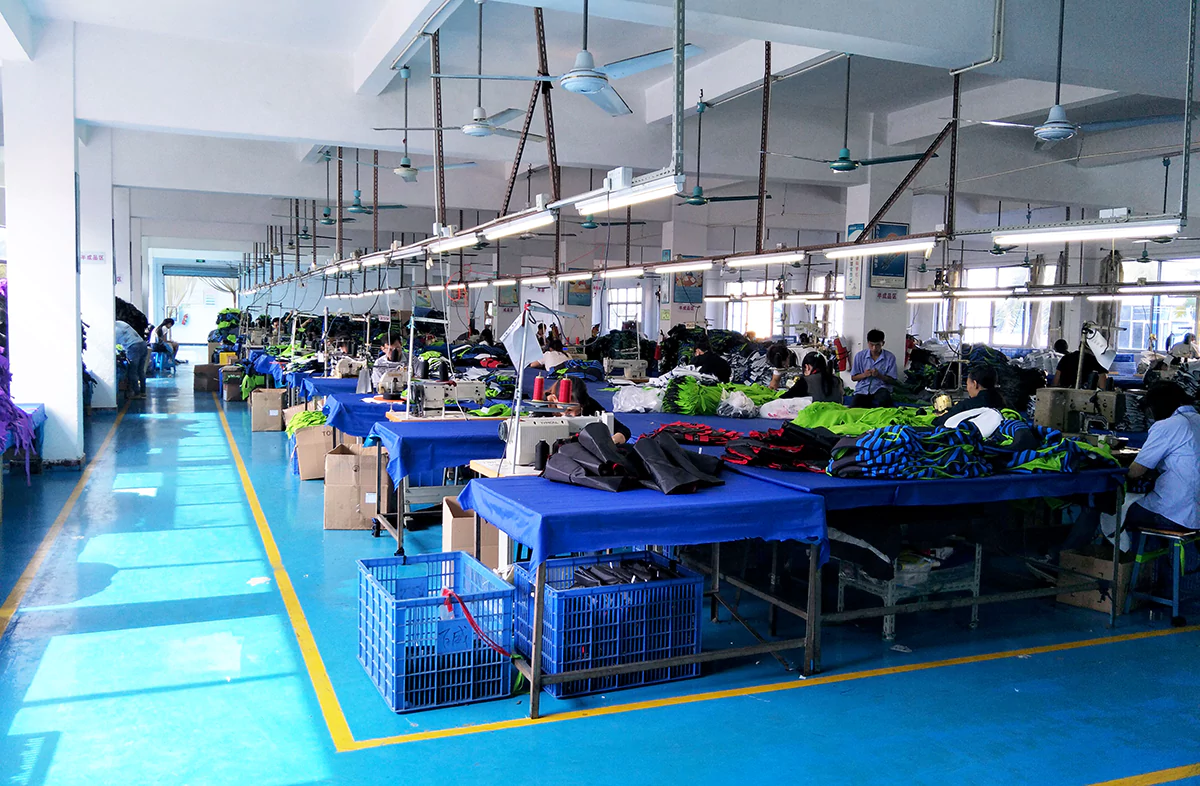
FYBagCustom is Your Trusted Custom Bag Manufacturer in China, with 15+ years of manufacturing experience and a dedicated color development process for OEM, ODM, and private label programs. For buyers developing trend-color tennis and pickleball bags, our capabilities include:
Our 50,000 m² factory in Guangzhou produces color-driven sport bag and fashion accessory programs for DTC brands, Amazon FBA sellers, athleisure labels, country clubs, and lifestyle retailers across international markets.
In the 2026 tennis and pickleball bag market, color is the primary differentiator, the primary scroll-stopper, the primary pricing lever, and the primary reason a consumer photographs and shares the product. For B2B buyers developing color-driven racket sport bags, three core takeaways:
If your 2026 tennis or pickleball bag collection leads with color, now is the time to lock in Pantone references, approve material swatches, and plan your seasonal rotation. Contact FYBagCustom to request color-matched swatch cards on your chosen materials and discuss multi-zone contrast combinations — typically delivered within 5–7 days.
FYBagCustom’s OEM and ODM team works with sport-lifestyle brands, DTC founders, Amazon sellers, and athleisure labels to produce custom tennis and pickleball bags in trend-driven color palettes — with Pantone matching, multi-zone contrast design, seasonal rotation programs, and UV-stabilized finishing at low MOQ with samples in 5–7 days.
Start Your Custom Bag Project →