Tel/WhatsAapp:+86 18011919834
E-mail: chloe.x@fybagcustom.com

Tel/WhatsAapp:+86 18011919834
E-mail: chloe.x@fybagcustom.com
Send Your Inquiry Today

Years Manufacturing
Factory Area
Professional Staff
Inspection Rate
Our eco-friendly bag production serves buyers who need sustainability positioning backed by real material specs — not greenwashing. From high-volume reusable shopping bag programs to premium organic cotton capsule collections.



There is no single “eco-friendly material.” Different buyers need different eco claims — recycled content, natural fiber, biodegradability, reusability, or certified organic. The right material depends on your sustainability story, your regulatory environment, and your unit budget. Five facts every bulk buyer should know before ordering.

Recycled = “diverts waste from landfill.” Natural = “biodegradable and renewable.” Reusable = “replaces single-use plastic.” Each story targets different buyer segments, different regulations, and different price points. You need to pick one — or combine them carefully.

Non-woven PP is reusable but is still plastic. Recycled RPET diverts waste but still sheds microplastics. Organic cotton is natural but water-intensive. No eco material is perfect — honest positioning protects your brand from greenwashing backlash and regulatory risk.

GRS for recycled content. GOTS for organic cotton. FSC for paper-based materials. OEKO-TEX for chemical safety. Buyers selling in the EU, US, UK, and Australia increasingly need certified eco materials — not just supplier claims. We source from certified suppliers on request.

Reusable non-woven PP starts at $0.30/unit. Organic cotton canvas totes start at $2–5/unit. Recycled RPET nylon backpacks start at $5–15/unit. The eco spectrum covers 50× cost range — match material to margin.

Eco-friendly is not limited to tote bags. We produce eco versions of backpacks, duffles, crossbodies, lunch bags, gym bags, and more — across every eco material.
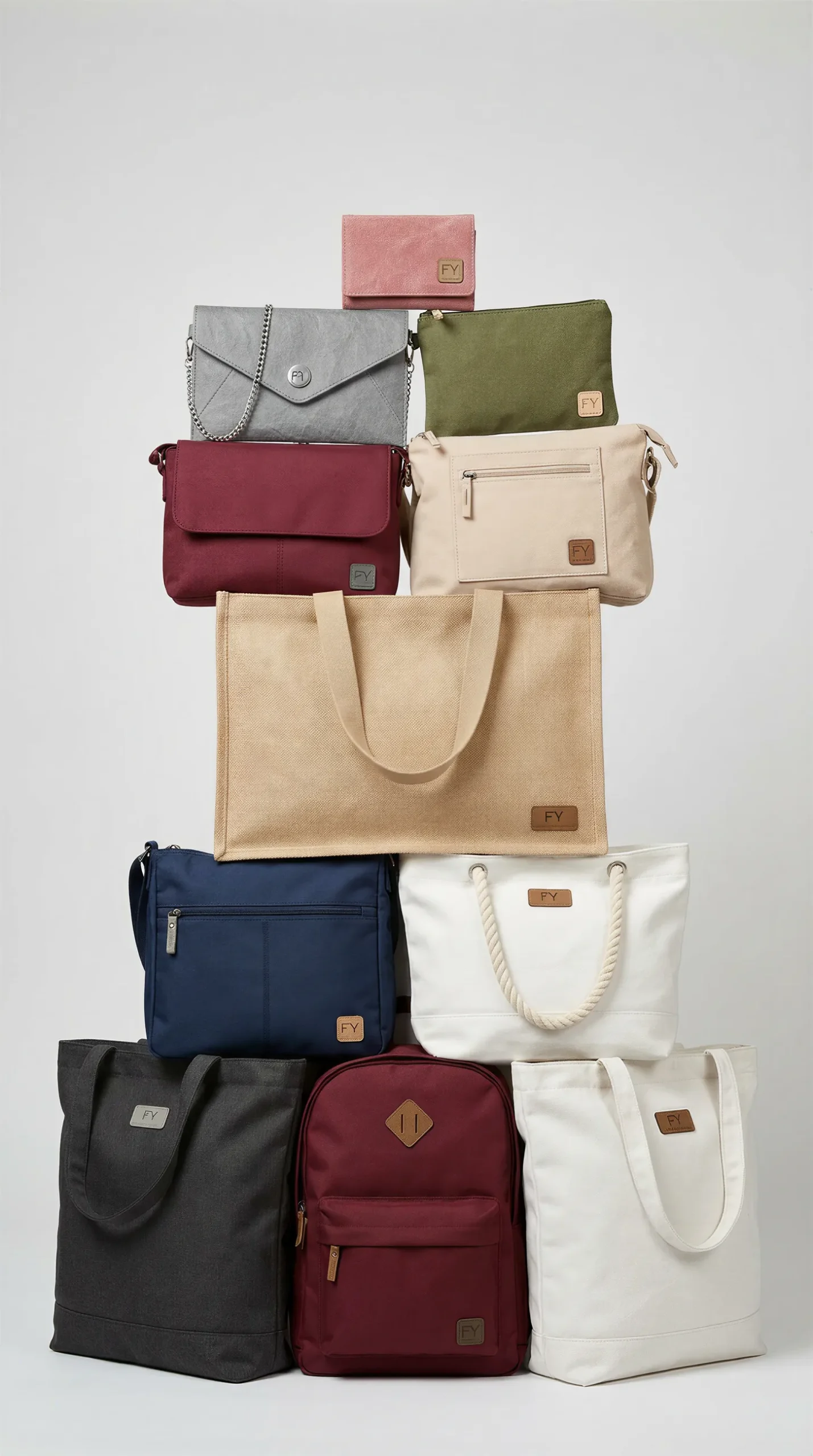
Eco-friendly is a cross-cutting category — every bag type in our catalog is available in one or more eco materials. Here are the eight most-ordered eco bag formats, each linking to dedicated pages for deeper specs.
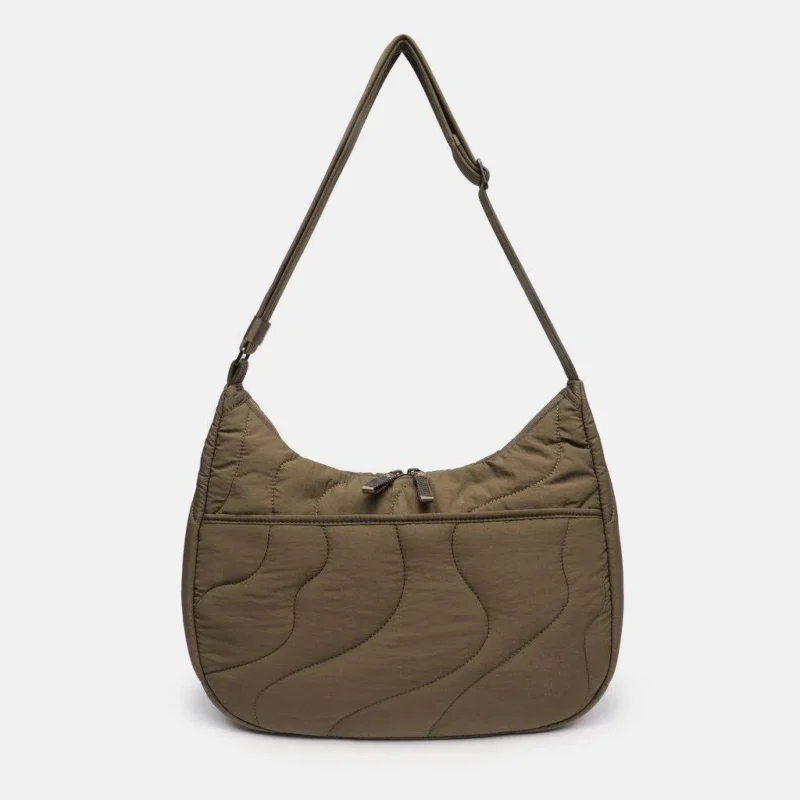
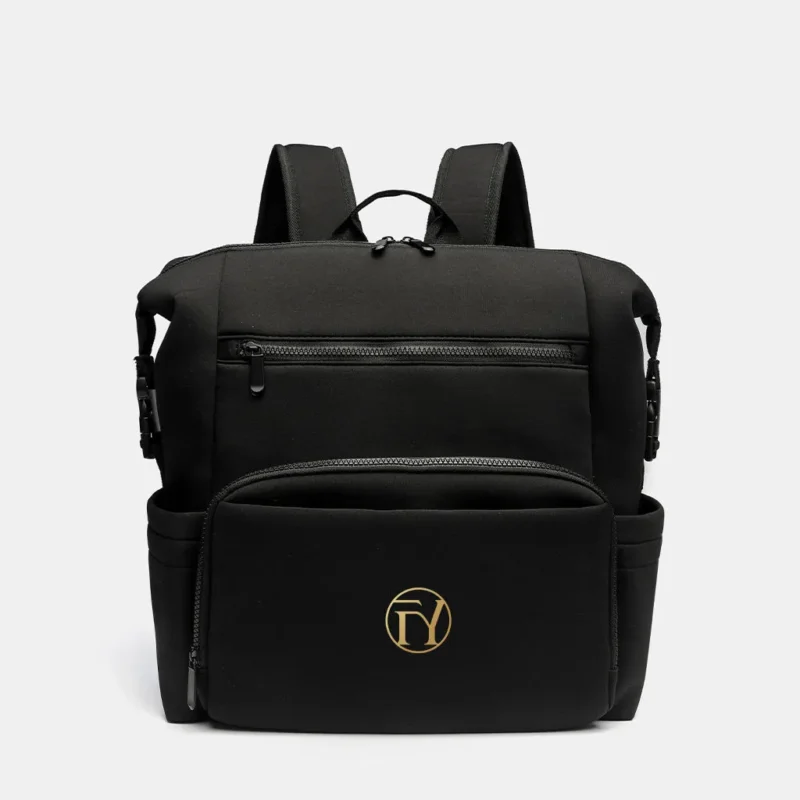
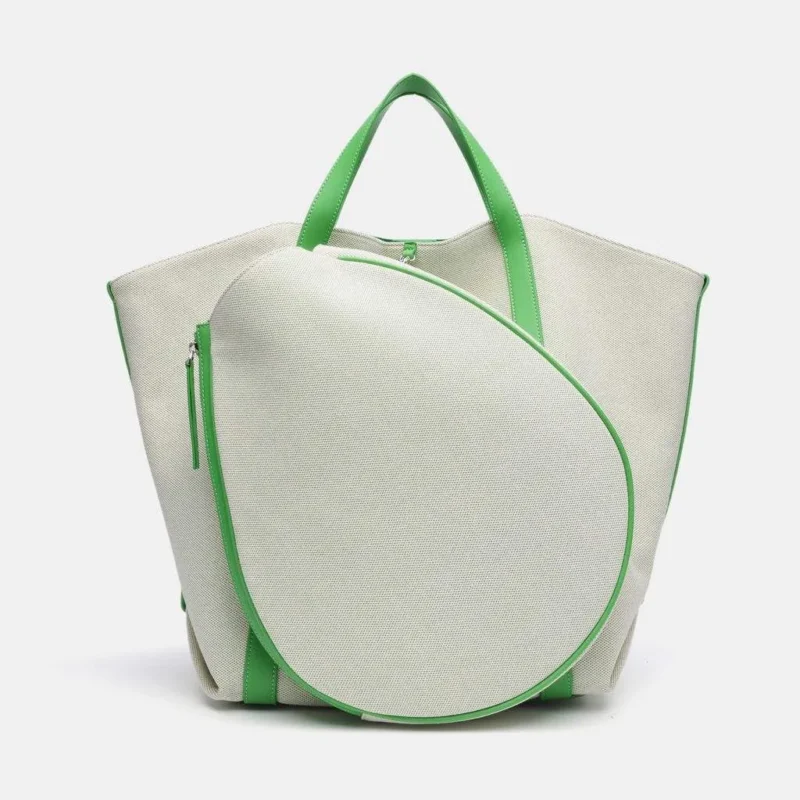
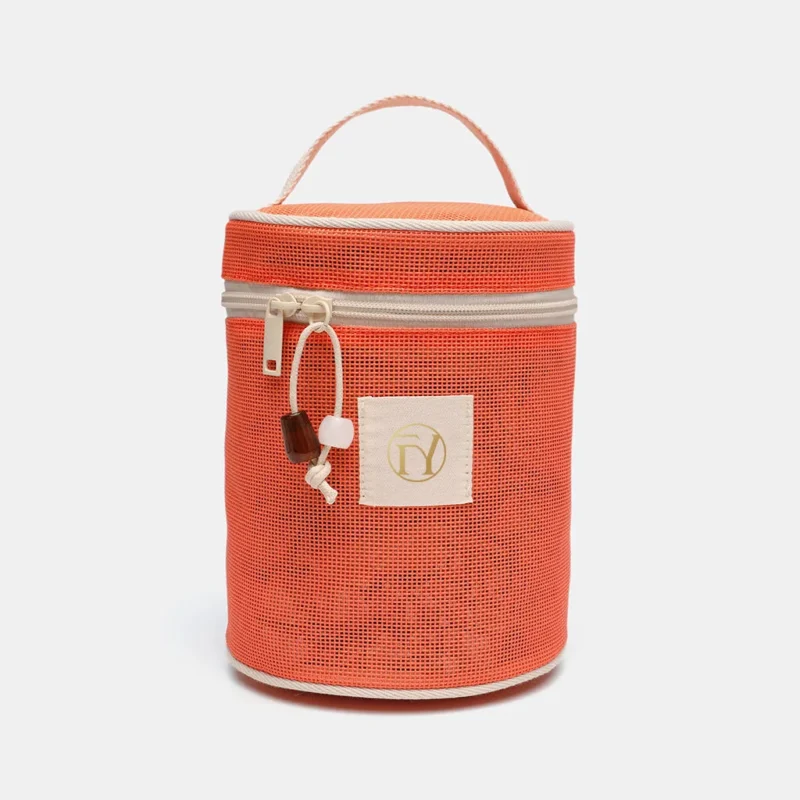
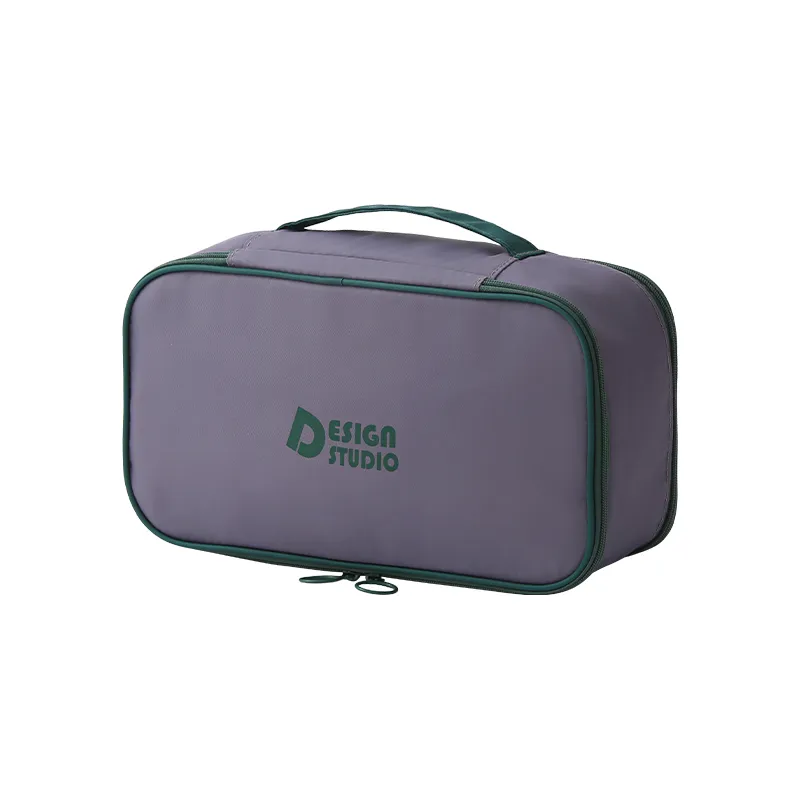
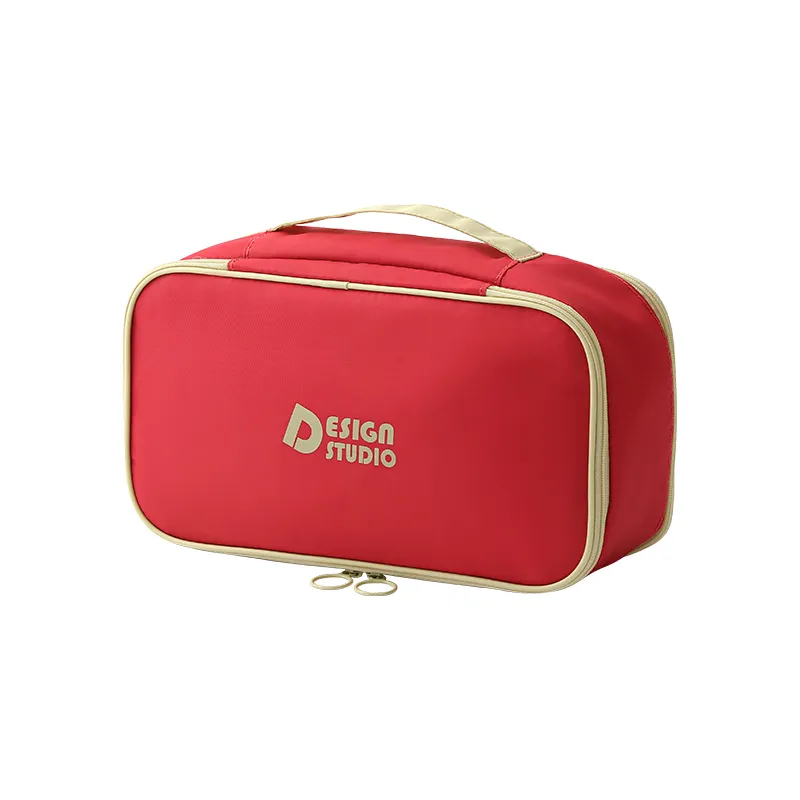
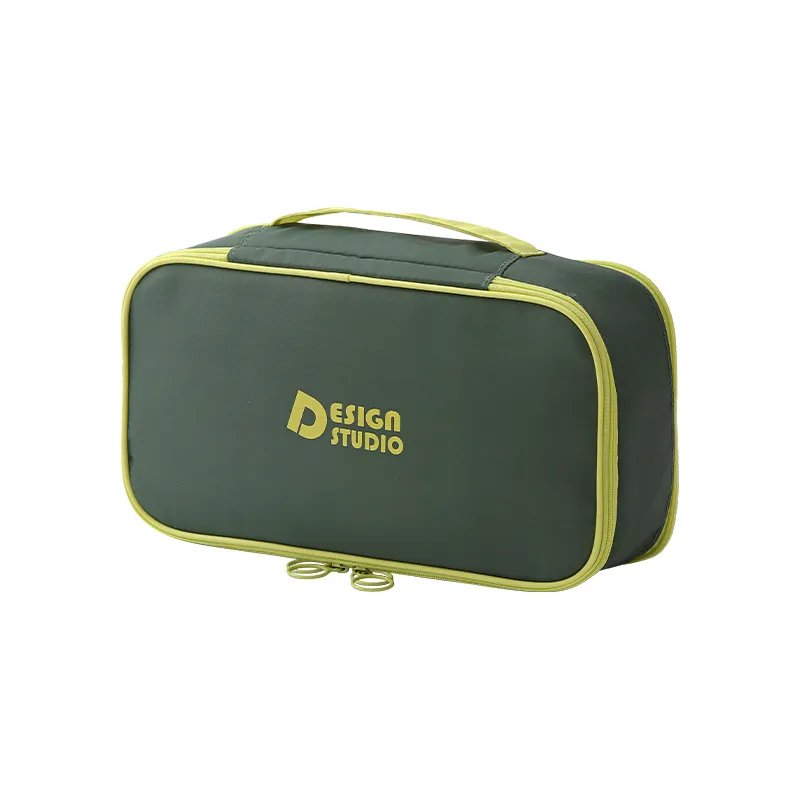
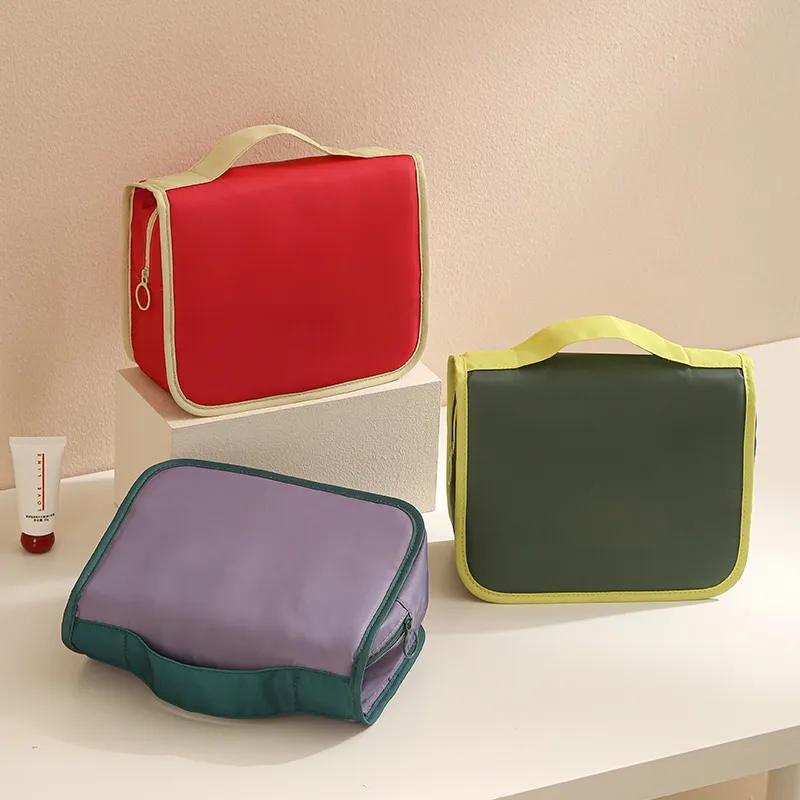
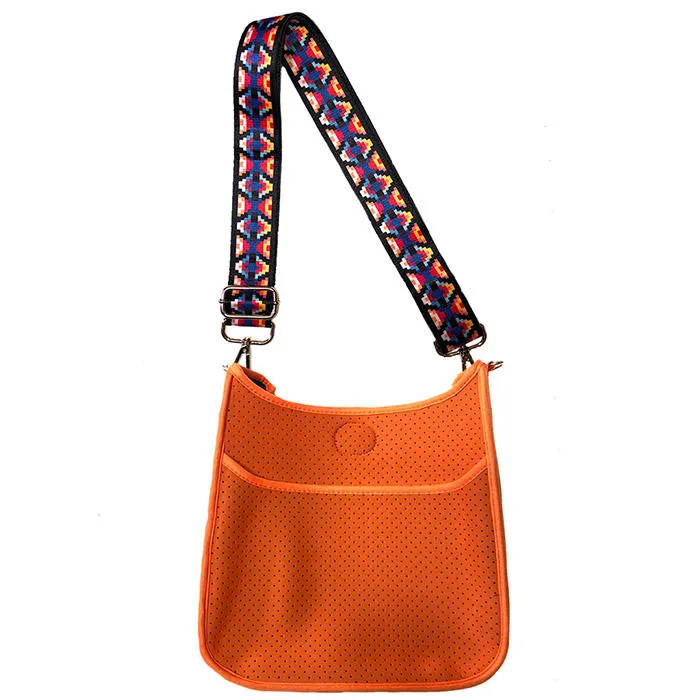
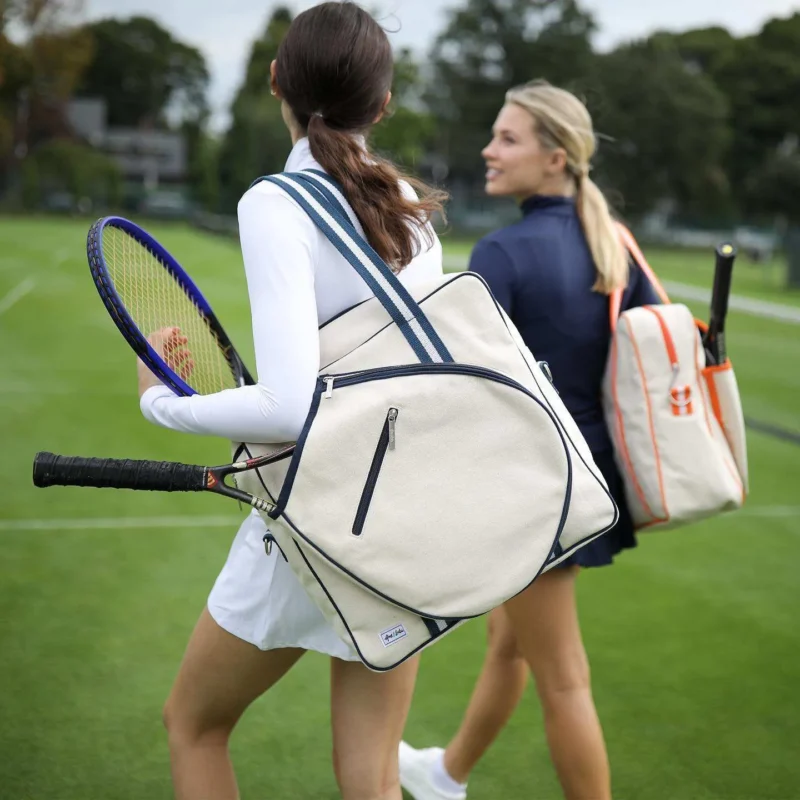
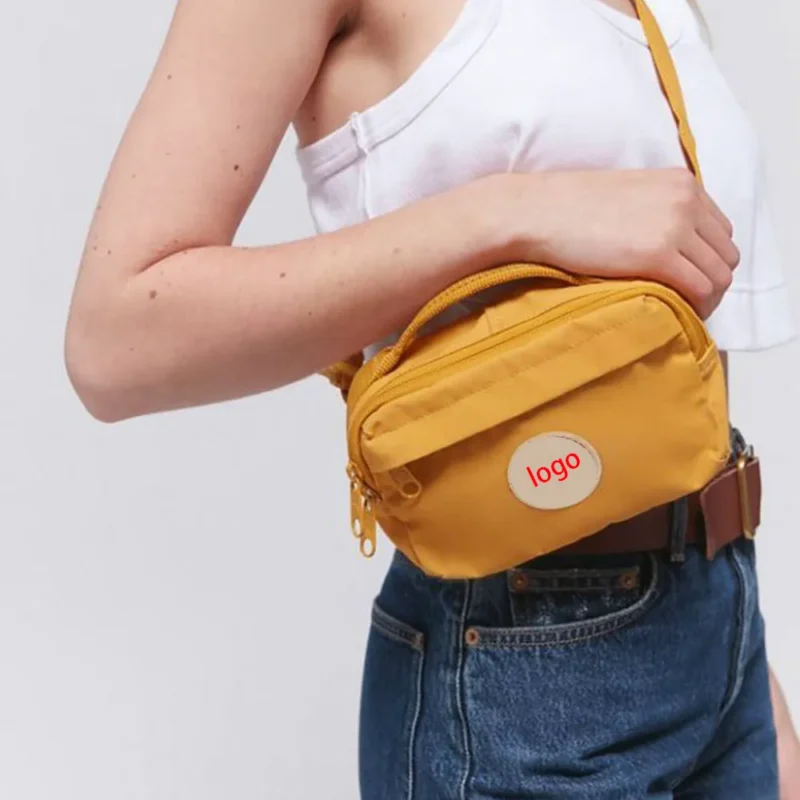
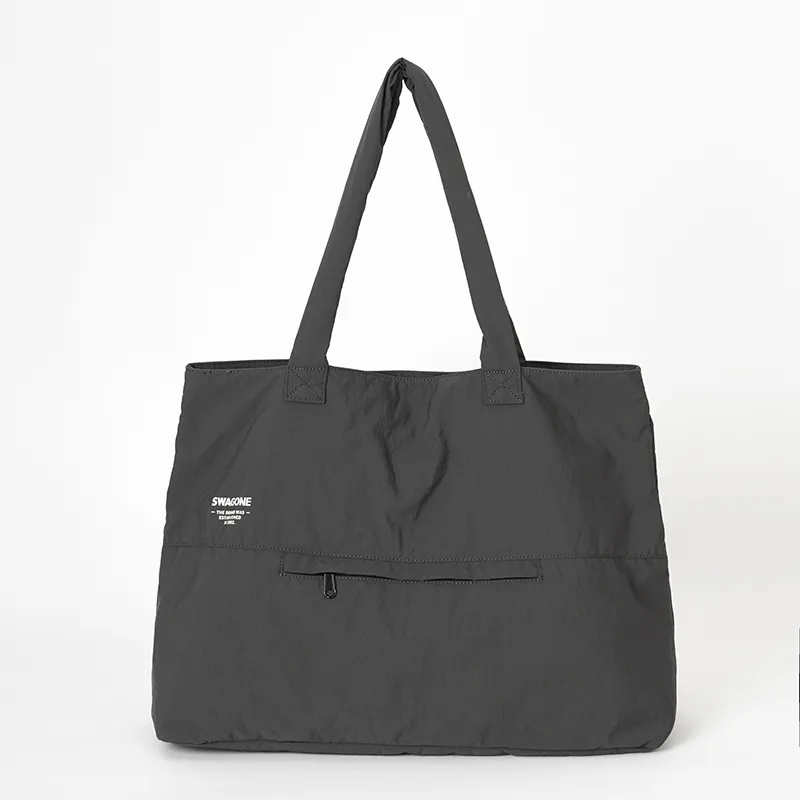
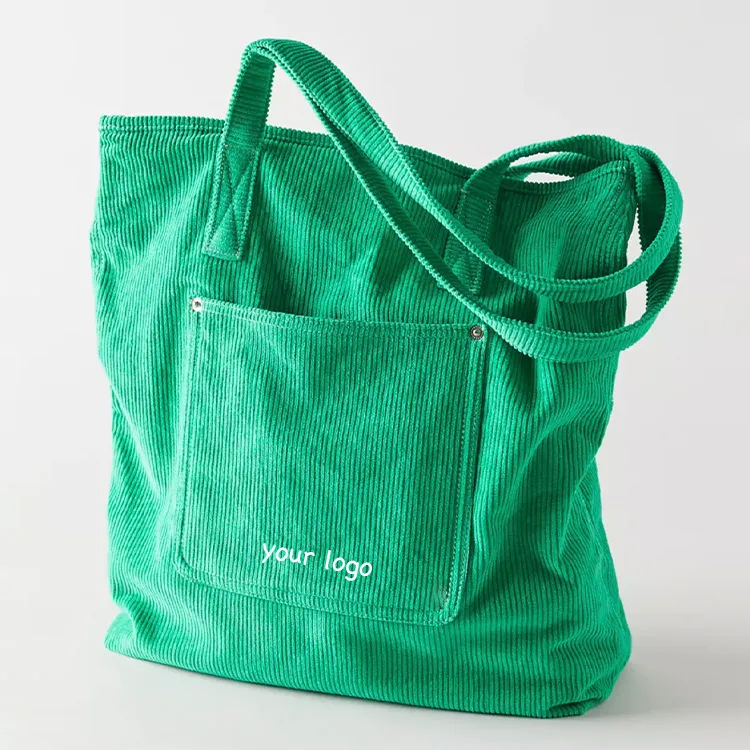
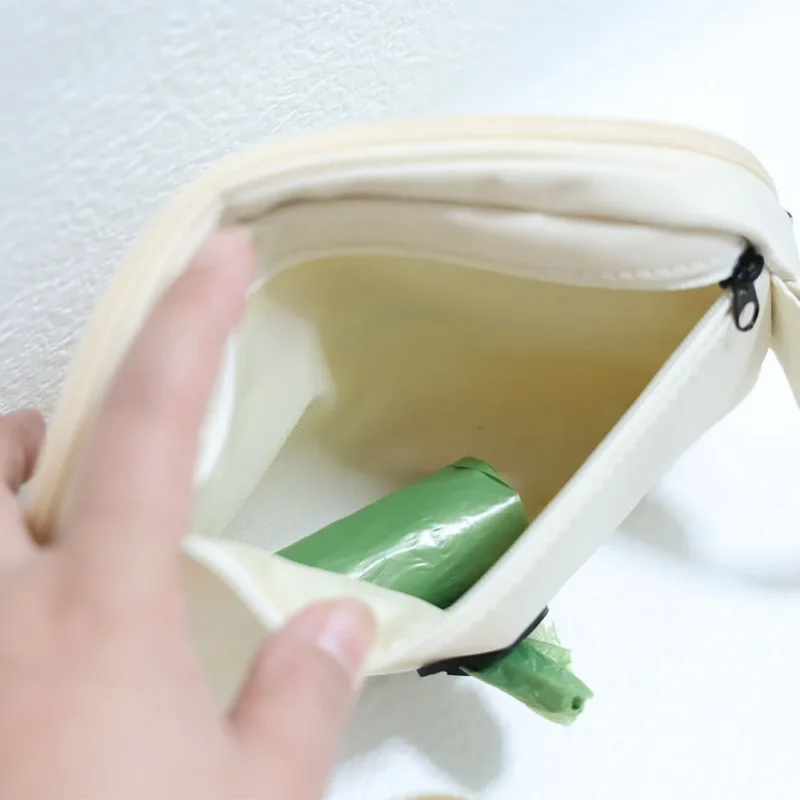
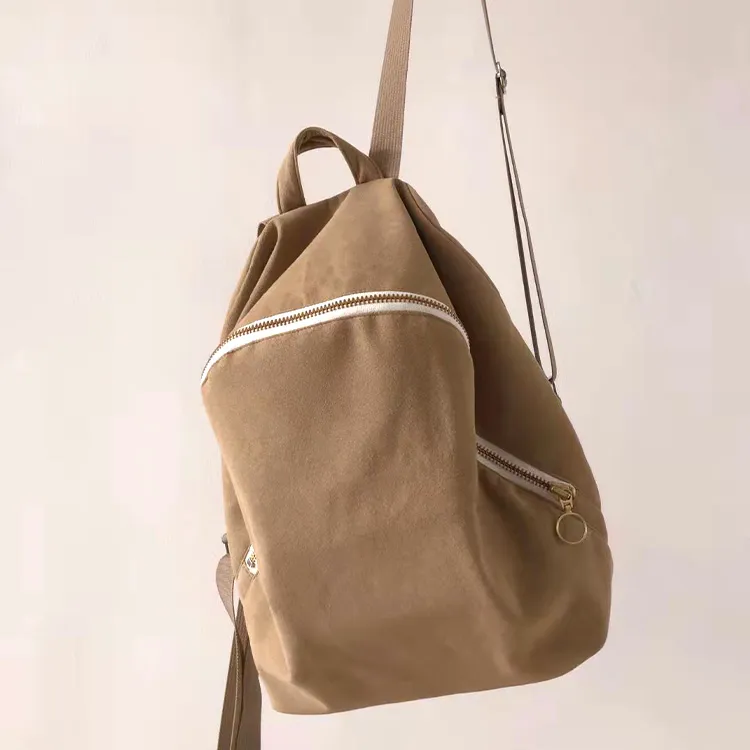
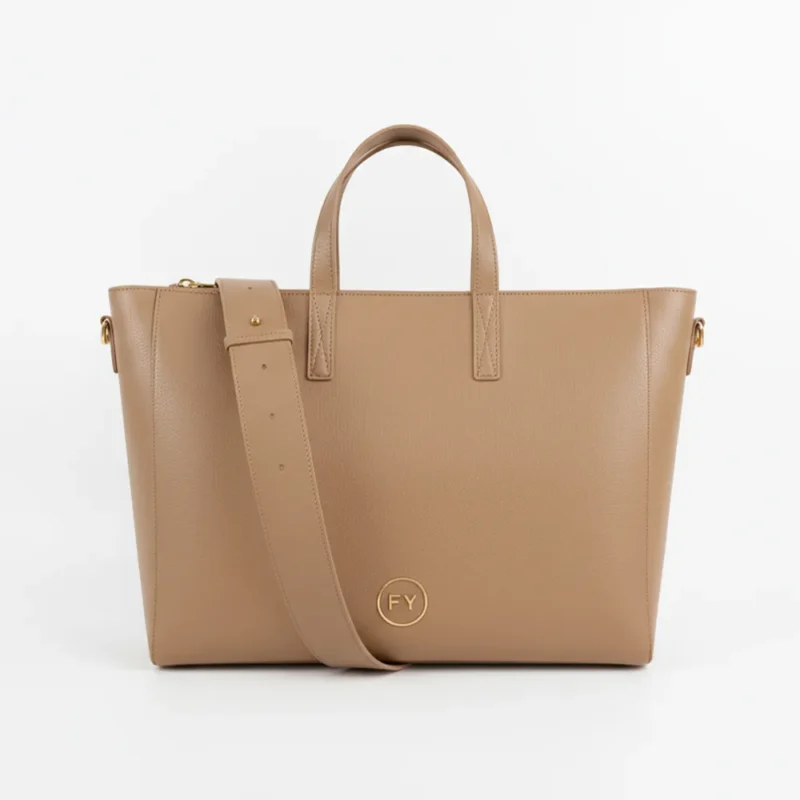
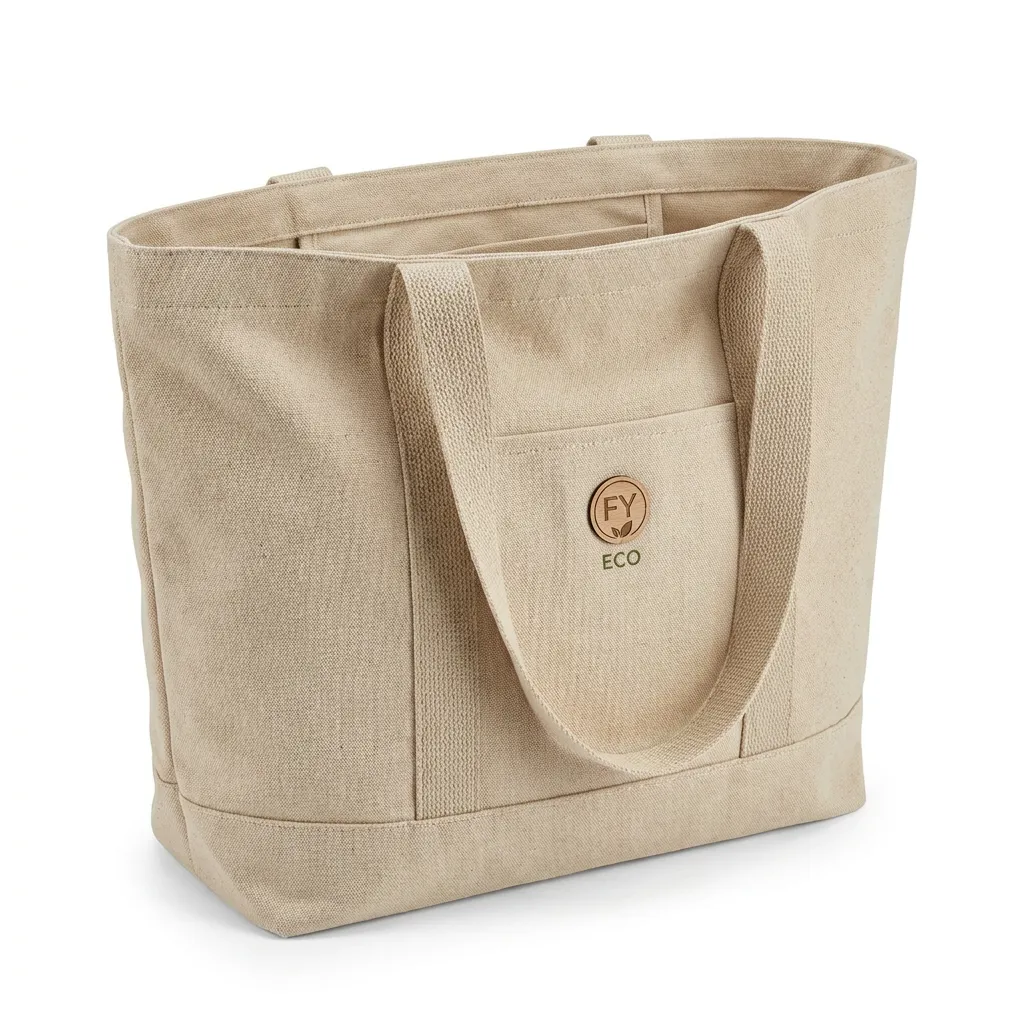
The #1 eco bag worldwide. Organic cotton, recycled canvas, jute, or non-woven PP. Reusable shopping tote, promotional giveaway, retail branded bag. The default eco format for plastic bag replacement programs.
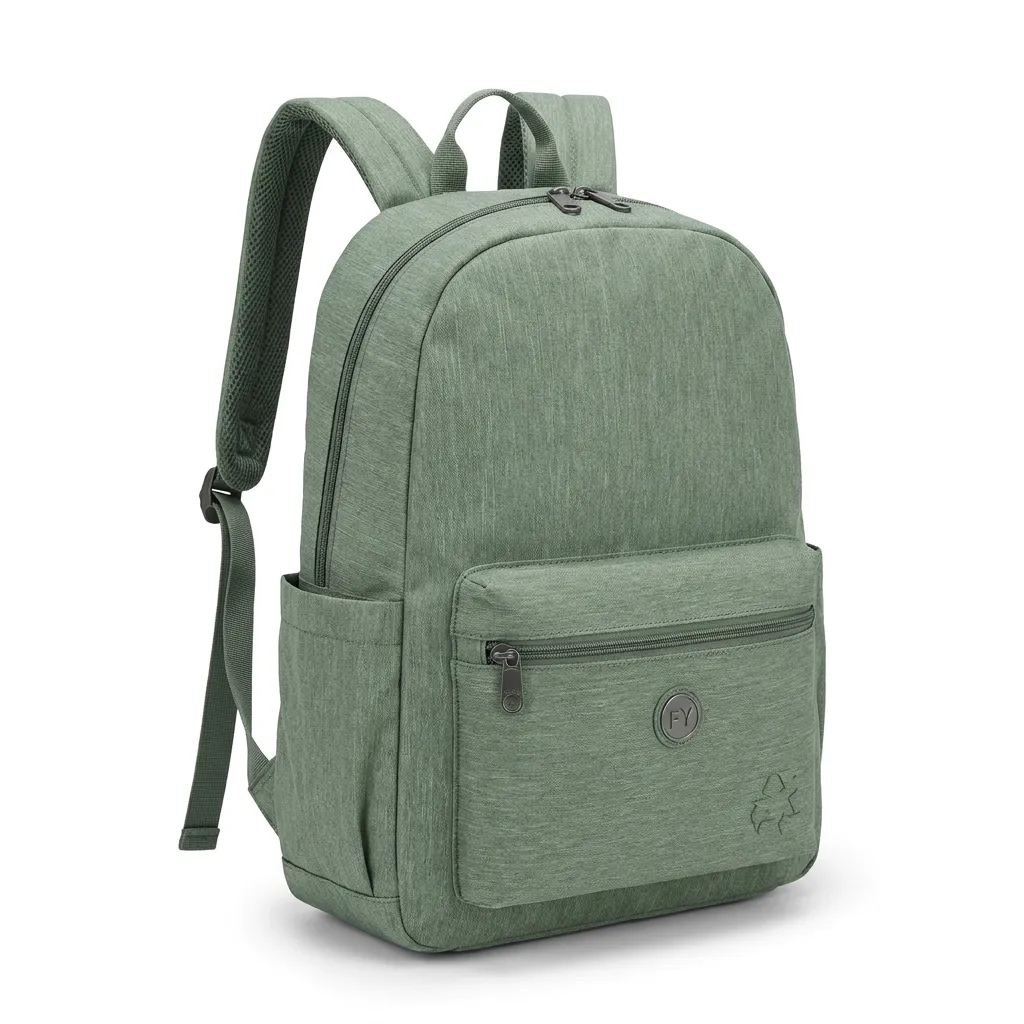
Recycled RPET polyester or recycled nylon backpack with padded straps and laptop sleeve. The premium eco format for lifestyle and outdoor brands. “Made from recycled plastic bottles” is a powerful consumer-facing claim.
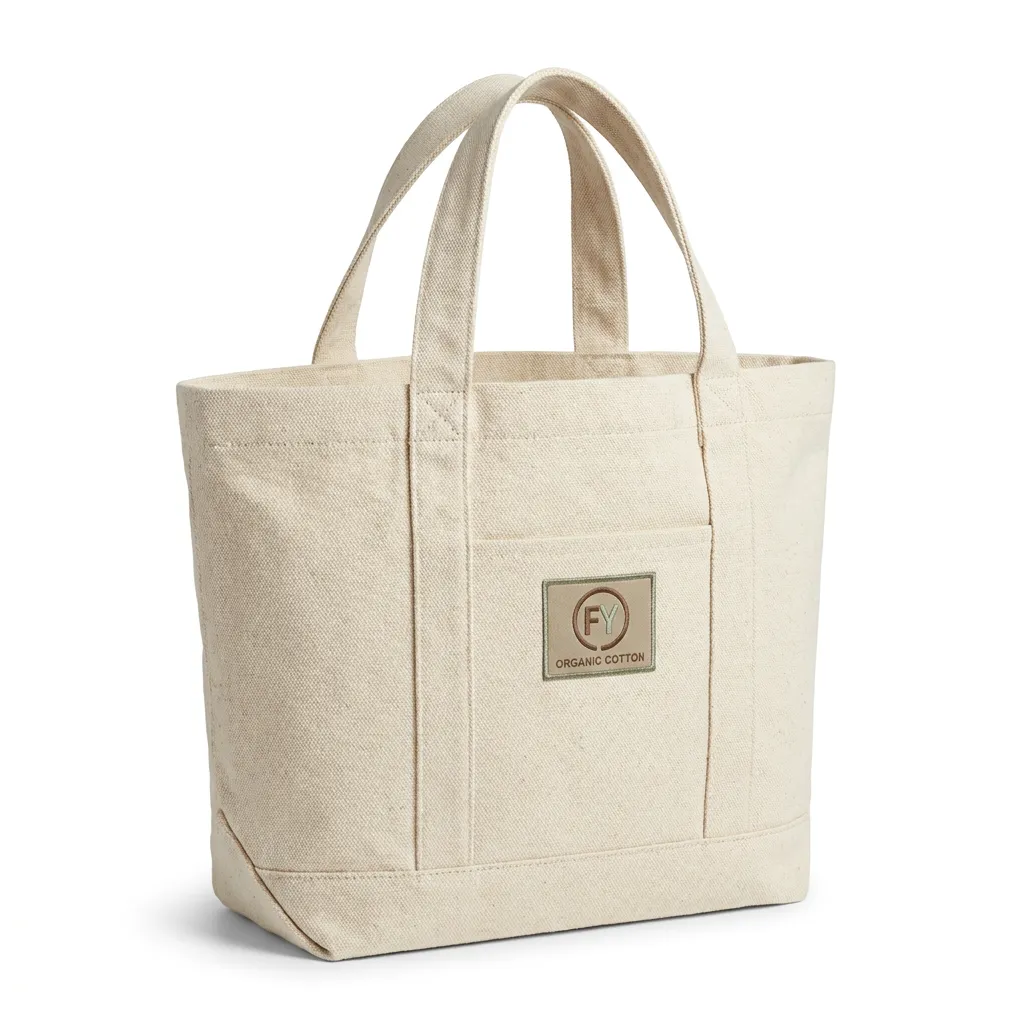
GOTS-certifiable organic cotton canvas — totes, crossbodies, and pouches. 8–16oz. Unbleached or dyed. The deepest eco claim for natural-fiber positioning. For eco brands, boutique retail, and premium corporate gifts.
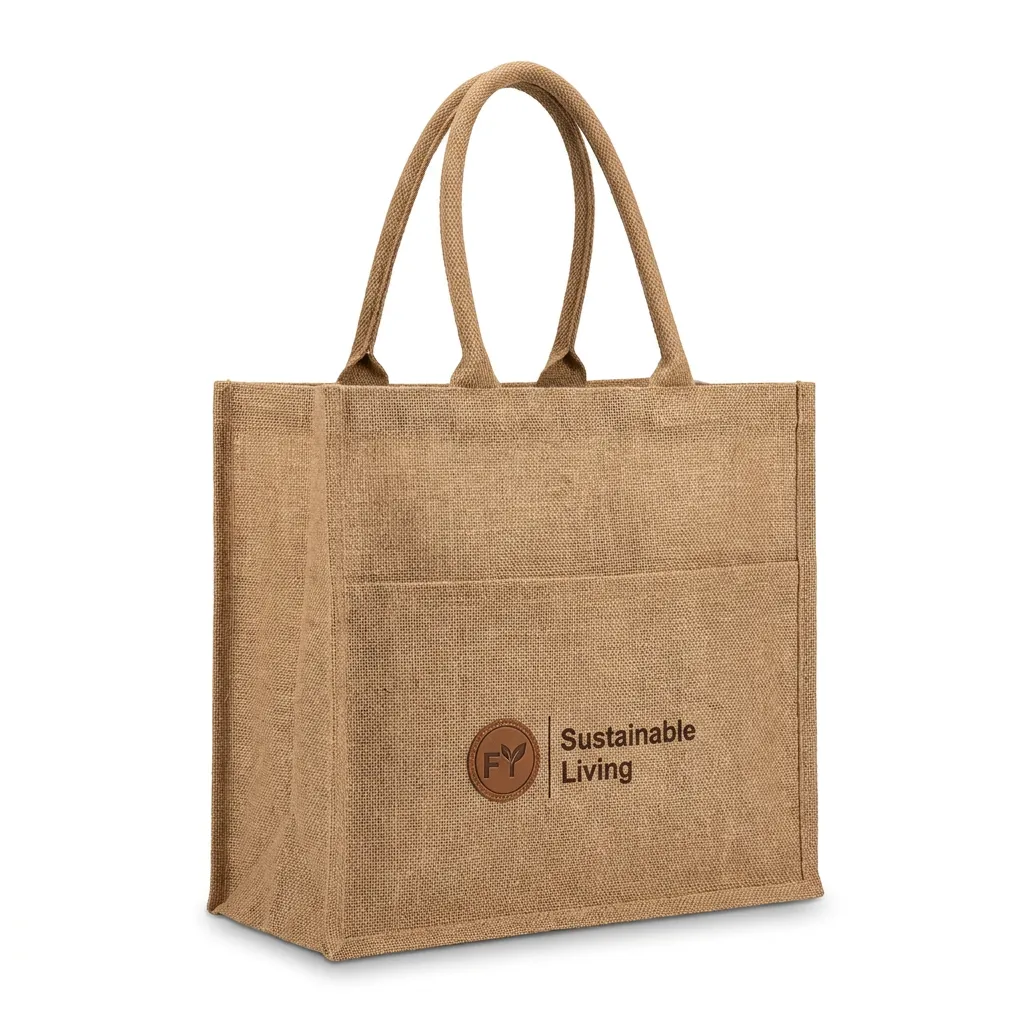
The most visually recognizable eco material. Jute totes and grocery bags — laminated or raw. Biodegradable, renewable, low-cost. Dominates the wine bag, grocery bag, and gift bag segments. The “looks eco, is eco” fabric.
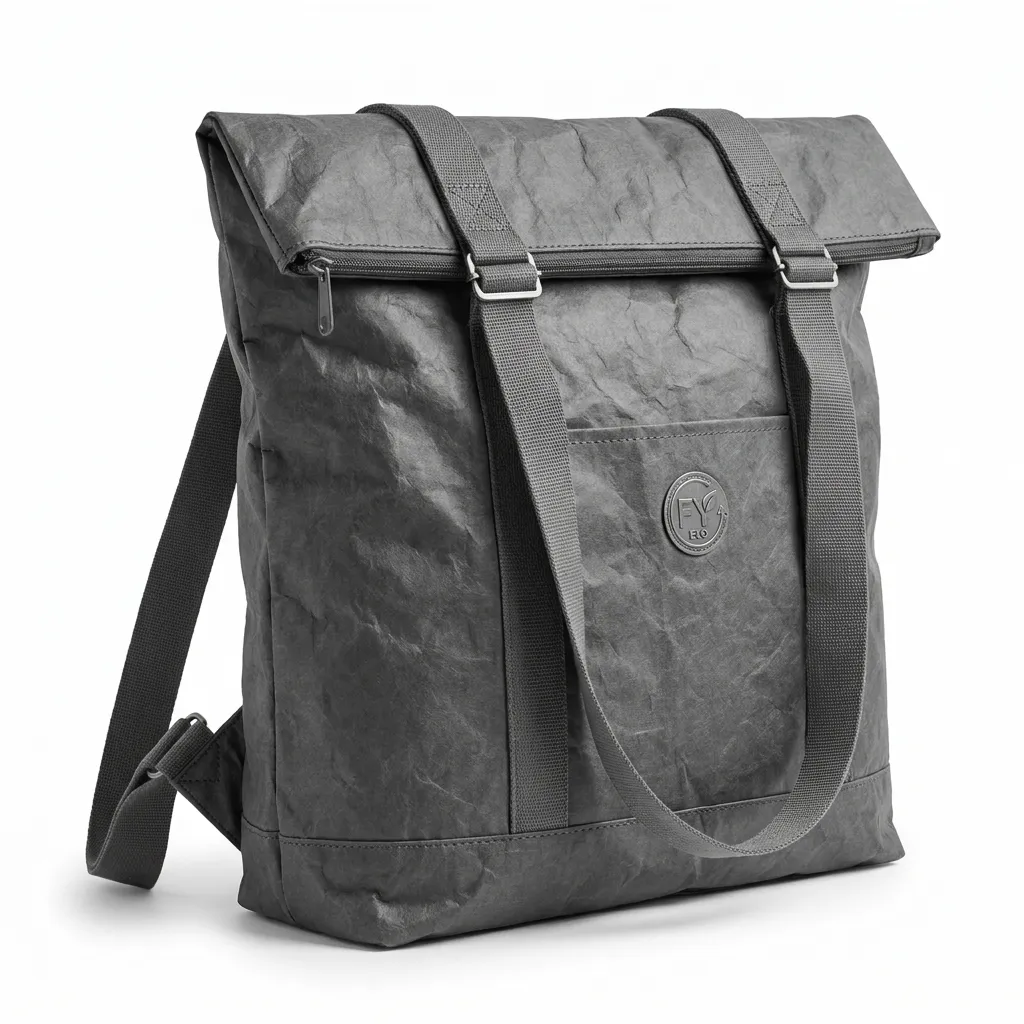
Tyvek — paper look, fabric performance. Recyclable HDPE. Lightweight, tear-resistant, full-surface printable. The modern eco alternative for fashion-forward brands, cosmetic pouches, and event bags. Crinkle patina develops with use.
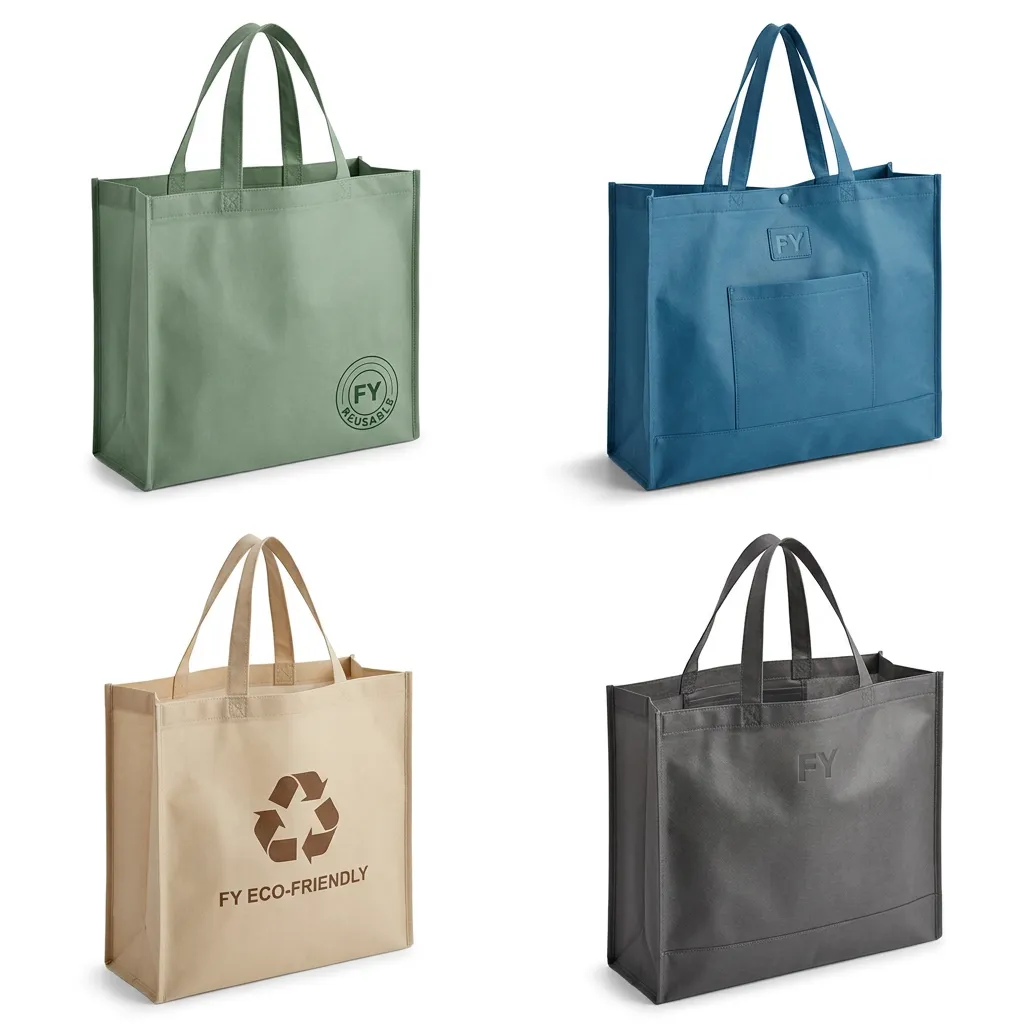
The highest-volume, lowest-cost reusable bag. Non-woven PP — reusable 50–100+ times. The material that replaced single-use plastic at global scale. 70–140 GSM. For supermarkets, retail chains, and high-volume promotional programs.
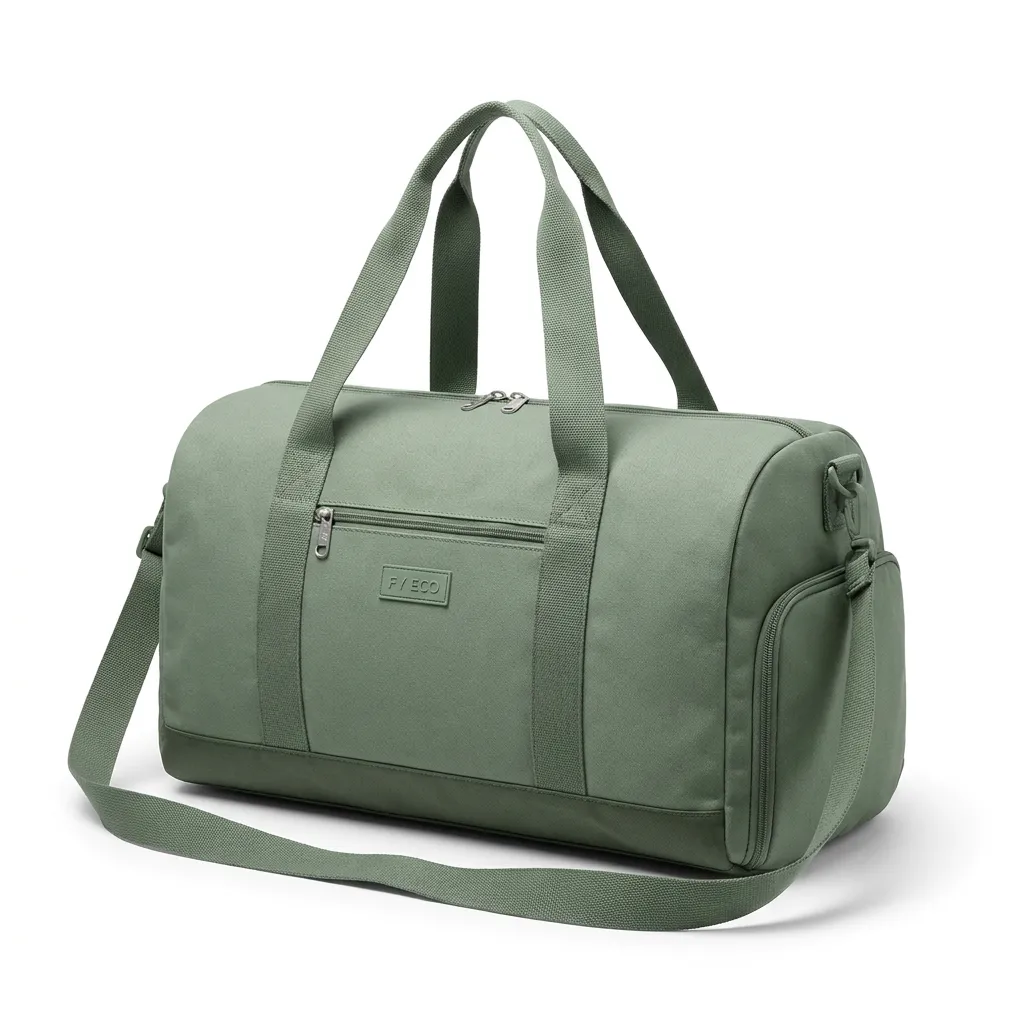
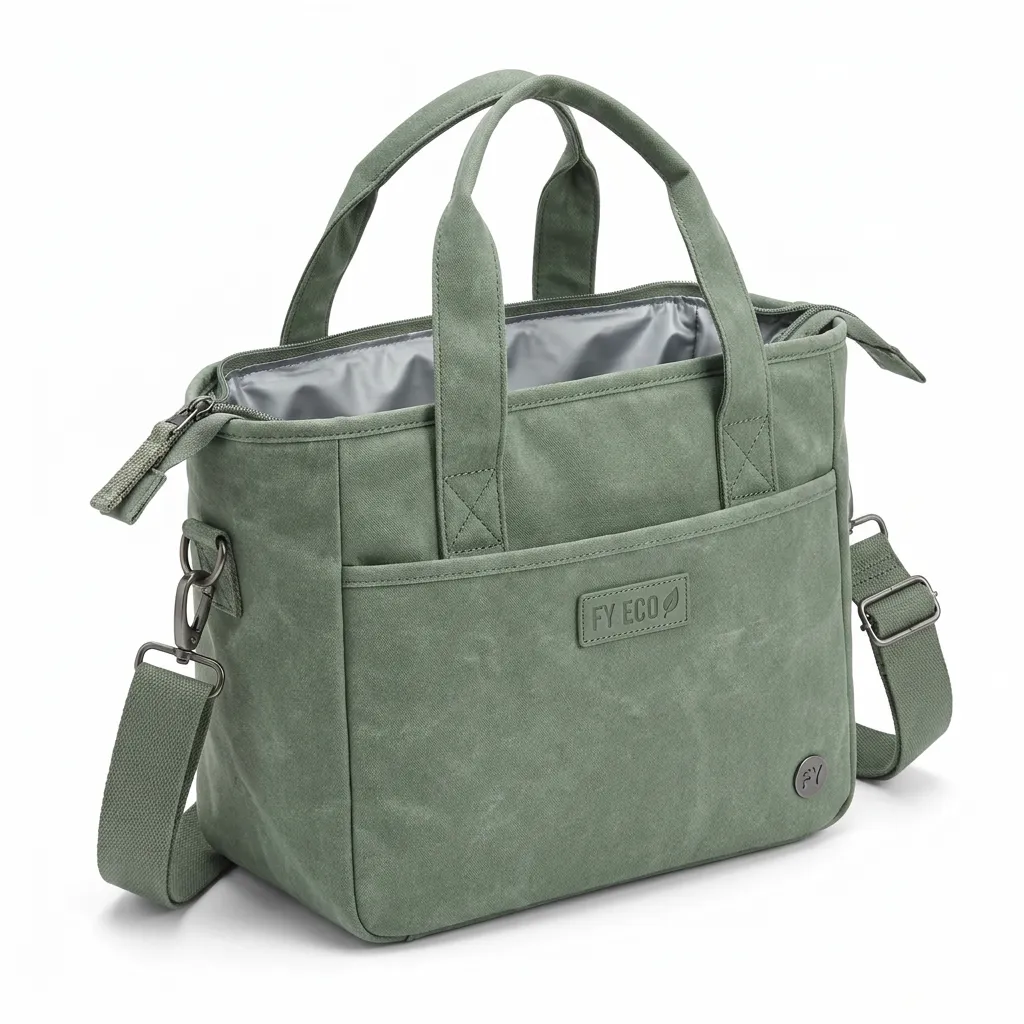
Organic cotton or recycled polyester outer with food-safe PEVA insulation lining. Lunch bags that combine eco exterior with functional insulation. For eco-conscious food brands, office suppliers, and Amazon sellers.
Not all eco materials are equal — they range from “mildly green” (reusable but still plastic) to “deeply green” (organic, biodegradable, certified). The tier you choose determines what eco claim you can make, what certifications you can reference, and what regulatory risk you carry. Choose carefully.
Tier 1
Reusable Plastic
Polypropylene — still plastic, but reusable 50–100+ times and recyclable (PP #5). The lowest-cost “eco” option. Eco claim: “reusable alternative to single-use plastic.” Not biodegradable. Best for: supermarket bag programs, high-volume promotions.
Tier 2
Recycled Synthetic
Post-consumer recycled plastic bottles or fishing nets turned into fabric. Eco claim: “diverts waste from landfill / ocean.” GRS-certifiable. Not biodegradable. Best for: backpacks, duffles, gym bags where synthetic performance is needed.
Tier 3
Natural Fiber
Natural, renewable, biodegradable plant fibers. Eco claim: “natural, biodegradable, renewable.” No complex certification required for basic natural claims. Best for: totes, shopping bags, grocery bags, promotional bags where natural look matters.
Tier 4
Certified Organic
Cotton grown without synthetic pesticides or fertilizers, GOTS-certifiable. Eco claim: “certified organic, pesticide-free, sustainable agriculture.” The deepest natural-fiber eco claim. Higher cost. Best for: premium eco brands, boutique retail, conscious consumer markets.
Tier 5
Innovative Eco
Newer eco-positioned materials with distinctive aesthetics. Tyvek (recyclable HDPE, paper look). Washable kraft paper. Recycled ocean-bound plastic. Eco claim varies by material. Best for: fashion-forward eco brands, DTC brands, design-led products.
Every eco bag tells one of three sustainability stories. Each story resonates with different buyer segments, supports different marketing claims, and faces different regulatory requirements. Mixing stories weakens positioning — pick the one that matches your brand and your buyer.
♻
Recycled
Recycled RPET polyester (from plastic bottles), recycled nylon (from fishing nets or fabric waste), recycled cotton (from textile scraps). The “circular economy” story — waste becomes product. Strongest B2B appeal for brands with ESG reporting requirements and corporate sustainability commitments.
Trade-off: still synthetic (RPET/nylon), still sheds microplastics. Not biodegradable. Requires GRS certification for verified claims.
Materials: RPET polyester, recycled nylon, recycled cotton
☘
Natural
Organic cotton, conventional cotton, canvas, jute/burlap, linen, hemp. The “return to earth” story — grown from plants, biodegrades at end of life. Strongest consumer appeal for eco-conscious shoppers who want to feel the difference in their hands.
Trade-off: cotton is water-intensive. Organic cotton costs more. Jute has a rough texture. Natural fibers lack the technical performance (water resistance, lightweight) of synthetics.
Materials: organic cotton, canvas, jute
↻
Reusable
Non-woven PP, Tyvek, durable polyester, heavy cotton. The “use it again” story — one reusable bag replaces hundreds of single-use plastic bags. Strongest regulatory appeal in markets with plastic bag bans (EU, UK, California, Australia).
Trade-off: non-woven PP is still polypropylene plastic. “Reusable” only works if customers actually reuse it — cheap giveaway bags that get discarded after one use don’t deliver on the promise.
Materials: non-woven PP, Tyvek, durable synthetics
Eco claims without verified certification are increasingly risky — the EU Green Claims Directive, US FTC Green Guides, and UK CMA guidance all target unsubstantiated environmental claims. We source eco materials from verified suppliers who hold or can supply the relevant certifications. Flag your certification requirements during quoting and we’ll source accordingly.
Important: FY sources from certified suppliers on request. Specific certifications (GRS, GOTS, etc.) are properties of the material supply chain, not of FY as a bag assembler. We will confirm which certifications your specific material batch carries at the quoting stage.
GRS
Global Recycled Standard — verifies recycled content percentage in RPET polyester, recycled nylon, and recycled cotton. Required for substantiated “recycled content” claims in most markets. We source GRS-certified RPET and recycled nylon on request.
GOTS
Global Organic Textile Standard — certifies organic cotton from farm to finished product. Required for “certified organic” claims. We source GOTS-certifiable organic cotton canvas on request. Flag this requirement at quoting for supplier confirmation.
OEKO-TEX
OEKO-TEX Standard 100 — tests for harmful substances in textiles. Not an “eco” certification per se, but verifies chemical safety. Available on many of our fabric sources including cotton, polyester, and nylon.
FSC
Forest Stewardship Council — relevant for paper-based and wood-fiber materials (kraft paper bags, Tyvek packaging). We can source FSC-certified paper materials on request.
FTC Green Guides
US Federal Trade Commission Green Guides — regulates environmental marketing claims in the US market. “Recyclable,” “biodegradable,” “compostable,” and “eco-friendly” all have specific legal definitions. We help buyers choose materials that support defensible claims.
EU Green Claims
EU Green Claims Directive (proposed) — will require substantiation and third-party verification for environmental claims in the EU. Brands selling into the EU should plan for certified materials now. We source certified eco materials for EU-destined products on request.
Every eco bag leaves our Guangzhou factory fully customized — material, print, construction, certification, and packaging. We help you match the right eco material to your sustainability story, your regulatory requirements, and your budget. Sample turnaround in 5–7 days.
Free Add-on: Professional Product Photography Included
Free white-background product photos for your online shop, Amazon listings, and wholesale catalogs — no additional charge on production orders.
The eco-friendly bag category spans the widest material range of any category in our catalog — from plant fibers to recycled synthetics to innovative composites. We source from 200+ verified suppliers including certified eco material suppliers.
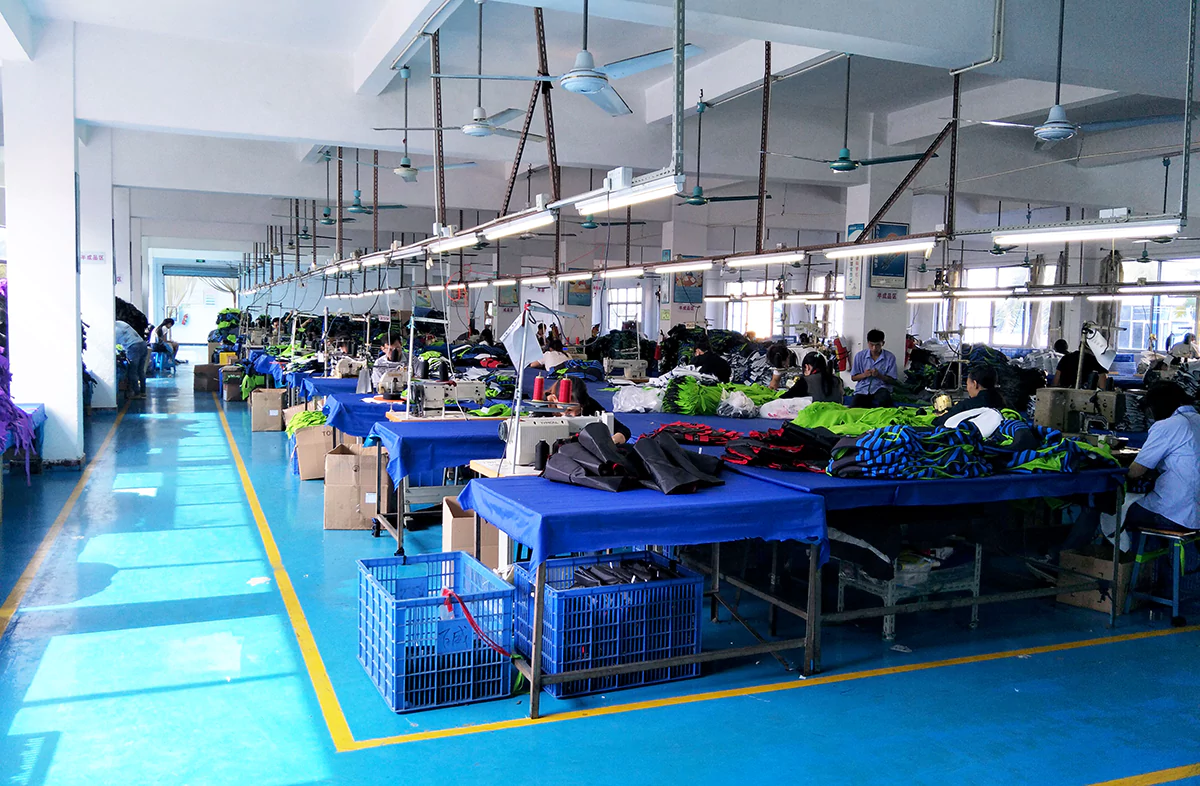
FY Bag Custom operates its own vertically integrated factory in Guangzhou — design, sampling, cutting, sewing, printing, and QC all under one roof. Eco-friendly bag production uses the same 10+ production lines as our full catalog, which means eco bags get the same construction quality, QC rigor, and production efficiency as conventional bags.
FY introduced eco-friendly materials into our production capability in 2021, and eco materials now represent a growing share of our output. We source recycled RPET, organic cotton, jute, Tyvek, and other eco materials from verified suppliers — and can confirm specific certifications at the quoting stage for your material batch.
Years in Manufacturing
Factory Floor Area
Professional Staff
Production Lines
Monthly Capacity
Pre-Shipment Inspection
Eco bags face the same QC requirements as conventional bags — plus additional material-verification steps to ensure the eco material you ordered is the eco material you receive. Recycled content percentage, organic fiber purity, and certification documentation are verified at incoming inspection. Third-party inspections welcome.
Eco material supplier certificates verified against order spec: GRS certificate for RPET, GOTS certificate for organic cotton, material test reports for recycled content percentage. Fabric weight, color, and hand feel confirmed against approved swatch.
PPS delivered in 5–7 days on final eco material. Mass production starts only after your written sign-off on material, print quality, construction, and eco-specific requirements (certification docs, eco hangtags, etc.).
Print adhesion, color accuracy, and ink type verified — especially important for water-based and soy-based inks on natural fibers, which behave differently from plastisol on synthetics. Embroidery tension checked on eco fabrics.
Handle attachment, seam strength, zipper function, and closure mechanisms tested — same rigor as conventional bags. Eco materials sometimes have different tear and tensile properties; construction methods adapted accordingly.
Every finished eco bag inspected one by one — material, print, construction, hardware, labels, eco-specific hangtags, certification inserts. Not sampled, not skipped.

Eco packaging options verified — recycled kraft boxes, compostable polybags, unbleached tissue. Certification documents packed with shipment. Container loading photos and videos sent within 24 hours.
Same streamlined process as our conventional bags — with an additional eco-material consultation step at the start to match material to claim. Sample in 5–7 days, bulk in 20–35 days depending on material and certification requirements.
Day 1–2
Send requirements; we recommend eco material and confirm certification availability.
Day 3–10
Eco-material prototype in 5–7 days via DHL.
Day 11–13
30% T/T deposit; balance before shipment.
Day 14–40
Daily WIP photos; eco material certificates included.
Day 41–45
100% inspection plus eco-material verification docs.
Day 46–55
Sea, air, express, or direct-to-FBA.
Sample Lead Time
5–7 Days
Mass Production
25–35 Days
Payment Terms
30% T/T · 70% Before Shipment
Shipping Terms
FOB · CIF · DDP · Amazon FBA
Over the past 15+ years, FY has manufactured eco-friendly bags for sustainability brands, retail chains, corporate programs, promotional distributors, and Amazon FBA sellers worldwide.
OEM production of a 6-SKU recycled RPET polyester backpack collection — GRS-certified material, padded laptop sleeve, water-resistant coating. Recycled kraft hangtags, compostable polybag packaging. 100% inspection. FOB to US and European distribution. “Made from 12 recycled plastic bottles” consumer messaging.
Branded jute and non-woven PP reusable shopping bags for a grocery chain’s plastic bag replacement program. Jute for premium checkout, non-woven PP for bulk giveaway. Two-color screen-printed logo. Sea freight CIF. Reordered quarterly for 2+ years.
ODM partnership on a 10oz organic cotton canvas tote with water-based screen-printed artwork. GOTS-certifiable fabric. FNSKU labeling, eco kraft packaging, free photography. Air-shipped to FBA in US and UK. Ranked top 20 in “eco tote bag” within 40 days.
Global Shipping Options
•Sea Freight
•Air Freight
•Express (DHL, FedEx, UPS)
•Rail Freight
•Door-to-Door
•Direct-to-Amazon FBA
Straight answers to the questions bulk-order buyers ask most often about custom eco-friendly bag production.
Depends on your sustainability story, your bag type, your retail price, and your regulatory environment. For reusable shopping bags at the lowest cost: non-woven PP. For natural-fiber totes: organic cotton or jute. For performance bags (backpacks, duffles, gym bags) with eco positioning: recycled RPET polyester. For fashion-forward eco: Tyvek. Contact us and we’ll recommend based on your specific requirements.
We source from suppliers who hold GRS (Global Recycled Standard) certification for recycled RPET and recycled nylon, and who supply GOTS-certifiable organic cotton. Specific certifications are confirmed per material batch at the quoting stage — flag your certification requirements when you send your inquiry.
Non-woven PP is polypropylene — a petroleum-based plastic. It is reusable (50–100+ times) and recyclable (PP #5), but it is not biodegradable, not compostable, and not a natural fiber. Its eco claim is “reusable alternative to single-use plastic.” This is a legitimate claim — but it’s not the same as “natural” or “biodegradable.” We recommend honest positioning to avoid greenwashing risk. For natural-fiber alternatives, see our cotton, canvas, or jute pages.
MOQ varies by material and bag type. Non-woven PP totes have the lowest MOQ. Organic cotton and recycled RPET bags have higher MOQs due to certified material sourcing. We welcome test-order quantities from Amazon sellers and start-ups. Contact us with your material, bag type, and quantity for a specific confirmation.
Yes. We offer water-based screen-printing inks (lower VOC than plastisol) and soy-based inks for silk screen on natural fibers. These are standard for eco-positioned bag programs. Digital and heat-transfer printing are also available. Flag your ink preference during quoting.
Yes. We offer recycled kraft paper boxes, compostable PLA-based polybags (home-compostable), unbleached tissue paper, recycled cardboard hangtags, and kraft belly bands. Eco packaging is available on all eco bag orders and increasingly requested by brands selling in eco-conscious markets.
Yes. FNSKU labeling, Amazon-compliant packaging (eco options available), and carton labeling handled at our Guangzhou factory. Direct to FBA warehouses in the US, EU, UK, and other markets.
Yes. European Industrial Park, Shiling Town, Huadu District, Guangzhou. Monday–Saturday. Video tours available for remote buyers.
Send us your sustainability requirements, target material, and bag type — we’ll come back within 24 hours with a detailed FOB quotation covering eco material options, certification availability, printing method, construction, and packaging. Honest positioning, verified materials, factory-direct pricing.