Tel/WhatsAapp:+86 18011919834
E-mail: chloe.x@fybagcustom.com

Tel/WhatsAapp:+86 18011919834
E-mail: chloe.x@fybagcustom.com
Send Your Inquiry Today

Who this guide is for: brand owners, sourcing managers, wholesale buyers, Amazon FBA sellers, DTC founders, corporate gifting leads, and retail merchandisers who are developing custom tote bags with logos or artistic prints for their 2026 product lines, promotional campaigns, or retail programs. If you want to understand how a personalized canvas tote can cross from utility into fashion — and how to specify one for OEM production — this guide covers the full journey.
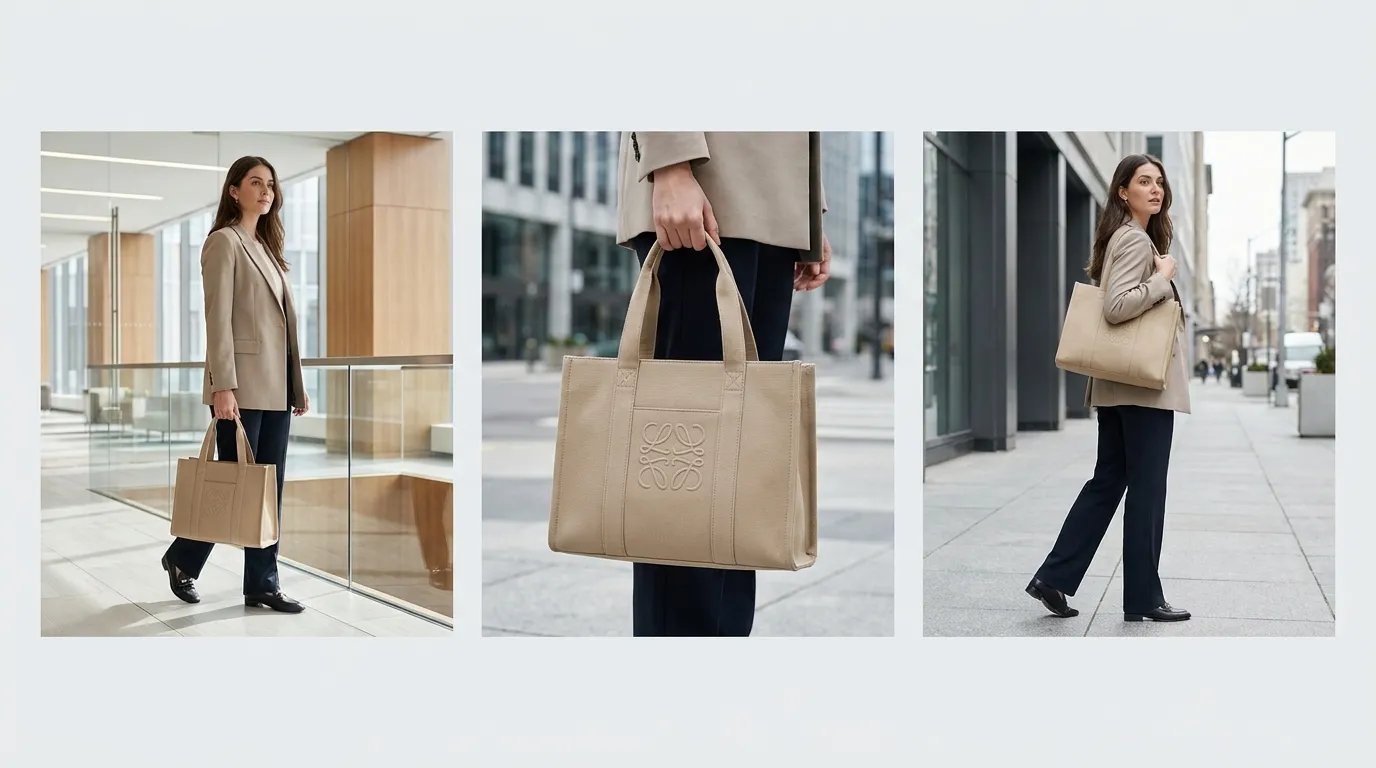
The canvas tote has traveled further than almost any other bag type in fashion history. It began as a grocery carrier, became an environmental statement, and then settled into a long middle period as the default freebie at conferences and bookshops. In 2026, the tote is completing its most commercially significant transformation yet: from disposable utility item into a legitimate fashion accessory that women carry into offices, onto flights, and through city streets alongside handbags that cost ten times more.
What changed? Not the basic silhouette — totes are still open-top, twin-handle, flat-bottomed rectangles. What changed is the quality of the canvas, the sophistication of the branding, and the construction details that separate a bag someone keeps for years from one that gets stuffed under a sink after a single use. For B2B buyers, this shift represents one of the highest-margin opportunities in the bag category: the raw material cost of a custom tote bags with logo remains low, while perceived value has climbed dramatically as consumers now treat well-designed totes as fashion items worth paying for.
This guide examines how the tote market has stratified, what separates a “fashion tote” from a “promo tote” at the manufacturing level, how custom logos and artistic illustrations elevate the product, and what to specify when working with a tote bag manufacturer in China to produce bags that land on the fashion side of the divide.
The tote bag market is no longer a single category. It has split into three distinct tiers, each with different materials, construction standards, price points, and buyer profiles. Understanding which tier you are developing for determines every subsequent decision — from canvas weight to print method to hardware selection.
| Tier | Position | Canvas Weight | Typical Retail Price | Construction | Branding Style | Primary Buyers |
|---|---|---|---|---|---|---|
| Promotional | Giveaway / event freebie | 4–6 oz (lightweight) | 5 (cost, not retail) | Single-layer, minimal stitching, no lining | Single-color screen print, large logo | Event organizers, corporate marketing, NGOs |
| Everyday elevated | Affordable fashion accessory | 10–14 oz (mid-weight) | 45 | Reinforced handles, inner pocket, gusset base | Multi-color print, artistic illustration, tonal embroidery | DTC brands, Amazon FBA, indie retailers |
| Premium fashion | Designer-adjacent, investment piece | 16–24 oz (heavy) or leather-trimmed | 150+ | Structured base, leather handles or trim, zip closure, lining | Minimal or tonal logo, debossing, foil stamp, woven label | Premium DTC, boutique retail, fashion brands |
The commercial sweet spot for most B2B buyers in 2026 is the everyday elevated tier. It commands retail prices high enough to generate meaningful margin, while keeping production costs accessible and MOQ volumes realistic. The premium fashion tier is a strong growth segment but requires higher material costs and more complex construction.
The promotional tier remains a massive volume market, but it is not where the “grocery bag to fashion statement” transformation is happening. If your goal is to produce totes that consumers choose to carry repeatedly — and photograph for social media — you are building in the elevated or premium tier.
Relative order volume share across B2B buyer segments.
The largest single use case — daily commute and office carry — confirms that the tote has genuinely crossed into workplace fashion. Consumers are selecting totes that coordinate with professional outfits, which means construction quality, handle comfort, and branding subtlety all need to meet a higher bar than the promotional tier can deliver.
Nothing separates a “cheap tote” from a “fashion tote” more immediately than the weight and hand-feel of the canvas itself. When a consumer picks up a tote at a retail display or receives it in a DTC shipping box, the first impression is tactile — and that impression is determined almost entirely by canvas weight, weave density, and finish treatment.
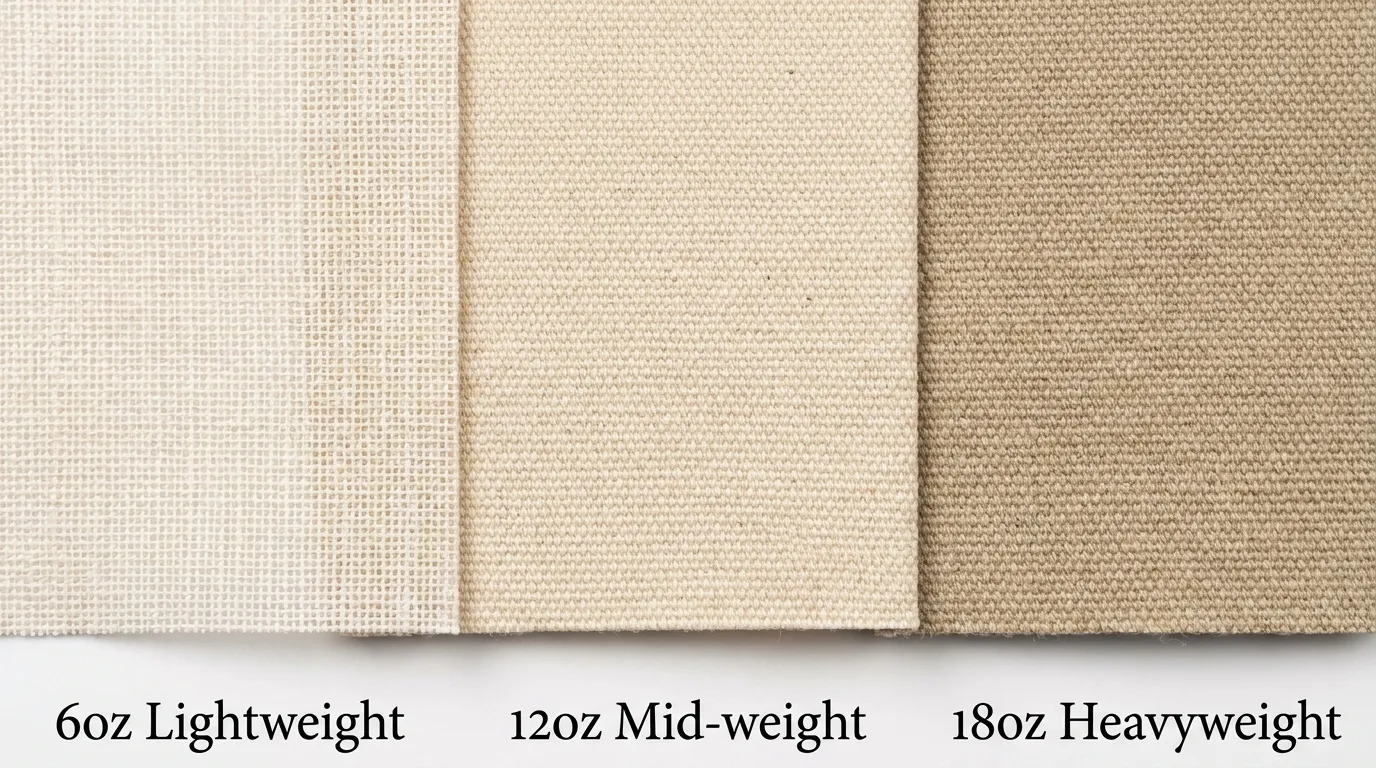
| Canvas Specification | Weight (oz/yd²) | Hand-Feel | Structure | Printability | Tier Alignment |
|---|---|---|---|---|---|
| Lightweight cotton canvas | 4–6 oz | Thin, soft, floppy | Collapses flat easily | Good for single-color screen print | Promotional only |
| Mid-weight cotton canvas | 8–10 oz | Soft with some body | Holds shape when filled, not empty | Good for multi-color screen, heat transfer | Bridge between promo and elevated |
| Standard fashion canvas | 10–14 oz | Structured, satisfying | Holds shape empty, clean silhouette | Excellent for all print methods | Everyday elevated |
| Heavy duck canvas | 16–20 oz | Stiff, robust, premium | Stands upright independently | Excellent; absorbs detail well | Premium fashion |
| Waxed canvas | 10–18 oz + wax coating | Firm, weather-resistant, ages with patina | Rigid, develops creases intentionally | Limited — wax resists water-based inks | Heritage / outdoor premium |
| Organic / recycled canvas | 10–14 oz | Similar to standard, slightly textured | Good structure | Good for most print methods; verify ink adhesion | Sustainability-positioned brands |
For the “everyday elevated” tier that drives the largest volume in 2026, 10–14 oz standard cotton canvas is the default recommendation. It provides enough structure that the bag holds its shape on a desk or a café chair, feels substantial in the hand, and accepts all major print and decoration methods cleanly. Stepping up to 16 oz or above enters premium territory — justified when retail prices exceed $50 and the construction includes leather trim or metal hardware.
Handles are the most touched, most stressed, and most visible component of a tote. They are also the single easiest upgrade that shifts a tote from promotional to fashion. The cost difference between a flat cotton-tape handle and a padded rolled-canvas handle is modest per unit, but the impact on perceived quality is dramatic.
| Handle Type | Width | Comfort | Visual Effect | Cost Impact | Best For |
|---|---|---|---|---|---|
| Flat cotton tape (sewn on) | 25–30 mm | Low — cuts into shoulder | Basic, utilitarian | Baseline | Promotional tier |
| Wide cotton webbing | 35–40 mm | Moderate — distributes weight | Casual, everyday | +5–10% | Bridge / casual elevated |
| Self-fabric rolled handles | 20–25 mm diameter | High — padded, ergonomic | Polished, intentional | +10–15% | Everyday elevated |
| Leather handles | 15–20 mm width | High — molds to grip | Premium, fashion-forward | +25–50% | Premium fashion |
| Leather-wrapped self-fabric | 25–30 mm | Very high — leather top, padded core | Luxury hybrid, best of both | +30–45% | Premium everyday |
| Detachable shoulder strap + short handles | Varies | Versatile — hand or shoulder | Modern, functional | +15–25% | Convertible / commuter totes |
For the elevated tier, self-fabric rolled handles or wide cotton webbing are the minimum specification. Flat cotton tape instantly codes the bag as promotional regardless of how sophisticated the print or logo is.
The branding on a tote bag is the primary visual differentiator — it is what transforms identical canvas shells into distinct products with distinct market positions. In 2026, the most commercially successful custom totes treat the canvas surface as a design canvas in the literal sense, moving well beyond the centered-logo-on-a-blank-bag approach that dominated the promotional era.
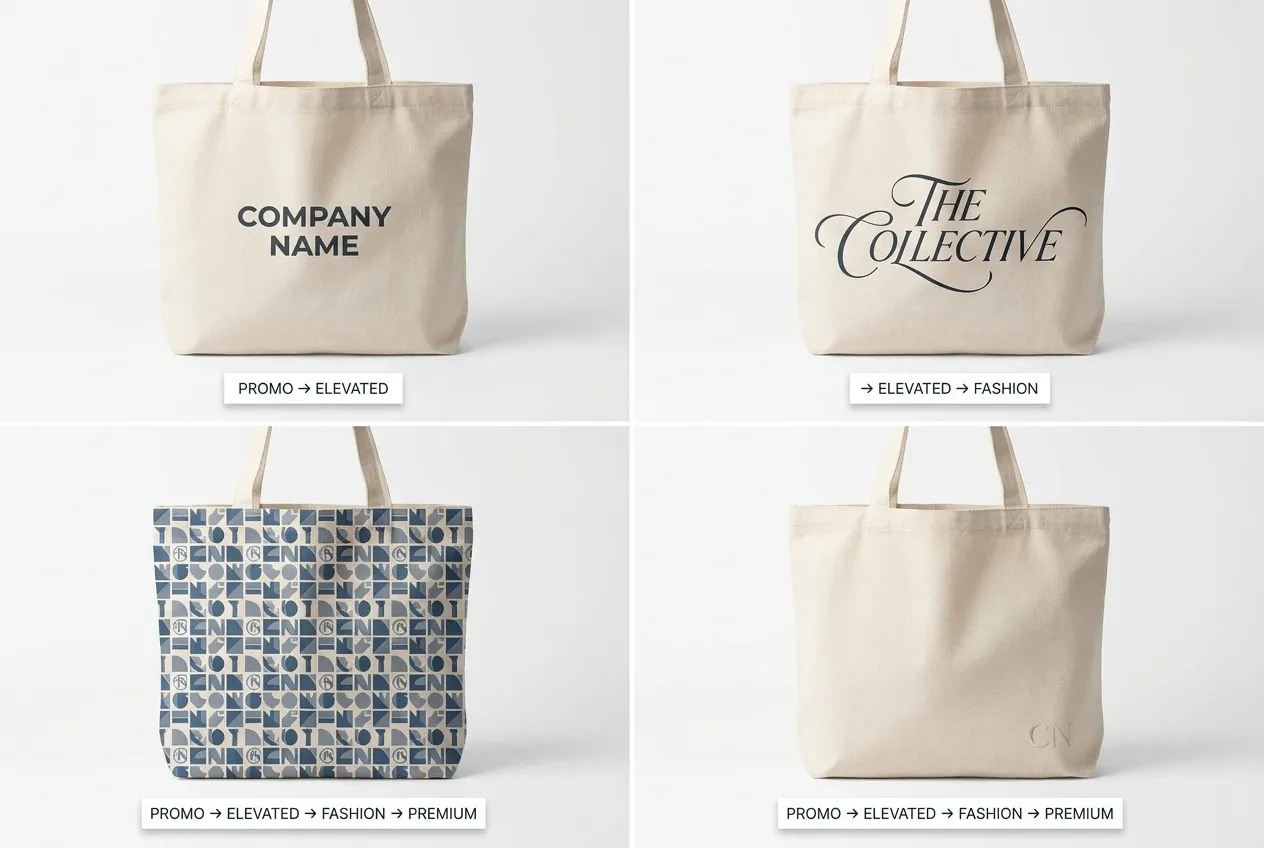
| Approach | Technique | Visual Effect | Perceived Value | Best Print Method | Cost Tier |
|---|---|---|---|---|---|
| Centered single-color logo | One logo, center-front, one ink color | Recognizable but basic | Low–Medium | Silk screen | Lowest |
| Typographic / slogan design | Custom typography, brand message, curated layout | Editorial, shareable | Medium | Silk screen, heat transfer | Low–Medium |
| Artistic illustration | Original artwork, hand-drawn or digital art | Collectible, fashion-forward | Medium–High | Digital printing, heat transfer | Medium |
| All-over pattern / repeat print | Brand pattern covering full surface | Bold, fashion-statement, distinctive | High | Digital printing, UV printing | Medium–High |
| Tonal or minimal luxury mark | Embroidered, debossed, or foil-stamped small logo | Understated, premium, “quiet luxury” | Highest | Embroidery, foil stamping | Medium–High |
The most important insight for B2B buyers: the technique matters as much as the design. A beautiful illustration printed by low-resolution silk screen on lightweight canvas will still read as a promo bag. The same illustration executed via high-resolution digital printing on 12 oz canvas with rolled handles becomes a 40 retail product.
Each print method produces a different visual quality, color range, durability, and price point. The right method depends on design complexity, order volume, and target retail price.
| Print Method | Color Range | Detail Level | Durability | Feel on Fabric | Minimum Viable Volume | Best For |
|---|---|---|---|---|---|---|
| Silk screen | 1–6 spot colors | Medium — clean shapes, limited gradients | Very high (ink bonds with fiber) | Slightly raised, tactile | Low — cost-effective at any volume | Logos, typography, flat graphics |
| Heat transfer | Full color (CMYK) | High — photographic detail | Good — depends on transfer quality | Smooth film layer on surface | Medium | Illustrations, photographic designs |
| Digital printing (DTG) | Full color (CMYK) | Very high — finest gradients | Good — improves with pre-treatment | Soft, ink absorbs into fiber | Low — no setup cost per color | Complex artwork, small batches |
| UV printing | Full color + white | Very high — sharp, vibrant | Good — UV-cured, scratch-resistant | Slight texture, sits on surface | Medium | Bold graphics, dark-color canvas |
| Embroidery | Thread colors (300+ options) | Medium — best for simple shapes | Exceptional — thread is permanent | Raised, textured, tactile | Low — per-stitch pricing | Logos, monograms, small motifs |
| Foil stamping | Metallic, matte, holographic | Medium — best for type and simple marks | Good — bonded under heat + pressure | Smooth, reflective | Low | Luxury logo marks, premium details |
For brands targeting the everyday elevated tier with artistic illustrations or complex graphics, digital printing or heat transfer are the strongest choices. For brands targeting the premium tier with minimal branding, embroidery or foil stamping creates the “quiet luxury” perception that commands the highest retail prices.
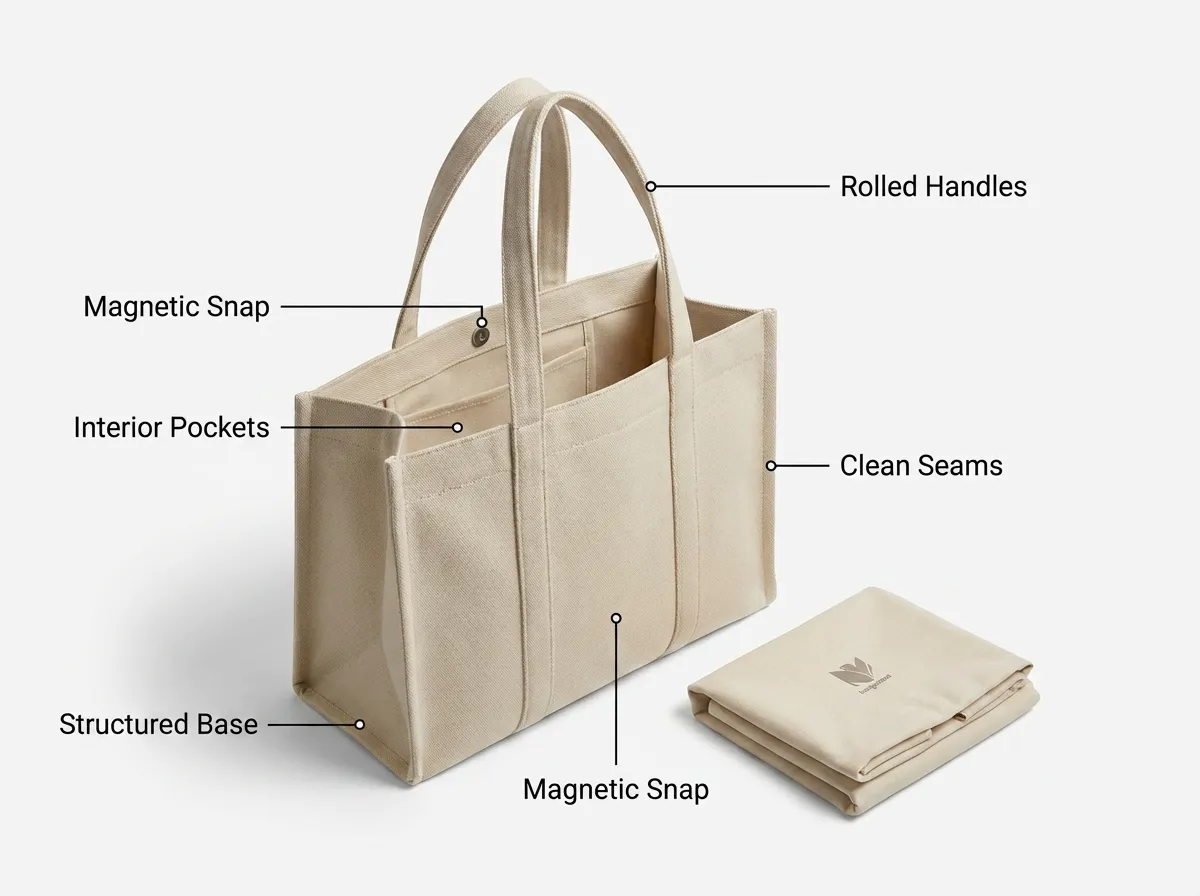
The brief says “grocery bag to office fashion statement” — but what exactly makes a tote look appropriate in a professional setting rather than a weekend farmers’ market? The answer is a set of construction and design details that collectively code the bag as “intentional” rather than “incidental.”
Canvas totes have long been marketed with a vague “eco-friendly” association — the reusable alternative to single-use plastic. In 2026, informed consumers and B2B buyers expect more substance behind the sustainability story. For brands developing custom totes, sustainability is now a design and sourcing decision, not just a marketing line.
Credible sustainability options available at the manufacturing level:
For brands selling on Amazon or through retailers with sustainability requirements, the ability to document material sourcing from a manufacturer’s verified supplier network is a meaningful competitive advantage. Specify these requirements in your development brief so your factory can source accordingly.
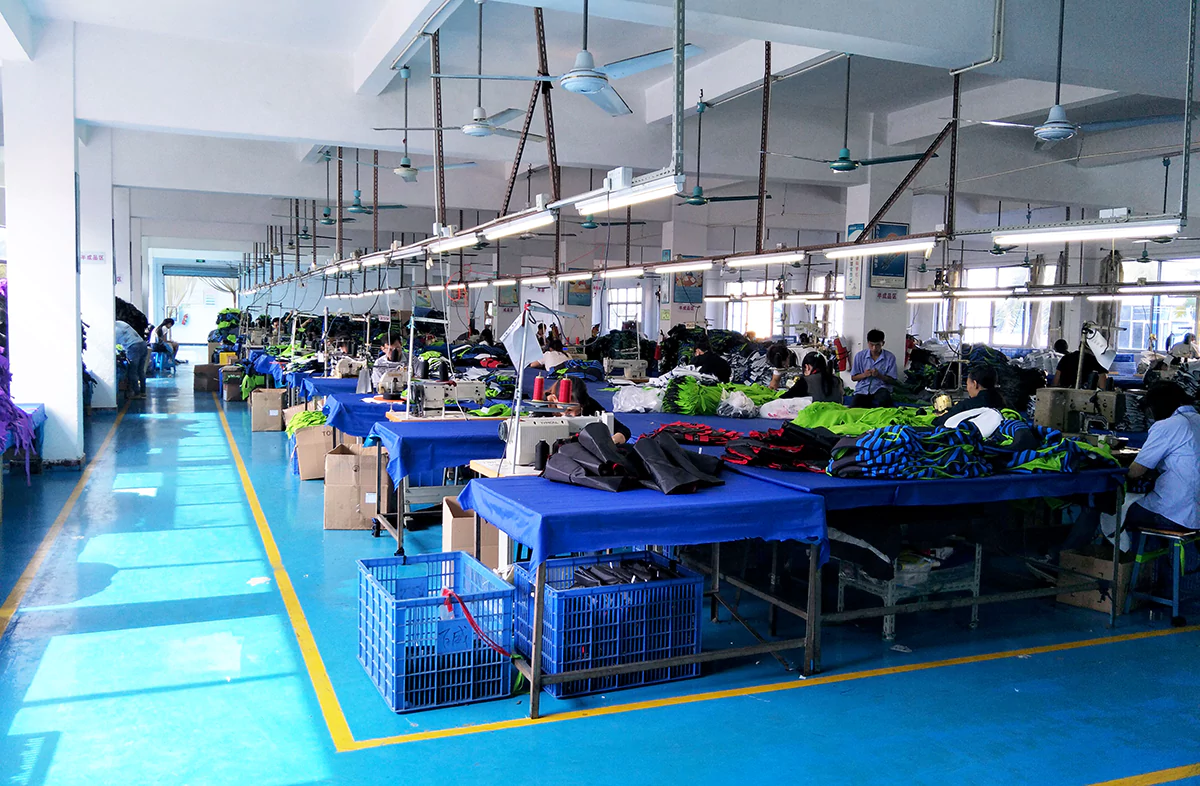
FYBagCustom is Your Trusted Custom Tote Bag Manufacturer in China, with 15+ years of manufacturing experience producing tote bags across all three market tiers for brands worldwide. For buyers developing personalized canvas totes with logo or artistic decoration, our capabilities include:
For brands launching their first fashion tote program, we typically recommend starting with one silhouette in 10–12 oz canvas with two to three branding variations — for example, one typographic design, one artistic illustration, and one minimal embroidered logo — to test which approach generates the strongest sell-through before scaling.
The tote bag’s transformation from disposable utility item to fashion accessory is not a niche trend — it represents a structural shift in how consumers value and use this silhouette. For B2B buyers developing custom tote programs in 2026, three core takeaways:
If your 2026 product line, gifting program, or branded merchandise strategy includes custom tote bags, now is the time to finalize designs and lock in production. Contact FYBagCustom to discuss canvas weights, print methods, and construction details — and receive swatch samples and transparent quotations, typically within 48 hours.
FYBagCustom’s OEM and ODM team works with global brands, Amazon sellers, wholesalers, and corporate programs to produce custom canvas totes that consumers actually want to carry — with full print capabilities, low MOQ, 5–7 day sampling, and construction details that elevate every bag from promo to fashion.
Start Your Custom Bag Project →