Tel/WhatsAapp:+86 18011919834
E-mail: chloe.x@fybagcustom.com

Tel/WhatsAapp:+86 18011919834
E-mail: chloe.x@fybagcustom.com
Send Your Inquiry Today

Who this guide is for: brand owners, sourcing managers, wholesale buyers, Amazon FBA sellers, DTC founders, retail merchandisers, and corporate gifting leads who are developing textured handbags and accessories for 2026. If you are deciding between weaving techniques, quilting patterns, or other tactile finishes for a custom bag program with a manufacturer in China — this guide gives you the technical and commercial framework to choose well.
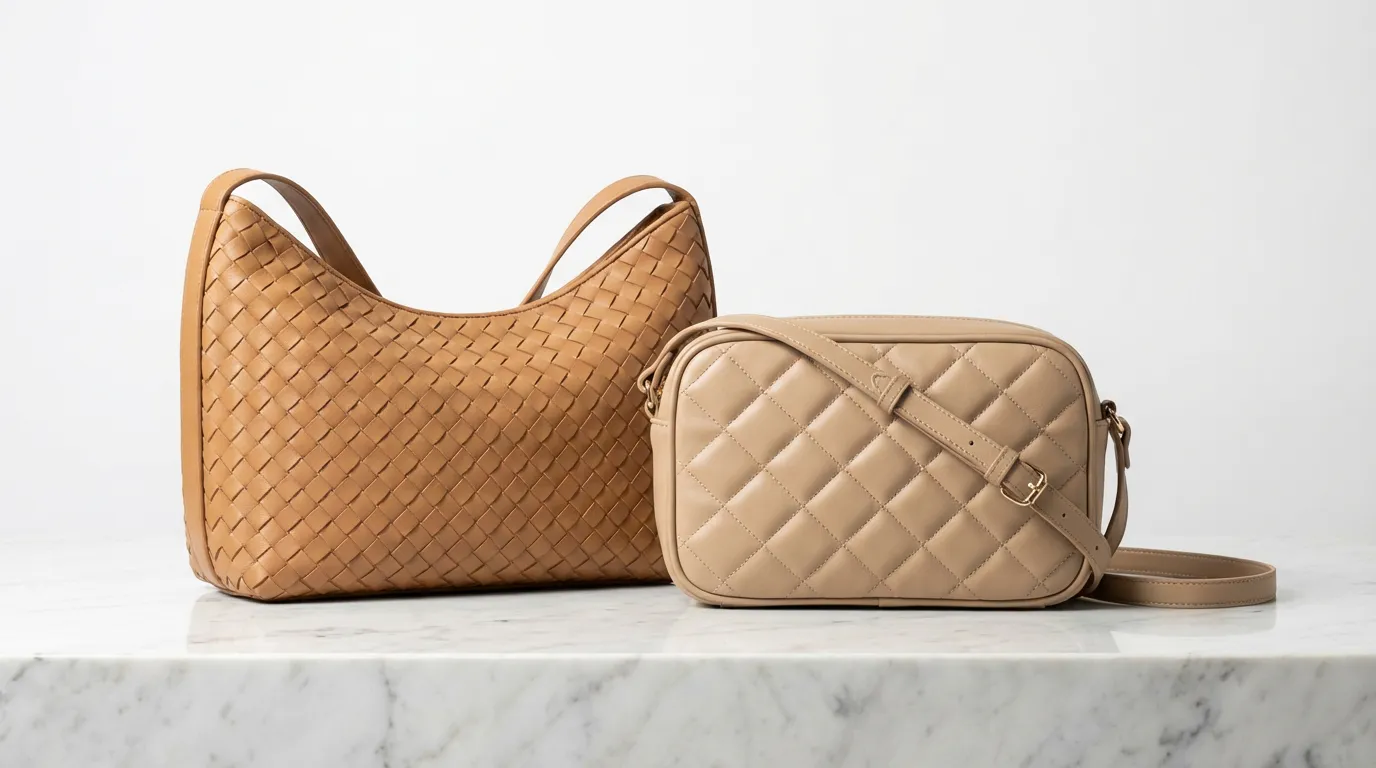
A flat, smooth handbag panel can be beautiful. But in 2026, it is no longer enough to stop a scroll or hold a customer’s attention on a shelf. The bags generating the highest search volumes, the strongest engagement on social media, and the most reorder activity in wholesale channels share one quality: tactile surface detail. Woven interlace patterns and quilted stitching have moved from niche craftsmanship into mainstream commercial demand, driven by consumers who want bags that look as interesting as they feel.
For B2B buyers, this shift introduces both opportunity and complexity. Woven and quilted bags require different construction processes, different materials, different quality controls, and different cost structures than flat-panel bags. Getting the specification right means understanding weave types, quilting geometries, padding weights, and how each technique interacts with the base material. Getting it wrong means production delays, inconsistent surfaces, and returns.
This guide covers the full landscape of tactile bag construction: what weaving and quilting actually involve at the factory level, how to choose the right technique for your brand, which patterns create the strongest “cloud-soft” or richly textured effects, and what to specify in your OEM tech pack to ensure the finished product matches the sample.
Although both create surface texture, weaving and quilting are fundamentally different processes that produce different visual and tactile results. The distinction matters for development briefs, costing, and production planning.
Weaving involves interlacing strips of material — leather, PU, fabric, or synthetic — through a structured grid to create a visible pattern. The texture comes from the physical overlap and interplay of the strips themselves. The result is a surface with depth, shadow lines, and a handcrafted quality that is difficult to replicate with printing or embossing.
Quilting involves stitching through two or more layers (typically a top fabric, a padding or batting layer, and a backing) to create raised and recessed zones. The texture comes from the contrast between the puffed sections and the compressed stitch lines. The result is a soft, dimensional surface with the plush “cloud” quality that is driving consumer search queries in 2026.
| Dimension | Woven | Quilted |
|---|---|---|
| Primary texture source | Physical overlap of interlaced strips | Padding compressed by stitch lines |
| Visual character | Artisanal, structured, geometric | Soft, dimensional, plush |
| Tactile quality | Firm, textured, satisfying grip | Pillowy, squeezable, cushioned |
| Material flexibility | Leather, PU, fabric strips | Almost any flexible material + padding |
| Production complexity | High — hand or semi-automated interlacing | Moderate — machine quilting with pattern setup |
| Unit cost impact vs. flat panel | +30–80% depending on weave density | +15–40% depending on pattern complexity |
| Strongest silhouettes | Tote, shoulder bag, clutch, bucket bag | Crossbody, shoulder bag, chain bag, backpack |
| Brand positioning | Artisanal, premium, craft-forward | Accessible luxury, contemporary, feminine |
Understanding this table helps buyers make a first-order decision: woven for a craft-driven premium position, quilted for accessible luxury with broader commercial appeal. Many brands develop both within the same collection, using woven for hero SKUs and quilted for volume sellers.
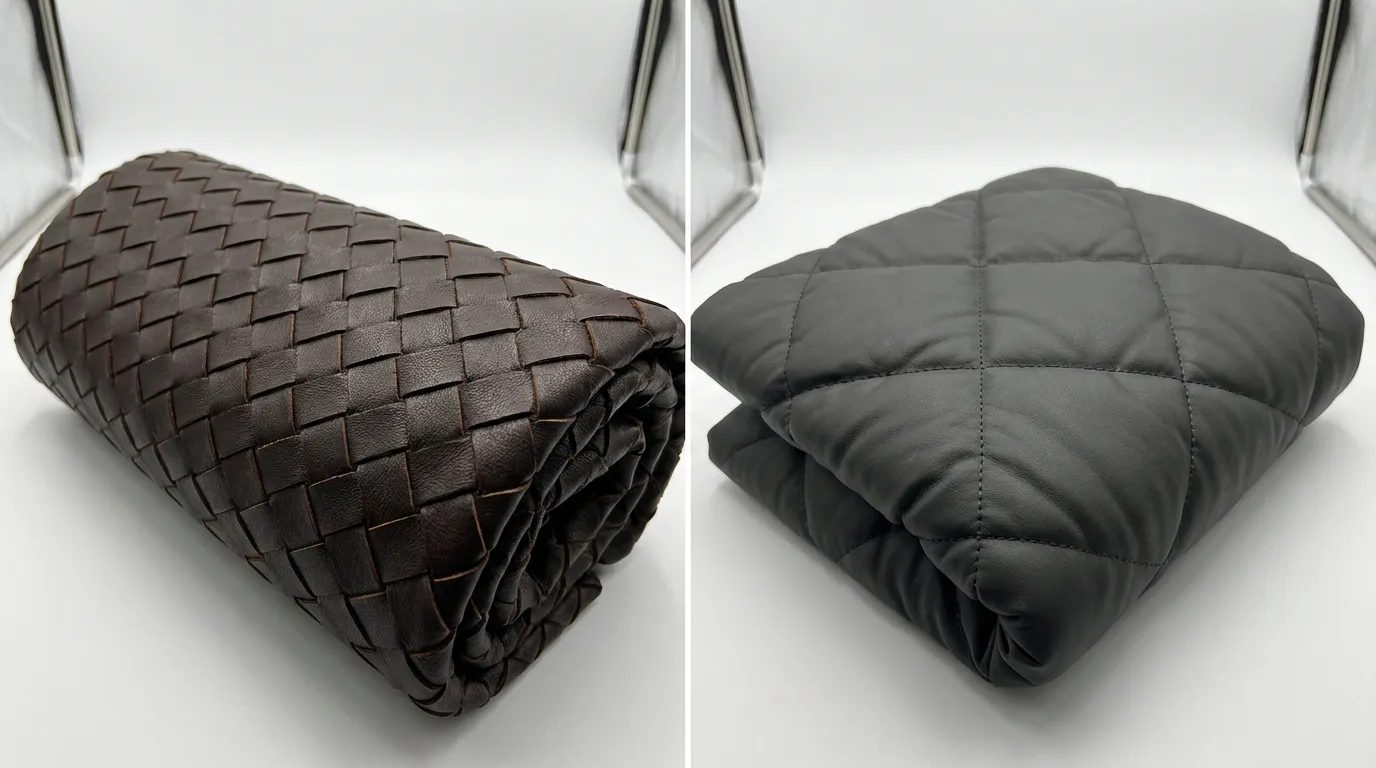
Not all weaving is the same. The pattern, strip width, material, and interlacing method each produce a different visual and tactile result. For brands entering the woven bag category, the first step is understanding which weave type aligns with your positioning and price point.
| Weave Pattern | Description | Visual Effect | Strip Width Range | Complexity | Best For |
|---|---|---|---|---|---|
| Classic basket weave | Over-one-under-one, even grid | Clean, balanced, symmetrical | 8–15 mm | Low–Medium | Tote bags, shoulder bags, versatile hero SKUs |
| Diagonal / twill weave | Strips interlace at an angle, creating a diagonal line | Dynamic, modern, directional | 8–12 mm | Medium | Clutches, crossbodies, fashion-forward lines |
| Herringbone weave | V-shaped zigzag interlace | Sophisticated, tailored, heritage | 6–10 mm | Medium–High | Premium handbags, structured shoulder bags |
| Wide-strip interlace | Broad strips (15–25 mm) with visible gaps | Bold, graphic, open-texture | 15–25 mm | Low | Totes, beach bags, casual lifestyle |
| Micro weave | Very narrow strips (3–6 mm) tightly interlaced | Fine, almost fabric-like texture | 3–6 mm | Very High | Luxury clutches, evening bags, small leather goods |
| Mixed-material weave | Two different materials interlaced (e.g., leather + suede, PU + canvas) | Contrast, depth, unique identity | Varies | High | Differentiated designer-inspired pieces |
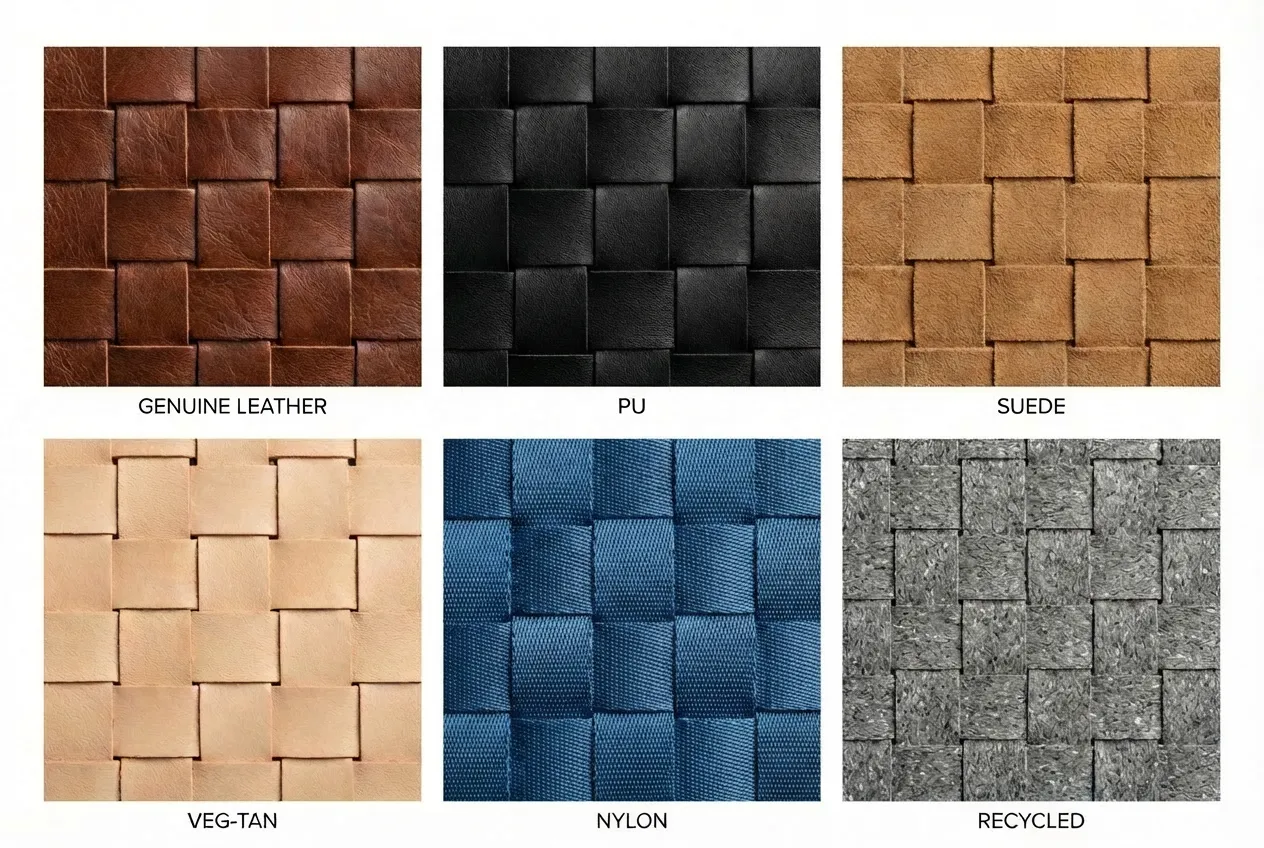
The choice of material dramatically changes how a weave pattern looks, feels, and ages. The same basket weave in genuine leather versus PU versus nylon produces three entirely different products.
| Material | Woven Effect | Pros | Cons | Cost Position |
|---|---|---|---|---|
| Genuine leather strips | Rich depth, develops patina, shadow play | Premium feel, ages beautifully, tactile warmth | Higher cost, longer cutting time, material waste | High |
| PU leather strips | Clean, consistent, photographs well | Cost-effective, uniform color, wide shade range | Less tactile warmth, no patina development | Low–Mid |
| Suede / nubuck strips | Soft, matte, textural contrast | Distinctive feel, pairs well with smooth materials | Stain-prone, harder to clean, seasonal | Mid–High |
| Vegetable-tanned leather | Natural, artisanal, develops deep color over time | Strong craft story, sustainability angle | Stiff initially, higher price, limited colors | High |
| Nylon / polyester strips | Technical, sport-lux, lightweight | Durable, washable, good for casual lines | Looks less premium, limited texture depth | Low |
| Recycled / eco materials | Eco-story, textured, unique | Sustainability narrative, differentiation | Variable quality, limited supplier base | Mid |
One detail that new buyers often overlook is strip width. The same basket weave shifts from “rustic craft” to “fine luxury” simply by changing the width of each interlaced strip:
When specifying strip width in your tech pack, also define the gap tolerance — whether the strips should sit flush with no visible backing, or whether small gaps (1–2 mm) are acceptable. Flush weaving costs more but produces a cleaner, more premium surface.
Quilting has entered its most commercially potent phase in years. Consumer search queries for “puffy bags,” “cloud bags,” and “pillow bags” have surged, and the underlying technique is quilting — specifically, quilting with generous padding that creates dramatic dimensional contrast between the raised sections and the compressed stitch lines.
| Quilting Pattern | Description | Visual Mood | Padding Weight | Complexity | Best For |
|---|---|---|---|---|---|
| Diamond / chevron | The most recognized quilting geometry — diagonal lines creating diamond or V shapes | Classic, timeless, broadly appealing | Medium–High | Low | Crossbodies, chain bags, shoulder bags |
| Square grid | Horizontal and vertical lines creating even squares | Clean, modern, architectural | Medium | Low | Totes, backpacks, structured bags |
| Channel / linear | Parallel horizontal or vertical lines only | Minimal, contemporary, restrained | Medium–High | Low | Clutches, belt bags, East-West shapes |
| Puffy / cloud quilt | Large sections (50–80 mm) with deep padding | Soft, playful, ultra-tactile | High (10–15 mm) | Medium | Statement bags, casual shoulder bags, totes |
| Micro quilt | Very small diamonds or squares (10–20 mm) | Fine, detailed, sophisticated | Low–Medium | Medium–High | Evening bags, luxury crossbodies, wallets |
| Organic / free-form | Irregular curved stitch lines | Artistic, editorial, distinctive | Varies | High | Designer-inspired, limited editions |
The plushness of a quilted bag is controlled by the padding layer between the outer material and the lining. Getting the padding specification right is essential — too thin and the quilting looks flat and disappointing; too thick and the bag loses structure, becomes difficult to close, and adds shipping weight.
| Padding Type | Thickness Range | Tactile Result | Weight Impact | Best Quilting Patterns |
|---|---|---|---|---|
| Thin polyester batting | 3–5 mm | Subtle dimension, structured feel | Minimal | Micro quilt, square grid |
| Standard foam padding | 5–8 mm | Clear puffiness, balanced body | Moderate | Diamond, channel, square grid |
| High-loft foam | 8–12 mm | Dramatic “cloud” pillowiness | Significant | Puffy / cloud quilt, large diamond |
| Ultra-loft / memory foam | 12–15 mm | Maximum softness, squeeze-and-recover | High | Statement puffy bags only |
| Down-alternative fiber fill | Varies | Soft, organic feel, less structured | Moderate | Organic / free-form, oversized shapes |
For the “cloud bag” effect that is generating the highest consumer search volume in 2026, specify high-loft foam (8–12 mm) combined with large quilting sections (50–80 mm spacing between stitch lines). This ratio creates the deepest dimensional contrast — the padded sections puff up visibly while the stitch lines compress down sharply, producing the pillow-like quality consumers associate with the trend.
A practical note: high-loft quilted bags need adjusted pattern dimensions for closures and hardware attachment points. Magnetic snaps and zip closures must be reinforced through the padding layer, and strap attachment points need rigid backing inserts to prevent the hardware from sinking into the foam. Specify these reinforcements in your tech pack — experienced factories handle them routinely, but less experienced suppliers sometimes miss them, resulting in hardware that feels loose or unstable.
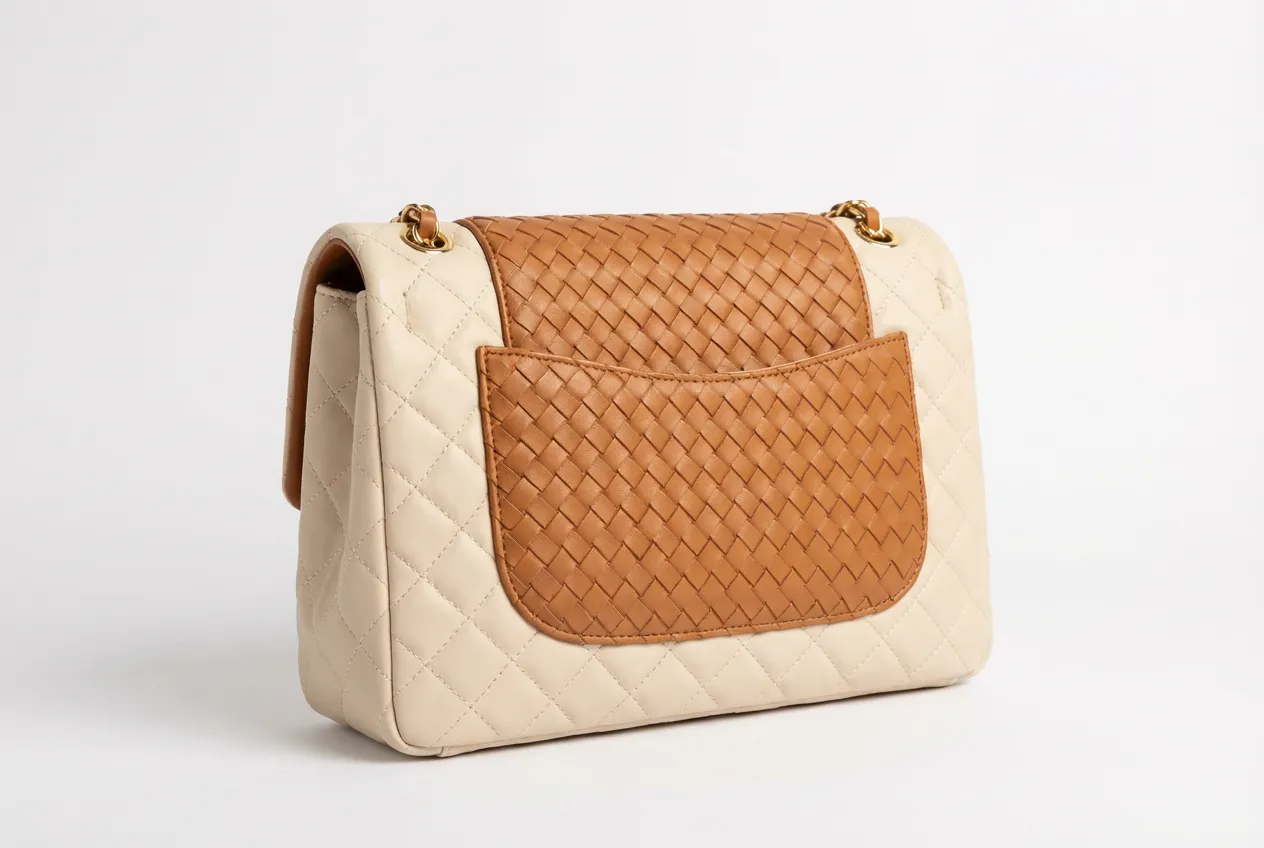
Yes — and the combination is one of 2026’s most distinctive design moves. A woven-and-quilted bag typically features a quilted body with woven detail panels (a front pocket, a flap, or shoulder strap), or vice versa. The contrast between the two textures creates a layered, high-perceived-value surface that is difficult for competitors to replicate quickly.
However, combining techniques increases production complexity and cost. For brands considering this approach:
The decision between woven, quilted, or a combination should be driven by brand positioning, target retail price, production volume, and customer demographics. The framework below maps each technique to common B2B scenarios.
| Your Scenario | Recommended Technique | Recommended Pattern | Why |
|---|---|---|---|
| Launching a premium DTC handbag line | Woven — genuine leather, medium strips | Classic basket weave or herringbone | Craft narrative justifies higher price point; photographs distinctively |
| Amazon FBA — mid-price fashion bags | Quilted — PU leather, standard foam | Diamond or channel quilting | Cost-efficient, broadly appealing, strong visual at thumbnail size |
| Retail chain — accessible everyday bags | Quilted — PU leather, thin batting | Square grid or micro quilt | Clean, mass-market friendly, lower padding weight reduces shipping |
| Influencer-driven DTC — “cloud bag” trend | Quilted — PU or nylon, high-loft foam | Puffy / cloud quilt, large sections | Directly targets the trending consumer search query |
| Premium gifting / corporate programs | Woven — PU or veg-tan, narrow strips | Micro weave or herringbone | Perceived craftsmanship elevates gift value |
| Streetwear / youth market | Quilted — nylon, standard foam | Channel quilting or oversized diamond | Sport-lux crossover, pairs with chain straps and bold hardware |
| Artisanal / sustainable positioning | Woven — recycled materials or mixed-material | Mixed-material weave | Strong sustainability + craft story; unique visual identity |
Woven and quilted bags require more detailed technical specifications than flat-panel bags. Missing a key detail in the tech pack is the primary cause of sample-to-bulk discrepancies in textured bag production. Use this checklist when preparing your development brief:
Relative search volume indexed to 2023 = 100. Covers B2B and consumer queries.
The search data confirms that quilted and “cloud” bags are the fastest-growing tactile category — roughly tripling since 2023 — while woven bags show strong, steady growth at approximately double. Traditional embossed textures remain flat, suggesting consumers are gravitating toward techniques that create real three-dimensional surface detail rather than surface-level imitations.
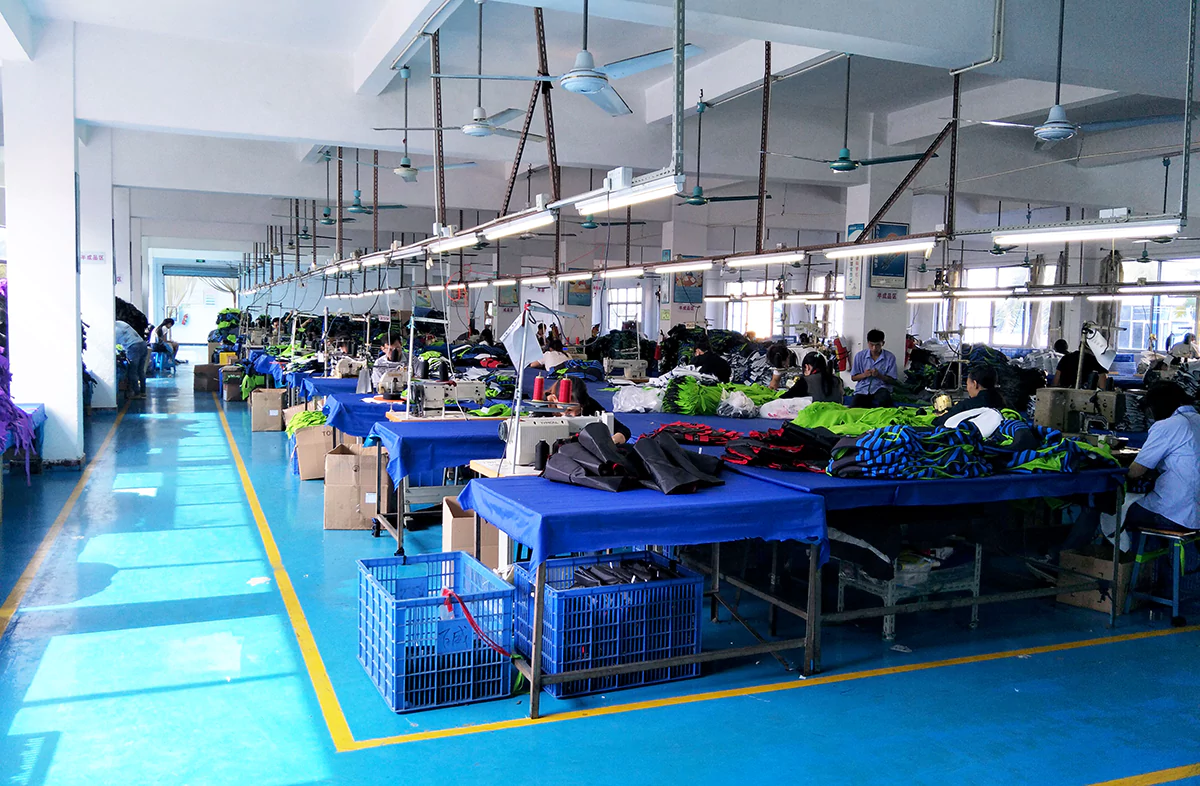
FYBagCustom is Your Trusted Custom Bag Manufacturer in China, with 15+ years of manufacturing experience across woven, quilted, textured, and embellished bag constructions. For brands developing tactile surface programs, our capabilities include:
Our factory in Guangzhou has produced woven and quilted programs for DTC brands, Amazon FBA sellers, retail boutiques, and corporate gifting clients across international markets, and we routinely advise on pattern selection, padding weight, and material pairing during the development process.
Tactile surface construction is no longer a niche craft detail — it is a primary commercial driver in 2026. For buyers developing their next bag collections, three core takeaways:
If your 2026 collection needs woven, quilted, or combined-texture bags, the development window is open now. Contact FYBagCustom to request texture samples on your preferred materials, discuss pattern options, and receive transparent quotations — typically within 48 hours.
FYBagCustom’s OEM and ODM team works with global brands, Amazon sellers, wholesalers, and corporate programs to develop tactile custom bags — with expert pattern engineering, low MOQ, 5–7 day sampling, and materials sourced from 200+ verified suppliers.
Start Your Custom Bag Project →