Tel/WhatsAapp:+86 18011919834
E-mail: chloe.x@fybagcustom.com

Tel/WhatsAapp:+86 18011919834
E-mail: chloe.x@fybagcustom.com
Send Your Inquiry Today

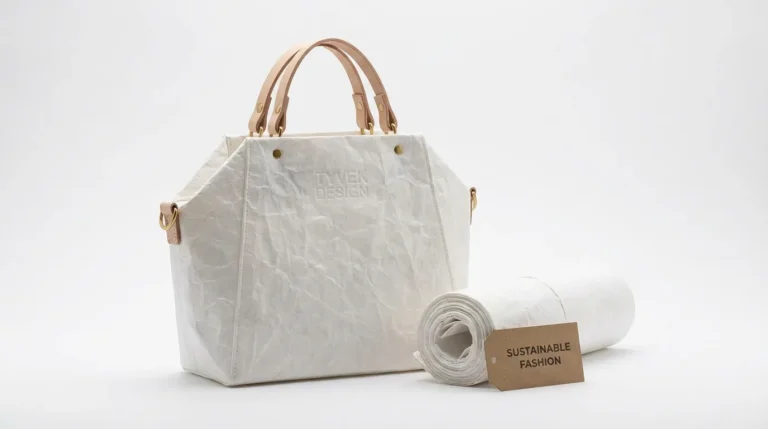
Welcome back to the Specialty & Fashion Fabric Series, the chapter in FYBagCustom’s Ultimate Guide where we analyze materials with unique market roles. We’ve just explored the high-tech, minimalist world of Tyvek®, a material prized for its innovation and surprising strength. Now, we pivot to a material that dominates a completely different, yet massive, segment of the market: Non-Woven Polypropylene (PP).
If you’ve ever received a free tote bag at a trade show, conference, or grocery store promotion, you have almost certainly encountered Non-Woven PP. It is the undisputed global workhorse of the promotional bag industry. It is engineered not for lifetime durability or a luxurious feel, but for one primary purpose: to provide a cost-effective, brandable, and reusable alternative to single-use plastic bags on a massive scale.
For the B2B buyer, especially those in marketing, events, or retail promotions, understanding Non-Woven PP is essential. It is a tool for achieving mass-market brand visibility within a specific budget. However, sourcing this material requires an understanding of its unique manufacturing process, its quality metrics (GSM), and its limitations compared to woven textiles like cotton or polyester.
This definitive guide will deconstruct Non-Woven PP from a manufacturer’s perspective. We will explain how it’s made, why it’s so cost-effective, and how to make smart sourcing decisions to ensure you get a product that successfully represents your brand, rather than a flimsy bag that fails.
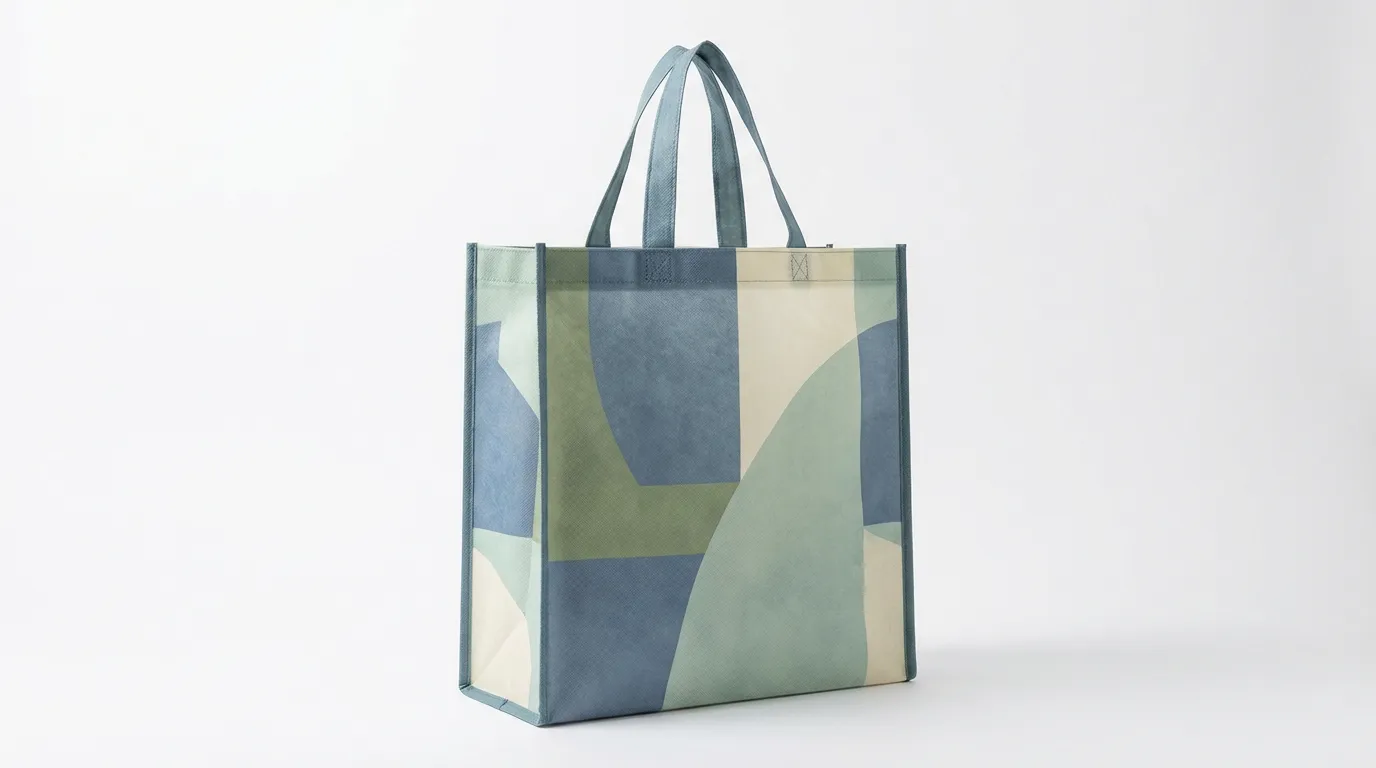
The key to understanding Non-Woven PP’s cost-effectiveness lies in its name: “non-woven.” This material completely bypasses the time-consuming and costly steps of spinning fibers into yarn and then weaving or knitting that yarn into fabric.
Non-Woven Polypropylene fabric is typically created through a process called spunbonding.
This entire process is incredibly fast and efficient. There is no weaving. There is no knitting. The direct conversion from polymer to fabric sheet is what makes Non-Woven PP one of the most affordable textile-like materials on the planet.
Because it is not woven, the quality and durability of Non-Woven PP are not measured in Denier or Ounces, but by its weight and density, specified in GSM (Grams per Square Meter). A higher GSM number means more polymer was used to create the fabric, resulting in a thicker, stronger, and more durable material.
This is the single most important specification for a B2B buyer to understand when sourcing these bags. Choosing the right GSM is the difference between a reliable, multi-use promotional item and a cheap, single-use bag that tears easily and damages your brand’s reputation.
| GSM Range | Quality Tier & Characteristics | Common Applications & Strategic Insight |
|---|---|---|
| Below 60 GSM | Extremely Low Grade. Very thin and flimsy, almost paper-like. Prone to tearing under minimal load. | AVOID for bags. This weight is typically used for disposable items like medical gowns or headrest covers. A bag made from this will fail quickly. |
| 60-79 GSM | Standard Promotional Grade. The most common weight for free, mass-giveaway bags at trade shows. Offers a very low cost but has limited durability and reuse potential. | Single-Event Giveaways. Suitable for holding light items like brochures and pamphlets. Do not expect it to last as a weekly grocery bag. |
| 80-99 GSM | Premium Promotional / Retail Grade. This is the sweet spot for a quality reusable bag. It feels noticeably more substantial, stronger, and more durable. It can handle the weight of groceries. | The Recommended Standard. If you want your branded bag to be used repeatedly, this is the minimum weight you should specify. The small extra cost delivers a huge increase in longevity and perceived value. |
| 100+ GSM | Heavy-Duty Grade. Very thick, stiff, and highly durable. Often used for structured bags, like insulated cooler bags or multi-bottle wine totes. | Specialty & Structured Bags. Choose this weight when you need the bag to hold a specific shape or carry heavy, concentrated loads. |
B2B Sourcing Guide to Non-Woven PP GSM
At FYBagCustom, we strongly advise our clients to opt for a minimum of 80 GSM for any reusable bag project. The marginal cost increase is tiny compared to the significant improvement in brand perception and product lifespan.
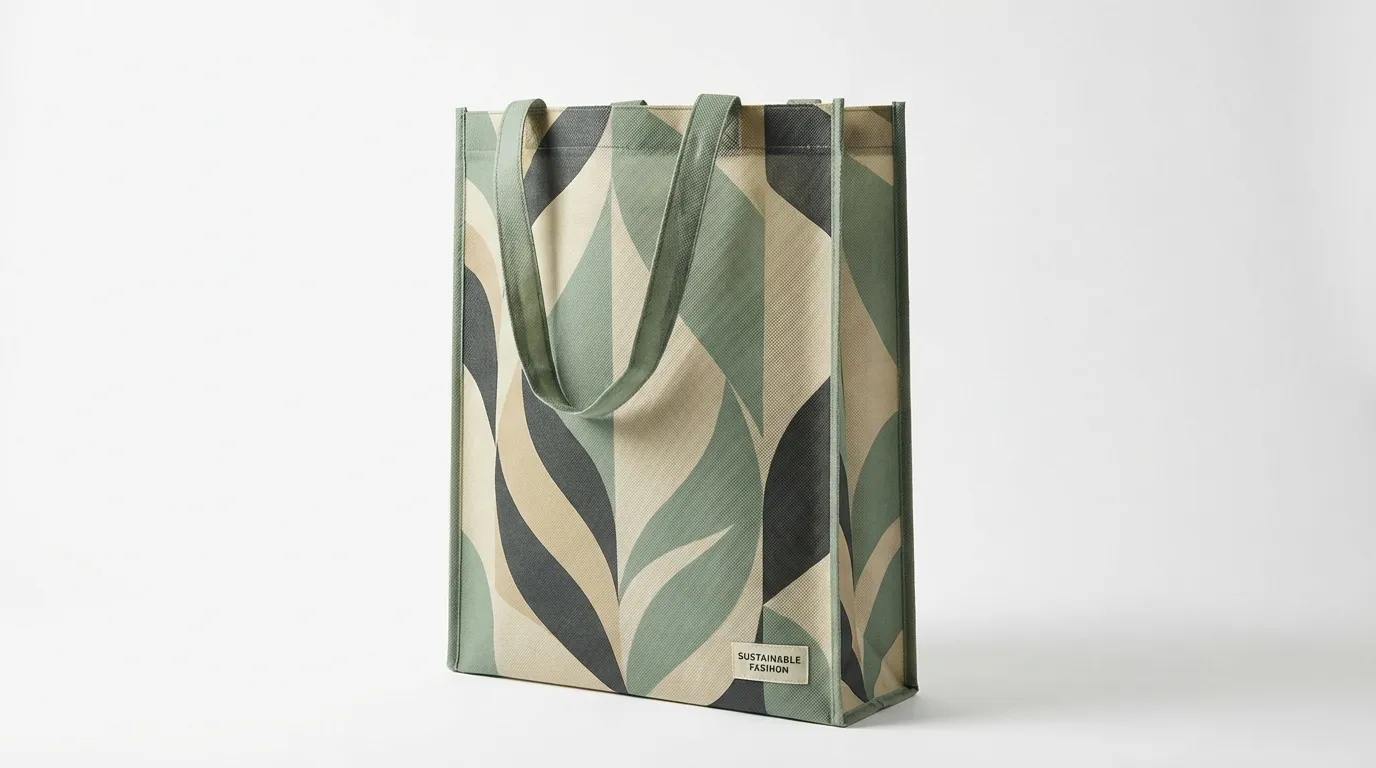
It is crucial to understand that Non-Woven PP is not competing with canvas, nylon, or leather. It is competing with the single-use plastic bag and other low-cost promotional items. Its strategic value is rooted in its unique ability to be a “better-than-disposable” solution at an extremely low price point.
For a marketing campaign that requires thousands or even hundreds of thousands of branded items, no other fabric can deliver a durable, reusable bag at a price point comparable to Non-Woven PP. This allows for a very low Cost Per Impression (CPI), as the bag is used and seen multiple times after the initial giveaway.
The smooth, consistent surface of Non-Woven PP is an excellent canvas for branding.
Non-Woven PP bags are often marketed as “eco-friendly,” and in the context of replacing single-use plastic bags, this is true.
The production of non-woven bags is highly streamlined and often automated, which contributes to its low cost.
FYBagCustom is Your Trust Custom Non-Woven PP Bag Manufacturing in China. We leverage efficient production technology and strict GSM quality control to deliver high-volume promotional bags that meet your budget and reliably represent your brand.
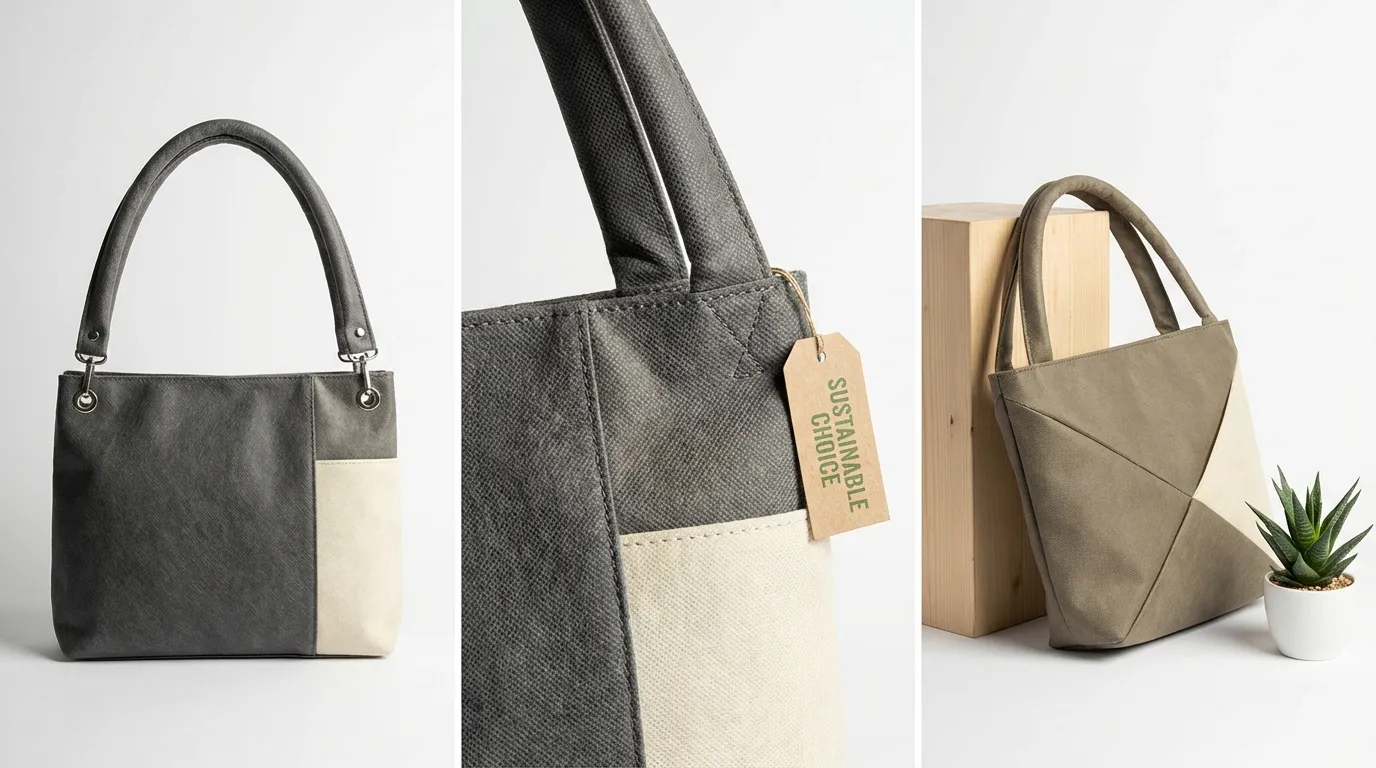
Non-Woven Polypropylene may not have the glamour of leather or the rugged heritage of canvas, but it is an indispensable tool in the world of modern marketing and retail. It provides a cost-effective and responsible solution for replacing single-use plastic, while offering a large, mobile canvas for your brand’s message.
The key to success with Non-Woven PP is to understand its purpose and to invest in a quality level that aligns with that purpose. Choosing an appropriate GSM (80+) and partnering with a manufacturer who is transparent about quality and construction methods ensures you are creating a valuable marketing asset, not just a cheap giveaway. It is the intelligent choice for any brand looking to make a big impact on a controlled budget.
Our Specialty & Fashion Fabric Series will conclude with a look at the materials that define summer and resort collections: “Straw & Natural Weaves.”
Planning a large-scale promotion, event, or retail giveaway? Contact the experts at FYBagCustom. We can walk you through the options for GSM, printing, and construction to create a non-woven bag solution that maximizes your brand’s visibility and ROI.