Tel/WhatsAapp:+86 18011919834
E-mail: chloe.x@fybagcustom.com

Tel/WhatsAapp:+86 18011919834
E-mail: chloe.x@fybagcustom.com
Send Your Inquiry Today

Welcome back to the Specialty & Fashion Fabric Series, the chapter in FYBagCustom’s Ultimate Guide where we explore materials chosen for their unique functions and trend-setting potential. In our last installment, we delved into the protective, insulating, and stylish world of Neoprene. Now, we turn our attention to a material category driven not by feel or texture, but by a single, powerful attribute: transparency.
This is the world of PVC (Polyvinyl Chloride) and the ubiquitous Clear Bag.
Once relegated to basic cosmetic pouches or protective packaging, clear bags have exploded into a massive market, driven largely by security mandates at stadiums, concert venues, and airports worldwide. This has created a huge and consistent B2B demand for “stadium-approved” bags. Simultaneously, transparent materials have been embraced by the fashion industry as a bold, edgy statement, leading to a parallel trend in high-fashion clear totes and handbags.
However, sourcing and manufacturing clear bags presents a unique set of challenges. The material itself, PVC, carries significant environmental and quality considerations that we first touched upon in our guide to Vegan Leather. Success in this category requires a deep understanding of PVC grades, compliance standards, and specialized manufacturing techniques.
This definitive guide will provide a comprehensive look at the clear bag phenomenon from a manufacturer’s perspective. We will explore the technical properties of PVC, detail the crucial compliance standards for stadium-approved bags, and discuss the specific manufacturing challenges and solutions for creating high-quality, durable, and fashionable clear products.
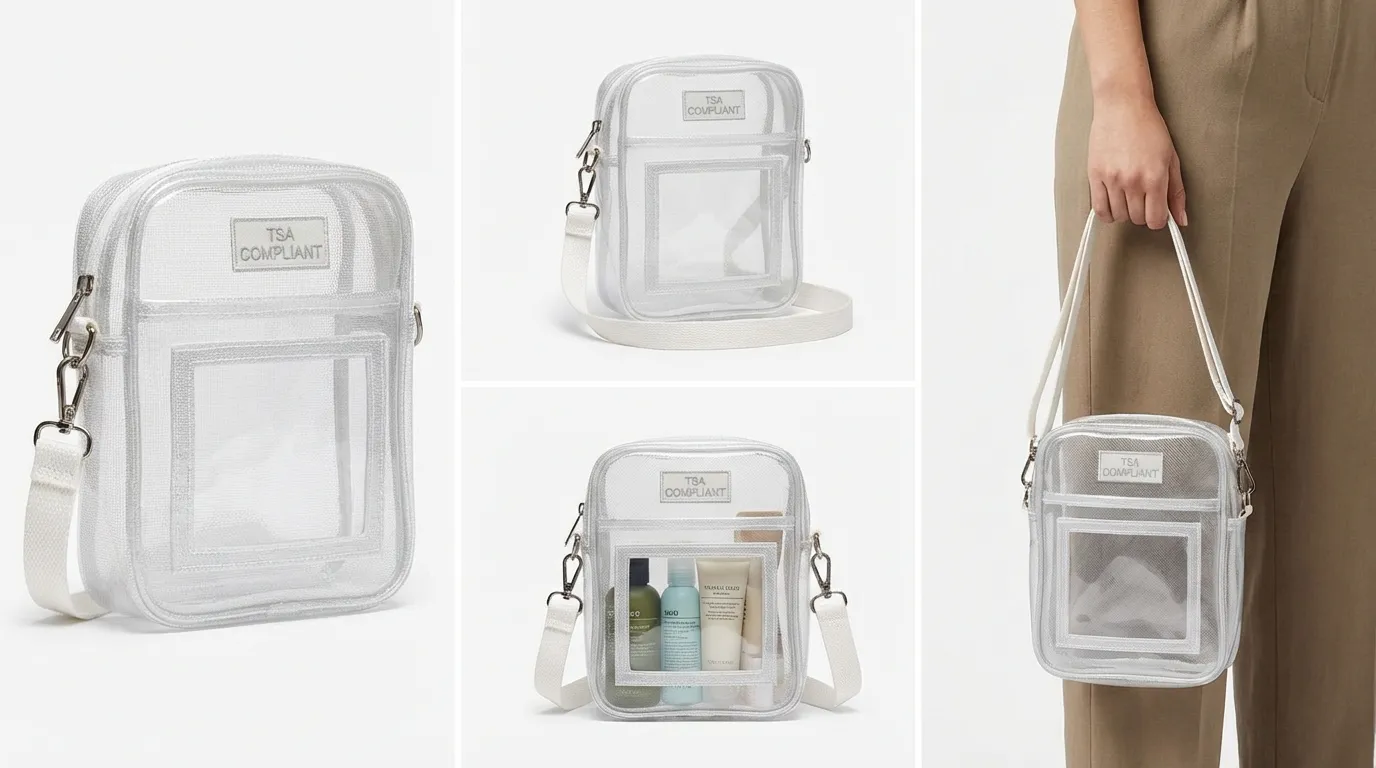
To manufacture a good clear bag, you must first understand the material it’s made from. PVC (Polyvinyl Chloride) is a synthetic plastic polymer that, in its pure form, is hard and brittle. To be used for bags, it must be made flexible through the addition of chemicals called plasticizers.
The final material is a clear, flexible sheet, measured not by Denier or Ounces, but by its thickness, typically specified in millimeters (mm) or gauge. A thicker PVC sheet is more durable, holds its shape better, and feels more substantial and premium.
| Thickness (mm) | Gauge (approx.) | Characteristics & Quality Level | Common Applications |
|---|---|---|---|
| 0.1mm – 0.2mm | 4-8 | Very Thin & Flimsy. Prone to tearing and puncturing. Feels very cheap. | Disposable product packaging, low-quality, single-use promotional pouches. (Not recommended for bags). |
| 0.3mm – 0.5mm | 12-20 | Standard/Medium Grade. Good balance of flexibility and durability for most applications. This is the “sweet spot” for stadium bags. | Stadium-approved totes and crossbody bags, cosmetic cases, mid-range fashion totes. |
| 0.6mm – 1.0mm+ | 24-40+ | Heavy-Duty/Premium Grade. Very thick, structured, and durable. Has a high-quality, substantial feel. Can be difficult to sew. | High-end fashion clear bags, structured briefcases, premium travel accessories where durability and form are paramount. |
B2B Sourcing Guide to Clear PVC Thickness
One of the biggest functional failures of PVC is its performance in cold weather. As the temperature drops, the plasticizers become less effective, and the material can become stiff, brittle, and prone to “cold-cracking.” A low-quality clear bag can literally shatter if flexed in freezing temperatures.
High-quality PVC intended for bags is rated for its cold-crack resistance. A rating of -10°C or -20°C, for example, means the material is formulated to remain flexible and resist cracking down to that temperature. For brands selling into markets with cold climates, specifying a good cold-crack rating is a non-negotiable quality requirement. As your manufacturing partner, we help you source PVC that meets the appropriate standard for your target market to prevent widespread product failure and customer dissatisfaction.
As we detailed in our guide to Vegan Leather, PVC has a problematic environmental and health profile due to the use of chlorine, phthalates, and the release of dioxins. While it is currently the dominant material for clear bags, brands should be aware of these issues. For this reason, many are seeking out PVC-free alternatives like clear TPU (Thermoplastic Polyurethane).
TPU is a superior, more eco-friendly polymer that does not require the same toxic plasticizers. It is more durable, has better elasticity, excellent abrasion resistance, and naturally superior cold-weather performance. It is also significantly more expensive than PVC. While PVC remains the market standard for cost reasons, FYBagCustom is equipped to source and manufacture with clear TPU for clients seeking a higher-quality, more sustainable, and “PVC-free” product line.
The primary driver of the clear bag market is security policy. Most major sports leagues (NFL, NCAA, PGA Tour), concert venues, and secure facilities have implemented “clear bag policies” to enhance public safety. These policies are not recommendations; they are strict rules that create a captive market.
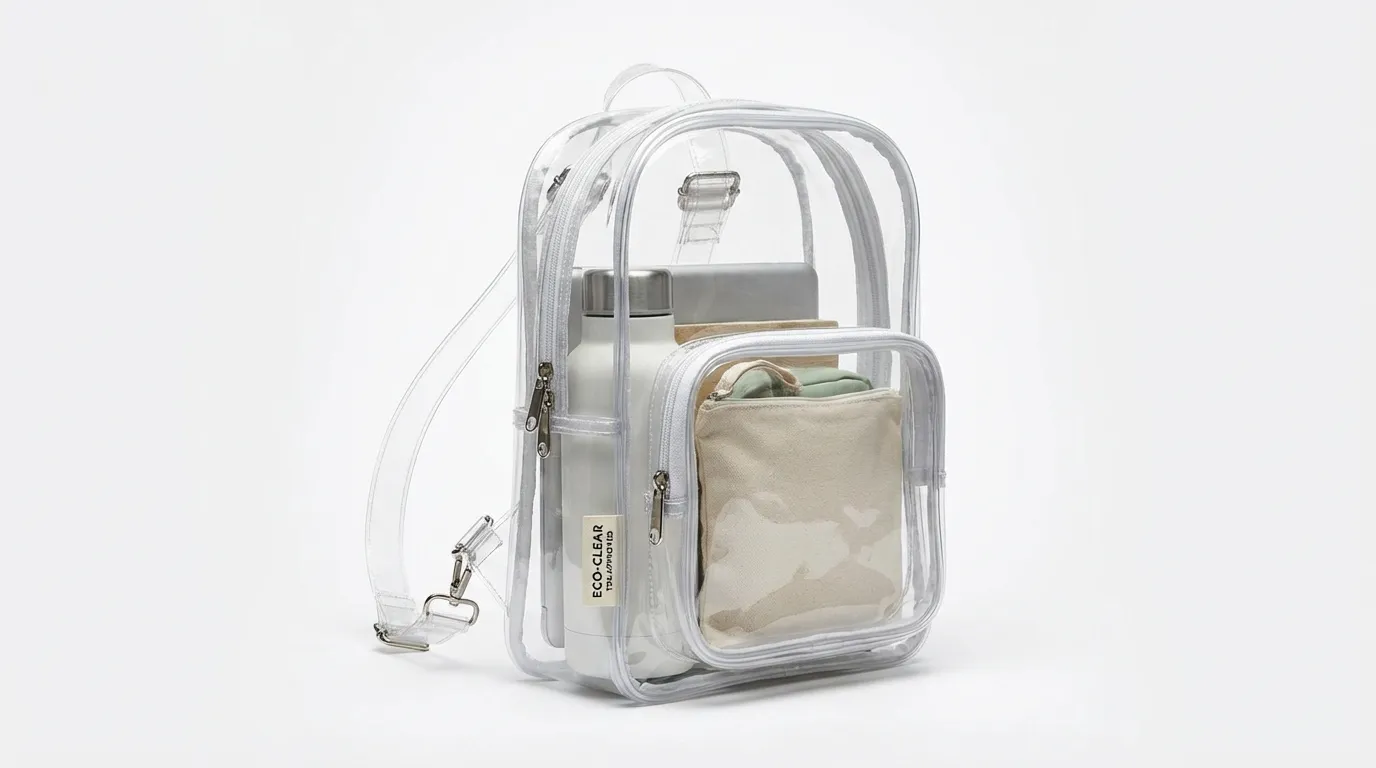
While exact dimensions can vary slightly by venue, a widely accepted standard (TSA) has emerged. To be compliant, a bag must be:
For a B2B buyer, this creates a clear product development path. Offering a compliant 12″x6″x12″ clear tote, often bundled with a small opaque pouch, directly meets the needs of millions of event-goers.
FYBagCustom is Your Trust Custom PVC & Clear Bag Manufacturing in China. We specialize in producing clear bags that meet these specific size and visibility requirements, helping brands tap into this massive and consistent market.
Working with PVC sheeting is a unique skill set. It does not behave like a fabric and requires specialized techniques to produce a clean, durable, and professional-looking product.
The fashion world has embraced transparency for its bold, deconstructed aesthetic. High-fashion clear bags often play with the concept of privacy and exposure, turning the bag’s contents into a curated part of the overall look.
For fashion applications, brands typically opt for:
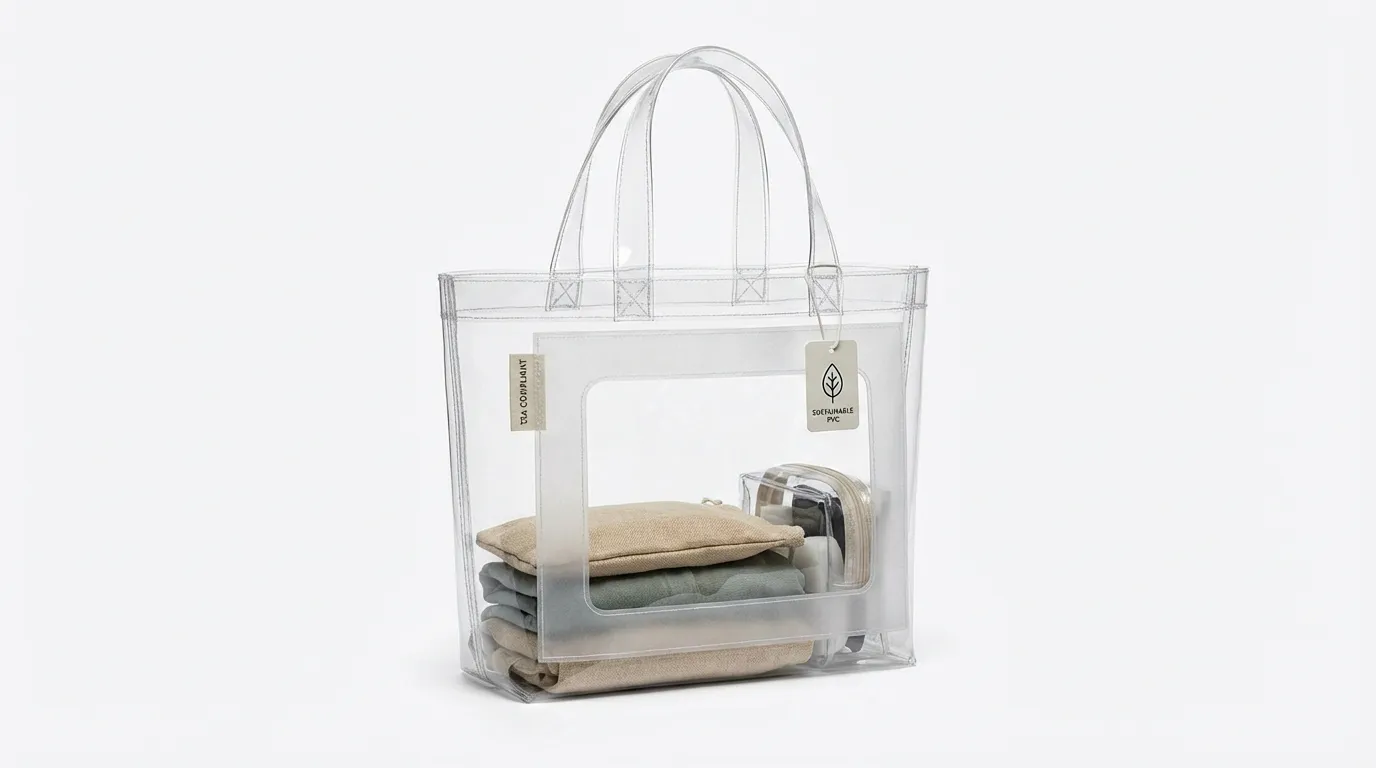
The clear bag is a fascinating product category where utilitarian security requirements and high-fashion aesthetics intersect. For the B2B buyer, this dual market provides a wealth of opportunities, from producing high-volume, compliant stadium totes to crafting premium, trend-setting fashion pieces.
Success in this niche requires a deep understanding of the materials—the difference between cheap, crack-prone PVC and high-quality, cold-rated PVC or premium TPU. It demands a manufacturing partner with the specialized equipment and meticulous techniques needed to work with these unforgiving materials. By mastering these elements, a brand can create a product that is not just a clear container, but a durable, stylish, and highly marketable accessory.
Our Specialty & Fashion Fabric Series will continue, moving from modern plastics to a timeless, rugged, and eternally fashionable textile: “Denim in Bag Manufacturing.”
Ready to tap into the massive clear bag market? Contact the experts at FYBagCustom. We can guide you through the technical specifications, source the right grade of PVC or TPU for your needs, and manufacture a high-quality clear bag collection that is ready for game day or the runway.