Tel/WhatsAapp:+86 18011919834
E-mail: chloe.x@fybagcustom.com

Tel/WhatsAapp:+86 18011919834
E-mail: chloe.x@fybagcustom.com
Send Your Inquiry Today

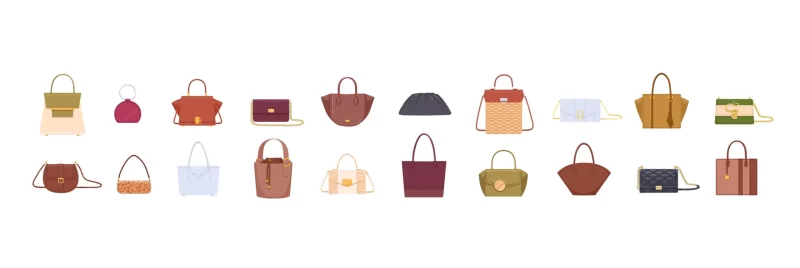
In today’s market, “sustainability” is no longer a niche preference; it’s a core driver of consumer loyalty and brand value. For B2B buyers—from global retail brands to burgeoning e-commerce stores—the materials chosen for a custom bag collection are a powerful statement. They communicate a brand’s commitment to the planet, resonate with ethically-minded customers, and can even create a compelling new product narrative.
However, navigating the landscape of sustainable materials is complex. It requires moving beyond simple “eco-friendly” labels to understand the nuanced trade-offs in durability, cost, aesthetics, and true environmental impact. Is recycled polyester always better than organic cotton? What are the manufacturing realities of using innovative materials like cork or washable paper?
This in-depth guide is for brand owners, sourcing managers, and product developers. It provides a clear, comparative framework for evaluating the most viable sustainable materials in modern bag manufacturing. As a dedicated OEM/ODM partner, Fybagcustom uses this expertise to help clients make strategic decisions that align their design vision, budget, and sustainability goals.
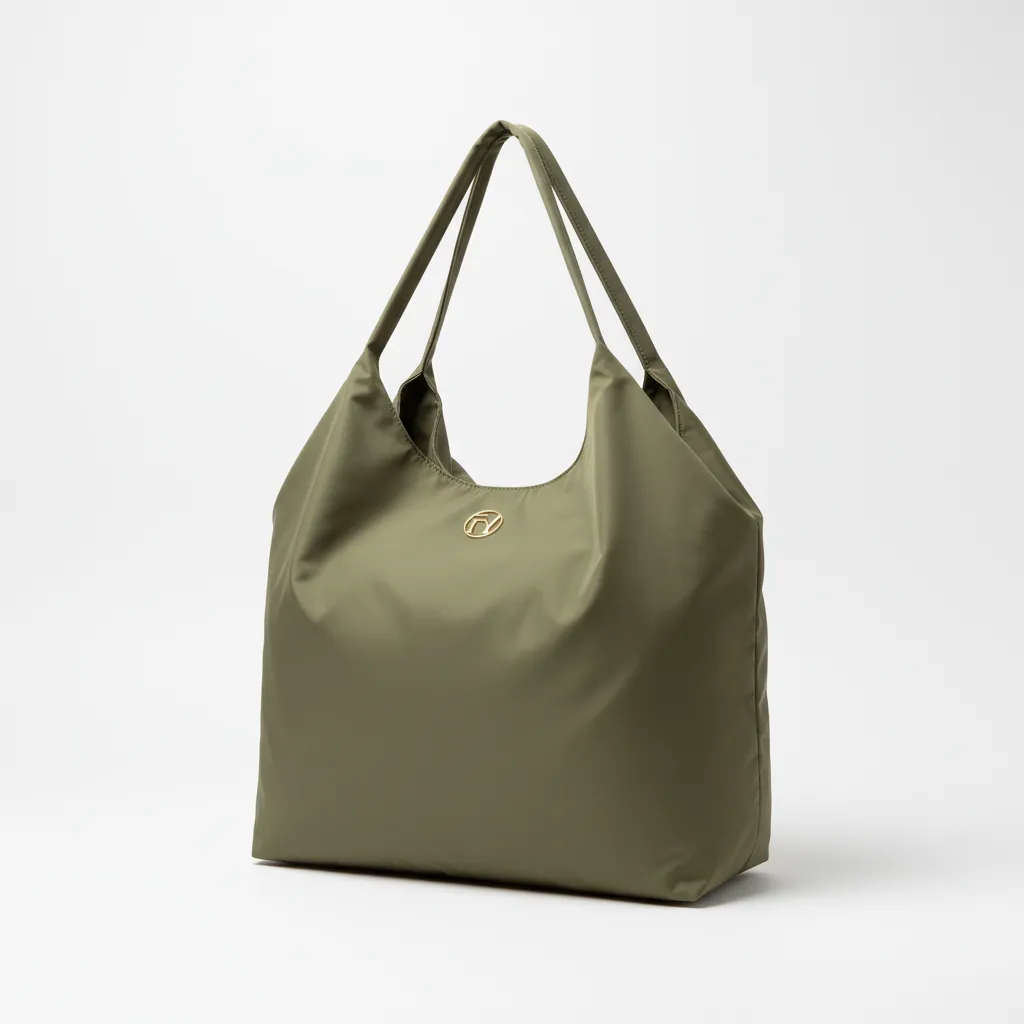
Before comparing materials, it’s crucial to understand the language of sustainability. These terms are not interchangeable, and each represents a different approach to reducing environmental impact.
| Concept | Definition | Primary Benefit | Common Bag Materials |
|---|---|---|---|
| Recycled | Made from post-consumer or post-industrial waste materials that have been reprocessed. | Diverts waste from landfills and reduces the need for virgin raw materials. | rPET (from plastic bottles), Recycled Nylon (from fishing nets, fabric scraps), Recycled Cotton. |
| Organic | Grown without the use of synthetic pesticides, herbicides, or genetically modified organisms (GMOs). | Reduces chemical runoff into ecosystems and soil degradation. | Organic Cotton, Organic Hemp, Organic Linen. |
| Rapidly Renewable | Sourced from plants that have a very short growth cycle (typically under 10 years). | Resources can be replenished quickly, reducing deforestation and long-term resource depletion. | Jute, Bamboo, Cork (harvested from bark, not the tree). |
| Biodegradable | Capable of breaking down and decomposing into natural elements through the action of microorganisms. | Reduces long-term landfill waste, assuming the correct disposal conditions are met. | Cotton, Jute, Hemp, Leather (if tanned naturally). |
| Circular | Materials designed to be reused, repurposed, or safely returned to the biosphere at the end of their life, closing the loop. | A holistic approach that aims to eliminate waste entirely from the production cycle. | Mono-material bags (e.g., 100% rPET) are easier to recycle again. |
Table 1: Key Sustainability Concepts in Manufacturing
Let’s analyze the most common sustainable material choices for bag manufacturing, comparing their performance, cost, and ideal applications.
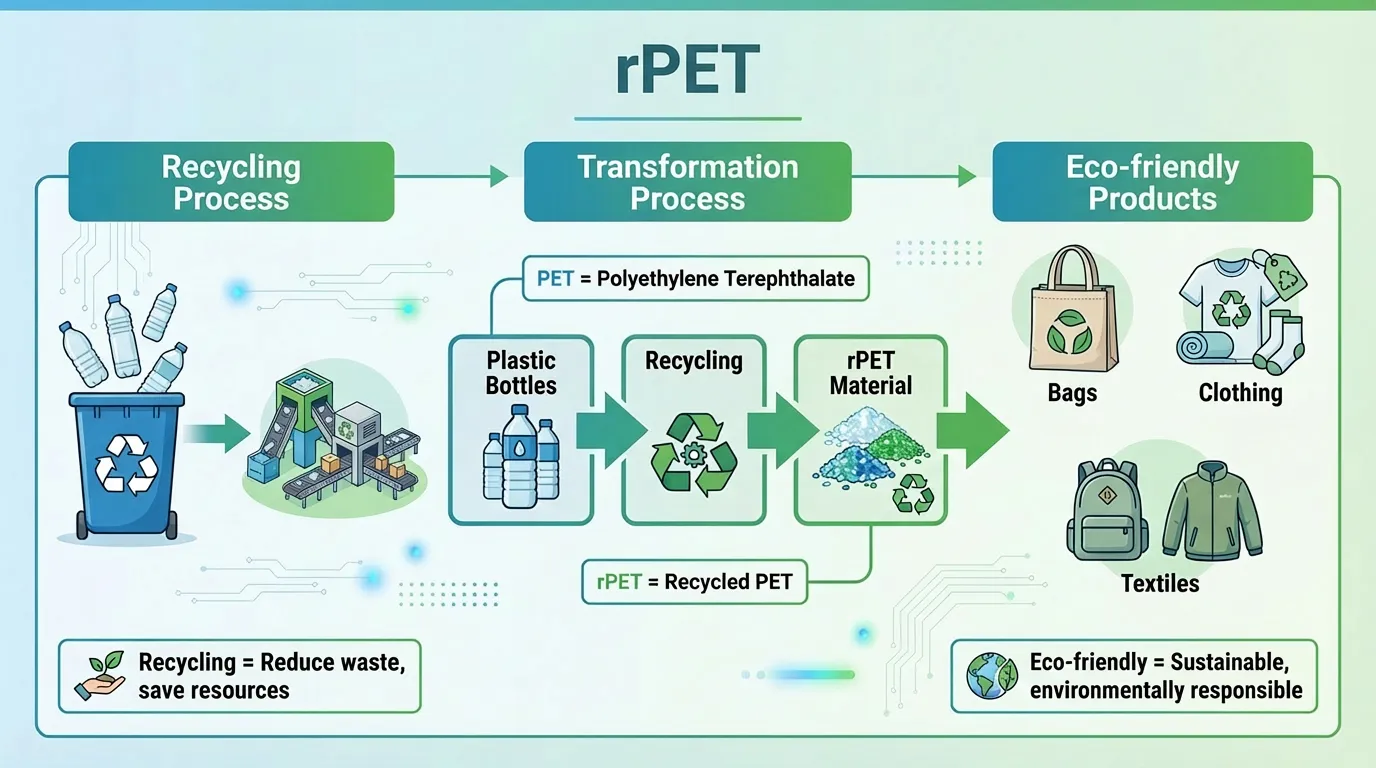
Recycled synthetics, primarily rPET, are a cornerstone of the sustainable bag industry. They offer the functional benefits of virgin synthetics while tackling the global plastic waste problem.
| Feature | Analysis & B2B Implications |
|---|---|
| Pros | Durability & Performance:Retains nearly all the strength, water resistance, and longevity of virgin polyester/nylon.Marketing Story:A powerful and easily understood eco-narrative (“This bag is made from 10 plastic bottles”).Reduces Plastic Waste:Directly contributes to solving a major environmental issue. |
| Cons | Microplastic Shedding:Can still release microplastics when washed (though less relevant for bags than apparel).Not Biodegradable:It is still a plastic and will persist in the environment if not disposed of properly.Energy Intensive:The recycling process requires energy, though less than producing virgin plastic. |
| Cost Impact | Typically10% to 25% more expensivethan their virgin counterparts due to the costs of collection, sorting, and reprocessing. This premium is decreasing as the supply chain matures. |
| Best B2B Applications | Durable Backpacks, Travel Totes, & Duffle Bags:Where strength and water resistance are key.Reusable Shopping Bags:A logical upgrade from standard polypropylene.Corporate Promotional Bags:To showcase a company’s commitment to sustainability. |
Table 2: Recycled Synthetics – A B2B Snapshot
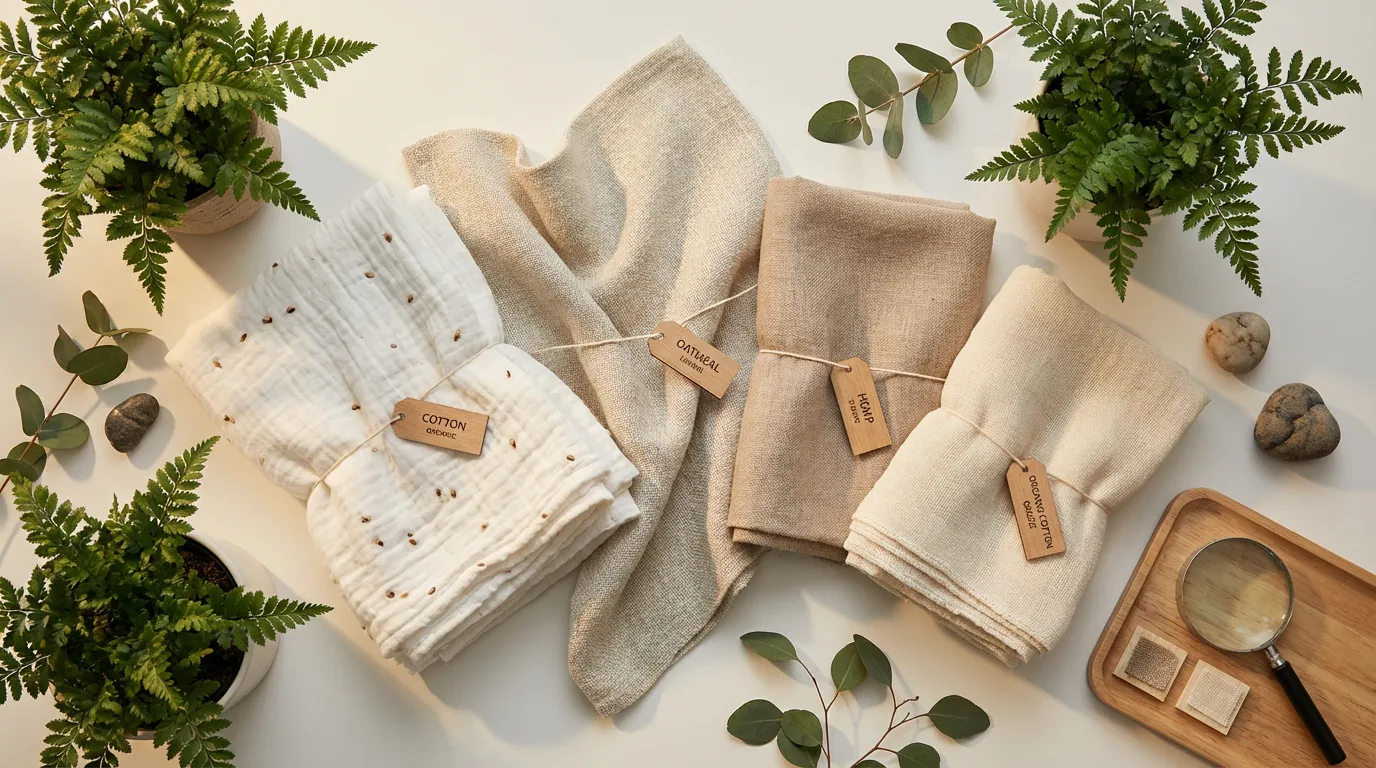
Organic fibers like cotton and hemp offer a classic, natural aesthetic and appeal to consumers wary of plastics.
| Feature | Analysis & B2B Implications |
|---|---|
| Pros | Biodegradable:Will decompose naturally under the right conditions.Premium Feel:Organic cotton has a soft hand-feel that signals quality.Hypoallergenic:Free from harsh chemicals, making it suitable for products like baby diaper bags.Strong Brand Image:Aligns with wellness, natural, and luxury market positioning. |
| Cons | Higher Cost:Organic farming is more labor-intensive and yields can be lower, leading to higher raw material costs.Water Consumption:Cotton, even when organic, is a water-intensive crop. Hemp is a better alternative in this regard.Durability:Standard organic cotton canvas may be less abrasion-resistant than a high-denier synthetic. |
| Cost Impact | Can be30% to 60% more expensivethan conventional, non-organic cotton of the same weight. Certification (e.g., GOTS) also adds to the cost. |
| Best B2B Applications | High-End Retail Totes:For fashion brands where perceived value is paramount.Dust Bags for Luxury Goods:Protects high-value items with a soft, chemical-free material.Baby & Parent Bags:Where non-toxic materials are a primary purchase driver.Brand Collabs with Wellness or Organic Food Companies. |
Table 3: Organic Natural Fibers – A B2B Snapshot
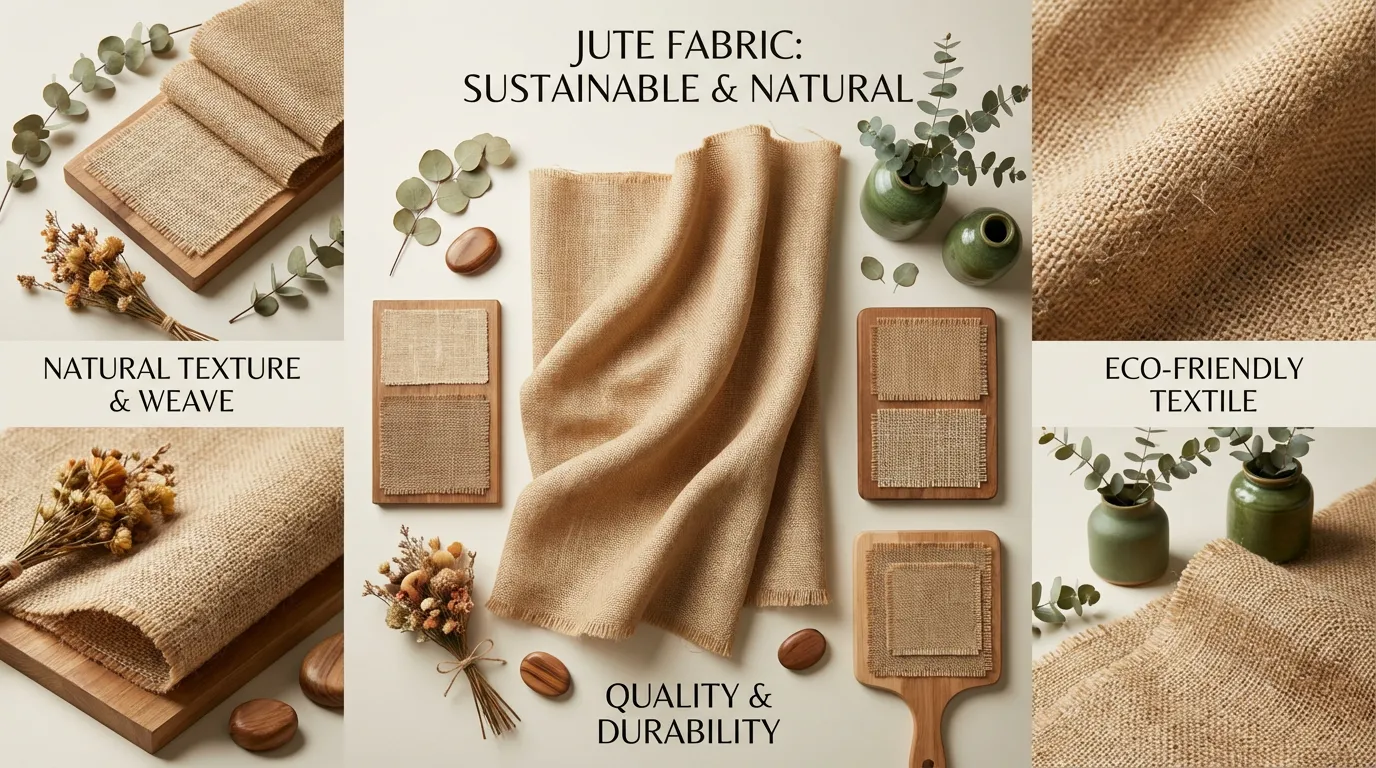
Jute, often known by its trade name Burlap, is a prime example of a rapidly renewable fiber that is both highly sustainable and cost-effective.
| Feature | Analysis & B2B Implications |
|---|---|
| Pros | Extremely Low Environmental Impact:Requires minimal water and chemical inputs.Strong & Durable:The coarse fibers are highly resistant to stretching and tearing.Cost-Effective:Often cheaper than even conventional cotton canvas, making it an accessible eco-option.Unique Aesthetic:The rustic, natural look is a powerful branding tool in itself. |
| Cons | Coarse Texture:Not suitable for applications requiring a soft or smooth finish.Limited Printability:The open weave and rough texture make it difficult to print fine details. Bold, simple logos work best.Can Shed Fibers:Lower quality jute may leave behind small fibers. Laminated jute (with a thin inner plastic layer) can solve this. |
| Cost Impact | Very competitive.Often one of the least expensive sustainable material options available, sometimes rivaling the price of non-woven PP bags. |
| Best B2B Applications | Grocery & Market Totes:A classic choice for reusable shopping bags.Promotional Bags for Eco-Conscious Brands:(e.g., coffee roasters, organic farms).Beach Totes:The durable, sand-shakable nature is a perfect fit.Gift Packaging:For wine bottles or jarred goods. |
Table 4: Jute – A B2B Snapshot
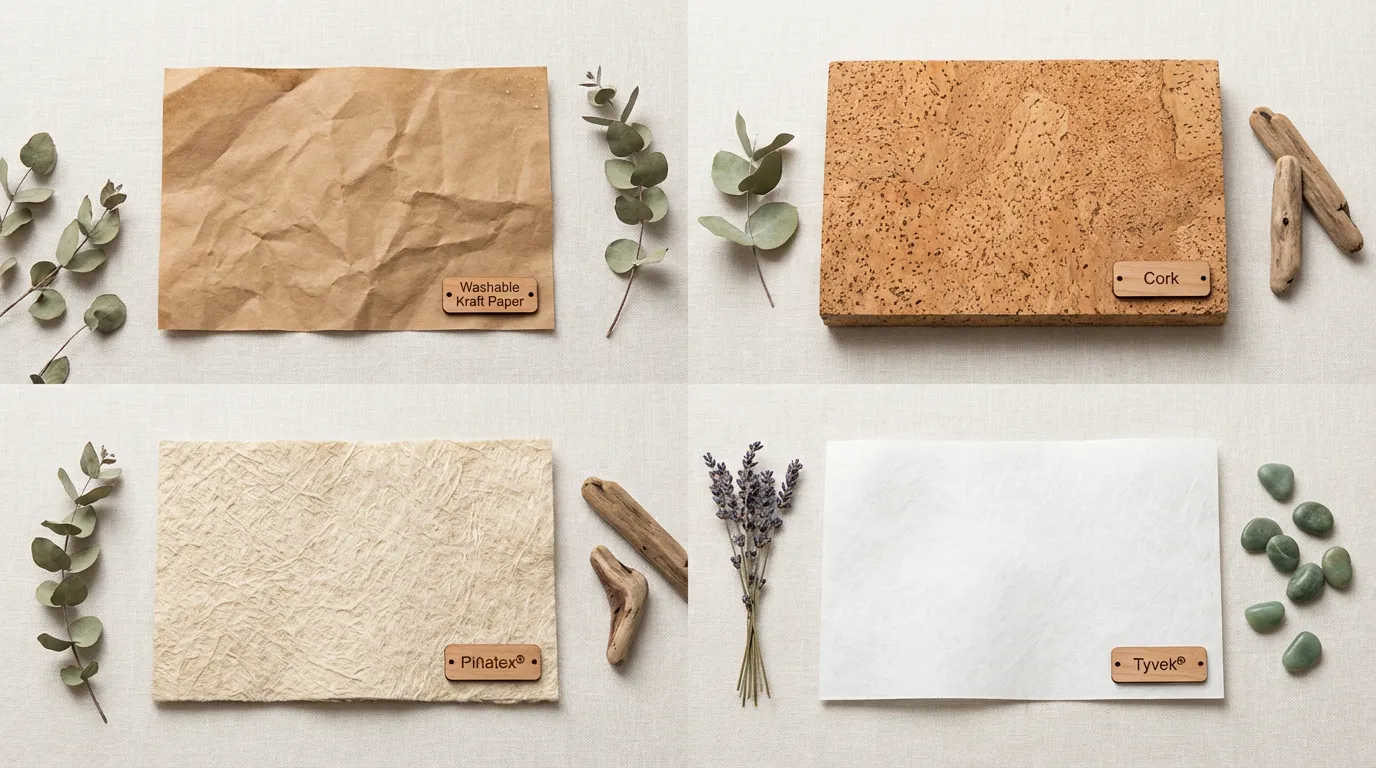
This category includes novel materials that push the boundaries of design and eco-consciousness. While often more expensive and harder to source, they offer unparalleled brand differentiation.
| Material | Description | Pros | Cons | Best For |
|---|---|---|---|---|
| Washable Kraft Paper | A durable, leather-like paper fabric that can be washed and reused. | Lightweight, vegan, develops a unique patina over time. | Less abrasion-resistant than fabric, higher cost. | Small pouches, minimalist totes, unique retail packaging. |
| Cork | Harvested from the bark of cork oak trees, which is regenerative. | Lightweight, water-resistant, naturally antimicrobial, vegan. | Can be brittle, high cost, texture limits some designs. | Clutches, premium accent panels on totes, wallets. |
| Piñatex® | A non-woven textile made from waste pineapple leaf fibers. | Natural, vegan leather alternative, unique texture, supports farming communities. | Very high cost, specific supplier network, sensitive to abrasion. | High-fashion handbags, luxury small goods, statement pieces. |
| Tyvek® | A brand of flashspun high-density polyethylene fibers. | Extremely lightweight, waterproof, tear-proof, 100% recyclable. | Crinkles like paper (can be a pro or con), higher cost. | Reusable envelopes, foldable travel totes, technical pouches. |
Table 5: Innovative Eco-Materials – A B2B Snapshot
Choosing the right sustainable material is a balancing act between your brand story, functional requirements, and budget. There is no single “best” material—only the best material for your project.
At Fybagcustom, we see our role as more than just a manufacturer. We are your consultant in this process. Our team can help you:
Integrating sustainable materials into your product line is a strategic investment in your brand’s future. It demonstrates responsibility, connects with modern consumers, and opens up new avenues for design and storytelling. The key is to make an informed choice based on a clear understanding of the options.
By considering the full lifecycle, performance characteristics, and cost structures of materials like rPET, organic cotton, and jute, you can create a custom bag that is not only good for your business but also better for the planet.
Ready to explore sustainable material options for your next bag project? Contact Fybagcustom’s material experts for a complimentary consultation and to request a sample kit.