Tel/WhatsAapp:+86 18011919834
E-mail: chloe.x@fybagcustom.com

Tel/WhatsAapp:+86 18011919834
E-mail: chloe.x@fybagcustom.com
Send Your Inquiry Today

For brand owners, sourcing managers, and e-commerce entrepreneurs, the tote bag represents a powerful canvas for branding, utility, and style. But when planning a new product line or promotional campaign, one question stands above all: “How much does it cost to make a tote bag?”
The answer is not a single number. The final price of a custom tote bag is a complex calculation influenced by dozens of variables, from the yarn in the fabric to the type of stitching on the handle. A simple promotional tote might cost as little as $0.50 per unit, while a premium, leather-trimmed, multi-pocket designer tote could exceed $50 per unit at the factory level.
This comprehensive guide breaks down every factor that determines the cost of manufacturing a tote bag. We will explore materials, labor, customization, and supply chain logistics to empower you to make informed procurement decisions and manage your budget effectively. As a B2B custom bag manufacturer, Fybagcustom provides this expert insight to help our partners navigate the production process with clarity and confidence.
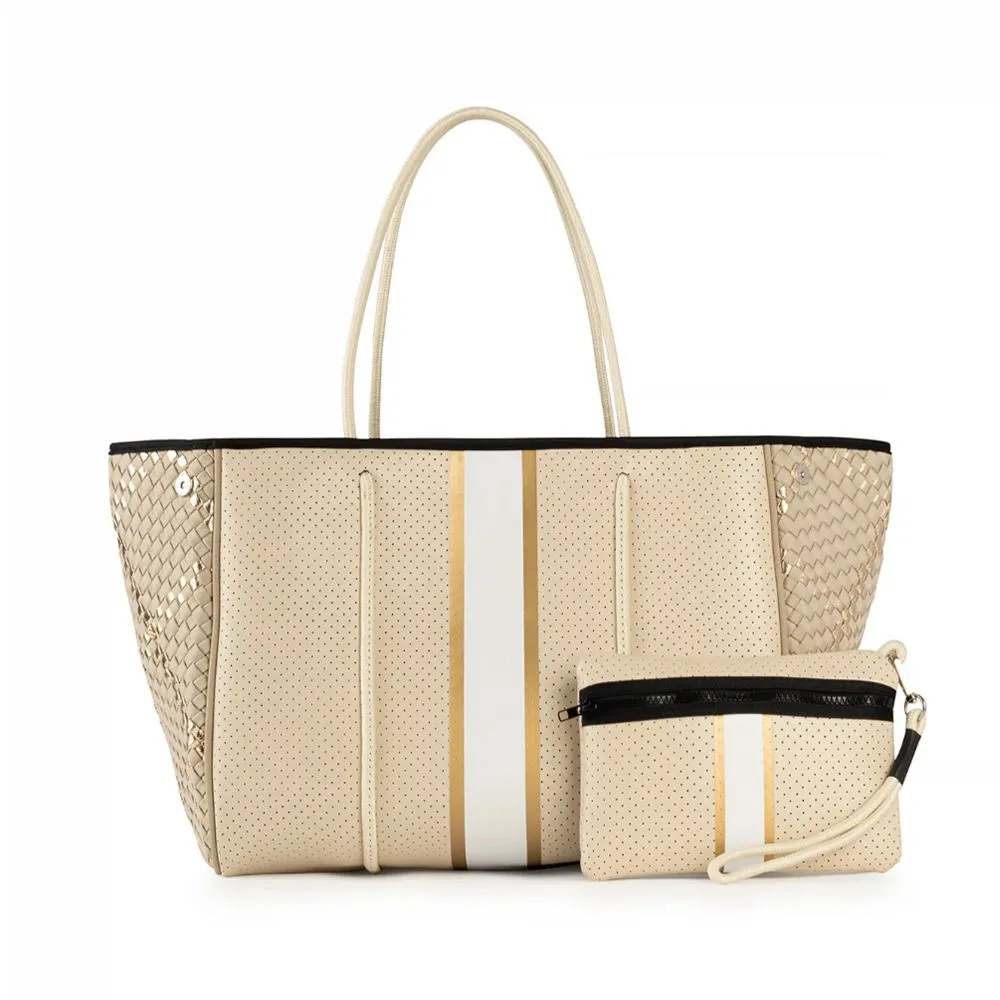
The final factory price of a tote bag is primarily built from four fundamental pillars: Materials, Labor, Customization & Finishing, and Overheads & Logistics. Understanding how each contributes to the total cost is the first step in creating a realistic budget.
| Cost Pillar | Description | Typical % of Total Cost | Key Variables |
|---|---|---|---|
| Raw Materials | The cost of all physical components, primarily fabric, but also including thread, hardware, and labels. | 30% – 60% | Fabric type, weight, hardware material, zipper quality. |
| Labor & Assembly | The cost of human work, including cutting, stitching, printing, quality control, and packing. | 20% – 40% | Bag complexity, number of seams, printing method, QC standards. |
| Customization & Finishing | Special processes that add value and branding, such as printing, embroidery, and special treatments. | 5% – 25% | Print complexity, embroidery size, special coatings (e.g., waterproofing). |
| Overheads & Logistics | Factory overhead (management, utilities), packaging, compliance testing, and shipping preparations. | 10% – 15% | MOQ, packaging requirements, factory certifications, shipping terms (FOB/EXW). |
Table 1: The Four Pillars of Tote Bag Manufacturing Costs
The choice of fabric is the most significant driver of a tote bag’s cost, look, and feel. Materials are priced by the yard or meter, and their cost is influenced by raw material type, weight (e.g., grams per square meter or ounces), and any special treatments.
Here’s a comparative look at common tote bag fabrics and their relative cost implications.
| Fabric Type | Price Range (Low to High) | Key Characteristics & Best Use Cases | Why Choose It? |
|---|---|---|---|
| Non-Woven Polypropylene (PP) | $ | Very low cost, lightweight, heat-sealed. Ideal for single-use promotional giveaways, trade shows, and basic grocery bags. | For maximum budget efficiency and high-volume, low-cost promotions. |
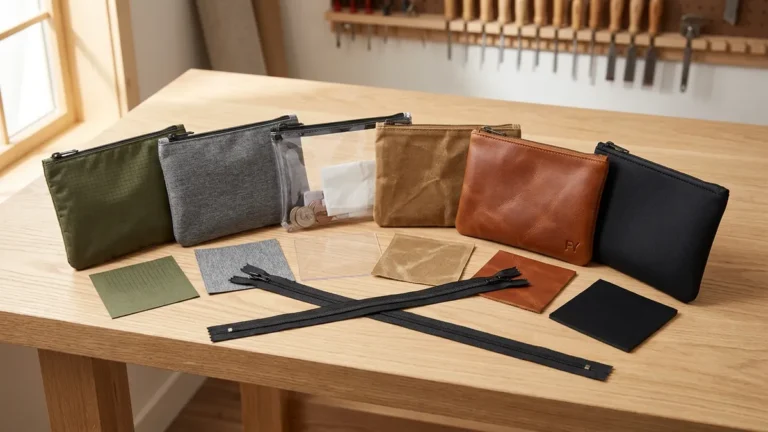
| Polyester (e.g., 210D, 600D) | $$ | Low cost, durable, good for printing, water-resistant. Excellent for reusable shopping bags, drawstring bags, and budget-conscious daily totes. | A versatile and cost-effective workhorse for durable promotional items. |
| Canvas (Cotton or Poly-Cotton) | $$$ | Classic look, strong, breathable. Weight (e.g., 8oz, 12oz, 16oz) heavily impacts price. Perfect for branded retail, daily use, and eco-friendly lines. | For a durable, high-perceived-value bag with a natural feel. |
| Nylon (e.g., Ripstop, Ballistic) | Very durable, lightweight, excellent tear and water resistance. Used in high-performance travel totes, technical bags, and premium foldable totes. | For projects demanding superior strength, light weight, and a modern look. | |
| Jute / Burlap | $$$ | Eco-friendly, rustic aesthetic, highly durable. Great for organic brands, farmer’s markets, and beach-themed totes. | To project an earthy, sustainable brand image. |
| Leather (Genuine or PU/Vegan) | $ | Premium feel, high perceived value, very durable. Used for high-end fashion totes, designer bags, and corporate gifts. PU leather is a cost-effective alternative. | For luxury products where brand image and longevity are paramount. |
| Specialty Fabrics (Tyvek®, Neoprene) | $ | Unique properties. Tyvek® is paper-like, waterproof, and un-tearable. Neoprene is soft, stretchy, and insulating. For niche, high-concept designs. | When a unique function or standout aesthetic is the primary goal. |
Table 2: Cost & Feature Comparison of Common Tote Bag Fabrics
While fabric is the main event, the cost of smaller components adds up, especially on more complex bags.
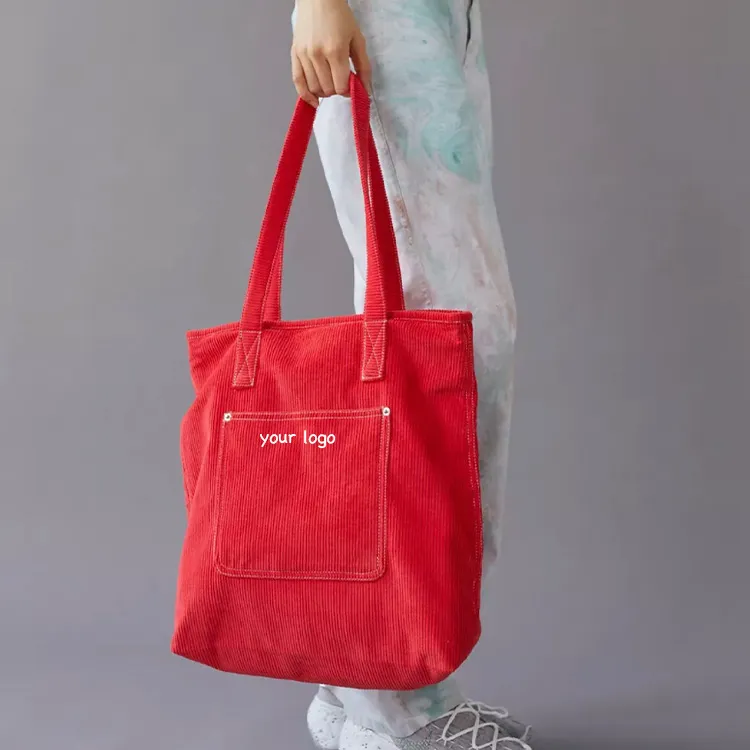
The more complex a bag’s design, the more time it takes to cut and sew, directly increasing labor costs. A simple “envelope” tote with two seams is fast to produce. A tote with lining, multiple pockets, and reinforced corners is not.
B2B Pro Tip: When designing your tote, ask yourself if every feature is essential. Removing a single internal zippered pocket in favor of a simpler slip pocket could save $0.20 to $0.50 per unit on a large order, a significant saving at scale. At Fybagcustom, our design team helps clients achieve their functional goals with an eye on manufacturing efficiency and cost control.
Customization transforms a generic bag into your brand’s tote. The chosen method directly impacts the final unit cost.
| Customization Method | Cost Impact | Best For | Technical Considerations |
|---|---|---|---|
| Screen Printing | Low (for 1-2 colors) | Simple logos, text, and graphics on canvas, cotton, and polyester. Most cost-effective method for large runs. | Cost is per color. Complex, multi-color designs can become expensive due to multiple screen setups. |
| Heat Transfer | Medium | Full-color photos and complex, gradient graphics. Works well on polyester and non-woven fabrics. | Offers photorealistic detail but can have a slightly less premium feel than direct printing or embroidery. |
| Digital Printing (DTG) | High | Full-color, highly detailed artwork on cotton/canvas bags with no minimum color count. Ideal for small runs or on-demand printing. | Higher per-unit cost than screen printing, but no setup fees, making it viable for smaller, complex orders. |
| Embroidery | High | Premium logos and monograms. Adds texture and high perceived value. Best on heavier fabrics like canvas, denim, or thick polyester. | Cost is based on stitch count and size. Large, dense embroidered logos can be one of the most expensive branding options. |
| Woven Labels & Patches | Medium | Adding a sophisticated, retail-quality branding touch. A PU leather or woven fabric patch elevates the design. | Involves two steps: producing the patch and then stitching it onto the bag, adding both material and labor costs. |
Table 3: Cost & Application of Common Customization Methods
The business side of manufacturing plays a crucial role in the per-unit price.
The MOQ is the smallest order quantity a factory will accept. It is one of the most critical concepts for B2B buyers to understand.
Imagine a canvas tote bag with a target factory price of $4.00 at an MOQ of 1,000 units.
| Order Quantity | Per-Unit Price | Total Order Value | Reason for Price Change |
|---|---|---|---|
| 250 Units | $6.50 | $1,625 | Below MOQ. Price premium covers fixed setup costs and less efficient material use. |
| 500 Units | $5.00 | $2,500 | Closer to MOQ, but still requires a surcharge. Better efficiency than 250 units. |
| 1,000 Units (MOQ) | $4.00 | $4,000 | The baseline price. The factory achieves optimal production efficiency at this volume. |
| 5,000 Units | $3.70 | $18,500 | Above MOQ. Price decreases due to bulk material discounts and maximized labor efficiency. |
As a manufacturer supporting businesses of all sizes, Fybagcustom offers flexible MOQs to help new brands get started and scale effectively.
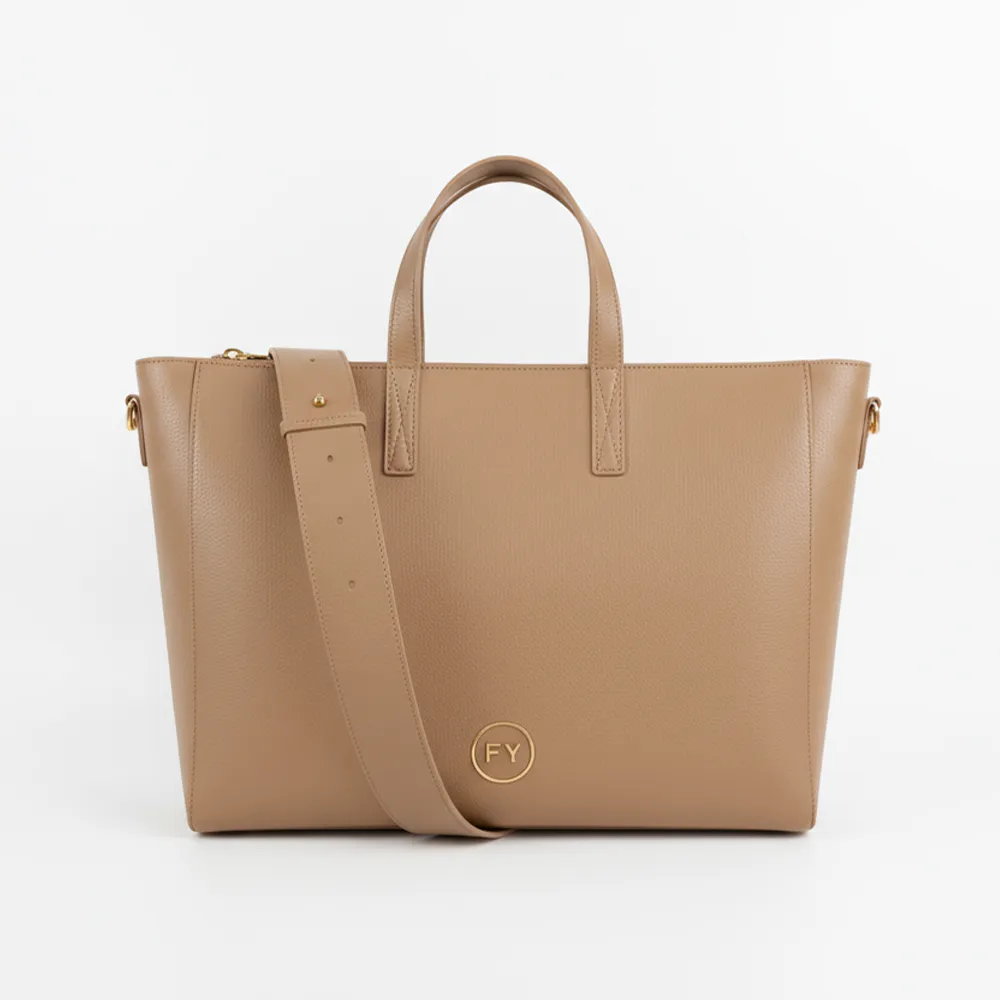
Navigating these variables can be daunting. An experienced manufacturing partner does more than just quote a price; they guide you to the best possible outcome for your budget.
Fybagcustom excels at helping B2B clients manage their tote bag production costs through:
The cost to make a tote bag is not a fixed price tag but a result of strategic decisions. By understanding the impact of materials, labor, customization, and order volume, you can design a product that perfectly balances your brand’s vision with your business’s financial goals.
The most effective way to determine your exact cost is to partner with a knowledgeable manufacturer who can provide a detailed, tailored quote. Whether you are developing a simple promotional item or a high-end retail collection, the right partner transforms cost from a barrier into a competitive advantage.
Ready to get a precise, no-obligation quote for your custom tote bag project? Contact the Fybagcustom team today. Our experts are prepared to help you navigate every step, from initial design and material selection to final delivery.