Tel/WhatsAapp:+86 18011919834
E-mail: chloe.x@fybagcustom.com

Tel/WhatsAapp:+86 18011919834
E-mail: chloe.x@fybagcustom.com
Send Your Inquiry Today

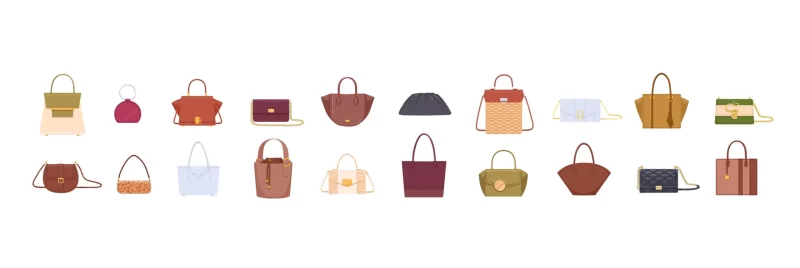
In cross-border and wholesale sourcing, a bucket bag vs. a tote bag is not simply a style choice. From a factory and production perspective, these two silhouettes follow two very different execution paths—pattern engineering, trim systems, sewing cycle time, QC risk points, and even return reasons will change. Many buyers decide based on “looks good / holds a lot,” and only discover the real problems during sampling or bulk production:
This article turns the “either/or” question into an actionable sourcing decision, helping you move from inspiration photos to stable, scalable SKUs.
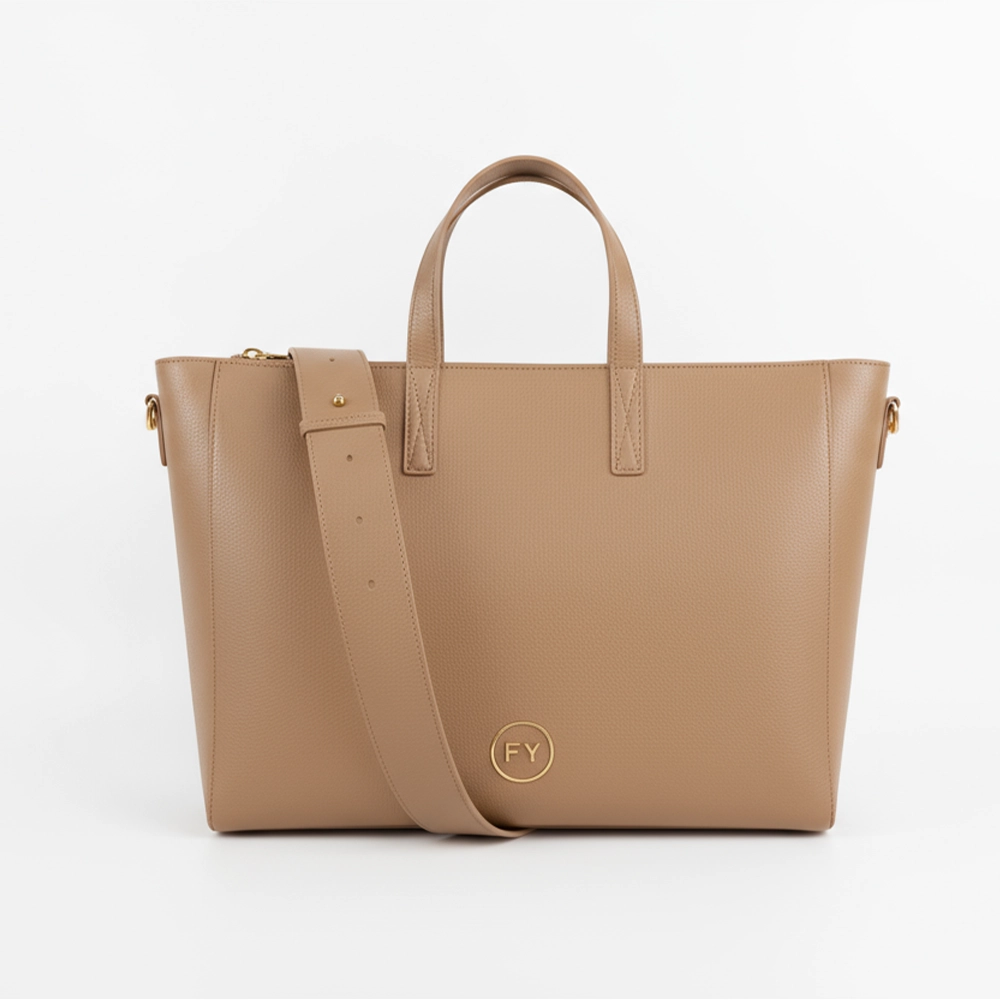
From a B2B standpoint, a silhouette is a channel adaptor.
For collection planning, the most stable strategy is not choosing only one. A proven architecture is:
Tote = the “foundation SKU” (steady orders) + Bucket = the “hero SKU” (premium image + margin).
Both can share the same color card, material platform, and partial trims (lining, zipper families, webbing system), giving you price tiers and scenario coverage without exploding supply-chain complexity.
| Decision Factor | Bucket Bag | Tote Bag | What it means for B2B buying |
|---|---|---|---|
| Primary value | Fashion silhouette + curated carry | Capacity + convenience | Bucket = higher perceived value; Tote = higher velocity basics |
| Closure & security | Usually drawstring/flap | Often open/snap; sometimes zip | Impacts returns/complaints (spillage, theft concerns) |
| Branding surface | Moderate | Large, flat panels | Totes are ideal for bold logos/prints and promo programs |
| Internal organization | Often needs pockets to avoid “deep well” | Easy to add laptop sleeve + compartments | Tote interiors can be standardized across multiple SKUs |
| Pattern & construction | Base + side panel shaping; drawstring channel | Large panels; handle reinforcement | Different QA checkpoints, different failure modes |
Bucket bag construction is challenging in two areas: the base and the drawstring system. The body is a 3D closed loop from side panels to a round/oval base. If any parameter is under-defined, bulk stability suffers: base board requirements, base material thickness, interlining (foam/non-woven), how the drawstring channel is folded and stitched, whether grommets are used, reinforcement around the holes, drawstring material/diameter, and even the weight and plating stability of cord-end hardware. Bucket bags aim for “structured and smooth,” but production failures often come from uneven stiffness and rough drawstring movement, which turn into returns: hard to open/close, abrasive, grommets tearing out.
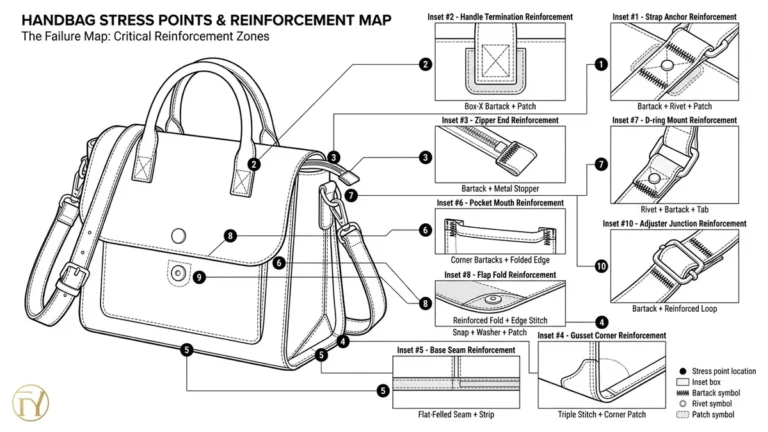
Tote bag construction is less complex in pattern but difficult in load engineering and panel stability. Totes sample quickly, but bulk consistency depends on “engineering the stress points”: how handles are attached (X-box or multi-pass back-tacking), hidden reinforcement patches, webbing frames extending downward into the body, top-edge binding or facing to prevent flaring, and base structure to control collapse. The most common bulk risks are: handle seam blowouts, strap elongation, the opening turning into a “megaphone shape,” and graphic misalignment that makes the entire batch look inconsistent.
In short: totes are “easy” in early sampling, but must be specified like an engineered product to scale.
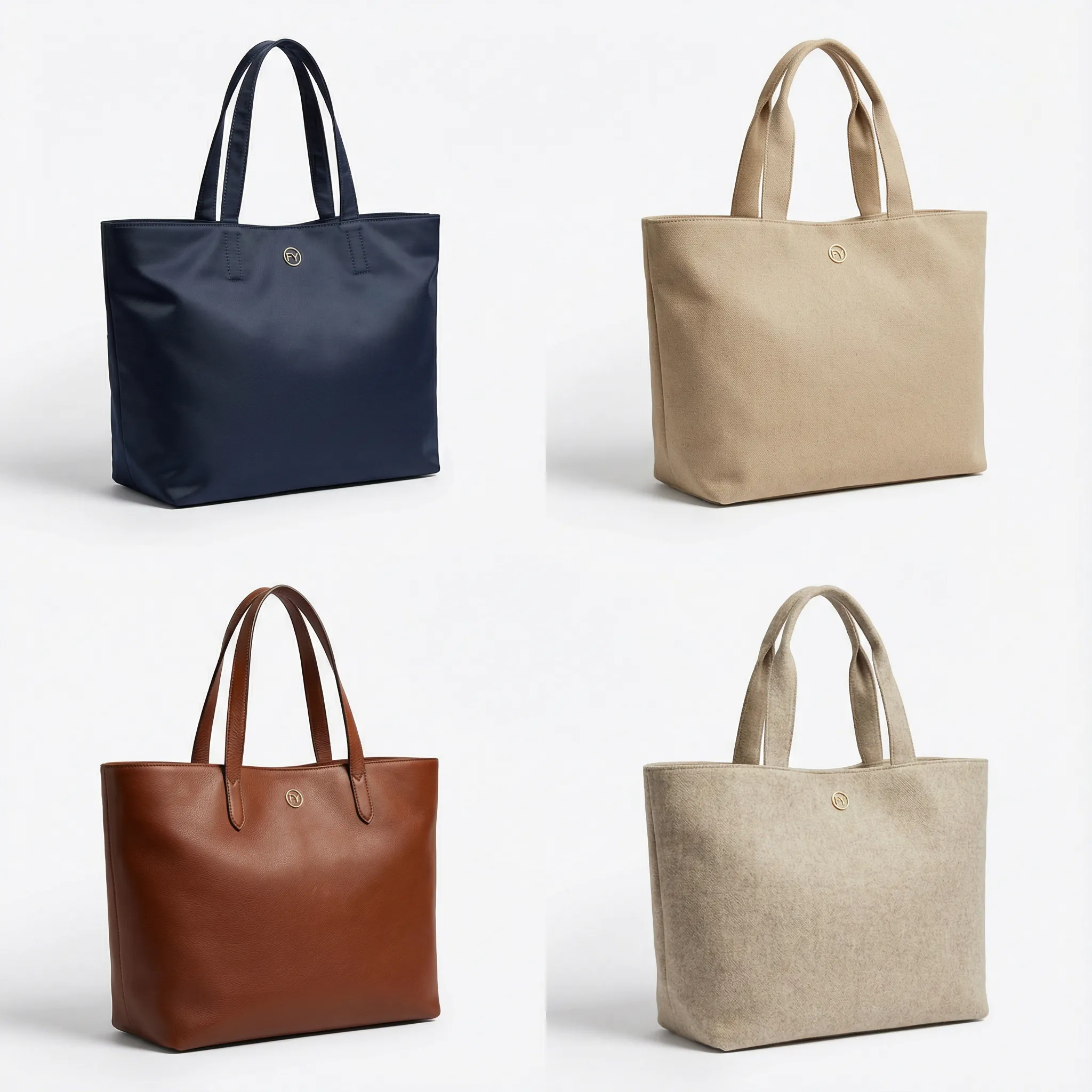
Many RFQs just say “canvas/PU/nylon,” but pricing and stability depend on spec parameters. Your RFQ should be written to a “place-an-order” level.
| Material Direction | Best for Bucket Bag | Best for Tote Bag | Why it sells (B2B lens) |
|---|---|---|---|
| Full-grain / top-grain leather | Premium + giftable | Workwear premium | Higher AOV, stronger tactile differentiation |
| PU / vegan leather | Trend capsules | Entry premium work totes | Consistent color/texture; scalable for volume programs |
| Heavy canvas (12–16 oz) | Casual buckets | Core logo totes | Lowest friction for printing + bulk promo orders |
| Nylon/polyester (incl. recycled) | Sport/utility buckets | Travel/gym totes | Lightweight + wipe-clean; good for performance messaging |
| Eco alternatives | Niche stories | Sustainability-driven totes | Strong story value; requires tighter material QC |
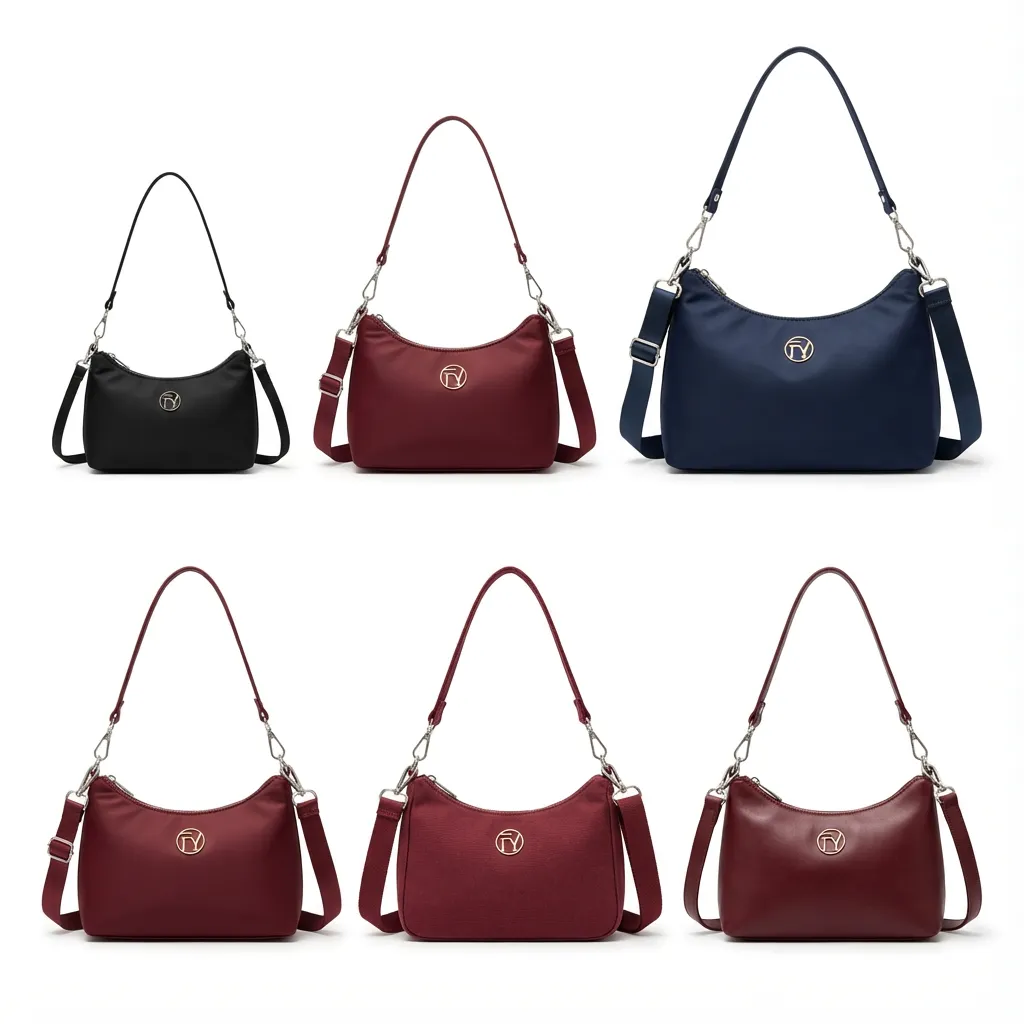
A common B2B failure is using vague size labels. The correct approach is to bind size to use case and carry content.
For totes, define two lanes: work and travel.
Work totes should specify: A4 fit, laptop sleeve requirement (and target device range like 13/14/15.6), and whether a zip-top is needed for security. Travel totes should specify: trolley sleeve, reinforced base, and pocket layout (quick-access exterior pocket, interior zip pocket). These inputs directly shape your pattern, labor, and customer understanding (“work tote” vs “travel tote”).
For bucket bags, the key is not only capacity but access. Bucket bags often create a “deep well” experience—items sink to the bottom and are hard to find. The fix is not only enlarging the bag, but improving internal usability: define minimum pocket count (slip/zip), whether a removable pouch is needed, and whether you want a key leash. For B2B, these internal features are repeat-order drivers because they reduce negative reviews more than aesthetics do.
Open-top totes are convenient for shopping, but in commuting and travel, security concerns are common—especially in return-sensitive channels. Treat closure as a product strategy, not an afterthought. A robust approach is two versions on one pattern: open-top (better cost, faster access) and zip-top (higher security, lower return risk). This expands channel coverage without multiplying your supply chain.
Bucket bags naturally communicate security via drawstring closure, but user experience depends on details: drawstring friction, whether grommets scratch hands, whether cord-ends are too heavy and pull down, and whether the cord frays. From a B2B standpoint, the drawstring is a critical functional component—you should test opening/closing smoothness and wear early in sampling, not after bulk production.
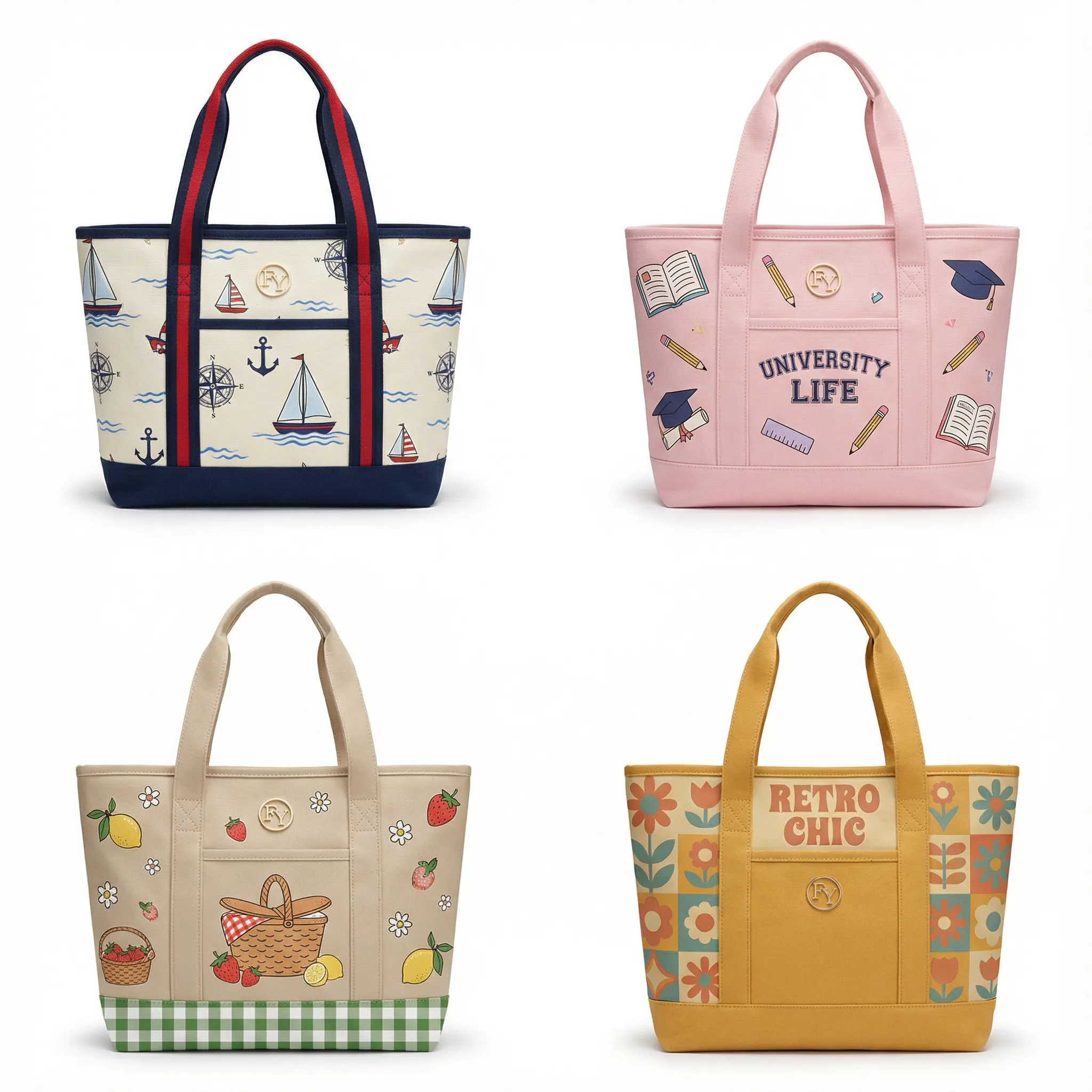
Totes are strong for visual branding systems—screen printing, digital prints, embroidery, patches, woven labels, and combinations. The challenge is not capability; it’s consistency: define alignment tolerance, acceptable color deviation, abrasion resistance, and anti-blocking needs. Many tote programs fail because bulk print alignment varies, damaging listing visuals and consumer trust.
Bucket bags behave more like “boutique products”: attention goes to the opening, straps, hardware, and cord details. They’re ideal for metal logo plates, engraved buckles, custom cord-ends, chain/strap combinations, and base feet. The B2B risk is MOQ and lead time: hardware tooling, plating confirmation, corrosion resistance, and scratch control can extend timelines. A safe rollout is: use standard hardware in Season 1 to validate volume and reviews, then introduce custom hardware in Season 2.
Bucket cost engines: drawstring system (grommets + reinforcement), base construction (board/feet/interlining), edge paint or binding, strap adjusters and hardware.
Tote cost engines: handle reinforcement (extra operations), zip-top (long zipper run and rework risk), interior compartments (laptop padding, multi-pocket layout), and graphic processes (color count and alignment).
The more vague your RFQ, the more likely the factory will quote the cheapest configuration—and later add charges during sampling or order confirmation. Best practice is to define “must-have” vs “options” and request pricing as base + options. This makes your gross margin modeling and channel pricing much more accurate.
| Feature | Bucket Bag impact | Tote Bag impact | Why it changes cost |
|---|---|---|---|
| Structured base + feet | High | Medium | Adds materials + assembly steps |
| Drawstring channel + grommets | High | Low | Hardware + reinforcement labor |
| Zip top | Medium | High | Long zipper runs + alignment QA |
| Handle reinforcement | Medium | High | Box-stitching, webbing inserts, stress testing |
| Interior laptop sleeve | Low | High | Padding + binding + extra paneling |
| Multiple pockets | Medium | Medium | Cutting/sewing complexity |
| Custom hardware (logo plate, buckle) | High | Medium | Tooling, MOQs, lead times |
For bucket bags, inspect stress concentration zones: any tearing near grommets, skipped stitches, missing reinforcement; drawstring smoothness and hand safety; structure under load; uniform edge paint/binding (especially curved edges).
For totes, inspect load systems and visual consistency: stitch density and back-tacking at handles; handle elongation under load; top opening distortion; print/embroidery alignment stability and color deviation control. For cross-border channels, it is recommended to include handle pull strength, print abrasion, and colorfastness as pre-shipment random inspection items and contract clauses to reduce uncontrollable after-sales costs.
Even consumer-facing content points to totes remaining staples, with upgrades like sustainability materials, added pockets, and anti-theft features.
Market research firms also project continued growth in the tote segment, reinforcing why many brands keep totes as a core SKU family.(vogue:The Spring/Summer 2026 Handbag Trends That Will Define the Season)
For broader handbag direction going into 2026, major fashion coverage highlights evolving silhouettes and refreshed classics (useful for mood boards and line planning).
Actionable 2026 refresh ideas (B2B-friendly):
If your goal is both inquiry conversion and brand uplift, the most effective structure is:
This platform lets you scale: totes bring steady orders and feedback loops; buckets lift series quality and margin—while keeping production standardized and repeatable.
Project type: OEM/ODM / Private Label
Target channel: Retail / DTC / Amazon FBA / Promotional
Silhouette & versions: Tote (open-top / zip-top) / Bucket (drawstring / drawstring + flap)
Material specs: shell (weight/thickness/weave/coating), lining, interlining, base board material
Construction definition:
In B2B sourcing, tote bags are your most scalable “foundation SKU” for volume, branding surface, and replenishment programs, while bucket bags are the stronger “hero SKU” for silhouette-driven premium positioning and higher perceived value. The most stable strategy for 2026 collections is to build a dual-line platform—a core tote for consistent orders plus a bucket style that upgrades materials and hardware—so you can cover more channels without adding unnecessary supply-chain complexity.
At FYBagCustom, we help brands and wholesale buyers turn concepts into production-ready SKUs with OEM/ODM development, material and trim recommendations, clear Tech Pack/RFQ specs, controlled sampling milestones, and QC checkpoints that reduce bulk-production risk (handle stress points for totes, grommet/drawstring reinforcement for buckets). If you want to launch or upgrade a tote and bucket program, share your target channel, material preference, and logo method—we’ll propose optimized specs, cost-effective options, and a sampling plan to get you to stable mass production faster.