Tel/WhatsAapp:+86 18011919834
E-mail: chloe.x@fybagcustom.com

Tel/WhatsAapp:+86 18011919834
E-mail: chloe.x@fybagcustom.com
Send Your Inquiry Today

Years Manufacturing
Factory Area
Professional Staff
Inspection Rate
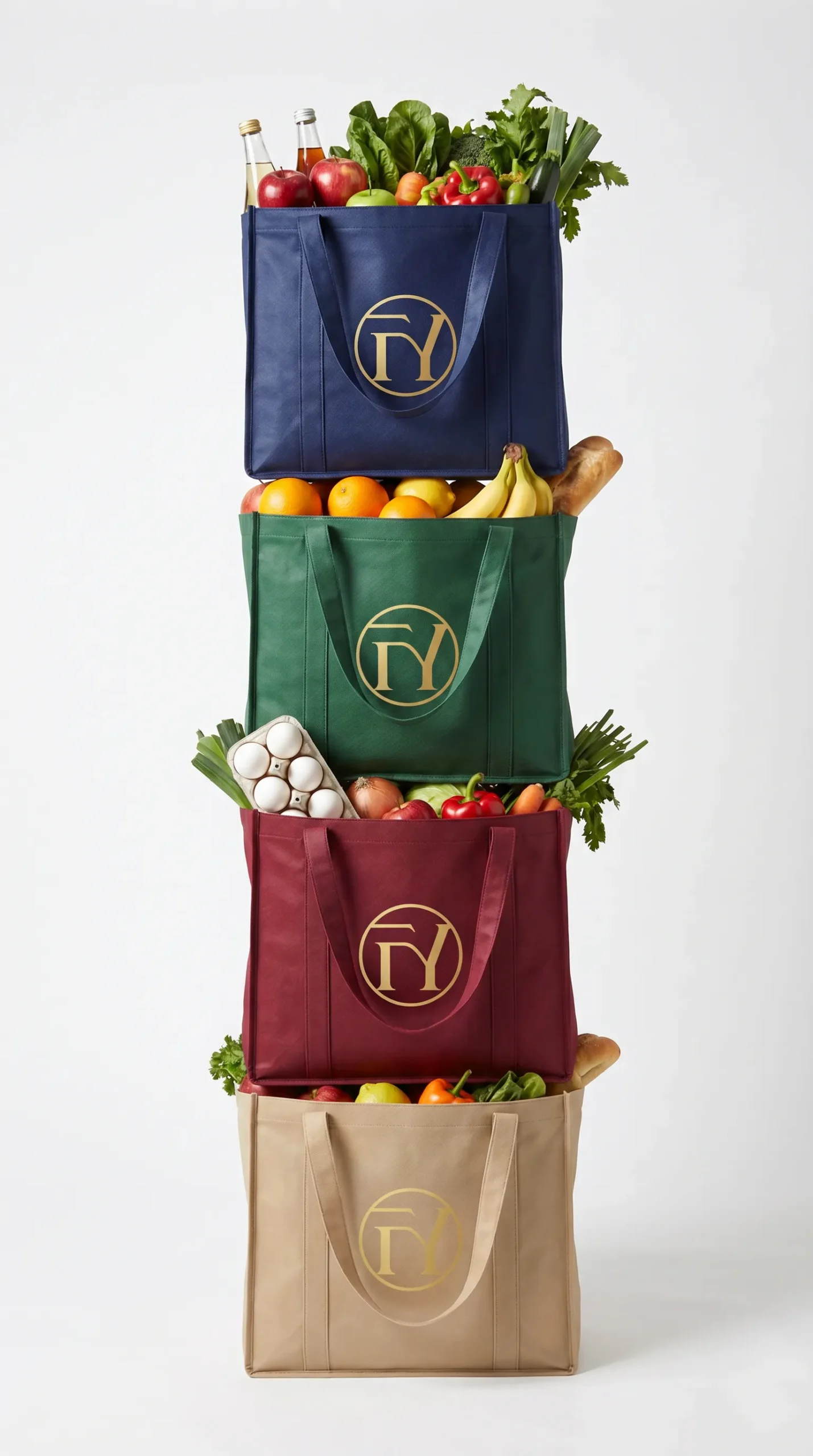
The grocery trip is the most frequent shopping occasion — 1–3 times per week for most households. With plastic bag bans now enforced in 130+ countries and major supermarket chains charging for single-use bags, the reusable grocery bag has shifted from eco-niche to mass-market essential. The bag must be tough enough for canned goods, leakproof enough for fresh produce, and compact enough to live in a car trunk or kitchen drawer between trips.
What shoppers carry
Key bag requirements
Recommended formats
Non-woven PP tote (lowest cost, highest volume) for supermarket checkout. Polyester foldable bag for car-trunk storage. Insulated grocery bag for frozen/chilled items. Canvas or cotton tote for premium/eco supermarket positioning.
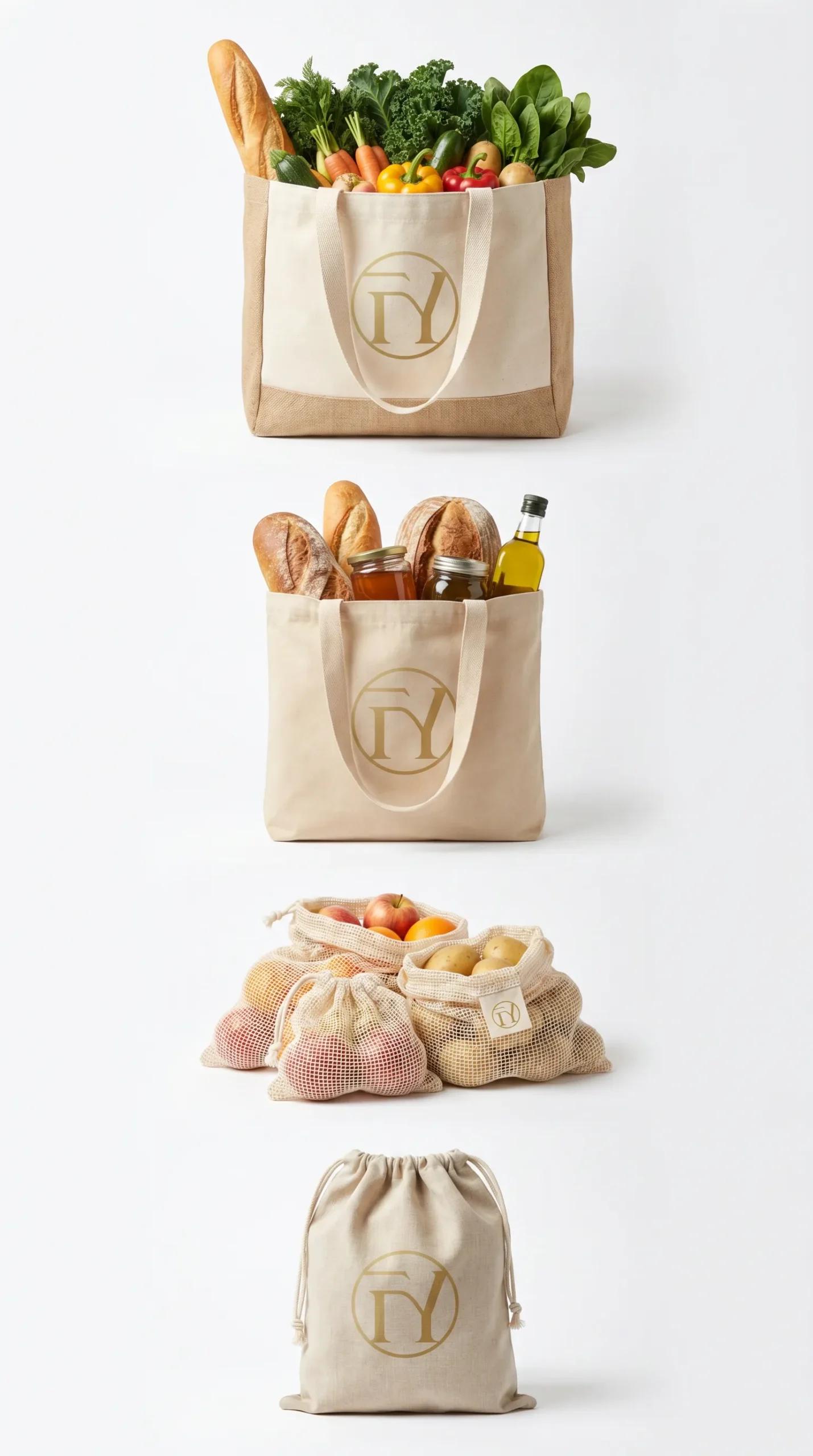
At farmers markets, organic grocers, and specialty food shops, the shopping bag is a lifestyle statement. Shoppers who carry a well-designed market bag signal values: local sourcing, sustainability, quality over convenience. For the vendor or store, the branded bag is the most cost-effective marketing tool — it walks through neighborhoods, parks, and social media feeds long after the groceries are eaten.
What shoppers carry
Key bag requirements
Recommended formats
Canvas or jute market tote with wide straps as the hero bag. Set of 3–5 mesh produce bags in S/M/L sizes. Matching cotton bread bag for bakeries. All with vendor/store branding.
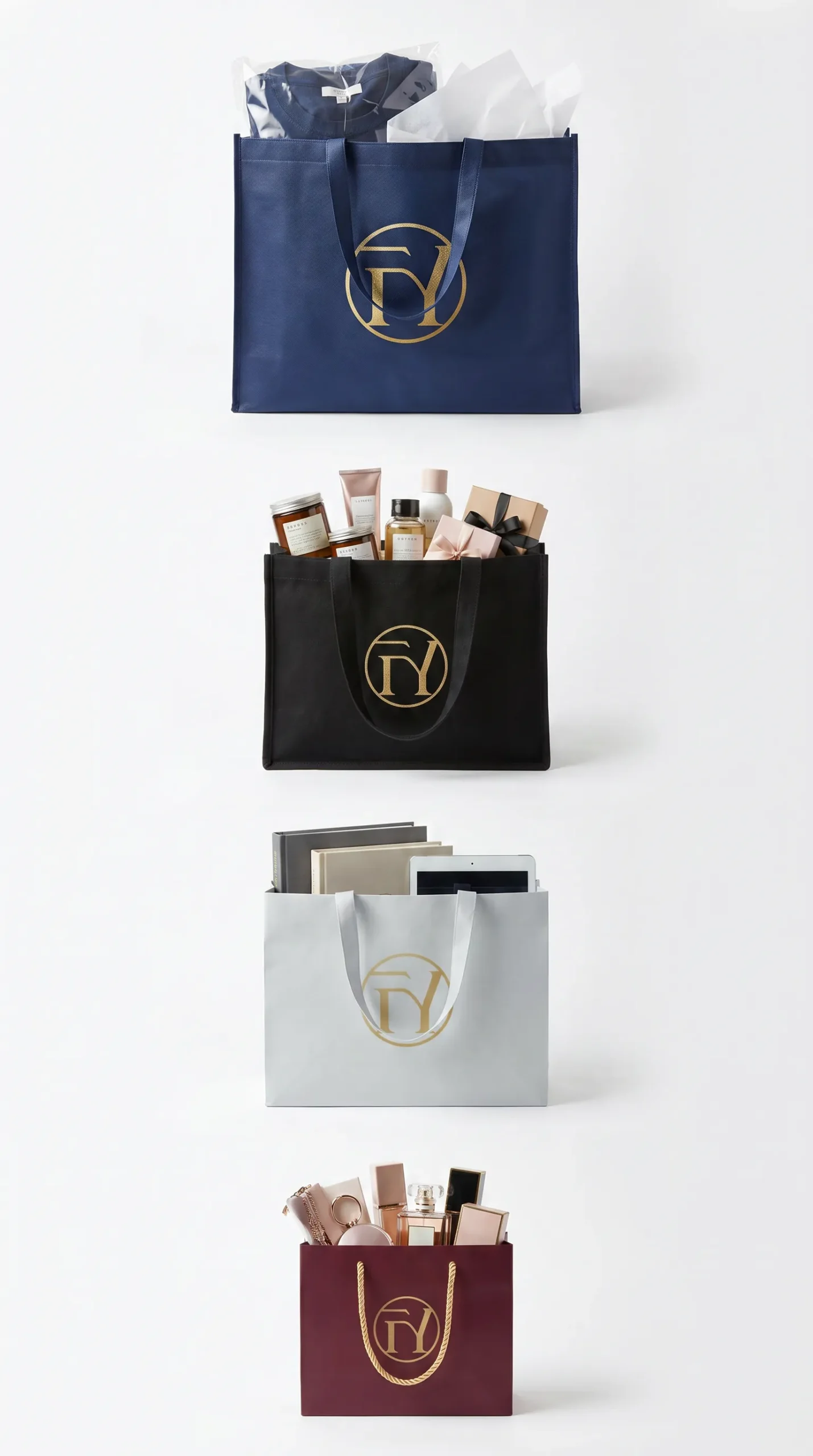
Fashion retailers, department stores, and boutiques are replacing disposable paper and plastic shopping bags with reusable branded alternatives. The reusable retail shopping bag is both a sustainability measure and a branding upgrade — customers reuse it for weeks or months, extending brand exposure far beyond the point of sale. Unlike grocery bags, retail shopping bags must look as good as the products inside them.
What shoppers carry
Key bag requirements
Recommended formats
Laminated non-woven shopping bag for high-volume retail. Canvas branded tote for premium boutiques. Tyvek shopping bag for modern/minimal brands. Small gift bag for accessories and cosmetics.
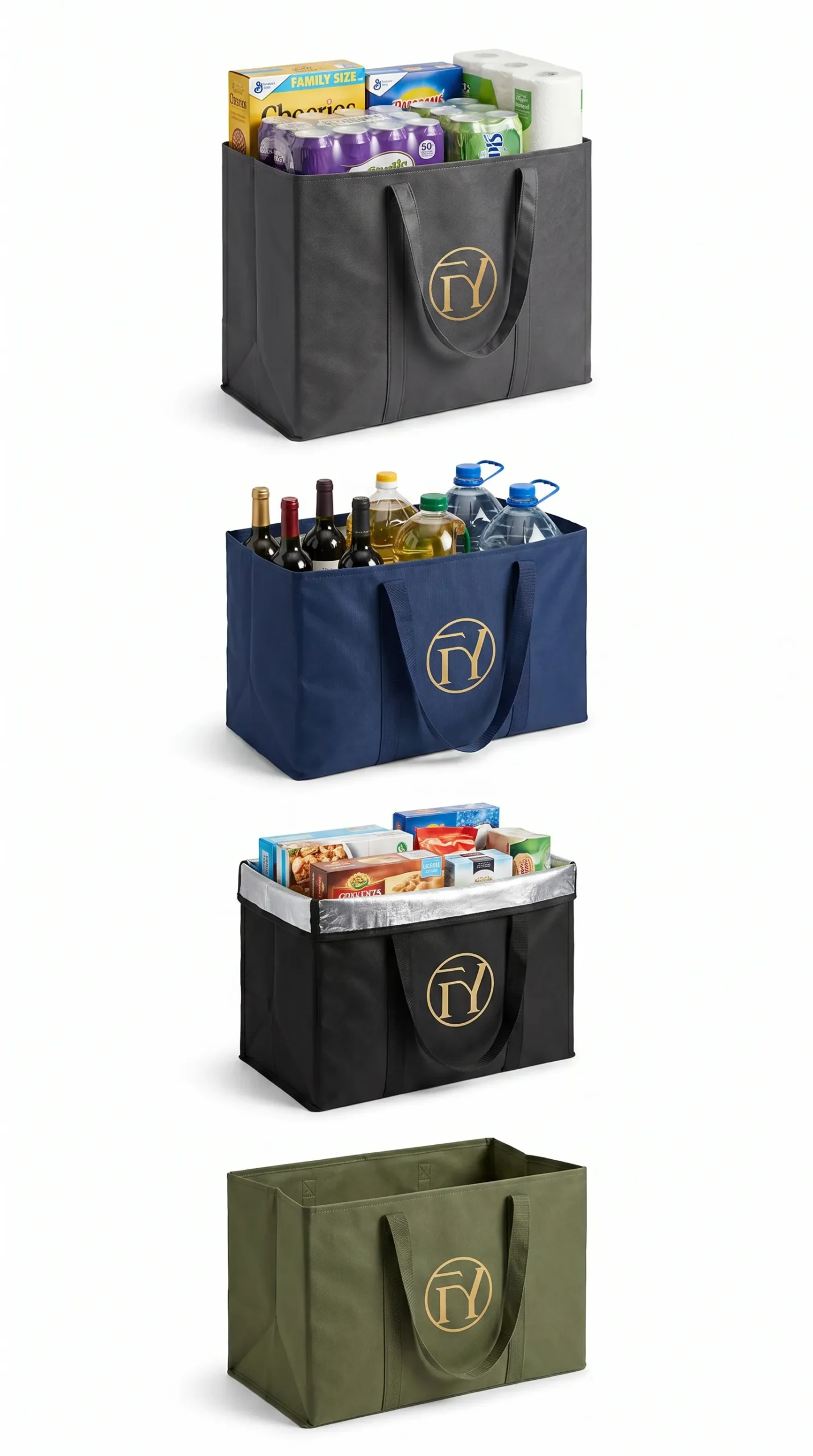
Warehouse clubs (Costco, Metro, Makro) and bulk-buy shoppers need bags that handle extreme weight, oversized items, and high-frequency reuse. These are not fashion items — they are workhorses. The design priorities are strength, capacity, and ease of loading/unloading from car trunks.
What shoppers carry
Key bag requirements
Recommended formats
Heavy-duty non-woven PP box-style bag (100+ GSM) for warehouse-club checkout. Woven polyester or nylon reusable bag for extreme-load shoppers. Insulated version with PEVA lining for frozen/chilled zones.
Shopping bags are the highest-volume, most regulation-driven bag category in the world. The right product mix depends on your channel — supermarket checkout, retail point-of-sale, e-commerce, or promotional giveaway.

The standard reusable shopping bag — the direct replacement for single-use plastic and paper bags at supermarket checkout. The highest-volume product in the entire shopping bag category.
Design Priorities
B2B positioning
Supermarket POS checkout bags (highest volume). Retailer-branded reusable bags. Corporate sustainability programs. Highest branding ROI: large flat panels = maximum logo visibility.

The “always in your pocket/purse/car” reusable bag. Foldable shopping bags solve the biggest barrier to reusable bag adoption: forgetting to bring it. They fold into a built-in pouch, clip, or pocket and weigh under 50g.
Design Priorities
B2B positioning
The #1 promotional giveaway bag format — conferences, product launches, retail loyalty programs. Amazon FBA bestseller in “reusable shopping bag” keyword cluster. Supermarket upsell at checkout.

Dedicated insulated bags for the cold and frozen aisle. These bags maintain temperature during the drive home and in the trunk — the “last mile” of the cold chain that standard grocery totes can’t handle.
Design Priorities
B2B positioning
Supermarket branded insulated bag (sold at checkout or given with cold-delivery orders). Grocery delivery service branded cooler bag. Corporate wellness programs (healthy meal delivery).

Reusable mesh bags for loose fruits, vegetables, nuts, and bulk-bin items — replacing the single-use plastic produce bags at the scale and weigh station. Sold in sets of 3–8 bags in S/M/L sizes.
Design Priorities
B2B positioning
Amazon FBA “reusable produce bags” (high-volume, low return rate). Supermarket branded sets sold at checkout. Organic/natural food store merchandising. Eco-friendly brand giveaways.

Reusable shopping bags designed to replace disposable paper bags at fashion retailers, department stores, and boutiques. These must look premium — they’re handed to customers at the counter and carried visibly through malls and streets.
Design Priorities
B2B positioning
Fashion brand POS bags replacing paper. Department store unified reusable bag program. Boutique merchandise (customers buy the bag as a product). Museum/gallery gift shop bags.

Extra-strength bags for warehouse-club shopping, wholesale markets, and commercial use. Built for 20–30 kg loads and hundreds of reuse cycles — the industrial end of the shopping bag spectrum.
Design Priorities
B2B positioning
Warehouse-club branded checkout bags. Commercial/industrial supply bags. Moving and storage utility bags. Charity collection bags (door-drop reusable donation bags).
Sets drive retail sell-through and increase per-unit branding exposure. Grocery bag sets are among the highest-volume bundle formats in our factory — simple to produce, easy to package, and strong in gift and promotional channels.
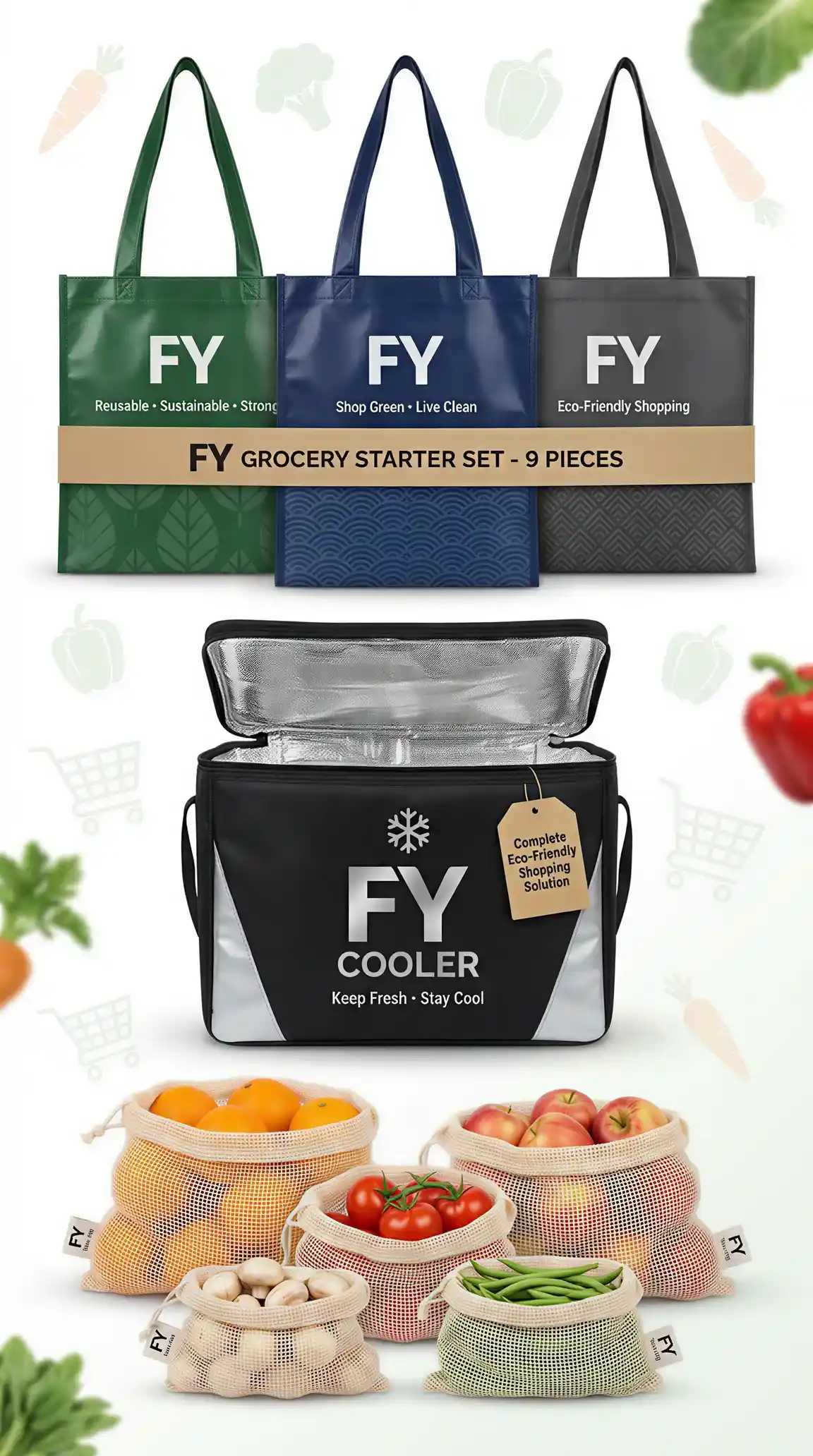
→ Supermarket loyalty rewards, new-customer welcome packs, Amazon FBA “grocery bag set” niche.
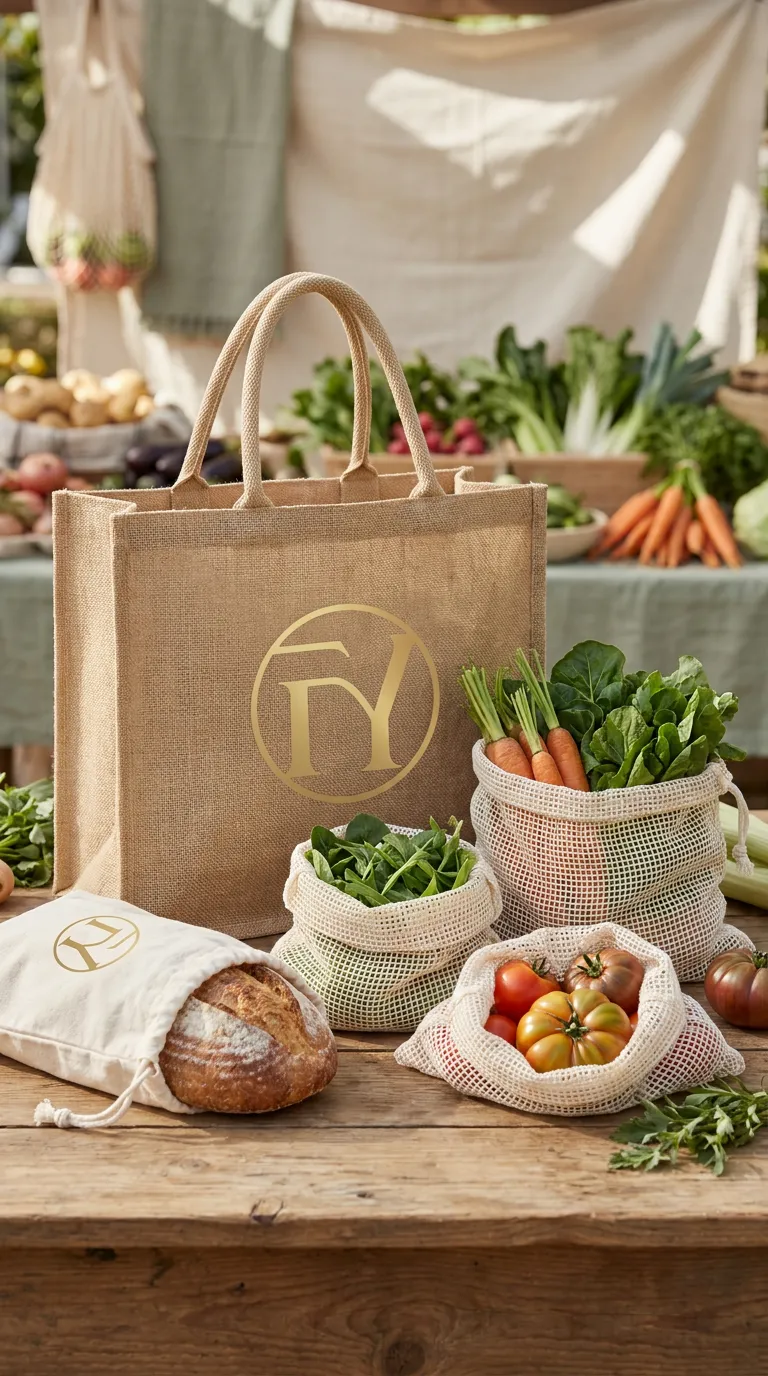
→ Organic grocery stores, farmers market vendors, eco-lifestyle e-commerce brands.
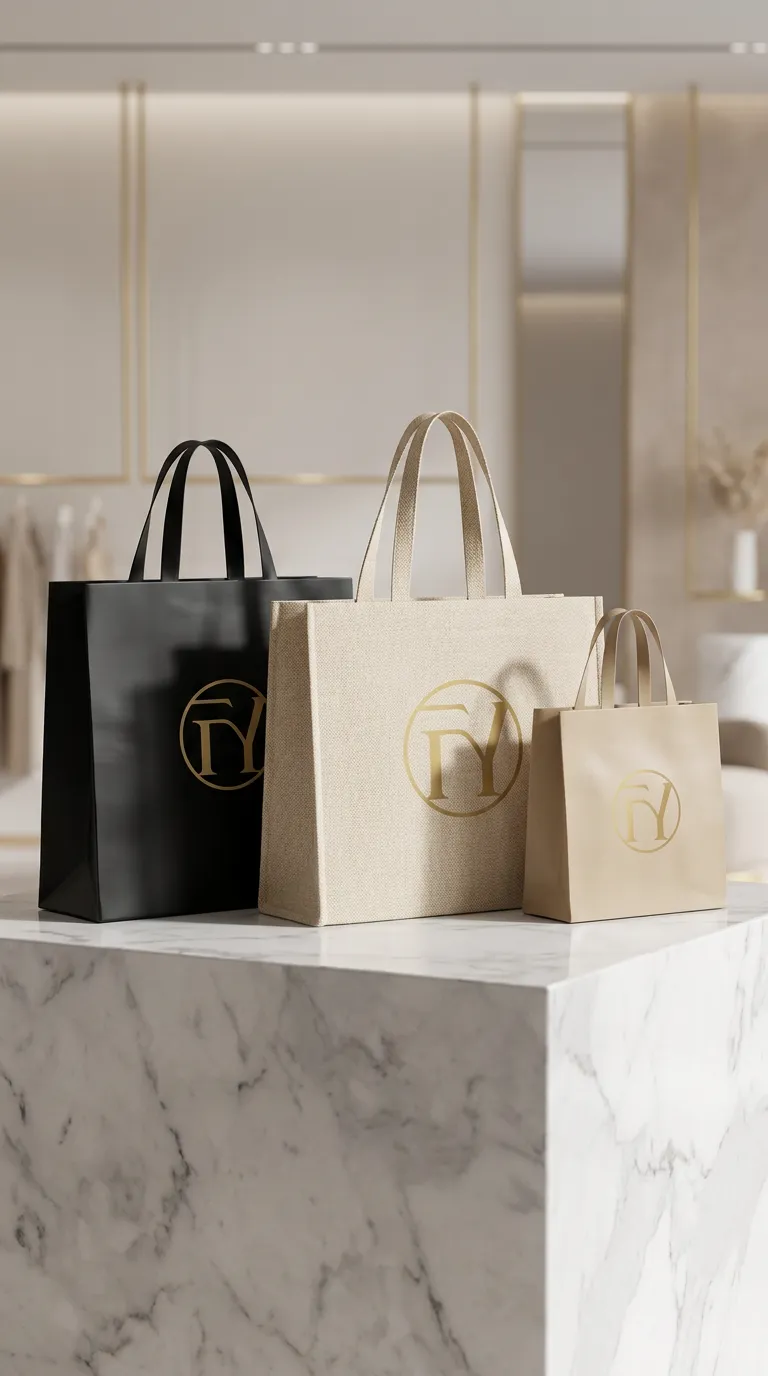
→ Fashion retailer POS transition from disposable to reusable. Department store multi-size program.
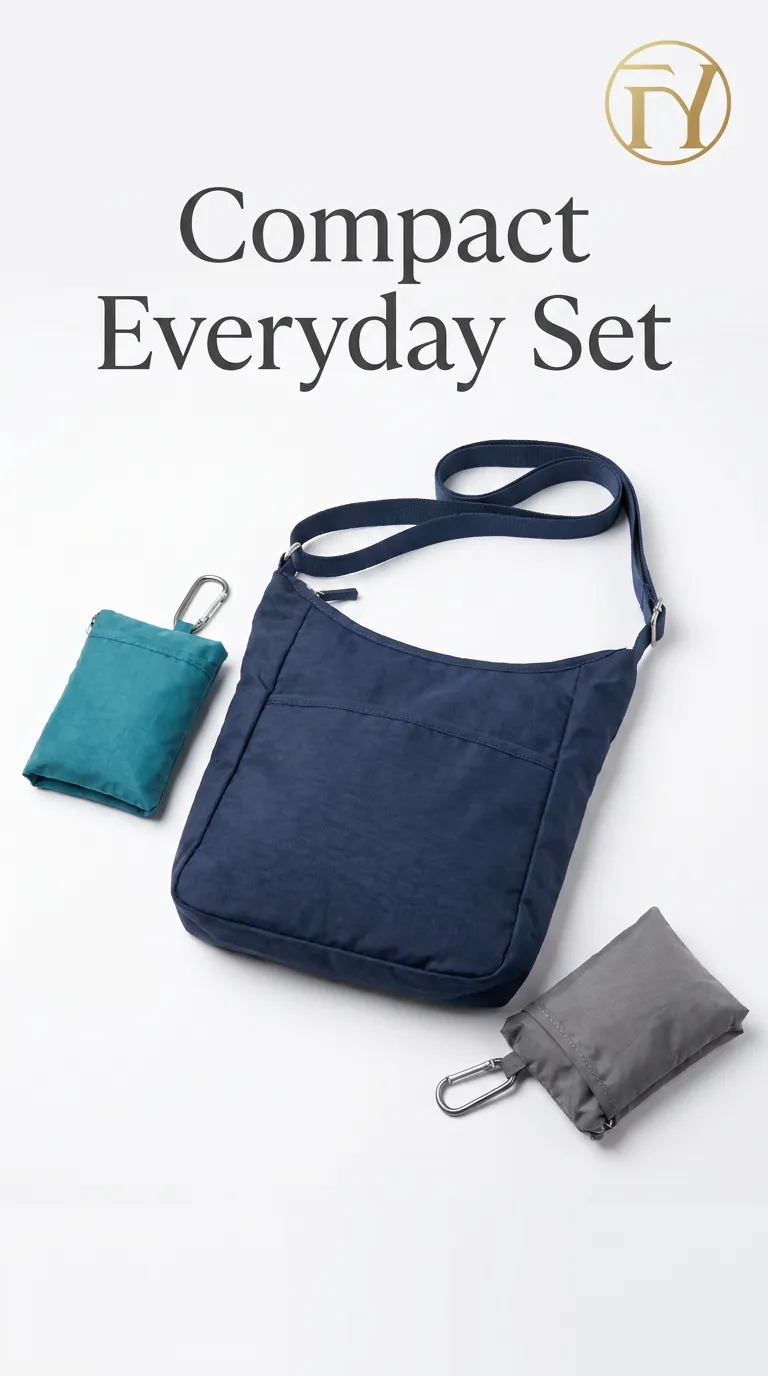
→ Promotional giveaways, employee gifts, conference bags, loyalty program rewards.
Shopping bags have the widest material range of any bag category — from $0.15 non-woven giveaway bags to $8 premium canvas branded totes. Material choice is the primary cost, sustainability, and brand-perception driver.
Tell us your target look, material, quantity, and deadline. We’ll propose the right logo method, make a working sample, and ship retail- or FBA-ready products.
Shopping bags serve three buyer profiles with very different volume, price, and design requirements.
The reusable bag as a POS product — sold at checkout or provided free to replace single-use bags.
Our Approach
The shopping bag as a walking billboard — the most cost-effective branded item per impression.
Our Approach
Free Add-on: Professional Product Photography Included
Free white-background product photos for your online shop, Amazon listings, and wholesale catalogs — no additional charge on production orders.
Shopping bags are the fastest-turnaround, most scalable category in our factory. Simpler construction means shorter sampling and production timelines compared to structured bags.
We match your channel (supermarket, retail, promotional, e-commerce) to the right material, construction, and price tier.
Shopping bag samples are among the fastest in our factory — 3–5 days for most formats.
Shopping bags run on high-speed lines. Production timelines are shorter than structured bags.
Packaging options from bulk polybag to individual retail-ready packing.
Client: Mid-size European supermarket chain with 120 stores transitioning from single-use plastic to reusable bags at all checkout lanes.
Goal: Replace disposable checkout bags with a branded 3-tier reusable program. Standard bag at €0.50, premium bag at €1.50, insulated bag at €3.00. Must support quarterly reorders with consistent color, print, and quality across batches.
Solution: We produced: Standard (90 GSM non-woven PP, 1-color screen print, 5 brand colors), Premium (12 oz canvas tote, 2-color screen print, 3 neutral colors), and Insulated (100 GSM non-woven with PEVA insulation lining, zip-top, 2 brand colors). 200,000 pcs initial order (150K standard, 30K premium, 20K insulated). Quarterly reorder program with fixed specs.
Result
The chain eliminated single-use bags across all 120 stores within 6 months. The premium canvas tote became an unexpected profit center — customers buy it as a fashion accessory, not just a grocery bag. Quarterly reorders running consistently.
Client: Amazon FBA seller targeting the “reusable grocery bag” and “produce bag” keyword clusters with a premium-feel product at competitive pricing.
Goal: A bundled grocery bag set (totes + insulated bag + produce bags) offered in 8 color themes for maximum listing authority. Must feel eco-premium (recycled materials, natural colors) but maintain FOB price under $4.00/set.
Solution: We produced a 9-piece set: 3 × reusable rPET polyester grocery totes, 1 × insulated cooler bag, 5 × mesh produce bags (2×S, 2×M, 1×L). 8 color themes (earth tones, pastels, monochromes). “Made from recycled bottles” messaging on hang tag. FNSKU per color. Amazon FBA-compliant packaging. DDP to US warehouse.
Result
The listing hit page 1 for “reusable grocery bags” within 3 months and achieved Amazon’s Choice badge. The 8-color variation structure maximized listing authority. Monthly reorder at 5,000+ sets. The “recycled” positioning commands a 25% price premium over generic competitors.
Client: Global fashion retailer with 300+ stores replacing disposable paper shopping bags with branded reusable alternatives.
Goal: A premium reusable shopping bag that customers WANT to carry — extending brand exposure from the store to the street, gym, office, and social media. Must be cost-effective at scale but feel premium in hand.
Solution: We designed two formats: Laminated non-woven bag (S + L sizes, full-color brand graphic, matte lamination) for standard checkout, and canvas branded tote (8 oz, screen-printed logo, internal pocket) as a paid premium upgrade at checkout ($3.99). 4 seasonal colorways per year. 500,000 pcs annual volume across both formats.
Result
The branded tote became a street-visible brand asset — customers carry it daily as a casual bag. The fashion retailer reports that the premium tote generates measurable brand awareness lift at effectively zero media cost. The laminated bag replaced 100% of disposable paper bags within one year.
Global Shipping Options
•Sea Freight
•Air Freight
•Express (DHL, FedEx, UPS)
•Rail Freight
•Door-to-Door
•Direct-to-Amazon FBA
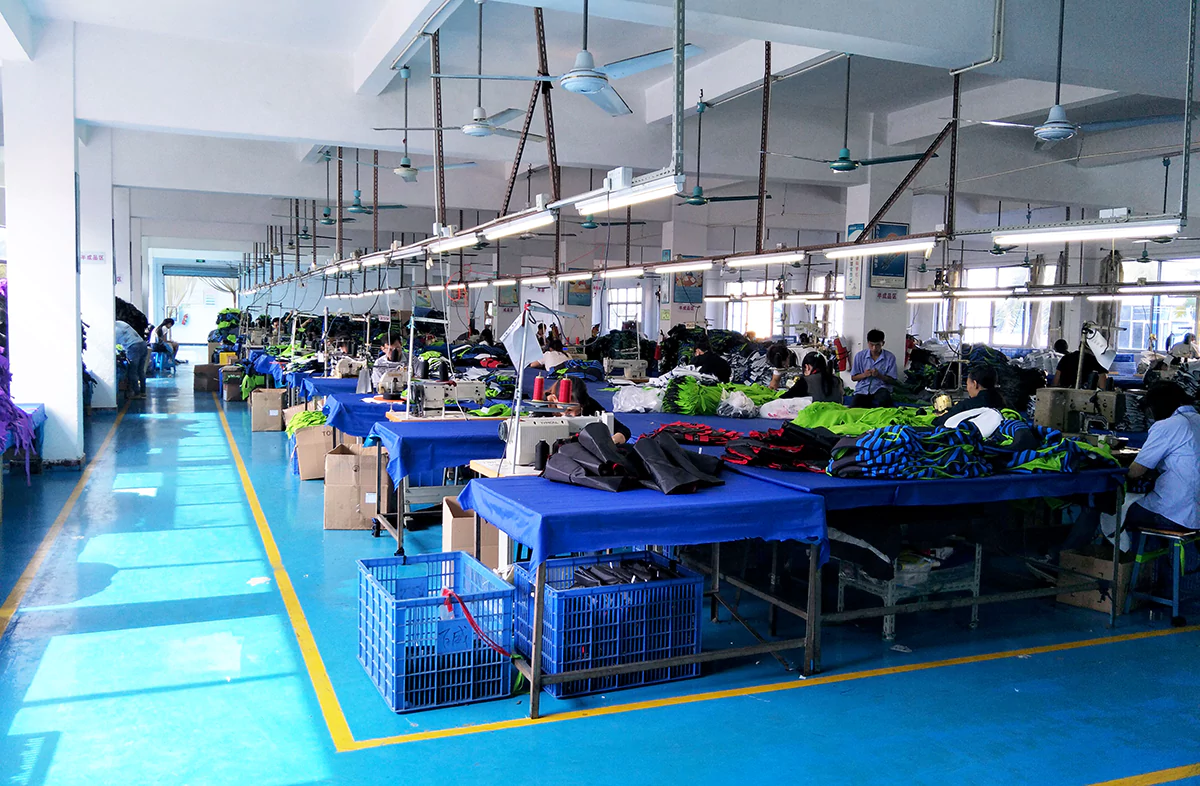
FY Bag Custom operates its own vertically integrated factory in Guangzhou, Guangdong — fabric sourcing, printing, cutting, sewing, and QC all under one roof. For all type of bags, our fabric-sourcing team works with verified weaving mills across Guangdong and Zhejiang to source fabrics at production scale. For printed bags, our in-house print department applies stripes via screen, sublimation, or heat transfer.
Years in Manufacturing
Factory Floor Area
Professional Staff
Production Lines
Monthly Capacity
Pre-Shipment Inspection
Non-woven, canvas, cotton, jute, polyester, nylon, Tyvek — every shopping bag material from one factory. No need to split orders across suppliers.
3–5 day sampling. 15–25 day production. Shopping bags are our shortest lead-time category — simpler construction, higher line speed.
From a 500-pc boutique test order to 500,000-pc supermarket chain annual program. The most scalable category in our factory.
We track plastic-bag-ban regulations across major markets and advise on material compliance, recycled-content requirements, and labeling standards.
Sample Lead Time
5–7 Days
Mass Production
25–35 Days
Payment Terms
30% T/T · 70% Before Shipment
Shipping Terms
FOB · CIF · DDP · Amazon FBA
The lowest-cost option is an 80 GSM non-woven PP tote with 1-color screen print. FOB price depends on size and quantity but is competitive for orders above 5,000 pcs. For slightly higher quality with longer reuse life, 100–120 GSM non-woven or laminated non-woven offers a better cost-per-impression over the bag’s lifetime.
Yes. We source recycled PET polyester (rPET — made from recycled plastic bottles), recycled non-woven PP, and organic cotton. For rPET bags, we can include “Made from Recycled Bottles” messaging on hang tags and labels. Recycled content helps meet eco-friendly positioning and sustainability reporting requirements.
Cotton and canvas bags are the most washable — they handle machine washing and tumble drying. Polyester and nylon bags are hand-washable and quick-drying. Non-woven PP is wipe-clean but not machine washable. For grocery use with regular food contact, we recommend cotton, canvas, or polyester.
Shopping bags pack very efficiently because they fold flat. Typical container capacity: 20,000–50,000 standard grocery totes per 20ft container, depending on bag size and gusset depth. This makes shopping bags the most cost-efficient bag category to ship — lowest per-unit freight cost of any product in our catalog.
MOQ depends on material and printing: non-woven bags from 1,000 pcs; canvas/cotton bags from 500 pcs; foldable nylon bags from 1,000 pcs. Lead time: sampling 3–5 days, production 15–25 days, plus shipping. For large supermarket programs (50,000+ pcs), we schedule dedicated line capacity and can commit to fixed quarterly delivery dates.
Yes. European Industrial Park, Shiling Town, Huadu District, Guangzhou. Monday–Saturday. Video tours available for remote buyers.
Tell us your channel (supermarket, retail POS, e-commerce, promotional), your volume expectations, and your target price tier. We’ll recommend the right material, print method, and construction — and deliver samples in 3–5 days. From 500-piece boutique tests to 500,000-piece chain-wide programs.