Tel/WhatsAapp:+86 13366396425
E-mail: chloe_xia@vleap.com.cn

For brand owners, sourcing managers, and e-commerce entrepreneurs, selecting the right material is one of the most critical decisions in product development. In the world of custom bags, where sustainability is no longer a niche but a mainstream expectation, jute has emerged as a powerhouse material. This natural fiber offers a compelling blend of eco-friendliness, durability, and rustic aesthetic appeal that resonates with modern consumers.
However, moving from concept to a market-ready jute bag requires a deep understanding of the material’s properties, manufacturing nuances, and supply chain considerations. This encyclopedic guide is designed for B2B professionals, providing expert insights to help you make informed procurement decisions, optimize your designs, and partner effectively with a manufacturer.
We will explore everything from the botanical origins of jute to the technical details of OEM/ODM customization, ensuring you have the knowledge to launch a successful and sustainable bag line.
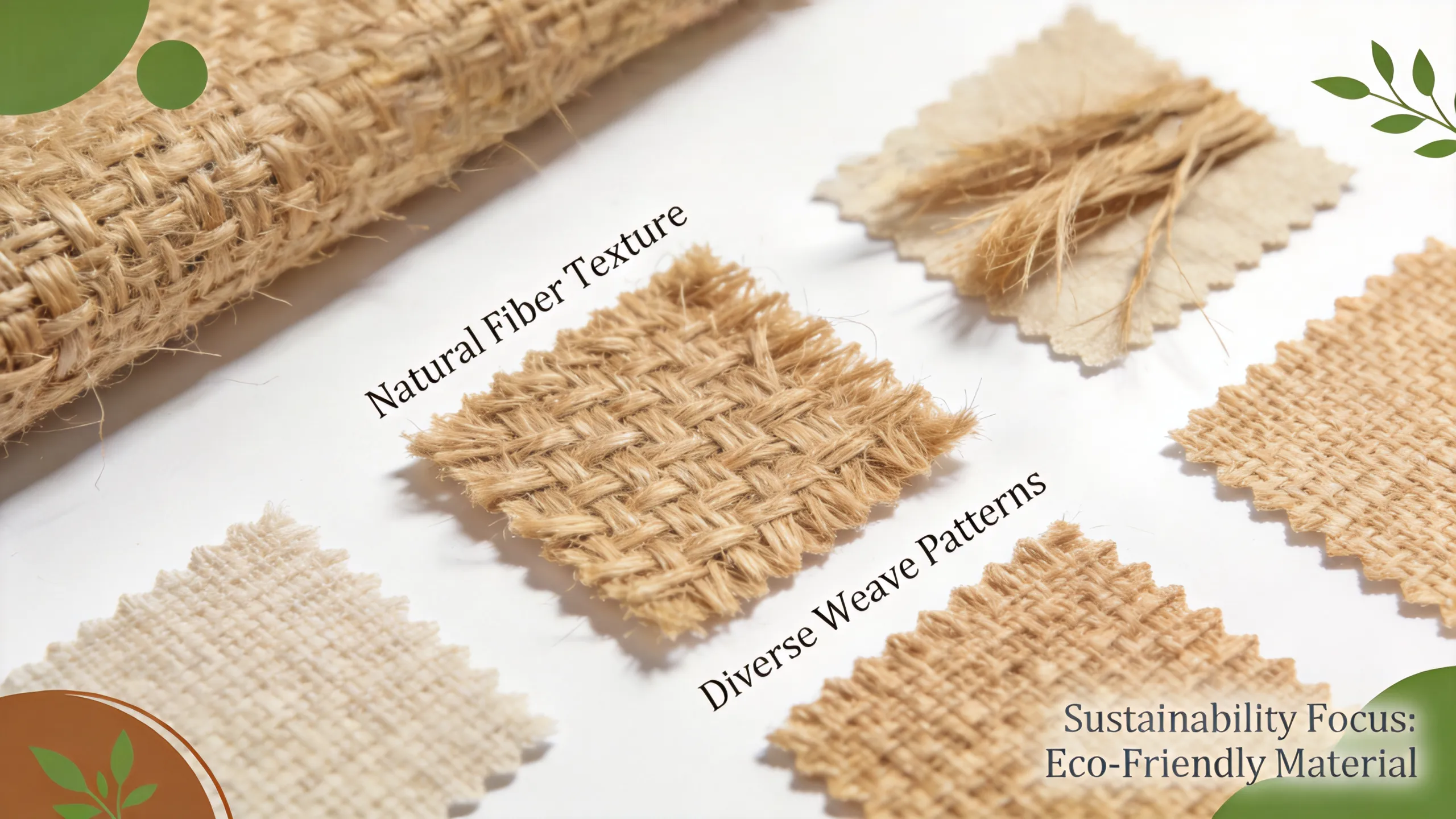
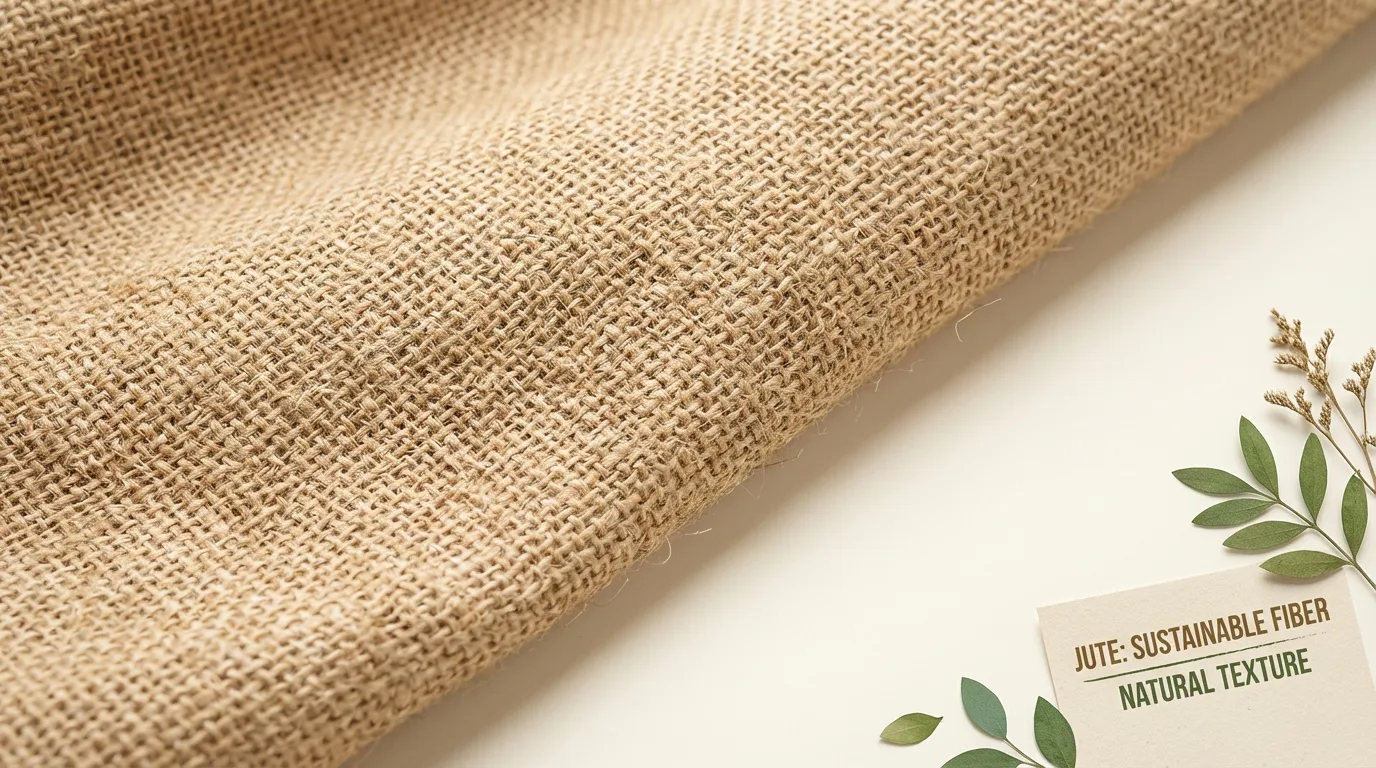
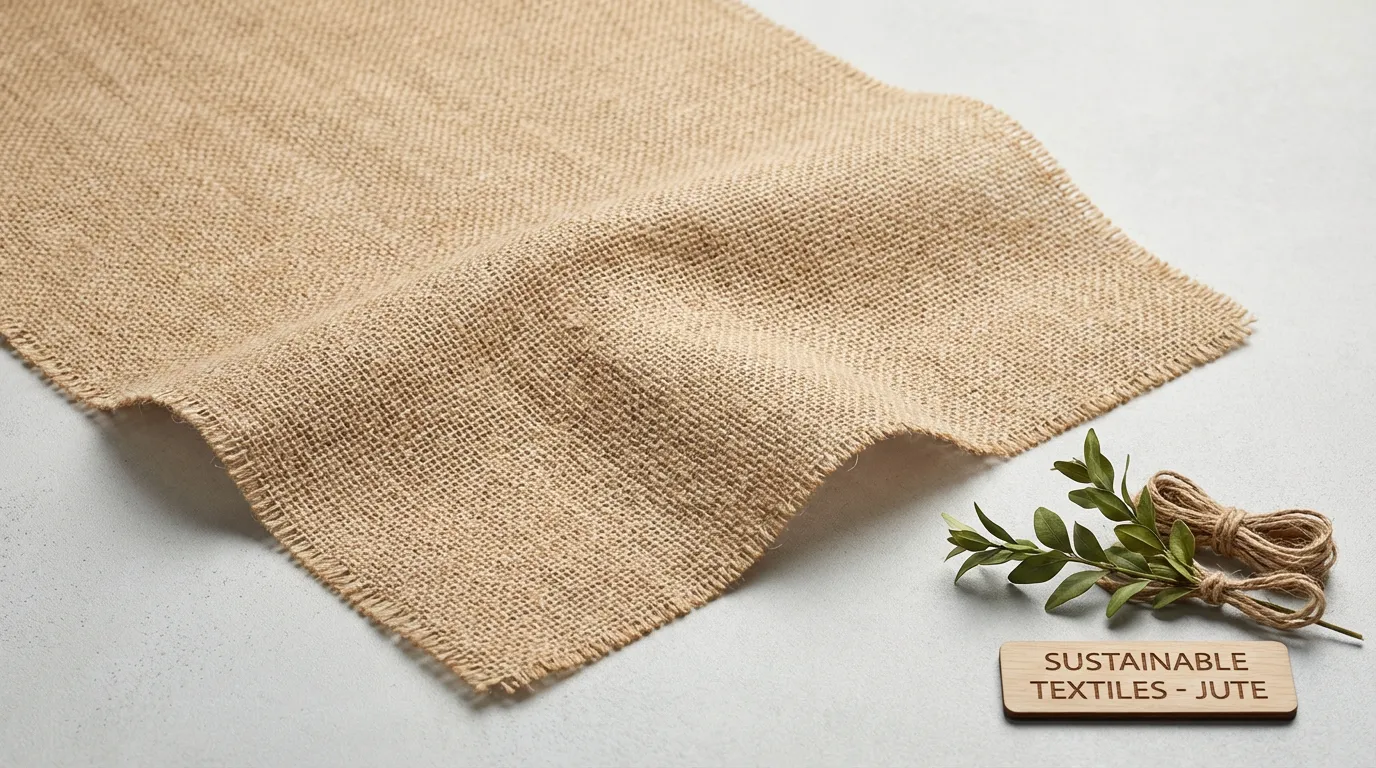
Jute is a long, soft, shiny bast fiber that can be spun into coarse, strong threads. It is produced primarily from plants in the genus Corchorus. Known as the “Golden Fiber” for its color and commercial value, jute is one of the most affordable and abundant natural fibers, second only to cotton.
From a manufacturing perspective, its key attributes are its high tensile strength, excellent breathability, and low thermal conductivity. Most importantly, jute is 100% biodegradable and recyclable, making it a cornerstone material for brands committed to sustainability.
In the bag industry, the terms “jute” and “burlap” are often used interchangeably, but they have a slight distinction:
For B2B buyers, specifying “jute bags” or “burlap bags” will lead you to the same product category. The critical factor is the quality and weight of the fabric used.
| Feature | Description | Implication for Bag Manufacturing |
|---|---|---|
| Origin | Natural vegetable fiber from theCorchorusplant stem. | Inherently sustainable and renewable. Aligns with eco-conscious brand values. |
| Strength | High tensile strength and low extensibility. | Creates durable bags capable of carrying significant weight without stretching or tearing. |
| Texture | Coarse, natural, and rustic. | Offers a distinct earthy aesthetic that is popular for reusable shopping bags, promotional totes, and bohemian-style fashion items. |
| Biodegradability | 100% biodegradable and compostable. | A powerful marketing story. The product has an eco-friendly end-of-life, reducing landfill waste. |
| Cost | Generally more affordable than other natural fibers like linen or organic cotton. | Allows for competitive pricing, making it suitable for promotional items, gift bags, and large-scale retail programs. |
Jute offers a unique value proposition that addresses market demands, branding goals, and cost considerations simultaneously.
This is jute’s most significant selling point. For brands targeting environmentally aware consumers, a jute bag is a tangible symbol of commitment.
Despite its natural origins, jute is remarkably robust.
The unique texture of jute sets it apart from common materials like cotton canvas or polyester.
Choosing a material involves trade-offs. Here’s how jute stacks up against other popular options for B2B buyers.
| Material | Key Advantage | Best Use Case | Why Choose Jute Instead? |
|---|---|---|---|
| Conventional Cotton | Soft feel, fine print detail. | Fashion totes, detailed graphic prints. | Jute is more durable, significantly more sustainable in cultivation, and often more cost-effective. |
| Polyester/Nylon | Weather-resistant, lightweight, vibrant colors. | Sport bags, technical backpacks. | Jute offers superior eco-credentials and a natural aesthetic that synthetic materials cannot replicate. |
| Non-Woven PP | Extremely low cost. | Budget giveaways, single-event promotions. | Jute provides far greater durability, longevity, and a higher-quality brand image. It is a reusable bag, not a disposable one. |
| Canvas (Heavy Cotton) | Very durable, smooth premium feel. | High-end retail totes, artist bags. | Jute offers a different, more rustic aesthetic and is typically more affordable than heavy-grade canvas. |
Partnering with a manufacturer like FYBagCustom for an OEM (Original Equipment Manufacturer) or ODM (Original Design Manufacturer) project allows you to transform your vision into a finished product. Here is a step-by-step look at how a custom jute bag is made.
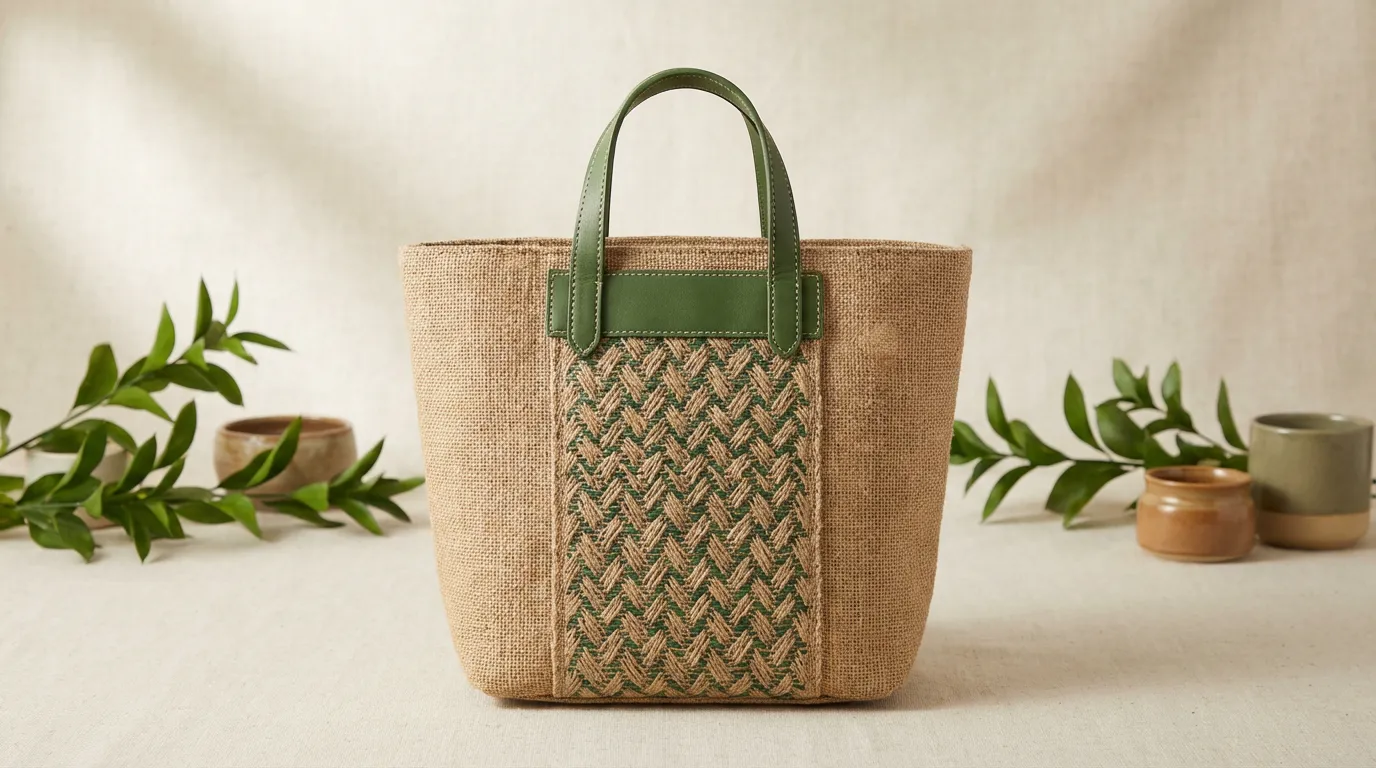
Jute is not a one-size-fits-all material. A knowledgeable manufacturing partner can offer extensive customization to align the final product with your brand identity.
| Customization Type | Description & Options | B2B Value |
|---|---|---|
| Fabric Weight & Grade | From standard 13×13 weave to finer, denser options. Heavier grades offer more durability. | Match the bag’s quality to its intended use and price point (e.g., heavy-duty for grocery, finer for fashion). |
| Lamination | Interior PP lamination adds water resistance, rigidity, and makes the bag easy to wipe clean. | Essential for grocery totes, lunch bags, or any application where spills might occur. Creates a more structured, premium feel. |
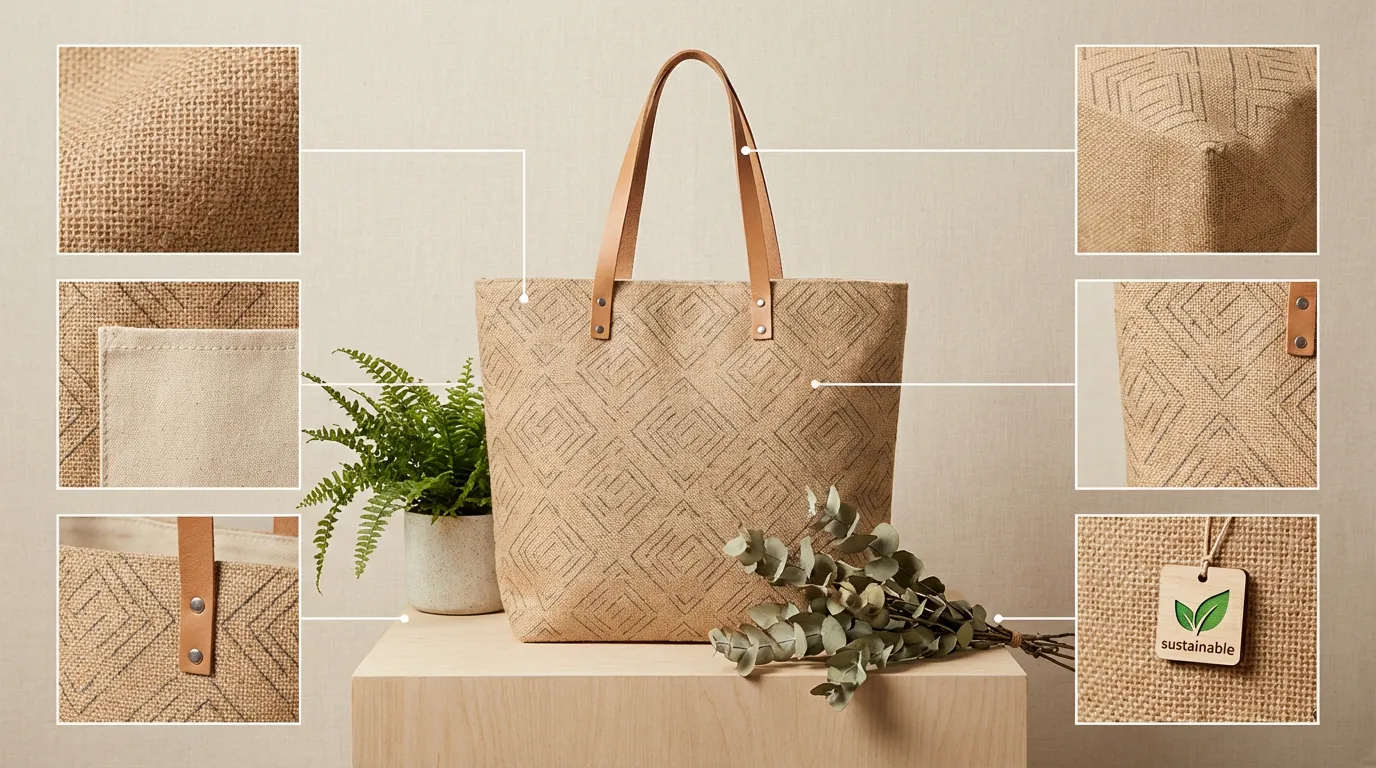
| Handles | Options include self-fabric jute handles, soft padded cotton handles, cane handles, or leather/PU straps. | Handle choice dramatically impacts the bag’s comfort, style, and perceived value. Padded cotton is a popular comfort upgrade. |
| Printing Method | Silk Screen Printing is ideal for spot colors and bold logos. Heat Transfer can work for more complex art on smoother jute. Embroidery is a premium option. | Achieve the exact branding look you want, from simple and rustic to more refined. |
| Closures & Accessories | Add a zipper top, magnetic snap, button loop, interior pockets, or a custom-branded metal tag. | Increase the bag’s functionality and security, transforming it from a simple tote into a complete handbag or utility bag. |
| Color Dyeing | While natural is most popular, jute can be dyed to match specific brand color palettes. | Create a fully unique product that stands out from the competition and aligns perfectly with your corporate identity. |
The versatility of jute makes it suitable for a wide range of B2B applications.
While jute is an excellent material, B2B buyers should be aware of potential challenges. Partnering with an experienced manufacturer is key to mitigating these risks.
| Potential Challenge | Solution | What to Ask Your Supplier |
|---|---|---|
| Fiber Shedding | Minor shedding of loose fibers is natural for new jute bags. | Ask: “Do you offer interior lamination? This option completely eliminates interior fiber shedding and is ideal for carrying delicate items.” |
| Moisture Absorption | Untreated jute is highly absorbent and can weaken or mildew if it remains wet for extended periods. | Ask: “What are my options for water resistance? Can you provide PP lamination?” This is crucial for products intended as lunch or grocery bags. |
| Print Detail Limitations | The coarse texture of burlap is not suitable for photorealistic images or very fine, intricate text. | Ask: “Can you review my artwork and confirm if screen printing is suitable? What is the recommended minimum line weight for my design on this fabric?” |
| Color Fading | Like any natural fiber, dyed jute can fade over time with prolonged exposure to direct sunlight. | Ask: “What type of dyes do you use? Are they colorfast?” For most applications like shopping and daily use, this is not a significant concern. |
| Odor | Natural jute has a distinct earthy smell, which dissipates over time. | This is a characteristic of the fiber. A good manufacturer ensures bags are properly aired out before packing to minimize the initial scent. |
Navigating the world of global sourcing and manufacturing requires a reliable partner who understands your goals and can deliver on quality, cost, and deadlines. FYBagCustom is a China-based manufacturer specializing in OEM/ODM and private label bags, offering tailored solutions for global brands.
Here’s how we support your jute bag project:
Jute fabric is more than just a trend; it is a strategic material choice for forward-thinking brands. It delivers on the critical demands of the modern market: sustainability, durability, and authentic aesthetic appeal. For B2B buyers, a custom jute bag offers a high-impact, cost-effective tool for retail, promotion, and packaging.
By understanding the material’s properties and partnering with a capable manufacturer, you can create a product that not only delights your customers but also reinforces your brand’s commitment to a healthier planet.
Ready to explore how custom jute bags can elevate your brand? Contact the experts at FYBagCustom today to discuss your project, request a free sample, and receive a no-obligation quote.