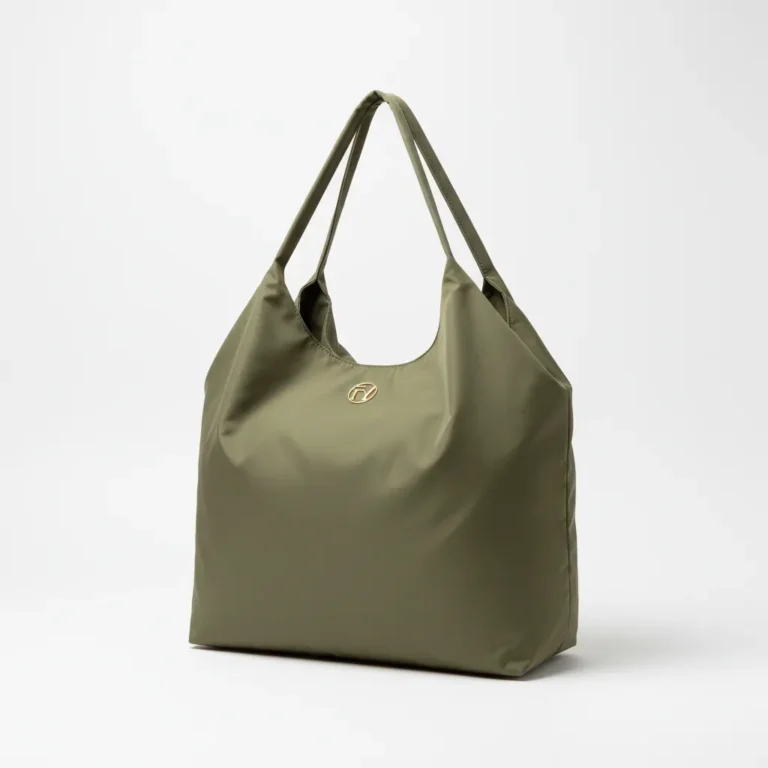
If you’re developing a women’s handbag line (or refreshing an existing bestseller), “Saffiano vs pebbled leather” is not just a style debate—it’s a product strategy decision that affects price positioning, returns/complaints, production stability, and brand perception. So choosing Saffiano vs pebbled leather is not a “style preference” decision for B2B buyers—it’s a product positioning + manufacturing risk decision.
For a brand owner, importer, wholesaler, or Amazon seller, the leather finish you choose directly impacts:
Perceived value (premium, modern, heritage, casual-luxe)
This guide is written for private label handbag development, OEM/ODM leather handbag sourcing, and bulk handbag manufacturing decisions—so you can confidently brief a custom handbag manufacturer in China and get repeatable results.
1) What Saffiano and Pebbled Leather Really Mean in Manufacturing (Not Marketing)
1.1 Saffiano = a finish system (texture + protective layer), not a single “grade”
In production terms, “Saffiano” refers to a cross-hatch embossed texture combined with a protective surface finish (often wax/resin-based) designed to increase resistance to scratches and moisture. It’s widely positioned as low maintenance and structured in handbags.
B2B sourcing implication (important):
Two suppliers can both quote “Saffiano leather” but deliver very different results because the base can vary:
full-grain / top-grain leather
split leather (coated)
even synthetic alternatives with similar embossing
So when you’re negotiating with an OEM leather handbag supplier, you must control the spec, not the marketing label.
1.2 Pebbled leather = texture created by tumbling or embossing (two different cost/consistency profiles)
“Pebbled leather” refers to a bumpy grain texture. The texture can be formed by:
tumbling/milling (softening and creating a more organic pebble look), or
embossing (pressed pebble pattern, more uniform).
Pebbled leather is commonly chosen because the grain hides minor scratches and reads as tactile and casual-luxe in daily use.
B2B sourcing implication:
If your brand needs “every unit looks identical” (big-box retail / strict SKU photography / Amazon variation stability), embossed pebble may be easier to control. If you want “natural character” (boutique / lifestyle premium), milled pebble can be a better storytelling material—if you accept variation.
2) Performance Reality: How These Leathers Behave on Real Handbags (Where Returns Come From)
2.1 Saffiano leather in handbags: structure + wipe-clean durability
Many buyers choose Saffiano because:
it’s firm and shape-holding (ideal for structured totes, satchels, brief-style handbags)
it’s scratch-resistant and water-repellent due to the protective layer
it’s easy to clean (a wipe removes surface smudges)
Where B2B projects fail (typical complaints):
“The leather feels plastic / not premium.” This happens when the coating is heavy or the base leather is low-grade. In private label handbag projects, the fix is not “avoid Saffiano”—it’s specify base grade + coating hand-feel + sheen level.
“Cracking at corners / flap fold after use.” This is often a pattern engineering + flex point issue: tight gusset corners, sharp flap folds, thick coating, and insufficient turning radius.
Best product positioning with Saffiano:
work bags, business totes, structured crossbodies
“polished, modern, professional” collections
wholesale handbags for retail chains needing consistent shape and photos
2.2 Pebbled leather in handbags: softer hand-feel + scuff camouflage
Pebbled leather is often selected because:
it’s softer and more flexible than Saffiano in typical handbag applications
the grain hides minor scratches and wear
it can age with character/patina (especially with quality base leather)
Where B2B projects fail (typical complaints):
“Bag collapses / doesn’t look like photos.” Pebbled leather often needs structure engineering: interlining, foam, base board, mouth reinforcement, and stable handle anchors.
“Grain mismatch across panels (front vs back).” Natural/milled pebble can vary. For bulk handbag production, you must decide:
accept natural variation (premium artisan vibe), OR
If your goal is a custom saffiano leather tote bag wholesale order with stable shape for merchandising, Saffiano is frequently a lower-risk choice—if you spec the base and coating correctly.
4.2 For lifestyle brands and touch-driven selling (boutique + DTC storytelling)
If your brand story is “soft luxury,” “heritage casual,” “everyday comfort,” pebbled leather often wins because it:
feels supple and premium in hand
hides wear better in daily use
works naturally with relaxed silhouettes
B2B angle:
For private label pebbled leather crossbody bag supplier searches, buyers often want a material that reduces visible scuffs and delivers a “real leather feel.”
4.3 For Amazon and high-return e-commerce (returns are a material + structure problem)
Amazon/FBA returns typically spike for two reasons:
Expectation mismatch on touch/feel
Saffiano can trigger “feels coated” complaints if the finish is heavy.
Photo-to-reality silhouette gap
Pebbled leather can arrive softer than customers expect unless structure is built in.
If you’re an Amazon seller working with a bag factory that supports FBA compliance, you must specify both material system and structure recipe (reinforcements, foam, base board, mouth binding).
FYBagCustom positions itself for global brands and Amazon sellers with structured production flow and emphasis on consistent delivery and QC.
5) Cost Drivers (Why Quotes Differ Across “Saffiano” and “Pebbled” Projects)
5.1 Saffiano handbag cost drivers
In OEM/ODM costing, Saffiano cost changes with:
base leather grade (top-grain vs split)
embossing quality (die precision affects clarity and yield)
coating system (scratch resistance vs flexibility trade-off)
For a stable bulk quote, don’t just say “Saffiano.” Ask your supplier to confirm:
thickness tolerance
coating hand-feel + gloss level
emboss depth standard
flex performance at key points (flap fold, gusset corners)
5.2 Pebbled handbag cost drivers
Pebbled leather cost shifts based on:
tumbled vs embossed grain
hide selection and sorting (more strict = more waste)
panel matching requirements (front/back/handles)
reinforcement recipe needed to meet target silhouette
Procurement tip:
For wholesale pebbled leather tote bag manufacturing, the “hidden cost” is often not the leather itself—it’s the extra structure work required to hit a clean, premium shape.
6) Design Engineering: How to Build Each Leather So It Performs in Bulk Production
Pebbled is chosen because it hides wear and feels soft, so QC must protect both tactile feel and silhouette.
9) Practical Decision Framework (Use This to Choose Faster in B2B Projects)
Instead of debating opinions, score each leather against your commercial requirements:
If your goal is “structured + low complaints + retail consistency”
You likely prioritize:
silhouette stability
easy cleaning
consistent texture for photography
That leans toward Saffiano, based on its structured feel and low-maintenance surface.
If your goal is “soft premium + forgiving daily wear + tactile brand identity”
You likely prioritize:
hand-feel and comfort
scuff camouflage
relaxed, classic aesthetic
That leans toward Pebbled, due to softness and scuff-hiding texture.
Best practice for many brands: build a two-material line architecture
Saffiano for “work/professional SKUs”
Pebbled for “everyday/lifestyle SKUs”
This improves merchandising and reduces internal SKU confusion.
10) How FYBagCustom Fits Into a Saffiano or Pebbled Handbag Project (OEM/ODM + Low MOQ)
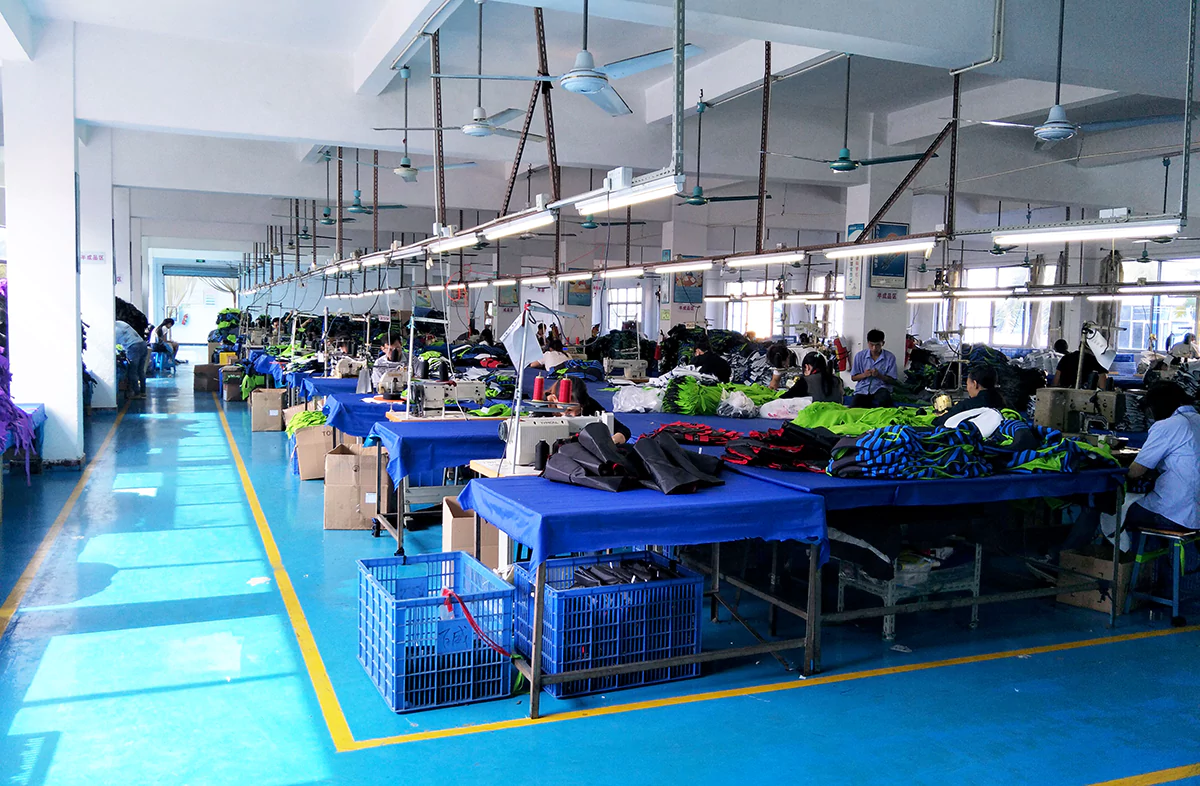
If you’re sourcing a custom handbag manufacturer in China for Saffiano or pebbled styles, you want a partner that can:
translate your reference photos into manufacturable specs
manage sampling speed and iteration
run stable bulk production with consistent QC and shipping support
FYBagCustom can fast sampling in 3–7 days, a defined cooperation process (requirements → design → sampling → production/QC → delivery), and multiple inspections before shipment.
We also present handbag manufacturing coverage from structured styles to softer silhouettes with OEM/private-label support.
Summary: The B2B Answer to “Saffiano vs Pebbled Leather—Which Is Better?”
Choose Saffiano when your line needs structured silhouettes, wipe-clean durability, and high SKU consistency.
Choose Pebbled when your line needs soft premium hand-feel, scuff camouflage, and casual-luxe identity.
For bulk success, the real win is writing a factory-executable spec (base + finish + thickness + structure + QC points).
If you share your target market, price point, and reference photos, FY bag factory can recommend the best material system (real leather / split + coating / vegan PU) and engineer structure to match your customer expectations.