Tel/WhatsAapp:+86 13366396425
E-mail: chloe_xia@vleap.com.cn

Introduction: From Premium Lifestyle Positioning to Sustained Value
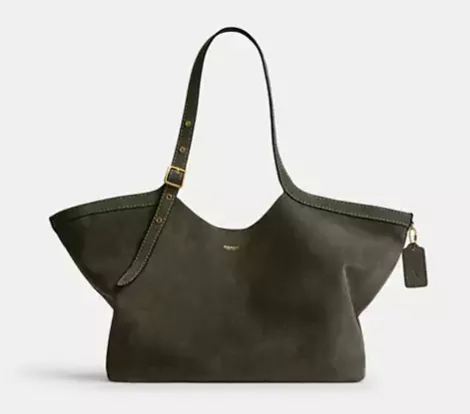
“Is Coach a luxury brand?” This question has sparked enduring debate. From the consumer perspective, “luxury” often boils down to price perception and subjective recognition. Yet from the supply chain and product engineering standpoint, the value of a luxury brand is collectively built upon multiple critical elements: brand positioning, material systems, craftsmanship standards, user experience, and narrative systems. Coach does not fall within the traditional tier of top-tier luxury houses (like Louis Vuitton or Hermès), yet it stands far above mass-market brands (such as Guess or Aldo). It has strategically occupied a valuable price segment—the so-called “Accessible Luxury”. This positioning between mass-market and high-end luxury has enabled Coach to cultivate unique brand value over decades: it combines the quality and aura of luxury goods with broader market accessibility. For similar brands, studying Coach’s value-building approach offers valuable insights into market positioning and value chain management.
We have previously published two articles in this series <Coach Bag Materials Explained (1/3): What Coach Bags Are Really Made Of><Coach Bag Craftsmanship (2/3) : How Coach Bags Are Really Built>. This piece will delve deeper into how Coach builds and reinforces its brand value through product strategy, supply chain management, brand storytelling, and customer experience—and what these approaches mean for partners across the industry chain.
Coach positions itself as “affordable luxury,” meaning accessible luxury goods. This positioning successfully attracts three core customer segments:
For the brand, the brilliance of the Accessible Luxury positioning lies in its dual appeal: it reaches emerging markets craving luxury while solidifying a base of rational middle-class consumers, creating a broad and stable audience foundation. The commercial value of this positioning is immense—Coach occupies not the niche apex of the luxury pyramid, but the vast middle segment. This translates to higher sales potential while maintaining solid profit margins.
For supply chain partners, collaborating with such a brand translates to long-term, substantial order demand while requiring the capability to deliver goods meeting high-quality standards. Coach has effectively carved out a development path that harmonizes high perceived value with high accessibility, establishing a benchmark for the affordable luxury positioning that many subsequent players have followed.
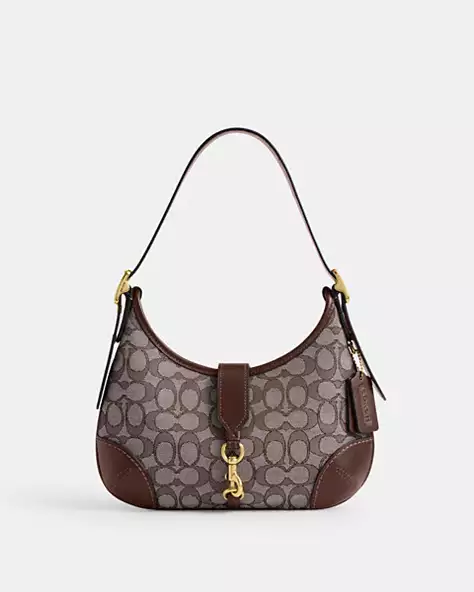
The primary factor underpinning Coach’s brand value is its product design philosophy. Coach’s design ethos is encapsulated in the concept of “Luxury for Everyday Use,” emphasizing products that embody the sophistication of luxury goods while remaining suitable for daily wear. This stands in stark contrast to traditional luxury brands, which often prioritize runway impact and artistic flair at the expense of practicality. Coach’s design philosophy manifests in:
This design philosophy builds a product line that is widely accessible yet maintains high-end appeal, providing foundational support for the brand’s market positioning. Consumers find a balance between everyday practicality and aesthetic value in Coach products, fostering long-term brand loyalty.
The takeaway for B2B brands: Establishing a foundational design system that combines wearability with perceived value is essential for building enduring brand equity. Design should transcend fleeting trends, embodying timeless appeal that resonates across seasons and demographics. Only designs that withstand the test of time can steadily accumulate brand reputation and customer loyalty.
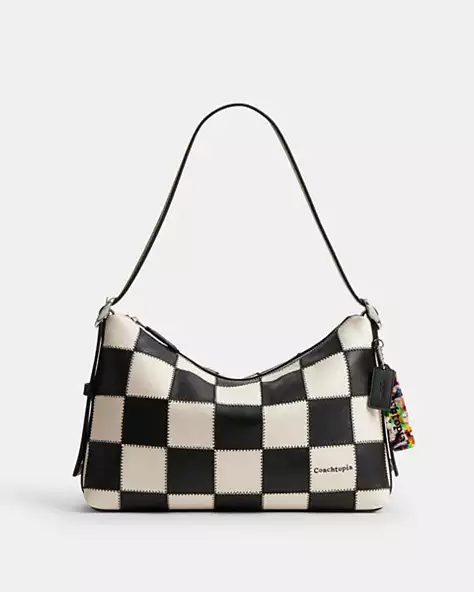
Beyond design aesthetics, Coach employs a strategic approach to its product portfolio and pricing structure, establishing a robust framework for realizing brand value. Coach’s product matrix is highly structured, clearly segmented into distinct tiers:
Behind this seemingly simple four-tier structure lies a sophisticated value logic:
Professional custom bag manufacturer FYBAGCUSTOM can replicate this structured SKU system for similar brands, helping small-to-medium brands build their own product pyramids. This approach holds significant value for startups: A clear product hierarchy and release cadence not only supports marketing and customer cultivation but also drives supply chain efficiency and stability. When your product portfolio operates in an orderly, specialized manner, brand value enhancement becomes a natural progression.
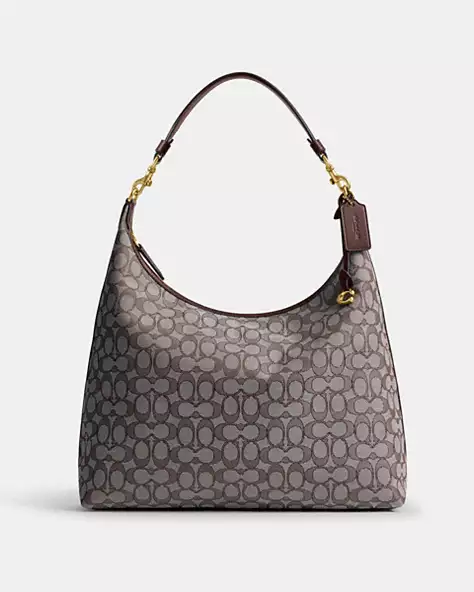
Another crucial pillar supporting brand value lies in supply chain management and quality control. Coach’s ability to maintain its position in the luxury segment relies heavily on its global, high-standard supply chain system:
In a nutshell: Luxury isn’t purely about craftsmanship—it’s a scalable system of elevated standards. Through global coordination and unified standards, Coach balances mass production with premium quality. This system empowers Coach to confidently expand its market presence and boost sales without compromising brand reputation through rapid growth. For its distributors and retail partners, this means consistently reliable quality in every shipment, enabling worry-free sales. For contract manufacturers and suppliers, it requires matching Coach’s standards and management capabilities to secure long-term partnerships. Many B2B brands oscillate between “pursuing scale” and “maintaining quality” during growth. Coach demonstrates that by building a robust supply chain system, both objectives can be achieved simultaneously and mutually reinforce each other.
Professional custom handbag manufacturer FYBAGCUSTOM is also advancing in this direction. Its manufacturing system incorporates:
➡️ standardized pattern management;
➡️ a leather grading model (flexible selection of A/B grade materials);
➡️ dedicated hardware customization capabilities;
➡️ batch consistency management.
These capabilities are precisely the core elements supporting a luxury positioning. FYBAGCUSTOM firmly believes any brand aspiring to replicate the Coach model should prioritize these aspects.
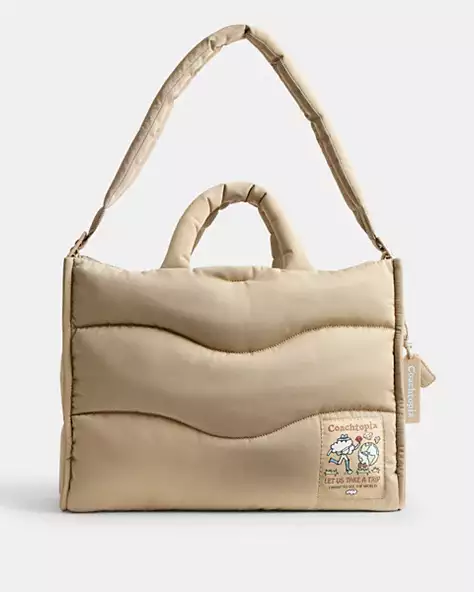
Brand value isn’t solely defined by tangible products and quality; it also stems from intangible brand equity—the perceptions and emotions embedded in consumers’ minds. Coach’s enduring position as a “non-traditional luxury brand with a distinct luxury feel” hinges on building a comprehensive and enduring brand identity system encompassing visual recognition, cultural narratives, and emotional connections.
Coach avoids relying on oversized logos for attention, instead achieving high product recognition through decades of consistent design language. This includes iconic bag silhouettes (like the inverted U-shaped accordion bag and sleek tote shapes), flexible brand motifs (repeated use of the “C” monogram and heritage prints), consistent material textures (signature leather and heritage canvas), and vintage-inspired hardware (like the heritage-symbolizing Turnlock clasp) form Coach’s distinctive visual assets. This restrained yet consistent design philosophy cultivates a sense of timelessness, enabling consumers to instantly recognize Coach without appearing ostentatious. This precisely embodies a core source of luxury value: not loudly proclaiming its high price, but quietly conveying “it simply feels premium.” When a brand’s sophistication is conveyed through design, it resonates more deeply and endures longer than overtly flashy, gold-leafed logos.
To maintain exclusivity and buzz, Coach employs a “limited but not scarce” approach in its market operations. For instance, it avoids indiscriminate physical store expansion, ensuring regional accessibility without oversaturation. Each season introduces limited-edition seasonal collections or collaborations with strictly controlled SKU counts, steering clear of the mass-market fast-fashion approach of releasing thousands of styles annually. This contrast—core pieces readily available, while special editions remain elusive—amplifies perceived value and fuels consumer desire. On one hand, consumers can conveniently purchase timeless classics to meet their needs. On the other, limited editions keep enthusiasts chasing exclusives, sustaining the brand’s freshness and premium appeal. For channel partners, this translates to a healthier business mix: steady-selling staples alongside high-end items that elevate brand positioning.
Professional custom bag manufacturer FYBAGCUSTOM can assist brands in planning SKU structures (e.g., seasonal base colors + accent colors, classic silhouettes + seasonal variations), supporting this “strategic scarcity” approach from the supply chain source to help brands create market highlights.
Coach places significant emphasis on imbuing products with emotional value through brand storytelling. Its marketing consistently revolves around the “New York Modern Luxury” theme, highlighting its urban New York roots. Frequent appearances in films and celebrity street style leverage star power to elevate prestige. Advertising maintains a cohesive, strong visual identity while regularly exploring the historical stories behind iconic designs (e.g., promoting the Turnlock clasp as a legacy inspired by the 1950s).
These initiatives elevate Coach beyond mere “bag sales,” transforming it into a cultural symbol with a narrative. For consumers, they purchase not just a cold commodity, but a slice of New York culture, over 70 years of brand heritage, and a shared trend memory shaped by celebrities and the masses. A brand story’s resonance and longevity hinge on robust supply chain quality—Coach leverages its uncompromising product quality as foundational confidence to boldly shape its narrative. This offers valuable insight for B2B brands: only when your supply chain and products are sufficiently reliable can marketing stories achieve lasting impact. Otherwise, hollow narratives will inevitably be exposed by the market.
Founded in 1941, Coach boasts over 80 years of leather goods craftsmanship. This legacy has been skillfully transformed into an integral part of the brand’s value, rather than becoming an outdated burden. Coach consistently emphasizes its heritage, yet this heritage is not rooted in rigid nostalgia but rather in continuous evolution: periodically updating classic elements to align with contemporary aesthetics. For instance, the Turnlock clasp born in the 1950s remains featured in new collections; the carriage logo from the 60s–80s anchors the brand’s traditional foundation; the urban style established in the 90s became mainstream; the signature print pattern of the 2000s evolved into the brand’s visual language; the 2010s saw a return to premium leather goods emphasizing craftsmanship; and the 2020s introduced the Tabby and Pillow collections to achieve a youthful transformation… This strategy of continuous “re-modernization” ensures Coach’s heritage never becomes stale, instead serving as a source of brand credibility and depth. Successful brands don’t undergo drastic annual transformations; they thrive on a combination of “stability + incremental innovation.”
For emerging brands, understanding Coach’s Heritage structure reveals the foundational logic of “how a brand evolves from inception to classic status and sustains long-term value.” This encompasses the evolution of design language, the intergenerational continuity of brand followers, and the long-term accumulation of quality perception. If you partner with Coach, you’re collaborating with this entire legacy and heritage; if you’re a new brand, consider cultivating your own “mini-heritage”—such as consistently evolving a signature element to forge a unique brand DNA in the future.
In essence, Coach has built rich emotional brand equity through design consistency, limited-edition releases, narrative marketing, and historical legacy. These intangible assets command 20–40% psychological premium pricing for its products while setting industry-wide quality standards and cultural aspirations for its supply chain. When consumers declare, “I’m not buying a bag—I’m buying a brand’s history,” it signifies Coach has transcended functionality to become a cultural symbol and identity marker. This elevated brand value represents a competitive advantage rivals struggle to replicate in the short term.
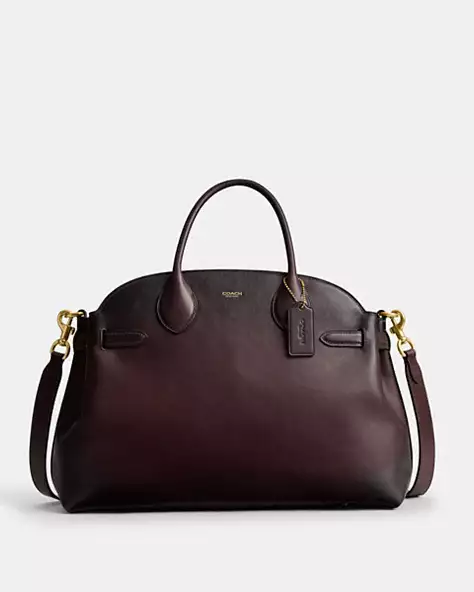
An objective metric for measuring brand value lies in its products’ performance within the secondary market (resale market). Notably, Coach consistently ranks among the top in the industry for resale value retention among luxury brands. Value retention extends beyond high resale prices on secondhand platforms; it signifies product longevity, enduring brand image, timeless design, and sustained consumer recognition of its worth.
Consider these data examples:
In contrast, pre-owned bags from similarly priced luxury-lite brands (like Michael Kors, Tory Burch, etc.) often experience steeper depreciation. Why does Coach demonstrate greater “resilience”? Multiple factors contribute, which can be analyzed across five dimensions: design philosophy, structural durability, manufacturing craftsmanship, brand narrative, and market perception:
Coach employs a highly refined design strategy of “continuous evolution without ever going out of style.” Its core collections—Tabby, Rogue, Swagger, Willis, Pillow, etc.—share common traits: seasonless versatility, immunity to fleeting trends, and instantly recognizable Coach identity from afar. This provides immense stability for the resale market—buyers needn’t worry about acquiring styles that quickly become outdated, as classics endure beyond fleeting trends. Coach rarely pursues radical avant-garde designs (unlike certain luxury brands known for hit-and-run viral hits), instead innovating through the ” youthful yet timeless”** approach: employing younger color palettes, softer lines, understated hardware, and naturally aged leather. This ensures products resonate with contemporary tastes while preserving classic appeal. This enduring aesthetic acts as a counter-cyclical strength, maintaining consumer appeal during market downturns or trend shifts—key to preserving value.
Secondhand buyers are pragmatic, focusing on a bag’s actual condition rather than advertising claims. Key considerations include: Has the shape collapsed or lost form? Are hardware components rusted or discolored? Is the leather surface cracked or dry? How worn is the lining? Coach excels in these areas because its structural integrity stems from solid engineering, not superficial luxury aesthetics.
Structural durability directly determines resale value. When a bag remains in “perfect condition” after years of use, buyers are willing to pay a premium, perceiving it as nearly new. This exemplifies how craftsmanship durability translates into economic value.
The key to resale value isn’t how stunning a product is today, but how it performs five years from now. Coach’s stringent manufacturing standards ensure its products remain in sellable condition over time:
The above manufacturing meticulousness guarantees that Coach bags are durable from the inside out. In the resale market, these qualities provide confidence for both sellers and buyers—sellers dare to set prices, and buyers are willing to pay, because everyone trusts that Coach products won’t easily develop issues. This creates a virtuous cycle:
B2B brands should recognize that product lifecycle management is integral to the brand value chain: Customers purchase not a “static commodity,” but a “reliable product experience throughout its lifecycle.” Coach has built its reputation for bags that “gain value with use” through durable quality and comprehensive after-sales support (repairs, maintenance, etc.). For supply chain partners, this also means longer-term relationships—when consumers are willing to hold onto or repeatedly purchase brand products, upstream manufacturers gain the assurance of stable, ongoing orders.
The table below summarizes the approximate new price ranges and resale value retention rates for different categories of Coach handbags, provided for reference:
| Product Category | New Price Range | Resale Value Retention Rate (approx.) | Features/Purpose |
|---|---|---|---|
| Limited Edition Series | $500–$1,200+ | 80–100% | Low supply, high collectible value, strong cultural appeal; some popular styles even appreciate in resale market |
| Classic Evergreen Styles | $400–$900 | 70–85% | Structurally sound + durable materials + timeless appeal, consistently stable resale value, cornerstone of brand reputation |
| Entry-Level Pre-Owned Market Items | $250+ (resale price) | 60–75% | Primary purchasing range for novice leather goods enthusiasts, relatively affordable with sustained market demand |
Note: Prices above are in USD for illustrative purposes only, not precise data. Resale value retention is influenced by product condition and market trends.
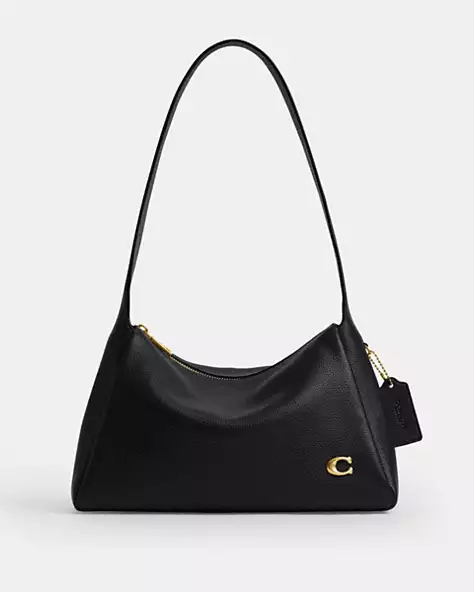
As demonstrated by the above analysis, Coach’s brand value was not achieved overnight through heavy marketing spending, but rather through systematic efforts over the long term in design, materials, craftsmanship, and brand management. It has forged a closed-loop value chain spanning from supply to market: superior materials and craftsmanship → exceptional product experience → robust brand image and emotional resonance → high resale value and consumer trust → further driving sales and brand loyalty. Within this cycle, each link adds value rather than diminishing it.
What does this brand value mean for Coach’s B2B partners—whether suppliers, manufacturers, or distributors? First, it signifies more stable business and longer-term collaborations. Coach’s commitment to quality and brand integrity ensures sustained market demand, allowing partners to confidently invest resources in mutual growth. Second, it requires partners to continuously elevate their capabilities to align with Coach’s high standards—encompassing production techniques, quality control, innovation capacity, and more. In this process, partners themselves gain the benefits of capability upgrades and enhanced reputation. Finally, Coach’s successful value chain model sets a benchmark for the entire industry: A truly successful brand is one that benefits every link in its value chain. Consumers receive products that deliver value for money, the brand gains profits and reputation, and supply chain partners reap technological advancement and stable orders—this is the sustainable virtuous cycle.
Coach’s case study will continue to offer industry insights, and every enterprise aspiring to build a high-value brand can learn a crucial lesson: brand value isn’t conjured out of thin air—it’s shaped collectively by materials, craftsmanship, design, marketing, and even after-sales service. When aiming to elevate brand premium, follow Coach’s lead and ask: Have I selected the right materials? Have I perfected the craftsmanship? Will my products stand the test of time? Is my brand narrative grounded in authenticity? Only when these questions yield satisfactory answers can the tree of brand value truly flourish, benefiting every partner across the entire value chain.