
Tel/WhatsAapp:+86 13366396425
E-mail: chloe_xia@vleap.com.cn

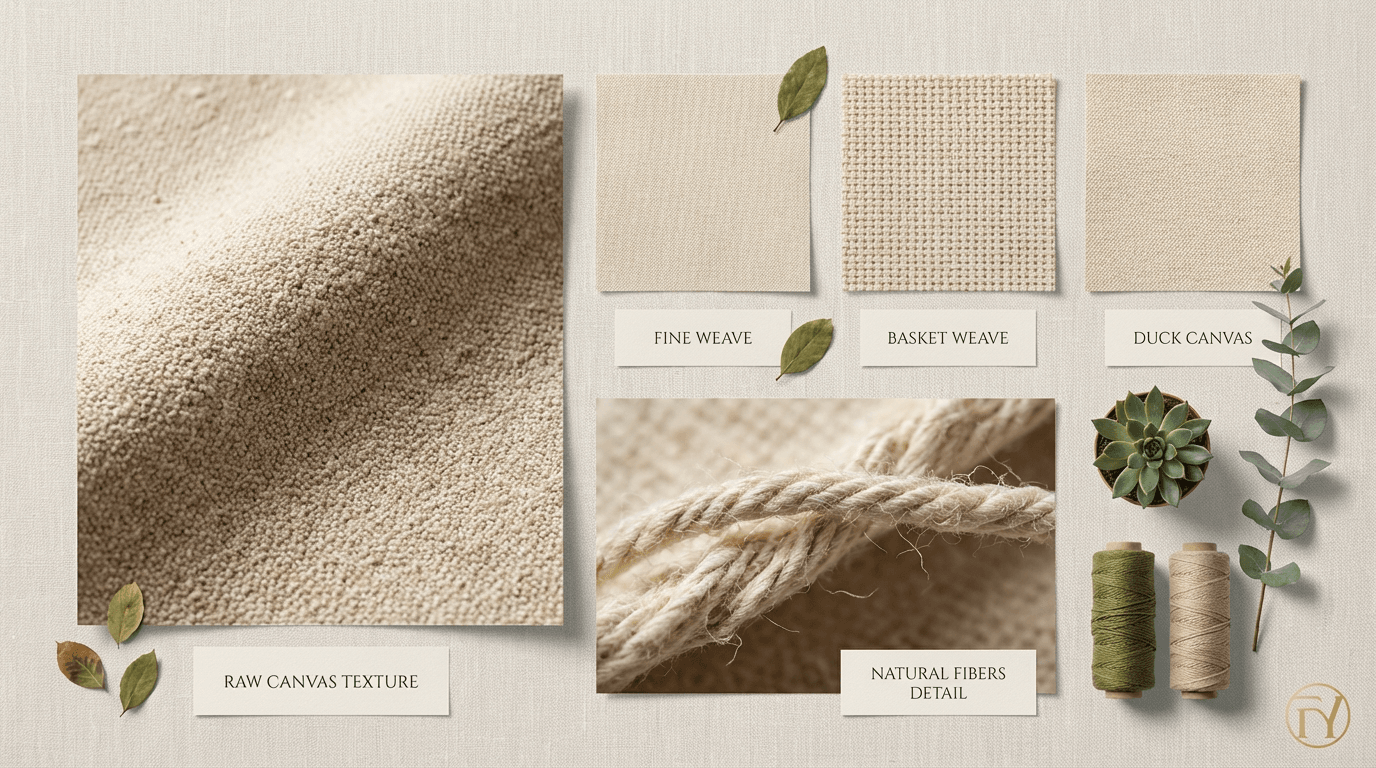
Welcome to the inaugural post in The Ultimate Guide to Custom Bag Fabrics, an encyclopedic series by FYBagCustom. Designed for B2B buyers, brand owners, and sourcing professionals, this series will deconstruct the most essential materials in the bag manufacturing industry. Our goal is to arm you with expert knowledge, moving beyond surface-level descriptions to explore the science, sourcing nuances, and strategic application of each fabric. From the rustic earthiness of Jute to the high-tech performance of Nylon, you will gain the insights needed to make powerful, informed decisions for your brand.
We begin with canvas—the undisputed workhorse of the fabric world. Its heritage is one of strength and reliability, from the wind-whipped sails of maritime explorers to the pristine surfaces used by history’s greatest artists. Today, it remains a cornerstone material for durable, stylish, and highly brandable bags.
But for a B2B professional, “choosing canvas” is just the beginning. The difference between a cheap, flimsy giveaway and a premium retail tote that carries a brand for years lies in the technical details. This guide will provide that deep-dive, exploring the physics of its weave, the chemistry of its fibers, and the strategic trade-offs of weight, composition, and customization.
To truly master canvas sourcing, we must first understand what it is at a molecular and structural level. The term “canvas” refers not to a material, but to a specific weaving methodology that creates its signature strength.
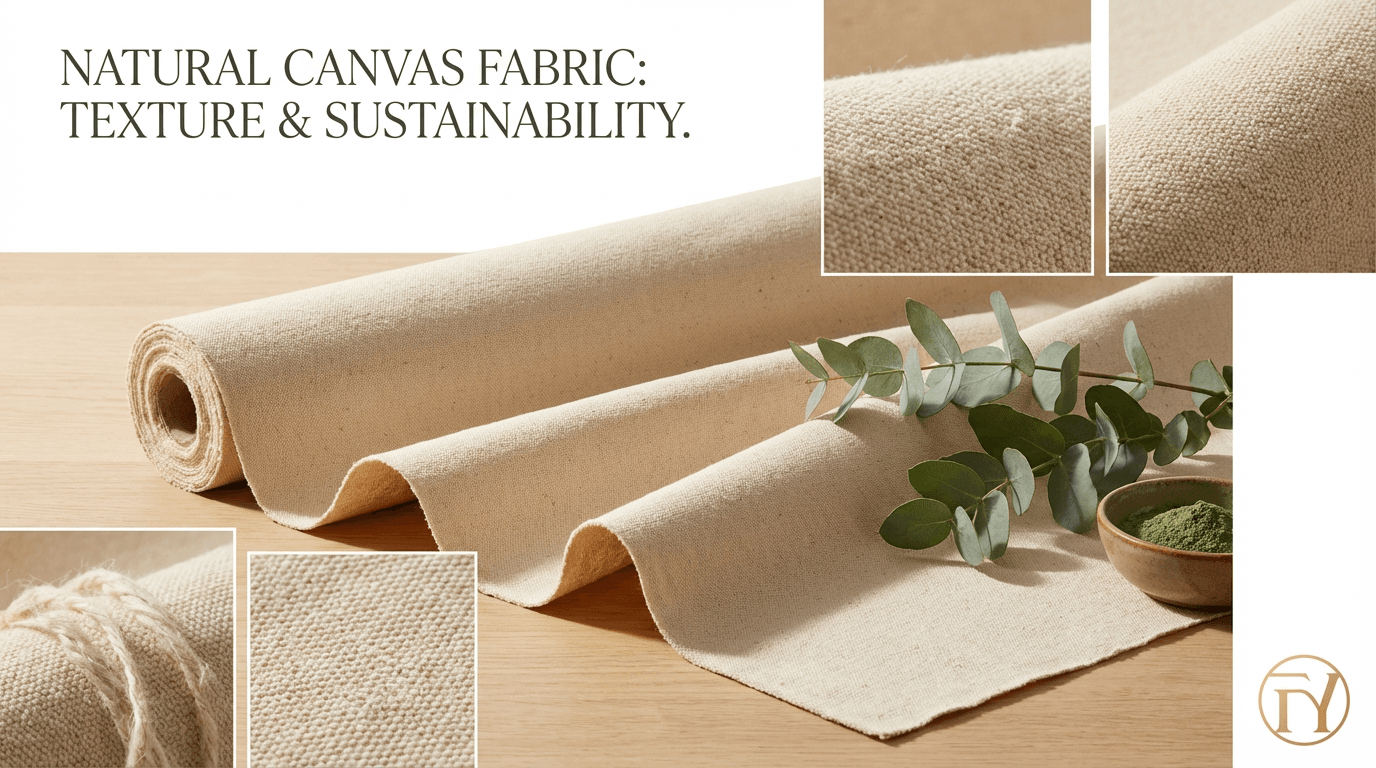
At its core, canvas is a plain-weave fabric. This is the most fundamental method of textile construction, yet its simplicity is the source of its incredible strength.
Imagine a microscopic checkerboard. In a plain weave, each weft (horizontal) thread passes over one warp (vertical) thread and then under the next, in a simple 1:1 interlacing pattern.
The weave provides the structure, but the fiber provides the inherent characteristics. The choice of fiber is a critical decision that impacts feel, performance, and brand story.
Canvas is graded by its weight in ounces per square yard (oz/yd²). This is a direct measure of material density. A 14 oz canvas means a 36″ x 36″ square of the fabric weighs 14 ounces. This is the single most important specification for determining a bag’s quality and feel.
| Weight Category | Ounce Range | Structural & Tactile Characteristics | Strategic Application & Rationale |
|---|---|---|---|
| Lightweight | 4–8 oz | Highly flexible, supple, low material cost. Can feel thin. | Use Case: Drawstring bags, dust covers, simple promotional totes. Rationale: When cost is the primary driver and perceived value is secondary. |
| Medium Weight | 10–14 oz | The industry standard for quality. Holds its shape well, feels substantial, excellent durability. | Use Case: Retail totes, brand merchandise, work bags. Rationale: The optimal balance of cost, durability, and premium feel. This is the “go-to” range. |
| Heavyweight | 16–20 oz | Stiff, highly structured, extremely abrasion-resistant. Noticeably heavy. | Use Case: Luxury retail bags, tool bags, travel duffels. Rationale: When durability and structure are non-negotiable and a premium price point is justified. |
| Ultra-Heavyweight | 22 oz + | Industrial-grade rigidity. Can stand up on its own. Difficult to sew. | Use Case: Specialized industrial gear, high-fashion structural pieces. Rationale: Reserved for niche applications where maximum toughness is required. |
Table 1: Technical Guide to Canvas Weights and Strategic Applications
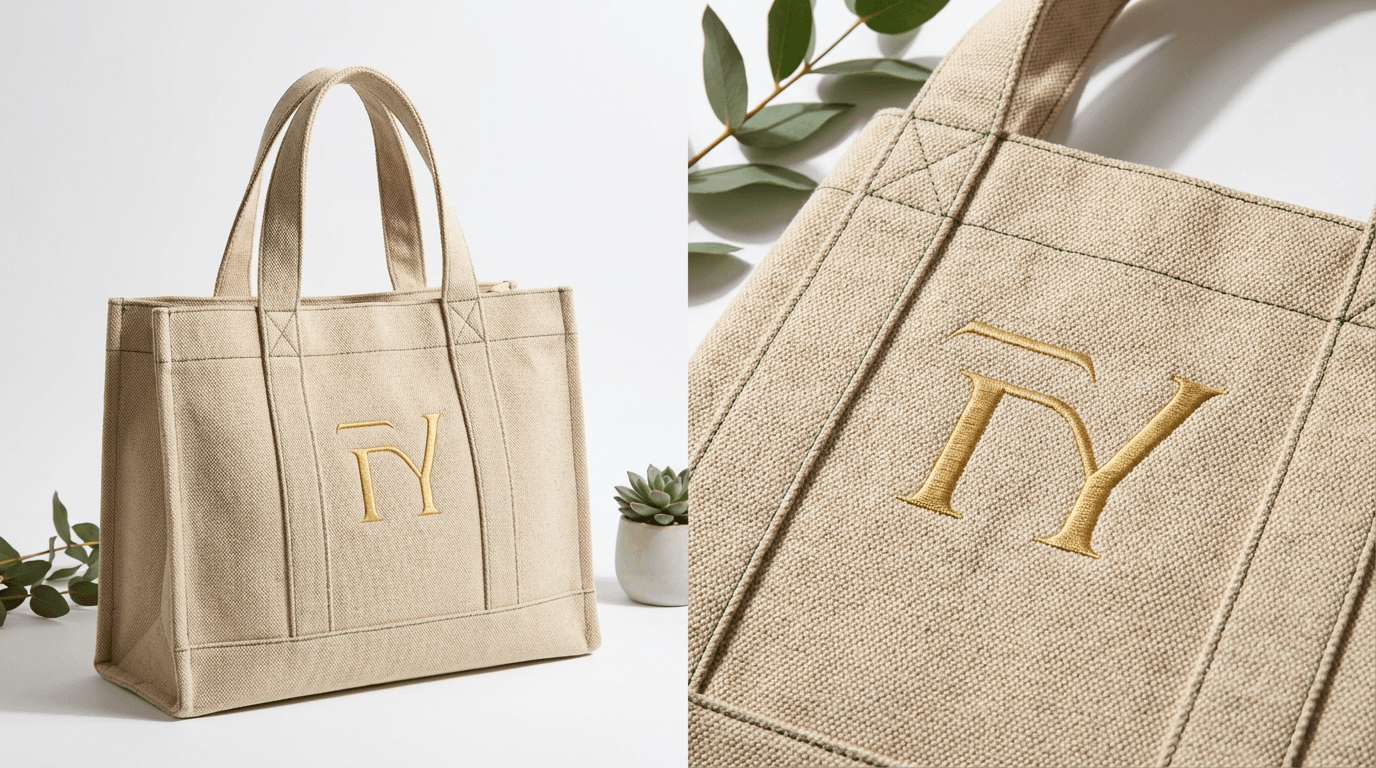
Canvas’s relatively smooth surface makes it an ideal medium for a variety of branding techniques. Choosing the right one depends on your artwork complexity, order volume, and desired aesthetic.
| Printing Method | Best For | Pros | Cons | Strategic Insight for Buyers |
|---|---|---|---|---|
| Silk Screen Printing | Spot colors, bold logos, text-based designs. | Cost-effective for bulk orders; vibrant, thick, and durable ink layer; classic, authentic look. | Not suitable for photorealistic images; price increases with each additional color; requires separate screens per color. | This is the workhorse for most promotional and retail tote bags. Choose it for strong, simple branding with 1-4 colors. |
| Heat Transfer Printing | Full-color graphics, gradients, photographic images, and complex logos. | Excellent detail and unlimited color potential; provides a smooth, consistent finish. | The transfer can feel like a film on the fabric; may crack or peel over time with heavy use; can be less breathable. | Select this method when your artwork is too complex for screen printing, but you still need cost-effective production for a large run. |
| Digital Printing (DTG) | Small runs, highly detailed artwork, unlimited colors, watercolors, and photographic prints. | Photo-realistic quality; ink absorbs into the fibers for a very soft feel; no per-color setup fees. | More expensive per unit for large quantities; colors may be slightly less vibrant than screen printing on natural canvas. | Ideal for premium fashion totes, artist collaborations, or test runs with multiple designs, where print quality and feel are paramount. |
| Embroidery | Premium logos, monograms, and small text elements. | High-end, textured, three-dimensional look; extremely durable; adds significant perceived value. | Higher cost, especially for large or dense designs; not suitable for fine details, gradients, or very large graphic areas. | Use embroidery to elevate a bag into a premium corporate gift or a luxury retail item. It communicates craftsmanship and quality. |
Table 2: B2B Comparison of Printing Methods for Canvas Bags
Partnering with an OEM/ODM manufacturer like FYBagCustom allows you to leverage established production expertise to build your product efficiently and to the highest standard. Here’s a look behind the curtain at how your custom canvas bag is brought to life.
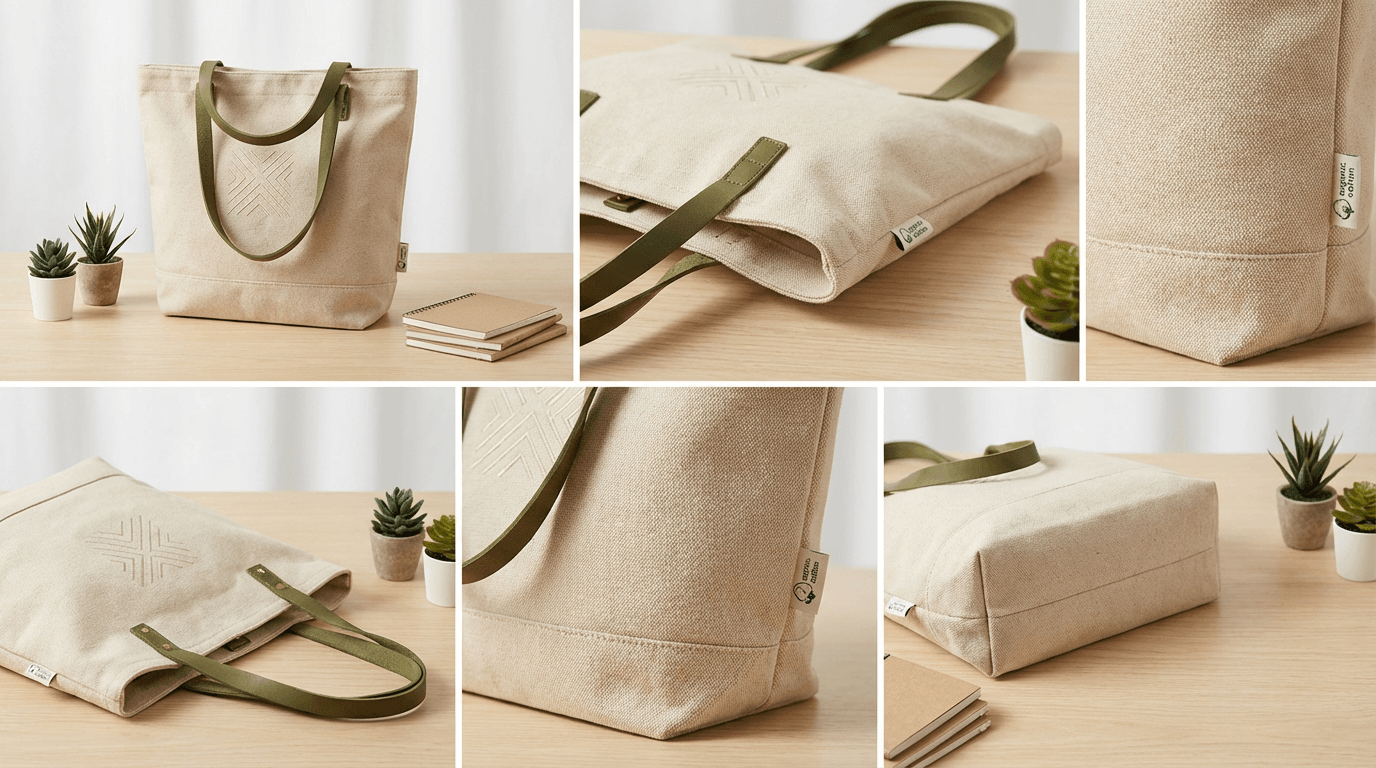
Beyond the basic tote, canvas can be engineered into a sophisticated, feature-rich product. These customizations can dramatically increase a bag’s functionality and perceived value.
Canvas is far more than a durable commodity; it is a strategic asset for building brand equity. Its ability to beautifully carry a detailed logo, withstand years of use, and convey a sense of timeless quality makes it an unparalleled choice for businesses serious about their image. Whether for retail, promotional events, or corporate gifting, a well-crafted canvas bag serves as a lasting and valued ambassador for your brand.
By understanding the technical nuances of canvas and leveraging the full spectrum of customization, you can create a product that stands out in a crowded market and delivers tangible value to both your business and your customers.
In our next installment, we will journey from the classic to the contemporary, exploring “Polyester in Bag Manufacturing: The Ultimate Guide to a Versatile & Cost-Effective Fabric.”
Ready to build a better bag with canvas? The expert team at FYBagCustom is here to help. Contact us to discuss your project specifications, request a physical sample to feel the difference between a 10 oz and 14 oz canvas, and receive a detailed quote from a partner you can trust.