Tel/WhatsAapp:+86 18011919834
E-mail: chloe.x@fybagcustom.com

Tel/WhatsAapp:+86 18011919834
E-mail: chloe.x@fybagcustom.com
Send Your Inquiry Today

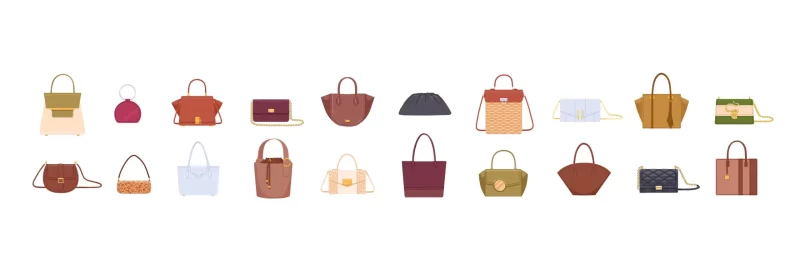
Who this guide is for: party-occasion brands and holiday-season buyers producing sequin and paillette bags — the clutches, evening bags, and statement pieces that peak in Q4 and whose entire commercial viability rests on a quality risk most buyers underestimate: sequin fallout. A sequin bag that sheds its sequins is the category’s defining failure, and it is far more common than it should be, because sequin application is a specialized construction process whose shortcuts produce bags that look spectacular on the shelf and leave a trail of discs at the party. This guide covers sequin application methods — sewn, glued, embroidered-base, and the hybrids — directional and reversible (flip) sequin construction, the fallout-prevention engineering that separates a bag worth keeping from a one-night return, the paillette (large sequin) difference, and the Q4 party-season production calendar that gets sequin bags to retail when the market wants them. It sits alongside our embellished design-feature and beaded-bag guides — a shared territory of applied decoration on a functional bag.
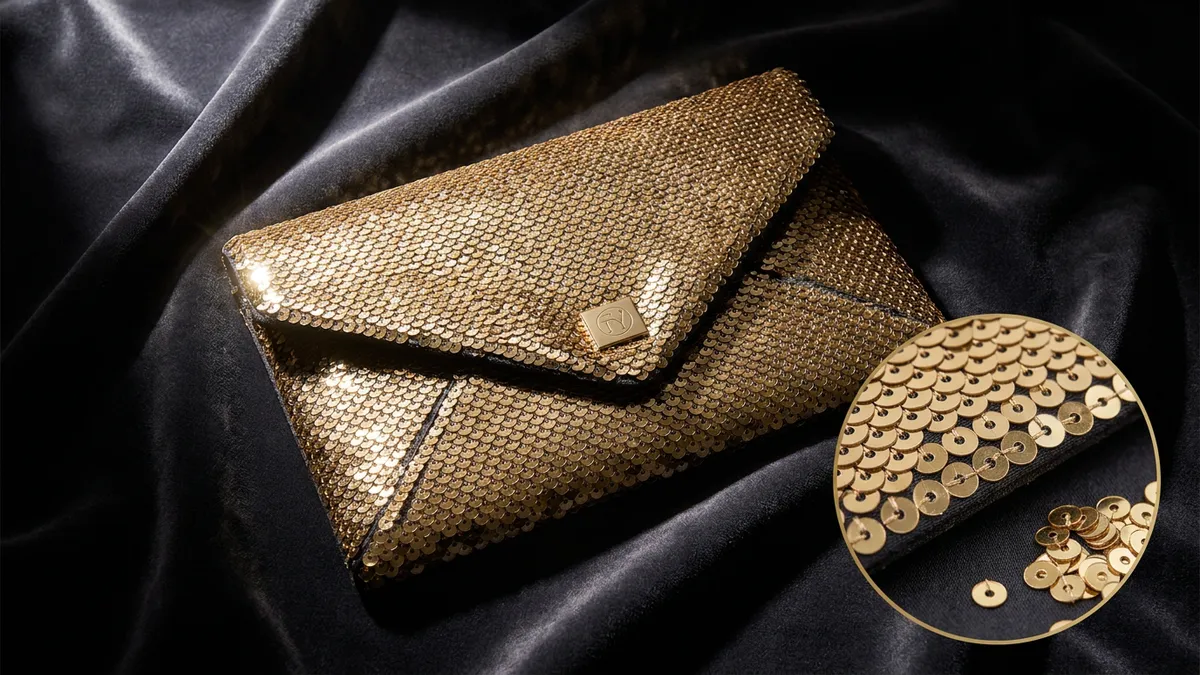
Sequin bags own a specific moment in the retail calendar: the Q4 party season, the holiday gift window, and the occasion-wear cycle that peaks from October through New Year’s Eve. In that window, they are one of the highest-demand, highest-margin accessories — a sequin clutch is the quintessential party bag, the impulse-and-gift purchase that a holiday display sells itself. Outside that window, sequin continues in bridal, resort, and occasion wear, but the commercial heartbeat is Q4, and the production calendar works backward from it.
The category’s commercial risk is equally specific: a sequin bag that sheds. The customer picks up a beautiful, shimmering clutch, carries it to a party, and finds sequins on her dress, on the chair, and missing from the bag by the end of the evening. The bag goes back. The review goes up. The reorder doesn’t happen. Sequin fallout is the single quality failure that defines the category, and preventing it is not a finishing detail but a construction discipline that starts with the application method and runs through every stage of the build. This guide treats fallout prevention as the central engineering problem it is, because for a sequin-bag brand, the difference between a keeper and a return is whether the sequins stay on.
Before the application methods, the material itself: a sequin is a small, flat disc (typically 3–8 mm) applied in quantity to a surface for reflective, light-catching effect. A paillette is a larger disc (typically 10–25 mm or more), often used individually or in sparser arrangements for bolder, more graphic impact.
| Element | Detail |
|---|---|
| Sequin materials | Metallic plastic (PET/PVC), acetate, glass, and biodegradable/bio-based options; the material affects shine, flexibility, weight, and environmental profile |
| Shapes | Round (the classic), square, hex, star, and custom shapes — round is the default for all-over application; specialty shapes are design accents |
| Finishes | Flat metallic, matte, holographic/iridescent, color-shift, frosted, and printed/patterned sequins — the finish sets the aesthetic |
| Flat vs. cupped | Flat sequins lie flush for a smooth shimmer; cupped (concave) sequins catch more light at angles and add more dimension but are harder to control directionally |
| Paillettes | Larger discs — same material range, but the scale means each disc is more visible, so placement, overlap, and attachment security are more critical per disc |
| The weight and flexibility consideration | An all-over sequin surface is heavy; the combined sequin weight affects the bag’s total weight, the stress on the base fabric, and the strap/handle load — this is factored at design, not discovered at QC |
How sequins are attached to the base fabric is the single biggest determinant of whether they stay on. The three primary methods — and their quality trade-offs — are:
| Element | Detail |
|---|---|
| The process | Sequins individually or continuously stitched to the base fabric — by hand (the premium artisanal method) or by machine (the volume method) |
| The locking stitch | Each sequin held by a stitch or stitches that pass through its center hole and anchor it to the base fabric; the quality distinction is between a locking stitch (which knots or loops at each sequin so cutting one thread doesn’t release a whole row) and a chain stitch (which, if cut, unravels like a zipper — the fallout mechanism in cheap bags) |
| Durability | Sewn-and-locked is the most durable application — each sequin independently anchored; the gold standard for bags that must survive handling, carrying, and contact with clothing and furniture |
| The chain-stitch trap | Machine chain-stitched sequins are the fastest to apply and the most prone to catastrophic fallout — one snag, one cut thread, and a whole line of sequins peels off; this is the construction shortcut that produces the bags that shed |
| Hand-sewn premium | Hand-sewn and individually locked is the most secure and the most labor-intensive — the premium and couture standard |
| Element | Detail |
|---|---|
| The process | Sequins adhered to the base fabric with heat-activated adhesive or industrial glue |
| The advantage | Fast, consistent, and clean-looking — no visible stitching |
| The risk | Adhesive degrades over time and under heat, friction, and flexing — glued sequins on a bag that flexes, is carried against clothing, and lives in a warm closet are at chronic risk of releasing; glue-only is the least durable method for a bag |
| The honest assessment | Glue-only works for rigid, non-flexing surfaces (a phone case, a rigid frame) but is risky as the sole attachment on a flexible bag body that bends and rubs every time it’s used |
| The hybrid | Glued-and-stitched (sequins glued in place for positioning, then stitched through for security) combines adhesive’s clean placement with stitching’s durability — a strong approach |
| Element | Detail |
|---|---|
| The process | Sequins applied by embroidery machine onto a base fabric, creating a pre-sequined textile that is then cut and constructed into the bag — the sequin application and the embroidery are one process |
| The advantage | Consistent, dense, pattern-controlled sequin placement; the embroidery thread locks each sequin as part of the stitch pattern; scalable for volume |
| The quality variable | The embroidery’s thread tension, stitch density, and locking determine the hold — a well-programmed embroidered sequin field is durable; a loosely-stitched one sheds |
| Pre-sequined fabric | Some programs use pre-sequined fabric (sequins already applied to a roll of fabric by a textile mill) — the bag factory cuts and constructs from the sequined cloth rather than applying sequins; the fabric’s sequin quality is the supply-chain’s responsibility and must be verified |
| Criterion | Sewn-Locked | Glued | Embroidered-Base | Pre-Sequined Fabric |
|---|---|---|---|---|
| Durability | Highest (each disc locked) | Lowest on flex (adhesive degrades) | High if well-programmed | Depends on the fabric supplier |
| Fallout risk | Low (locked) / HIGH if chain-stitched unlocked | Chronic on flexible bags | Low–medium | Inherited from the fabric |
| Cost | Higher (especially hand-sewn) | Lower | Medium | Medium |
| Best for | Premium bags, high-use pieces | Rigid or light-use items, or as a positioning layer under stitching | Volume production, pattern work | Volume production from verified suppliers |
A sequin’s reflectivity changes with its angle relative to light and the viewer’s eye — flat sequins shimmer differently depending on whether they’re tilted toward or away from the light. On an all-over sequin surface, this directional property creates visual effects.
| Element | Detail |
|---|---|
| What directional means | Sequins applied so they all face the same direction — tilted uniformly — catch light uniformly and create a cohesive, directional shimmer rather than a chaotic scatter; this is the controlled, refined aesthetic |
| The application discipline | Consistent directionality across a whole panel requires controlled application — machine-embroidered or carefully hand-applied, with each sequin set at the same angle; the same panel-matching discipline as pile fabrics |
| Panel matching | Like velvet (where pile direction governs color), sequin direction must match across panels — a front panel with sequins tilting right and a side panel with sequins tilting left catch light differently and read as mismatched |
| Pattern and color play | Directional control enables pattern effects — rows tilted in alternating directions for striped shimmer, sections tilted differently for graphic contrast, or graduated tilt for an ombré-shine effect |
| The paillette precision | On larger paillettes (each more visible individually), directional consistency and placement precision matter more per disc — every paillette’s angle is part of the design |
Reversible sequins — the “flip sequin” or “mermaid sequin” surface — are a distinct product: two-sided sequins sewn on a pivot point, designed to be brushed or swiped to reveal a second color or a hidden pattern.
| Element | Detail |
|---|---|
| How they work | Each sequin has a different color or finish on each side and is attached at a single pivot point, allowing it to flip when brushed — the wearer (or the person touching the bag) can swipe the surface to reveal a color change or a hidden pattern |
| The appeal | Interactive, playful, and visually dramatic — particularly strong in the younger and novelty-gift markets |
| The construction | Sequins attached at a single anchor point (not locked flat), which must be secure enough that the sequin doesn’t detach but free enough to flip — a specific tension balance |
| The durability challenge | The pivot point is inherently less secure than a flat-locked sequin — the single-point attachment is the trade-off for the flip function; fallout risk is higher on reversible sequins by design, so the attachment must be as robust as possible within the flip constraint |
| The edge and border | Reversible-sequin fields need clean borders so the flip surface doesn’t extend into edge zones where loose sequins catch and pull |
| The pattern reveal | The premium application: a solid-color surface that, when swiped, reveals a pattern, logo, or contrasting color underneath — the “magic” effect that drives the product’s appeal |
Fallout prevention is not a single step — it is a construction discipline that runs through the whole bag, from application method to finishing to packaging.
| Stage | Specification | Why |
|---|---|---|
| Application method | Choose sewn-locked or well-programmed embroidered-base for any bag that will be handled, carried, and rubbed against clothing; avoid chain-stitch-only and glue-only on flexible bags | The method is the first and biggest fallout determinant |
| Thread quality | Use high-tenacity, abrasion-resistant thread (bonded nylon or polyester) for sequin stitching — the thread holds the sequin, and weak thread fails under friction | Thread failure is sequin failure; the thread is specified for strength |
| Stitch density and locking | Ensure each sequin is locked (not just caught in a running chain) and the stitch density is sufficient — a loose, sparse stitch lets sequins tilt and work free | The stitch must actively hold each disc, not just pass over it |
| Edge and border finishing | The perimeter of the sequined area is finished with a clean border (binding, stitching, or turned edge) that secures the edge sequins and prevents the field from unraveling inward from the border | Edge sequins are the most vulnerable — they catch on things and pull; securing them is critical |
| Seam-zone management | Where sequined panels are seamed, the sequins in the seam allowance are removed or secured so they don’t bulk the seam or work loose from the stitching | Sequins in the seam zone are a fallout source and a construction problem; they’re managed before sewing |
| Lining | A lining covers the back of the sequined construction, protecting clothing from any sequin edges or threads that face inward — the lining is also a fallout buffer for interior-side loose discs | The lining protects the wearer’s clothing from the sequined surface’s back |
| Fallout testing | The finished bag subjected to a friction and flex test — a simulated-use cycle where the sequined surface is rubbed, flexed, and the fallout counted | The test that confirms the application holds — run before production ships |
| Packing protection | Sequin bags packed to protect the surface from abrasion in transit — individual wrapping, surface-protecting tissue, and no pressure that crushes the sequins | Fallout often starts in transit; the packing protocol prevents it |
The fallout-prevention principle: at every stage, the question is “will the sequins stay on after a night of use?” — because the answer determines whether the bag is a keeper (no review, no return, next year’s reorder) or a return (bad review, lost customer, lost reorder). The engineering is not glamorous, but it is the difference between a sequin-bag brand and a sequin-bag problem. A brand entering the category can discuss the application method and fallout-prevention spec with our team before committing a design.
| Material | Application | The Read |
|---|---|---|
| Satin and duchess satin | The classic sequin-bag base fabric — smooth, lustrous, the evening register | The party-season default |
| Velvet | Sequins on velvet — the textural-luxury combination | The gothic-romantic and FW26 register |
| Structured base fabrics | Buckram, heavy interfacing, or structured canvas underneath the sequined surface | The shape-holding layer under the decoration |
| Polyester and nylon | Base fabrics and linings | The durable, cost-effective workhorse |
| Quality linings | Smooth interior linings (satin, fine cotton) | The premium interior matching the exterior’s occasion register |
| Hardware | Polished, tonal, or metallic-finish hardware coordinated with the sequin tone | The hardware matches the shimmer |
Construction non-negotiables: locked-stitch or embroidered-base application, bonded high-tenacity thread, clean edge finishing, seam-zone management, a protective lining, and the fallout-friction test before shipment. The sequin surface pairs with restrained branding (the sequins are the surface statement), with heat-transfer or screen-print logos on the lining rather than competing with the exterior, and textured and multi-function design-feature integration where the format supports it.
| SKU | Format | Spec Summary |
|---|---|---|
| All-over sequin clutch | Clutch | The party-season hero — gold, silver, or black all-over locked-sequin clutch |
| Sequin evening handbag | Structured bag | A frame or box bag with sequined panels — the dressy structured piece |
| Paillette statement shoulder bag | Shoulder bag | Large paillettes for bold graphic impact — the statement piece |
| Reversible-sequin novelty bag | Novelty | Flip-sequin surface with pattern reveal — the younger-market and gift SKU |
| Sequin-panel crossbody | Crossbody | Sequin accent panel on a structured nylon or leather crossbody — the accessible-occasion entry |
| Sequin bucket bag | Bucket | All-over or panel sequin on a softer silhouette — the less-formal party option |
The application fit: sequin bags sit squarely in the gift and promotional vertical (the Q4 holiday gift, the bridal party, the corporate-event favor), the travel and adventure segment for the resort and destination-occasion buyer, and the daily commuting and work register for the sequin-accent crossbody that bridges day-to-evening — with Q4 as the commercial heartbeat.
| Milestone | Timing | Note |
|---|---|---|
| Line planning + design | Spring (Mar–May) | Q4 sequin colorways, silhouettes, and the hero clutch decided six months ahead |
| Sampling + fallout testing | May–Jul | Samples built to the locked-stitch spec, fallout-friction tested, and approved before bulk |
| Bulk production | Jul–Sep | Sequin application is labor-intensive and time-consuming; the production window is longer than a flat-fabric bag |
| Freight | Sep–Oct | In warehouse before the October holiday-display setup |
| Sellable | Early October | Live for the Q4 party-season and holiday-gift window |
| Peak season | Oct–Dec | The selling window: party season, holiday gift, and New Year’s Eve |
| Replenishment | Air only during peak | The hero clutch restocks by air if it sells through; the initial buy carries most of Q4 |
| Off-season | Jan–Feb | Sell-through analysis and spring-occasion (bridal, resort) planning |
| Check | Method | Standard |
|---|---|---|
| Fallout friction test | The sequined surface rubbed, flexed, and carried through a simulated-use cycle; shed sequins counted | Zero or near-zero fallout — the defining quality check |
| Stitch and lock verification | Stitching inspected for locked (not chain-only) attachment; thread quality verified | Each sequin locked; high-tenacity thread |
| Directional consistency | Sequin direction checked across panels and across the run | Uniform shimmer; panels match |
| Edge finishing | Border and perimeter sequins checked for secure finishing | No vulnerable edge sequins; clean borders |
| Seam-zone clearance | Seam zones checked for removed or secured sequins | No sequins bulking or loosening in seams |
| Lining and interior | Lining inspected for smooth, protective interior | No sequin edges or threads facing the contents |
| Packing protection | Packing reviewed for surface-protecting wrap | No transit abrasion |
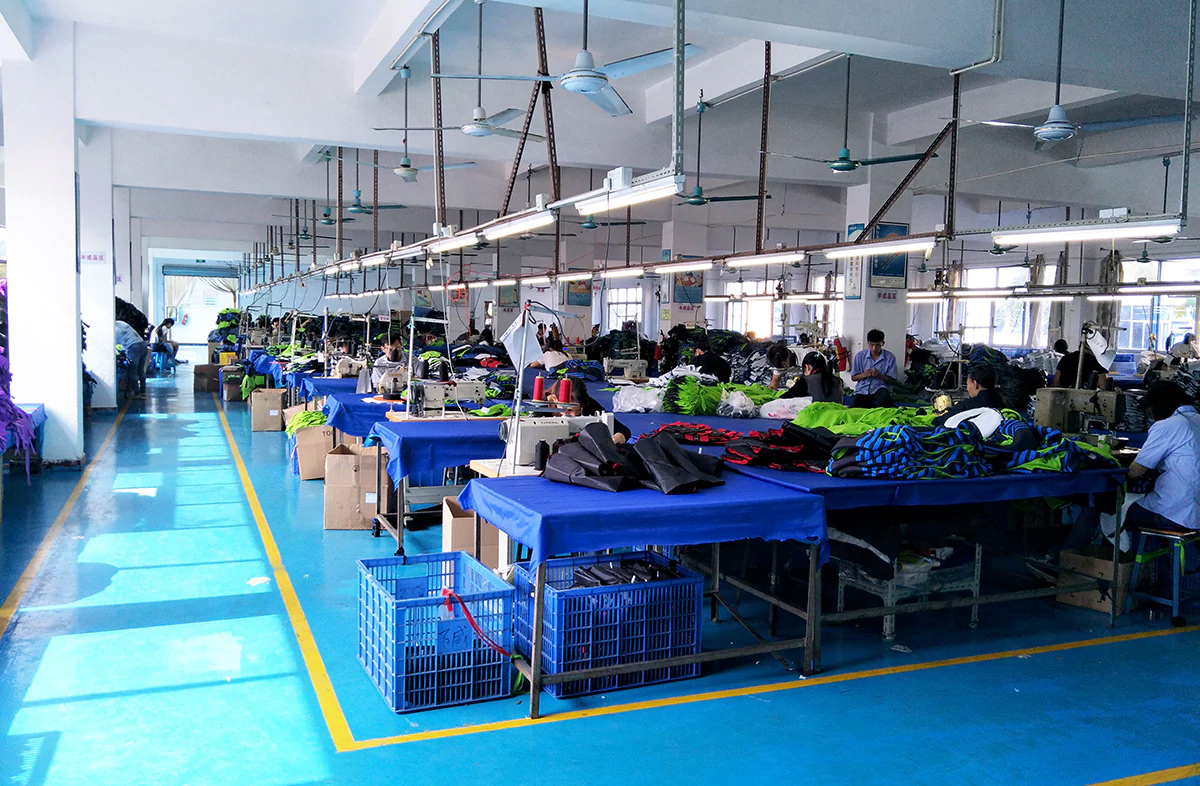
FYBagCustom is Your Trusted Custom Bag Manufacturer in China, with 15+ years of manufacturing experience and the sequin-application and fallout-prevention discipline the party-season category demands. For occasion brands and holiday-season buyers, our capabilities include:
Sequin and paillette bags own the party season and command a premium — and they lose both if the sequins fall off. For occasion brands and holiday-season buyers, three core takeaways:
If you are building a sequin or paillette bag program for Q4, bridal, or year-round occasion — contact FYBagCustom to brief your line, and receive a fallout-tested, locked-stitch sample in 7–10 days.
FYBagCustom builds sequin and paillette bags with locked-stitch application, bonded thread, edge finishing, and the friction-fallout test — the full prevention discipline that keeps the sequins on the bag, not on the dress. Fallout-tested samples in 7–10 days.
Start Your Custom Bag Project →