Tel/WhatsAapp:+86 18011919834
E-mail: chloe.x@fybagcustom.com

Tel/WhatsAapp:+86 18011919834
E-mail: chloe.x@fybagcustom.com
Send Your Inquiry Today

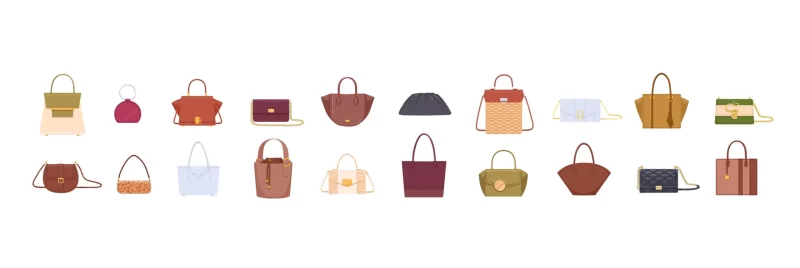
Who this guide is for: brand owners, merchandising managers, product developers, and sourcing managers building SS26 and FW26 handbag assortments who need to translate the runway silhouettes appearing across fashion weeks into production-ready specifications. Consumer publications explain what is trending; this guide explains what each silhouette means for your factory order — material weight, structural method, hardware type, pattern complexity, and whether you can adapt an existing block or need fresh tooling.
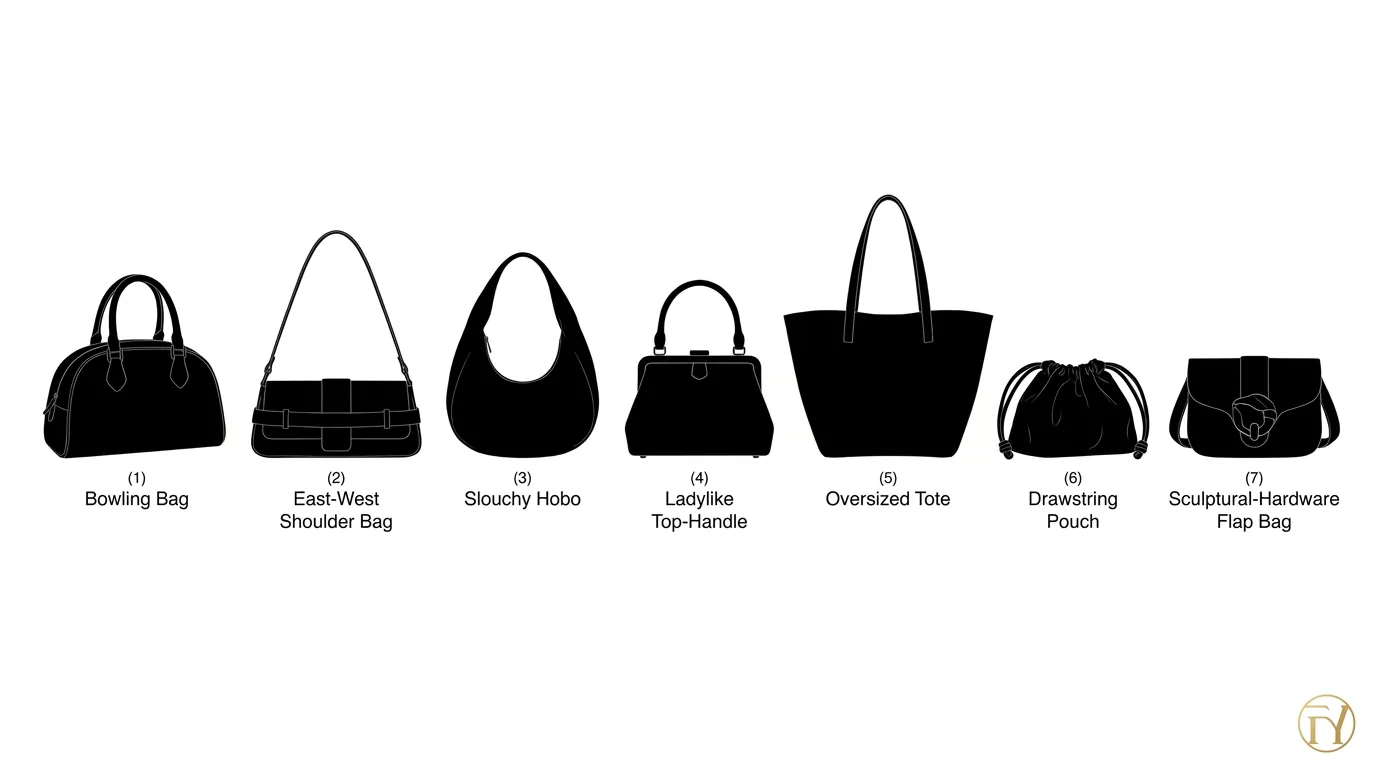
The SS26 and AW26 runways have converged on a message: shape is back. After several seasons where the bag’s surface treatment dominated the conversation — logos, prints, embossing, charms — the 2026 collections are defined by the silhouette itself. The bowling bag’s trapezoidal volume. The East-West bag’s horizontal stretch. The slouchy hobo’s liquid collapse. The ladylike top-handle’s architectural grip. These shapes are the design decisions — and they are the decisions that determine your material spec, your pattern engineering, your hardware kit, and your production timeline.
For B2B buyers, each trending silhouette presents a specific set of manufacturing questions that consumer trend reports never address: Can a bowling bag be produced on the same patterns as a standard tote? (No — the curved panels require dedicated cutting dies.) Does a slouchy hobo need interlining? (Less, not none — the controlled collapse requires engineering.) How does an East-West bag affect strap drop and carry balance? (Significantly — the horizontal proportions change the physics.)
This guide answers those questions for each of the seven silhouettes that the runway, the resale data, and the street-style tracking have confirmed for 2026 — with the production brief that turns a trend signal into a factory order.
Each silhouette section contains:
| Section | What It Tells You |
|---|---|
| The trend signal | Where the silhouette appeared and why it matters |
| The production brief | Material, structure, hardware, dimensions, and construction method |
| Pattern and tooling | Whether you can adapt existing blocks or need new patterns/dies |
| SKU-mix role | Where this silhouette fits in the mini/midi/oversized allocation framework |
The bowling bag (also called the bowler, barrel bag, or doctor-bag-adjacent silhouette) is the single most confirmed silhouette of 2026, appearing consistently across both SS26 and AW26 collections. The shape — a wide, rounded-base, trapezoidal bag with short curved handles and a top-zip closure — balances generous volume with a structured, slightly retro personality.
What makes it commercially compelling: the bowling bag is functional (it holds everything), ungendered (the shape reads neither exclusively feminine nor masculine), and photographically distinctive (the rounded profile is immediately recognizable in a product grid). It works at every price tier — the runway versions are luxury leather, but the silhouette translates effortlessly to PU and canvas at the mid-market.
| Element | Specification |
|---|---|
| Dimensions (hero midi) | 35–40 cm wide × 22–26 cm tall × 16–20 cm deep — wider than tall, with a substantial base |
| Structure | Semi-structured: the bag should hold its shape when empty (interlining + removable base board) but not feel rigid or boxy. Foam-backed interfacing on the front and back panels; flexible interlining on the side panels |
| Material | Leather (suede and pebbled are the runway favorites), PU in pebbled or smooth finishes, or heavy canvas with leather trim |
| Base | Flat, oval or stadium-shaped (rounded ends) — the signature shape; requires a dedicated base pattern piece (not shared with a tote’s rectangular base) |
| Handles | Two short, arched tubular handles, 20–25 cm (gripped in the hand or hooked over the forearm); tubular with rope or leather-cord core for a rounded grip profile |
| Closure | Full-width top zip (the bowling bag’s opening defines its silhouette); heavy-duty metal zip (#5 or #8); the zip tape follows the curved opening |
| Hardware | Minimal — the shape is the statement; small D-rings at handle base for optional removable crossbody strap; base feet |
| Interior | One main cavity (the bowling shape does not divide well); slip pockets on the back panel; optional padded tablet sleeve |
| Question | Answer |
|---|---|
| Can I adapt a tote pattern? | No — the rounded base, curved side panels, and arched top opening are all specific to the bowling silhouette; a tote’s rectangular geometry does not convert |
| New patterns required? | Yes — front/back (may be identical), two curved side panels, one oval/stadium base, handle pieces, and the curved zip mounting |
| New cutting dies? | Recommended for the base and curved panels — the curves must be consistent unit to unit; a die-cut curve is more precise than hand-cutting |
| Existing hardware? | Standard zippers and D-rings are fine; no custom hardware required |
The bowling bag is a midi silhouette — it fills the everyday-carry function with a distinctive shape. Place it in the midi allocation (45–55% of SKUs). It is the 2026 alternative to the standard structured tote for consumers who want function without the tote’s ubiquity.
The East-West bag — wider than it is tall, with an elongated horizontal profile — has moved from a niche archival shape to a confirmed mainstream silhouette for 2026. The proportions reference the Chloé Paddington era and the Y2K baguette but at a larger, more functional scale than the micro versions of earlier revivals. Confirmed across multiple SS26 and AW26 collections, street-style tracking shows strong adoption.
What makes it commercially compelling: the East-West sits perfectly under the arm (the horizontal proportions tuck into the armpit without the bulk of a tall bag), it photographs distinctively (the wide-and-slim profile is instantly recognizable), and it signals “current” without shouting (the shape is the trend cue, not a logo or a color).
| Element | Specification |
|---|---|
| Dimensions (hero midi) | 30–38 cm wide × 14–18 cm tall × 8–12 cm deep — the width-to-height ratio of approximately 2:1 is the defining proportion |
| Structure | Semi-structured to structured: the horizontal shape needs enough body to hold its elongated form without collapsing into a blob; woven fusible on all panels; optional foam on the front and back |
| Material | Structured leather (saffiano, pebbled, corrected-grain), structured PU, or suede with internal support |
| Closure | Top-zip (most common); or buckle-flap closure (the heritage interpretation) |
| Handles | One short top handle (the “under-the-arm” grip) — this handle is critical; it must be positioned at the exact center of mass so the bag hangs level, not tipping forward or back. Handle drop: 8–12 cm (armpit tuck) |
| Strap | Detachable crossbody strap for hands-free carry; the strap attachment D-rings positioned at the narrow ends (not the top), so the bag hangs horizontally when cross-body |
| Hardware | Buckles, bold clasps, or oversized zip pulls — the East-West’s wide front panel is a natural canvas for a single statement closure |
| Question | Answer |
|---|---|
| Can I adapt a crossbody pattern? | Partially — a standard crossbody can be widened and shortened; the gusset proportions change but the construction method is similar |
| Unique engineering | The handle’s center-of-mass positioning is the critical detail — 5 mm off-center and the bag tips when carried; prototype and test the handle position on the PP sample |
| New cutting dies? | Recommended for the wide front/back panels if the proportions are not standard |
The East-West is a midi silhouette with “trend-forward” energy — it belongs in the mid-collection, positioned alongside (not replacing) the standard shoulder bag. One East-West SKU in the collection in 2–3 colors.
After seasons of rigid structure, soft is the story. Slouchy hobos, relaxed shoulder bags, and gently collapsed silhouettes appeared across the SS26 and AW26 runways with conviction — bags that look like they have “exhaled” rather than been stuffed into shape. The key distinction from earlier soft-bag moments: the 2026 slouch is controlled, not shapeless. The bags collapse intentionally along designed fold lines, not randomly.
| Element | Specification |
|---|---|
| Dimensions (hero midi) | 35–42 cm wide × 28–35 cm tall × 6–10 cm depth (when collapsed) — the bag is tall and wide but thin until loaded |
| Structure | Minimal but deliberate: very lightweight fusible on body panels (the lightest available — 30–50 g/m²) to prevent the material from stretching permanently, but NOT enough to hold shape independently. No foam. No stiffener. The bag should collapse when empty. |
| Material | Soft leather (calfskin, lambskin, or garment-grade soft PU) — the material’s natural drape IS the design; stiff materials kill the silhouette. Minimum softness: the panel hangs from a flat surface with a smooth, continuous curve (no angular folds) |
| Base | No rigid base — the base folds flat; a removable, ultra-thin insert (0.5 mm flexible PP) is optional for consumers who prefer a flat bottom when loaded |
| Handle / strap | Single shoulder strap (long enough for shoulder carry but not crossbody), unstructured — soft leather or matching material; the strap should drape as softly as the body |
| Closure | Open-top (the most editorial) or single magnetic snap (the most functional); no zipper — a full zip contradicts the “exhaled” silhouette |
| Interior | Minimal — one slip pocket, one zip pocket; the hobo’s interior is a single organic cavity; over-engineering the interior stiffens the bag |
| Question | Answer |
|---|---|
| Can I adapt a structured tote pattern? | The panel shapes may be similar, but every structural specification changes: interlining weight drops from 80–100 g/m² to 30–50 g/m²; foam is eliminated; the base stiffener is removed. It is safer to specify the hobo as a separate pattern with its own interlining callout |
| Critical skill | The sewing team must handle soft, floppy material without stretching it during assembly; experienced soft-goods operators are essential; this is not a beginner silhouette |
The slouchy hobo is a midi silhouette that serves the “everyday but fashion-forward” consumer. One hobo SKU in soft neutrals (black, taupe, cognac) — the material color and drape are the design; additional colors over-complicate the line for a trend silhouette.
Heritage is having a powerful moment. Structured top-handle bags — the silhouette that references mid-century elegance, the doctor’s bag, the frame bag, and the vanity case — reappeared across SS26 with modern refinements: softened edges, elongated straps for crossbody conversion, and contemporary hardware replacing the vintage clasps.
What makes it commercially compelling: the ladylike top-handle signals “investment piece” more strongly than any other silhouette. Consumers shopping at the premium tier are gravitating toward shapes that feel timeless rather than trend-dependent, and the top-handle’s heritage code delivers that perception.
| Element | Specification |
|---|---|
| Dimensions (hero midi) | 25–32 cm wide × 18–24 cm tall × 10–14 cm deep — compact, structured, precise |
| Structure | Fully structured: foam-backed woven fusible on all panels; rigid base board; top-edge stiffener; the bag MUST stand upright, maintain crisp lines, and hold its silhouette permanently |
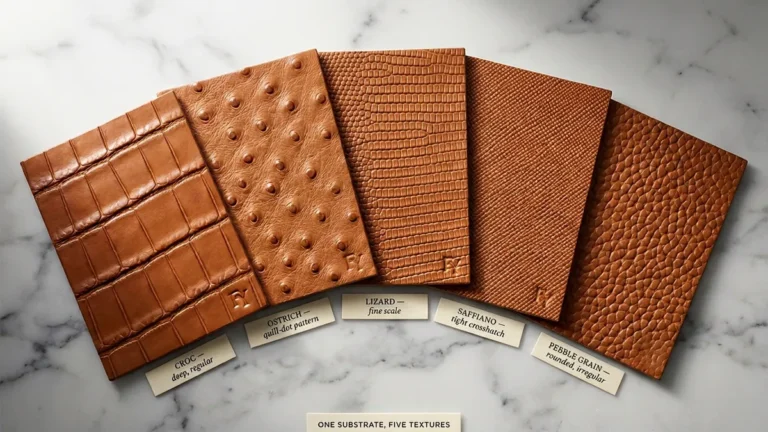
| Material | Structured leather (corrected-grain, saffiano-embossed, or pebbled) or premium structured PU. Exotic embossing (crocodile, python) is particularly strong on this silhouette — the small surface area makes exotic textures read as refined rather than overwhelming |
| Base | Rigid permanent base; 4 metal base feet; precise corner construction (this is the silhouette where corner quality matters most) |
| Handles | Two short, structured top handles with crisp arch — tubular, 15–20 cm drop; the handles are the silhouette’s signature; they must be perfectly matched in height, arch, and spacing |
| Closure | Turn-lock or tuck-lock (the traditional ladylike closure); push-lock on a flap; frame-style kiss-lock for the most heritage-forward interpretation |
| Hardware | Polished gold or brushed nickel — refined, considered, not oversized; the hardware should complement, not compete with, the structured shape |
| Strap | Detachable crossbody strap — the modern update that makes the heritage shape functional for hands-free carry; without the strap option, the silhouette reads as “evening only” |
| Question | Answer |
|---|---|
| Tooling requirements | The frame/kiss-lock version requires frame hardware (sourced as a complete unit — frame + hinge + clasp); the turn-lock version uses standard hardware; the structured construction requires precision panel cutting (±1 mm tolerance for clean lines) |
| Existing adaptation | If the factory has produced structured crossbodies or doctor bags, the construction methodology transfers; the top-handle is not a new technique, it is a familiar technique at its highest precision |
The ladylike top-handle is a midi silhouette positioned at the premium tier. It is the “hero investment piece” — the bag that anchors the collection’s quality narrative. One SKU in 2–3 neutral colors; exotic-embossed variant as the collection’s luxury extension.
Large, capacious bags dominate the FW26 forecasts, driven by both runway energy and the practical demand of the return-to-office movement. The 2026 oversized tote is not the unstructured shopper of past seasons — it is structured, organized, and designed for professional carry (laptop, documents, water bottle, layer).
| Element | Specification |
|---|---|
| Dimensions | 38–45 cm wide × 30–38 cm tall × 14–18 cm deep — large enough for a 15″ laptop |
| Structure | Semi-structured to structured: foam-backed interfacing on front and back; flexible interlining on gussets; removable base board |
| Material | Lightweight is critical — at this scale, material weight compounds; specify garment-grade PU or lightweight leather (0.8–0.9 mm); nylon for sport-lifestyle positioning |
| Interior | Padded laptop sleeve (15″); 2–3 slip pockets; zip pocket; key leash — the oversized tote must be ORGANIZED, not cavernous |
| Handles | Dual top handles (handle drop 22–28 cm for shoulder carry) + detachable crossbody strap |
| Closure | Top zip (security) or open-top with magnetic snap (convenience) |
| Weight target | Empty weight under 900 g — every gram above 900 g is a gram the consumer carries on top of 4–6 kg of contents |
The oversized tote is the most straightforward adaptation in this guide — it scales from standard tote patterns with increased dimensions. Reinforcement at handle attachments and base corners must be proportionally upgraded (wider webbing patches, heavier bartack).
Oversized allocation — 20–30% of SKUs per our assortment guide. The hero oversized SKU in black + cognac; one trend colorway (glacier blue, jewel tone) for editorial energy.
Drawstring pouches are replacing the classic crossbody as the “effortless daily carry” for younger consumers. The construction is simple — a soft body with a drawstring (cord or leather thong) that cinches the opening closed — but the execution on the SS26 runways added structure through material weight, base shape, and hardware refinement. The resulting silhouette is a crossover between a bucket bag and a pouch.
| Element | Specification |
|---|---|
| Dimensions (hero midi) | 22–28 cm wide × 25–30 cm tall × 12–16 cm deep (when cinched) |
| Structure | Minimal: lightweight fusible on body panels only; no foam; the bag should gather naturally when the drawstring is pulled |
| Material | Soft leather, suede, or satin (for evening); the material must gather smoothly without sharp creasing — avoid stiff PU |
| Closure | Drawstring — cord (leather, grosgrain, or waxed cotton) threaded through metal eyelets or a channel near the top; the drawstring IS the design element; premium: leather cord with metal tips |
| Base | Flat, round, or oval — a structured base gives the pouch a stable footprint while the upper body remains soft |
| Strap | Long crossbody strap (for daily) or chain strap (for evening); some versions are carried by the drawstring cords themselves (gathered in the hand) |
Simple construction — body is often a single panel folded and seamed; the base is a separate piece. The drawstring channel (either sewn-in eyelets or a fabric tube at the top) is the only detail requiring specification. Fast to sample, fast to produce.
Midi with trend energy — the drawstring pouch is the collection’s “easy, young” entry alongside the structured tote. One SKU in 3 colors; suede or satin for differentiation.
The SS26 runways made hardware the defining design element — not a functional detail. Chains are heavier, buckles more pronounced, clasps sculptural, and metal finishes act as jewelry. This is the Glamoratti signal translated into a silhouette: the bag is designed around its closure, its chain, or its frame, rather than the hardware being added to an existing shape.
| Element | Specification |
|---|---|
| Silhouette | Compact-to-medium flap bag or shoulder bag — the bag body is relatively simple so the hardware reads as the star |
| Structure | Fully structured — the firm body provides an architectural stage for the hardware; foam + woven fusible on all panels |
| Material | Smooth or lightly textured leather/PU in a dark neutral (black, espresso, dark green) — the material recedes so the hardware advances |
| THE hardware | One oversized sculptural closure (50–90 mm) — a geometric medallion, a sculptural knot, an abstract form — in high-polish gold, brushed gold, or silver; this closure is the bag’s identity and requires custom tooling (CNC zinc-alloy casting, 8–16 day die timeline) |
| Chain strap | Chunky chain (12–16 mm links), matching the closure finish; leather-woven option for comfort and noise damping |
| Interior | Simple — one main cavity, slip pocket, zip pocket; the interior does not need complexity; the exterior hardware carries the design |
| Question | Answer |
|---|---|
| Critical investment | The custom hardware closure die — 8–16 days to produce; this is the SKU’s lead-time bottleneck. Brief the hardware early and in parallel with the bag sampling |
| The body | Standard flap-bag construction; no special pattern engineering; the body is deliberately simple |
| Hardware weight | The oversized closure + chain strap adds 150–300 g of hardware weight; specify maximum total hardware weight in the tech pack to prevent the bag from feeling front-heavy |
The sculptural hardware bag is a mini-to-midi statement piece — the “editorial hero” that generates press and content. It sits in the trend allocation (15–25% of SKUs), not the core volume.
| Milestone | Lead Time Before In-Store | Action |
|---|---|---|
| Silhouette selection | 24+ weeks | Choose which of the 7 silhouettes to include; finalize 3–5 for the collection |
| Pattern development | 20–22 weeks | Brief the factory with silhouette specifications; new patterns for bowling bag, East-West; adapted patterns for oversized tote, drawstring pouch |
| Hardware tooling | 18–22 weeks | Brief custom hardware (sculptural closures, buckles) — the longest lead-time item |
| Material sourcing + lab dips | 16–20 weeks | Confirm materials per silhouette; submit color references |
| PP sampling | 12–16 weeks | PP samples for all silhouettes; fit testing (handle drop, strap balance, carry comfort); QC on structure |
| Bulk production | 6–10 weeks | Bulk with all specifications locked |
| Delivery | 0 weeks | In warehouse or at FBA |
The bottleneck: custom hardware tooling. If your collection includes a sculptural-hardware SKU, brief the hardware die at the same time as the silhouette — not after sampling.
| # | Silhouette | Structure Level | Material Weight | Hardware Intensity | New Tooling Required? | SKU-Mix Role |
|---|---|---|---|---|---|---|
| 1 | Bowling bag | Semi-structured | Medium | Low | Yes — curved panels, oval base | Midi core |
| 2 | East-West | Semi-to-full structured | Medium | Medium (statement closure) | Partial — widened crossbody | Midi trend |
| 3 | Slouchy hobo | Minimal | Light (soft drape) | Very low | No — soft construction, existing methods | Midi trend |
| 4 | Ladylike top-handle | Fully structured | Medium-Heavy | Medium (refined clasps) | Frame/kiss-lock if used | Midi premium |
| 5 | Oversized tote | Semi-to-full structured | Light (weight-critical) | Low | No — scaled tote | Oversized core |
| 6 | Drawstring pouch | Minimal | Light | Low | No — simple construction | Midi entry |
| 7 | Sculptural hardware bag | Fully structured | Medium | Very high (custom closure) | Yes — custom hardware die | Mini-to-midi statement |
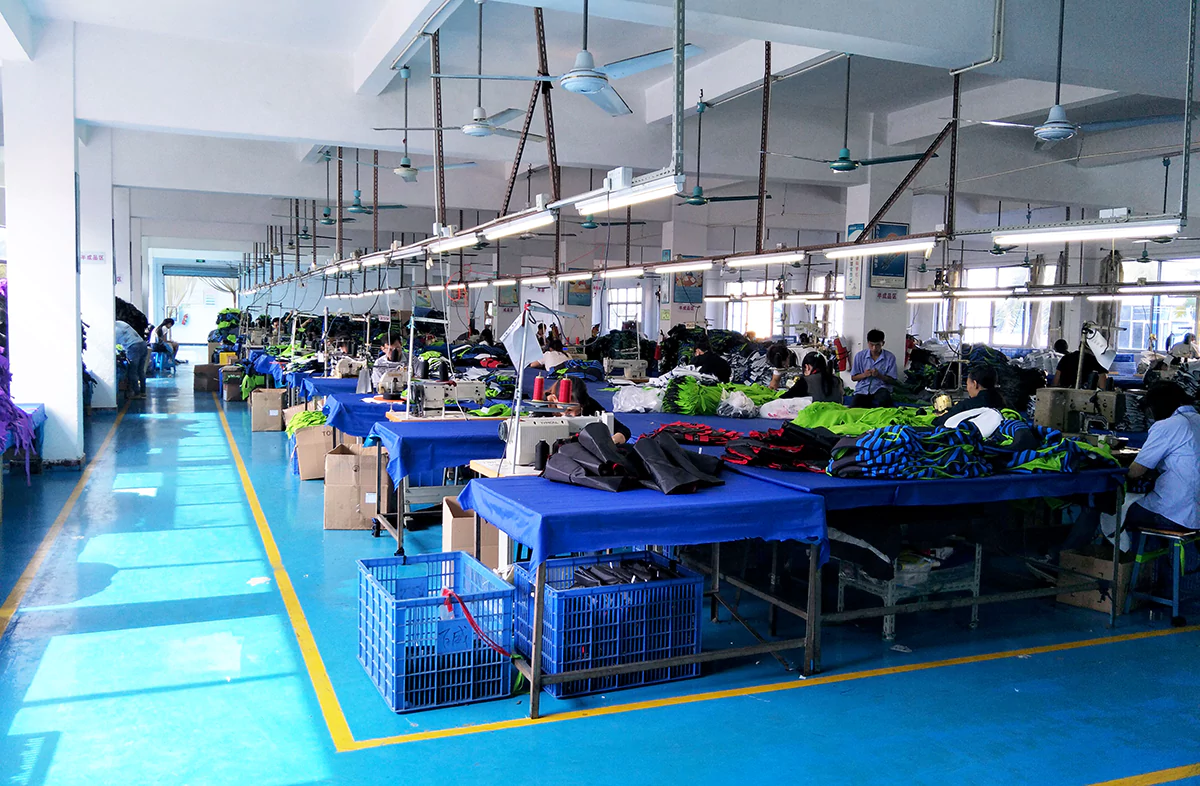
FYBagCustom is Your Trusted Custom Bag Manufacturer in China, with 15+ years of manufacturing experience across every silhouette family — from heritage-grade structured top-handles to soft unstructured hobos to custom-hardware statement pieces. For brands developing 2026 trend silhouettes, our capabilities include:
Explore our custom bag collection or contact our development team to brief your 2026 silhouette program.
The 2026 handbag market is defined by silhouette — not by logo, not by color, not by surface treatment. The brand that develops the right shapes (bowling bag for everyday distinctiveness, East-West for on-trend currency, hobo for fashion-forward softness, top-handle for investment positioning, oversized for professional capacity, drawstring for easy youth, sculptural hardware for editorial energy) — and produces them at the right quality and lead time — captures the season. For B2B buyers, three core takeaways:
If your 2026 assortment needs trend silhouettes translated into production specifications — bowling bags, East-West shapes, slouchy hobos, or sculptural-hardware statements — contact FYBagCustom to brief your silhouette program and receive samples across all seven shapes, typically within 5–14 days.
FYBagCustom develops all seven trending 2026 silhouettes — from curved-panel bowling bags to soft-collapse hobos to custom-hardware statement pieces — with pattern engineering, hardware tooling, and blended MOQ across your full collection. Multi-silhouette samples in 5–14 days.
Start Your Custom Bag Project →