Tel/WhatsAapp:+86 18011919834
E-mail: chloe.x@fybagcustom.com

Tel/WhatsAapp:+86 18011919834
E-mail: chloe.x@fybagcustom.com
Send Your Inquiry Today

Welcome to a new, exciting chapter of The Ultimate Guide to Custom Bag Fabrics. Having built a foundational mastery of the Core Fabric Series and navigated the crucial landscape of the Eco-Friendly & Sustainable Series, we now venture into the world of materials chosen for their unique, game-changing properties: The Specialty & Fashion Fabric Series.
This series will explore textiles and materials that create new product categories, solve specific problems, and drive fashion trends. We begin with a material that perfectly embodies this spirit of innovation: a synthetic rubber that dove out of the ocean and onto the runway, Neoprene.
Once exclusively the domain of wetsuits and technical gear, neoprene has become a mainstream star in the world of bags and accessories. Its signature spongy texture, sculptural form, and minimalist aesthetic offer a clean, modern alternative to traditional woven fabrics. It’s the material behind sleek laptop sleeves, stylishly insulated lunch totes, and chic, lightweight fashion bags.
However, for the B2B buyer or product developer, neoprene presents a unique set of considerations. It is not a fabric in the traditional sense, and its properties, manufacturing requirements, and quality grades are entirely different from materials like polyester or cotton. This definitive guide, grounded in our hands-on manufacturing expertise at FYBagCustom, will deconstruct the science of neoprene. We will explain its closed-cell foam structure, detail the critical role of its thickness, and provide a clear framework for how to design, source, and produce high-quality neoprene bags that captivate the modern consumer.
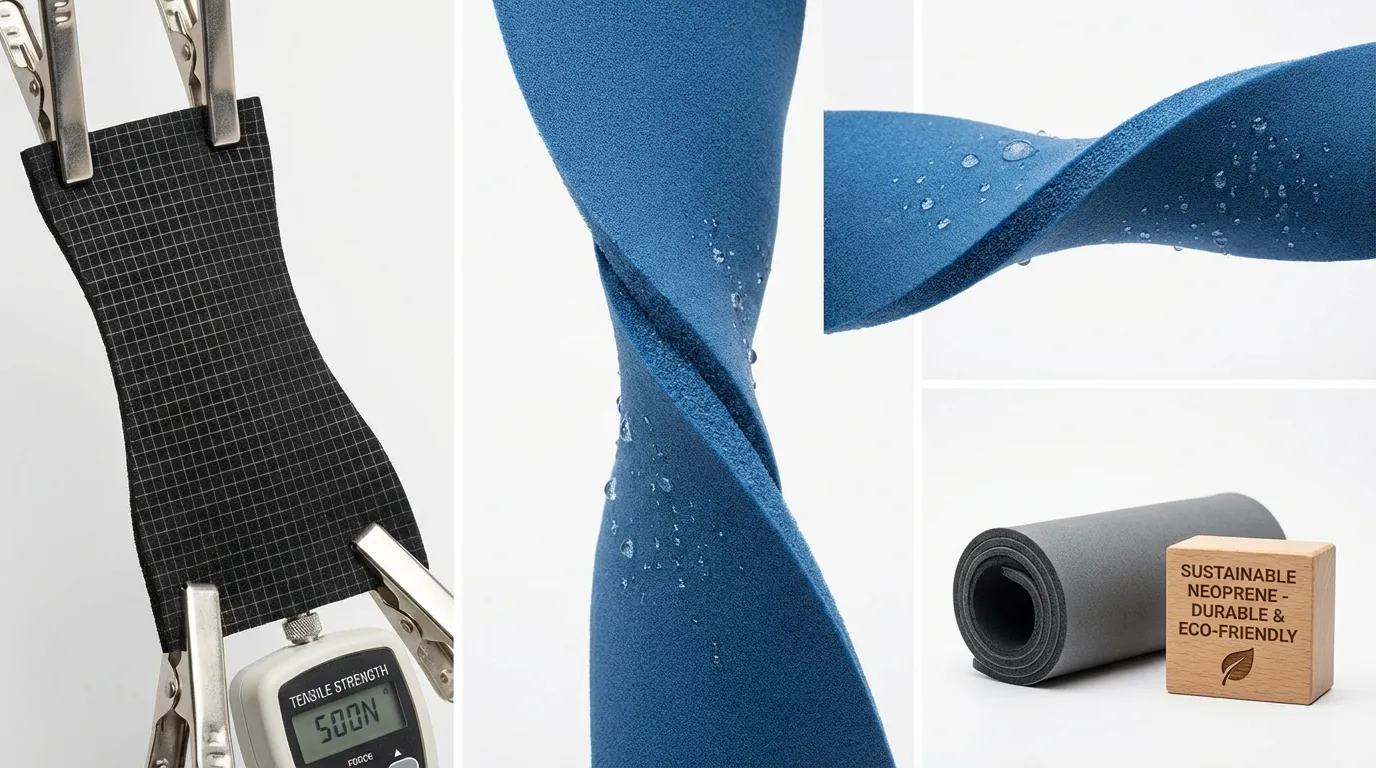
To leverage neoprene effectively, one must understand that it is fundamentally different from any woven textile. Its properties do not come from yarn and weave, but from its core chemical and physical structure.
Neoprene is the brand name for a family of synthetic rubbers first created by DuPont, based on the polymer polychloroprene. The key to understanding all of its properties lies in a single concept: it is a closed-cell foam.
Imagine a solid block of rubber that has been injected with millions of microscopic, separate gas bubbles. Each tiny bubble is completely sealed off from the ones around it, like a wall built from countless tiny, inflated balloons. This structure is what gives neoprene its superpowers. It is not woven; it is a uniform, non-porous sheet of foam.
| Property | The Scientific Reason (The “Why”) | The Strategic Implication for Bag Design |
|---|---|---|
| Exceptional Cushioning & Impact Protection | The closed-cell foam structure acts like a microscopic shock absorption system. When an impact occurs, the gas inside the cells compresses and disperses the force, protecting the contents. | This is neoprene’s #1 functional advantage. It makes it the perfect material for protective gear: laptop sleeves, tablet cases, camera bags, and padded electronic compartments within larger backpacks. |
| Excellent Water Resistance | The sealed, individual cells create an impermeable barrier. Water cannot pass through the material itself. It is functionally waterproof (though seams can still leak). | Ideal for all-weather use and containment. It’s a fantastic choice for cosmetic bags (contains spills from leaky bottles), beach totes, and bags that will be exposed to rain. |
| Superior Thermal Insulation | The gas trapped within the millions of tiny, separate cells is a poor conductor of heat. This creates a highly effective barrier against heat transfer. | This makes neoprene the undisputed champion for insulated bags. It is the go-to material for high-performance lunch totes, baby bottle bags, and can/beverage coolers, keeping contents hot or cold for hours. |
| Unique Stretch & Flexibility | As an elastomeric (rubber-like) polymer, the material itself can stretch and then return to its original shape. | This allows for the creation of sleek, form-fitting designs. It’s perfect for minimalist totes that need to expand to fit bulky items or for creating a snug, protective fit around an electronic device. |
| Modern, Minimalist Aesthetic | Neoprene is a non-woven material. When cut, it provides a clean, architectural, raw edge that does not fray. Its surface is smooth and matte. | It lends itself to minimalist, sculptural, and slightly sporty designs. It’s a powerful choice for brands wanting to project a modern, technical, and fashion-forward image, distinct from the texture of canvas or nylon. |
Table 1: The Core Properties of Neoprene, Explained
Unlike polyester’s Denier or canvas’s Ounce system, neoprene is specified by its thickness in millimeters (mm). This is the most important decision a B2B buyer will make, as it directly dictates the bag’s structure, level of protection, insulation properties, and final cost.
| Thickness (mm) | Key Characteristics | Common Applications & Strategic Use |
|---|---|---|
| 1.5mm – 2mm | Light & Flexible. Offers minimal padding and insulation but excellent drape and a very lightweight feel. | Linings & Lightweight Pouches. Used as a soft, protective lining inside a larger bag. Perfect for small cosmetic pouches or fashion totes where a sleek silhouette is more important than rigid structure. |
| 2.5mm – 3.5mm | The “All-Rounder.” This is the industry sweet spot. It provides an excellent balance of substantial protection, good insulation, noticeable structure, and reasonable flexibility. | The Workhorse Grade. Ideal for the vast majority of premium applications: laptop sleeves (13-15″), high-quality lunch bags, stylish everyday totes, and backpacks. It feels protective and valuable. |
| 4mm – 5mm | Maximum Protection & Insulation. Very structured, stiff, and offers a high degree of shock absorption and thermal insulation. Less flexible. | Heavy-Duty Protective Gear. Used for cases for larger electronics (17″ laptops), professional camera equipment, heavy-duty coolers, and specialized medical or industrial equipment bags. |
| 6mm+ | Extreme/Specialty Grade. Very rigid and bulky. Primarily used in high-impact watersports gear or for extreme industrial protection. | Rarely used in bag manufacturing unless for a highly specialized, custom protective case project. |
Table 2: B2B Sourcing Guide to Neoprene Thickness
Choosing a 3mm neoprene over a 2mm version instantly transforms the feel of a product from a simple pouch into a genuinely protective case, a distinction that customers can immediately feel and value.
Manufacturing with neoprene is a specialized craft that requires different techniques and machinery than traditional textile sewing. At FYBagCustom, we have integrated these specialized processes into our production lines to deliver high-quality neoprene goods for our clients.
FYBagCustom is Your Trust Custom Neoprene Bag Manufacturing in China. Our specialized equipment and experienced technicians ensure that every neoprene product we create is built to the highest standards of quality and craftsmanship.
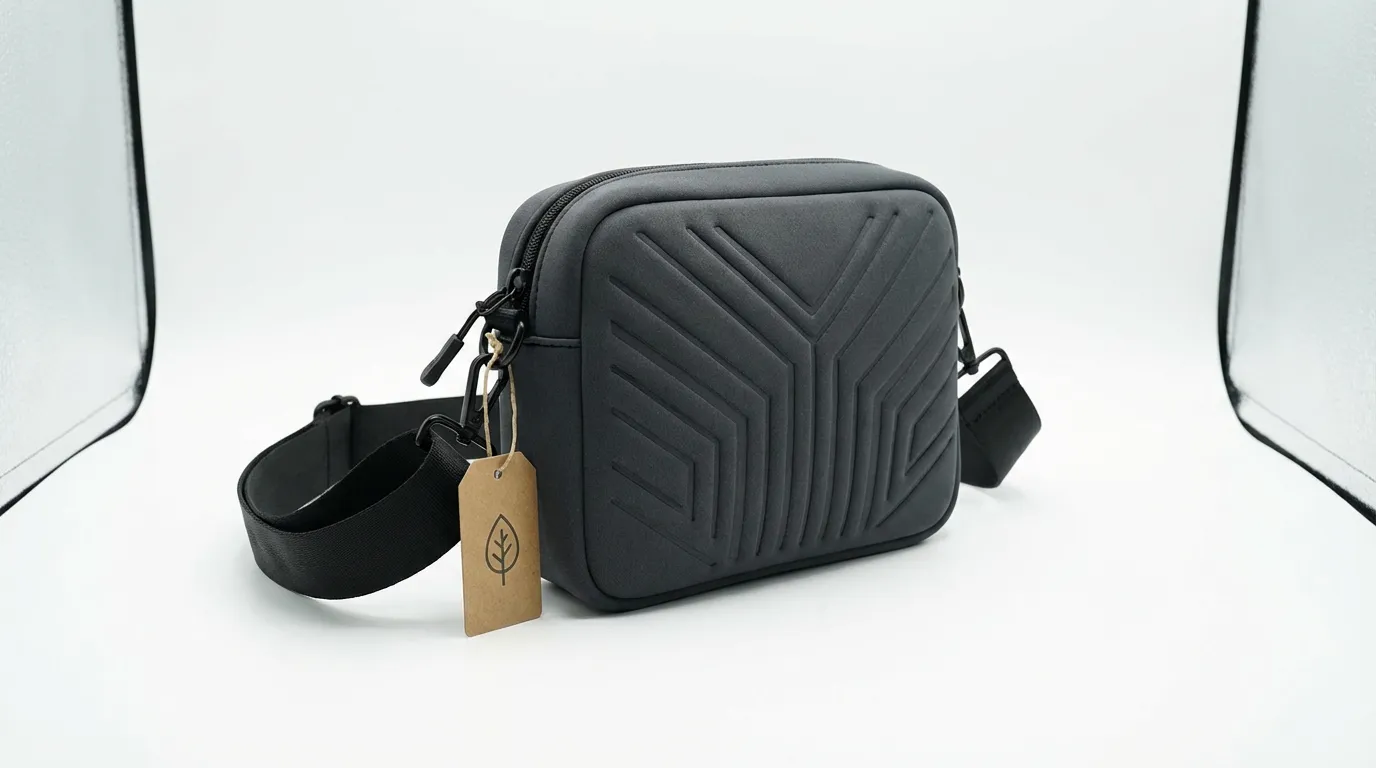
Neoprene’s unique properties allow brands to create highly targeted, value-added products that solve specific customer problems.
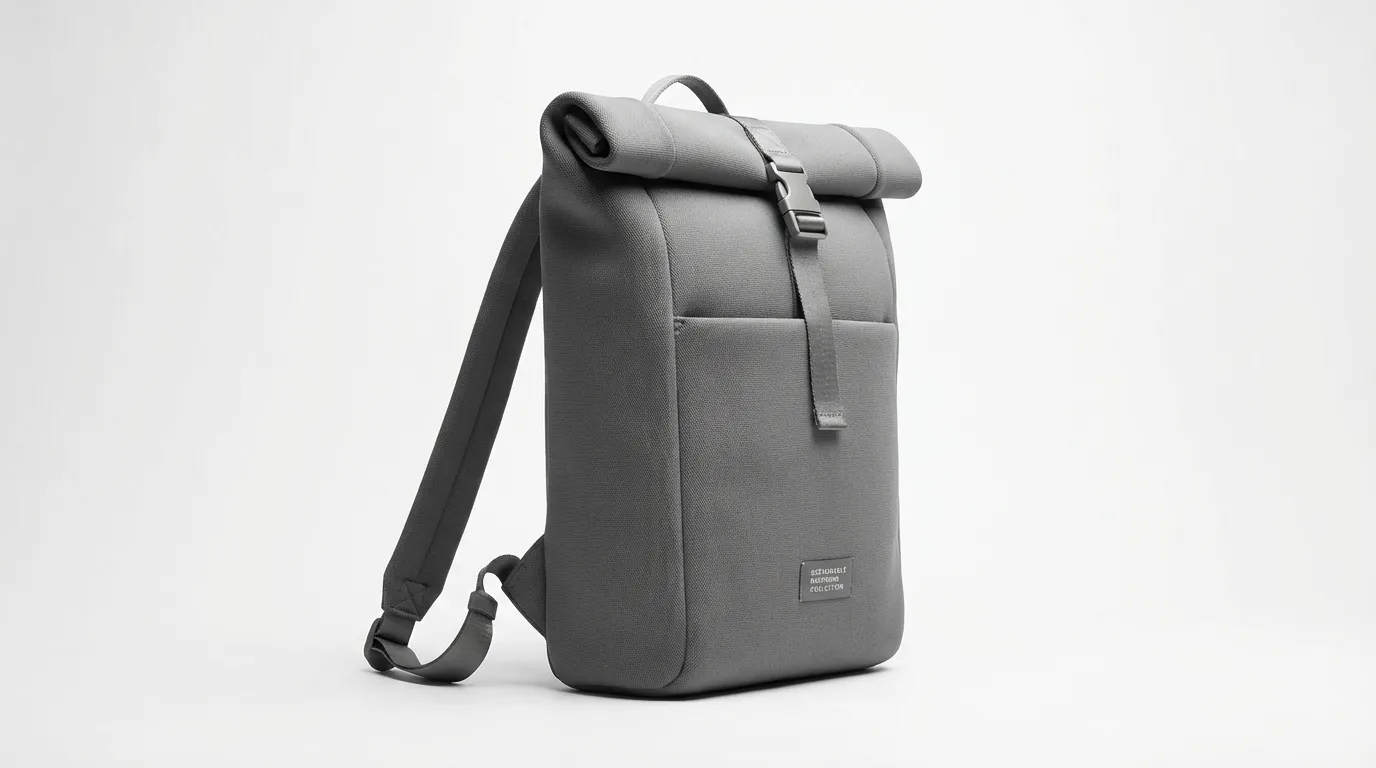
Neoprene is more than just a trendy material; it is a category creator. It provides a rare combination of high-performance technical benefits and a distinct, high-fashion aesthetic. For the B2B buyer, it offers a unique opportunity to develop products that are not just different in appearance, but functionally superior.
Whether you are creating a protective case that gives a customer peace of mind, an insulated tote that makes their day more convenient, or a fashion bag that makes a bold style statement, neoprene delivers. Successfully manufacturing with neoprene requires a partner with the right equipment, the right expertise, and a deep respect for the material’s unique properties. By understanding and leveraging these properties, your brand can create innovative products that command attention and build a loyal following.
Our Specialty & Fashion Fabric Series will continue as we explore another material defined by its unique function and legal necessity in many venues: “PVC & Clear Bags.”
Ready to dive into the innovative world of neoprene? Contact the experts at FYBagCustom. We can walk you through the options for thickness and lamination, provide samples to demonstrate the feel and quality, and help you manufacture a standout neoprene bag collection.