Tel/WhatsAapp:+86 18011919834
E-mail: chloe.x@fybagcustom.com

Tel/WhatsAapp:+86 18011919834
E-mail: chloe.x@fybagcustom.com
Send Your Inquiry Today


Welcome back to the Eco-Friendly & Sustainable Series from FYBagCustom’s Ultimate Guide. In our last installment, we explored the incredible journey of Recycled PET (rPET), a material that tackles post-consumer waste by transforming plastic bottles into high-performance fabric. Now, we shift our focus from recycling to agriculture, examining a material that addresses environmental impact at the very source: Organic Cotton.
Cotton, as we learned in Part 4 of our Core Fabric Series, is celebrated for its softness, breathability, and printability. However, the conventional methods used to farm it on a massive scale have significant environmental and social costs, relying heavily on chemical pesticides, synthetic fertilizers, and immense water consumption.
Organic cotton represents a fundamental return to farming in harmony with nature. It is not a different plant, but a different philosophy and practice of cultivation. For the B2B buyer and brand owner, choosing organic cotton is a powerful statement about health, wellness, and ecological stewardship. It’s a choice that appeals to a deeply held set of consumer values, offering a clean, safe, and responsible alternative to the status quo. This guide provides the expert B2B perspective on organic cotton, explaining the “why” behind its benefits, the standards that govern it, and how to strategically leverage it for your brand.
To truly appreciate organic cotton, we must first understand the system it seeks to replace. Conventional cotton farming, while highly productive, is one of the most chemically-intensive agricultural practices in the world.
Organic cotton farming is a system designed to work with the ecosystem, not against it. It is defined by a strict set of standards that prohibit the use of harmful chemicals and promote environmental health.
| Aspect | Conventional Cotton | Organic Cotton | The B2B Advantage & Brand Story |
|---|---|---|---|
| Seeds | Genetically Modified (GMO) | Natural, Non-GMO | Your products are free from genetically modified organisms, a key selling point for health-conscious consumers. |
| Pest Control | Synthetic Chemical Pesticides | Beneficial Insects, Crop Rotation, Trap Crops | No toxic chemical residues in the final product. Protects biodiversity and farmer health. A powerful “safe for you, safe for the planet” message. |
| Fertilization | Synthetic Nitrogen Fertilizers | Natural Compost, Animal Manure, Crop Rotation | Promotes healthy, living soil that is more resilient to drought and erosion. It’s a regenerative approach to farming. |
| Weed Control | Chemical Herbicides | Hand Weeding, Mulching, Cover Crops | Eliminates the use of harmful herbicides like glyphosate from the production chain. |
| Water Usage | Often relies on heavy irrigation. | Promotes healthy soil that retains water better, reducing irrigation needs by up to 91% in some systems. | Your brand contributes to conserving precious water resources. |
Conventional vs. Organic Cotton Farming Practices
The result of these practices is a cotton fiber that is identical in quality and softness to conventional cotton but produced in a way that is vastly superior for the planet, for the farmers, and for the end consumer.
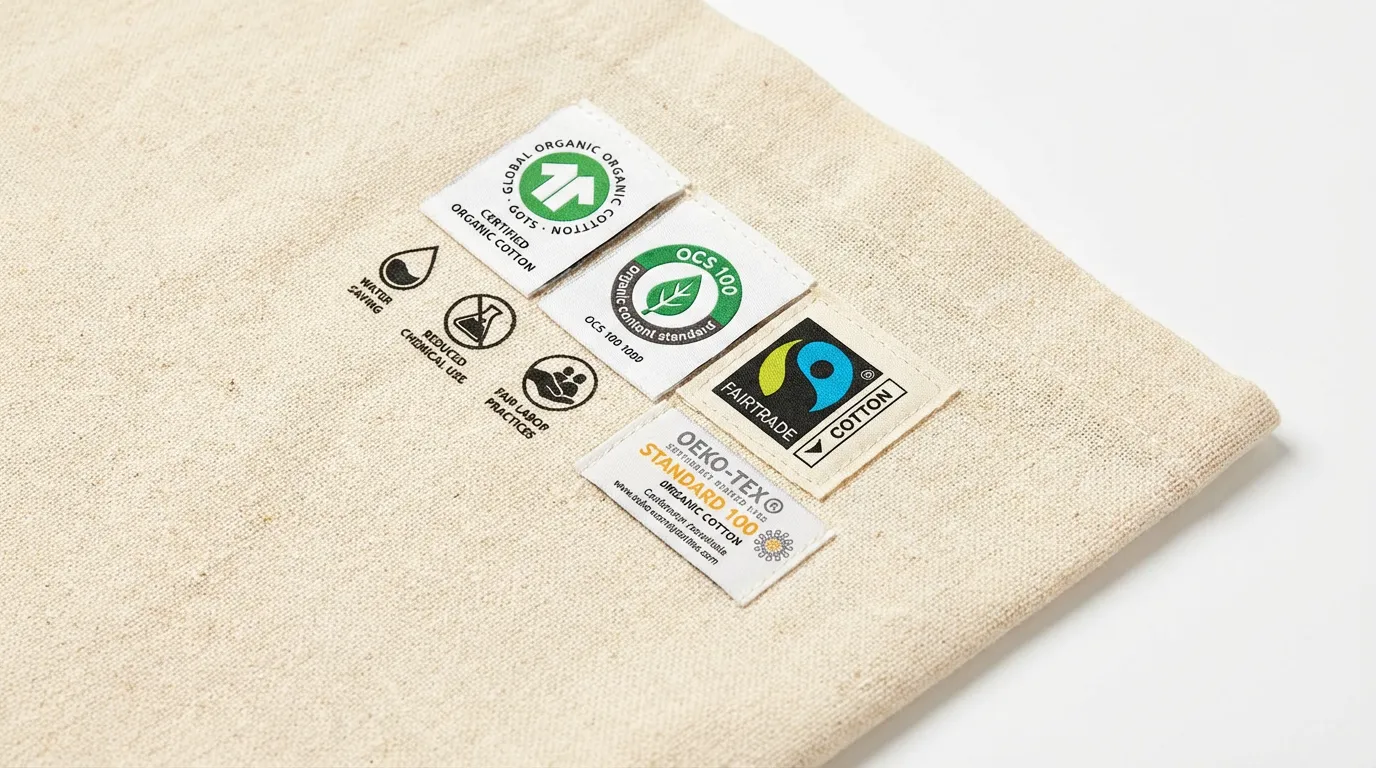
For a B2B buyer, making a claim about “organic cotton” is not enough. The market demands verification. The highest and most respected standard in the world for organic textiles is the Global Organic Textile Standard (GOTS).
What is GOTS?
GOTS is a comprehensive, third-party certification that covers the entire textile supply chain, from the farm to the finished product. It provides a level of assurance that no other standard can match.
A GOTS certification guarantees:
When you partner with a manufacturer like FYBagCustom that operates within a GOTS-certified supply chain, you gain the ability to use the GOTS logo on your products. This is an immediate and powerful signal to consumers that your sustainability claims are authentic, verified, and trustworthy.
As your manufacturing partner, we are committed to providing a transparent and reliable supply chain for our clients who choose to invest in sustainable materials.
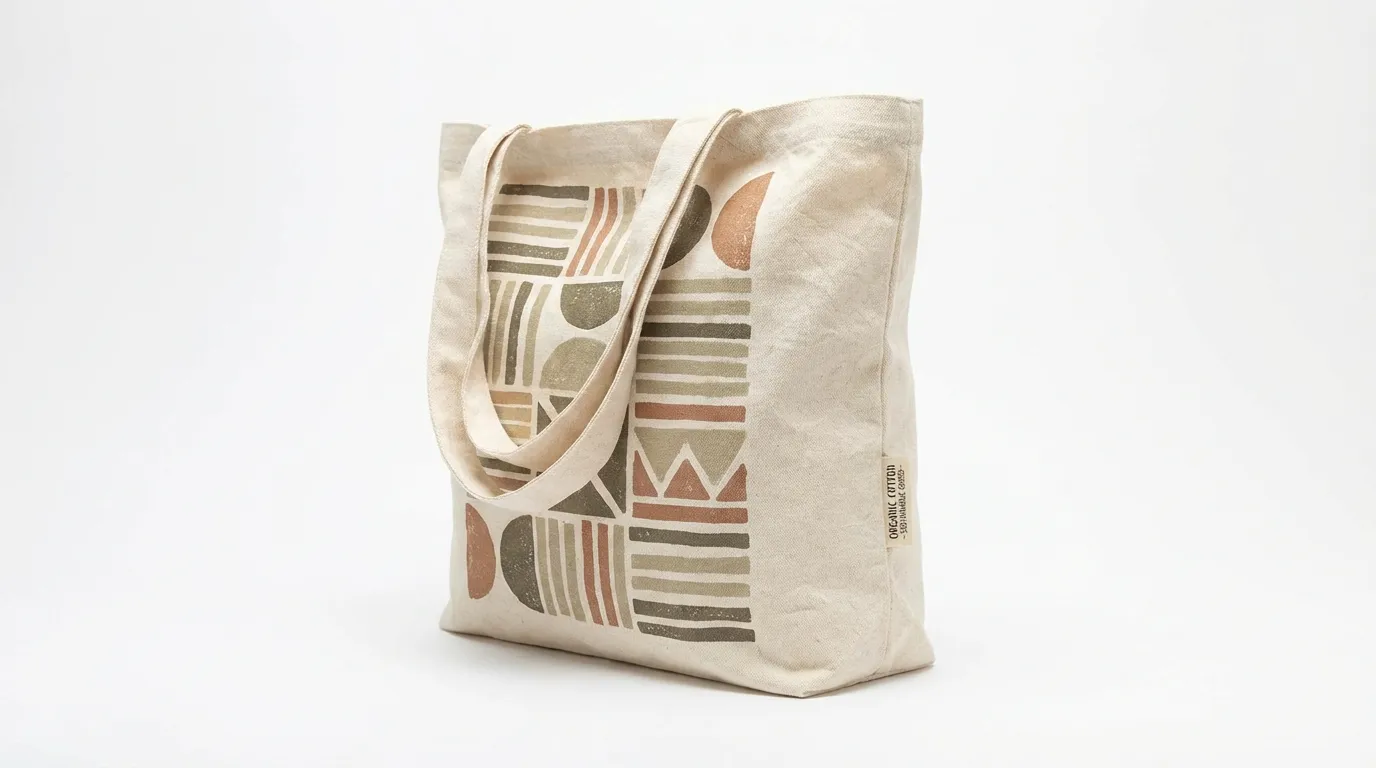
FYBagCustom is Your Trust Custom Organic Cotton Bag Manufacturing in China. We provide the certified supply chain and manufacturing expertise you need to confidently bring a truly sustainable product to market.
The choice to use organic cotton is a brand-defining decision. It is most effective when used for products and markets where a story of health, wellness, and environmental stewardship will resonate most strongly.

In a crowded market, organic cotton offers a clear point of differentiation. It is a material that tells a story of positive change, moving beyond simply “less bad” to actively promoting a healthier ecosystem. It replaces a system of chemical dependency with one of regenerative, natural cycles.
By choosing GOTS-certified organic cotton and partnering with a manufacturer who understands its importance, you are not just selling a bag. You are offering your customers a product that is cleaner, safer, and more responsible. You are demonstrating that your brand’s commitment to quality extends from the final stitch of the product all the way back to the soil it came from.
Our Eco-Friendly Series will continue by tackling the complex and innovative world of animal-free alternatives. Join us for our next article: “Vegan Leather for Bags: The Ultimate Guide to PU, PVC & Plant-Based Alternatives.”
Ready to align your brand with the powerful story of organic cotton? Contact the experts at FYBagCustom to discuss our GOTS-certified manufacturing capabilities, request samples, and start building a product that truly reflects your brand’s commitment to sustainability.