Tel/WhatsAapp:+86 18011919834
E-mail: chloe.x@fybagcustom.com

Tel/WhatsAapp:+86 18011919834
E-mail: chloe.x@fybagcustom.com
Send Your Inquiry Today

Years Manufacturing
Factory Area
Professional Staff
Inspection Rate
Our textured bag production serves fashion brands, accessories companies, Amazon FBA sellers, boutique retailers, and corporate buyers — any buyer who uses surface texture to communicate quality, position price tiers, or replicate exotic-leather aesthetics.


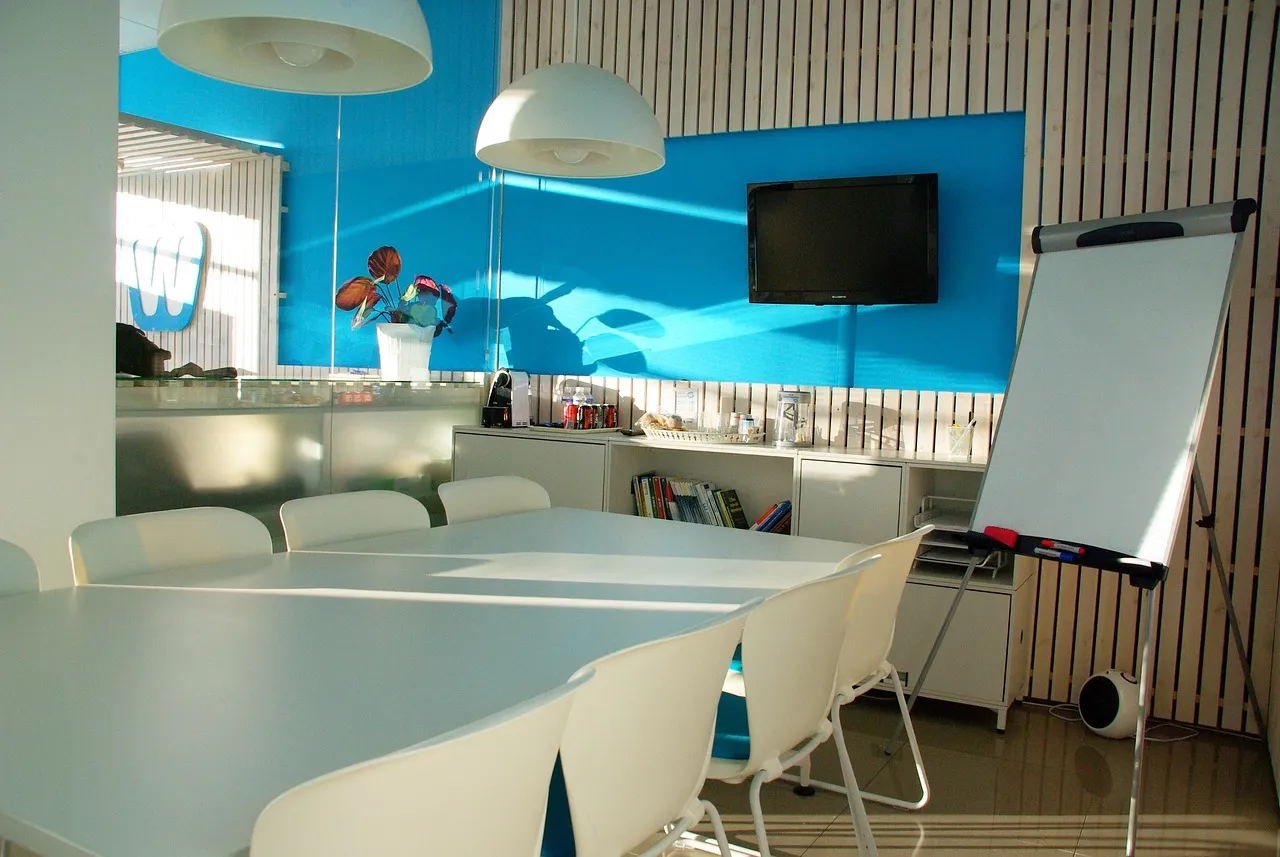
Consumers read texture before they read labels, logos, or price tags. Surface grain is the first tactile and visual signal of product quality — it positions a bag on the shelf in milliseconds. Five dynamics make texture the most efficient price-tier signal in the bag industry.

Smooth PU = entry level. Pebbled = mid-tier. Saffiano = professional. Croc-embossed = luxury-adjacent. Quilted = designer. Consumers decode this hierarchy instantly — before touching the bag, before reading the brand name, before checking the price. Texture choice IS market positioning.

Croc-embossed PU looks like crocodile leather without the $500+ price tag or ethical concerns. Ostrich-embossed mimics ostrich skin. Snake-print replaces python. Embossed texture lets brands sell exotic-animal aesthetics at accessible price points — the #1 commercial reason for embossed bags.

Textured surfaces hide scratches, scuffs, and wear far better than smooth surfaces. Saffiano cross-hatch is famous for this — travel and daily-use bags in saffiano show virtually no wear. For B2B buyers, texture isn’t just aesthetics; it’s a durability specification that reduces returns.

One PU leather base can be embossed into 8+ different textures without changing the material itself. Pebbled, saffiano, croc, ostrich, lizard, woven-print, smooth, and matte — each creates a visually distinct SKU. The fastest, lowest-cost way to expand a collection. Similar to how weave patterns multiply SKUs.

Textured bags photograph better than smooth bags. Surface grain creates light-and-shadow interplay that makes product photos look more dimensional, more premium, and more tactile on screen. For Amazon and e-commerce sellers, texture makes thumbnails stand out — a measurable conversion advantage.
Every bag silhouette benefits from texture — but certain textures pair more naturally with certain bag types. Saffiano with structured handbags. Quilted with shoulder bags. Croc with clutches. Pebbled with totes. Here are the eight most-ordered textured bag formats.
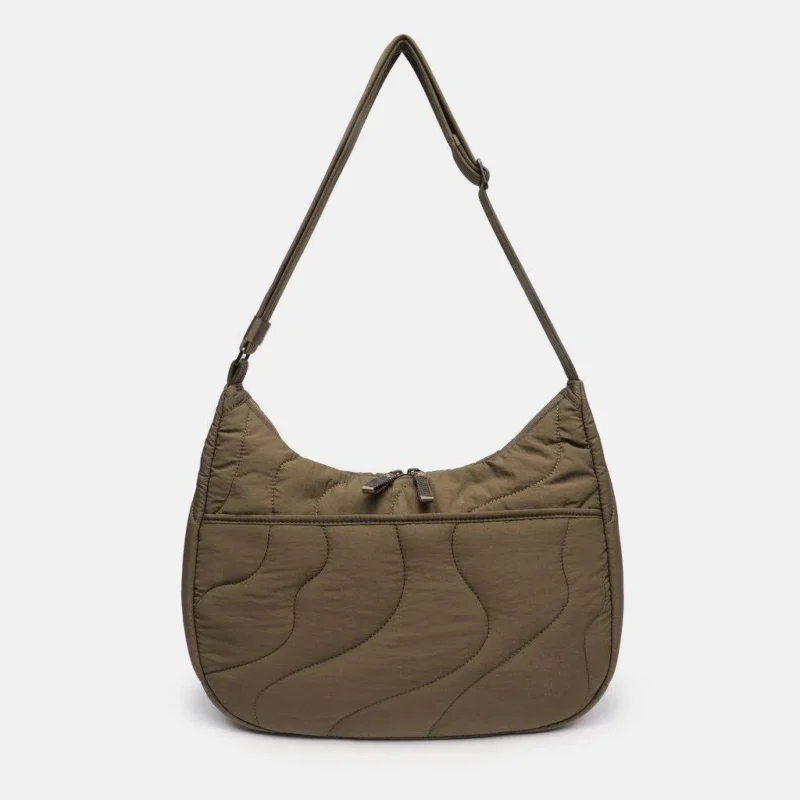
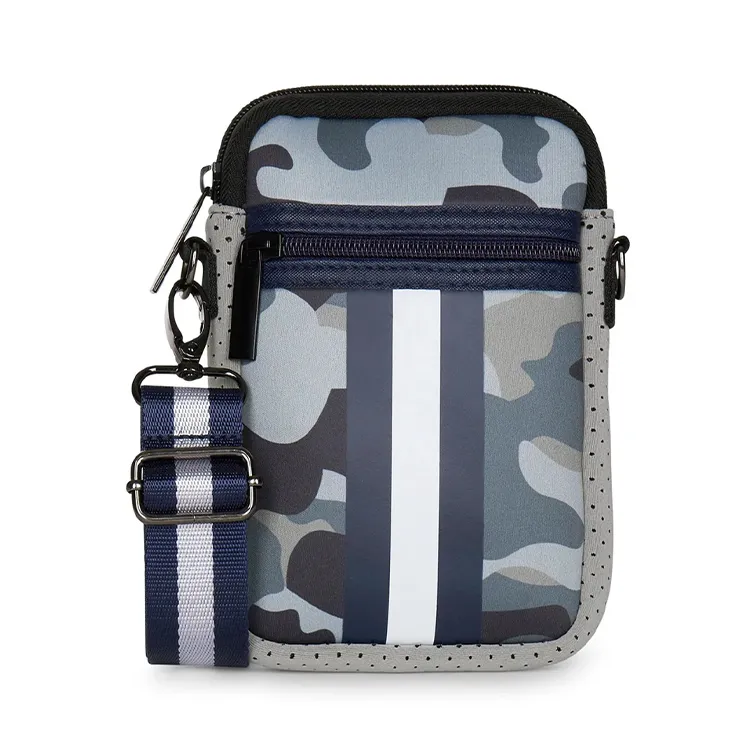
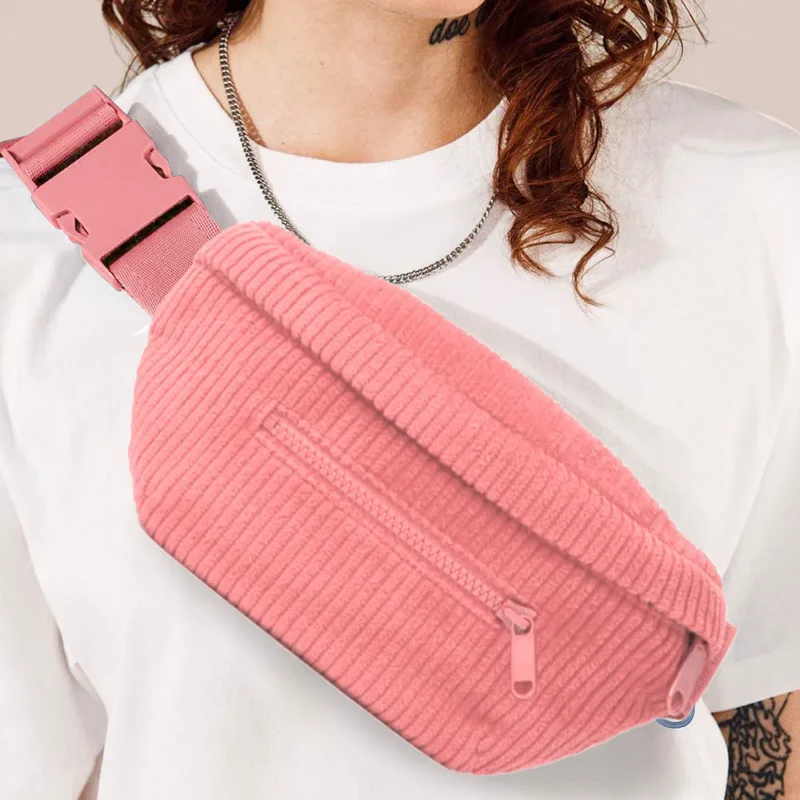
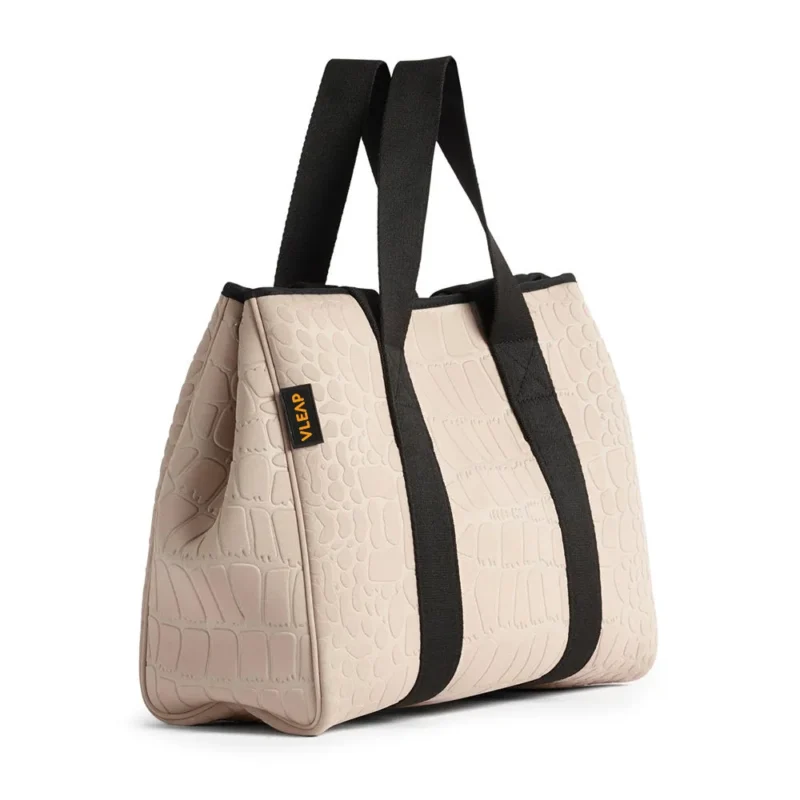
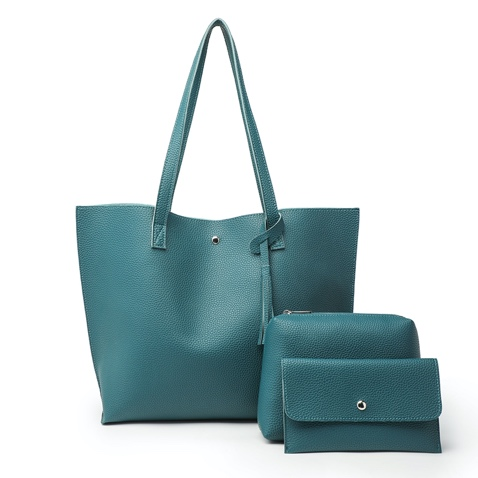
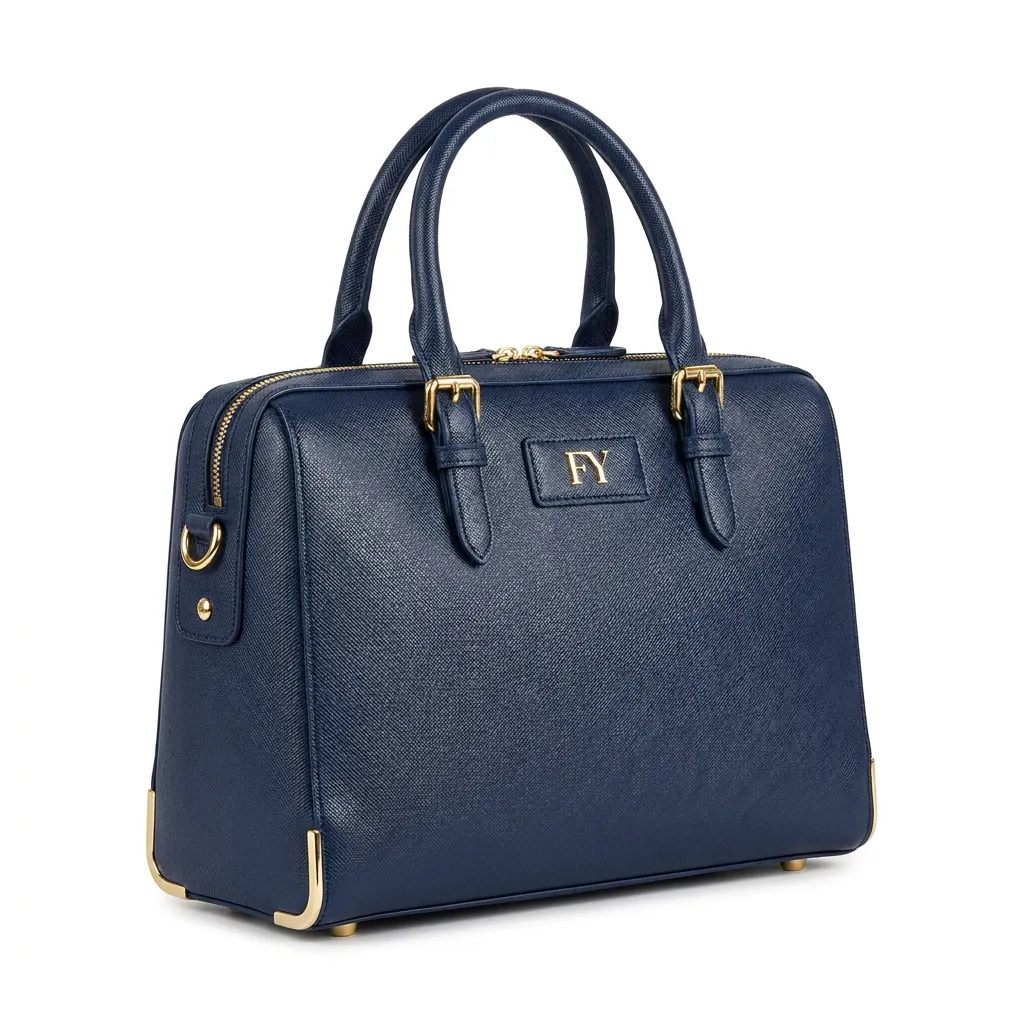
Cross-hatch embossed PU leather handbag. The texture most associated with professional, business-ready positioning. Superior scratch resistance for daily carry. The modern-classic textured bag — clean lines, structured shape, saffiano surface.
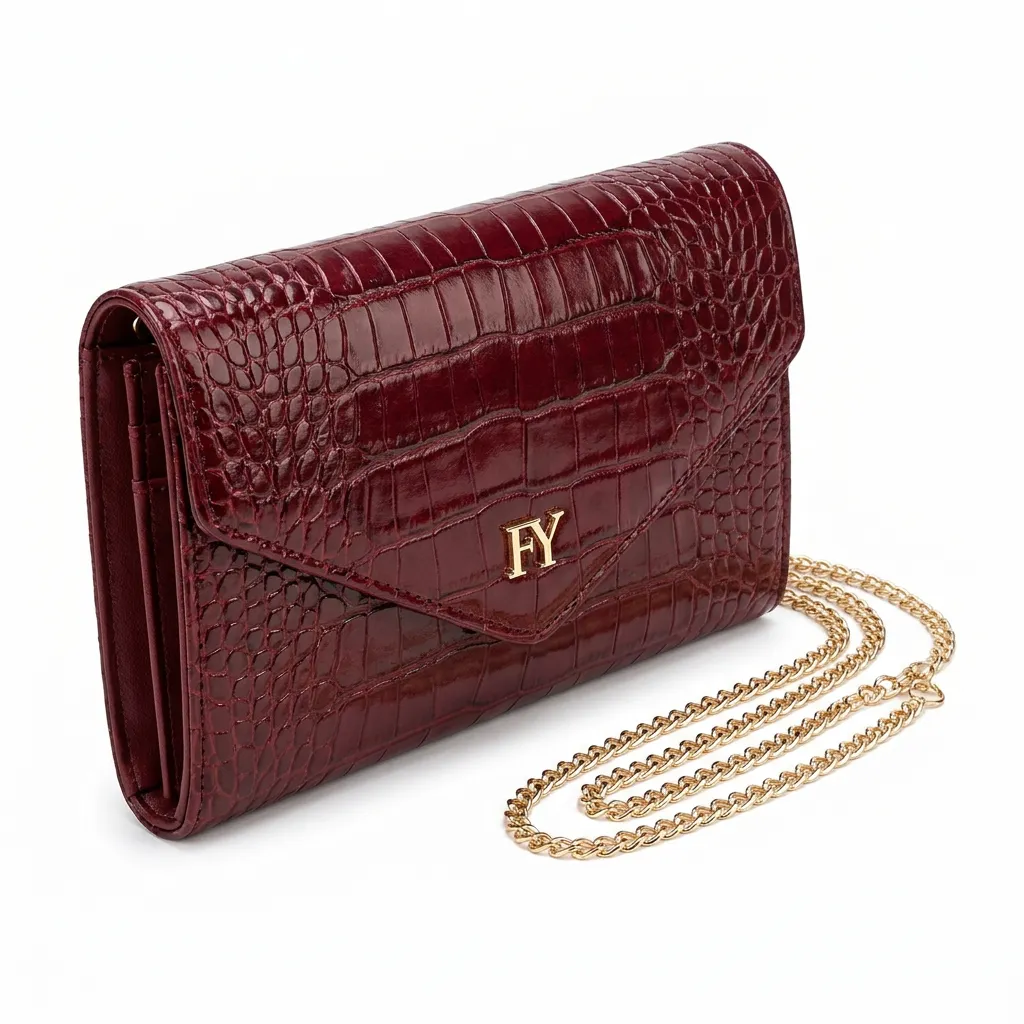
Crocodile-pattern embossed PU or genuine leather clutch. Luxury-adjacent positioning at accessible pricing. Evening, bridal, and special-occasion applications. Often paired with chain or metallic hardware embellishments.
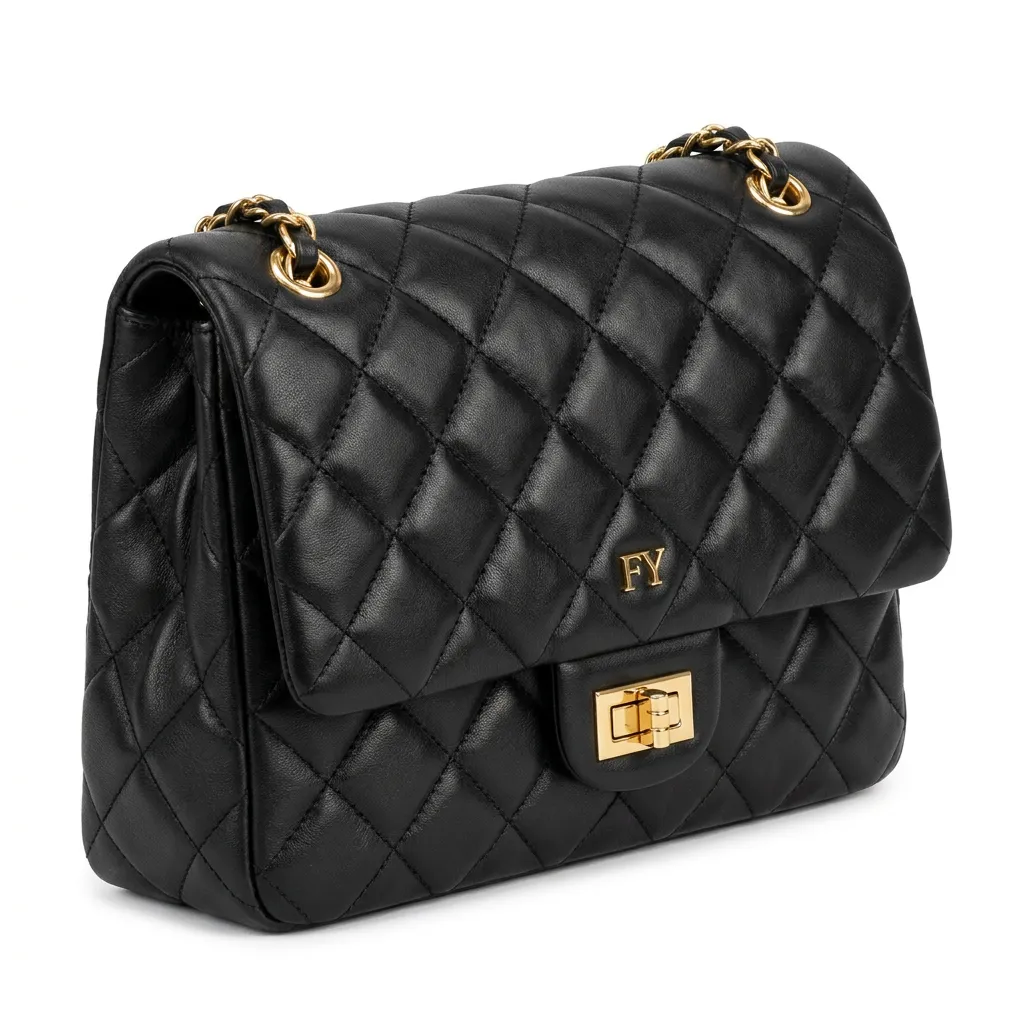
Diamond or square-quilted shoulder bag with padded foam between outer shell and lining. Designer-adjacent positioning. PU leather, nylon, or genuine leather. Chain strap or leather strap. The highest-premium textured format.
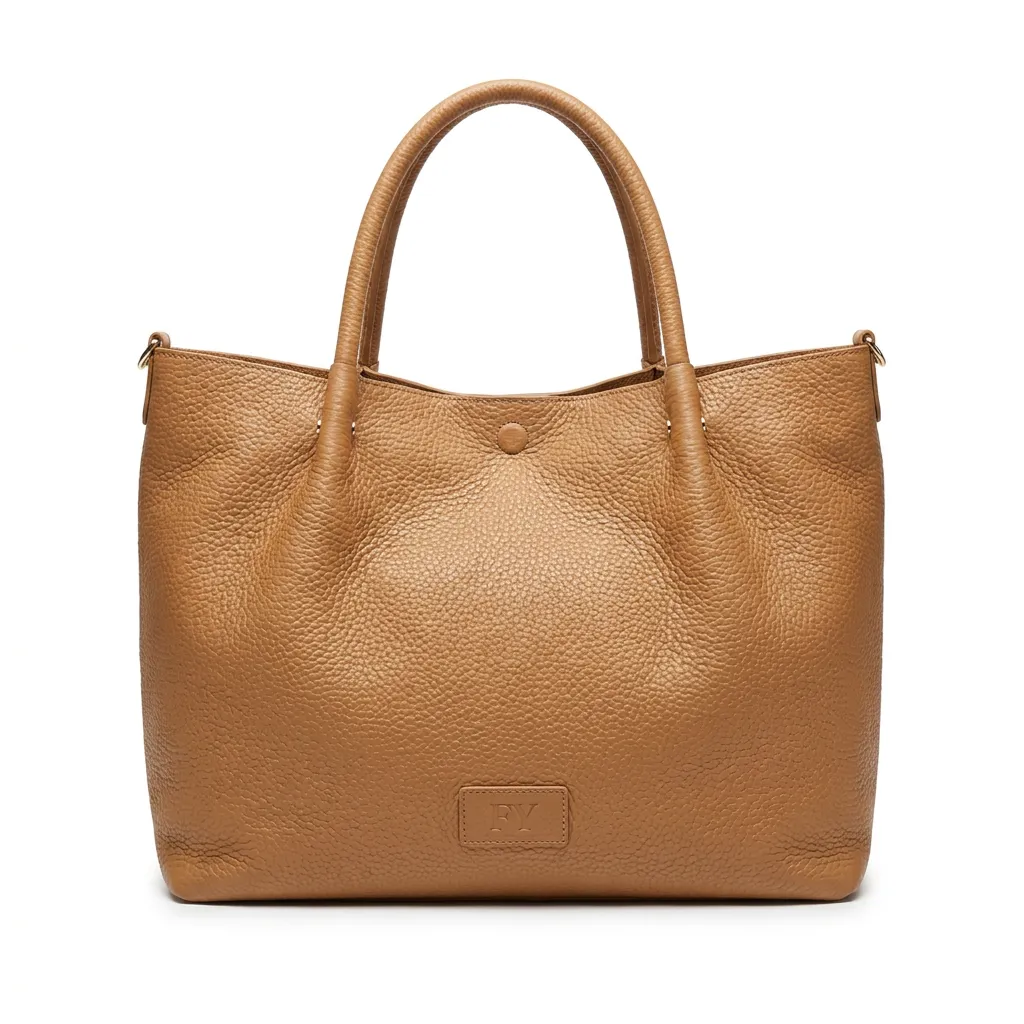
Pebbled-surface PU or genuine leather tote. The versatile, universally flattering texture — hides scratches, reads mid-tier-to-premium, works in every color. The default texture for professional work totes and everyday carry.
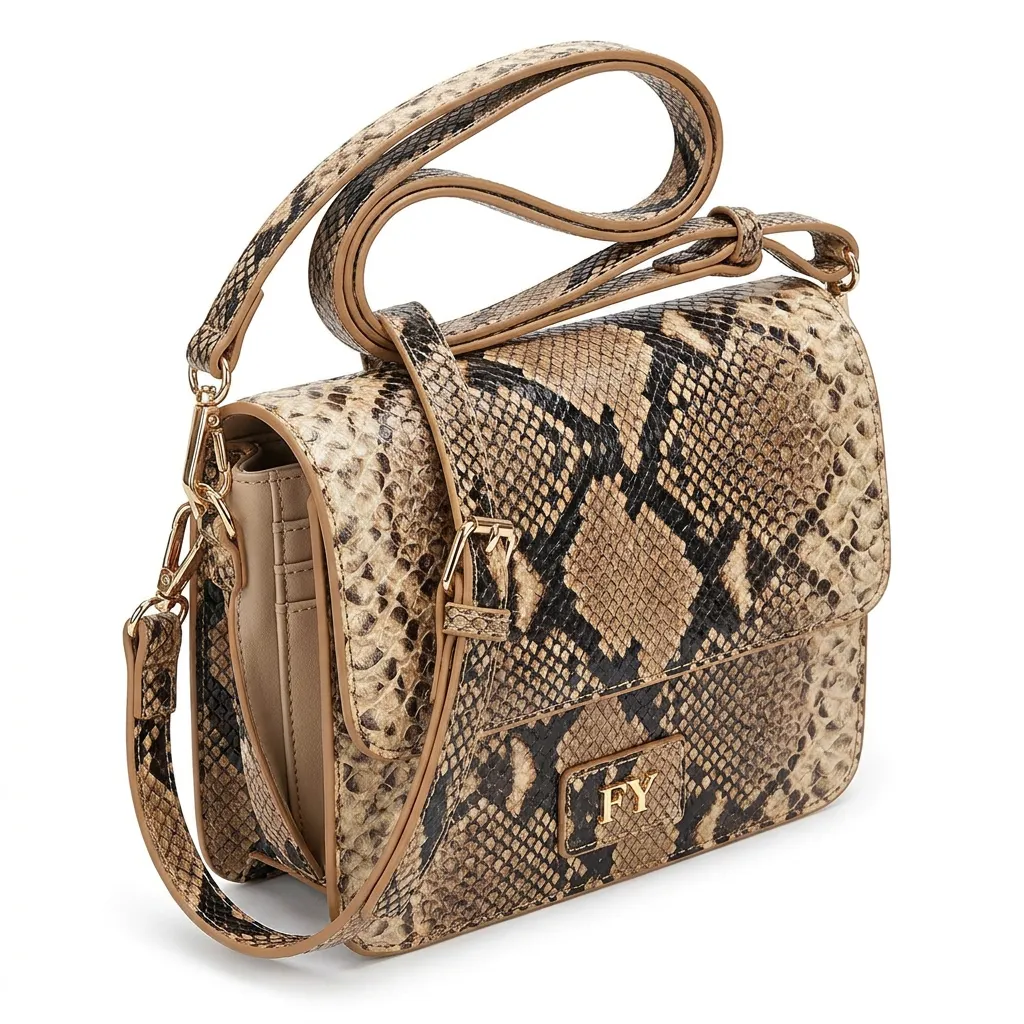
Python-pattern embossed or printed PU leather crossbody. Fashion-forward exotic aesthetic. Multi-color options (natural, metallic, neon). Trend-driven — cycles in and out but always present in fashion collections. Strong on Amazon in fashion-accessories category.
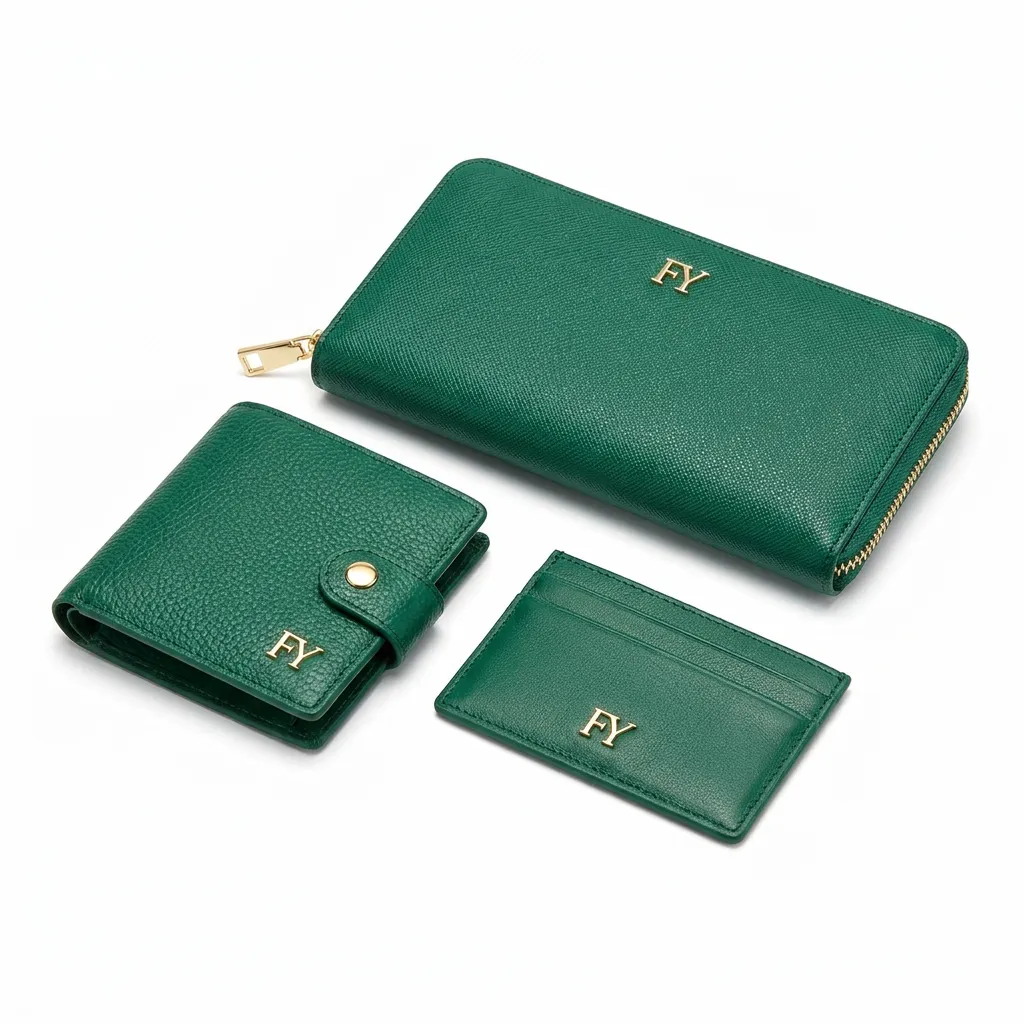
Saffiano, croc, or pebbled-embossed PU leather wallets and card holders. Gift-set and corporate-gift staple. Often bundled with matching textured bags for coordinated collections. High perceived value per unit cost.
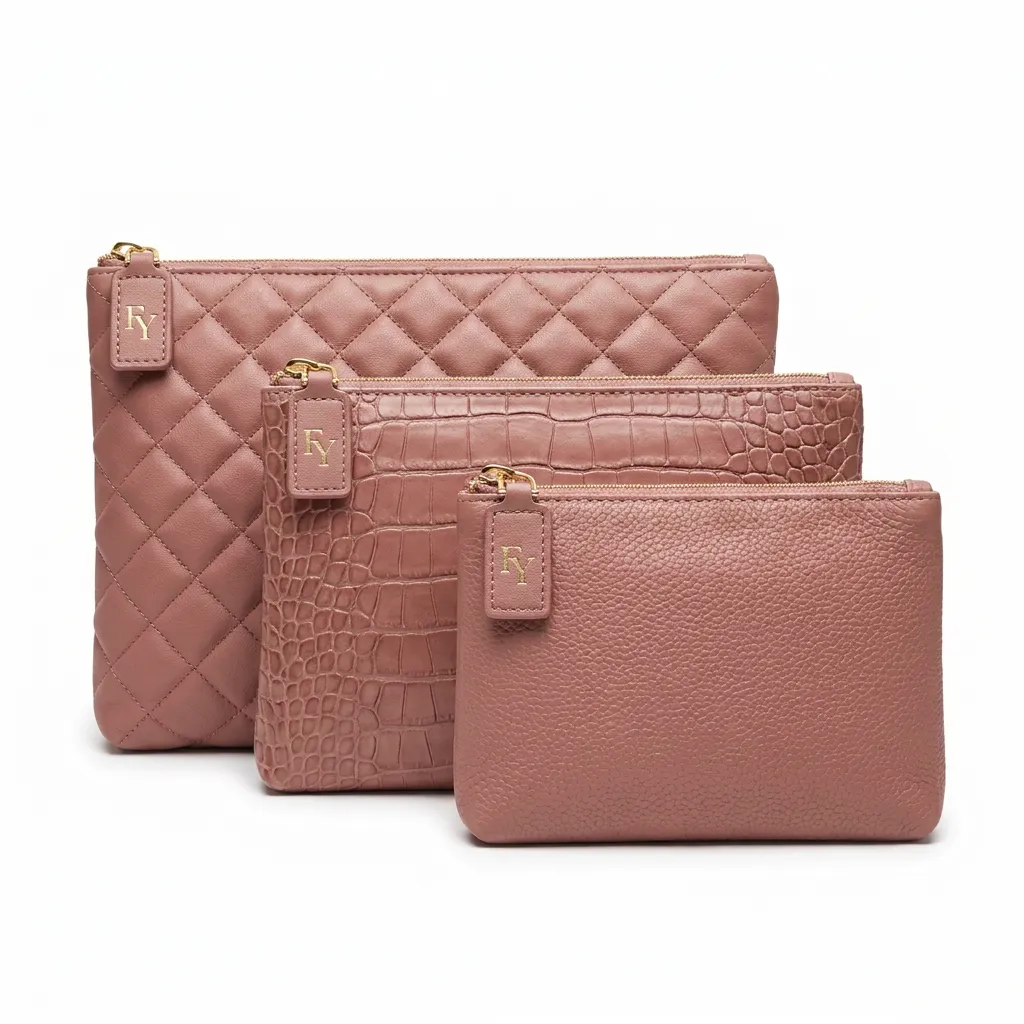
Saffiano, croc, or pebbled-embossed cosmetic pouch in S/M/L nested sets. Corporate gifts, subscription boxes, and holiday gift sets. Textured surface reads premium even on small-format items. Year-round demand with Q4 spike.
Each texture has a different production method, target market, price-tier signal, and practical benefit. The texture you choose positions your product more powerfully than any label or tagline. Here’s the full taxonomy with sourcing implications for each.
Small, irregular bumps across the entire surface. The most versatile texture — mid-tier positioning, excellent scratch resistance, universally flattering in every color. The default “non-smooth” PU leather texture. Embossed via heated roller. Lowest embossing cost. Works on every bag type.
Diagonal cross-hatch pattern creating a rigid, structured surface. Professional, business-ready positioning. The best scratch resistance of any texture — saffiano bags show almost no wear after months of daily use. Associated with premium Italian leather goods. Embossed via heated roller on PU leather or genuine leather.
Rectangular-scale pattern mimicking crocodile or alligator hide. Luxury-adjacent positioning. The #1 exotic-look texture — enables luxury aesthetics at 5–10% of real exotic-skin cost. Embossed via heated roller. Available in PU or genuine leather. Glossy or matte finish. Best on clutches, handbags, and wallets.
Dot-cluster pattern mimicking ostrich skin’s distinctive quill follicles. Premium exotic-look positioning — softer and more organic than croc. Embossed on PU or genuine leather. Less common than croc, which makes it more distinctive. Best on structured handbags and evening bags.
Irregular diamond-scale pattern mimicking snake or python skin. Fashion-forward, trend-driven. Often used with multi-color or metallic finishes (natural tan, iridescent, neon). Embossed or printed on PU leather. The most trend-sensitive exotic texture — cycles in and out of fashion faster than croc or ostrich.
Fine, uniform rectangular-scale pattern — smaller and more delicate than croc. Subtle luxury signal. Often used on small leather goods: wallets, card holders, and compact crossbodies. Less visually dramatic than croc, which makes it more suitable for everyday professional use. Embossed on PU or genuine leather.
Diamond, square, or chevron quilted pattern with foam padding between outer shell and lining. The only texture that is both surface treatment AND construction method — requires padding, quilting stitches or bonded channels, and careful alignment. Designer-adjacent positioning. The highest-premium texture. PU leather, nylon, or genuine leather. Production cost 30–50% higher than embossed.
Fabric gathered into parallel folds (pleated) or irregular gathers (ruched) creating sculptural 3D texture. Inherent texture — achieved through construction, not embossing. Trending strongly: cloud bags, pillow clutches, gathered pouches. Nylon, polyester, satin, or PU leather. Moderate-to-high construction complexity.
Printed or embossed pattern that mimics a woven interlace without actual strip weaving. Flat PU leather with woven-look surface. Lower cost and faster production than actual woven construction. For buyers who want the woven aesthetic at embossed-texture pricing. Embossed or digitally printed.
Untextured, flat surface — either high-gloss smooth or matte-finished. The baseline against which all textures are measured. Entry-level positioning unless paired with premium hardware or construction. Smooth PU is the lowest-cost surface but also the most scratch-prone. Matte finish is trending as a modern minimalist alternative to gloss.
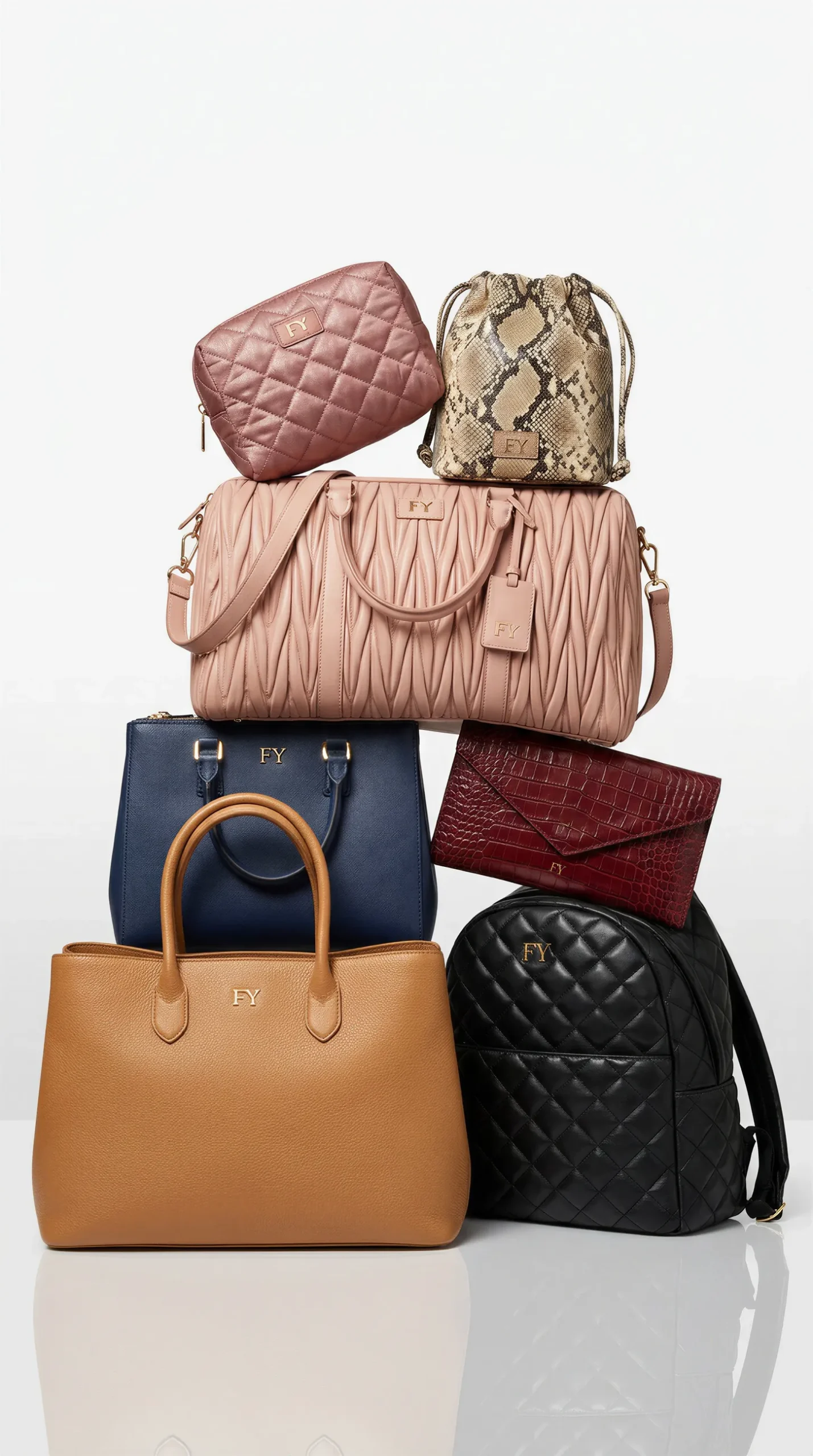
Not all texture is created the same way. Embossed texture is pressed into flat material using heated rollers — it’s a surface treatment applied to finished PU or leather. Inherent texture is built into the material through construction — quilting, pleating, ruching, or weaving physically shape the material. The production method determines cost, scalability, durability, and perceived value.
We produce both types in-house and recommend the right approach based on your target price tier, production volume, and desired aesthetic.
Embossed Texture
Pattern pressed into flat material using heated embossing rollers. Pebble, saffiano, croc, ostrich, snake, lizard, woven-print — all embossed. Fully automated at the material-supply stage — the PU or leather arrives pre-embossed from the roll. No additional factory processing. Lowest texture cost. Highest consistency. The default for 80%+ of textured PU leather bags.
Inherent Texture
Texture created through material construction, not surface pressing. Quilting (padding + stitch lines), pleating (gathered folds), ruching (irregular gathers), and actual weaving (interlaced strips). Requires additional factory processing — quilting machines, pleating jigs, or hand-gathering. 30–60% higher production cost than embossed. Higher perceived value. Harder to scale at high volumes.
Cost Comparison
Embossed: near-zero incremental cost — the embossing is done at the PU/leather mill, not in the bag factory. The bag factory receives pre-embossed material at the same price as smooth material (or marginal premium). Inherent: 30–60% production cost premium — quilting requires foam + stitching; pleating requires jig + gathering; both add labor, material, and time.
Durability
Embossed: texture is permanent on PU leather (bonded at high heat). On genuine leather, deep embossing is permanent; light embossing may soften with wear and develop patina. Inherent: quilting is permanent (stitched/bonded); pleating may relax over time depending on fabric and stitch density. Quilting is the most durable inherent texture.
Scalability
Embossed: unlimited scale — material is embossed at the mill in continuous rolls. No production-speed impact at the bag factory. 100,000+ pcs same as 500 pcs. Inherent: limited by quilting-machine capacity and pleating-jig throughput. Quilting adds 1–3 days to production timeline. Dense pleating adds 2–5 days. Hand-ruching is slowest.
Best For
Embossed: exotic-look replicas (croc, ostrich, snake), professional textures (saffiano, pebble), high-volume Amazon and wholesale orders, corporate gifts, any product where consistency and cost control matter most. Inherent: designer-adjacent positioning (quilted), trend-driven fashion (pleated/ruched cloud bags), premium boutique retail, any product where visible construction justifies premium pricing.
Every textured bag leaves our Guangzhou factory with consistent, verified surface quality. In-house design, quilting, cutting, sewing, and QC. Pre-embossed material sourced from 200+ verified suppliers. 10+ production lines. Sample turnaround in 5–7 days.
Free Add-on: Professional Product Photography Included
Free white-background product photos for your online shop, Amazon listings, and wholesale catalogs — no additional charge on production orders.
Textured bags combine specialized surface materials with standard bag construction — lining, hardware, closures, and finishing. The texture material IS the design; everything else follows standard production methods.
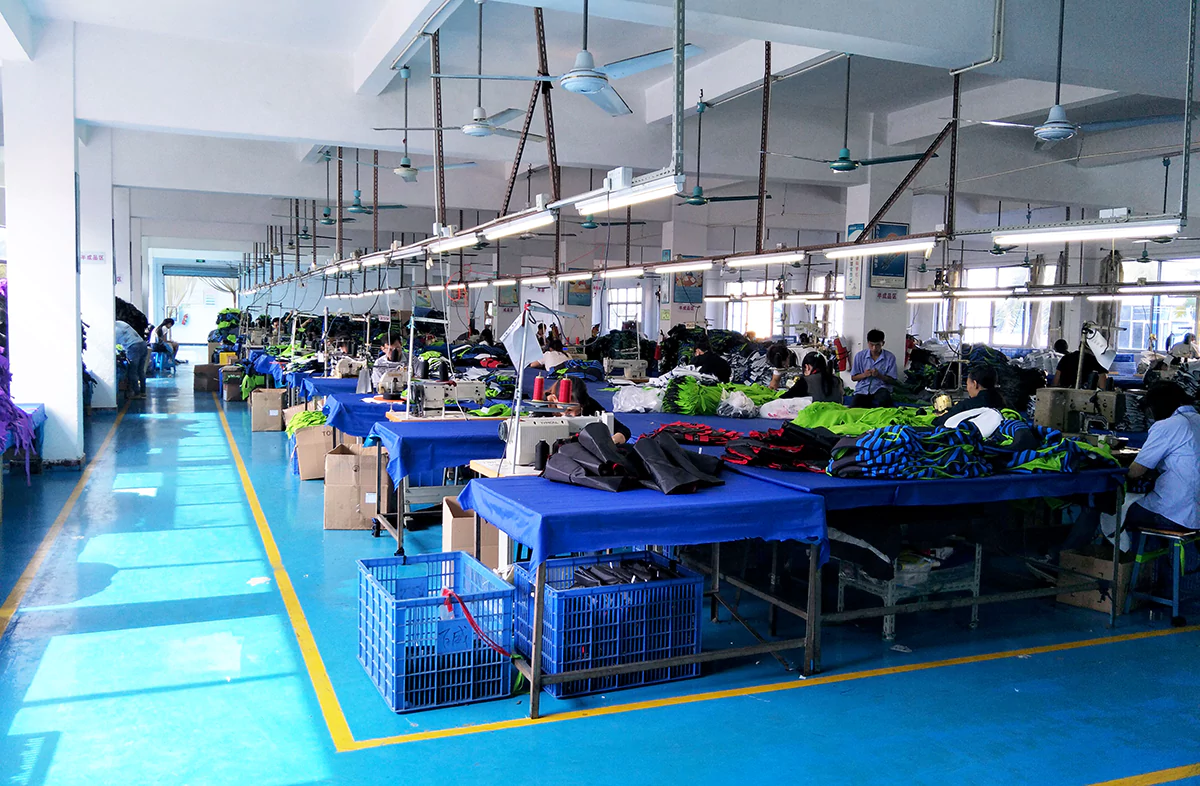
FY Bag Custom operates its own vertically integrated factory in Guangzhou, Guangdong — design, quilting, cutting, sewing, hardware installation, and QC all under one roof. Our textured bag production benefits from Guangzhou’s position as China’s largest PU leather and embossed-material sourcing hub — we have direct access to 200+ PU and genuine leather suppliers offering every embossing pattern in our texture taxonomy.
For inherent textures (quilting, pleating), we operate in-house quilting machines and pleating jigs that maintain pattern consistency across batches. Embossed materials arrive pre-textured from the mill; inherent textures are created on our production floor. Both paths share the same sewing, assembly, and QC lines with our leather bag and handbag production.
Years in Manufacturing
Factory Floor Area
Professional Staff
Production Lines
Monthly Capacity
Pre-Shipment Inspection
Textured bags face category-specific QC risks — embossing depth inconsistency between material rolls, quilting stitch misalignment, pleat relaxation, color variation across textured surfaces, and embossing cracking at fold points. Our 6-stage QC targets each one. Third-party inspections (SGS, BV, TUV) welcome.
Embossing depth and pattern consistency verified across rolls — comparison against approved swatch. Color consistency checked across rolls and dye lots. PU coating adhesion tested (tape test). Genuine leather embossing depth verified. Quilting foam density and thickness measured. Rejected rolls isolated before cutting.
PPS delivered in 5–7 days with final textured material, hardware, and construction. Texture swatch comparison photographed and documented. Quilting alignment verified. Mass production starts only after your written sign-off on texture quality, color, and overall construction.
Embossed panels cut with pattern direction verified — croc scales, saffiano cross-hatch, and snake pattern all have directionality that must be consistent across all panels on one bag. Quilting lines aligned across seams. Pleats matched at panel junctions.
Textured material flex-tested at fold points — embossed PU is checked for surface cracking after 200+ flexes. Quilted panels flex-tested for foam delamination. Saffiano and croc-embossed checked at zipper curves and gusset folds. Cracking at fold points is the most common embossed-PU defect.
Every finished textured bag inspected one by one — embossing consistency, color uniformity, quilting alignment, hardware function, lining, branding placement, and overall surface quality. Texture-specific defects (shallow embossing, cracking, misaligned quilting) caught at this stage.

Textured bags packed with tissue stuffing and individual dust bags or polybags to prevent surface compression and embossing flattening during transit. Quilted bags packed with extra stuffing to maintain padding loft. Container loading photos and videos sent within 24 hours.
Embossed-texture bags follow standard production timelines — the texture is pre-applied at the material mill. Quilted and pleated bags add 3–7 days for inherent-texture construction. Sample in 5–7 days, bulk in 20–35 days.
Day 1–2
Send tech pack + texture reference; FOB quote in 24 hours.
Day 3–12
Textured prototype with swatches in 5–7 days via DHL.
Day 13–15
30% T/T deposit; balance before shipment.
Day 16–42
Daily WIP photos including texture-consistency checks.
Day 43–48
100% inspection + flex and surface-quality testing.
Day 46–55
Sea, air, express, or direct-to-FBA.
Sample Lead Time
5–7 Days
Mass Production
25–35 Days
Payment Terms
30% T/T · 70% Before Shipment
Shipping Terms
FOB · CIF · DDP · Amazon FBA
Over the past 15+ years, FY has manufactured textured bags for fashion brands, boutique retailers, gift companies, and Amazon FBA sellers worldwide.
OEM production of structured handbags in 4 embossed textures — pebble, saffiano, croc, and ostrich — using the same base silhouette. Each texture creates a visually distinct SKU at minimal tooling cost. 6 colorways per texture. Retail-ready packaging. FOB to US and EU. Retail $35–65 depending on texture tier.
ODM partnership on croc-embossed PU leather crossbody in 8 colorways including metallic gold, metallic silver, and classic black. Gold hardware. FNSKU labeling, Amazon packaging, macro texture photography. Air-shipped to FBA in US and UK. Ranked top 30 in “crocodile crossbody bag” within 45 days.
Branded saffiano-textured PU leather wallet and card holder gift set. Debossed company logo. Rigid gift box with magnetic closure. 3,000-piece order for annual client gifting program. CIF delivery in 25 days. Reordered annually with color refresh.
Global Shipping Options
•Sea Freight
•Air Freight
•Express (DHL, FedEx, UPS)
•Rail Freight
•Door-to-Door
•Direct-to-Amazon FBA
Straight answers to the questions bulk-order buyers ask most often about custom textured bag production.
Pebble grain and saffiano cross-hatch are the best textures for daily-use bags. Both hide scratches and scuffs better than any other texture. Saffiano is the industry standard for scratch resistance — it shows almost no wear after months of daily carry. Pebble grain is slightly softer and more casual. For daily-carry bags, we strongly recommend one of these two textures over smooth or exotic-embossed.
On PU leather, yes — embossing is bonded at high heat during the material manufacturing process and is permanent under normal use. On genuine leather, deep embossing is permanent; light or heat-only embossing may soften over time as the leather develops patina, which some buyers consider a desirable quality. We clarify the embossing permanence for each material at the sampling stage.
Embossed-texture bags (pebble, saffiano, croc, etc.) have the same MOQs as standard bags — the embossing is done at the material mill, not in our factory, so there’s no additional setup cost. Quilted and pleated bags may have moderately higher minimums due to additional construction steps. Custom embossing patterns (your own exclusive texture) require minimum material order from the mill. Contact us for specifics.
Quilting is both a surface texture AND a construction method. It requires foam padding (3–5mm) layered between the outer shell and lining, then stitched or bonded in a pattern (diamond, square, chevron). This makes quilting 30–50% more expensive than embossed textures, which are just a surface pattern on flat material. Quilting also adds 3–7 days to production. The trade-off is justified by significantly higher retail pricing and designer-adjacent positioning.
Yes. Multi-texture combinations — saffiano body + smooth trim, croc flap + pebbled body, quilted front + smooth sides — create the most visually complex products and the strongest differentiation. We engineer panel transitions so textures meet cleanly at seams. Multi-texture bags require careful cutting-pattern management to ensure texture directionality is consistent.
Low-quality embossed PU can crack at high-flex points (zipper curves, gusset folds). We flex-test all embossed materials at the incoming-inspection stage — 200+ flex cycles at fold points. Materials that show cracking are rejected before cutting. We source from verified PU suppliers with cracking-resistance specifications. Cracking risk is lowest on pebble and saffiano, moderate on croc and ostrich (deeper emboss = more flex stress).
Yes. FNSKU labeling, Amazon-compliant packaging, and carton labeling handled at our Guangzhou factory. Texture-detail photography (macro and close-up shots showing surface grain) included free — essential for communicating texture quality in online listings.
Yes. European Industrial Park, Shiling Town, Huadu District, Guangzhou. Monday–Saturday. Video tours available for remote buyers.
Send us your texture reference, swatch, or sample — we’ll come back within 24 hours with a detailed FOB quotation covering texture type, base material, finish, hardware, and packaging. Texture-detail photography included free. No templates, no copy-paste pricing.
