Tel/WhatsAapp:+86 13366396425
E-mail: chloe_xia@vleap.com.cn

A backpack price can refer to multiple points in the supply chain: retail selling price (MSRP or street price), wholesale price, or factory (ex-works) unit cost for OEM/ODM production. “Average price” is therefore not a single universal number; it is typically expressed as price bands tied to product segmentation (school/daypack, travel, technical outdoor, and luxury fashion) and to manufacturing complexity.
In mainstream outdoor and travel retail assortments, backpacks commonly span from under $50 to over $200 depending on category and brand tier. Luxury fashion backpacks operate in a separate pricing regime, with list prices commonly in the several-thousand-dollar range for major maisons.
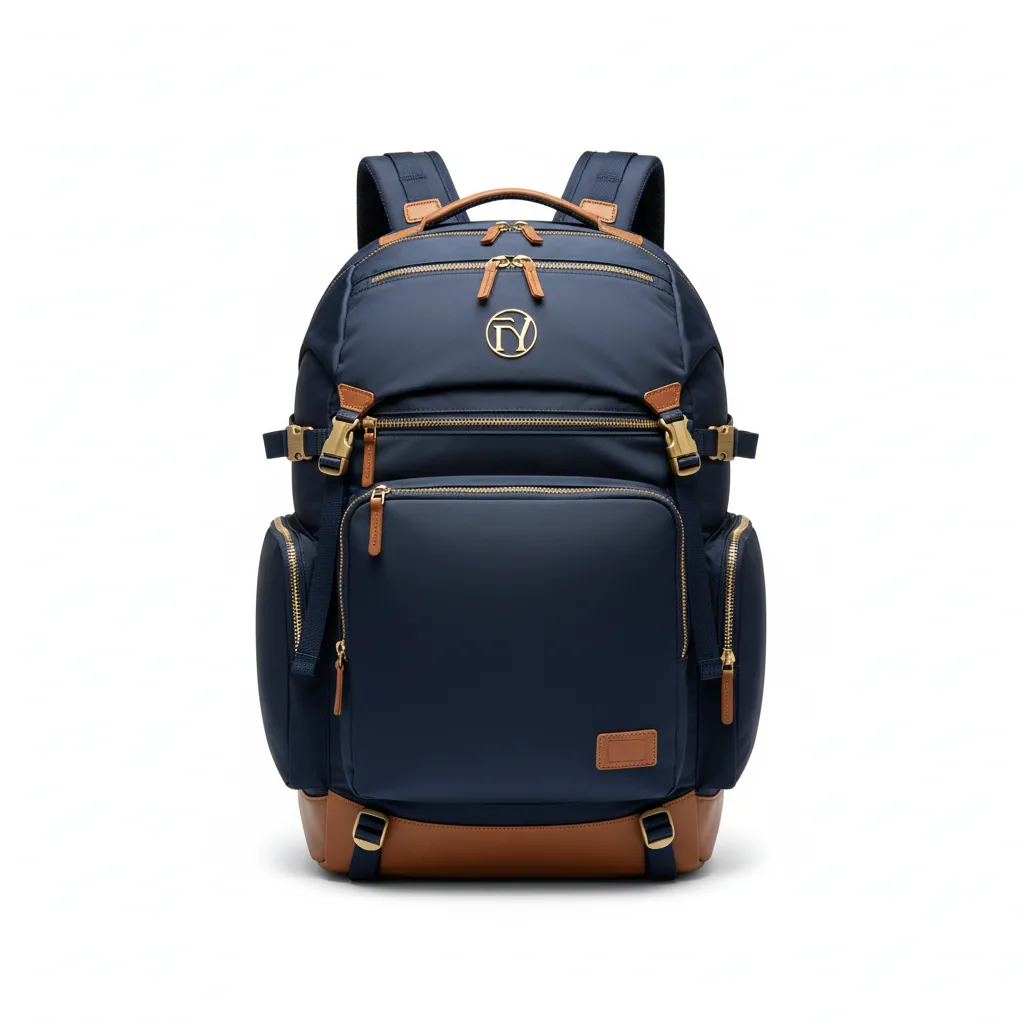
In bag manufacturing and sourcing, the term “average price” is usually clarified into one of three definitions:
Retail ranges can be evidenced directly in category guides and product listings (for example, REI notes travel backpacks and daypacks starting under $50 and extending above $200). Factory cost ranges are usually treated as quotation bands rather than published market statistics, because they vary by specification and order structure.
Retail pricing correlates strongly with construction type (unframed soft packs vs framed technical packs), materials, hardware, and brand positioning. Outdoor editorial and retailer references illustrate that “suitable” technical packs can extend from under $100 up to around $700 in the backpacking segment, while everyday/travel categories often cluster below that ceiling.
| Segment (retail) | Typical price band | Common construction indicators (manufacturing-relevant) |
|---|---|---|
| Budget / promotional / entry | <$50 | Basic polyester shells, minimal foam structure, simpler pocketing and trims; often optimized for high-volume purchasing. |
| Mainstream daypack / commuter | $50–$150 | Higher density foams, improved strap patterns, heavier-duty zippers and organization panels; common “core” retail tier. Example MSRP: $115 for a major-brand daypack model. |
| Travel and feature-heavy carry-on packs | $150–$300 | Larger pattern sets, laptop compartments, stowable harness features, higher labor minutes; example retail listing at $200 for a 40L travel pack. |
| Technical backpacking (framed) | $200–$350+ | Frame integration (aluminum/steel stays or equivalent), load lifters, advanced harness geometry; editorial segmentation often places “balanced” backpacking packs in this range. |
| High-end technical / specialty | Up to ~$700 (and sometimes higher) | Premium suspension systems, specialty materials, or high-cost design elements; example cited at $700 for a flagship pack. |
| Luxury fashion / designer | ~$2,000–$6,000+ | Price driven primarily by brand positioning and luxury materials/finishing; an official listing page shows a women’s backpack price range of $2,630–$5,330 for one maison. |
Summary: The “average” retail price in the broad market is better represented as a tiered distribution: entry products below $50, mainstream products around $50–$150, travel/technical products commonly $150–$350, and a specialized ceiling that can reach ~$700 for high-end outdoor packs, with luxury fashion far above these bands.
Backpack prices rise as the product shifts from a soft goods container to a load-bearing system. In manufacturing terms, the largest step-changes in cost usually come from:
| Driver | Typical effect on factory unit cost | Typical effect on retail price tier |
|---|---|---|
| More compartments / access zips | Increases cutting/sewing operations; higher zipper consumption | Moves entry → mainstream/travel |
| Foam + structured back panel | Adds materials and assembly; tighter tolerances for comfort | Moves mainstream → premium |
| Frame/stays + load lifters | Adds hardware, frame parts, and harness engineering | Moves premium → technical |
| Advanced materials/coatings | Higher raw material cost; higher inspection burden | Moves technical toward high-end |
| Luxury leather/branding/finishing | High material yield control; time-intensive finishing | Defines luxury tier |
Summary: From a factory quotation standpoint, the most “expensive” backpacks are typically those with high labor minutes (complex assembly) and high component counts (frames, dense trims), while luxury pricing often reflects brand economics more than incremental cut-and-sew complexity.
“Custom backpack” can mean anything from a logo on a stock model to a fully engineered new pattern with proprietary materials. Each option changes MOQ, sampling cost, and the achievable unit cost.
| Custom type | What changes | Typical MOQ patterns (indicative) | Pricing implication (directional) |
|---|---|---|---|
| Logo on an existing stock backpack | Decoration only (screen print/heat transfer/embroidery) | Often lower MOQs (e.g., ~50–100 units cited for stock bags with simple decoration) | Lowest development cost; higher unit price than large-volume factory runs |
| Semi-custom (material/color + minor panel edits) | Fabric selection, colorways, pockets, labels, packaging | Frequently cited in the several-hundred range; some sources cite ~500 pieces per style for semi-custom manufacturing | Moderate development cost; unit cost improves with volume |
| Full custom (new pattern + engineered features) | New pattern, tooling where needed, unique trims, performance specs | Commonly tied to supplier/material MOQs and production planning; mass production lead times of ~50–75 days are cited by some sourcing guidance | Highest development cost; most sensitive to MOQ and material minimums |
Summary: The “budget-to-luxury” spread in custom programs is often driven less by the silhouette and more by how much is truly custom (engineering + materials + trims) and by whether the order can clear upstream material minimums without surcharge.
From a factory perspective, backpack pricing is typically built from a quotation model that separates fixed costs (pattern engineering, sampling, line setup), semi-fixed costs (small-lot inefficiency, supplier surcharges when buying below minimums), and variable costs (fabric and trim consumption, labor minutes, packaging, and unit-level QC). (FY Custom Bag Manufacturer)
Key manufacturing realities that affect “average” custom pricing include:
FYBagCustom is a B2B custom bag manufacturer specializing in private-label and OEM/ODM bag production for international brands, wholesalers, and retailers, with experience across a wide range of materials, product categories, and manufacturing standards.
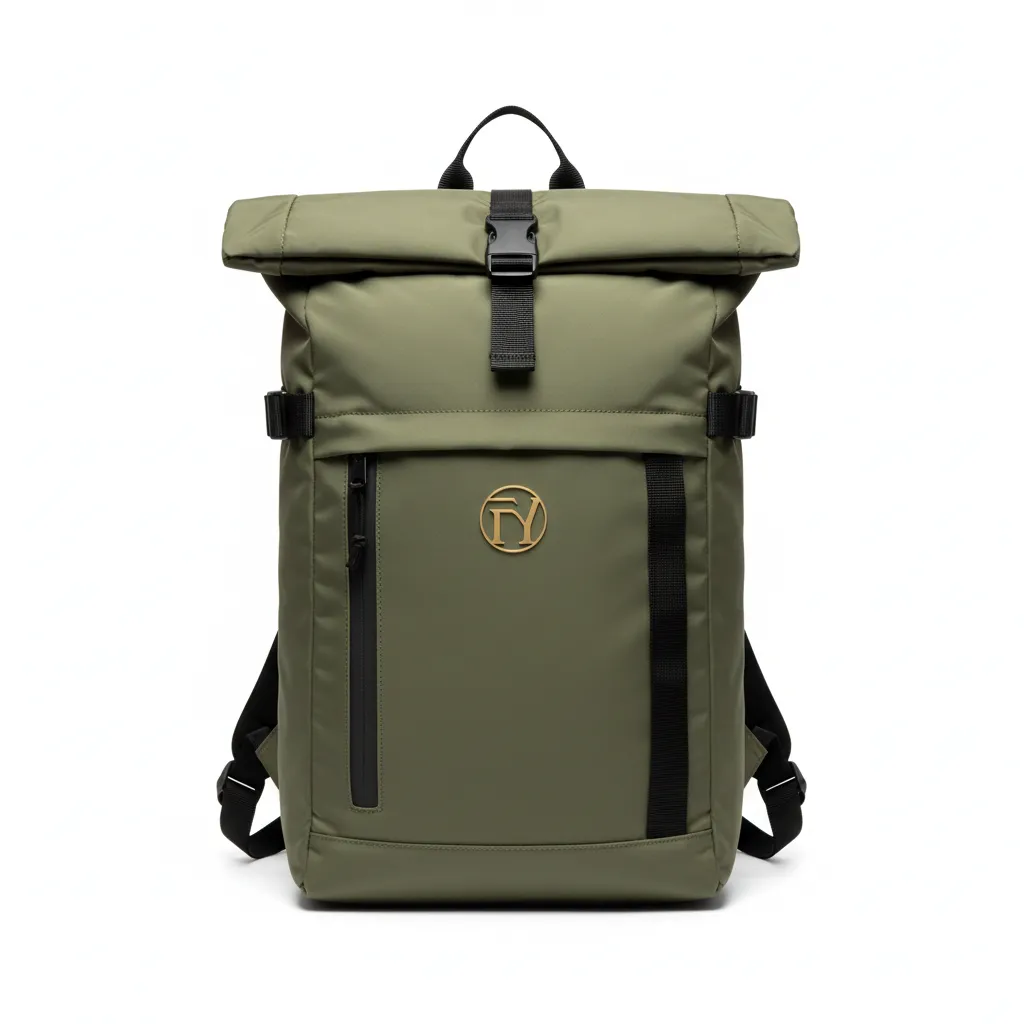
The “average price” of a backpack is best represented as segmented price bands rather than a single figure. Mainstream retail categories commonly span from under $50 to over $200, technical backpacking packs can extend toward ~$700 in high-end examples, and luxury fashion backpacks commonly sit in the multi-thousand-dollar range. In custom manufacturing, price variation is dominated by how much is truly custom, MOQ and material minimums, and labor/component intensity, which is why factory cost guidance is typically quoted as broad ranges rather than a universal average.