Tel/WhatsAapp:+86 13366396425
E-mail: chloe_xia@vleap.com.cn


Welcome to a new chapter of The Ultimate Guide to Custom Bag Fabrics. Having mastered the Core Fabrics from Canvas to Leather, we now turn to a topic that is no longer a niche but a core business imperative for modern brands: Sustainability. This marks the launch of our Eco-Friendly & Sustainable Series, where we will explore the innovative materials shaping a more responsible future for the bag industry.
We begin with one of the most impactful and compelling stories in sustainable manufacturing: Recycled PET (rPET) Fabric.
For the conscious B2B buyer, rPET is more than just a material; it is a powerful statement. It represents a tangible solution to the global plastic waste crisis, transforming post-consumer plastic bottles—one of the world’s most persistent pollutants—into a durable, versatile, and high-performance textile. Choosing rPET is not a compromise; it is an upgrade in brand value, offering a compelling narrative that resonates deeply with today’s environmentally aware consumers.
This guide will take you deep inside the world of rPET manufacturing. As a factory at the forefront of sustainable sourcing, we will illuminate the incredible journey from a plastic bottle to a finished fabric, explain its performance characteristics compared to virgin polyester, and demonstrate how leveraging rPET can become a cornerstone of your brand’s identity and marketing strategy.
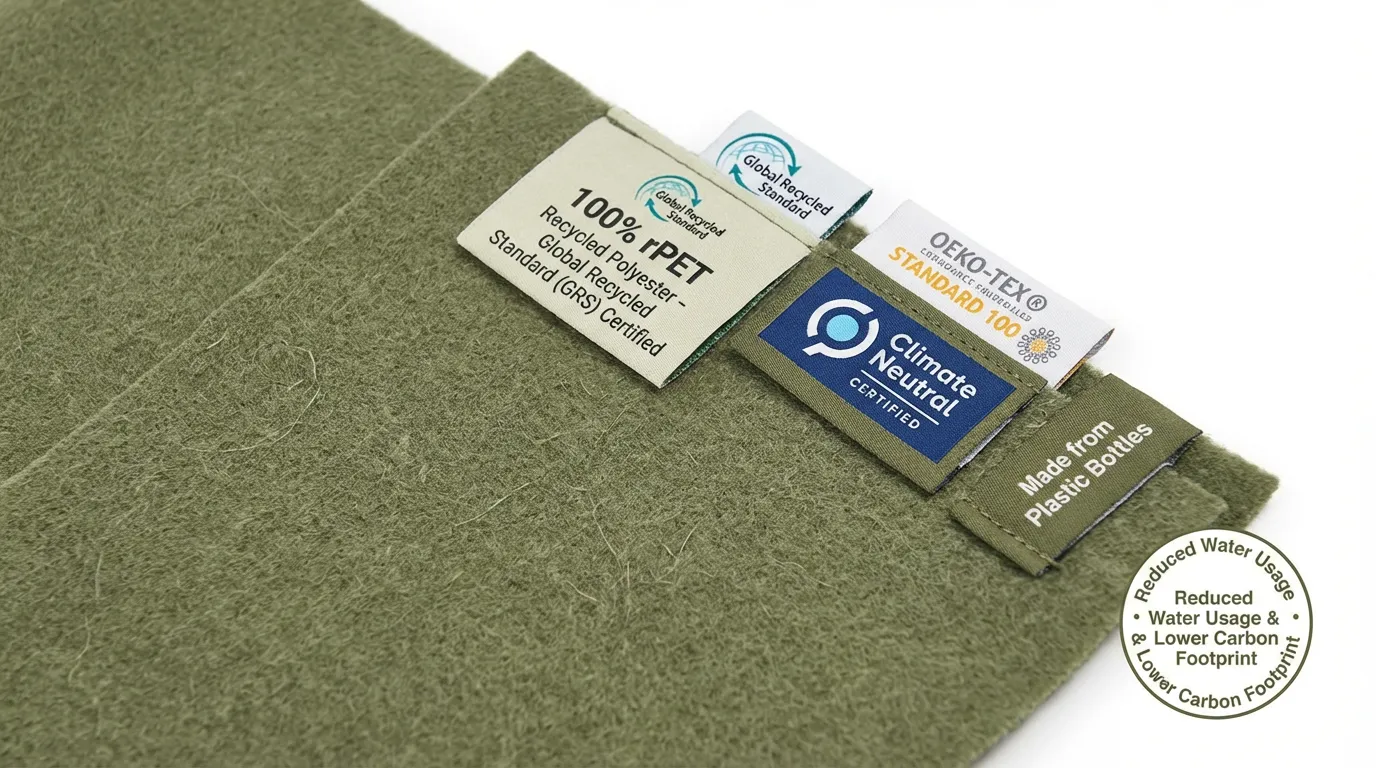
To appreciate the value of rPET, it’s essential to understand the remarkable transformation it undergoes. The process is a triumph of modern recycling technology, turning single-use waste into a durable, reusable asset.
First, a quick refresher from our guide on Polyester. PET stands for Polyethylene Terephthalate, a strong, lightweight, and clear plastic. It is the polymer used to make single-use beverage bottles, and it is also the raw material for virgin polyester fabric. rPET fabric is simply polyester that is made from recycled PET bottles instead of from new, petroleum-based resources.
At FYBagCustom, we partner with certified mills that follow a meticulous process to ensure the quality and integrity of the rPET fabric we use in our clients’ bags.
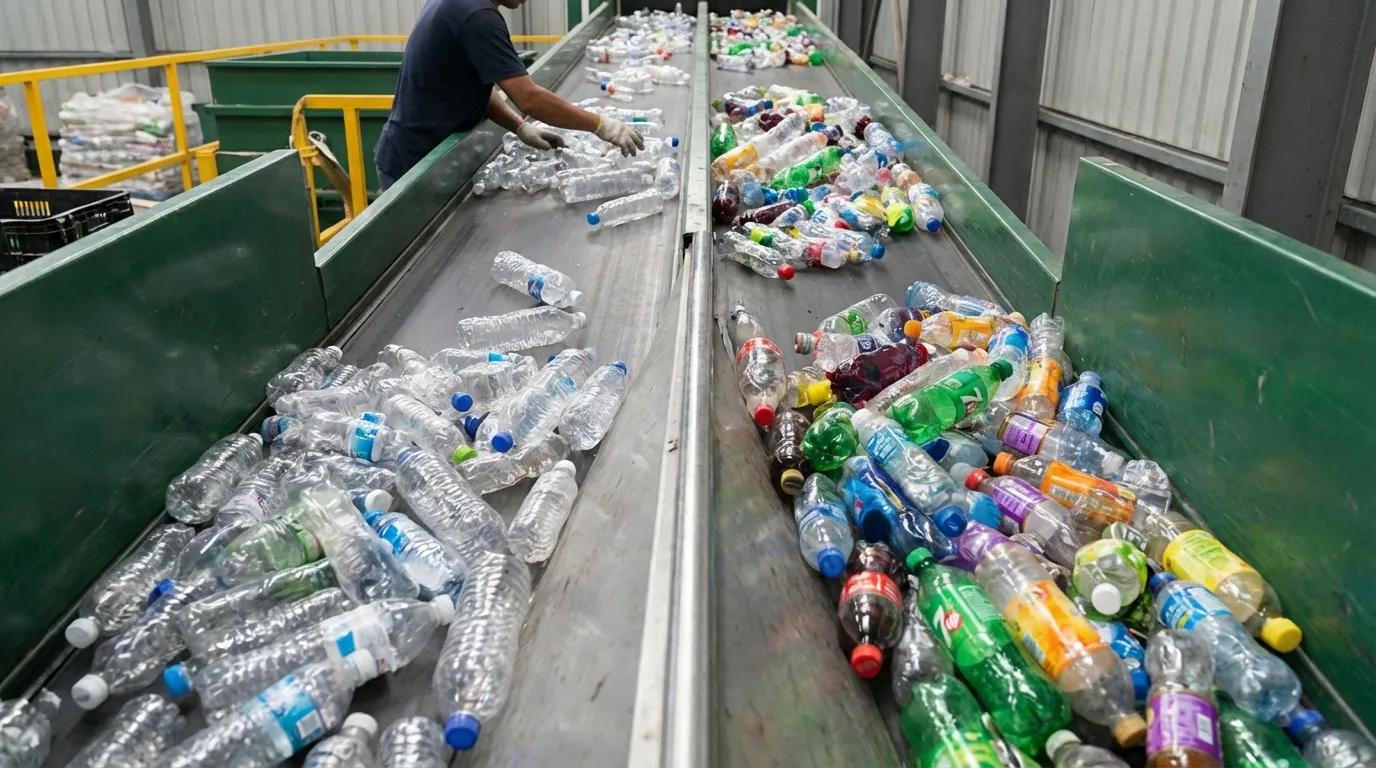
The journey begins with the collection of post-consumer PET bottles from recycling programs. These bottles are sorted by color (clear bottles produce the highest quality white yarn) and type to remove contaminants like other plastics (HDPE, PVC), metals, and labels.
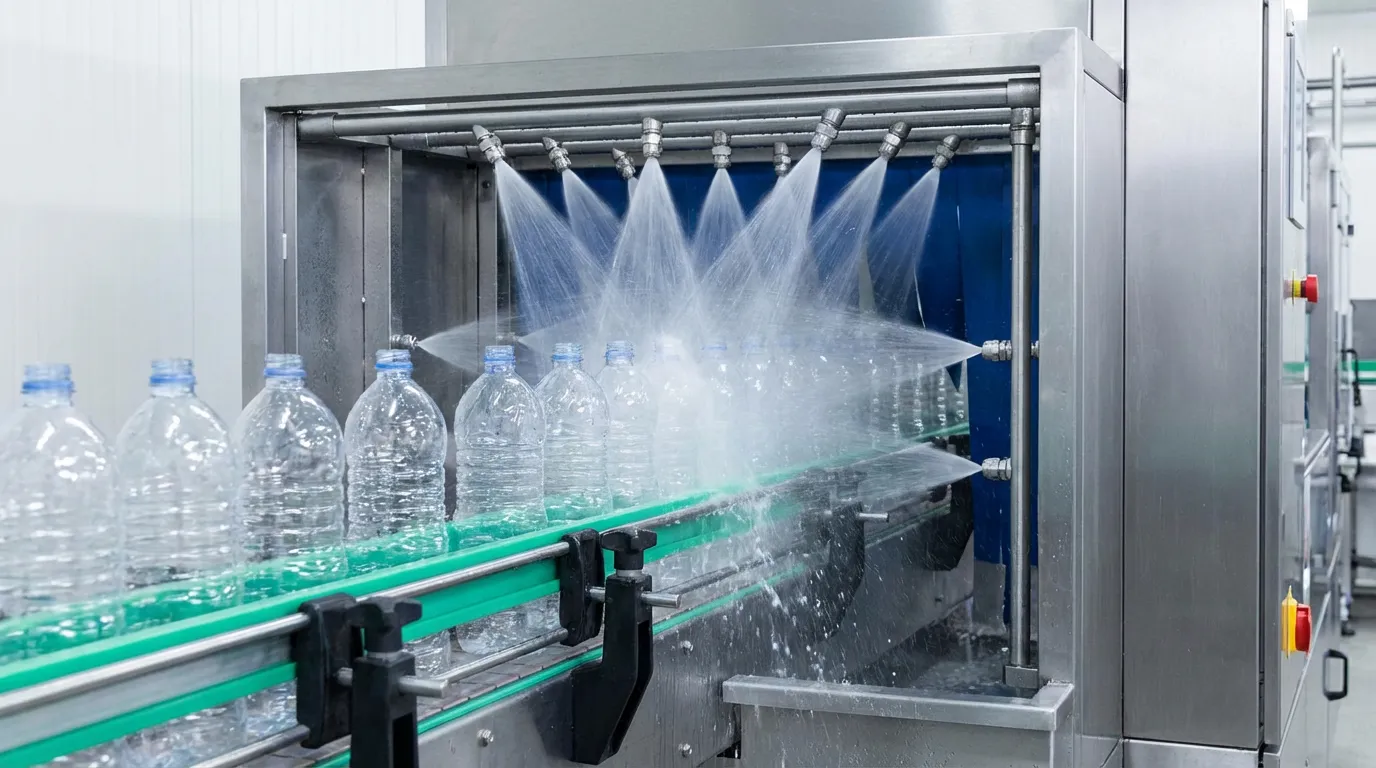
The sorted bottles are thoroughly washed and sterilized. They are then sent to industrial grinders that shred them into small, clean flakes. This flake is the raw commodity that will be transformed into fiber.
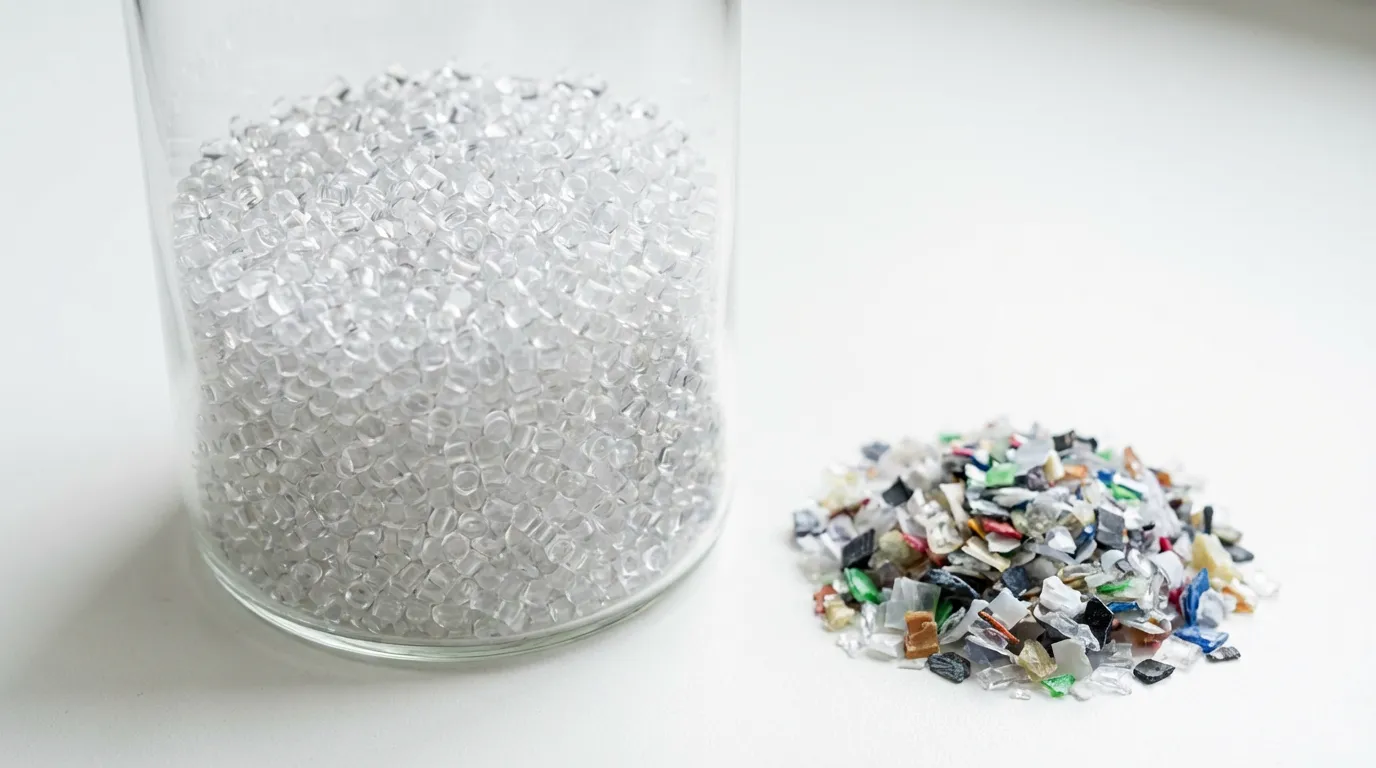
For the highest quality rPET, the flakes undergo a chemical recycling process where they are broken down into their original monomers. These monomers are then purified and re-polymerized to create brand new, high-purity PET pellets that are indistinguishable from virgin PET.
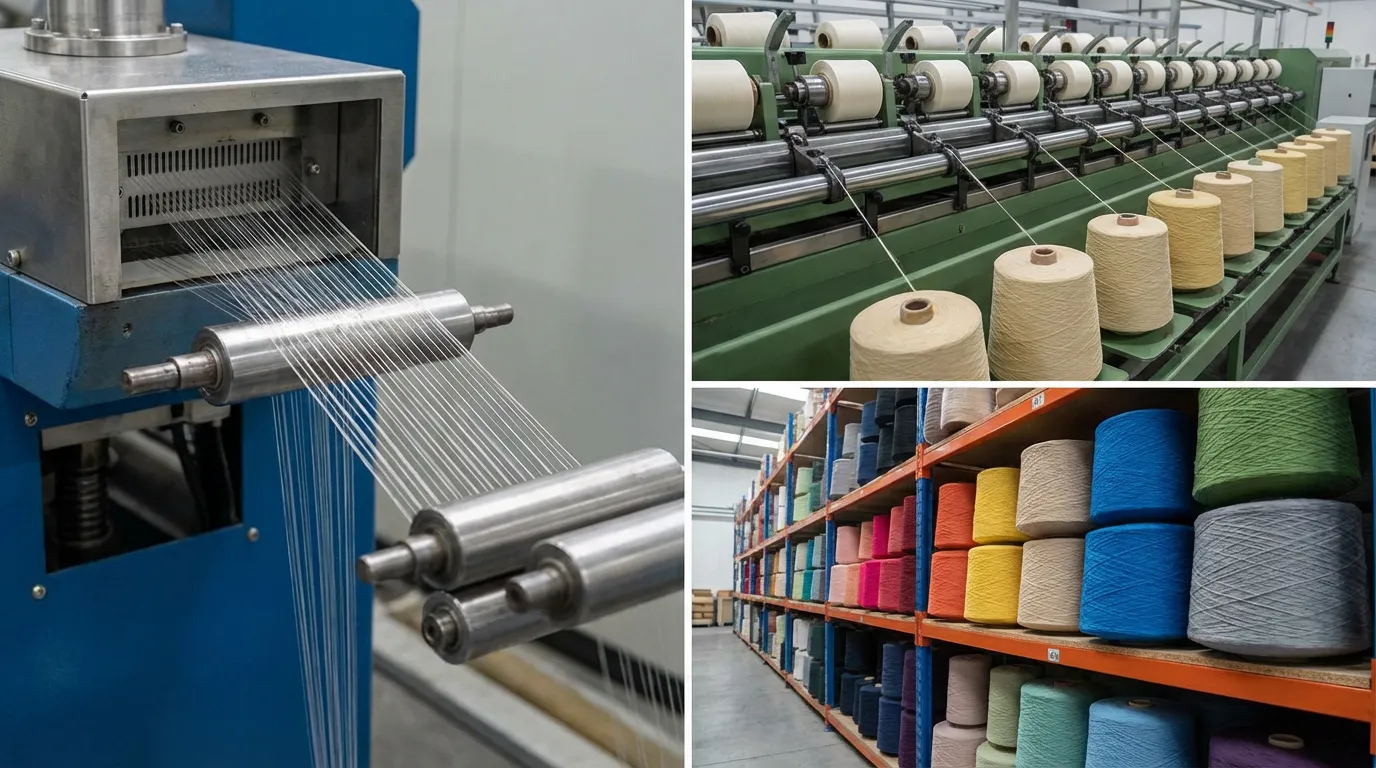
The clean PET flakes or pellets are melted down into a thick, honey-like liquid. This molten polymer is then forced through a spinneret—a metal disc with thousands of microscopic holes—to form long, continuous filaments.
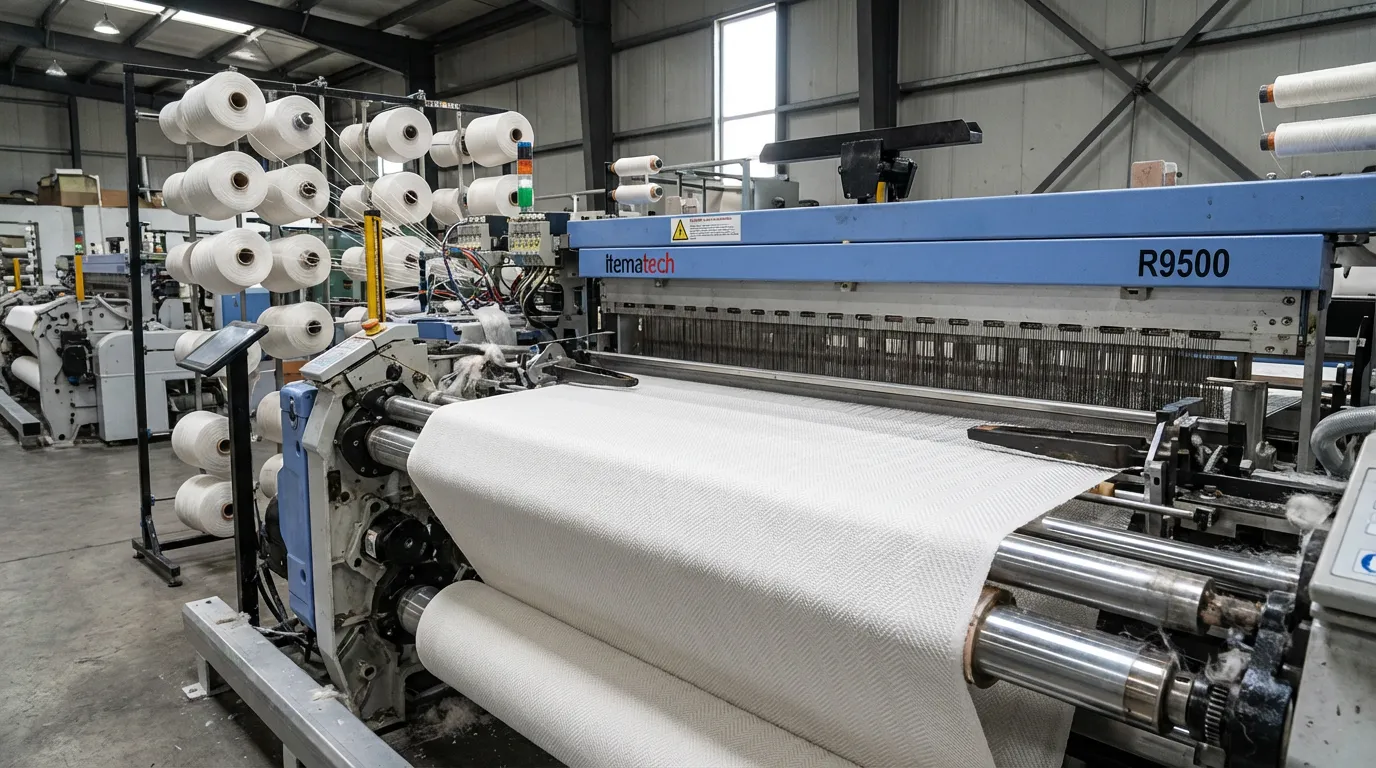
These filaments are cooled, stretched, and then spun together to create yarn. The thickness of this yarn is determined by its Denier, just like virgin polyester. The yarn is then wound onto large spools, ready to be woven into fabric.
The end result is a high-quality polyester fabric that required significantly fewer resources and produced far less waste than its virgin counterpart.
Choosing rPET is a powerful business decision that delivers benefits across sustainability, marketing, and product performance.
This is the core value proposition of rPET. By specifying this material, your brand becomes an active participant in the circular economy.
| Environmental Factor | Virgin Polyester (Petroleum-Based) | Recycled PET (rPET) | The Tangible Impact |
|---|---|---|---|
| Raw Material | Crude oil and natural gas (finite resources). | Post-consumer plastic bottles (waste). | Reduces reliance on fossil fuels and directly cleans up plastic pollution. |
| Energy Consumption | High energy required for extraction and polymerization. | ~50-60% less energy required to melt and reform existing plastic. | Significantly lowers the carbon footprint of your product. |
| Water Consumption | Significant water usage in the production process. | ~20% less water usage. | Conserves a critical natural resource. |
| Air Emissions | Higher emissions of greenhouse gases (CO2). | ~50-70% lower CO2 emissions. | Directly contributes to combating climate change. |
| Waste Reduction | Creates demand for new plastic production. | Provides a market for recycled plastics, diverting them from landfills and oceans. | Your purchase order literally helps clean the planet. |
The Environmental Impact: rPET vs. Virgin Polyester
Today’s consumers don’t just buy products; they buy into brand values. Sustainability is no longer a “nice-to-have”—it’s a key driver of purchasing decisions, especially among Millennial and Gen Z demographics.
A common misconception is that recycled materials are inferior in quality. With modern recycling technology, this is simply not true.
As a manufacturer, incorporating sustainable materials into our supply chain is a responsibility we take seriously. Our experience working with rPET ensures a seamless and transparent process for our clients.
FYBagCustom is Your Trust Custom rPET Bag Manufacturing in China. We are not just a production facility; we are your partner in building a more sustainable and successful brand.
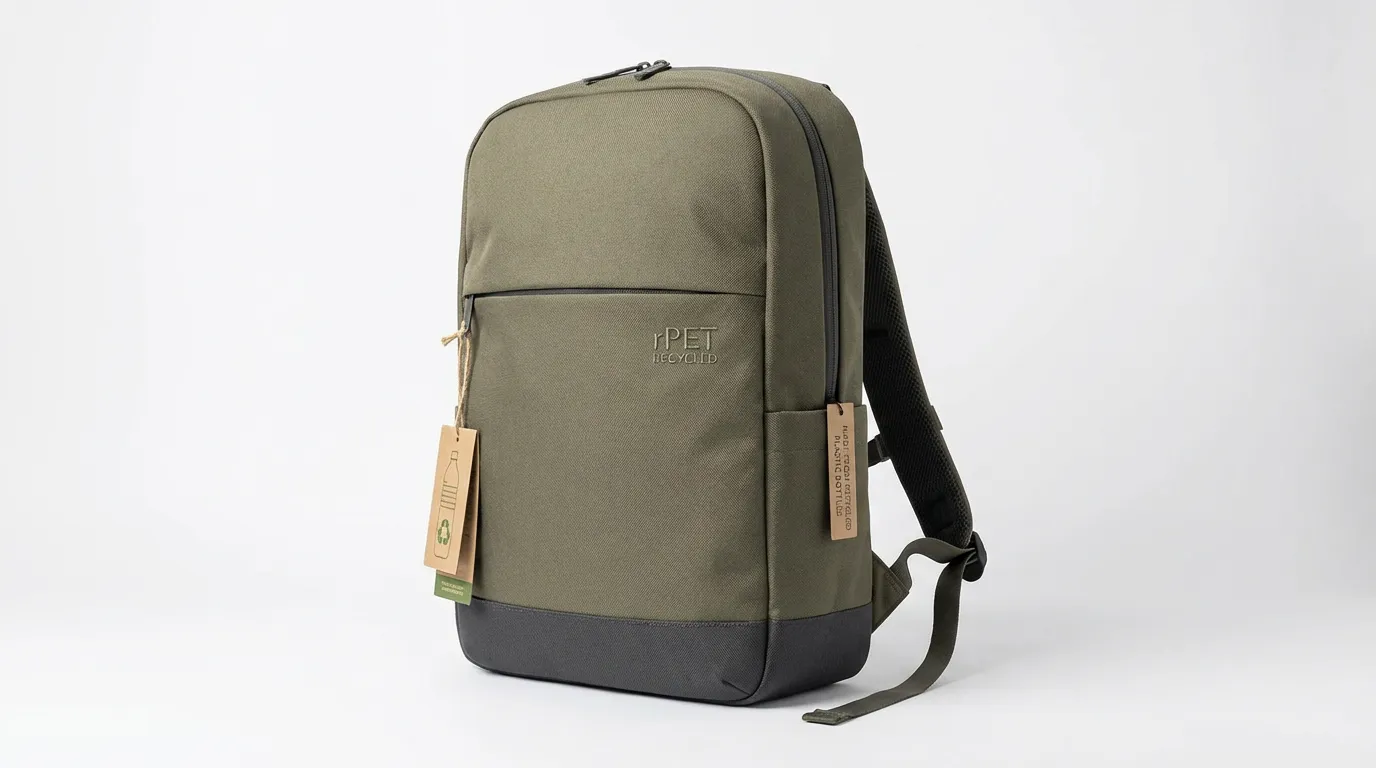
In today’s competitive landscape, every element of your product tells a story. Recycled PET (rPET) fabric allows you to tell one of innovation, responsibility, and positive change. It is a material that delivers on all fronts: its performance is on par with virgin polyester, its marketing narrative is compelling and authentic, and its environmental benefits are undeniable.
By choosing to manufacture with rPET, you are making a smart business decision that aligns your brand with the values of modern consumers, reduces your environmental impact, and contributes to a healthier planet. It is a choice that is good for your brand, good for your customers, and good for the world.
In the next part of our Eco-Friendly Series, we will delve into another cornerstone of sustainable fashion: “Organic Cotton,” exploring how its cultivation methods offer a powerful alternative to conventional farming.
Are you ready to build your next collection with the power and story of rPET? Contact the experts at FYBagCustom today to learn more about our GRS-certified supply chain, request samples of our high-quality rPET fabrics, and get a quote for your project.