Tel/WhatsAapp:+86 13366396425
E-mail: chloe_xia@vleap.com.cn

This is the second installment in the Ultimate Guide to Custom Bag Fabrics. The previous guide detailed the properties of Canvas. This guide will focus on polyester, a synthetic polymer material widely utilized in modern bag manufacturing due to its high versatility and cost-effectiveness.
Polyester offers high technical performance, vibrant branding capabilities, and economic production. It is the base material for a wide range of products, including backpacks, corporate laptop bags, lightweight travel gear, and promotional totes. For sourcing managers and product developers, a technical understanding of polyester is necessary for creating functional, market-ready products.
This guide will provide a technical overview of polyester fabric. It will define the Denier system, explain common weaves such as Ripstop, and detail the function of coatings for weather resistance. An analysis of its properties relative to natural fibers like canvas will provide a clear framework for its proper application in custom bag manufacturing.
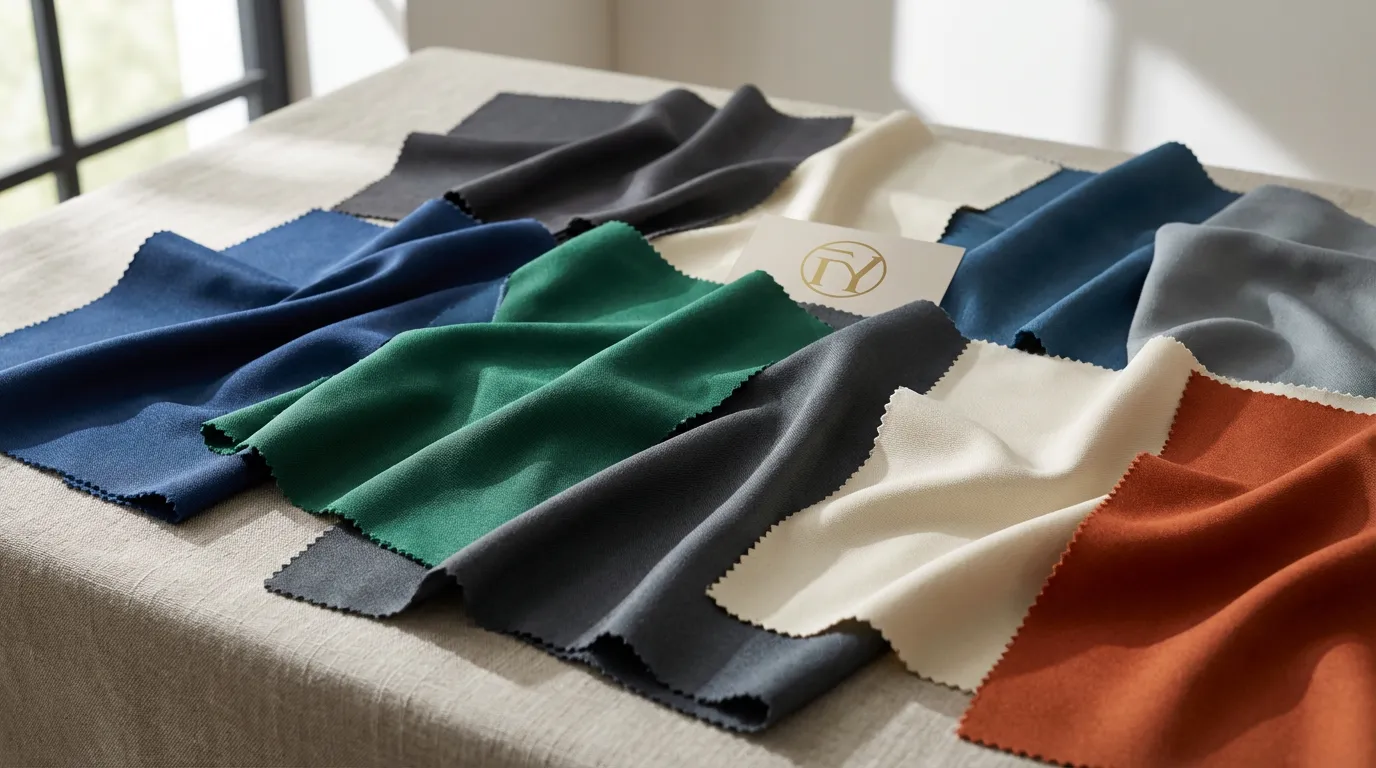
Understanding polyester requires an examination of its chemical and structural properties. Its performance characteristics are a direct result of its synthetic origin.
Polyester is a category of polymers. Within the textile industry, the term typically refers to polyethylene terephthalate (PET). This is the same thermoplastic polymer used in the production of single-use beverage bottles.
The manufacturing process involves melting PET chips and extruding them through a spinneret to form long, continuous filaments. These filaments are then processed and spun into thread or yarn.
This is the primary technical specification for sourcing polyester fabric.
Denier (D) is a unit of measurement for the linear mass density of a fiber. It is defined as the mass in grams per 9,000 meters of the fiber.
For a B2B buyer, a higher denier number indicates a thicker, heavier, and more robust thread. A thicker thread produces a more durable and abrasion-resistant fabric.
| Denier Rating | Classification | Characteristics | Application & Rationale |
|---|---|---|---|
| 150D – 300D | Lightweight | Flexible, low mass, and cost-effective. Suitable for linings and simple bag constructions. | Use Case: Bag linings, drawstring pouches, promotional giveaways, stuff sacks. Rationale: Selected when low weight and cost are primary factors over high-stress durability. |
| 420D – 600D | Standard/Medium Weight | This is the industry standard grade. It provides an optimal balance of durability, weight, and cost. 600D is the standard for backpacks. | Use Case: School backpacks, corporate laptop bags, standard duffle bags, insulated bags. Rationale: Offers reliable performance for a majority of common bag applications. |
| 900D – 1680D | Heavyweight | Thick, stiff, with high resistance to abrasion and tearing. Exhibits a rugged texture and high structural integrity. | Use Case: High-end luggage, tool bags, tactical gear, protective equipment bags. Rationale: Specified for products where maximum durability is a critical requirement and a higher cost is justified. |
Table 1: Technical Guide to Polyester Denier and Strategic Applications
The weaving method used to construct the fabric from the polyester threads determines its final properties.
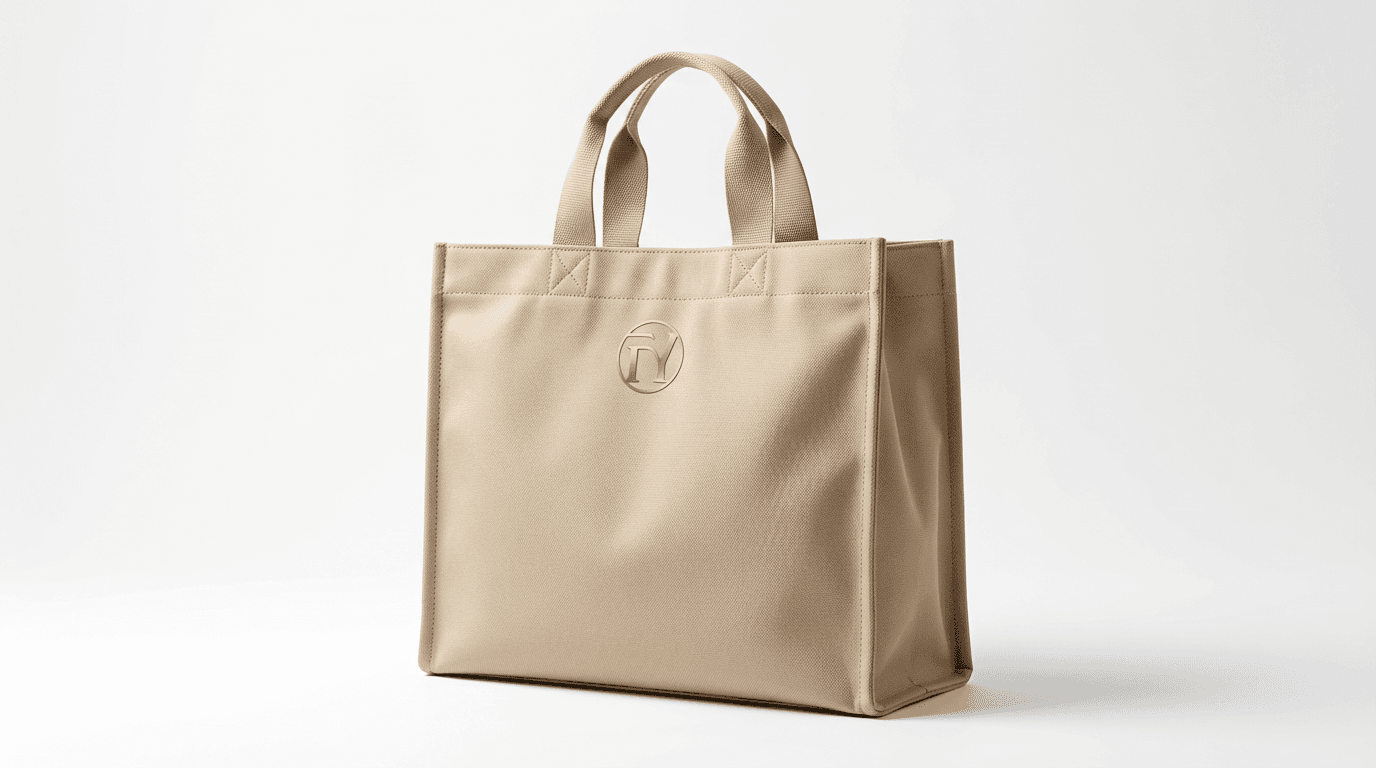
The selection of polyester over a natural fiber like canvas is typically based on requirements for performance, cost, and specific branding capabilities.
Polyester is engineered for resilience in various conditions.
A significant branding advantage of polyester is its suitability for dye-sublimation printing.
Dye Sublimation: This process uses heat and pressure to convert special inks into a gaseous state. The gas permeates the polyester fibers before solidifying, permanently embedding the design into the material.
As a mass-produced synthetic material, polyester is generally more affordable than natural fibers of comparable strength, such as heavy-grade cotton canvas. This cost efficiency makes it the standard choice for high-volume production, promotional campaigns, and products where maintaining a competitive price point is a primary objective.
| Factor | Polyester | Canvas |
|---|---|---|
| Aesthetic | Modern, technical, smooth | Classic, natural, textured |
| Durability | Excellent (abrasion/weather resistant) | Excellent (tear resistant, robust feel) |
| Printability | Exceptional (for photos, sublimation) | Excellent (for classic, high-detail prints) |
| Hand-Feel | Lightweight and smooth | Substantial and soft |
| Brand Story | Performance, Function, Modernity | Quality, Tradition, Natural |
| Eco-Credentials | Fair (Recycled PET is an option) | Good (Natural, organic options) |
Table 2: Polyester vs. Canvas – A Strategic Choice
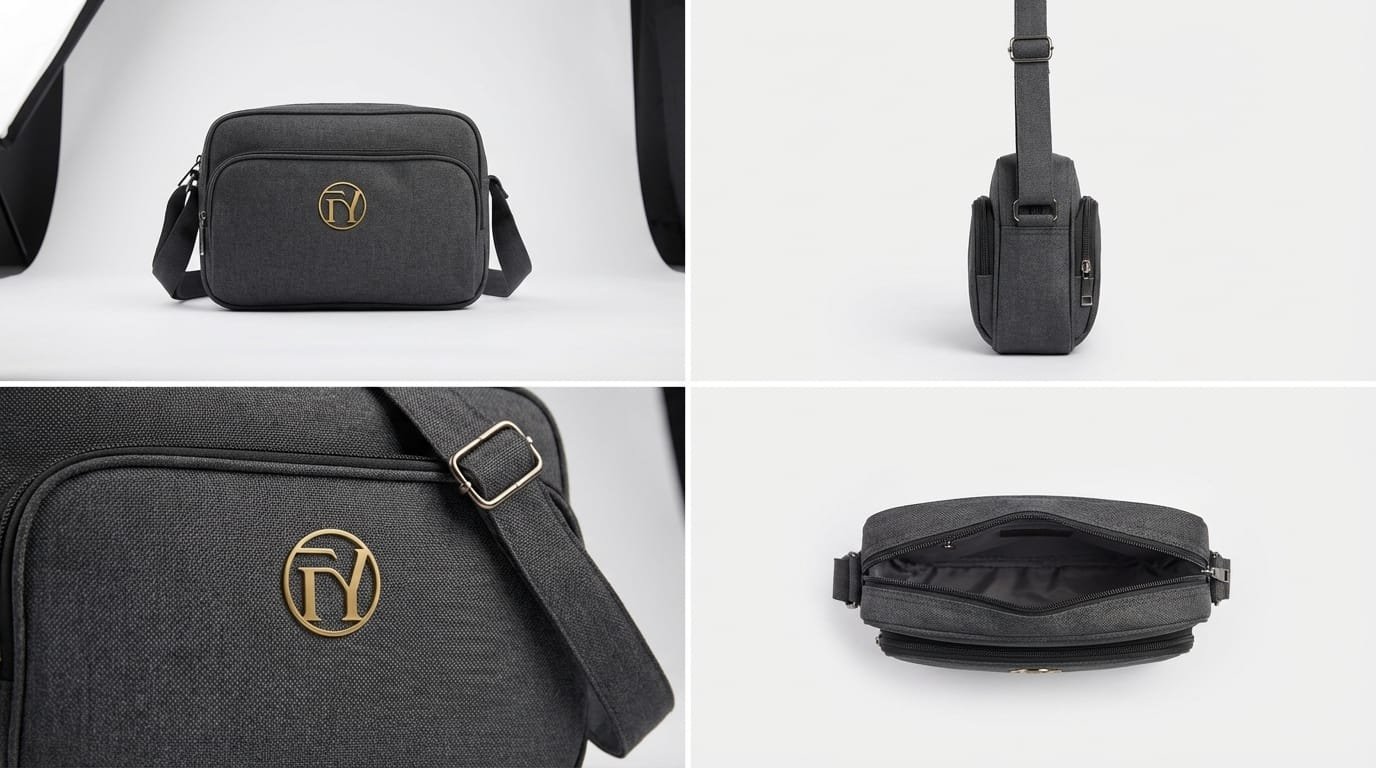
The interior side of polyester fabric is often treated with a coating to enhance performance.
For most B2B applications, a PU coating provides the optimal balance of water resistance, flexibility, and cost.
The manufacturing of polyester bags is a precise operation designed for consistency and large-scale production.
FYBagCustom is Your Trust Custom Polyester Bag Manufacturing in China. We utilize efficient production technologies and strict quality control protocols to deliver high-volume orders that meet both budget and performance requirements.
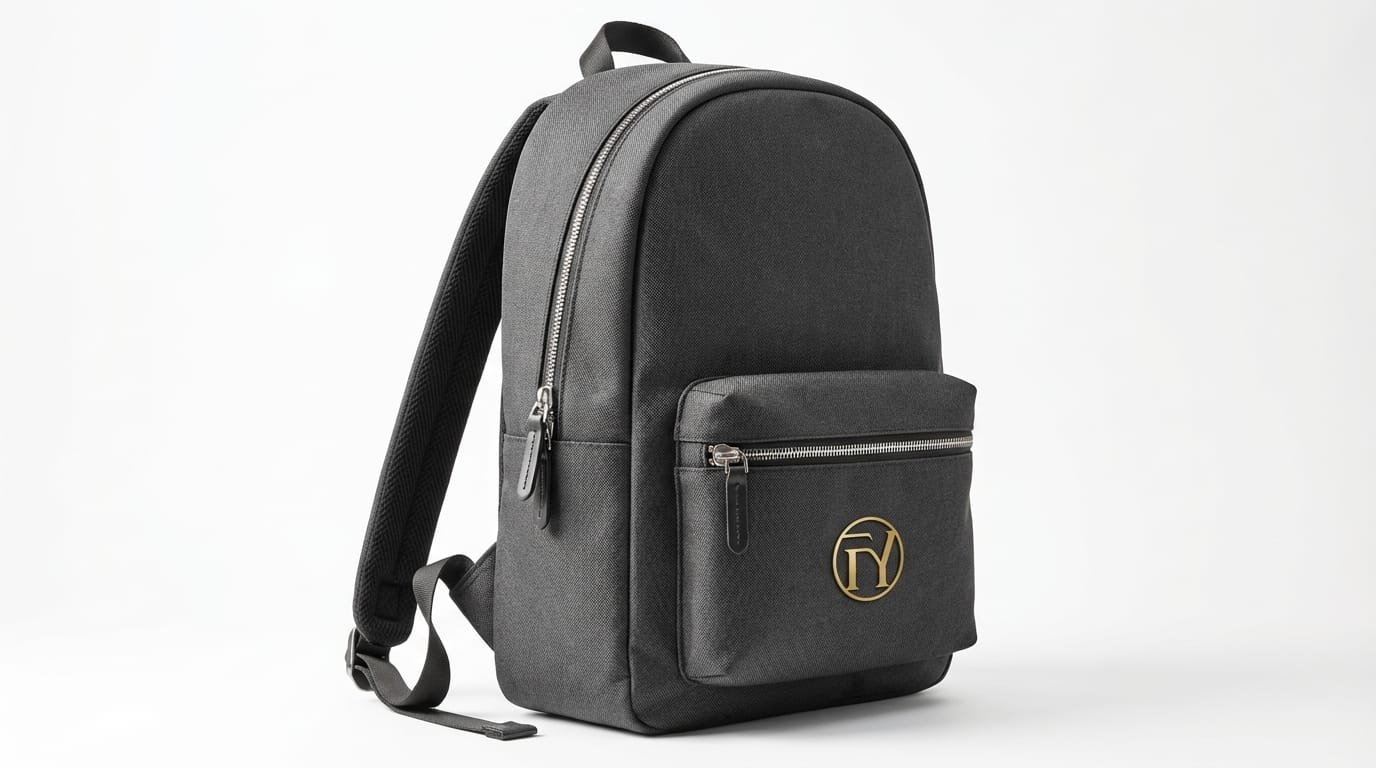
Polyester is not a direct substitute for natural fibers, but rather a distinct material class selected for specific applications. When a project requires water resistance, vibrant full-color branding, high durability, and cost-effectiveness at scale, polyester is often the superior technical choice. Its capacity to be engineered into various forms, from lightweight Ripstop to durable 1680D, makes it a highly versatile material for product innovation.
An understanding of how to specify the correct denier, weave, and coating is necessary to utilize the full potential of polyester. This knowledge allows for the creation of a high-performance product that aligns with a brand’s functional and aesthetic requirements.
The next guide in this series will detail the properties and applications of Nylon.
Ready to leverage the power of polyester for your next project? Contact the experts at FYBagCustom today. We can help you navigate the options, provide samples of different deniers and coatings, and deliver a detailed quote for your custom bag manufacturing needs.