Tel/WhatsAapp:+86 13366396425
E-mail: chloe_xia@vleap.com.cn

Welcome back to The Ultimate Guide to Custom Bag Fabrics, the definitive B2B series from FYBagCustom. As direct manufacturers with daily, hands-on experience, we aim to pull back the curtain on the materials that define our industry. In our first two installments, we established a foundational understanding of natural Canvas and the versatile synthetic, Polyester.
Now, we elevate the discussion to a material synonymous with premium performance and unmatched durability: Nylon.
For the uninitiated sourcing professional, it can be tempting to lump Nylon and Polyester together in the “synthetics” category. This is a critical strategic error. While they share a common man-made origin, Nylon exists on a higher plane of performance, engineered from the molecule up for superior strength, toughness, and a refined aesthetic. It is the material of choice for industries where failure is not an option—from military and mountaineering equipment to high-end travel luggage and premium corporate accessories.
This in-depth guide is designed for the serious B2B buyer. We will go far beyond a simple definition, leveraging our manufacturing expertise to dissect the chemical differences that give Nylon its edge. We will explore the nuanced world of its sub-types, like Nylon 6 and Nylon 6,6, and provide a masterclass in its most famous forms, from lightweight Ripstop to formidable Ballistic Weaves. By analyzing the cost-benefit framework, you will learn not just what Nylon is, but why and when to make the strategic investment in it, creating top-tier products that build unshakable brand credibility.
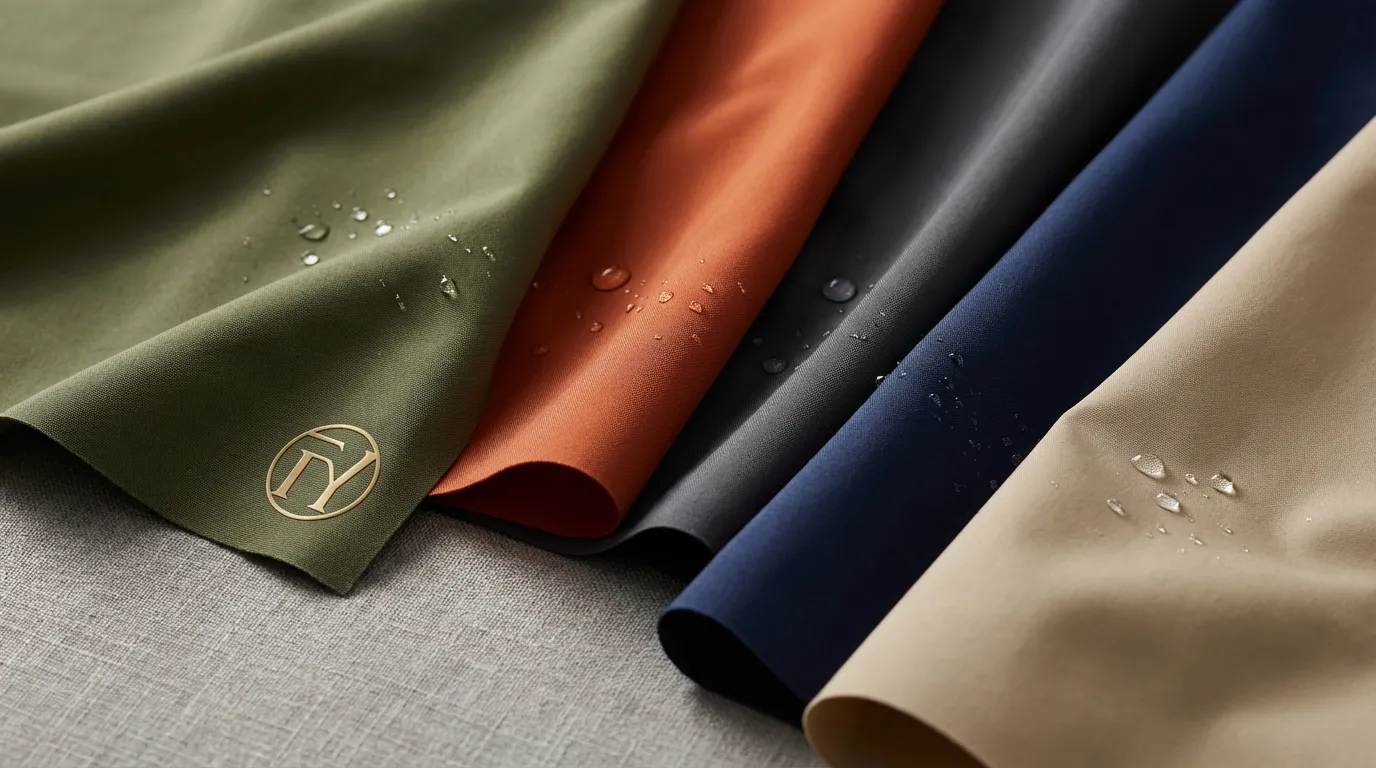
To truly grasp why Nylon outperforms other synthetics, we must look at its chemistry. Its strength isn’t magic; it’s a feat of polymer engineering that we work with every day on our production floor.
Nylon is the common name for a family of synthetic polymers known as polyamides. Its core structure is a long chain of repeating molecular units linked by powerful amide bonds (-CO-NH-).
This amide bond is the key. The hydrogen, nitrogen, and oxygen atoms in these links are polar, meaning they create strong hydrogen bonds between adjacent polymer chains. This intermolecular “stickiness” holds the chains tightly together, making it incredibly difficult to pull them apart. It is this microscopic cohesion that gives Nylon its two most celebrated characteristics:
As manufacturers, we guide our clients through the nuanced choices within material categories. Knowing the term “Nylon” is not enough. The two most common variants used in textiles are Nylon 6 and Nylon 6,6, and their subtle differences impact performance. The numbers refer to the number of carbon atoms in the monomers used to create the polymer chain.
Table 1: Technical Comparison of Nylon 6 vs. Nylon 6,6
| Property | Nylon 6 | Nylon 6,6 | The Strategic Implication for Buyers |
|---|---|---|---|
| Molecular Structure | Made from a single monomer with 6 carbon atoms. Has a more uniform, crystalline structure. | Made from two different monomers, each with 6 carbon atoms. Has a slightly less uniform but very stable structure. | While chemically different, both are high-performance materials. The key takeaway is that Nylon 6,6 has a slight edge in mechanical properties. |
| Stiffness & Hardness | Very good. | Superior. More rigid and harder, offering better structural integrity in a finished product. | For bags that need to hold their shape (structured totes, briefcases), Nylon 6,6 provides a crisper, more architectural form. |
| Melting Point | Approx. 220°C (428°F) | Approx. 265°C (509°F) | Nylon 6,6’s higher melting point makes it more resistant to heat and friction-induced damage, a key benefit in extreme use cases. |
| Chemical Resistance | Good resistance to most chemicals. | Excellent. More resistant to acids and bases. | In environments where chemical exposure is a possibility, Nylon 6,6 offers a greater margin of safety and longevity. |
| Dyeability | Excellent. More open molecular structure allows for easier and more vibrant dyeing. | Very good, but requires higher temperatures and more controlled conditions to dye effectively. | Nylon 6 is often preferred for fashion applications where a wide or custom color palette is the primary driver. |
| Cost | Generally lower. | Generally higher due to a more complex manufacturing process. | Nylon 6,6 is the “premium” version of an already premium material. Its use is a deliberate choice to maximize technical performance. |
As we covered in our guide to Polyester, the Denier (D) system measures the linear mass density of a fiber. A higher denier means a thicker yarn. However, the next level of expertise involves understanding “High Tenacity” yarns.
These are fibers that have been subjected to an additional drawing (stretching) process during production. This aligns the polymer chains more perfectly along the length of the fiber, dramatically increasing their tensile strength without increasing the denier. A 600D High-Tenacity Nylon is significantly stronger than a standard 600D Nylon. When our team at FYBagCustom recommends a “high tenacity” fabric, we are guiding you toward a higher grade of fiber that will yield a far more durable end product.
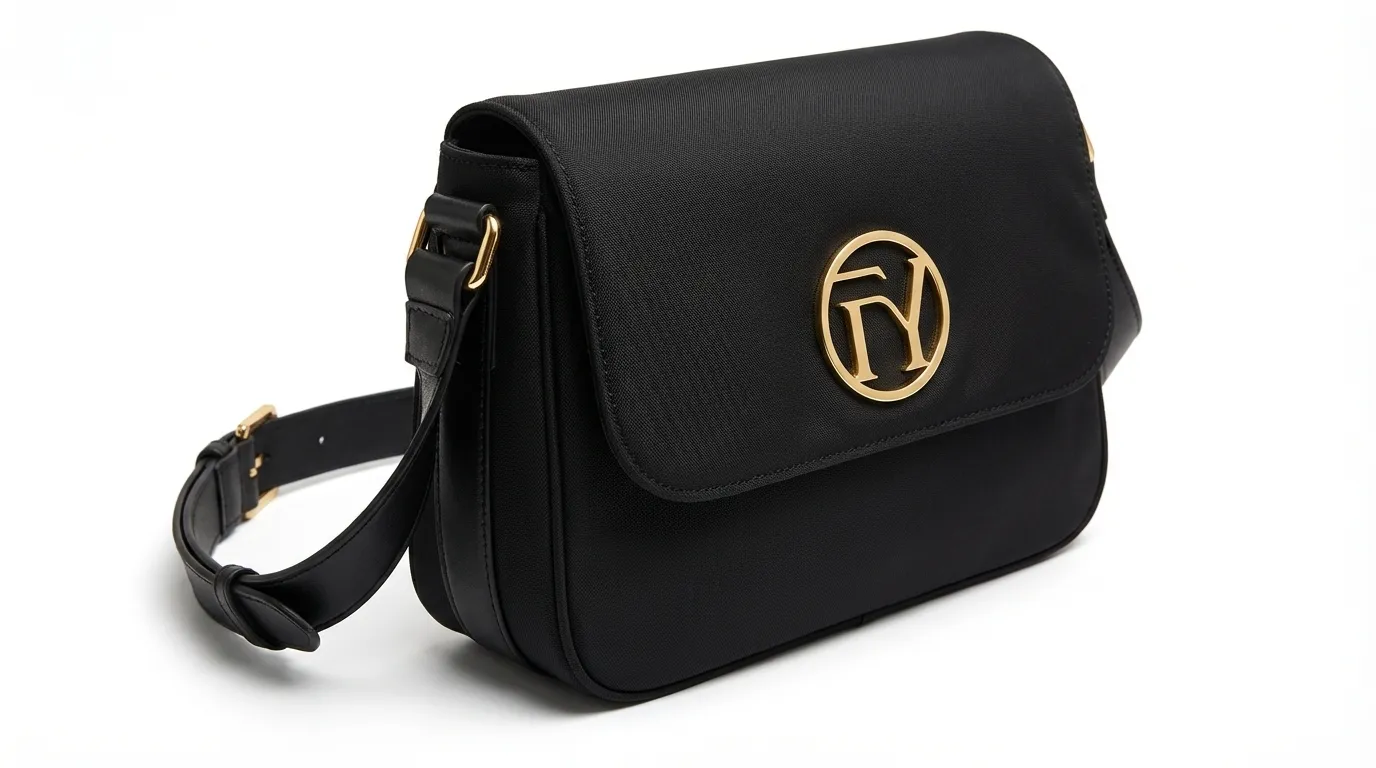
The raw strength of Nylon fiber is molded into purpose-built fabrics through different weaving techniques. As your manufacturing partner, we can source and work with all of these specialized textiles.
Identifiable by its signature grid pattern, Ripstop is a marvel of material engineering.
Ballistic Nylon is not about being lightweight; it’s about being virtually indestructible.
Cordura® is a leading brand of fabrics, primarily made from Nylon, that sets the global standard for toughness.
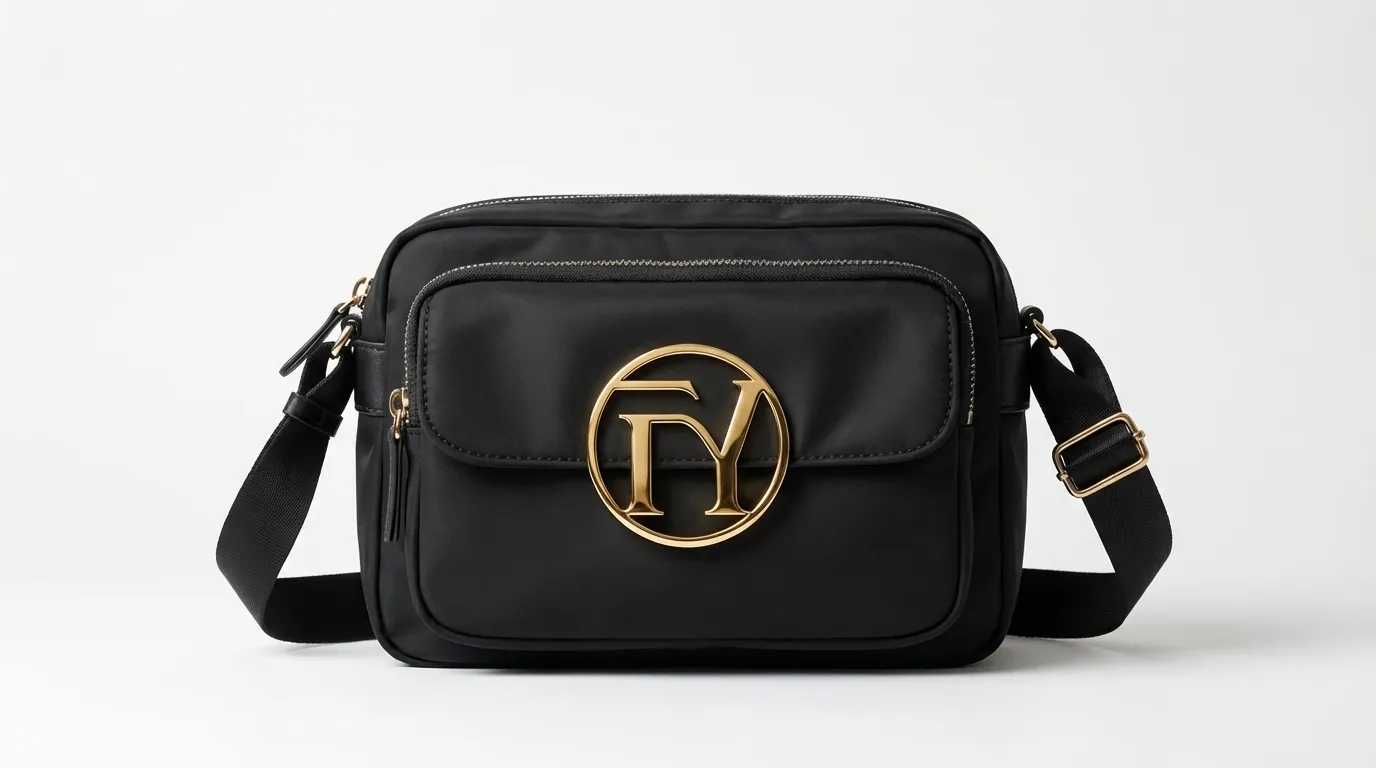
The decision to upgrade from Polyester to Nylon is pivotal. Our team helps clients make this choice by analyzing their product’s target market, price point, and brand promise.
Table 2: Cost-Benefit Analysis: Polyester vs. Nylon
| Scenario | Choose Polyester | Choose Nylon | Rationale |
|---|---|---|---|
| High-Volume Promotional Totes | ✓ | Polyester’s lower cost and excellent sublimation capabilities are ideal for large quantities where budget is a key constraint. | |
| Standard School/Work Backpacks | ✓ | 600D Polyester offers the perfect balance of good durability and affordability for the mainstream consumer market. | |
| High-End Corporate Laptop Bags | ✓ | Nylon’s superior abrasion resistance and smoother, more premium finish protect expensive electronics and project a high-end corporate image. | |
| Premium Rolling Luggage | ✓ | The extreme durability of Ballistic Nylon is required to withstand the abuses of air travel, justifying the higher price point for a long-term investment piece. | |
| Ultra-Lightweight Hiking Daypack | ✓ | Ripstop Nylon’s exceptional strength-to-weight ratio is a critical performance feature that serious outdoor enthusiasts will pay a premium for. | |
| Products Living in Constant Sun | ✓ | Polyester’s superior UV resistance makes it a better choice for items like boat covers that have prolonged, intense sun exposure. |
Manufacturing with a premium material like Nylon leaves no room for error. It demands precision, specialized equipment, and an expert team. At FYBagCustom, our entire process is designed to honor the quality of the materials we work with.
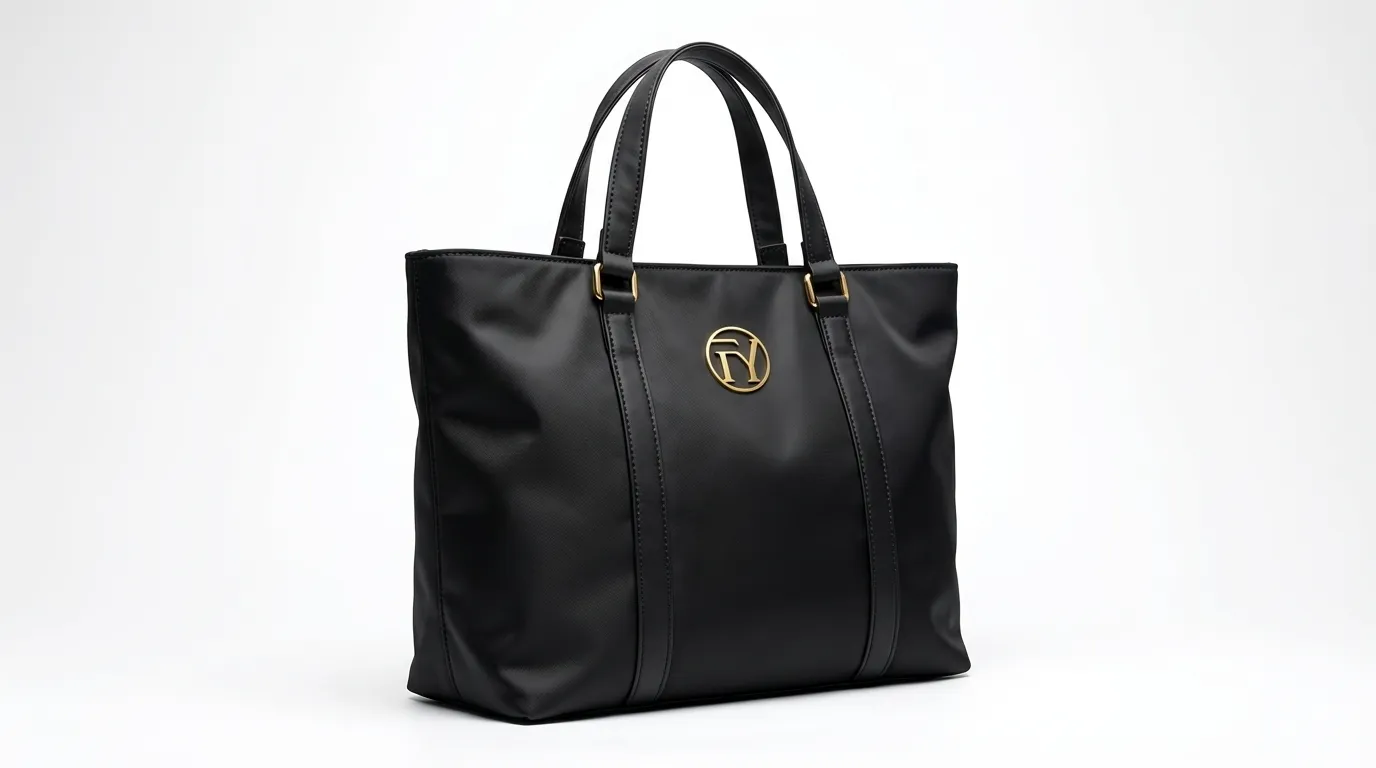
Choosing a material as advanced as Nylon also means choosing a manufacturing partner who understands it. For many brands, sourcing premium products presents significant challenges—from high MOQs and inconsistent quality to communication barriers. FYBagCustom is structured to solve these problems.
Choosing Nylon is a deliberate and powerful statement. It signals to your market that you have consciously chosen performance over price, longevity over disposability. A well-crafted Nylon bag from a reliable manufacturing partner like FYBagCustom stands as a testament to quality engineering, building customer trust, reducing returns, and ultimately justifying the premium price point your brand deserves.
In our next guide, we will circle back to natural fibers for a nuanced discussion of “Cotton Fabric for Bag Manufacturing,” exploring its unique benefits for fashion and promotional items and drawing a clear distinction from its heavier-duty cousin, Canvas.
Ready to develop a top-tier product line with the unmatched performance of Nylon? Contact the experts at FYBagCustom to discuss your project, request samples of our premium Nylon fabrics, and begin the process of creating a truly exceptional bag.