Tel/WhatsAapp:+86 13366396425
E-mail: chloe_xia@vleap.com.cn

For brand owners, sourcing managers, and e-commerce entrepreneurs, one of the most fundamental questions is: “How much do backpacks cost to produce?” However, unlike a retail price tag, a factory price isn’t a single number. It’s a dynamic calculation based on a multitude of design, material, and manufacturing decisions.
A simple promotional drawstring bag might cost as little as $2 per unit, while a high-end, feature-rich technical travel backpack could exceed $40 directly from the factory. The final price depends entirely on your project’s specific requirements.
This guide is designed for B2B buyers. We will deconstruct the cost of a backpack from a manufacturer’s perspective, providing a clear framework to understand pricing, control your budget, and make informed procurement decisions. Understanding these cost drivers is the first step toward building a profitable product line and a successful partnership with a manufacturer like FyBagCustom.
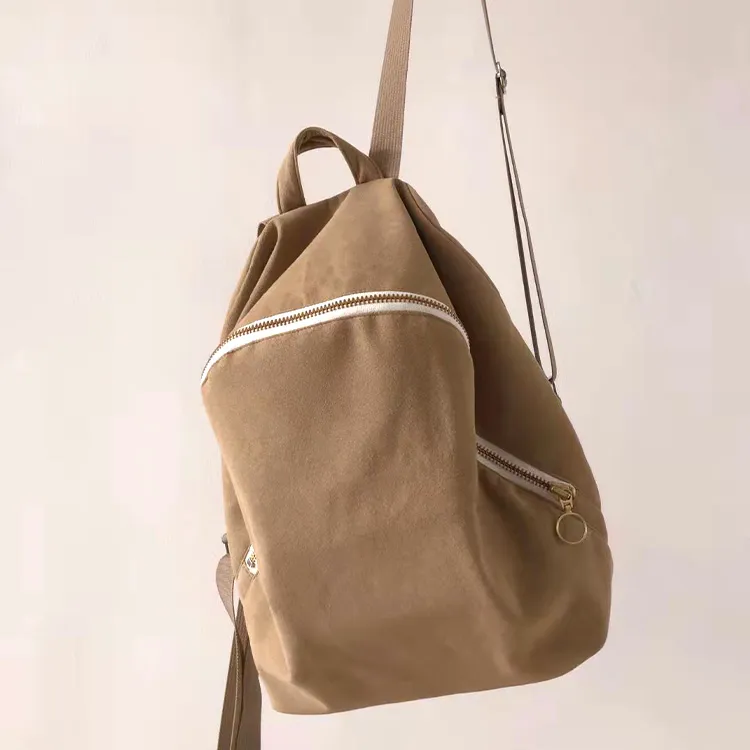
An experienced sourcing professional rarely asks for a price without providing context. The better question is: “What factors will determine the cost of my custom backpack project?”
The price of a custom backpack is not a fixed item on a menu. It is the sum of its parts and the labor required to assemble them. Every choice you make, from the type of zipper to the complexity of the stitching, directly impacts the final unit cost.
The five core drivers of backpack cost are:
By understanding these elements, you can move from asking for a generic price to requesting a detailed, accurate quote for your specific design.
A backpack’s final FOB (Free On Board) price is built from several layers. Here’s a detailed breakdown of what you are paying for.
This is typically the largest and most variable component of a backpack’s cost. The quality and type of materials chosen set the foundation for the bag’s durability, function, and perceived value.
The exterior fabric dictates the backpack’s look, feel, and performance. A switch from a basic polyester to a high-performance, sustainable fabric can double the material cost.
Table 1: Backpack Fabric Cost & Feature Comparison
| Fabric Type | Cost Tier | Key Features | Best For |
|---|---|---|---|
| Polyester (600D) | $ | Cost-effective, good UV resistance, versatile. | Promotional bags, school bags, daily commuters. |
| Nylon (e.g., 420D, 1680D) | $$ | High strength-to-weight ratio, excellent abrasion resistance. | Travel bags, premium lifestyle backpacks, laptop bags. |
| Canvas / Cotton | $$ | Natural feel, classic aesthetic, strong and durable. | Fashion totes, minimalist backpacks, eco-conscious brands. |
| Recycled PET (rPET) | $$ | Eco-friendly, performance similar to virgin polyester. | Sustainable brands, corporate gifting programs. |
| Leather (Genuine/PU) | $$ | Premium look, develops a patina (genuine), high perceived value. | Designer bags, high-end fashion accessories. |
| Specialty (Tyvek®, Neoprene) | $$$ | Unique properties like waterproof, lightweight, or flexible. | Niche functional bags, tech accessories, innovative designs. |
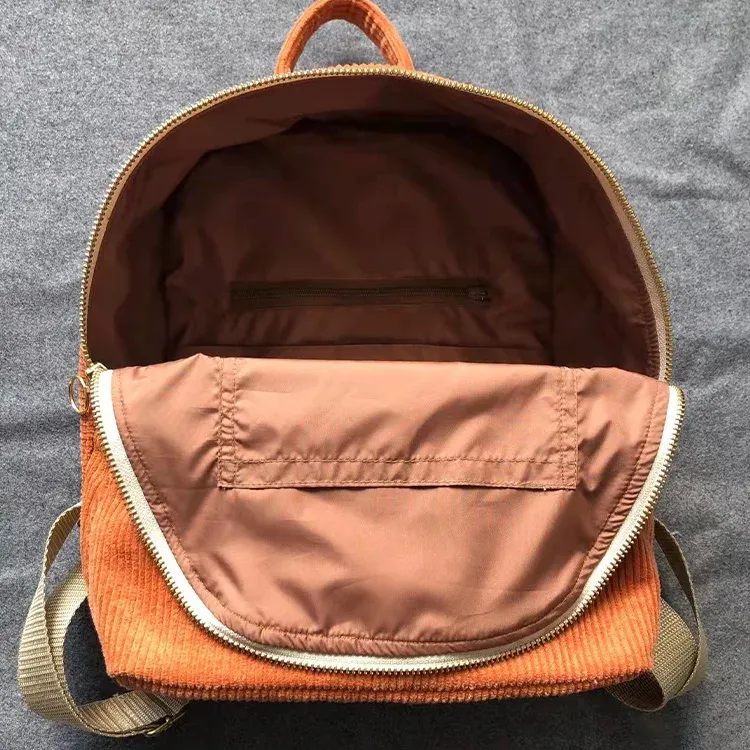
Zippers, buckles, sliders, and webbing may seem like small details, but their cost adds up quickly. Premium hardware is a key differentiator between a low-cost bag and a durable, high-value product.
Table 2: Hardware Quality & Cost Impact
| Component | Economy Option | Mid-Range Option | Premium Option | Cost Impact |
|---|---|---|---|---|
| Zippers | Generic nylon coil | Reputable brand (e.g., SBS) | YKK®, waterproof zippers | High |
| Buckles | Standard POM plastic | Reinforced plastic | Metal, magnetic (Fidlock®) | Medium |
| Webbing | Basic Polypropylene (PP) | Standard Nylon | Seatbelt-grade nylon | Low-Medium |
| Logo Pulls | Standard metal pull | Custom-molded zinc alloy | Custom leather/TPU pull | Medium |
The more complex a backpack’s design, the more time and skill it takes to produce. Labor costs are calculated based on the Standard Minute Value (SMV)—the time it takes a skilled worker to complete the product.
Table 3: Impact of Custom Printing on Backpack Cost
| Printing Method | Cost per Unit | Best for MOQ | Visual Effect & Use Case |
|---|---|---|---|
| Silk Screen Printing | Low | 500+ | Simple logos, solid colors. Ideal for promotional bags. |
| Heat Transfer Printing | Medium | 200+ | Full-color photos and complex graphics on specific areas. |
| Digital/All-Over Printing | High | 500+ | Vibrant, edge-to-edge patterns. Great for fashion brands. |
| Embroidery | Medium-High | 100+ | Premium, textured look for logos and monograms. |
| UV Printing | High | 200+ | Durable, high-detail printing on hard or unusual surfaces. |
This category covers the costs beyond direct materials and labor.
MOQ (Minimum Order Quantity) is a critical concept in manufacturing. The principle of economies of scale means that as your order quantity increases, your unit price decreases significantly.
As a buyer, you can leverage this. If you can commit to a larger volume, your negotiating power increases and your unit cost drops.
Chart 4: Example Price Reduction by Order Quantity
FyBagCustom understands that not every brand can commit to massive volumes. We offer flexible, low MOQ solutions to support emerging brands, e-commerce sellers, and businesses needing fast-turnaround collections.
While a precise quote requires a detailed specification sheet, we can provide general factory price ranges (FOB China) to help you budget.
Simple, high-volume bags where cost is the primary driver.
The largest and most common category, balancing cost, function, and style.
Feature-rich bags where performance, durability, and brand perception are paramount.
Table 5: Backpack Cost Benchmark Summary
| Tier | Price Range | Common Materials | Key Features | Target Buyer Profile |
|---|---|---|---|---|
| Promotional | Low | 210D Polyester, Non-Woven | Single compartment, drawstring, simple logo print. | Wholesalers, Promotional Gift Buyers |
| Everyday | Medium | 600D Polyester, Nylon, Canvas | Padded laptop sleeve, multiple pockets, good hardware. | E-commerce Sellers, Retail Chains |
| Premium | High | 1680D Nylon, Leather, CORDURA® | Complex organization, RFID, waterproof, premium hardware. | Global Brands, Designer Labels |
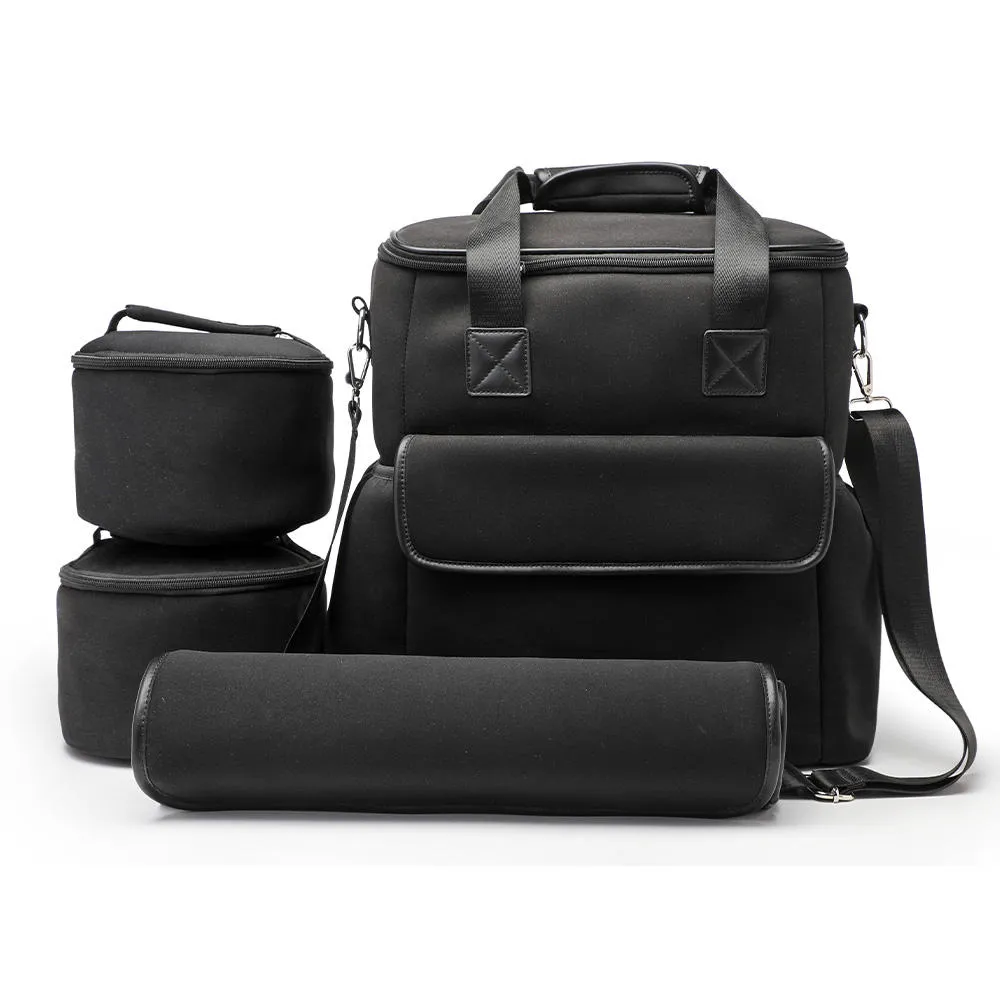
To get a fast, precise quote from a manufacturer, you need to provide clear instructions. This minimizes back-and-forth communication and ensures the quote accurately reflects your vision.
Step 1: Prepare a Detailed Tech Pack or Specification Sheet
A “tech pack” is the blueprint for your product. If you don’t have a formal one, a simple document with the following information is sufficient:
Step 2: Request a Sample
Always invest in a physical sample. It is the single best way to validate the quality, feel, and construction of your product before committing to a bulk order. Use the sample to test functionality and make any final revisions.
Step 3: Discuss Cost-Saving Options with Your Manufacturer
A true manufacturing partner works with you to meet your target price. Ask them questions like:
A good factory’s design and sourcing team can provide valuable engineering suggestions to help you achieve the perfect balance of quality and cost.
At FyBagCustom, we believe in building long-term partnerships founded on transparency and trust. We address the common pain points B2B buyers face when it comes to cost and production:
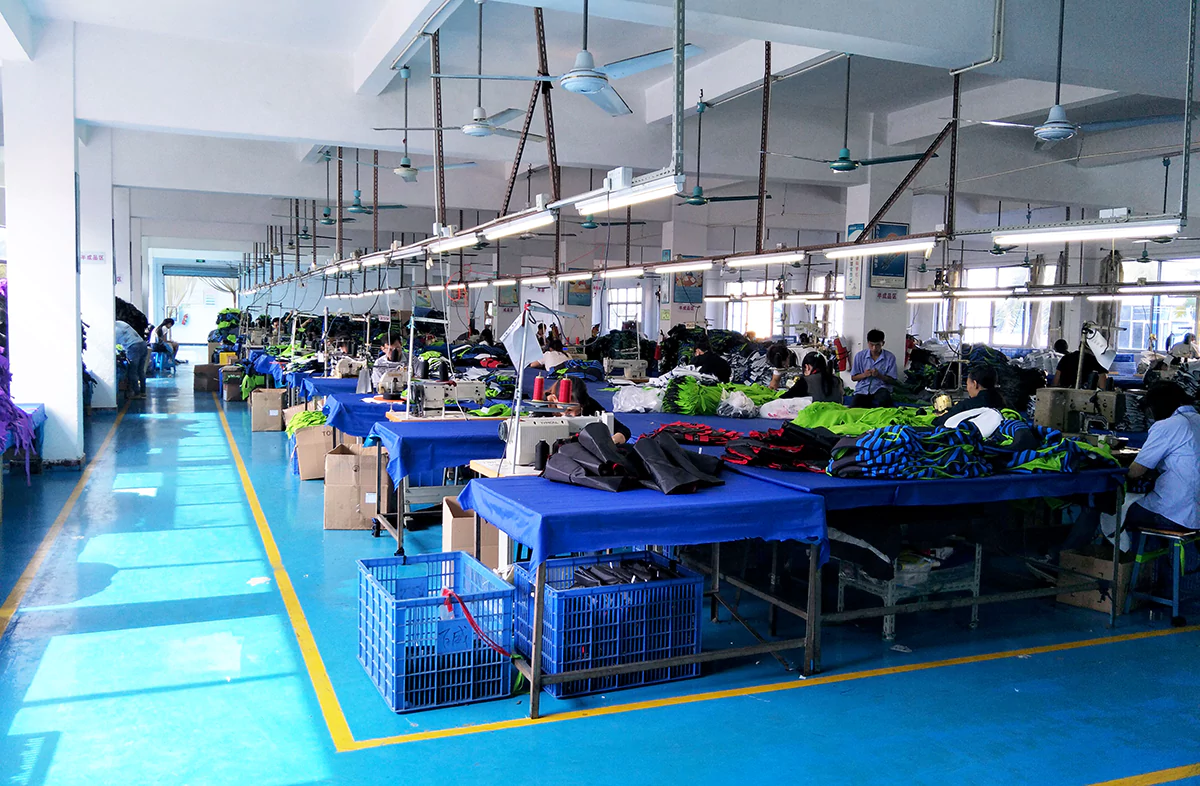
Understanding how much a backpack costs is not about finding the cheapest price. It’s about understanding the value of your decisions. The materials you choose, the complexity you design, and the quantity you order all contribute to the final product.
The most successful brands are built not on the cheapest products, but on the best value products—those that deliver on quality, durability, and brand promise. This is achieved by partnering with a manufacturer who is not just a vendor, but an expert advisor.
By focusing on the core cost drivers and preparing a clear specification, you can confidently navigate the sourcing process and build a backpack line that is both high-quality and profitable.