Tel/WhatsAapp:+86 13366396425
E-mail: chloe_xia@vleap.com.cn

Welcome to the final chapter of the Eco-Friendly & Sustainable Series from FYBagCustom’s Ultimate Guide. Our journey through sustainable materials has revealed the circular innovation of rPET, the agricultural responsibility of Organic Cotton, and the complex, cruelty-free world of Vegan Leathers. We now conclude with a look at one of the oldest, strongest, and most ecologically remarkable textile fibers known to humanity: Hemp.
For centuries, hemp was the world’s dominant fiber, used for ship sails, ropes, and durable canvases thanks to its incredible strength and resilience. After a period of obscurity in the 20th century, this powerhouse plant is making a triumphant return, championed as a near-perfect sustainable resource.
For the B2B buyer and brand developer, hemp is far more than just another eco-friendly option. It offers a unique combination of extreme durability, a rustic yet refined aesthetic, and one of the most compelling environmental narratives in the entire textile industry. It is a material that signifies strength, heritage, and a deep commitment to regenerative agriculture.
This definitive guide will provide the expert-level detail required to source hemp fabric with confidence. We will explore the agricultural science that makes hemp so sustainable, conduct a deep-dive comparison against its closest cousin, linen, and other natural fibers, and detail the manufacturing process for creating premium hemp bags. Understanding hemp is not just about sustainability; it’s about leveraging one of nature’s most perfect fibers to create products of exceptional strength and character.
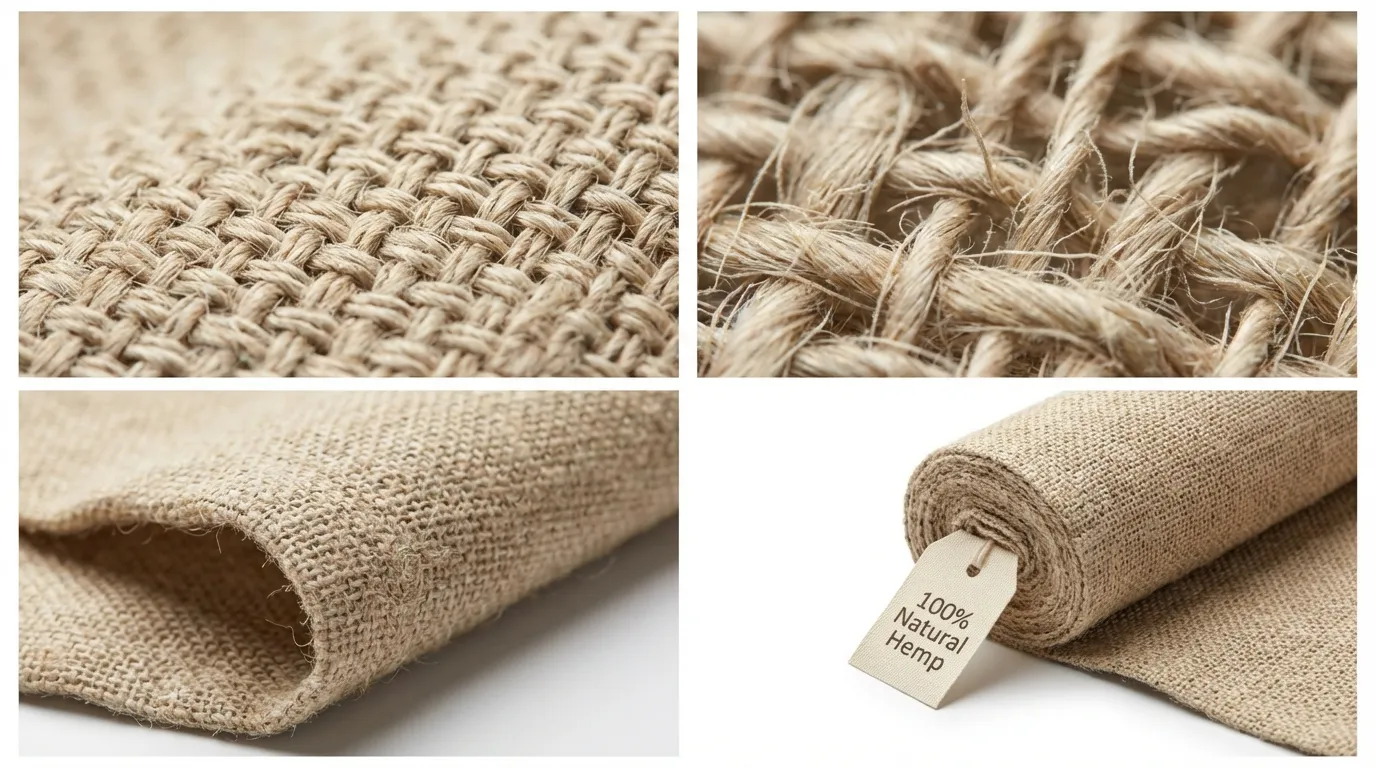
Hemp is a bast fiber, meaning it is derived from the inner stem (stalk) of the Cannabis sativa plant. It is crucial to note that industrial hemp, used for textiles, contains negligible amounts of THC (the psychoactive compound) and is an entirely different crop from its medicinal or recreational cousins. Its physical and chemical properties make it an extraordinary textile fiber.
Hemp’s environmental story begins in the soil. Its cultivation requires remarkably few inputs and actively benefits the land it grows on.
| Environmental Factor | Conventional Cotton | Industrial Hemp | The Clear Advantage of Hemp |
|---|---|---|---|
| Pesticide Use | Extremely High (16-25% of global use) | Virtually None. Naturally pest-resistant. | A cleaner, safer product for consumers and farmers, with no toxic runoff. |
| Herbicide Use | High | None. Naturally outcompetes weeds. | Eliminates the use of harmful chemicals like glyphosate. |
| Water Consumption | Very High | Low. Drought-tolerant and often rain-fed. | Dramatically reduces the water footprint of your product. |
| Effect on Soil | Degrades soil over time. | Improves soil health. Prevents erosion, adds nutrients. | Hemp is a key crop in regenerative agriculture models. |
| Fiber Yield per Acre | Moderate | High. Produces up to 2-3 times more fiber than cotton. | A more efficient use of agricultural land. |
The Environmental Scorecard: Hemp vs. Conventional Cotton
The processed hemp fiber is long, strong, and incredibly durable. Its properties are what made it the go-to material for ropes and sails for thousands of years.
For a B2B buyer, it’s crucial to understand where hemp fits within the ecosystem of other natural-fiber textiles.
| Feature | Hemp | Linen (from Flax) | Cotton Canvas (Heavyweight) |
|---|---|---|---|
| Fiber Strength | Exceptional. The strongest of the three. | Very High. Strong, but slightly less so than hemp. | Good. Strong due to the weave, but the underlying cotton fiber is weaker. |
| Durability / Longevity | Exceptional. Highly resistant to abrasion and rot. Gets better with age. | Very high. Also known for its longevity. | Good, but can wear out faster than bast fibers under heavy, prolonged use. |
| Hand-Feel & Texture | Can range from rustic and textured to soft and linen-like. | Characteristically crisp, cool, and smooth. Becomes very soft with use. | Substantial, soft but rugged, less “crisp” than linen. |
| Sustainability Profile | Excellent. Low water, no pesticides, regenerates soil. | Very Good. Also a bast fiber with low water/pesticide needs, but hemp is generally considered more beneficial for soil. | Fair to Good. Conventional cotton has a high environmental cost. Organic cotton is much better but hemp’s soil benefits are unique. |
| Cost | Mid to High. Currently a more niche crop, so processing can be more expensive. | High. Considered a luxury fiber due to its complex production process. | Mid-range. Widely available, making it generally more cost-effective. |
| The Strategic Choice | For ultimate durability with a powerful eco-story. Choose hemp when you want a product that is both incredibly tough and regeneratively sourced. | For luxury, elegance, and breathability. Choose linen for high-end fashion or summer collections where a light, airy feel is desired. | For cost-effective, classic durability. Choose canvas for a reliable, brandable workhorse bag when budget is a primary consideration. |
Comparative Analysis of Hemp, Linen, and Cotton Canvas
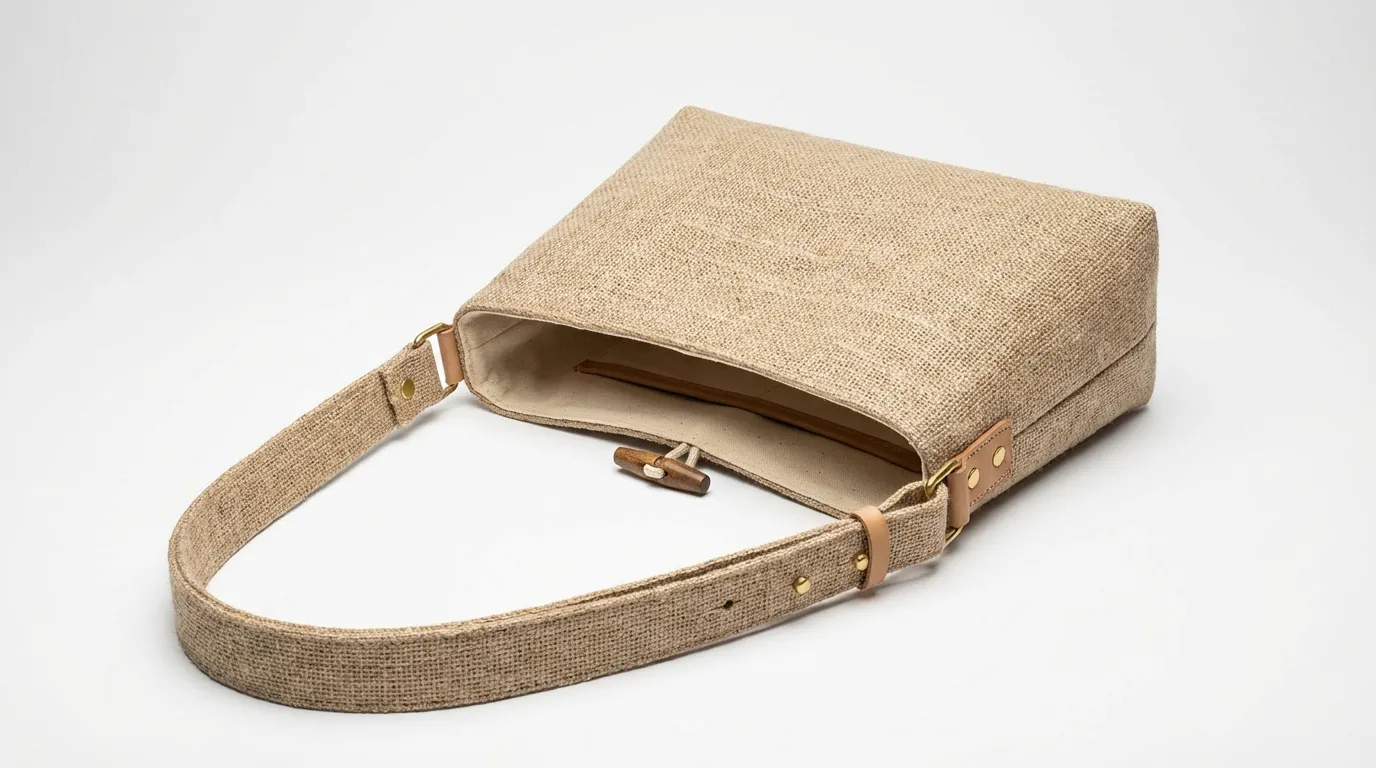
Hemp’s unique properties require specific expertise in manufacturing. As a factory committed to both quality and sustainability, FYBagCustom has cultivated the experience to work with this exceptional fiber.
FYBagCustom is Your Trust Custom Hemp Bag Manufacturing in China. We are dedicated to helping our clients harness the power of this incredible fiber, creating products that are as sustainable as they are strong.
Hemp is not a universal substitute for all fabrics; it is a premium choice for brands and products that want to emphasize durability, longevity, and a deep connection to the earth.
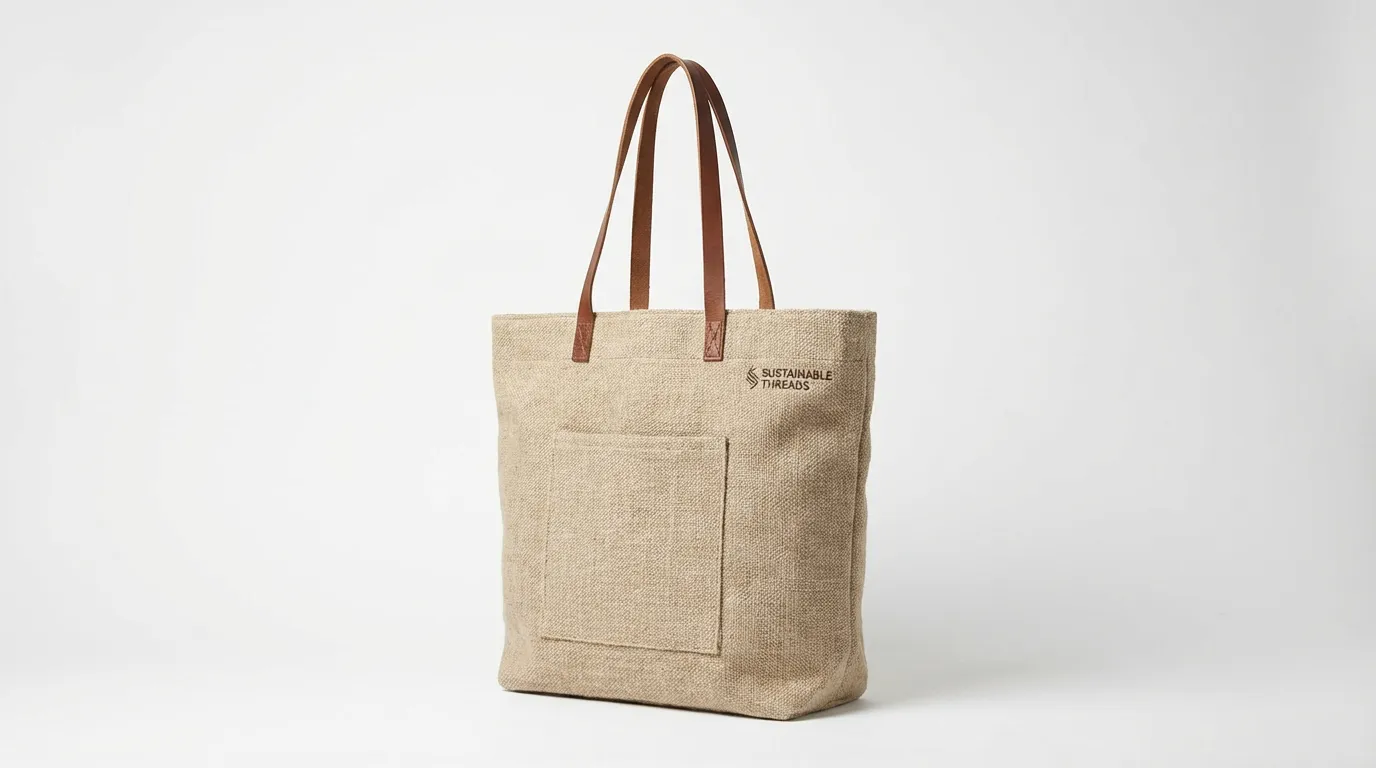
Hemp stands in a category of its own. It is a material that requires no compromise between performance and planetary health. It offers a level of strength and durability that few other fibers, natural or synthetic, can match, all while being produced through a process that can actively heal and regenerate agricultural land.
For the forward-thinking B2B buyer, hemp is a strategic tool to create products of exceptional quality and character. It allows you to offer your customers a bag that is not only built to last a lifetime but also carries a powerful and authentic story of environmental stewardship. In a world searching for authenticity and resilience, hemp delivers both in abundance.
This article concludes our Eco-Friendly & Sustainable Series. We hope it has provided you with the deep, actionable insights needed to build a more responsible and successful brand. Our guide will continue, moving next into the Specialty & Fashion Fabric Series, starting with a material known for its unique protective qualities: Neoprene.
Are you ready to build a product with the unparalleled strength and sustainability story of hemp? Contact the experts at FYBagCustom to learn more about our hemp fabric options, discuss your design ideas, and begin manufacturing a bag that truly stands for something.