Tel/WhatsAapp:+86 13366396425
E-mail: chloe_xia@vleap.com.cn

Why this choice matters for B2B buyers (it’s not “leather vs vegan”)
For custom women’s handbags, “genuine leather vs PU vs microfiber” is really a decision about:
A smart sourcing decision maps the material to channel + climate + customer expectations + warranty/return tolerance.
FYBagCustom supports OEM/ODM private label handbag development with material sourcing and sampling support, which is the stage where most “material mistakes” can still be corrected cheaply.
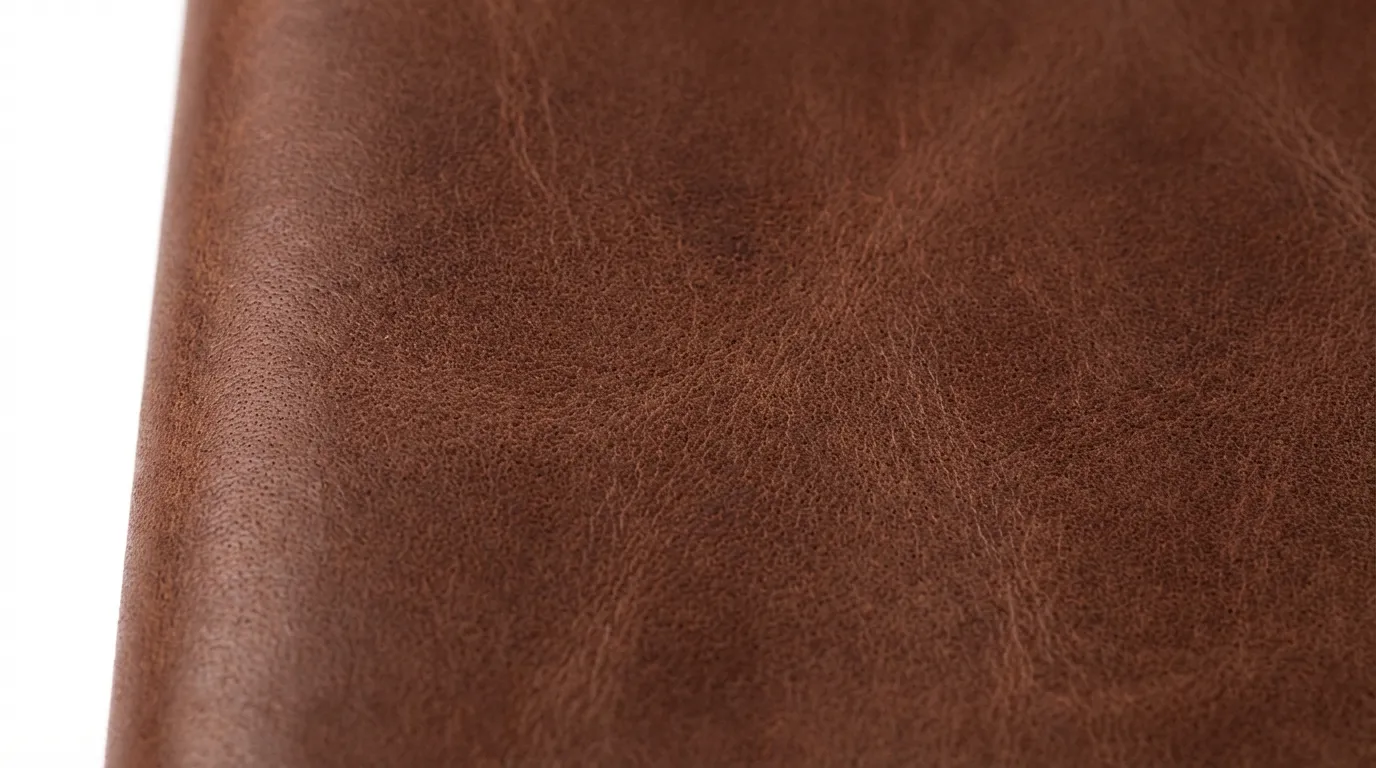
In many markets, “genuine leather” simply indicates the material contains real leather—yet the grade can vary widely (e.g., full-grain, top-grain, split leather with heavy finish). This is why two “genuine leather” handbags can behave completely differently in scratch resistance, aging, and cost.
Practical takeaway: always specify the grade + finish + thickness + tanning type, not the marketing term.
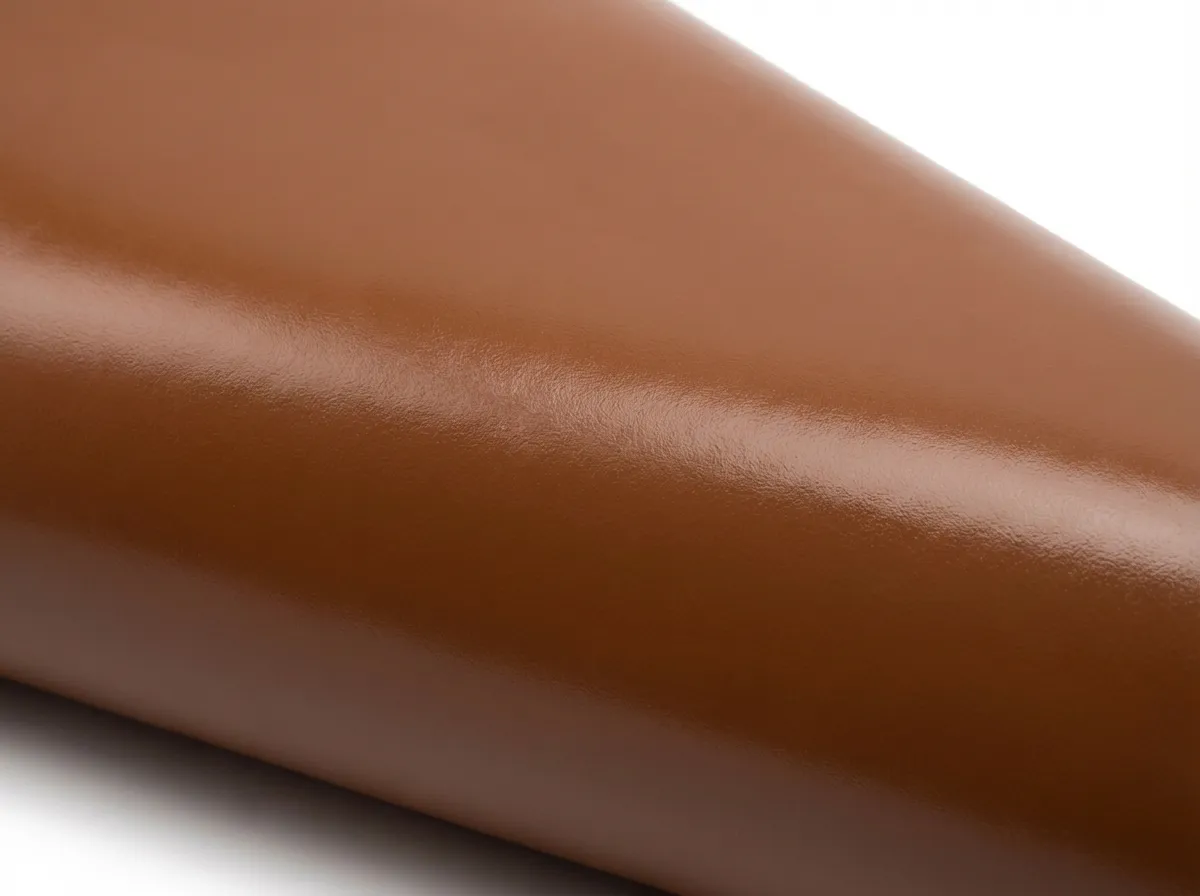
PU leather is typically a fabric base (often polyester) with a polyurethane layer/topcoat. It’s consistent, scalable, and color-flexible—but certain PU systems can degrade via hydrolysis under heat and humidity if the formulation isn’t suited to the usage environment.
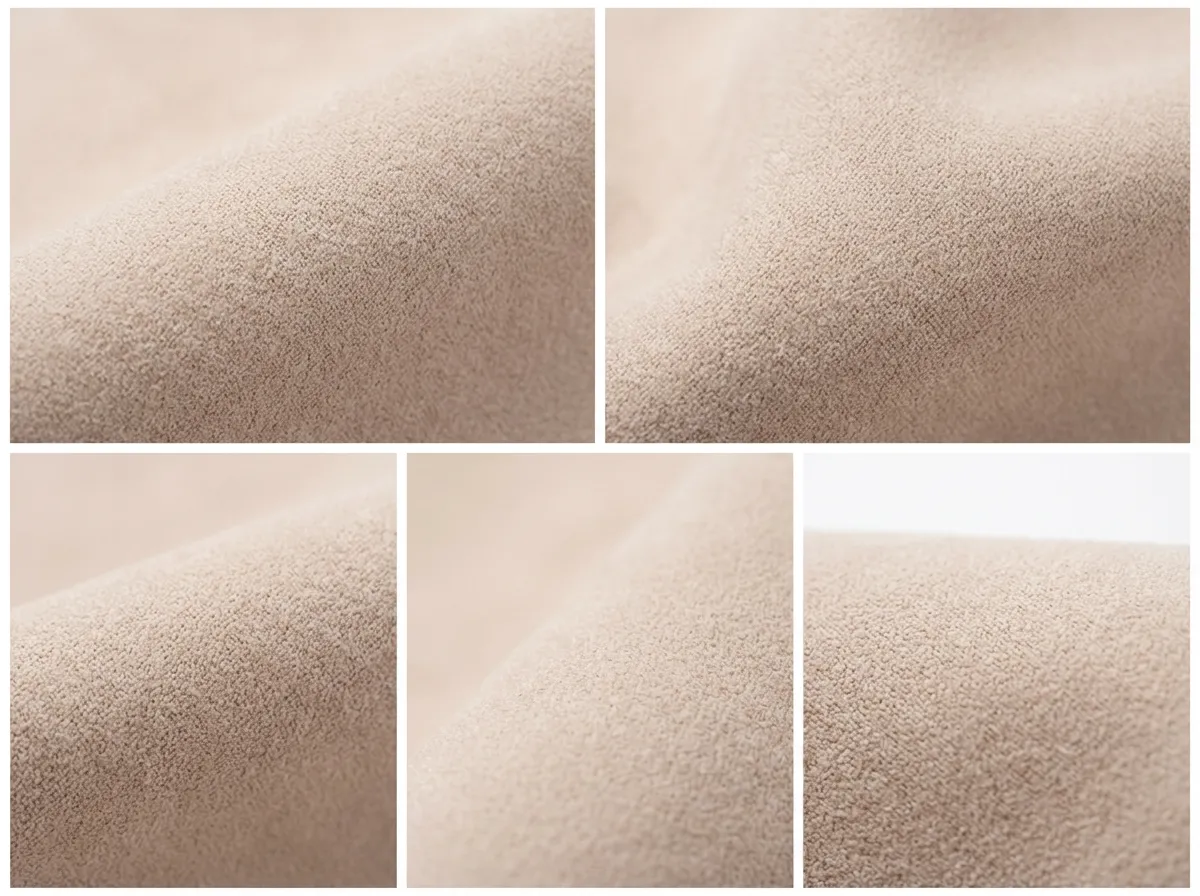
Microfiber synthetic leather is commonly built from a 3D nonwoven microfiber skeleton plus a porous polyurethane matrix—engineered to mimic leather’s fibrous structure more closely than basic PU-on-woven. Academic and technical references describe microfiber synthetic leather as a nonwoven network with a porous PU matrix.
Practical takeaway: microfiber is usually positioned as the higher-performance synthetic (and higher cost) relative to entry PU, but specs still vary a lot by supplier.
| Buyer type / channel | Best default choice | Why | When to override |
|---|---|---|---|
| Premium brand, heritage positioning | Top-grain / full-grain leather | Patina, perceived value, repairability | If customer demands “animal-free” |
| Contemporary fashion brand (fast drops) | PU or microfiber | Speed, color freedom, stable look | Use microfiber for higher wear points |
| Mass retail / supermarket channel | PU (cost-engineered) | Predictable BOM cost | Upgrade handles/corners with microfiber |
| Corporate gifting / promotions | PU or microfiber | Branding consistency, cost control | Leather only when gifting tier is premium |
| Amazon/DTC (return-sensitive) | Microfiber or well-specified PU | Consistency, less natural variation | Leather works if finishing + QC are tight |
The selection of handbag materials should fully consider the usage scenarios:
Strengths
Trade-offs
Strengths
Trade-offs
Because microfiber synthetic leather uses a 3D nonwoven skeleton and porous PU matrix, it’s often designed to improve mechanical performance compared to basic PU-on-woven.
But microfiber is not automatically “premium”—performance still depends on:
| Category | What to specify | Why it prevents surprises |
|---|---|---|
| Thickness | mm range + tolerance | Thickness drives stiffness and cost |
| Backing | woven / nonwoven / microfiber base | Determines tear + flex behavior |
| Finish | matte/gloss, emboss depth, topcoat type | Scratch, color transfer, visual aging |
| Color | Pantone/TPX reference + delta tolerance | Avoid shade disputes at bulk |
| Hand-feel | soft/firm + rebound | Affects perceived quality |
| Performance tests | abrasion, flex, adhesion, hydrolysis | Links to return-risk management |
| Compliance | REACH SVHC, Cr(VI), Prop 65 scope | Avoid border/marketplace issues |
EU rules restrict chromium(VI) in leather articles that contact skin with a threshold tied to 3 mg/kg (based on ISO test method detection). The EU legal text references EN ISO 17075 and the 3 mg/kg determination limit.
Buyer action: If you sell into the EU/UK and use chrome-tanned leather, require:
REACH obligations can be triggered if an “article” contains SVHCs above thresholds; guidance and explanations are commonly referenced by compliance labs and ECHA documentation.
Buyer action: ask your supplier for:
Prop 65 is a warning law tied to exposures to listed chemicals; lead is one example with official fact sheets explaining health risks and warning context.
Testing labs also note that in consumer products and hardgoods, issues often involve lead, phthalates, cadmium, etc., depending on components.
Handbag hotspot areas for Prop 65 attention
This is not legal advice—work with your compliance partner on the exact scope for your channel and state exposure.
| Risk area | Leather | PU | Microfiber | Notes |
|---|---|---|---|---|
| Cr(VI) | Medium–High(if chrome-tanned) | Low | Low | EU threshold ~3 mg/kg |
| SVHC screening | Medium | Medium | Medium | depends on chemicals used |
| Hardware heavy metals | Medium | Medium | Medium | same risk regardless of outer |
| Odor/VOC concerns | Low–Medium | Medium | Medium | depends on resin & curing |
| Color transfer | Medium | Medium | Medium | depends on finish + topcoat |
| Cost driver | Leather | PU | Microfiber |
|---|---|---|---|
| Material cost volatility | Higher | Lower | Medium |
| MOQ by color | Medium | Lower | Medium |
| Yield/waste sensitivity | Higher | Lower | Medium |
| Rework risk (appearance variation) | Medium | Lower | Medium |
| Long-term failure risk | Lower (if spec’d right) | Medium (hydrolysis-prone builds) | Medium |
Many successful handbag programs don’t pick a single material—they allocate materials by wear zone.
| Bag zone | Best material choice | Why |
|---|---|---|
| Handles / strap roots | Microfiber or high-grade leather | sweat/oil + flex fatigue zone |
| Corners / base | Microfiber or reinforced PU | abrasion + impact zone |
| Main panels | Leather for premium; PU for fashion; microfiber for consistent DTC | visual and tactile focus |
| Piping / edge | Microfiber / PU with strong coating | edge cracking prevention |
| Interior trims | PU or microfiber | cost control + consistency |
Buyer tip: If you’re targeting a “leather look” at a controlled price, a PU body + microfiber reinforcements can reduce returns more effectively than “upgrade everything to leather.”
A professional OEM/ODM sampling process should validate:
FYBagCustom’s custom design + sample development positioning highlights confirming trims, hand-feel, and logo placement during prototype stages—this is exactly where material decisions become “locked.”
| Check item | How to test quickly | What failure looks like |
|---|---|---|
| Scratch resistance | fingernail / coin rub (controlled) | visible light marks that won’t blend |
| Color transfer | rub with light cotton cloth | dye/crocking onto cloth |
| Flex points | repeatedly flex gusset/strap root | whitening, cracking, coating separation |
| Odor | sealed bag test 24h | strong solvent smell remains |
| Corner abrasion | rub on coarse fabric | early topcoat wear-through |
| Hardware | tape-peel + visual | plating scratches, discoloration |
Leather industry organizations and certification schemes emphasize environmental management and transparency; Leather Working Group (LWG) focuses on auditing and standards, and references work such as LCA initiatives.
Many PU-based materials are plastic-based and not biodegradable; the sustainability story depends on:
Balanced sourcing teams often use:
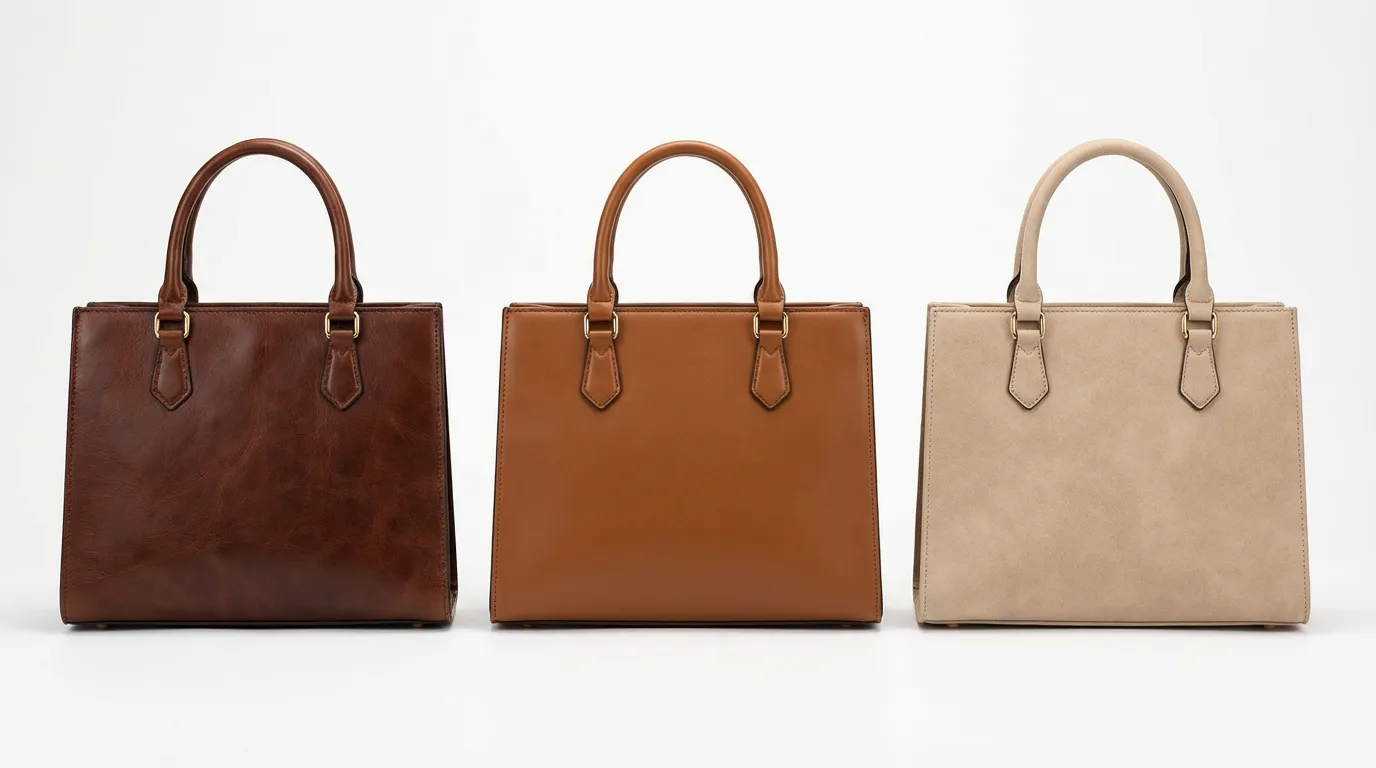
Specify: leather grade, thickness, finish type, and compliance testing plan for Cr(VI) if EU-bound.
Microfiber synthetic leather’s nonwoven skeleton + porous PU matrix structure is one reason it’s often positioned as higher-performance than basic PU-on-woven.
For B2B buyers, the fastest way to de-risk this decision is to run two parallel prototypes:
FYBagCustom supports OEM/ODM handbag development and material sourcing, plus prototyping/sampling and packaging support.
If you share your target market (US/EU), price tier, bag type, and expected climate/use case, FYBagCustom can turn this into a one-page “material decision sheet” (leather vs PU vs microfiber) plus a supplier RFQ spec list you can send to factories for apples-to-apples quotes.