
Tel/WhatsAapp:+86 13366396425
E-mail: chloe_xia@vleap.com.cn

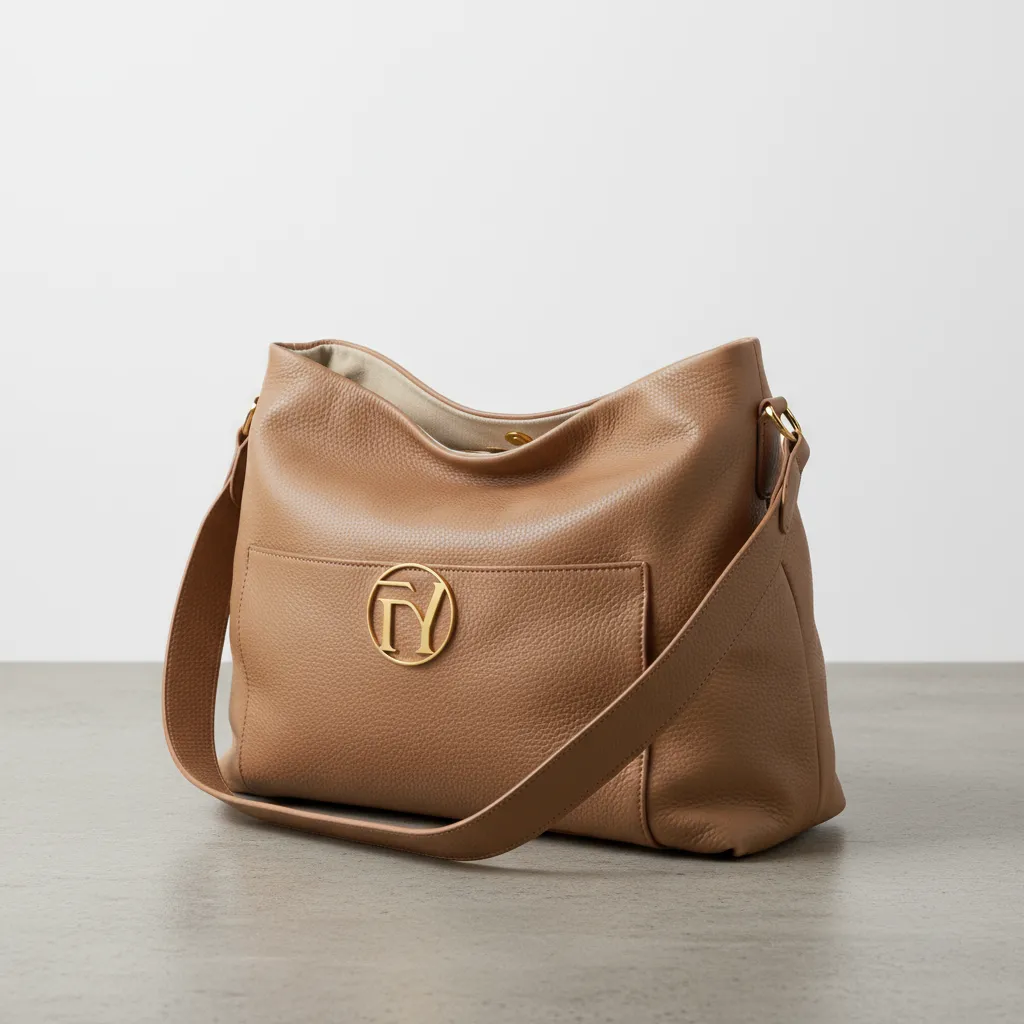
For brand, it is easier to work with style-based lines than with a list of isolated SKUs:
This structure helps you plan assortments, create visual merchandising, and communicate clearly with your own customers.
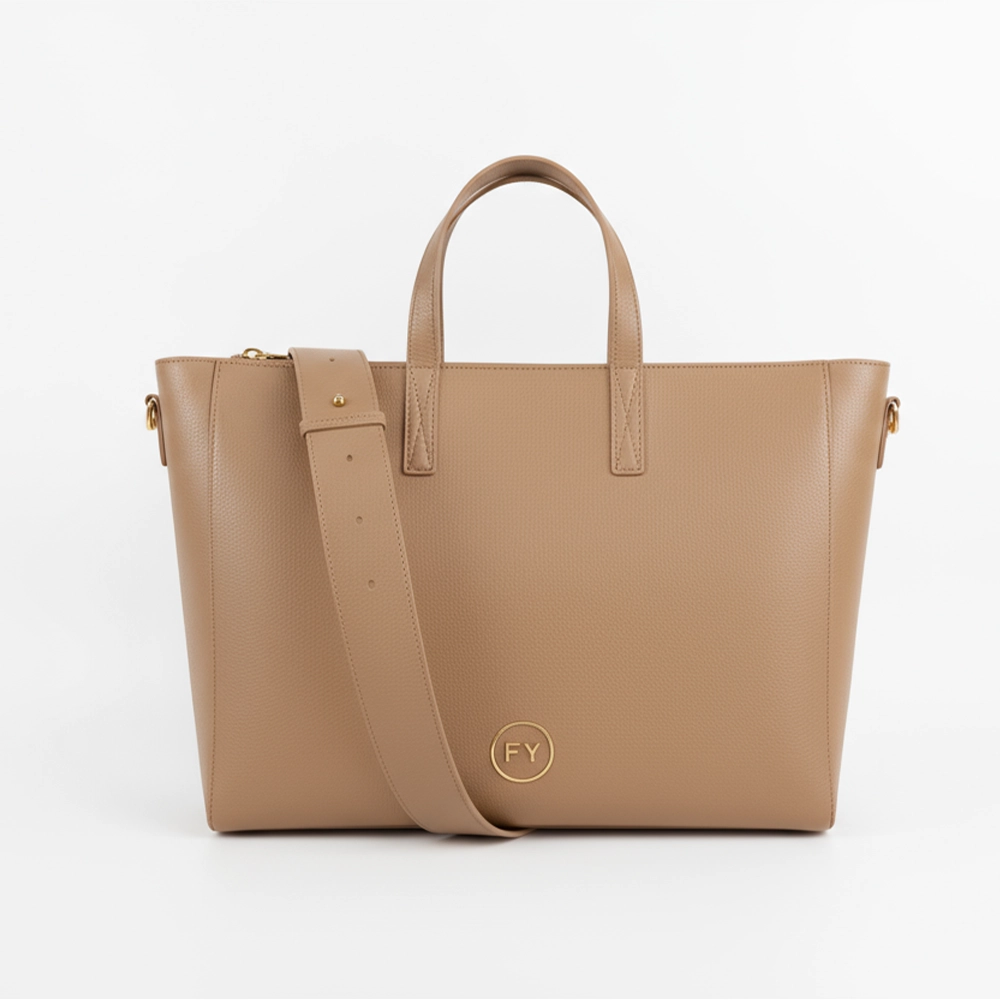
A bag brand becomes recognizable when style stays consistent across seasons:
Our custom bag style framework makes sure each style direction is defined, documented and linked to specific design rules—so your brand identity is tangible, not abstract.
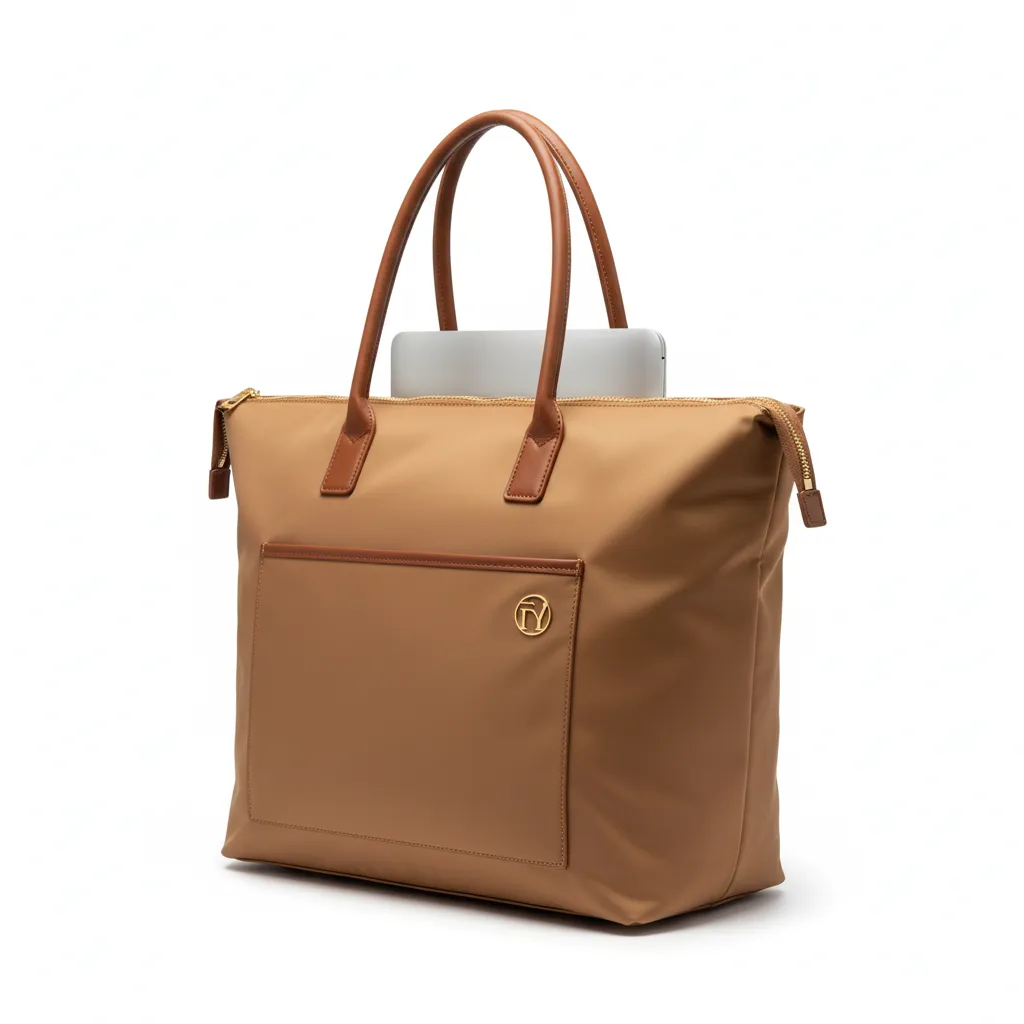
Each style line can reuse:
That means fewer variables for the factory, easier quality control, and better cost control. A strong style system becomes a bridge between your design team and your OEM/ODM partner.
At FY Custom Bag Factory, we translate creative direction into scalable manufacturing logic—from minimalist clarity to boho craft—so every stitch serves your brand.
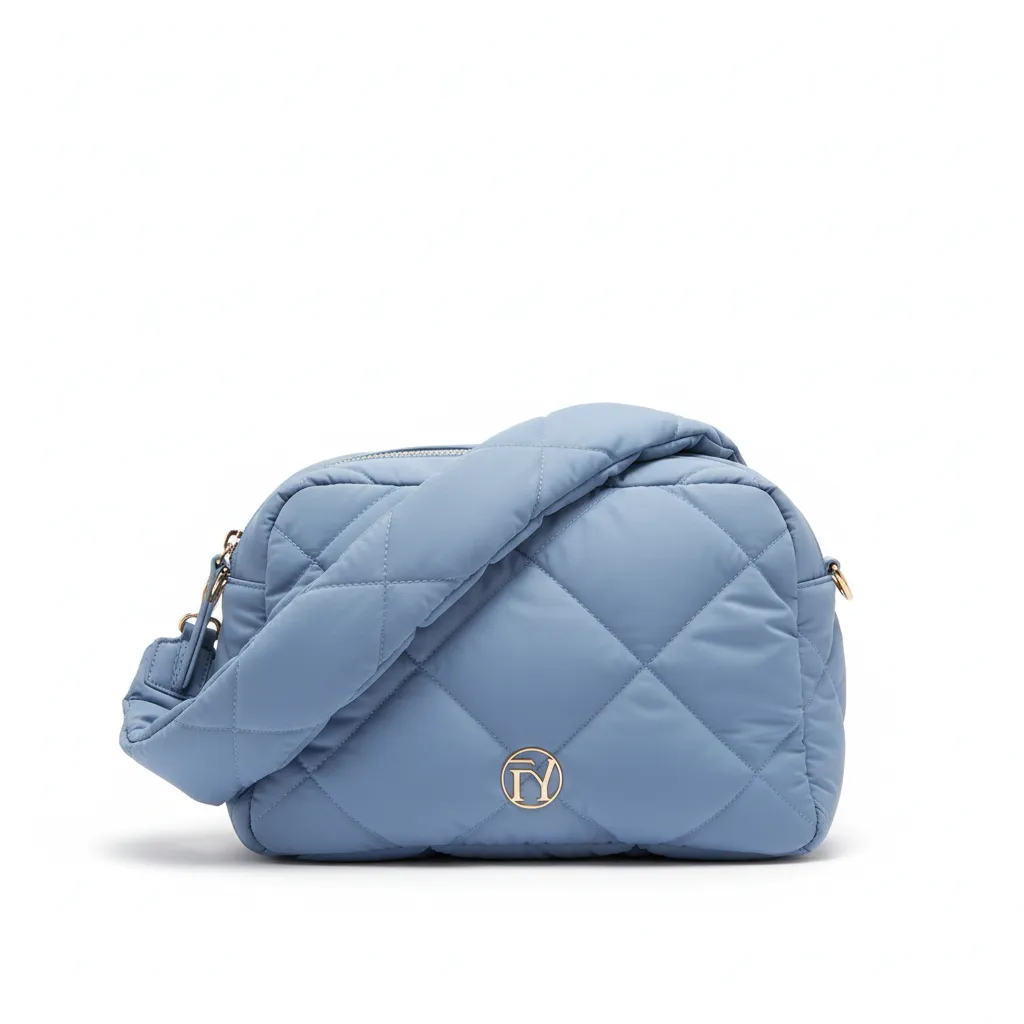
Minimalism is restraint with intent. Lines are clean, planes are quiet, and every radius, handle drop, and seam is justified.
We emphasize silent luxuries: balanced geometry, uniform edge-paint, and hardware that disappears into the silhouette.
Structural Logic:
Material System:
Matte PU, fine-grain leather, high-denier nylon; clear and mesh for ultra-light variants (clear tote / mesh market / nylon travel tote are common minimalist expressions).
Manufacturing Techniques:
Laser cutting for edge fidelity, blind-stitch or taped seams, muted hardware finishes (satin nickel, gunmetal).Colorways lean neutral to underline form over ornament.
What It Signals:
Clarity, intelligence, modernity—ideal for tech-adjacent labels and premium lifestyle lines.
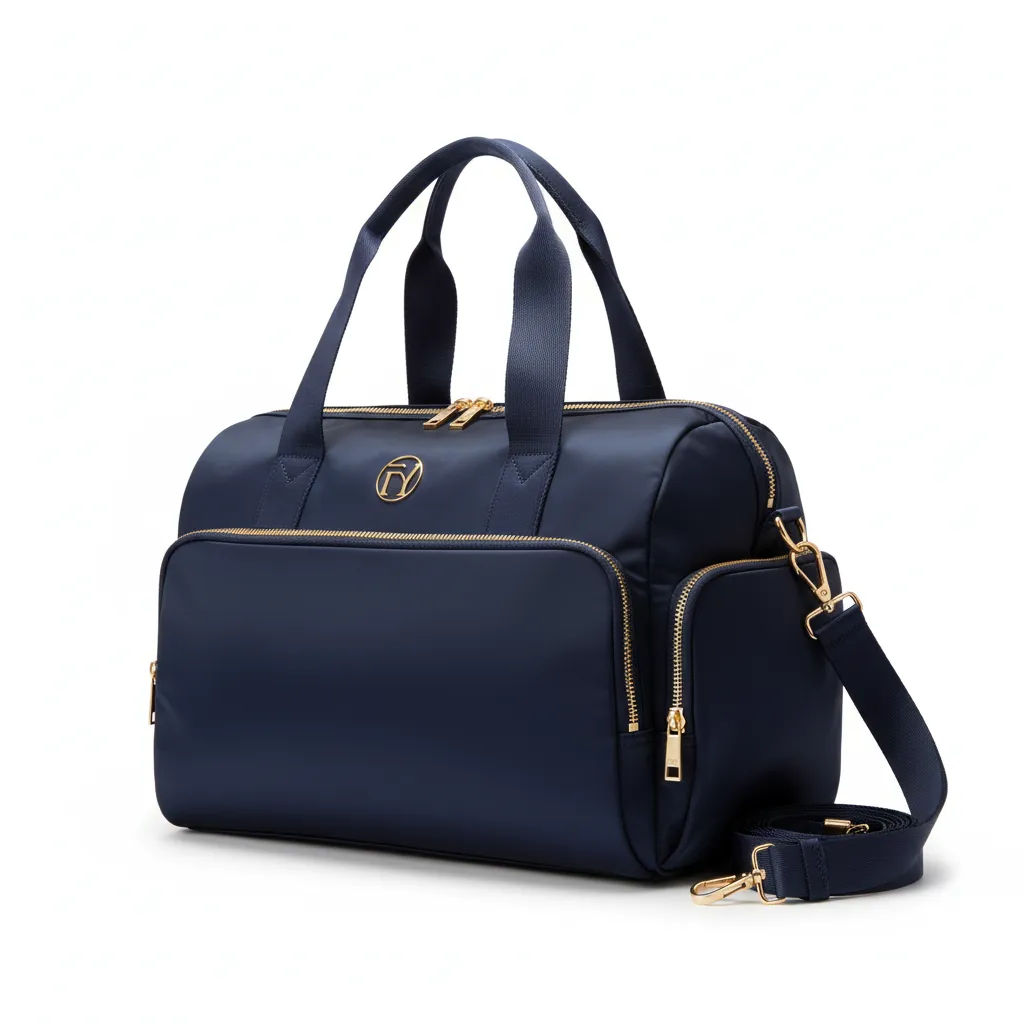
Function is a choreography of use. Compartments, access points, and carry modes are mapped to real routines:
commute → desk → gym → travel.
Structural Logic:
Material & Hardware:
600D–1680D nylon/poly with PU/TPU coatings, YKK/SBS zippers, Duraflex buckles, water-resistant linings, reflective trims for urban use.
Manufacturing Techniques:
Modular construction for serviceability; seam taping on weatherized skus; QC includes pull, rub, hydrostatic, and cycle tests.
What It Signals:
Reliability and intelligent utility—perfect for urban mobility, corporate gifting, and travel retailers.
Fashion is narrative. Silhouette, surface, and shine deliver emotional contrast and seasonal novelty while staying manufacturable.
Structural Logic:
Material & Surface:
Fine leather/microfiber, mirrored or pearlized PU, satin, moiré, and specialty textiles. Space for embellishment when desired (beads, sequins).
Manufacturing Techniques:
Emboss/deboss with ±0.2 mm mold accuracy, micro-edge painting, quilting with calibrated stitch density, crystal/metal setting jigs for consistency.
What It Signals:
Desire and brand voice—ideal for department-store capsules and DTC hero items.
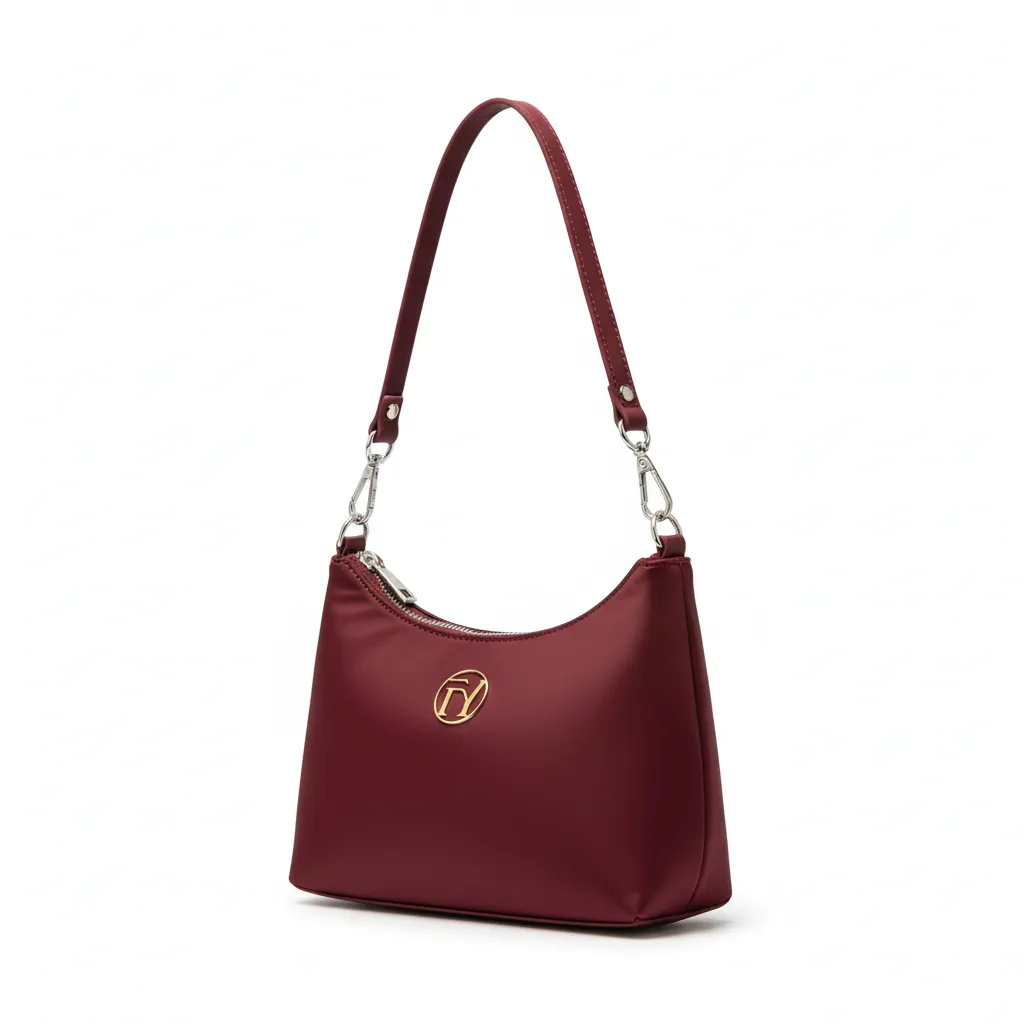
Not imitation; translation. We extract design logic—proportion, hardware grammar, handle geometry, edge profiles—and express it as new, brand-authentic product.
Structural Logic:
Material & Detail:
Full-grain leather or top-tier microfiber for long-term shape memory; satin stacks of edge-paint;
micro-polished hardware;
suede or micro-fiber linings for tactile openings.
Manufacturing Techniques:
Multi-round sampling with fit cards, tolerance maps for mass production, color-fastness alignment across leather and PU companions.
What It Signals:
Elevated taste and lineage—luxury codes distilled into commercially repeatable SKUs.
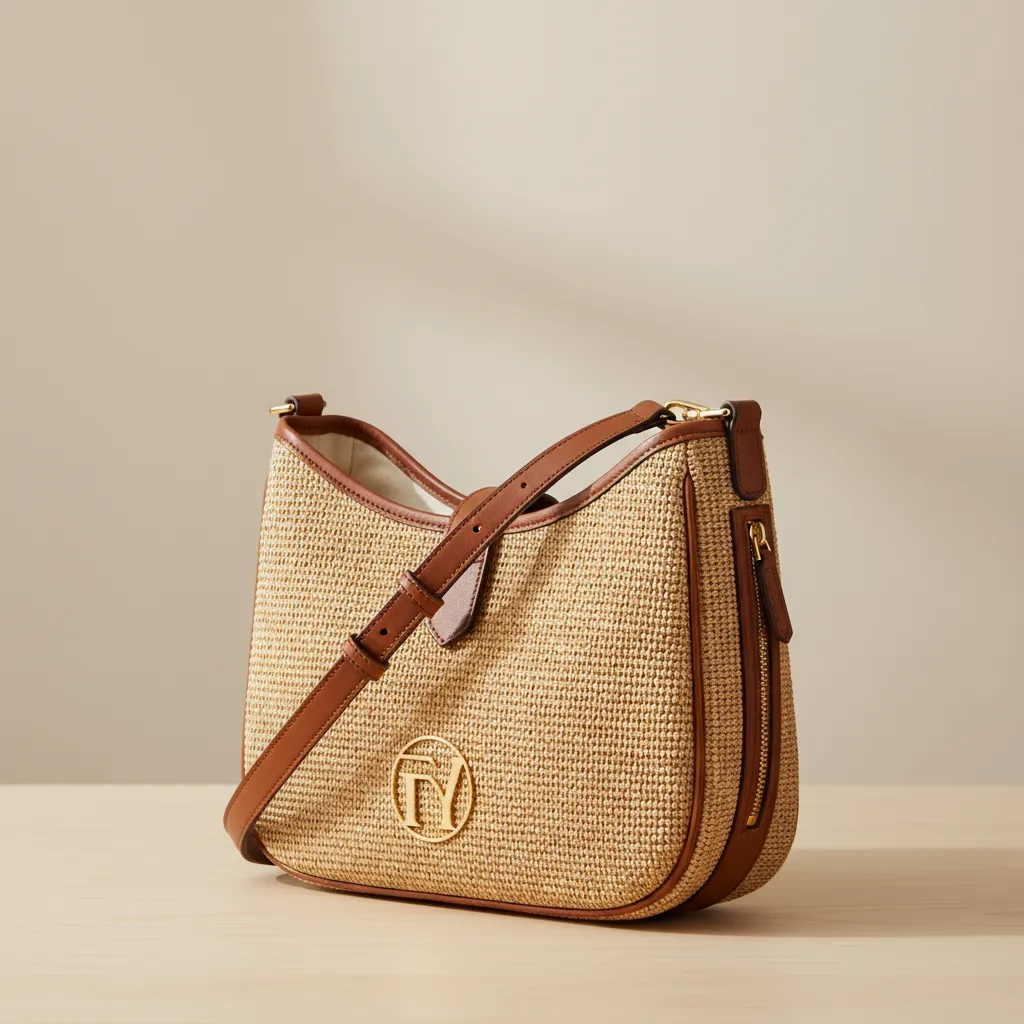
Boho celebrates texture and time: straw, raffia, macramé, hand-weave, tassels. Irregularity is character; authenticity is the luxury.
Structural Logic:
Material System:
Straw, raffia, jute, cotton canvas, soft leather trims; artisan woven textures and “market style” expressions are part of your style taxonomy.
Manufacturing & Craft:
Hand-braid and loom work, waxed thread saddle-stitch options, tassel/fringe finishing. Natural dye lots handled with ΔE controls to keep sets coherent while honoring craft variation.
What It Signals:
Warmth, travel, creative independence—perfect for resort, summer, and artisanal collaborations.
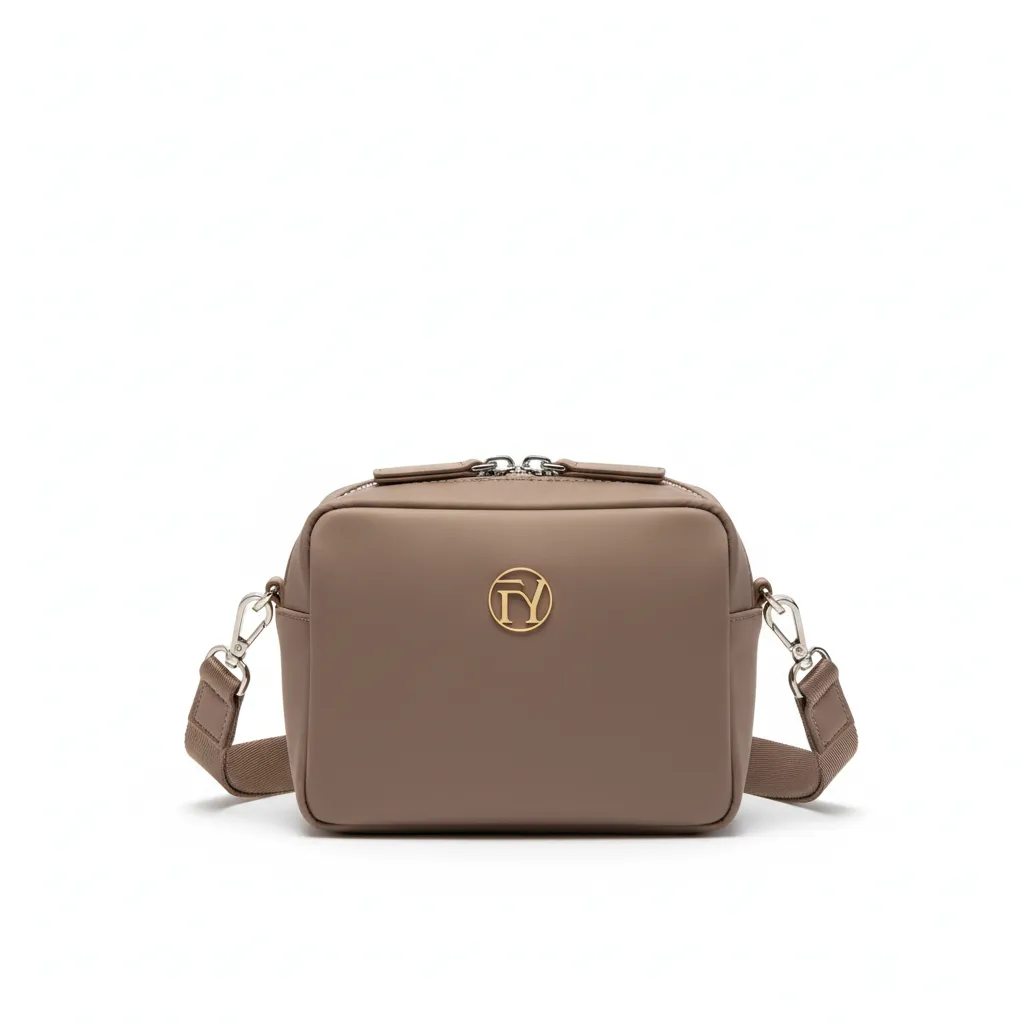
Imperfect on purpose. Handmade bags highlight human signatures—a raised stitch, the tension of a braid, the feel of a wrapped handle—so craft becomes part of your brand story, not hidden inside the bag.
Structural Logic:
Material & Surface:
Veg-tan leather, pull-up leather, heavy canvas, braided cords and waxed threads that age well. Hardware is brushed or antique, so the focus stays on hand-stitching, braids, tassels and wraps, not on shiny metal.
Manufacturing Techniques:
Hybrid flow: bodies sewn on industrial machines, then hand-stitching, hand-braiding or hand-wrapping in craft cells. Each technique (saddle stitch, whipstitch, laced seams, woven panels) follows simple guides for spacing and thread size, so “handmade” is still repeatable for B2B orders.
What It Signals:
Authenticity, tactility and time. A handmade-style bag signals care and story value, making it ideal for limited editions, collaborations and premium lines within a modern, scalable collection.
Whether you want to build a minimalist core line, a functional work & travel line, a fashion-forward trend line, or a boho/handmade storytelling line, we help you turn style language into manufacturable products.
At FYBAGCUSTOM you get:

You share:
We listen, ask targeted questions, and identify the style families that make the most sense for your business.

We translate each style into:
This gives you a style-driven product matrix that is understandable and scalable.

We develop:
You review not only as individual bags, but as collections: how minimalist, functional, fashion, boho or handmade styles look together in a catalog or on a shelf.

Once approved, we:
If you are just starting, we usually recommend a balanced mix of styles instead of only one direction. For most B2B brands and retailers, a safe starting point is:
During our first call, we can review your target customer, price range and sales channels, then propose a custom style mix for your collection.
Yes. Most B2B customers do exactly that. A typical launch might look like:
From a production perspective, we plan patterns, materials and hardware in a way that lets you mix different custom bag styles in the same season or order while still controlling cost and complexity.
You don’t need to have perfect technical files. For style-focused projects, we usually ask for:
From there, our team will create style proposals, rough sketches, material suggestions and sample plans, then refine them with your feedback.
MOQ usually depends on:
In general, for a style-based collection, it is more efficient to:
Share your target quantities and style plan, and we’ll propose a MOQ structure that balances flexibility with realistic pricing.
Yes. If you already sell bags, we can:
This makes it easier to keep your brand identity consistent while introducing fresh designs.
Tell us about your target customer, sales channels and preferred styles – minimalist, functional, fashion, designer-inspired, boho or handmade.
We’ll help you build a style-driven bag collection with clear positioning, consistent aesthetics and reliable manufacturing behind it.