Tel/WhatsAapp:+86 13366396425
E-mail: chloe_xia@vleap.com.cn

Welcome back to The Ultimate Guide to Custom Bag Fabrics, the expert-led series from FYBagCustom where we dissect the materials that define the world of bag manufacturing. Our journey so far has taken us from the rugged reliability of Canvas to the versatile performance of Polyester and the premium, uncompromising strength of Nylon. Now, we return to the heart of the natural fiber world to explore a material that is both familiar and widely misunderstood: Cotton.
A common question we hear from our B2B clients is: “If canvas is made from cotton, why does ‘cotton fabric’ need its own guide?”
This is the critical question that separates the novice buyer from the seasoned professional. While heavy canvas is indeed a cotton product, the “cotton” we discuss here refers to a different class of fabrics—lighter, softer, and more refined textiles that offer a unique set of advantages. Where canvas is the durable workhorse, think of these cotton fabrics as the adaptable and graceful showhorse. They are chosen not for their brute strength, but for their soft hand-feel, excellent breathability, and unmatched ability to reproduce fine, detailed prints.
This in-depth guide will explore the world of lightweight cotton fabrics. We will delve into the science of cotton grades, explain the critical differences between weaves like voile and twill, and establish a clear framework for when to choose these softer cottons over their heavyweight canvas cousins. For brand owners creating everything from premium dust bags and promotional cosmetic pouches to high-end fashion totes, mastering the nuances of cotton is key to creating a product with a superior tactile and visual appeal.
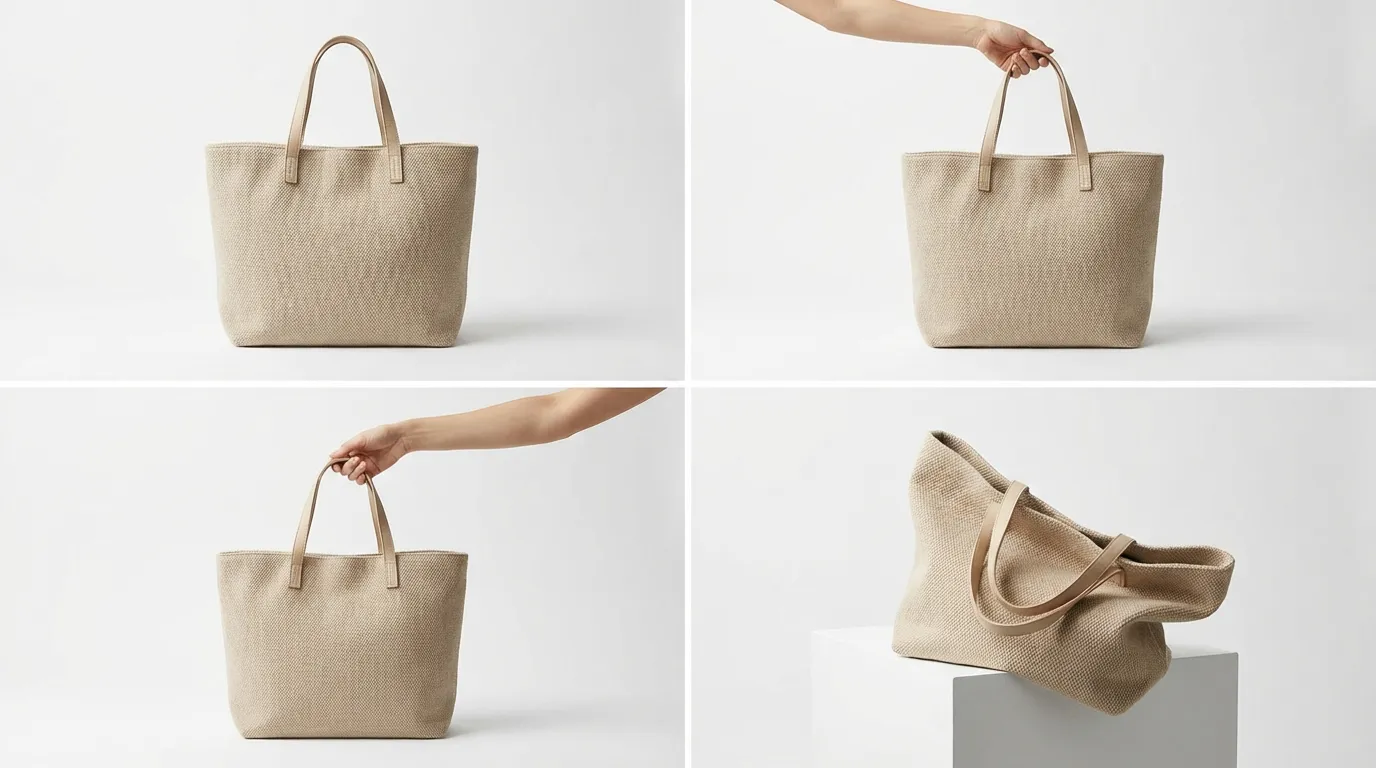
To understand why a 5 oz cotton tote feels so different from a 14 oz canvas one, we must look closer at the fiber itself and how it’s processed.
Cotton is a soft, staple fiber composed almost entirely of cellulose. The fibers grow in a boll, or protective case, around the seeds of the cotton plant. The key characteristics derived from this natural origin are:
The primary distinction between a “cotton” fabric and a “canvas” fabric lies in two areas:
Think of it like the difference between a rope and a sewing thread. Both can be made of the same core material, but their thickness and construction dictate their use. Canvas is the rope; lighter cotton is the thread.
| Feature | Lightweight Cotton (4-8 oz) | Heavyweight Cotton Canvas (12-24 oz) | The B2B Takeaway |
|---|---|---|---|
| Primary Attribute | Softness & Print Detail | Durability & Structure | Choose cotton for feel and visual fidelity. Choose canvas for toughness and load-bearing. |
| Hand-Feel | Soft, smooth, supple, pliable. | Stiff, rugged, substantial. | The tactile experience is completely different. Cotton feels gentle and premium; canvas feels robust and utilitarian. |
| Structure & Drape | Excellent drape. Folds easily, conforms to contents. | Stiff and architectural. Holds its own shape. | Use cotton for unstructured totes, pouches, and dust bags. Use canvas for structured totes and bags that need to stand on their own. |
| Weight | Very lightweight. | Heavy. | Cotton is ideal for “bag-in-a-bag” applications, packable totes, and reducing shipping costs. |
| Printability | Superior for fine detail. The smoother, flatter surface allows for intricate lines and photorealistic prints. | Excellent for bold graphics, but the coarser texture can obscure very fine details. | For artwork with delicate lines, complex text, or photographic elements, lightweight cotton is the superior choice. |
Technical Comparison: Lightweight Cotton vs. Heavyweight Canvas
While canvas is defined by its simple, strong plain weave, lighter cottons come in a variety of weaves that offer different aesthetics and textures.
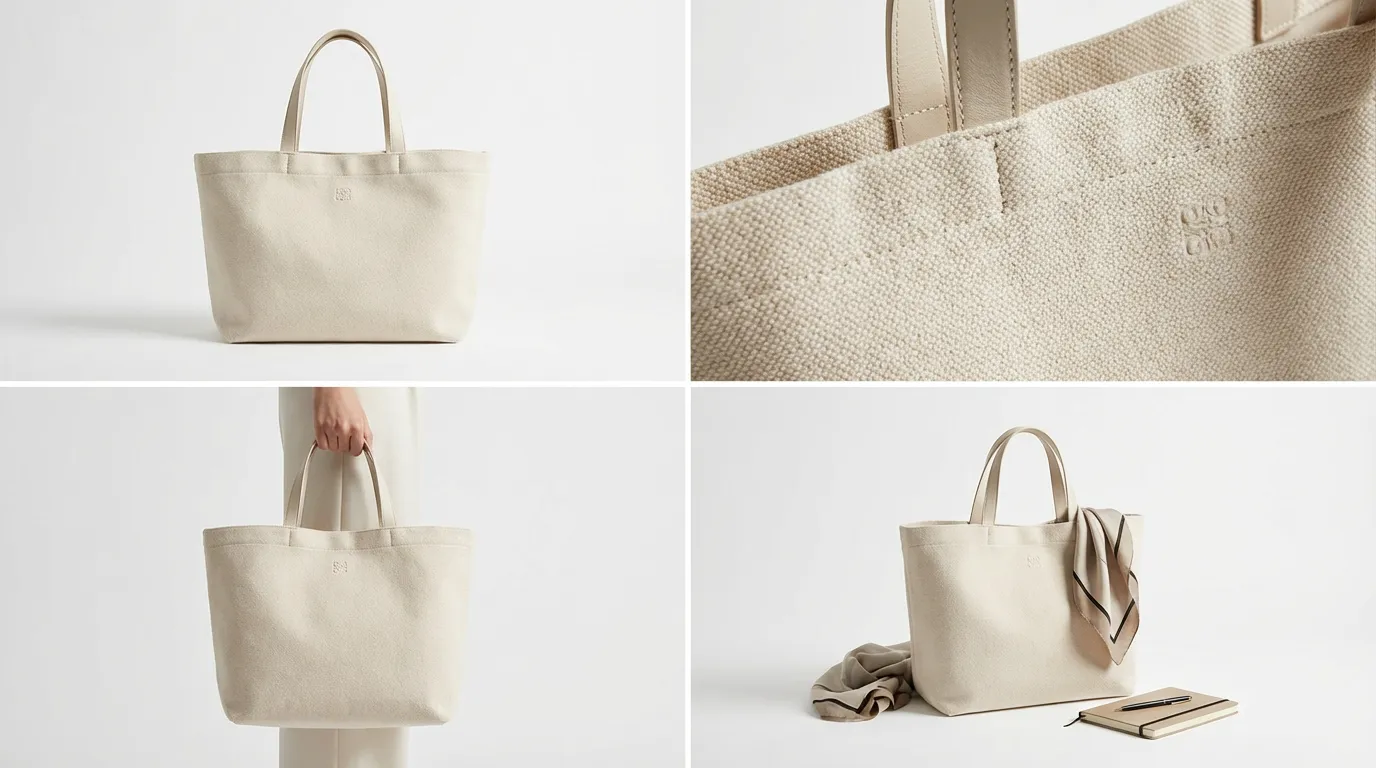
Choosing a lightweight cotton fabric is a deliberate decision to prioritize a specific kind of user experience and brand message.
Never underestimate the power of touch. When a customer receives a product in a soft, smooth cotton dust bag, it immediately signals luxury and care. A promotional tote made from 5 oz soft cotton feels more like a gift than a cheap giveaway, creating a much stronger positive brand association than a non-woven PP bag. This premium feel directly translates to higher perceived value.
This is cotton’s greatest strength in branding. The finer yarns and smoother surface provide a superior substrate for high-fidelity printing.
For brands selling premium goods (like leather handbags, shoes, or electronics), a custom-branded cotton dust bag is a highly effective, low-cost way to enhance the customer experience. It protects the primary product, reinforces the brand identity, and provides a useful, reusable item for the customer. It’s an investment in packaging that doubles as a marketing tool.
Manufacturing with lightweight cotton requires a different set of skills and machine calibrations than working with heavy-duty materials. Precision and a delicate touch are paramount.
As a full-service bag manufacturer, we understand that true expertise lies in knowing which material is right for which job. Our mastery of lightweight cotton allows us to offer our clients a range of sophisticated solutions that other factories, focused only on heavy-duty gear, cannot.
FYBagCustom is Your Trust Custom Cotton Bag Manufacturing in China. We possess the detailed craftsmanship and production capability to manufacture beautifully printed and finely finished bags using all grades of Cotton.
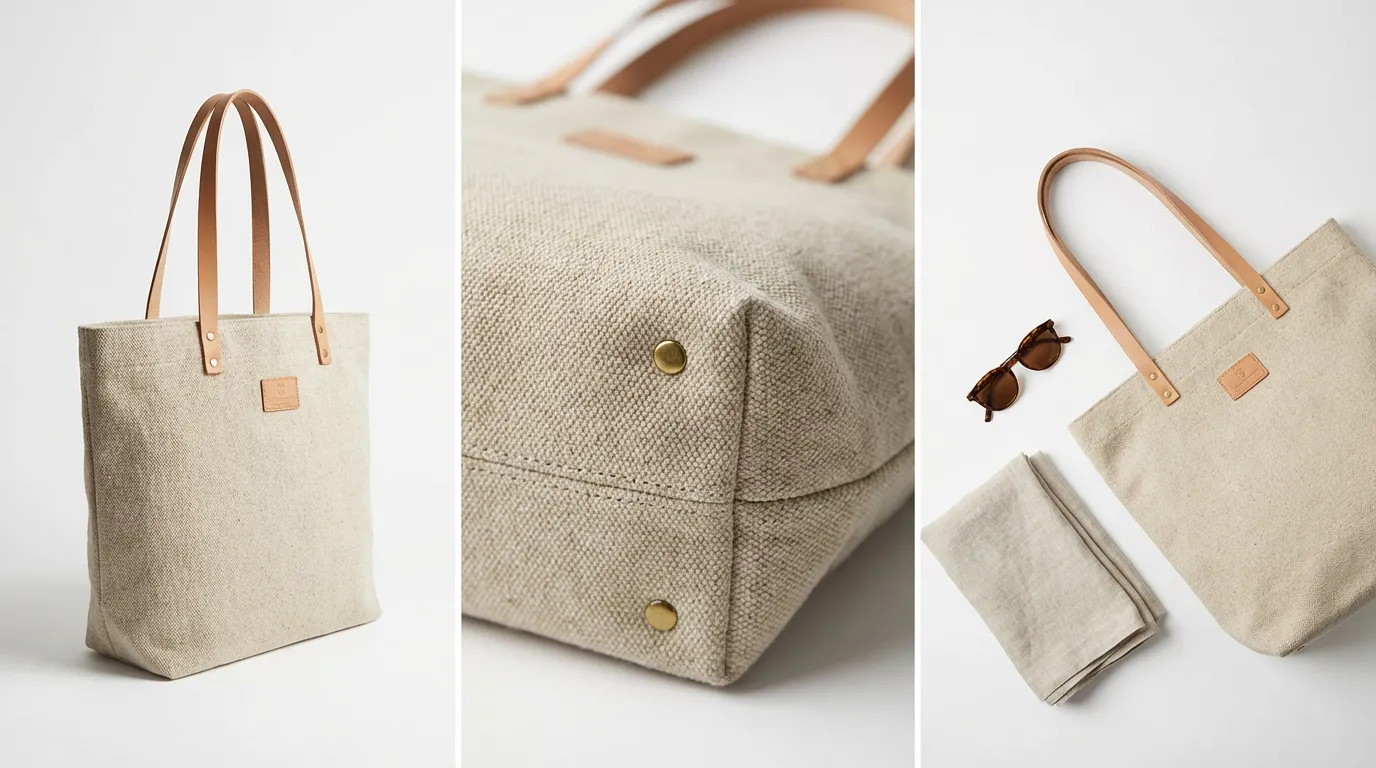
In the world of custom bags, strength isn’t the only measure of quality. Cotton fabrics—in all their lightweight, soft, and smooth glory—offer a different kind of value. They provide a superior tactile experience, a perfect canvas for detailed and artistic branding, and a message of thoughtful refinement.
While heavy canvas builds a reputation for toughness, soft cotton builds a reputation for elegance and attention to detail. Understanding how and when to use this versatile material is a hallmark of a sophisticated brand strategy. It demonstrates that you care not only about whether a bag can carry a load, but also about how it feels in your customer’s hands.
In our next guide, we will enter the world of ultimate luxury and timeless craftsmanship with “Genuine Leather for Bags: The B2B Guide to Sourcing Luxury & Craftsmanship.”
Ready to create a beautifully printed, soft-touch cotton bag or pouch for your brand? Contact the experts at FYBagCustom to discuss your project. We can provide samples, offer expert advice on printing techniques, and deliver a comprehensive quote.