Tel/WhatsAapp:+86 13366396425
E-mail: chloe_xia@vleap.com.cn

Introduction: Materials as the Cornerstone of Luxury Value

Coach handbags maintain their high value not merely through the logo printed on them, but through the brand’s rigorous standards for material selection. For leather goods brands, materials not only determine a product’s appearance and feel, but also represent a foundational capability that determines whether a brand can sustain its “affordable luxury” positioning over the long term. In fact, from a supply chain perspective, the material system represents the most difficult-to-replicate aspect of brand value. This is because it encompasses a comprehensive professional ecosystem: global sourcing networks, material grading control, leather chemical treatment protocols, hardware plating techniques, textile composite technologies, and compliance systems meeting international regulations and environmental standards. The success of a material strategy directly determines the consistent quality and differentiated advantages of a brand’s products. In this section, we will delve into Coach’s material practices from a professional perspective and explore how these approaches create long-term value for both the brand and its partners.
Coach adheres to the following core principles in material quality and sourcing:
These principles form the cornerstone of Coach’s material system, guaranteeing each seasonal collection achieves premium quality and aesthetic standards. Furthermore, these requirements establish clear benchmarks for supply chain partners, laying the foundation for stable operations across the entire value chain.
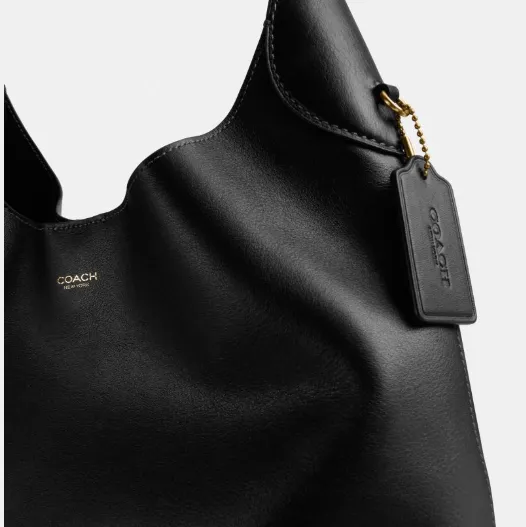
Coach’s design philosophy emphasizes “Tactile Luxury”—the notion that the first impression of luxury stems from touch rather than sight. Specifically, Coach prioritizes the following principles in material selection:
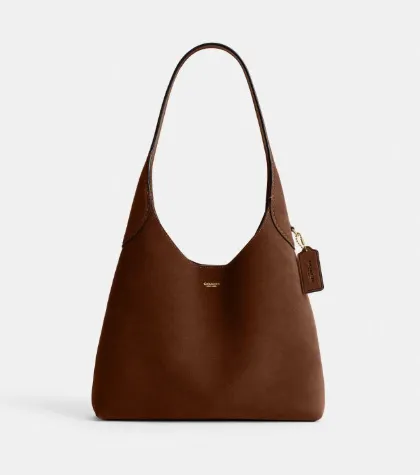
Coach deeply understands that the first impression luxury goods make on consumers stems not from sight, but from a combination of sensations—touch, weight, and scent. For this reason, nearly all of Coach’s mid-to-high-end collections insist on using natural materials like genuine leather, including full-grain leather, top-grain leather, and premium calfskin. These genuine leather materials possess advantages unmatched by plastic or synthetic leather:
For these reasons, genuine leather stands as the premier standard in Coach’s material system. Aligning with this material philosophy is equally vital for the brand’s supply chain partners. Professional custom bag manufacturer FYBAGCUSTOM offers full-grain cowhide and calfskin options matching Coach’s standards, while also recommending cost-effective top-grain corrected-grain leather tailored to brand positioning. This enables emerging brands to maintain premium tactile quality while managing budgets effectively.
Exceptional design doesn’t begin with visual effects in Photoshop—it starts with a deep understanding of how materials express brand personality. Only by selecting the right materials can you lay the groundwork for sophistication before the product even takes shape.
At Coach, material selection must precisely serve the product’s structural engineering. Each material possesses distinct properties and should be applied to the bag structure where it can best showcase its strengths—rather than forcing the material to compromise for the design. This principle of “letting materials work with structural forces, not against them” ensures every bag remains both visually appealing and durable through daily use. Below are Coach’s strategies for applying common materials to structural design:
| Material Type | Structural Purpose | Coach Application Examples |
|---|---|---|
| Full Grain Leather | High-rigidity structure | For tote bags, satchels, briefcases, and other bag styles requiring a structured silhouette |
| calfskin | Soft and naturally draping | For bag styles that prioritize a soft drape, such as Hobo bags and padded bags like the Pillow Tabby. |
| Coated canvas | Highly wear-resistant, waterproof | Featuring the classic logo monogram, this daily use bag balances brand recognition with practicality. |
| Heavy twill lining | Provide structural support and wear resistance | Lining material for mid-to-high-end mainline products, ensuring the bag retains its shape and resists wear over extended use. |
| Custom Metal Hardware | Load-bearing connections and brand identification points | For example, Turnlock clasps, chains, and metal fittings serve as both structural load-bearing points and brand identifiers. |
Through the aforementioned material application strategies, it is evident that Coach places great emphasis on the harmonious pairing of materials and structure: for business bags requiring a structured, rigid silhouette, excessively soft leather is never employed; similarly, stiff, heavy leather is avoided for Hobo bags designed to showcase a “draped aesthetic.” This thoughtful pairing of material firmness, thickness, and suppleness ensures each bag’s structure is both structurally sound and aesthetically pleasing.
Furthermore, during new product development, professional custom bag manufacturer FYBAGCUSTOM conducts material risk assessments for each bag style in advance. Based on design drawings, they identify potential issues like “poor conformability” or “excessive waste/fragility” in selected materials and promptly provide adjustment recommendations. This proactive quality control helps brands avoid rework and losses during later production stages. For B2B partners, this service holds immense value—it means having a professional team oversee product quality from a material engineering perspective before mass production begins.
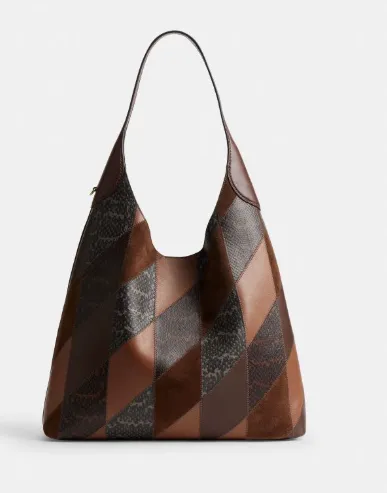
The value of high-quality materials lies not only in their tactile feel and physical properties, but also in whether they can achieve consistent batch production through industrial processes. Coach has established a comprehensive set of industrial-grade standards for material quality control to ensure every batch meets the requirements of a luxury lifestyle brand:
Through these measures, Coach has established a comprehensive material quality management system spanning procurement to production. Under this framework, every piece of leather and every metal hardware component entering the production line is “traceable,” backed by explicit quality parameters. This not only guarantees the consistent premium feel of finished products but also grants the brand significant control over its supply chain. For B2B brands aiming to enhance product value, this philosophy of ensuring luxury quality through industrial standards holds immense reference value—luxury does not equate to small batches or handcrafting; it is high standards achievable through scalable production.

Beyond functionality and quality, Coach’s use of materials also serves to convey the brand story. It can be said that Coach excels at using materials to “tell stories”, allowing consumers to directly experience the brand culture through touch and use:
These examples demonstrate how every material choice by Coach carries specific brand meaning. In essence, Coach uses materials to silently “narrate” its brand story. For consumers, this narrative isn’t confined to advertisements or presentations—it tangibly resides in “the leather they hold in their hands.” When customers touch the refined leather, see the classic monogram pattern, or feel the solid metal hardware, they unconsciously connect with and resonate with Coach’s brand culture. This materialized brand narrative significantly enhances consumers’ emotional attachment to the product, ultimately translating into recognition of the brand’s value.
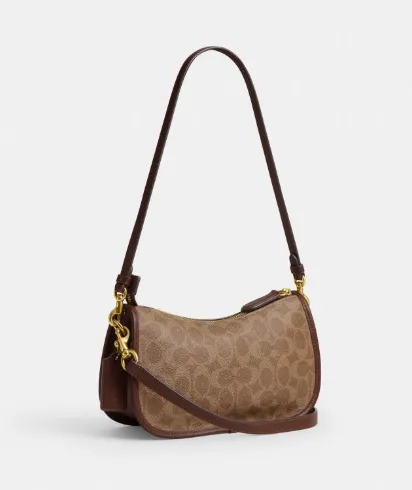
In summary, Coach has established a comprehensive and rigorous material system: from its material selection philosophy to supply chain standards, and the brand significance embodied by each material, forming a closed-loop ecosystem. This system endows Coach products with exceptional consistency and distinctiveness, making it difficult for competitors to replicate its inherent value. 【Every material represents a segment of the supply chain, and the supply chain itself constitutes the value chain】— —Coach profoundly embodies this principle.
Professional custom bag manufacturer FYBAGCUSTOM, by deeply understanding and drawing inspiration from this material strategy, not only elevates product quality but also builds core brand competitiveness from a value chain perspective. It’s crucial to emphasize that material advantages don’t exist in isolation: exceptional materials require masterful craftsmanship to shine and the right brand strategy to communicate their value.
In the next two articles of this series, 《Coach Bag Series (2/3): How Coach Bags Are Really Built》 and 《Coach Bag Series (3/3): Why Coach Bags Hold Their Value》, we will further explore Coach’s approaches to craftsmanship and brand value chains, comprehensively analyzing the systematic logic behind the success of luxury brands.