Tel/WhatsAapp:+86 18011919834
E-mail: chloe.x@fybagcustom.com

Tel/WhatsAapp:+86 18011919834
E-mail: chloe.x@fybagcustom.com
Send Your Inquiry Today

Who this guide is for: brand owners, product developers, sourcing managers, DTC founders, wellness-lifestyle labels, mother-and-baby brands, and eco-luxury labels who are developing handbags and accessories using vegetable-tanned leather with zero heavy-metal residues — leather that meets the most stringent European and U.S. health standards for skin contact, including products intended for use around infants. If you want to understand the chemistry behind chrome-free tanning, the performance differences between vegetable-tanned and chrome-tanned leather, the testing and certification framework that validates “non-toxic” claims, and how to specify vegetable-tanned leather for OEM production with a custom bag manufacturer — this guide covers the complete material science, the regulatory landscape, and the production considerations.
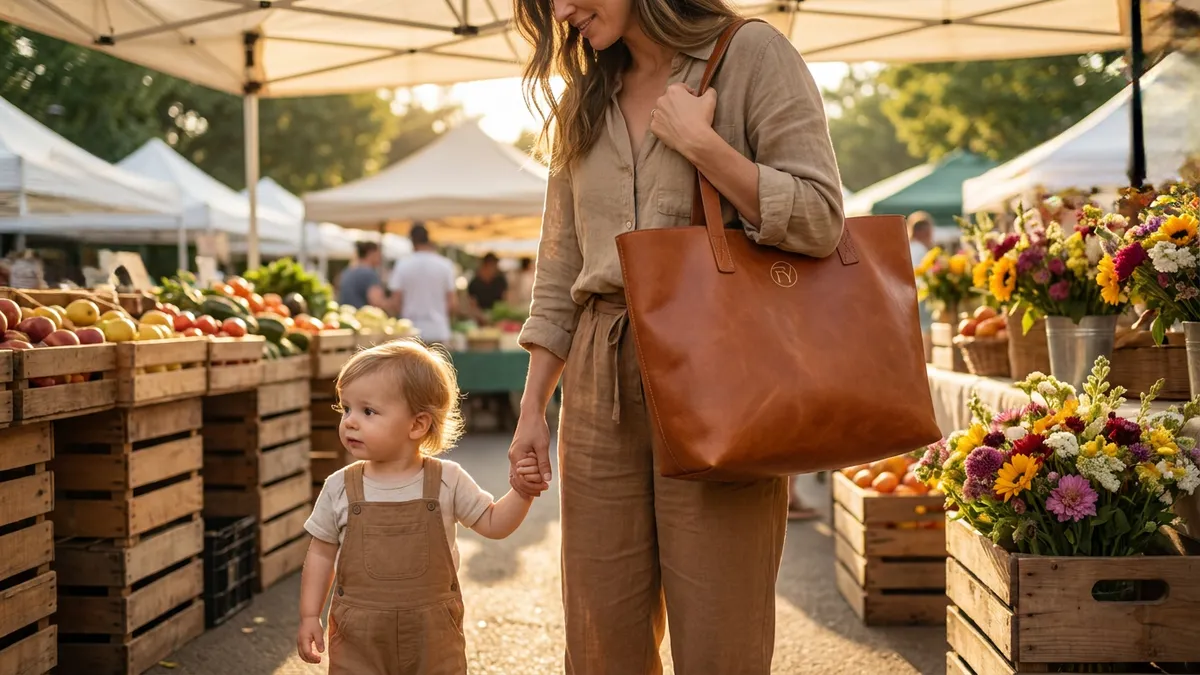
Leather has a chemistry problem that most consumers — and many brand founders — do not know about. Approximately 80–85% of the world’s leather is tanned using chromium salts (specifically trivalent chromium, Cr(III)), a process that is fast, economical, and produces soft, uniform, brightly colorable leather. Chrome tanning is the global industry default. It is the process behind the vast majority of leather handbags, shoes, jackets, and furniture sold worldwide.
Chrome-tanned leather is not inherently dangerous. Trivalent chromium (Cr(III)) is a relatively stable compound that poses minimal risk in normal use conditions. But under certain circumstances — heat, UV exposure, improper tanning, or chemical degradation over time — trivalent chromium can oxidize into hexavalent chromium (Cr(VI)), a known human carcinogen and potent skin sensitizer that is regulated under REACH (EU), CPSIA (U.S.), and multiple international safety frameworks. The threshold for Cr(VI) in leather products sold in the EU is 3 mg/kg — a level that a percentage of commercially produced chrome-tanned leather has been found to exceed in market surveillance testing.
For brands targeting health-conscious consumers — particularly mothers shopping for products that will be near their infants, consumers with dermatitis or chemical sensitivity, and buyers motivated by “clean” and “non-toxic” product values — the chrome question is not about whether chrome-tanned leather meets the legal threshold. It is about whether the brand wants to eliminate the question entirely by using leather that was never exposed to chromium in the first place.
Vegetable tanning — the ancient process of converting raw hide into leather using plant-derived tannins (from bark, wood, leaves, and fruit) instead of chromium salts — produces leather with zero heavy-metal content by definition. There is no chromium to oxidize. There is no threshold to monitor. There is no risk to explain away. The leather is chrome-free, heavy-metal-free, and safe for skin contact by any standard in any market.
This guide explains the chemistry, the performance characteristics, the regulatory framework, the testing standards, and the production specifications for vegetable-tanned leather handbags — the material that allows a brand to print “100% Chrome-Free” on its hang tag and mean it without qualification.
Tanning is the chemical process that converts raw animal hide (a biological tissue that would decompose within days) into leather (a stable, durable material that lasts for decades). The tanning agent — the chemical that performs this conversion — bonds with the collagen protein fibers in the hide, stabilizing them against decomposition, heat, and water.
| Dimension | Chrome Tanning | Vegetable Tanning |
|---|---|---|
| Tanning agent | Trivalent chromium sulfate (Cr₂(SO₄)₃) — a synthetic mineral salt | Plant-derived tannins — polyphenolic compounds extracted from tree bark (mimosa, chestnut, quebracho), wood, leaves, and fruit (tara pods) |
| Chemical mechanism | Chromium ions cross-link collagen fibers, creating stable bonds rapidly | Tannin molecules hydrogen-bond with collagen fibers, creating stable bonds gradually |
| Process duration | 1–2 days (the primary advantage of chrome tanning — speed) | 2–8 weeks for traditional pit tanning; 3–10 days for accelerated drum tanning (still significantly longer than chrome) |
| Heavy metal content in finished leather | Contains residual chromium (Cr(III)) — typically 2–4% of the leather’s dry weight | Zero heavy metals — plant tannins contain no metallic elements |
| Cr(VI) risk | Present — Cr(III) can oxidize to Cr(VI) under adverse conditions | Absent — no chromium means no Cr(VI) formation pathway |
| Resulting leather color (before dyeing) | Pale blue-gray (“wet blue”) | Warm tan/cognac/brown (the natural tannin color — “vegetable tan”) |
| Softness | Very soft — chrome produces a highly flexible leather | Firmer initially — vegetable-tanned leather starts stiffer but softens with use; the “break-in” is part of the experience |
| Color range (after dyeing) | Unlimited — chrome-tanned leather accepts virtually any dye color vibrantly | More limited — the warm tan base color influences all dye results; deep, saturated colors (black, navy, burgundy) are achievable; pastel and pure-white are difficult |
| Aging behavior | Relatively stable — does not change dramatically over time | Develops a patina — the leather darkens, enriches, and develops a surface sheen with sun exposure, handling, and use; this aging is the most prized quality of vegetable-tanned leather |
| Environmental impact of tanning process | Chromium-containing wastewater requires specialized treatment; improper disposal causes soil and water contamination | Tannin-containing wastewater is biodegradable; the environmental footprint is significantly lower |
The speed difference between chrome and vegetable tanning is the primary reason chrome dominates the global market. Chrome ions are small, highly reactive molecules that penetrate the hide quickly and bond with collagen almost immediately — the entire tanning process completes in 24–48 hours. Plant tannins are large, complex polyphenolic molecules that penetrate the hide slowly and bond through a gradual accumulation process — traditional pit tanning submerges the hide in progressively stronger tannin solutions for 4–8 weeks.
Modern accelerated vegetable tanning (using drums instead of pits) compresses this to 3–10 days — still longer than chrome but commercially viable for brands willing to accept the timeline. The quality of the leather is equivalent to pit-tanned; the process is simply faster due to mechanical agitation and optimized tannin concentrations.
Infants and young children are the most vulnerable population for chemical exposure through skin contact. Their skin is thinner, more permeable, and more chemically reactive than adult skin. Products that contact infant skin — including bags, carriers, and accessories that mothers carry while holding their children — are subject to the most stringent chemical safety standards.
| Concern | Chrome-Tanned Leather Risk | Vegetable-Tanned Leather Status |
|---|---|---|
| Cr(VI) skin sensitization | If Cr(VI) is present above threshold levels, it can cause allergic contact dermatitis — even in adults; infants are more susceptible due to thinner skin | No risk — no chromium present in any oxidation state |
| Mouthing exposure | Infants mouth objects (including bag straps, handles, and edges) — oral exposure to Cr(VI) is a documented health concern in children’s products | No risk — vegetable tannins are non-toxic; the leather contains no heavy metals |
| CPSIA (U.S.) compliance for children’s products | Chrome-tanned leather must be tested and certified to verify Cr(VI) levels below regulatory thresholds | Automatically compliant — there is no chromium to test for; the “chrome-free” claim eliminates the risk category entirely |
An estimated 1–3% of the general population has chromium contact allergy — an immune-system reaction to chromium compounds that causes redness, itching, blistering, and dermatitis at the point of skin contact. For these individuals, chrome-tanned leather products (including handbag handles, watch straps, shoes, and belts) are a known trigger.
Vegetable-tanned leather eliminates this trigger entirely. A brand that specifies chrome-free leather can market to the sensitive-skin segment with a simple, defensible claim: “Made with 100% vegetable-tanned leather — zero chromium, zero heavy metals, safe for sensitive skin.”
Beyond specific medical conditions, a growing consumer segment actively avoids products containing heavy metals, synthetic chemicals, and substances associated with environmental or health controversy — even when the actual risk is low. This is the same consumer who buys organic food, chooses “clean beauty” cosmetics, and reads ingredient lists. For this consumer, “chrome-free” is not a technical specification — it is a values alignment signal that communicates the brand shares her commitment to clean, considered living.
The EU’s REACH regulation is the world’s most stringent chemical safety framework for consumer products. Its provisions affecting leather include:
| Requirement | What It Means for Leather Products | Chrome-Tanned | Vegetable-Tanned |
|---|---|---|---|
| Cr(VI) limit: 3 mg/kg | Finished leather must contain less than 3 mg/kg hexavalent chromium | Requires testing to verify compliance; a percentage of commercial chrome leather fails this test | Automatically compliant — no chromium present |
| SVHC (Substances of Very High Concern) | Certain chromium compounds are listed as SVHCs; brands may be required to disclose their presence | Requires disclosure if chromium content exceeds specified thresholds | No disclosure required — no SVHCs related to chromium |
| Consumer information | Consumers have the right to know if articles contain SVHCs above 0.1% by weight | Chrome-tanned leather typically contains 2–4% chromium (as Cr(III)) — this may trigger disclosure requirements under evolving interpretations of the regulation | No chromium content to disclose |
| Requirement | What It Means | Impact |
|---|---|---|
| CPSIA (Consumer Product Safety Improvement Act) | Limits heavy metals in children’s products; establishes testing requirements for products intended for children under 12 | Chrome-tanned leather products for children must be tested for total chromium and Cr(VI); vegetable-tanned leather is inherently compliant |
| California Proposition 65 | Requires warning labels for products containing chemicals known to cause cancer or reproductive harm; Cr(VI) is listed | Chrome-tanned leather products sold in California may require Prop 65 warnings if Cr(VI) is detected above safe harbor levels; vegetable-tanned leather does not require a Cr(VI) warning |
| State-level chemical restrictions | Several states have enacted or proposed restrictions on heavy metals in consumer products beyond federal requirements | Vegetable-tanned leather is positioned ahead of any foreseeable heavy-metal restriction |
The direction is clear: stricter limits, broader product categories, more testing requirements, and increasing consumer right-to-know provisions around heavy metals in consumer goods. Brands that invest in chrome-free materials today are building regulatory compliance that will remain valid as standards tighten — rather than risk product recalls, mandatory labeling, or reformulation when the next threshold reduction is enacted.
A “chrome-free” claim is only as strong as the testing that supports it. Consumers, retailers, and regulators expect documentation — not just a declaration.
| Test | What It Measures | Method | Pass Criteria for “Chrome-Free” |
|---|---|---|---|
| Total chromium content | The total amount of chromium (all oxidation states combined) in the finished leather | ICP-OES (Inductively Coupled Plasma – Optical Emission Spectrometry) per ISO 17075 or equivalent | Below detection limit (typically < 10 mg/kg) — for genuine vegetable-tanned leather, the result should be effectively zero |
| Cr(VI) specific test | The amount of hexavalent chromium specifically | EN ISO 17075-1 (diphenylcarbazide method) | Below detection limit (< 3 mg/kg per REACH; but for “chrome-free” claims, the target is undetectable) |
| Formaldehyde content | Formaldehyde is sometimes used in leather finishing; it is a skin irritant and a regulated substance | ISO 17226 | Below 75 mg/kg for non-direct-skin-contact; below 20 mg/kg for children’s products (varies by standard) |
| pH value | The acidity of the leather surface; extreme pH can irritate sensitive skin | ISO 4045 | pH 3.5–5.5 (mildly acidic, consistent with healthy skin pH) |
| Azo dyes (restricted amines) | Certain azo dyes release carcinogenic aromatic amines; regulated under REACH and CPSIA | EN 14362 | All restricted amines below detection limit |
| OEKO-TEX Standard 100 (comprehensive) | A comprehensive test covering hundreds of harmful substances — heavy metals, formaldehyde, pesticides, phthalates, PFCs, and more | OEKO-TEX test protocol (covers all the above plus many additional substances) | Pass — OEKO-TEX certification for the relevant product class |
| Certification | What It Verifies | Issuing Body | Value to the Brand |
|---|---|---|---|
| Leather Working Group (LWG) | The tannery meets environmental and chemical management standards; LWG audits the tannery’s processes, wastewater treatment, and chemical usage | LWG (industry body) | Verifies responsible manufacturing; does not specifically certify “chrome-free” but an LWG-audited vegetable tannery provides documented process transparency |
| OEKO-TEX Standard 100 | The finished leather has been tested for harmful substances and is safe for skin contact (including infant skin at Product Class I) | OEKO-TEX International | The most consumer-recognized safety certification; the Product Class I label (“safe for baby skin contact”) is the strongest possible claim for mother-and-baby positioning |
| GOTS (if used with organic cotton lining/components) | Organic textile components in the bag are certified | GOTS | Extends the organic/natural positioning beyond the leather to the entire product |
| Naturleder (IVN certified) | Specific to vegetable-tanned leather; verifies that the leather is tanned with natural tannins, contains no chromium, and meets strict environmental and health standards | IVN (Internationaler Verband der Naturtextilwirtschaft) | The gold standard for certified natural leather — the most rigorous certification specifically for vegetable-tanned leather |
| EU Ecolabel (for leather) | The leather meets EU environmental and health standards across its lifecycle | European Commission | A consumer-recognized environmental label within the EU market |
For most brands entering the chrome-free market, OEKO-TEX Standard 100 (Product Class I) is the recommended first certification. It is widely recognized by consumers, required by many retailers, and provides the “safe for baby skin contact” claim that is the most commercially powerful statement for mother-and-baby brands. The testing is straightforward — submit a sample of your finished leather to an OEKO-TEX accredited laboratory; results are typically available within 2–3 weeks.
For brands seeking the highest possible certification for their vegetable-tanned leather, IVN Naturleder is the aspirational standard — it verifies not just the absence of chromium but the entire tanning process, including tannin sources, environmental management, and chemical-free finishing.
Vegetable-tanned leather is not simply “chrome-tanned leather without the chrome.” It is a fundamentally different material — with different stiffness, different aging behavior, different color properties, and different care requirements. These differences must be understood, designed for, and communicated to the consumer.
| Property | Chrome-Tanned | Vegetable-Tanned | Design Implication |
|---|---|---|---|
| Initial softness | Very soft — ready to use immediately | Firmer — has a noticeable “stiffness” when new | The consumer must be educated that the leather softens with use; the “break-in” is a feature, not a defect. Product page: “This leather softens and molds to your daily routine over the first 2–4 weeks.” |
| Break-in period | None — the leather does not change significantly | 2–4 weeks of regular use — the leather softens, becomes more supple, and begins to conform to the user’s handling patterns | A genuine advantage once communicated properly — the bag becomes “personalized” through use |
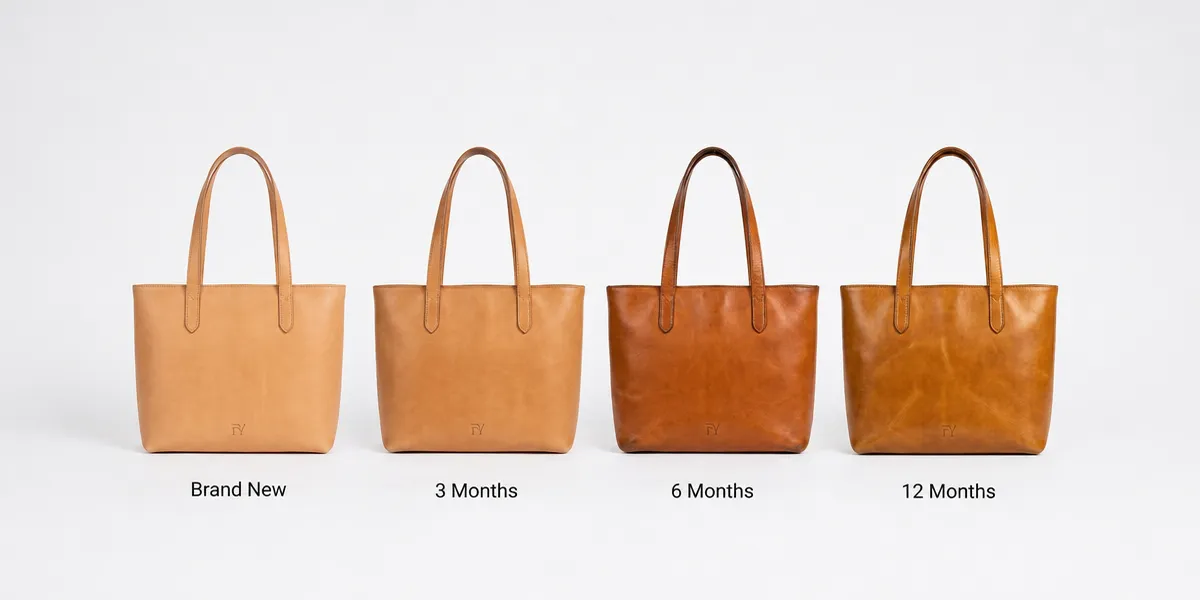
| Patina development | Minimal — chrome leather does not develop significant patina | The signature quality — vegetable-tanned leather darkens, enriches, and develops a warm surface sheen with UV exposure and skin-oil contact | The strongest marketing asset: “Your bag develops a unique patina over time — no two bags age the same way.” Include “before and after” photography on the product page |
| Water sensitivity | Low — chrome leather resists water well | Higher — vegetable-tanned leather is more absorbent; water drops can leave temporary marks | Requires a protective wax or oil finish at the factory; the consumer should be instructed to apply leather conditioner periodically. Product page: “Apply the included leather balm every 2–3 months to maintain water resistance.” |
| Scratch visibility | Moderate — depends on finish | Higher on raw/unfinished veg-tan; lower on finished/coated veg-tan | Light scratches can often be rubbed out with a finger (the scratch disperses into the surrounding leather); deeper scratches become part of the patina story. Consider a light protective topcoat for more scratch-resistant surface |
| Color range | Unlimited — any color achievable | Limited by the warm tan base — earth tones (cognac, saddle, chocolate, olive, burgundy, black) work best; pastels and bright colors are difficult to achieve cleanly | Design the collection around the warm color palette that vegetable tanning naturally produces; make the warm tone a brand asset, not a limitation |
| UV sensitivity | Low | Higher — the leather darkens with UV exposure (this is part of the patina development) | Store and display the product away from direct sunlight to prevent uneven darkening before sale |
| Structural body | Moderate to high, depending on thickness | Higher — vegetable tanning produces a firmer, more structured leather | A natural advantage for structured bag designs — the leather holds shape with less interlining than chrome-tanned equivalents |
| Biodegradability | Very slow — chromium-stabilized collagen resists decomposition | Faster — vegetable-tanned leather is more biodegradable at end of life | An additional sustainability claim: “At the end of its long life, this leather returns to the earth more readily than conventionally tanned alternatives.” |
Vegetable-tanned leather’s firmness is actually an advantage for handbag construction. Because the leather has more inherent body, it requires less internal reinforcement to hold its shape. A vegetable-tanned tote bag may need only lightweight fusible interlining on the panels, where a chrome-tanned version of the same design might need microfiber backing. This reduces the bag’s internal material cost and weight while maintaining structure.
The natural base color of vegetable-tanned leather — the warm tan/cognac that results from the tannin compounds — influences every subsequent dye color. Rather than fighting this base color (which produces muddy or unpredictable results in non-complementary hues), the most successful vegetable-tanned leather brands celebrate it by designing around the color family that the material naturally enhances.
| Color | Compatibility with Veg-Tan Base | Resulting Tone | Commercial Strength | Recommendation |
|---|---|---|---|---|
| Natural / undyed | Perfect — this IS the base color | Warm honey-to-tan that deepens with age; the “raw leather” aesthetic | Very strong — the signature veg-tan color; the most authentic expression of the material | Hero color — lead with this |
| Cognac / saddle | Excellent — the dye enhances the natural tone | Rich, warm, classic leather color | Very strong — the most commercially versatile warm tone | Core staple |
| Chocolate / dark brown | Excellent — the warm base deepens cleanly | Deep, rich brown with warm undertones | Strong — a classic darker option | Core staple |
| Burgundy / oxblood | Very good — the warm base enriches the red tones | Warm, wine-like, luxurious | Strong — the premium accent color | Collection accent |
| Olive / dark green | Good — the warm base adds warmth to the green | Rich, earthy green with golden undertones | Growing — the nature/wellness color | Seasonal or collection accent |
| Black | Good — but requires heavy dye saturation to overcome the warm base | Deep black with very subtle warm undertones (warmer than chrome-tanned black) | Stable — the safe neutral; some purists prefer the undyed option | Core staple — but the patina development is less visible on black |
| Navy | Moderate — the warm base can make navy appear slightly green-tinged | Dark blue with warm/greenish undertone depending on the specific tannin and dye chemistry | Moderate — test the specific combination before committing | Test before production |
| Pastel (pink, baby blue, lavender) | Poor — the warm tan base overwhelms delicate pastel dyes | Muddy, off-tone pastels that do not match their intended shade | Low — pastels on veg-tan are unpredictable and rarely satisfactory | Avoid — use chrome-free synthetic alternatives (PU, microfiber) for pastel colorways |
| White / cream | Very poor — the tannin base makes true white impossible | Cream at best; yellow-tinted; uneven | Very low | Avoid entirely on vegetable-tanned leather |
The recommended launch palette: natural undyed (hero) + cognac (staple) + chocolate (dark option) + black (universal). This four-color launch covers the essential wardrobe neutrals, showcases the material’s natural beauty at its best, and avoids the color limitations that could result in disappointed consumers.
Vegetable-tanned leather’s patina development is a visual content engine — the same bag photographed at purchase, at 3 months, at 6 months, and at 12 months shows a visible, dramatic evolution from light, stiff, and uniform to deep, supple, and richly varied. This “before and after” content is highly shareable, demonstrates long-term quality, and builds a community of patina enthusiasts who photograph and compare their bags’ aging journeys.
Raw (unfinished) vegetable-tanned leather is beautiful but vulnerable — it absorbs water, oil, and stains readily. For a handbag that will encounter rain, hand cream, coffee spills, and daily handling, a protective finish is necessary. The finish must protect the leather without introducing the chemicals that the “chrome-free / non-toxic” positioning seeks to avoid.
| Finish | What It Does | Protection Level | Effect on Patina | Non-Toxic Compatibility | Recommendation |
|---|---|---|---|---|---|
| Natural wax (beeswax, carnauba) | Creates a thin, breathable water-resistant barrier on the leather surface | Moderate — repels light water and surface stains; does not prevent deep saturation | Allows — the wax is transparent and does not block UV or oil from developing patina over time | Excellent — beeswax and carnauba are natural, non-toxic, and food-grade | The recommended default — the most consistent with the “natural” brand story |
| Leather oil (neatsfoot, jojoba) | Conditions the leather fibers, increasing flexibility and adding moderate water resistance from within | Low–Moderate — more conditioning than protection; a wet surface will still absorb | Accelerates — oils darken the leather slightly and kickstart the patina process | Very good — natural oils, non-toxic | Recommended as a factory conditioning step AND as the consumer care product |
| Water-based acrylic topcoat (light) | A thin, transparent polymer coating that seals the surface against moisture and stains | High — significantly reduces absorption; the most protective non-toxic finish | Reduces — the sealed surface partially blocks UV and oil from reaching the leather; patina develops more slowly | Good — water-based acrylics are low-VOC and free of heavy metals; some formulations are OEKO-TEX approved | Recommended for bags that need higher protection (daily commute bags, diaper bags) at the cost of slower patina |
| Wax + oil combination | Factory-applied oil conditioning + wax surface treatment | Moderate–High — the best balance of protection and patina compatibility | Moderately allows — patina develops, but more slowly than raw leather | Excellent | The premium specification — oil for fiber health + wax for surface protection |
| Synthetic PU topcoat | A thin polyurethane spray coating | Very high — effectively seals the surface; the most protective option | Blocks — the PU layer prevents patina development almost entirely | Moderate — PU is not “toxic” but is synthetic; may conflict with “all-natural” brand positioning | Conditional — for brands that prioritize protection over the patina story and do not claim “all-natural” finishing |
Specification for factory finishing: “All vegetable-tanned leather panels: condition with jojoba or neatsfoot oil, then apply light beeswax surface treatment. No PU topcoat. No chrome-containing or heavy-metal-containing finishing agents.”
Vegetable-tanned chrome-free leather handbags serve three distinct consumer segments, each with different messaging priorities:
| Positioning Element | Specification |
|---|---|
| Core message | “100% chrome-free leather, safe for sensitive skin and safe around your baby” |
| Certification to highlight | OEKO-TEX Standard 100, Product Class I (“safe for baby skin contact”) |
| Product types | Diaper bags, everyday totes, crossbody bags — products the mother carries while holding, nursing, or interacting with her infant |
| Key claim | “No chromium, no heavy metals, no formaldehyde — tested and certified safe for contact with baby skin” |
| Care product inclusion | Include a small jar of natural leather balm (beeswax-based) with every purchase — a touchpoint that reinforces the “natural care” narrative |
| Positioning Element | Specification |
|---|---|
| Core message | “Crafted for the 1 in 30 people with chromium sensitivity — and for everyone who chooses fewer chemicals in their life” |
| Certification to highlight | OEKO-TEX Standard 100; full chemical test report available on the product page (transparency as a brand value) |
| Product types | Everyday handbags, work bags, wallets, small leather goods — any product with prolonged skin contact |
| Key claim | “Zero chromium, zero known allergens, zero compromise on luxury” |
| Educational content | Blog posts and product-page content explaining chromium sensitivity, the difference between Cr(III) and Cr(VI), and why vegetable tanning eliminates the risk entirely |
| Positioning Element | Specification |
|---|---|
| Core message | “The way leather was made for thousands of years — plant tannins, clean water, no heavy metals, and a patina that tells your story” |
| Certification to highlight | LWG (tannery environmental management); IVN Naturleder (the gold standard); eco-friendly positioning |
| Product types | The full collection — totes, crossbodies, shoulder bags, clutches, weekenders — all in vegetable-tanned leather |
| Key claim | “Biodegradable leather. Renewable plant tannins. A bag that returns to the earth when your grandchildren are done with it.” |
| The patina story | The patina is the hero — the marketing is built around the leather’s evolution over time; “before and after” content; patina-diary community |
Vegetable-tanned leather behaves differently from chrome-tanned leather during production. Factories experienced with chrome-tanned leather may need specific guidance for working with veg-tan for the first time.
| Production Step | Chrome-Tanned (standard) | Vegetable-Tanned (adjustment) | Why the Adjustment |
|---|---|---|---|
| Cutting | Standard cutting dies; moderate pressure | May require increased die pressure — veg-tan is firmer and thicker than chrome-tan at the same nominal thickness | The firmer fibers resist the cutting die; insufficient pressure produces ragged edges |
| Skiving (edge thinning) | Standard skiving settings | Reduce skiving speed; increase blade sharpness | Veg-tan’s denser fiber structure requires a sharper blade and slower pass to prevent tearing |
| Edge finishing | Standard edge paint or folded edges | Natural edge finishing — sand, burnish, and apply beeswax or natural edge compound; or use edge paint (ensure the paint is chromium-free and low-VOC) | Natural edge finishing is the most authentic to the veg-tan aesthetic; painted edges are acceptable but the paint must match the non-toxic specification |
| Stitching | Standard needle and thread settings | May require a larger needle (one size up from standard) and waxed thread | Veg-tan is denser than chrome-tan; a larger needle penetrates more cleanly; waxed thread reduces friction through the dense material |
| Gluing (for interlining) | Standard contact adhesive or fusible | Use water-based, solvent-free adhesive or fusible with low-VOC adhesive layer | Solvent-based adhesives may introduce chemicals that conflict with the “non-toxic” positioning; water-based adhesives are compatible with the health-and-safety narrative |
| Folding / creasing | Standard folding | Moisten the fold line slightly before folding; fold slowly and with gradual pressure | Veg-tan is less flexible than chrome-tan; dry folding can crack the grain surface; slight moisture makes the fibers pliable temporarily |
| Interlining | Microfiber backing or fusible as standard | May require less interlining than chrome-tanned equivalents — veg-tan’s inherent body provides more structure | Veg-tan’s firmness is a structural advantage; over-interlining makes the bag feel stiff and “cardboard-like” |
| Quality control | Standard visual and structural QC | Add chemical compliance documentation to QC: include the test report (total Cr, Cr(VI), formaldehyde, pH) with every production shipment | The “chrome-free” claim must be backed by documentation at every shipment — not just the initial sample |
The consumer does not need a chemistry lesson. She needs a simple, credible, emotionally resonant explanation of why this leather is different and why it matters for her and her family.
| Section | Copy |
|---|---|
| The headline claim | “100% Vegetable-Tanned Leather — Chrome-Free, Heavy-Metal-Free, Certified Safe for Sensitive Skin” |
| The simple explanation | “Our leather is tanned using plant extracts — bark, wood, and leaves — instead of the chromium salts used in 80% of the world’s leather. The result: leather with zero heavy metals, safe for you, safe for your family, and kinder to the planet.” |
| The patina promise | “This is living leather. It will darken, soften, and develop a unique surface patina with daily use — a personal signature that no two bags share. The bag you carry in a year will look and feel different from the bag you unbox today. That evolution is the point.” |
| The care instruction | “Vegetable-tanned leather loves a little attention. Apply the included natural leather balm every 2–3 months to maintain its warmth and water resistance. Avoid prolonged direct sunlight during storage (but don’t worry about normal daily sun exposure — that’s part of the patina).” |
| The certification proof | “Tested and certified OEKO-TEX Standard 100 (Product Class I) — verified safe for contact with baby skin. Full test report available upon request.” |
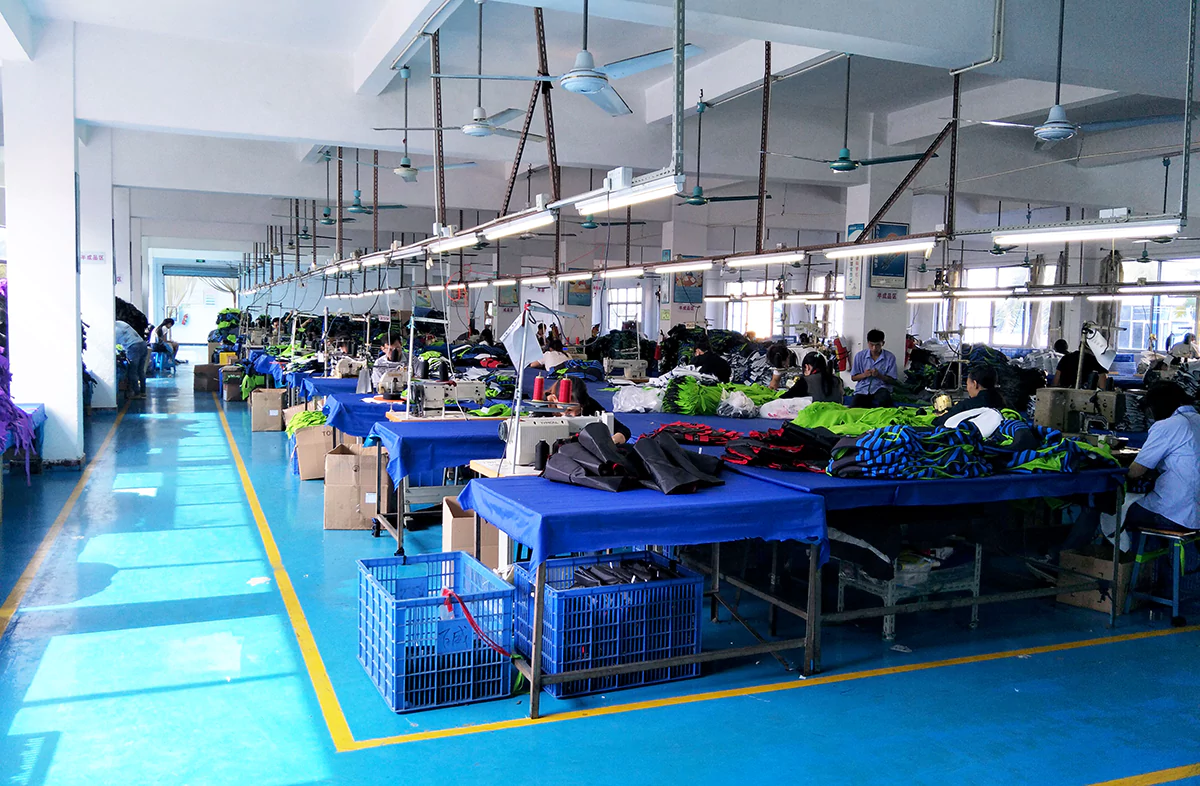
FYBagCustom is Your Trusted Custom Bag Manufacturer in China, with 15+ years of manufacturing experience and a material sourcing network that includes verified vegetable-tanned leather suppliers. For brands developing chrome-free leather handbags, our capabilities include:
Explore our custom bag collection or contact our development team to discuss vegetable-tanned leather sourcing, chrome-free verification, and OEKO-TEX testing for your program.
Vegetable-tanned, chrome-free leather is not a niche material — it is the leather industry’s oldest and most proven tanning method, now experiencing a resurgence driven by health-conscious consumers, tightening regulations, and the premium market’s embrace of natural materials that age with character. For B2B buyers developing chrome-free leather handbags, three core takeaways:
If your brand serves mothers, wellness-lifestyle consumers, sensitive-skin customers, or anyone who values “clean” products — now is the time to source vegetable-tanned leather, verify its chrome-free status, and develop the product line. Contact FYBagCustom to discuss veg-tan sourcing, non-toxic finishing, and OEKO-TEX testing — and receive a chrome-free leather sample with full chemical documentation, typically within 7–12 days.
FYBagCustom sources verified vegetable-tanned leather with zero chromium, applies non-toxic natural finishing, and coordinates OEKO-TEX testing — for mother-and-baby brands, wellness labels, and eco-luxury collections. Chrome-free samples with full chemical documentation in 7–12 days.
Start Your Custom Bag Project →